

The meniscus is a piece of cartilage that is located in the knee joint between the thigh bone (femur) and shin bone (tibia). The meniscus acts as a shock absorber and helps to distribute weight evenly across the knee joint, which helps to prevent damage to the bones and other structures in the knee.
Meniscus tears are a common injury that can occur as a result of a sudden twisting or bending motion of the knee, such as during sports activities. In older individuals, degenerative changes to the meniscus can also occur over time, leading to an increased risk of tears.
Symptoms of a meniscus tear can include pain, swelling, stiffness, and limited range of motion in the knee joint.
Treatment for meniscus tears may involve rest, ice, compression, and elevation (RICE), as well as physical therapy, medication, regenerative treatments and in some cases, surgery.
There are several regenerative treatments available for meniscus tears, and the best option depends on the severity of the tear, the age and health of the patient, and other individual factors.

It is important to note that the effectiveness of regenerative medicine treatments for ligament and tendon tears may vary depending on the severity of the injury and other individual factors and not all patients may be good candidates for regenerative treatments.
Call us to learn more about our treatments and if they are a viable option for your specific condition.
Found in early-stage embryos. Super powerful, can become any cell in the body. They are not typically used in modern clinical settings in the U.S. We don’t offer treatments using ESCs.
Found in tissues like bone marrow and fat. Their job is to maintain and repair the tissue they come from. These are what we mostly use in regenerative medicine. We do offer treatments using ASCs.
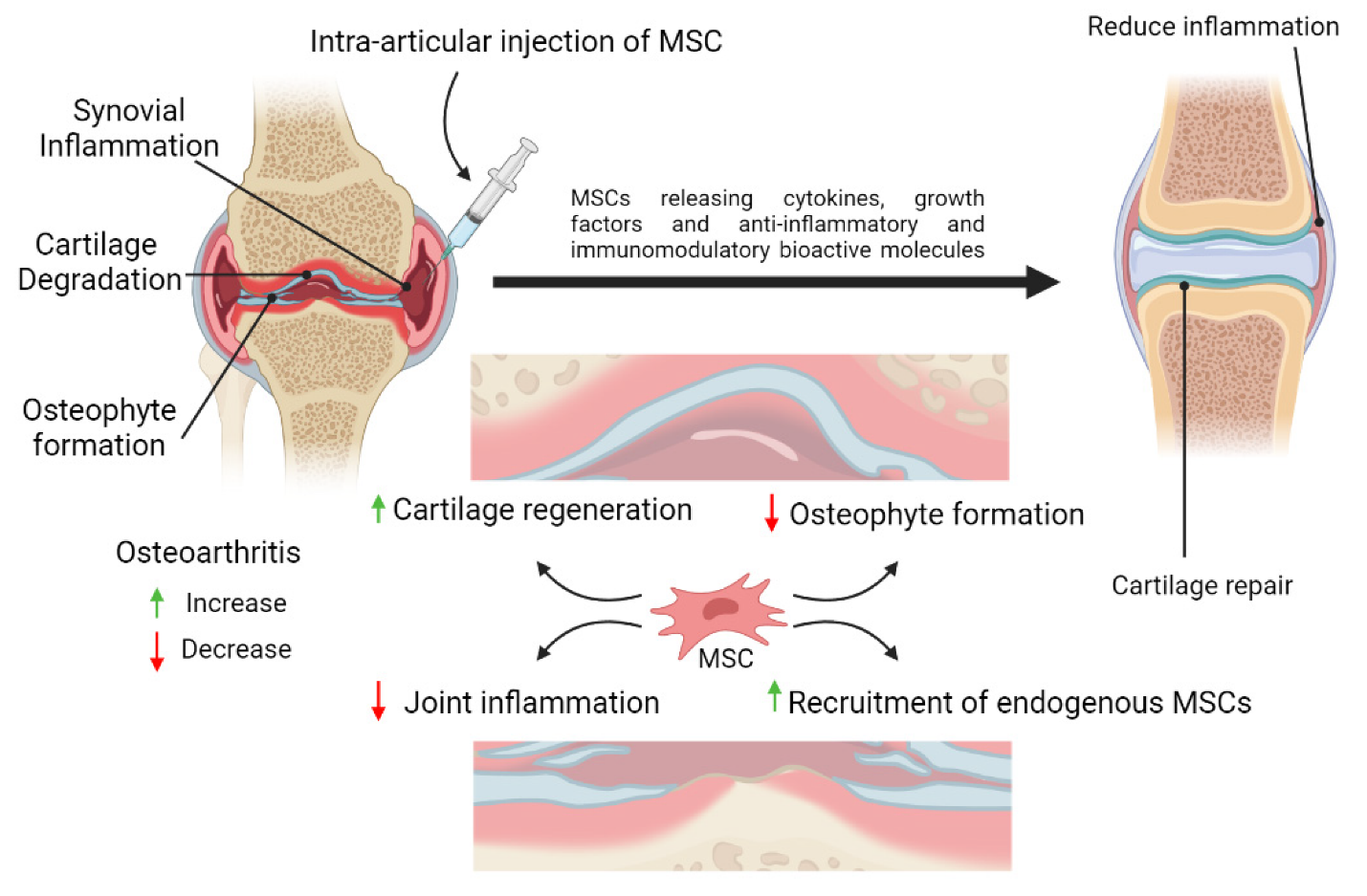
This is the type A subtype of adult stem cells found in bone marrow, fat, and umbilical cords. They’re amazing at reducing inflammation, modulating the immune system, and helping damaged tissue heal. We do offer treatments using MSCs.
Regular adult cells that scientists “reprogram” to act like embryonic stem cells. Big in research, not widely used yet in clinical care. We do not work with iPSCs.
Stem cells are your body’s raw materials—basically, the building blocks for all other cells. They’re special because they can:
1. Divide and make more copies of themselves (self-renew).
2. Turn into specialized cells like muscle, bone, nerve, skin, or blood cells (differentiate).
Think of them like the body’s repair system. If you get injured or sick, stem cells can go to the area and help regenerate damaged tissue.

Exosomes are microscopic particles (about 1/1000th the size of a cell) naturally released by cells—especially stem cells. They’re loaded with growth factors, proteins, RNA, and other signaling molecules that tell other cells what to do.
Exosomes aren’t stem cells themselves. They’re what stem cells use to communicate and activate healing in your body. You could say they’re the “brains” behind the operation, coordinating the regenerative process.
We use Umbilical Cord-Derived MSC Exosomes derived from Wharton’s Jelly in donated umbilical cords. These are the most clinically used exosomes today due to their potency, safety, and ethical sourcing. They’re young, non-immunogenic, and highly active. They are excellent for orthopedic, autoimmune, and anti-aging protocols
Regenerative treatments like MSCs, Exosomes, and PRP use the body’s natural healing to repair tissue, reduce inflammation, and improve function, offering a non-invasive alternative to surgery. These therapies can enhance quality of life and delay the need for more invasive procedures.
What They Are: MSCs are adult stem cells derived from Wharton’s Jelly in umbilical cords. They are immune-privileged and have powerful anti-inflammatory and regenerative properties.
Applications:
Benefits:
Good Candidates:
Not Ideal For:
Pros:
Cons:

What They Are: Exosomes are tiny extracellular vesicles secreted by stem cells. They carry RNA, proteins, and growth factors that direct cells to heal and regenerate.
Applications:
Benefits:
Not Ideal For:
Pros:
Cons:
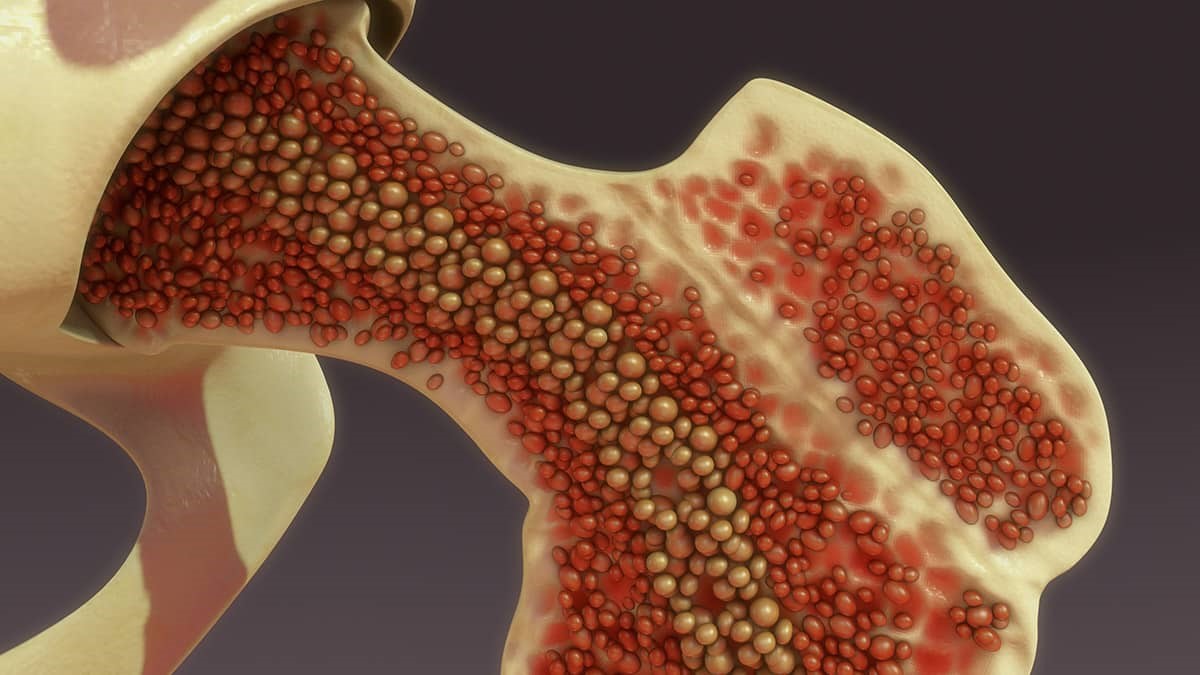
What It Is: BMAC is a concentrate of stem cells and growth factors harvested from the patient’s own bone marrow, typically from the hip.
Applications:
Benefits:
Good Candidates:
Not Ideal For:
Pros:
Cons:

What It Is: PRP is created from your own blood. After centrifugation, the platelet-rich layer is injected into the area needing healing.
Applications:
Benefits:
Good Candidates:
Not Ideal For:
Pros:
Cons:
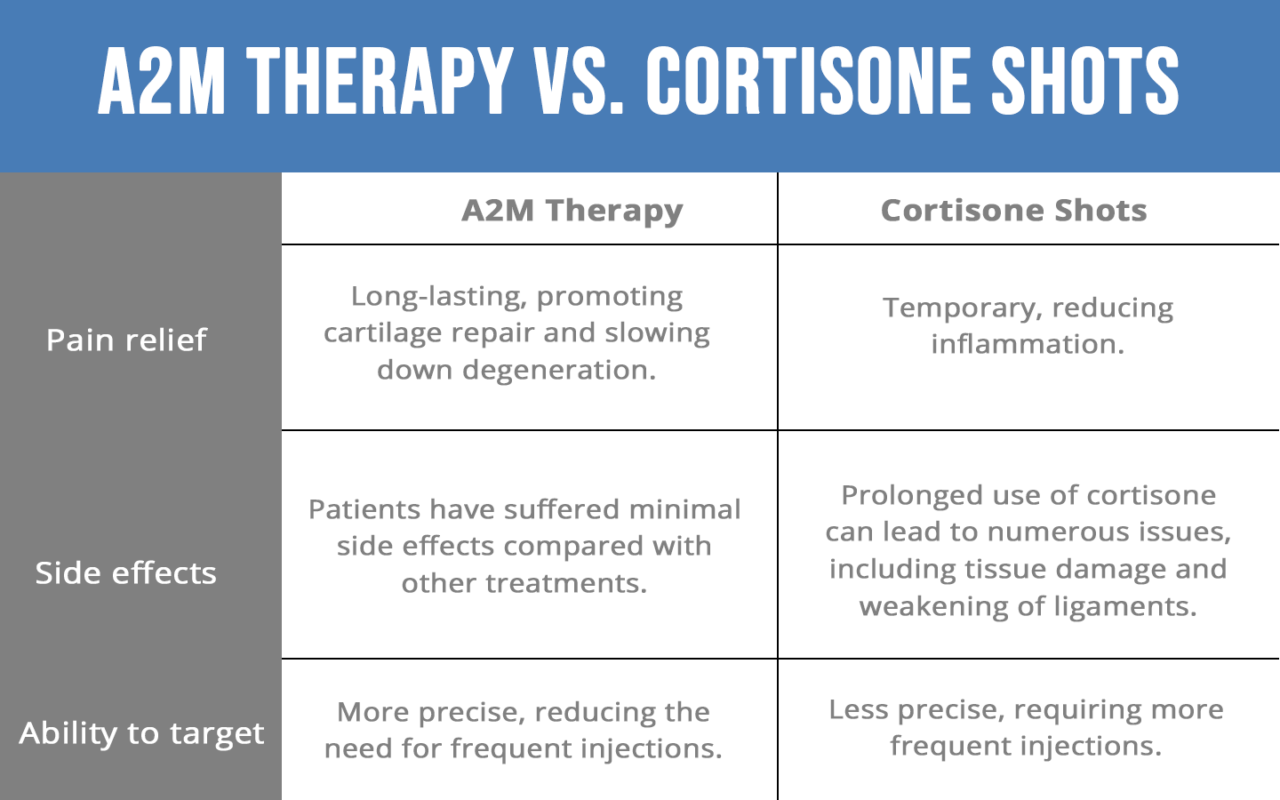
What It Is: A2M is a large plasma protein that captures and neutralizes enzymes that break down cartilage in joints. A2M is isolated from your own blood.
Applications:
Benefits:
Good Candidates:
Not Ideal For:
Pros:
Cons:

What It Is: Clarix Flo is an injectable made from amniotic membrane and umbilical cord tissue. It has anti-inflammatory, anti-scarring, and regenerative properties. It is FDA approved.
Applications:
Benefits:
Good Candidates:
Not Ideal For:
Pros:
Cons:
Have questions or ready to start your journey to pain-free living? Contact us today to schedule your free consultation and explore your treatment options.
7330 SW 62nd Place, Suite 320A South Miami, Florida 33143
1401 S Beretania St, Ste 400 Honolulu, HI 96814

Miami Stem Cell – Leading the way in Regenerative Medicine. With over 16 years of experience, we specialize in cutting-edge stem cell therapies designed to help you heal naturally and live pain-free.