
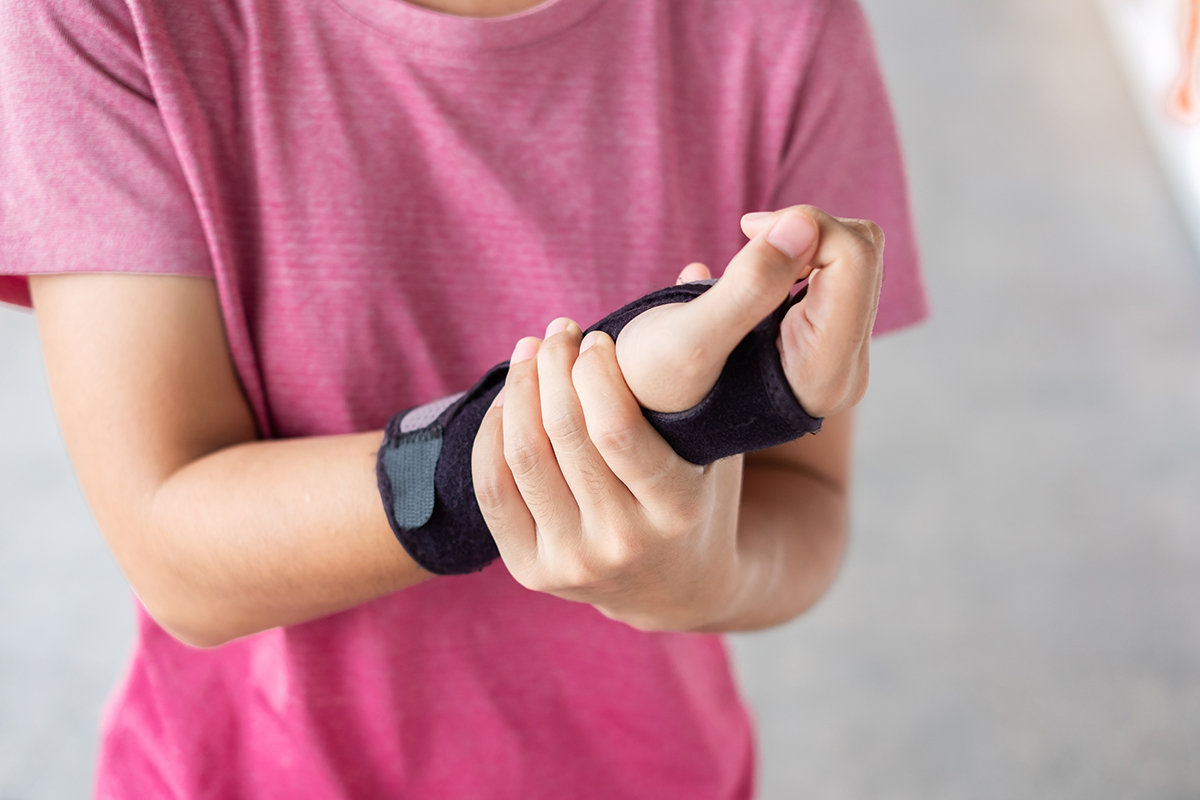
The triangular fibrocartilage complex (TFCC) is a group of ligaments and cartilage that sits at the base of the wrist, between the ulna bone of the forearm and the small bones of the wrist. A TFCC tear is a tear or injury to this complex of ligaments and cartilage.
TFCC tears can be caused by acute injuries, such as falls or trauma to the wrist. Repetitive stress and overuse of the wrist can also lead to TFCC tears, particularly in athletes who participate in sports that involve throwing or racquet sports, as well as workers who perform manual labor tasks that involve repetitive wrist motions.
Certain conditions can also increase the risk of developing TFCC tears. These include:
Common symptoms of TFCC (Triangular Fibrocartilage Complex) tears may include:
Regenerative medicine treatments, such as platelet-rich plasma (PRP) therapy and stem cell therapy, may be effective in treating TFCC tears.
PRP therapy involves injecting concentrated platelets from the patient’s own blood into the affected area. Platelets contain growth factors that can stimulate the body’s natural healing response and promote tissue repair. PRP therapy has been shown to be effective in promoting healing and reducing pain in patients with TFCC tears.
Stem cell therapy involves injecting stem cells into the affected area. Stem cells have the ability to differentiate into various types of cells, including cartilage and tendon cells. By injecting stem cells into the TFCC tear, they may be able to differentiate into cartilage cells and promote tissue repair. While research is still ongoing, preliminary studies suggest that stem cell therapy may be a promising treatment option for TFCC tears.
Anyone can get a TCFF tear, however, it occurs most often in those who fall on an outstretched hand. Athletes, especially, are at risk. It is most common with those who use a racquet, bat or club and those who put a lot of pressure on the wrist such as gymnasts. Degenerative tears are more common in people over 50. Medical attention should be sought as soon as possible after an injury to the wrist.
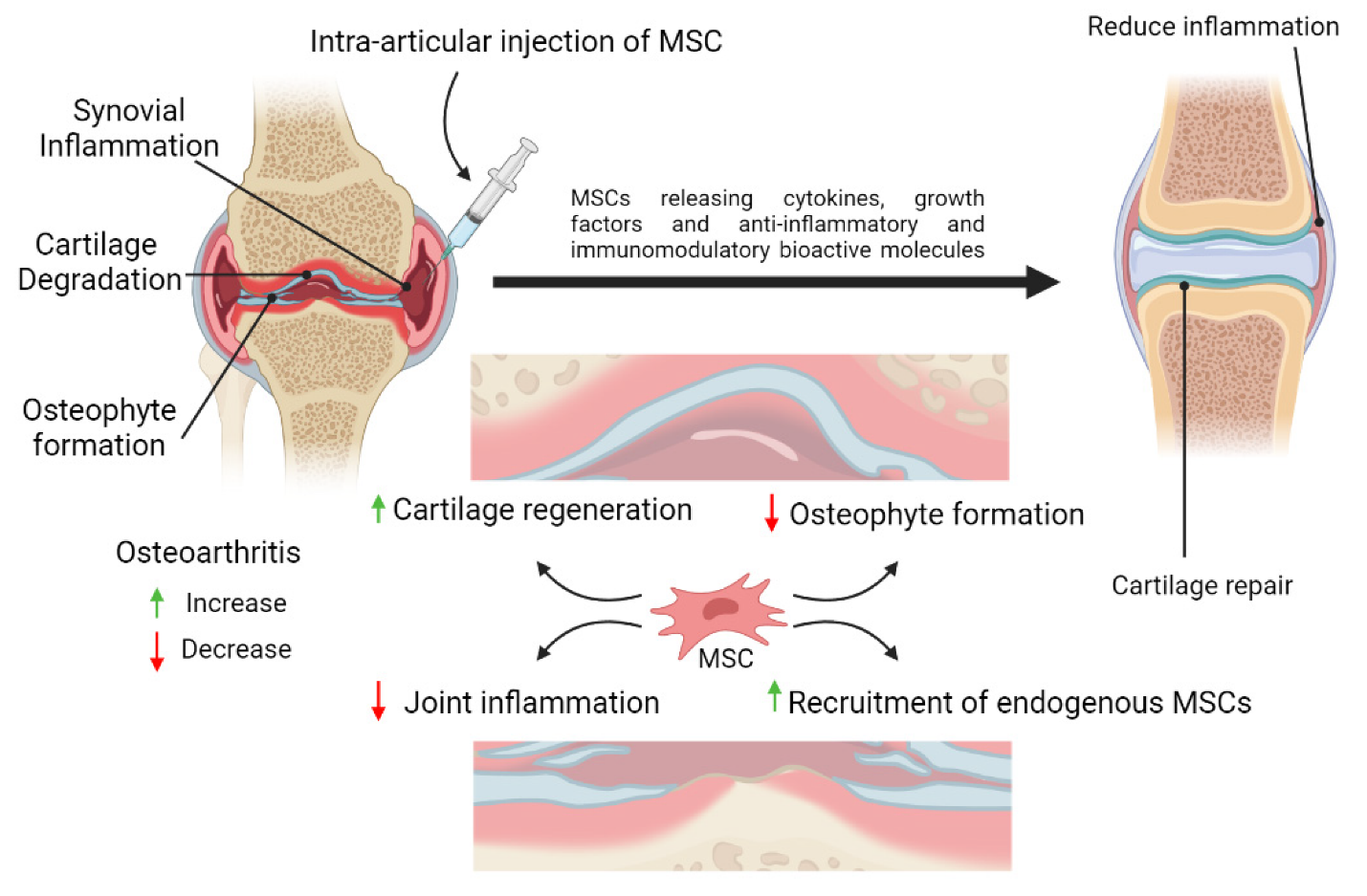
Regenerative treatments can help with arthritis by promoting tissue regeneration and reducing inflammation. Arthritis causes damage to the cartilage, bones, and other tissues in the joints, leading to pain, stiffness, and reduced mobility.
Regenerative treatments like Stem Cell therapy, PRP therapy, A2M therapy, and Clarix Flo therapy are designed to help repair and regenerate damaged tissues, allowing the joint to function more effectively.
Found in early-stage embryos. Super powerful, can become any cell in the body. They are not typically used in modern clinical settings in the U.S. We don’t offer treatments using ESCs.
Found in tissues like bone marrow and fat. Their job is to maintain and repair the tissue they come from. These are what we mostly use in regenerative medicine. We do offer treatments using ASCs.
This is the type A subtype of adult stem cells found in bone marrow, fat, and umbilical cords. They’re amazing at reducing inflammation, modulating the immune system, and helping damaged tissue heal. We do offer treatments using MSCs.
Regular adult cells that scientists “reprogram” to act like embryonic stem cells. Big in research, not widely used yet in clinical care. We do not work with iPSCs.
Stem cells are your body’s raw materials—basically, the building blocks for all other cells. They’re special because they can:
1. Divide and make more copies of themselves (self-renew).
2. Turn into specialized cells like muscle, bone, nerve, skin, or blood cells (differentiate).
Think of them like the body’s repair system. If you get injured or sick, stem cells can go to the area and help regenerate damaged tissue.

Exosomes are microscopic particles (about 1/1000th the size of a cell) naturally released by cells—especially stem cells. They’re loaded with growth factors, proteins, RNA, and other signaling molecules that tell other cells what to do.
Exosomes aren’t stem cells themselves. They’re what stem cells use to communicate and activate healing in your body. You could say they’re the “brains” behind the operation, coordinating the regenerative process.
We use Umbilical Cord-Derived MSC Exosomes derived from Wharton’s Jelly in donated umbilical cords. These are the most clinically used exosomes today due to their potency, safety, and ethical sourcing. They’re young, non-immunogenic, and highly active. They are excellent for orthopedic, autoimmune, and anti-aging protocols
Regenerative treatments like MSCs, Exosomes, and PRP use the body’s natural healing to repair tissue, reduce inflammation, and improve function, offering a non-invasive alternative to surgery. These therapies can enhance quality of life and delay the need for more invasive procedures.
What They Are: MSCs are adult stem cells derived from Wharton’s Jelly in umbilical cords. They are immune-privileged and have powerful anti-inflammatory and regenerative properties.
Applications:
Benefits:
Good Candidates:
Not Ideal For:
Pros:
Cons:

What They Are: Exosomes are tiny extracellular vesicles secreted by stem cells. They carry RNA, proteins, and growth factors that direct cells to heal and regenerate.
Applications:
Benefits:
Not Ideal For:
Pros:
Cons:
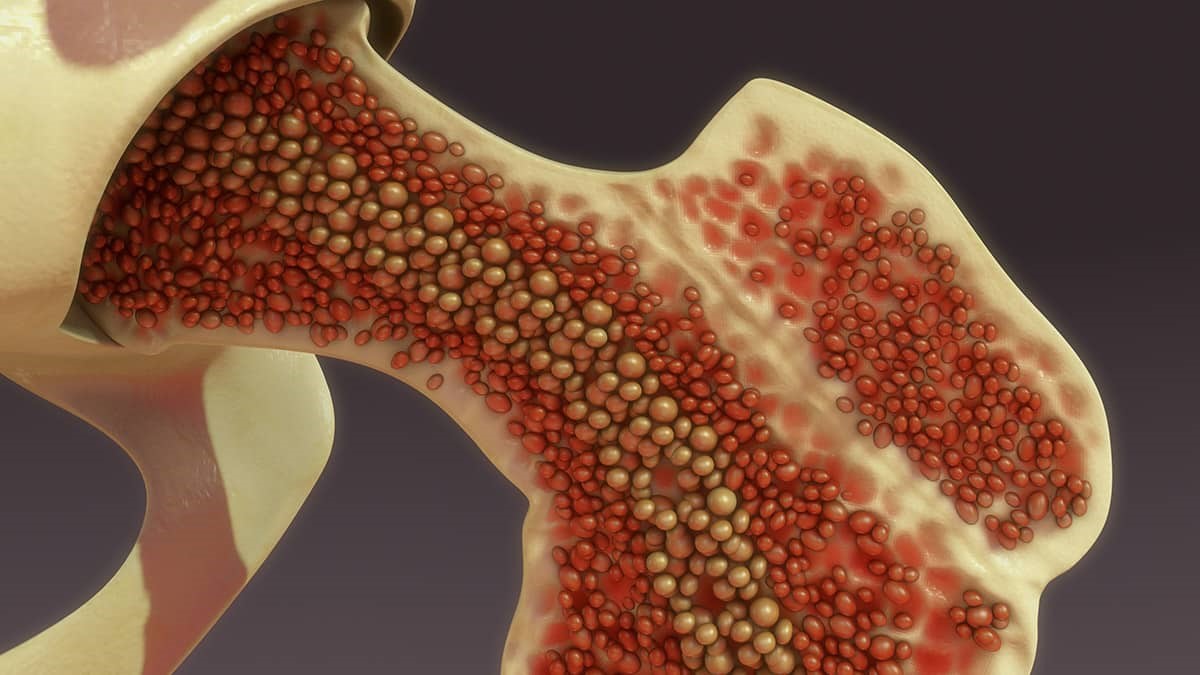
What It Is: BMAC is a concentrate of stem cells and growth factors harvested from the patient’s own bone marrow, typically from the hip.
Applications:
Benefits:
Good Candidates:
Not Ideal For:
Pros:
Cons:

What It Is: PRP is created from your own blood. After centrifugation, the platelet-rich layer is injected into the area needing healing.
Applications:
Benefits:
Good Candidates:
Not Ideal For:
Pros:
Cons:
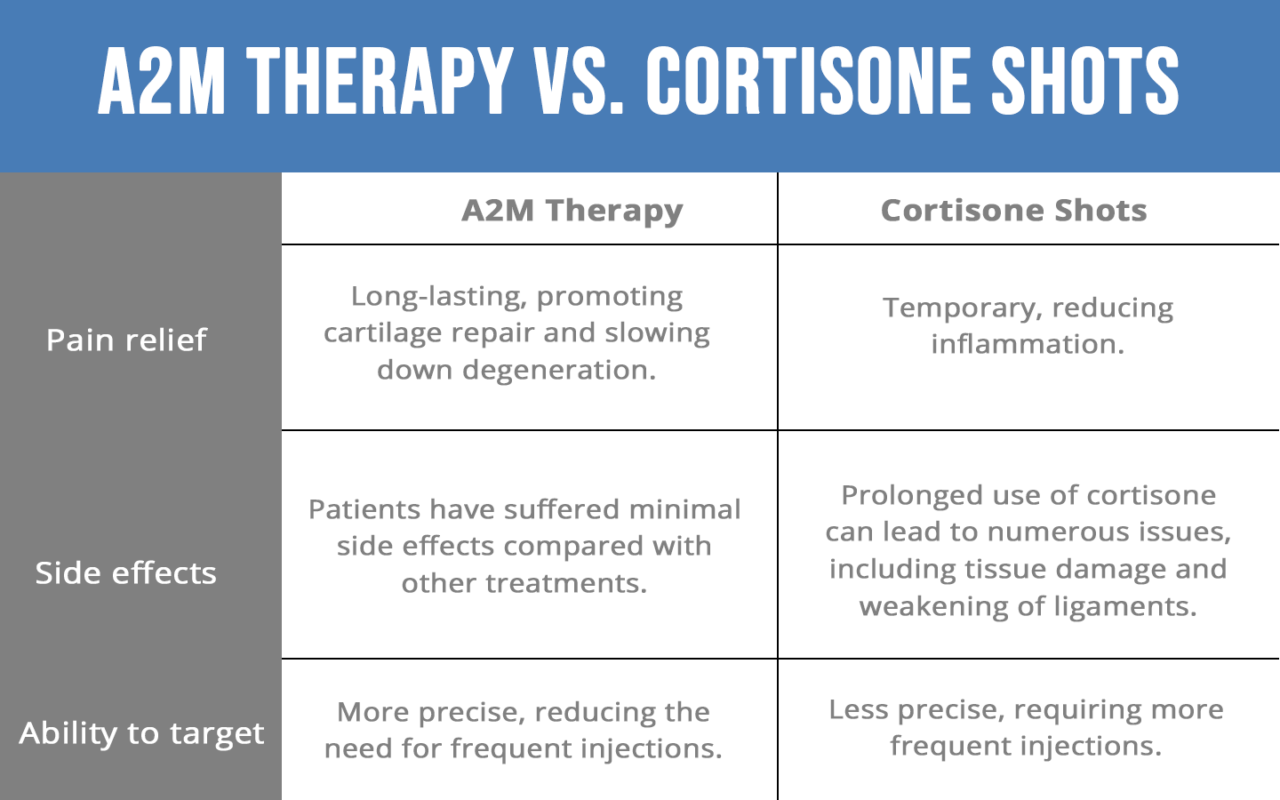
What It Is: A2M is a large plasma protein that captures and neutralizes enzymes that break down cartilage in joints. A2M is isolated from your own blood.
Applications:
Benefits:
Good Candidates:
Not Ideal For:
Pros:
Cons:

What It Is: Clarix Flo is an injectable made from amniotic membrane and umbilical cord tissue. It has anti-inflammatory, anti-scarring, and regenerative properties. It is FDA approved.
Applications:
Benefits:
Good Candidates:
Not Ideal For:
Pros:
Cons:
Have questions or ready to start your journey to pain-free living? Contact us today to schedule your free consultation and explore your treatment options.
7330 SW 62nd Place, Suite 320A South Miami, Florida 33143
1401 S Beretania St, Ste 400 Honolulu, HI 96814

Miami Stem Cell – Leading the way in Regenerative Medicine. With over 16 years of experience, we specialize in cutting-edge stem cell therapies designed to help you heal naturally and live pain-free.