Joint Regeneration with Stem Cell Therapy in Miami
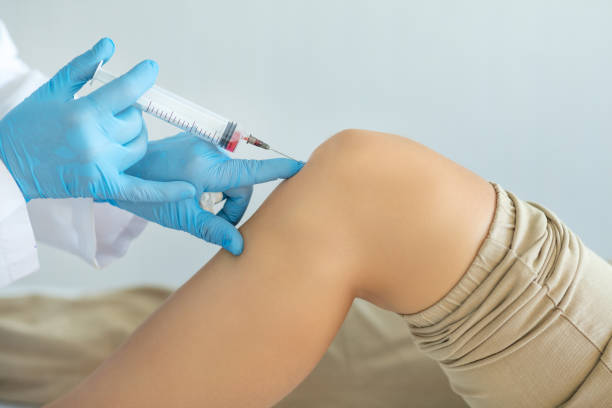
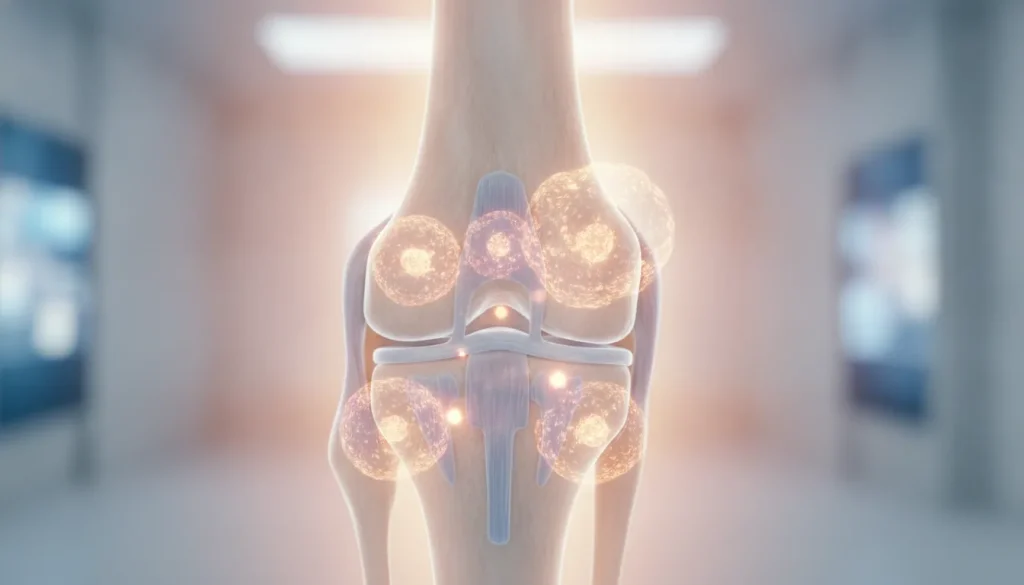
At Miami Stem Cell, we specialize in advanced joint regeneration in Miami to treat conditions such as osteoarthritis (OA), meniscus tears, and disc degeneration. With over 16 years of experience and 8,500+ successful procedures, our team provides personalized, non-surgical solutions to help you restore mobility and improve your quality of life.
8,500+Succesful Procedures
16Years of Experience
Our approach to stem cell therapy for joint and spine conditions focuses on healing at the source. We guide you through each treatment option—from Wharton’s Jelly MSCs to PRP—so you can choose the best path for natural recovery, reduced pain, and long-term joint function.
Non-Surgical Treatments: Regenerate tissues naturally without surgery.
Personalized Care: Tailored therapies for the best results.
Wharton’s Jelly MSCs, from umbilical cord tissue, contain mesenchymal stem cells, growth factors, and cytokines. Rich in collagen types I, II, and III, they help treat OA, tears, disc degeneration, and chronic inflammation.
Exosomes
Exosomes, derived from umbilical cord stem cells, contain signaling molecules like miRNAs, cytokines, and lipids. They play a crucial role in regeneration, reducing inflammation, accelerating repair, and supporting neurogenic repair.
BMAC (Bone Marrow Aspirate Concentrate)
BMAC, from the patient’s iliac crest marrow, contains autologous MSCs, growth factors, and hematopoietic stem cells. It promotes type I collagen and is ideal for joint arthritis, disc repair, and moderate tears.
PRP (Platelet - Rich Plasma)
PRP (Platelet-Rich Plasma) is derived from the patient’s own blood and contains growth factors, cytokines, and platelets. It facilitates repair through signaling and is ideal for treating mild OA, tendonitis, and early-stage degeneration.
HOW IT WORKS
How Stem Cell Therapy Works
Our treatments use advanced biologics to support your body’s natural healing process.
Wharton’s Jelly MSCs are rich in regenerative signals that help repair cartilage, ligaments, and tendons. Exosomes enhance communication between cells to accelerate healing and reduce inflammation.
Additional therapies like BMAC and PRP further support tissue regeneration, depending on your condition and severity.
Wharton’s Jelly MSCs
What it is: Sourced from umbilical cord tissue (Wharton’s Jelly) donated after healthy, full - term births.
What it does: Provides high concentrations of young, multipotent mesenchymal stem cells (MSCs) that differentiate into type I, II, and III collagen — vital for cartilage, ligament, and tendon regeneration. These cells signal your body to repair damaged tissues like torn tendons, without altering your DNA or becoming permanent residents.
Ideal for: Moderate to severe OA, partial rotator cuff tears, spinal degeneration, and chronic joint inflammation.
Bonus: Low immunogenicity = no rejection. These cells don’t trigger an immune response.
TREATMENT DIFFERENCE
Stem Cell Therapy vs Other Treatment Options
Treatment
Wharton’s Jelly MSCs
BMAC
PRP
Exosomes
Type I
Yes
Yes
No
Indirect only (signaling)
Type II
Yes
(limited)
No
Indirect
Type III
Yes
(limited)
No
Indirect
GOOD CANDIDATE
Who is a Good Candidate?
Ideal Candidates:
Diagnosed with OA (mild to severe)
Have ligament, meniscus, or tendon tears
Herniated disc or degenerative disc disease
Looking to avoid or delay surgery
Healthy enough for outpatient procedures
Not Ideal Candidates:
Active cancer or history of blood cancers
Uncontrolled autoimmune disorders
Active infection
Severe spinal instability needing fusion
Advanced joint destruction (bone - on - bone with instability)
TRUST
How Our Stem Cell Treatments Are Prepared Safely
We use ethically sourced, highly regulated biologics that meet strict safety and quality standards.
All products are processed in sterile, cGMP-compliant laboratories and tested for purity, viability, and safety ensuring consistent, high-quality results for every patient.
Wharton ’ s Jelly MSCs – Sourcing and Processing:
Ethical sourcing from healthy cesarean deliveries with full maternal consent.
Donor screening : infectious diseases, genetic disorders, and lifestyle history (compliant with FDA, AATB, and AABB standards).
Tissue is collected in a sterile environment , immediately cryopreserved or transported to a certified lab.
Lab Processing & Quality Controls:
Isolation of MSCs in cGMP - compliant cleanrooms (Good Manufacturing Practice).
Cultured in xeno - free, serum - free media (no animal - derived substances).
Cells are: 1. Viability - tested, 2. Tested for endotoxins, bacteria, and mycoplasma, 3. Characterized for MSC markers (CD 73+, CD90+, CD105+, CD45 - , CD34 - ) 4. Karyotyped to confirm genetic stability
Final product : cryopreserved, viability >90%, batch traceability ensured.
Exosome Extraction:
Harvested from MSC cultures using ultrafiltration and size - exclusion chromatography
At Miami Stem Cell®, we combine science, skill, and integrity to help you regenerate instead of replace. Whether you’re trying to get back on the court, return to work, or simply enjoy pain-free walks, our team is here to guide you with the most advanced tools available in modern regenerative medicine.
Post-Treatment Care
Rest the treated area for 24-48 hours; avoid lifting weights for 2 weeks. Ice the area if needed.
Avoid anti - inflammatory, blood thinner medications (NSAIDs) for 2 – 4 weeks. They interfere with the regenerative process.
Begin physical therapy (gentle range of motion) after 7 – 10 days, per physician guidance.
Ready to Restore Your Joint Health?
Take the first step toward pain relief and better mobility! At Miami Stem Cell®, our team of experts is here to help you explore innovative, non-surgical treatments tailored to your needs.
Effective July 1, 2025, Florida permits physicians to administer certain stem cell therapies for orthopedic conditions, even if these treatments haven't received FDA approval. This change stems from the enactment of Senate Bill 1768, which authorizes licensed physicians to offer stem cell therapies for orthopedics, wound care, and pain management, provided they adhere to specific regulatory standards.
Wharton’s Jelly MSCs + exosomes are processed in FDA - registered, AATB - certified, and cGMP - compliant labs.
What Our Patients are Saying
We take pride in our commitment to excellence and patient satisfaction. Here’s what some of our clients have to say
Book Your FREE Virtual Consultation
Our team has pioneered regenerative medicine, completing over 8,500 stem cell procedures as a successful alternative to surgery. Miami Stem Cell specializes in treating hair loss and pain-related issues using advanced stem cell and exosome therapies
Whether you’re seeking relief from chronic pain, looking to restore your hair, or exploring options for a loved one with autism, your path to healing starts with a conversation.
During your complimentary 15-minute consultation, we’ll:
Discuss your condition and treatment goals
Explain which therapies may be appropriate
Answer your questions about safety, timeline, and costs
Determine if you’re a candidate for our programs
No pressure, no obligation, just honest answers from a team that genuinely wants to help.
Get answers to common questions about our joint regeneration treatments, the process, and what to expect on your journey to improved mobility and pain relief.
How can stem cell therapy help with arthritis?
Stem cell therapy can reduce inflammation in arthritic joints and regenerate damaged cartilage, potentially improving pain, stiffness, and joint function.
Can stem cells repair cartilage damage?
Yes, stem cells have shown promise in regenerating cartilage, offering a potential alternative to joint replacement surgeries in patients with cartilage degeneration.
Is stem cell therapy effective for sports injuries?
Stem cell therapy has been used effectively for various sports injuries, such as ligament, tendon, and joint injuries, helping athletes return to activity faster.
How does stem cell therapy treat rotator cuff injuries?
Stem cells can accelerate healing in shoulder injuries by reducing inflammation and supporting tissue repair, which can reduce pain and restore mobility.
What results can I expect for hip pain?
Many patients report reduced hip pain and improved mobility post-treatment, although individual outcomes vary based on the severity and type of damage.
Can stem cells heal tendons and ligaments effectively?
Yes, stem cells are often used in tendon and ligament repair due to their regenerative properties, potentially offering a non-surgical option for recovery.
How is stem cell therapy used to treat knee pain?
Stem cells can target damaged cartilage and tissues in the knee, reducing inflammation and promoting repair, which is often beneficial for osteoarthritis and sports-related injuries.