Choosing stem cell therapy for hair loss is an exciting decision. It’s a powerful treatment that restores your hair from the inside out. One of the biggest benefits is how gradual the change is, giving you a completely natural-looking transformation. This brings up the most important question: for stem cell hair how long to see the result? We’ll walk you through the timeline, explaining when you can expect visible results (typically 3-6 months) and even touch on how long does stem cell hair treatment last, so you know exactly what to expect.
“How soon will I see results?”
The truth is, there isn’t a single answer. Your timeline depends on your condition, the type of treatment you receive, and how your body responds. Understanding this helps set realistic expectations and keeps you motivated throughout the healing process.
Understanding Stem Cell Therapy for Hair Loss
For those of us dealing with thinning hair, the idea of a non-surgical solution that uses the body’s own healing mechanisms is incredibly appealing. This is where stem cell therapy comes in. It’s a form of regenerative medicine that addresses hair loss at the source by targeting the health of your hair follicles. Instead of just treating the symptoms, this approach aims to rejuvenate dormant follicles and encourage new, healthy hair growth from within. The goal is to restore not just your hair, but also your confidence, using a method that works in harmony with your body.
How It Works to Restore Hair
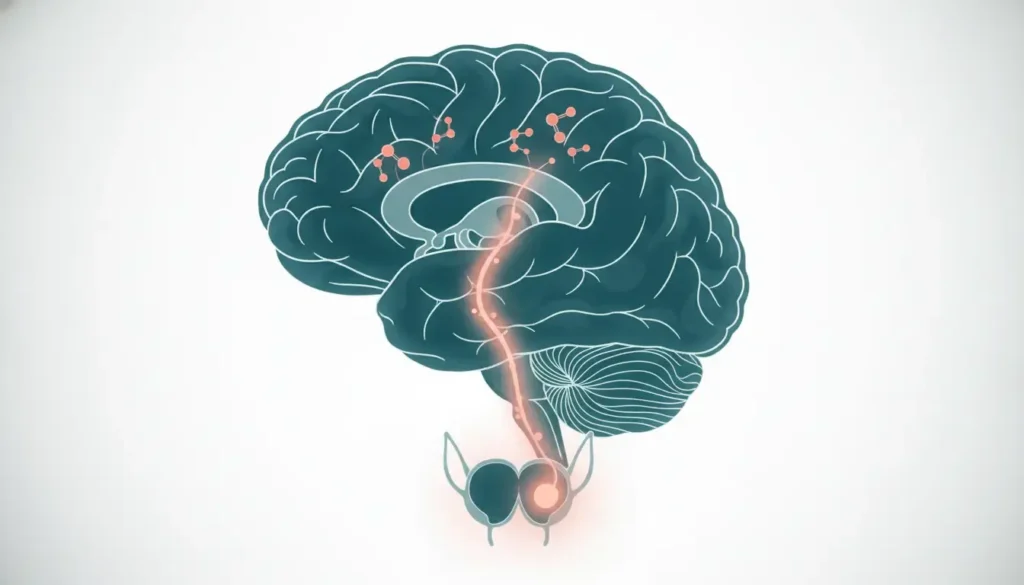
The science behind stem cell hair restoration is focused on regeneration. The process involves introducing a high concentration of powerful stem cells and growth factors directly into the areas of the scalp where hair is thinning. These cells send signals to the tired or dormant hair follicles, essentially waking them up and providing the nutrients they need to start producing hair again. It’s a targeted approach designed to repair and reactivate your natural hair growth cycle, leading to thicker, fuller hair over time without the need for invasive surgery or daily medications.
The Role of Umbilical Cord-Derived Stem Cells
The specific stem cells used in advanced hair restoration treatments are often sourced from umbilical cord tissue, which is donated by healthy mothers after healthy births. This tissue is exceptionally rich in mesenchymal stem cells (MSCs) and a wide array of growth factors that are vital for tissue repair and regeneration. Because these cells are so young and potent, they have a remarkable ability to signal cellular repair and reduce inflammation, creating the ideal environment in the scalp for hair follicles to thrive and begin producing strong, healthy hair again.
Growth Factors and Follicle Regeneration
When these powerful stem cells are carefully injected into the scalp, they release a cocktail of growth factors and proteins. These essential nutrients get to work immediately, nourishing the existing hair follicles and encouraging them to become stronger and healthier. This process not only helps fortify the hair you already have but also stimulates follicles that have become dormant. By improving circulation and reducing inflammation around the follicle base, the treatment helps create the perfect conditions for sustained hair regeneration, leading to visibly improved density and coverage.
Stem Cell Therapy vs. PRP Therapy
You may have also heard of Platelet-Rich Plasma (PRP) therapy for hair loss, which uses growth factors from your own blood. While PRP can be effective, stem cell therapy offers a more powerful regenerative potential. Stem cells are “master cells” that can develop into many different cell types and release a much broader range of growth factors than PRP alone. In fact, many experts find that combining stem cell therapy with PRP yields the most significant results, as it pairs the potent signaling of new stem cells with the familiar growth factors from your own body for a comprehensive approach to hair restoration.
Are You a Good Candidate for Stem Cell Hair Restoration?
Deciding if a treatment is right for you is the most important step. Stem cell therapy for hair loss isn’t a one-size-fits-all solution, and its effectiveness often depends on the current state of your hair. The ideal candidate is someone who is beginning to notice thinning hair or has areas of reduced hair density but is not yet completely bald. The treatment works by revitalizing existing hair follicles, so having some active or dormant follicles present in the treatment area is key to achieving the best possible results and seeing a meaningful improvement in hair thickness and coverage.
Who Benefits Most from This Treatment?
Individuals who are in the earlier stages of androgenetic alopecia (male or female pattern baldness) tend to respond best to stem cell therapy. If you still have a fair amount of hair but it’s noticeably thinner than it used to be, you are likely a great candidate. The treatment is designed to awaken sluggish follicles and strengthen existing ones. For those with extensive hair loss where follicles have been dormant for years, the results may be more limited. The best way to determine if you’re a good fit is to have your scalp professionally assessed to evaluate the health of your follicles.
The Treatment Process: What to Expect
Knowing what happens during the treatment process can help ease any nerves and set clear expectations. From your first meeting to your post-treatment care, the journey is designed to be straightforward and comfortable. The entire process is non-surgical, meaning you can avoid the lengthy downtime and potential scarring associated with hair transplant procedures. It’s a simple, in-office procedure that allows you to get back to your life quickly while the regenerative process begins to work beneath the surface of your scalp, setting the stage for natural hair growth.
Your Consultation and Scalp Analysis
Your journey begins with a private consultation. During this initial meeting, a specialist will discuss your hair loss history, goals, and overall health. A key part of this step is a detailed scalp analysis, often performed with a microscope, to get a close-up look at your hair follicles and determine their viability. This allows the provider to assess your specific condition and confirm if you are a good candidate for the procedure. It’s the perfect opportunity to ask questions and receive a personalized treatment plan tailored to your unique needs. You can schedule a consultation to get started.
The Treatment Session Explained
On the day of your procedure, the process is relatively quick and simple. The treatment area on your scalp will be numbed to ensure your comfort. Then, the stem cell product is carefully injected into the targeted areas of thinning. The entire session typically lasts between 60 and 90 minutes, making it easy to fit into a busy schedule. Most patients find the procedure to be very tolerable, and because it’s minimally invasive, you can relax knowing you’re not undergoing surgery. For many, a single treatment session is all that is needed to kickstart the regenerative process and see noticeable results over the following months.
Aftercare, Downtime, and Potential Side Effects
One of the biggest advantages of stem cell hair therapy is the minimal downtime. Most patients can return to their normal daily activities, including work, immediately after the procedure. You might experience some mild tenderness, redness, or swelling at the injection sites, but this typically subsides within a day or two. You’ll be given simple aftercare instructions, such as avoiding strenuous exercise or washing your hair for a short period. Unlike surgical options, there are no stitches or scars to worry about, allowing for a smooth and discreet recovery as your follicles begin the rejuvenation process.
Why Results Take Time
Stem cell therapy works by activating your body’s natural healing and regeneration processes. Unlike quick fixes or cosmetic shortcuts, it creates lasting change from within.
Here’s how it works:
-
Repairing damaged tissues at the cellular level
-
Improving blood circulation for better nutrient delivery
-
Supporting long-term recovery and slowing progression of damage
Because these improvements are biological, results appear gradually—but often last longer than conventional treatments.
Your Hair Growth Timeline: What to Expect
Hair Restoration
-
First signs: 1–3 months (reduced shedding, healthier scalp)
-
Visible regrowth: 4–6 months, with density continuing to improve for up to 12 months
-
Best outcome: Often after 1–3 sessions, depending on severity
Joint Pain or Arthritis
-
Early relief: Within a few weeks (less stiffness, reduced inflammation)
-
Stronger improvement: 2–3 months, with results building for 6–12 months
-
Maintenance: Some patients benefit from follow-ups every 12–18 months
Skin Rejuvenation
-
Subtle improvements: 3–6 weeks (hydration, smoother texture)
-
Visible results: 3–6 months as collagen production increases
-
Long-term: Results may last over a year with proper skincare and lifestyle
What Affects Your Stem Cell Hair Results?
Your timeline will depend on:
-
Severity of your condition – Advanced cases need longer to heal
-
Your body’s healing speed – Age, health, nutrition, and sleep matter
-
Treatment plan – Number of sessions and complementary therapies (PRP, physical therapy, supplements)
-
Aftercare – Following post-treatment instructions ensures optimal results
Success Rates and Cell Concentration
Success in regenerative medicine isn’t just about the treatment itself; it’s about the quality behind it. For ideal candidates, stem cell therapy for hair loss can achieve success rates as high as 80-90%. A major factor driving these results is the concentration and viability of the stem cells used. Think of it this way: more high-quality cells mean more powerful signals sent to dormant hair follicles, encouraging them to wake up and grow. This is why a clinic’s protocol for sourcing and preparing cells is so important. A personalized hair restoration plan, which considers the right cell count and precise injection technique, is designed to give you the strongest foundation for achieving visible, lasting hair regrowth.
Why Gradual Hair Growth Looks More Natural
-
More natural-looking results (especially for hair and skin)
-
Healing that the body fully integrates rather than temporary masking
-
Longer-lasting outcomes compared to instant, surface-level fixes
Is Stem Cell Hair Treatment Safe?
When performed by a qualified provider, stem cell therapy is generally safe and well-tolerated. Some patients may experience:
-
Temporary swelling
-
Mild redness
-
Local tenderness at the injection site
These effects usually resolve quickly. It’s important to remember that rushing sessions does not speed up results—it only increases minor risks without added benefit.
FDA Compliance and Cell Sourcing
When it comes to your health, safety is everything. That’s why understanding where stem cells come from is so important. In the United States, the Food and Drug Administration (FDA) sets strict guidelines for how human cells and tissues are handled, from collection to processing. This regulatory oversight is designed to protect patients by ensuring that the cells used in treatments are processed to be both safe and effective, minimizing risks while maintaining their healing potential. Working with a provider who strictly adheres to these protocols isn’t just a good idea—it’s essential for your peace of mind and achieving a successful, lasting outcome.
At Miami Stem Cell, we are transparent about our process because we want you to feel confident in your care. We exclusively use umbilical cord-derived mesenchymal stem cells (MSCs) sourced from accredited, licensed labs right here in the U.S. These powerful cells are ethically collected from donated umbilical cords following healthy, full-term births. Before they are ever cleared for use, every sample undergoes extensive screening for diseases and contaminants. This unwavering commitment to quality is fundamental to providing treatments you can trust and is a key reason why U.S.-based care differs from less-regulated overseas clinics.
How to Get the Best Possible Results
-
Maintain a healthy diet rich in vitamins and protein
-
Stay hydrated and get quality sleep
-
Avoid smoking and excessive alcohol, which slow healing
-
Follow your provider’s aftercare instructions closely
-
Consider pairing therapy with complementary treatments (like PRP or physical therapy) if recommended
Planning Your Treatment: Cost and Longevity
Deciding to move forward with regenerative medicine is a big step, and it’s natural to have questions about the financial commitment and how long you can expect to enjoy the results. While every treatment plan is tailored to the individual, we can outline what to generally expect when it comes to stem cell therapy for hair restoration. This transparency helps you make an informed decision that aligns with your long-term wellness goals. Understanding both the cost and the duration of the results ensures you have a clear picture of the journey ahead and the value it brings to your confidence and quality of life.
Understanding the Investment
Think of stem cell therapy not as a recurring expense but as a strategic investment in your long-term hair health. The cost for a comprehensive hair restoration plan typically ranges from $5,000 to $7,500. This price generally includes a series of three to five treatment sessions, local anesthetics for your comfort, and a complete aftercare kit to support your results at home. The final cost depends on the extent of your hair loss and the specifics of your personalized treatment protocol. Because this therapy addresses the underlying cause of thinning hair by revitalizing dormant follicles, it offers a durable solution that goes beyond the temporary fixes of topical products or medications.
How Long Does Stem Cell Hair Treatment Last?
Patience is key, as stem cell therapy works in sync with your body’s natural hair growth cycle. You can expect to see the first signs of progress, like reduced shedding, within a few months. More noticeable regrowth typically appears around the four-to-six-month mark, with hair density continuing to improve for up to a year. Once your results are fully realized, they can last for one to three years, and sometimes even longer, depending on your body’s response and lifestyle factors. This lasting effect is because the treatment doesn’t just cover up the problem—it stimulates your body’s own regenerative potential to create healthier, stronger hair from the inside out.
Maintaining Your Results for the Long Term
Results from stem cell therapy take time but are worth the wait. Some patients see changes in weeks, while others notice the greatest improvements after several months.
The best way to know your personal timeline is to consult an experienced provider who can assess your condition, guide your expectations, and design a customized plan for the best outcome.
Frequently Asked Questions
How long will it take to see a noticeable difference in my hair? Patience is your best friend with this treatment because the results are designed to look completely natural. You’ll likely notice the first positive changes, like less hair shedding, within the first one to three months. The more visible results, such as increased thickness and new growth, typically start to appear around the four to six-month mark and will continue to improve for up to a year.
Is stem cell therapy a one-and-done treatment, or will I need multiple sessions? Think of it as an initial push to get your hair follicles back in working order. Most personalized treatment plans start with a series of sessions, often three to five, to build a strong foundation for regeneration. After this initial phase, the results are quite durable, often lasting one to three years or more. It’s not a single injection, but it’s also not something you’ll need to do every month.
What does the treatment actually feel like? Is it painful? We prioritize your comfort, so the first step is always to numb the treatment area on your scalp. Most people describe the sensation of the injections as minor pressure or a quick pinch that is very tolerable. The entire session is relatively fast, and any mild tenderness you might feel afterward usually fades within a day.
I’ve heard about PRP for hair loss. Why choose stem cell therapy instead? While both are great regenerative options, they work a bit differently. PRP uses the growth factors found in your own blood to stimulate follicles. Stem cell therapy uses potent, umbilical cord-derived cells that act as master signalers, releasing a much broader and more powerful range of regenerative instructions. For many people, combining the two therapies offers the most comprehensive and effective approach to restoring hair.
Once I get results, how do I maintain them for the long term? Your results are built to last, but a little support goes a long way. Living a healthy lifestyle with a good diet and managing stress helps maintain the health of your hair follicles. To extend your results even further, some people choose to have a single maintenance treatment every couple of years. This acts as a simple touch-up to keep your follicles active and your hair looking its best.
Key Takeaways
- Results appear gradually over several months: Since stem cell therapy works with your body’s natural hair growth cycle, you can expect to see visible changes around the 3-6 month mark, with continued improvement for up to a year.
- The best results are seen in the early stages of hair loss: This treatment works by rejuvenating existing hair follicles, so it’s most effective for those with thinning hair rather than areas that are completely bald.
- Prioritize a provider who uses high-quality, compliant cells: Your safety and the effectiveness of the treatment depend on the source of the stem cells. Ensure your clinic adheres to FDA guidelines and uses ethically sourced cells from accredited U.S. labs.