If you’re stuck in a cycle of chronic pain or dealing with an injury that won’t heal, you know how frustrating temporary fixes can be. Regenerative medicine offers a different path—one that works with your body, not just on it. The key? MUSE cells. Think of them as your body’s own intelligent repair crew, traveling directly to damaged tissue to reduce inflammation and rebuild from the inside out. For anyone considering MUSE cells treatment in Miami, exploring the complete list of MUSE cell therapy benefits is the first step toward lasting relief without invasive surgery.
Key Takeaways
- MUSE Cells are Your Body’s Precision Repair System: These cells intelligently find the exact site of injury, clear out damaged tissue, and then transform into the specific new cells needed to rebuild and heal from the inside out.
- Experience Healing Without Major Surgery: With a strong safety profile and minimal downtime, this therapy offers a non-invasive way to address the root cause of pain and degeneration, avoiding the risks and long recovery associated with surgery.
- Find Lasting Relief for a Range of Conditions: Because they are naturally drawn to inflammation and damage, MUSE cells show significant promise for providing long-term improvement for chronic joint pain, neurological issues, and spinal cord injuries.
So, What Exactly Are MUSE Cells?
When you hear the term “stem cells,” you might picture a complex, futuristic science. But what if I told you that some of the most powerful healing cells are already inside your body, just waiting to be activated? Meet MUSE cells, or Multi-lineage differentiating stress enduring cells. Think of them as your body’s own elite team of first responders. These are special, naturally occurring stem cells found in the connective tissue of nearly every organ, from your bone marrow to your blood.
Unlike other cell types, MUSE cells are pluripotent, meaning they have the remarkable ability to develop into almost any type of cell in your body. This makes them incredibly versatile for tissue repair. They are also non-cancerous, which is a key factor in their safety profile. At Miami Stem Cell, we focus on harnessing the potential of these cells to support your body’s innate ability to heal itself. By using advanced regenerative medicine techniques, we can help guide these cells to where they’re needed most, addressing the root cause of pain and injury rather than just masking the symptoms.
A Rare Discovery: The Origins of MUSE Cells
One of the most fascinating things about MUSE cells is that they aren’t something engineered in a lab—they are a natural and integral part of your body’s own healing architecture. These unique stem cells are found in the connective tissue of your organs, quietly residing in places like your bone marrow and even your circulating blood. They exist in a dormant state, essentially on standby, waiting for a signal that an injury has occurred. When your body sends out an S.O.S. due to damage or inflammation, these cells activate and travel to the site to begin their repair work. This inherent ability to respond to distress signals is what makes them so powerful in the field of regenerative medicine, as they provide a natural pathway to healing that originates from within.
How Many MUSE Cells Are in the Body?
While MUSE cells are incredibly powerful, they are also quite rare. To put it in perspective, they make up only about 0.03% of the cells in your bone marrow and a tiny fraction of the cells in your bloodstream. But in this case, it’s truly a matter of quality over quantity. Think of them as the highly trained specialists of your body’s cellular workforce. Because they are so few, their impact can sometimes be limited when dealing with significant or chronic injuries. This is where targeted therapies can make a difference, helping to concentrate this healing power directly where your body needs it most to overcome damage and support long-term recovery.
How Do MUSE Cells Actually Work?
So, how do these tiny powerhouses actually get the job done? It’s a fascinating and intelligent process. When your body experiences an injury or inflammation, it sends out a distress signal. MUSE cells are uniquely equipped to detect these signals—specifically a compound called sphingosine-1-phosphate (S1P)—which acts like a homing beacon. Once they receive the signal, MUSE cells travel through your bloodstream directly to the site of damage.
Upon arrival, they don’t just start building new tissue right away. First, they act as a clean-up crew, clearing away damaged and dying cells. Then, using the information gathered from the damaged tissue, they transform into the exact type of healthy cell needed for repair, whether it’s muscle, cartilage, or nerve tissue. This targeted approach ensures a precise and effective joint regeneration and healing process.
Stress-Enduring for Tough Environments
Imagine the site of a chronic injury—it’s often an inflamed, stressful environment where healing has stalled. Many therapeutic cells struggle to survive in these harsh conditions, which limits their effectiveness. This is where MUSE cells truly stand out. They are incredibly resilient and can withstand chemical stress and low-oxygen environments that would typically destroy other cells. This toughness means they can not only reach difficult-to-treat areas but also thrive once they get there. Their ability to function effectively in the very places that need the most help is a key reason they are so promising for chronic pain management and tissue repair.
Reducing Scar Tissue Formation
When your body heals from an injury, it often creates scar tissue as a quick fix. While functional, scar tissue is never as good as the original, often leading to stiffness and reduced mobility. MUSE cells promote a more organized and natural healing process that minimizes the formation of scar tissue. Instead of just patching the damage, they help regenerate the original, healthy tissue. This leads to a smoother, more complete recovery with better long-term results. For anyone dealing with joint damage from arthritis or a sports injury, this means regaining better function and flexibility, not just masking the pain.
What Makes MUSE Cells Different?
While you may have heard of other stem cells like Mesenchymal Stem Cells (MSCs), MUSE cells have some distinct advantages that set them apart. They are considered more powerful and effective because of their incredible ability to home in on damaged areas. Instead of just releasing general healing signals, MUSE cells directly replace damaged cells, integrating seamlessly into the existing tissue.
This targeted action is why they are so effective. Furthermore, MUSE cell therapy has an excellent safety record in clinical trials, with a very low risk of being rejected by the body. Because they are your body’s own natural repair system, they work in harmony with your immune system. This focus on safety and efficacy is central to why we prioritize science-backed, FDA-compliant treatments to ensure you receive the highest standard of care.
The Top Benefits of MUSE Cell Therapy
When you’re exploring options for healing and recovery, you want a treatment that is both effective and safe. MUSE cell therapy is a standout in regenerative medicine because it delivers on both fronts. These unique cells, found naturally within our own bodies, have a remarkable ability to target and repair damage without the complexities or risks associated with other cell types. Think of them as your body’s own highly intelligent, microscopic repair crew, ready to be deployed exactly where they’re needed most.
The primary advantage of MUSE cells lies in their dual action: they can clear away damaged tissue and then transform into healthy new cells to take its place. This process addresses the root cause of many conditions, rather than just managing symptoms. From their impressive safety record in clinical trials to their natural anti-inflammatory properties, MUSE cells offer a sophisticated, science-backed path toward healing. They work in harmony with your body’s systems, making them a compelling alternative to more invasive procedures. Understanding these core benefits is the first step in seeing how this therapy could fit into your personal plan for long-term wellness and anti-aging. It’s about choosing a path that supports your body’s innate ability to heal itself.
Promoting Natural Tissue Regeneration
One of the most exciting aspects of MUSE cells is their incredible capacity for regeneration. They possess qualities similar to embryonic-like cells, meaning they can develop into a wide variety of cell types needed for tissue repair. However, they achieve this without carrying the risks often associated with more primitive cells. When used in treatments, MUSE cells can significantly enhance the body’s natural healing processes. This potent regenerative ability makes them a powerful tool for addressing tissue degeneration and injury, helping to support joint regeneration and restore function from the inside out.
Is MUSE Cell Therapy Safe?
Patient safety is always the top priority, and MUSE cell therapy has an excellent track record. Because these cells are naturally occurring in the body and are carefully sourced, they integrate smoothly with your own systems. Extensive clinical trials have consistently shown a strong safety profile with minimal adverse events reported. This means you can pursue a cutting-edge regenerative treatment with confidence. This high degree of safety is a cornerstone of our practice at Miami Stem Cell, where we adhere to strict, FDA-compliant protocols to ensure you receive the best possible care and peace of mind.
Targeting Damage at the Cellular Level
MUSE cells have a unique and intelligent function: they can sense chemical signals released by injured tissues. This acts like a homing beacon, drawing the MUSE cells directly to the precise area that needs repair. Once they arrive, they get to work clearing out damaged or dead cells. After removing the debris, they use signals from the surrounding tissue to differentiate and become new, healthy cells of that exact type. This targeted, cellular-level repair mechanism is what allows MUSE cell therapy to effectively address the source of chronic pain and degeneration, rather than just masking the symptoms.
Naturally Reduces Inflammation
Chronic inflammation is a key driver of pain and tissue damage in many health conditions. MUSE cells are natural anti-inflammatory agents. They work by secreting a variety of growth factors, cytokines, and other molecules that help calm an overactive inflammatory response. By reducing inflammation at the site of injury, MUSE cells create a better environment for healing and tissue regeneration to occur. This makes the therapy particularly effective for conditions like arthritis and other inflammatory joint issues, offering a way to find lasting relief and improve mobility.
The Role of TGF-β1 in Calming Inflammation
MUSE cells have a secret weapon for calming inflammation: a powerful substance called Transforming Growth Factor Beta 1 (TGF-β1). Think of it as a peacekeeper. When immune cells like T lymphocytes and macrophages go into overdrive and create inflammation, TGF-β1 steps in to quiet them down. This is crucial because it helps break the cycle of chronic inflammation that often drives conditions like joint pain and tissue damage, offering a path to genuine relief. By directly addressing this overactive immune response, MUSE cells help create a more balanced internal environment where healing can actually begin.
But TGF-β1 does more than just reduce inflammation; it also helps create an ideal environment for your body to begin its own repair work. By calming the inflammatory chaos, it allows regenerative processes to take over, supporting the growth of new, healthy tissue. This dual-action approach—soothing inflammation while actively promoting healing—is what makes MUSE cell therapy so effective for complex issues. It addresses the root cause of the problem, which is fundamental to achieving lasting results in pain management and recovery.
Minimizing the Risk of Immune Rejection
A major advantage of MUSE cells is their low immunogenicity, which means they are unlikely to be rejected by the patient’s immune system. They can be administered from a donor to a recipient without the need for immunosuppressant drugs, which often come with their own set of side effects. This “immune-privileged” status simplifies the treatment process and makes it accessible to more people. It removes a significant barrier that can exist with other types of cell therapies, ensuring a smoother and safer experience for anyone looking to harness the power of regenerative medicine.
What Conditions Can MUSE Cell Therapy Address?
Because MUSE cells are naturally drawn to sites of injury, they can address a wide range of health concerns. Their ability to integrate into damaged tissue and promote repair from within makes them a versatile tool in regenerative medicine. From neurological issues to chronic joint pain, these unique cells work to restore function at a cellular level, offering a path toward healing that addresses the root cause of the problem. Research has shown promising results for conditions that have traditionally been difficult to treat.
Support for Brain and Heart Health
MUSE cells show a remarkable ability to repair damaged tissues in vital organs like the heart and brain. Studies indicate they can support recovery after events like a stroke by helping restore motor function. When introduced into the body, these cells travel to the site of injury and begin the work of rebuilding, leading to improved function over time. This makes MUSE cell therapy a compelling option for supporting your body’s natural healing processes. By focusing on cellular repair, this regenerative therapy aims to create lasting improvements in organ health.
Rebuilding the Neurovascular Unit After Brain Injury
Following a brain injury like a stroke, the damage isn’t just in one spot. It can compromise the neurovascular unit (NVU), which is essentially the brain’s protective barrier. When this barrier breaks down, it can lead to more inflammation and prevent proper healing. This is where MUSE cells show incredible promise. They are uniquely equipped to address this complex damage by reducing harmful inflammation and helping to grow new brain cells. More importantly, they can differentiate into the various cell types needed to rebuild the entire NVU, restoring the brain’s natural defense system and creating an environment where true recovery can begin.
Potential for Neurodegenerative Diseases and Newborns
The ability to repair the brain’s protective barrier opens up possibilities for a wide range of challenging conditions. By restoring the neurovascular unit, MUSE cells could potentially offer a new approach for serious neurodegenerative diseases, including ALS, multiple sclerosis, Parkinson’s, and Alzheimer’s disease. This isn’t just a future hope; human clinical trials are already underway to test the effectiveness of MUSE cells for spinal cord injuries, stroke, and even brain injuries in newborns. This ongoing research highlights the significant potential of these cells to provide a safe and effective option for some of the most difficult-to-treat medical conditions, offering a new avenue for healing and improved quality of life.
Aiding Recovery from Spinal Cord Injuries
For those with spinal cord injuries, MUSE cell therapy offers new hope. Recent clinical trials show the treatment is safe and can lead to significant functional improvements. Participants in a 2024 study experienced better motor function and gained greater daily independence. This is a major step forward, as MUSE cells work to repair damaged neural tissue and reduce inflammation at the injury site. This approach to pain management focuses on healing the injury from within, rather than just managing symptoms.
Finding Relief from Chronic Pain and Joint Problems
If you’re dealing with chronic pain from arthritis or joint degeneration, MUSE cells offer a powerful, non-surgical alternative. These cells release growth factors and other molecules that actively reduce inflammation and promote tissue healing. Instead of simply masking pain, MUSE cell therapy gets to the source of the problem by helping your body repair the damaged cartilage and tissues causing discomfort. This focus on true joint regeneration can lead to reduced pain, improved mobility, and a better quality of life.
Addressing Degenerative Disc Disease
Degenerative disc disease can feel like a constant battle, with back pain that limits your ability to enjoy life. MUSE cell therapy offers a targeted strategy to combat this. Because these cells are drawn to inflammation, they can travel directly to the affected discs in your spine. Once there, they work to calm the inflammatory response that contributes to chronic pain. More importantly, they have the potential to help rebuild the damaged disc tissue itself. This isn’t just about temporary relief; it’s about addressing the underlying structural problem. By supporting your body’s ability to repair itself, this approach to pain management offers a path toward lasting improvement in both pain and function, helping you avoid more invasive procedures.
Accelerating Skin Repair and Wound Healing
MUSE cells have also shown impressive results in healing the skin. In a clinical trial for a severe skin condition, the therapy helped significantly shrink chronic open ulcers and reduce associated pain. The cells work by migrating to the damaged area, where they replace unhealthy cells and coordinate a healing response. This makes them an excellent option for chronic wounds that have resisted other treatments. Their ability to restore skin integrity also highlights their potential in anti-aging, as they can help repair cellular damage and rejuvenate skin tissue.
Expanding the Possibilities: Other Potential Applications
The intelligent, targeted nature of MUSE cells means their potential applications are constantly growing as new research emerges. Beyond joint pain and skin repair, scientists are exploring how these cells can address complex chronic conditions by targeting inflammation and rebuilding damaged tissue in other parts of the body. This ongoing research continues to highlight the versatility of regenerative medicine, opening doors to new, non-invasive treatment avenues for conditions that were once considered difficult to manage. Two of the most promising areas of study include diabetes and chronic lung disease, where the unique abilities of MUSE cells could make a significant impact.
Addressing Diabetes Through Anti-Inflammatory Action
Chronic inflammation plays a significant role in the development and progression of diabetes. MUSE cells offer a promising approach by directly addressing this underlying issue. Research shows these cells have properties that can help regulate the immune system’s response. They release a key substance that calms down the specific immune cells responsible for causing inflammation. By quieting this inflammatory activity, MUSE cells may help create a more stable internal environment, potentially offering a new way to manage the condition. This focus on controlling inflammation is a core principle in many regenerative therapies aimed at providing long-term pain management and wellness.
Treating Chronic Lung Disease and Radiation Damage
For those with chronic lung conditions like COPD or fibrosis, MUSE cells represent a hopeful alternative to traditional treatments. Their unique ability to withstand stress and travel directly to injured areas makes them perfectly suited for repairing delicate lung tissue. Studies have shown that MUSE cells can effectively target lung injuries, helping to regenerate damaged cells and restore function. This resilience makes them a powerful tool in regenerative medicine. At Miami Stem Cell, we are committed to exploring these kinds of science-backed applications that harness the body’s own healing mechanisms to improve overall quality of life.
How Do MUSE Cells Compare to Other Stem Cells?
When you hear “stem cell therapy,” you might think of one specific type of treatment. However, the field of regenerative medicine is constantly evolving, and not all stem cells are created equal. While traditional treatments using mesenchymal stem cells (MSCs) have shown great promise, MUSE cells offer some distinct advantages that make them a particularly exciting option for healing and repair.
Understanding these differences can help you make a more informed decision about your health. Think of it like choosing a tool for a job—while a standard wrench is useful, a specialized one can often do the work more efficiently and effectively. MUSE cells act as that specialized tool, uniquely equipped to handle cellular repair in a way that sets them apart. Let’s look at how they compare to other stem cell treatments in three key areas: their healing abilities, their compatibility with your body, and their effectiveness right at the source of the problem.
A Safer Alternative to ESCs and iPSCs
You may have heard of Embryonic Stem Cells (ESCs) or induced Pluripotent Stem Cells (iPSCs). While these cells are known for their powerful ability to transform into any cell type, they also come with significant safety concerns. A primary issue is their potential for uncontrolled growth, which can lead to the formation of tumors. This risk has made their clinical use complex and challenging. For anyone considering regenerative therapy, safety is paramount, and understanding these distinctions is crucial for making a confident choice about your health.
This is where MUSE cells stand out. They are non-cancerous and have a very low risk of being rejected by your body’s immune system, even if they come from a donor. This is because they have low immunogenicity, meaning they don’t trigger a strong immune response and don’t require harsh immunosuppressant drugs. They offer the remarkable regenerative capacity of more primitive cells without the associated dangers, providing a safer path to healing. This commitment to safety is why we focus on science-backed therapies that adhere to the highest standards.
A More Versatile Approach to Healing
One of the most remarkable things about MUSE cells is their innate intelligence. These cells are naturally present in our bodies, acting as a first-response repair crew. When tissue is damaged, it sends out “damage signals,” and MUSE cells are uniquely able to detect these signals and travel directly to the site of injury.
Once they arrive, they get to work in a two-step process. First, they clear out damaged or dead cells. Then, they use information from the surrounding healthy tissue to transform themselves into the exact type of new, healthy cells needed for the repair. This incredible versatility means they can potentially help regenerate a wide range of tissues, from muscle and skin to vital organs, making them a powerful tool for comprehensive cellular regeneration.
Working in Harmony with Your Immune System
A major consideration in any donor-based cell therapy is how the recipient’s body will react. With some treatments, there’s a risk of the immune system identifying the new cells as foreign invaders and attacking them, which often requires the use of immunosuppressant drugs.
MUSE cells, however, have a very low risk of immune rejection. This means they can be administered from a donor to a patient without triggering a negative immune response. Because your body welcomes them, these cells can remain and carry out their repair functions for a long time, all without the need for medications that suppress your natural immune system. This makes the therapy not only safer but also more straightforward, allowing the cells to integrate and heal seamlessly.
Targeting Damaged Tissue More Effectively
MUSE cells are like heat-seeking missiles for damage. Their ability to home in on injury signals means they don’t just circulate aimlessly—they travel directly to where they are needed most and accumulate in high concentrations. Research has shown that when administered, MUSE cells effectively migrate to damaged areas, such as the brain after a stroke or an arthritic joint.
This targeted action makes the therapy incredibly efficient. Instead of a scattered approach, you get a concentrated healing force working right at the source of your pain or condition. This effectiveness across different parts of the body, from the brain and heart to the kidneys and lungs, highlights their potential to address a wide variety of health issues, including chronic pain and joint degeneration.
What Does the Research Say About MUSE Cells?
When you’re exploring a new therapy, it’s natural to ask, “What does the science say?” While MUSE cell therapy is a newer frontier in regenerative medicine, the body of research is growing quickly, and the initial results are incredibly encouraging. Scientists around the world are studying these unique cells to understand their full potential for healing and tissue repair.
The research isn’t just happening in a lab; it’s moving into clinical studies with real patients. These studies are designed to test both the safety and effectiveness of MUSE cells for a range of health conditions. The findings so far point to a therapy that is not only well-tolerated by the body but also capable of producing meaningful, long-term improvements. From neurological conditions to heart function and motor recovery, the data suggests that MUSE cells have a remarkable ability to find damaged tissue and begin the repair process. This is a key reason why the medical community is so interested in their potential to address the root cause of many chronic issues, offering a new avenue for healing that works with your body’s natural systems.
From Animal Studies to Human Trials
The path from a scientific breakthrough to a real-world therapy is a meticulous one, and for MUSE cells, it began with compelling preclinical research. For example, studies in animal models showed that these cells could lead to significantly better recovery and improved brain function following a stroke. These early findings were crucial because they provided the first solid evidence that MUSE cells could not only find damaged tissue but also actively repair it. This initial success built the scientific foundation, paving the way for researchers to explore how this powerful healing mechanism could be applied to human health.
Building on that strong foundation, the research has advanced into human clinical trials for conditions like heart attacks, stroke, and spinal cord injuries. These studies are designed to rigorously test both safety and effectiveness. Early results from these human trials have been very positive, confirming that the therapy is safe and has significant potential for healing. This careful progression from the lab to real patients is exactly what you want to see in a cutting-edge regenerative therapy, ensuring every step is guided by scientific evidence and a commitment to patient well-being.
What Clinical Trials Have Revealed
One of the most important questions in any new treatment is about safety. Across multiple studies, MUSE cell therapy has shown an excellent safety record with very few adverse events. This gives both patients and practitioners confidence in the treatment. For example, a study involving patients with ALS found that the MUSE cell-based treatment was highly tolerated without serious side effects. More than that, the data showed a positive trend in the patients’ functional scores at the 12-month mark, suggesting the therapy may help slow the progression of the disease. These clinical effects highlight the therapy’s promising safety profile and potential to make a real difference.
Research on Restoring Heart Function
The potential of MUSE cells to repair heart tissue is one of the most exciting areas of research. After a heart attack, the heart muscle is often damaged, which reduces its ability to pump blood effectively. A clinical trial focused on patients who had experienced a heart attack showed significant improvement after treatment. The study measured the heart’s pumping ability, and in just 12 weeks, patients treated with MUSE cells saw a major increase in function. This kind of data suggests that MUSE cells could play a key role in helping the heart heal itself and recover strength after a major cardiac event, offering hope for better long-term heart health.
Understanding the Long-Term Results
Short-term results are great, but what we really want to know is if the benefits last. Research into the long-term outcomes of MUSE cell therapy is showing sustained improvements. In one study, nearly a third of patients who were severely disabled before treatment achieved “no significant disability” a year later—a result not seen in the placebo group. Other research shows that MUSE cells can help facilitate motor recovery after events like a stroke. These findings suggest that the healing initiated by MUSE cells isn’t just a temporary fix but can lead to lasting functional improvements and a better quality of life.
The Future of MUSE Cell Research
While the current findings are impressive, we’re really just seeing the beginning of what MUSE cells can achieve. The body of research is expanding rapidly as scientists around the world work to understand their full potential for healing. More clinical studies are underway, moving this therapy from the lab to real-world applications and confirming its strong safety profile. The future will likely bring even more targeted uses for conditions ranging from neurodegenerative diseases to complex autoimmune disorders. This continuous innovation is at the heart of regenerative medicine, offering a future where the body’s own healing mechanisms can be used to restore health and improve quality of life in ways we’re only now beginning to explore.
Are There Risks or Side Effects with MUSE Cell Therapy?
When you’re considering any new treatment, one of the first questions is always, “Is it safe?” It’s a completely valid and important concern. The good news is that MUSE cell therapy is emerging as a treatment with a very reassuring safety profile. Because these cells are naturally occurring in your body, they are well-tolerated and work in harmony with your system’s own healing processes.
Of course, no procedure is entirely without risk, but the research surrounding MUSE cells is consistently positive. Clinical studies show that this therapy is not only effective but also has a strong safety record. Let’s look at what the data shows about the safety and side effects of this innovative therapy.
A Closer Look at the Safety Data
One of the most compelling aspects of MUSE cell therapy is its excellent safety record. Across multiple clinical trials, researchers have reported minimal adverse events. Unlike more invasive procedures, this therapy doesn’t require major surgery or a long, painful recovery. The treatment is designed to be as gentle as it is effective, leveraging your body’s natural repair mechanisms. This focus on safety and tolerability is a cornerstone of advanced regenerative medicine and a key reason why so many people are exploring it as a viable option for their health concerns.
Understanding FDA Guidelines for MUSE Cells
At Miami Stem Cell, we operate under strict FDA guidelines to ensure every treatment is safe, pure, and effective. The MUSE cells we use are sourced and processed in state-of-the-art labs that adhere to the highest regulatory standards. This commitment to compliance is a critical distinction, especially when you compare treatments in the US to those overseas. Following these protocols helps ensure that treatments are not only effective but also highly tolerated, with studies noting a lack of serious side effects. Choosing a provider that prioritizes these regulations is essential for your peace of mind and your health outcomes.
What the Data Says About Long-Term Safety
Long-term safety is just as important as immediate results. The data available on MUSE cell therapy is encouraging, with studies showing no significant long-term, treatment-related safety concerns. Clinical trials have consistently demonstrated good tolerability, meaning patients handle the treatment well without negative consequences down the line. This strong safety record is a key factor that sets MUSE cells apart. If you have more specific questions about the safety of our procedures, our team is always here to provide clear, science-backed answers on our FAQs page and during your consultation.
What to Expect During Your MUSE Cell Treatment
Thinking about any new medical treatment can feel a little overwhelming, but the process for MUSE cell therapy is designed to be as simple and comfortable as possible. Because this is a non-surgical, minimally invasive procedure, it avoids the complexities and long recovery times associated with traditional surgery. The goal is to work with your body’s natural healing mechanisms in a direct and efficient way.
Your journey with regenerative medicine is always personalized. Before any treatment, you’ll have a thorough consultation to discuss your health history, current condition, and what you hope to achieve. This ensures the therapy is tailored specifically to you. The procedure itself is straightforward and typically happens right in our clinic, allowing you to get back to your life with minimal disruption. Let’s walk through what the administration and recovery process generally involves.
Your Step-by-Step Treatment Process
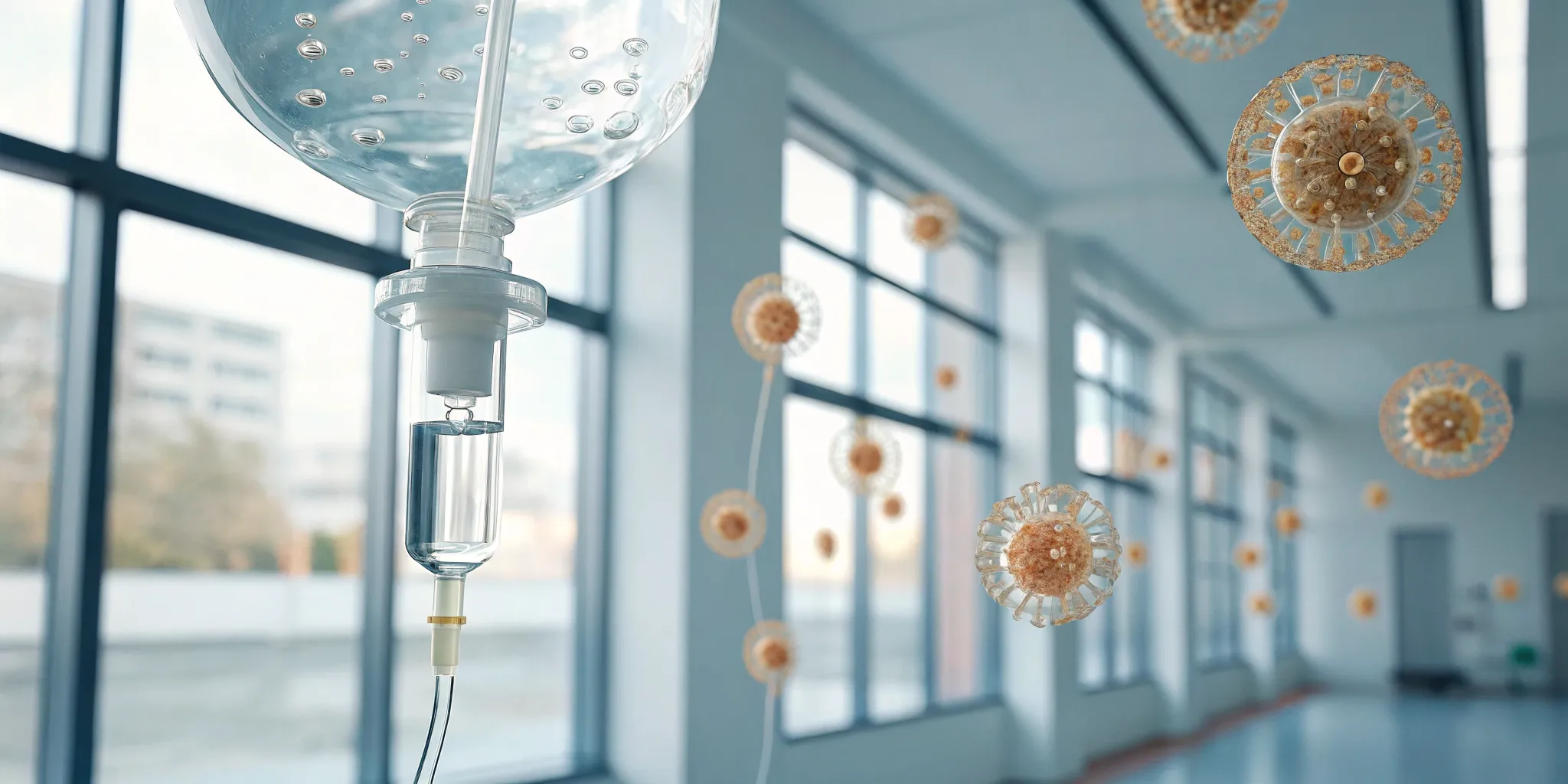
The most common way to administer MUSE cells is through a simple intravenous (IV) infusion. This process is very similar to getting a standard IV drip. The cells are introduced directly into your bloodstream, which acts as a natural delivery system, carrying them throughout your body. What’s incredible is that MUSE cells are drawn to signals of inflammation and damage. They instinctively travel to the areas that need repair the most, whether it’s a worn-out joint, damaged tissue, or an area of chronic inflammation.
This method ensures the cells are distributed systemically, allowing them to address issues on a broad scale. The entire IV therapy session is typically quick and comfortable. You can relax while the infusion takes place, and there’s no need for anesthesia or a lengthy hospital stay.
Understanding Your Recovery Timeline
One of the biggest advantages of MUSE cell therapy is the minimal downtime. Since the procedure is non-surgical, most people can return to their normal daily activities almost immediately. You won’t have to worry about a long and painful recovery period. Instead, the focus is on letting the cells do their work inside your body.
Regenerative medicine is a process, not an overnight fix. The cells need time to integrate, signal repairs, and support your body’s healing cascade. While some people may notice improvements within a few weeks, the full benefits often unfold over several months as tissues gradually regenerate. Clinical studies have shown that the therapy is very well-tolerated, with an excellent safety profile. Your specific timeline and results will depend on your condition, and you can see what the journey has been like for others by reading patient testimonials.
Factors That Influence Your Results
Your healing journey with MUSE cell therapy is unique to you, and the timeline for seeing results can vary. Factors like your age, the severity of your condition, and your overall health all play a role in how your body responds. While many people begin to notice improvements within three to six months, it’s important to remember that this is a process of gradual regeneration, not an overnight fix. The cells need time to travel to the site of injury, clear out damage, and support your body’s natural repair mechanisms. At Miami Stem Cell, we take all of these individual factors into account to create a personalized regenerative medicine plan. For a better understanding of what the experience is like for others, reading patient testimonials can offer valuable insight.
Why Consider MUSE Cells Instead of Surgery?
When you’re dealing with chronic pain or an injury, the thought of surgery can be daunting. It often comes with significant risks, a long recovery period, and no guarantee of a perfect outcome. Regenerative medicine offers a different path—one that works with your body’s innate healing abilities instead of against them. MUSE cell therapy, in particular, stands out as a powerful, non-surgical option that gets to the heart of the problem, helping you heal from the inside out.
Healing Without Invasive Surgery
One of the most compelling reasons to choose MUSE cell therapy is that it’s a minimally invasive procedure. Unlike surgery, it doesn’t require general anesthesia, incisions, or a lengthy hospital stay. This significantly reduces the risks of complications like infections and shortens your recovery time. Clinical studies have consistently shown that MUSE cell therapy has an excellent safety record. The cells work by releasing a host of natural growth factors and healing molecules that calm inflammation and signal your body to begin the repair process, making it an effective strategy for joint regeneration and tissue repair without the stress of a major operation.
Getting to the Root Cause, Not Just the Symptoms
Surgery can often feel like a patch-up job—it might fix a structural issue, but it doesn’t always address the underlying cellular damage or inflammation that caused the problem. MUSE cells work differently. They have a unique ability to travel through the bloodstream and home in on the specific areas of your body that are damaged or inflamed. Once there, they can transform into the exact type of cells needed for repair, whether it’s cartilage, muscle, or nerve tissue. This approach allows for true healing by addressing the root cause of your condition, rather than just managing the symptoms. It’s a core principle of how stem cell therapy promotes lasting wellness.
How MUSE Cells Compare to Other Regenerative Therapies
When you’re exploring regenerative medicine, you’ll come across several types of therapies, including treatments using mesenchymal stem cells (MSCs) and exosomes. While these are powerful tools for healing, MUSE cells bring a unique and compelling set of advantages to the table. Think of it like choosing the right tool for a specific job—each has its strengths, but one might be perfectly suited for your particular needs. Understanding the key differences helps you make a more informed decision about your health journey.
The primary distinction lies in how these cells find and repair damage in the body. While MSCs offer broad anti-inflammatory and healing support, MUSE cells function with a remarkable level of precision, acting almost like a specialized repair crew that knows exactly where to go and what to do once they get there. This targeted approach is what sets them apart and makes them a focal point of cutting-edge regenerative research. It’s not just about sending in general support; it’s about delivering a specific solution directly to the source of the problem, which can lead to more efficient and effective healing.
MUSE Cells vs. MSCs and Exosomes: What’s the Difference?
The biggest advantage of MUSE cells is their incredible homing ability. They can sense “damage signals” released by injured tissues and travel directly to the site of injury to begin repairs. In contrast, other cells like MSCs can sometimes get filtered out or trapped in other organs, like the lungs, before they reach their intended destination.
Once MUSE cells arrive, they get to work replacing damaged cells and secreting a variety of growth factors and healing molecules to reduce inflammation and support the body’s natural recovery process. Because they are so adept at integrating into tissue without being rejected by the immune system, they offer a highly compatible and effective way to promote healing from within.
Is MUSE Cell Therapy Right for You?
So, which therapy is right for you? The answer really depends on your specific condition and health goals. While MUSE cell therapy has an excellent safety record in clinical trials and shows immense promise, it’s important to remember that it’s still an emerging treatment. For some individuals, a treatment using MSCs or exosomes might be the most effective path forward. In other cases, a combination of therapies could offer the most comprehensive results.
The best way to determine your path is to discuss your options with a specialist who understands the nuances of each treatment. A personalized treatment plan is designed around your unique biology and what you hope to achieve, ensuring you receive the most appropriate and effective care for your situation.
Related Articles
- Pain Management & Regenerative Medicine Solutions | Miami Stem Cell
- Stem Cell & Exosome IV Therapy for Healing & Recovery | Miami Stem Cell
- Stem Cell Therapy FAQs | Miami Stem Cell
Frequently Asked Questions
What is the source of the MUSE cells used in treatment? This is a great question, and it gets to the heart of what makes this therapy so safe. The MUSE cells we use are derived from the connective tissue of umbilical cords from carefully screened, healthy donors. These cells are processed in a state-of-the-art, FDA-compliant laboratory to ensure they are pure, potent, and free of contaminants. This strict sourcing and processing protocol is key to the therapy’s excellent safety record.
How is MUSE cell therapy different from other stem cell treatments I’ve heard about? Think of it this way: while many stem cell therapies provide general support for healing, MUSE cells are specialists. Their main advantage is a natural “homing” ability that draws them directly to the chemical signals of injury and inflammation in your body. Instead of just releasing anti-inflammatory signals, they travel to the precise location of the damage, clear out unhealthy cells, and then transform into the new, healthy tissue that’s needed.
How soon can I expect to see results? Because this therapy works by supporting your body’s own regenerative processes, results appear gradually. This isn’t a quick fix but a true healing process at the cellular level. Some people report feeling improvements in a matter of weeks, but the most significant benefits often develop over the course of several months as your tissues continue to repair and rebuild.
Is the procedure painful, and what is the recovery like? The treatment itself is very straightforward and comfortable. It’s administered through an IV infusion, so you can expect a small pinch when the IV is placed, but that’s it. You can relax comfortably during the infusion. One of the best parts is that there is virtually no downtime. Most people return to their normal activities the very same day, without the long and difficult recovery period that comes with surgery.
How do I know if MUSE cell therapy is the right choice for me? The best way to determine if this therapy is a good fit for your specific health goals is to have a one-on-one consultation. Every person’s body and condition is unique, so a personalized approach is essential. During a consultation, we can review your health history and discuss what you hope to achieve to create a treatment plan that is tailored specifically to you.