PRP for Arthritis in Hands: What to Expect

PRP for Arthritis in Hands: What to Expect

The science behind your body’s ability to heal is remarkable. When you get a cut, tiny cells in your blood called platelets rush to the site, releasing powerful growth factors that signal your tissues to start repairing themselves. Platelet-Rich Plasma (PRP) therapy harnesses this exact process and amplifies it. By taking a small sample of your blood and concentrating these platelets, we create a powerful healing solution that can be injected directly into your arthritic hand joints. This treatment supports your body’s innate ability to reduce inflammation and regenerate tissue. If you’re exploring non-surgical options, this guide will explain how PRP for arthritis in hands offers a natural and effective way to manage pain and improve your quality of life.

Book Appointment CTA

Key Takeaways

  • PRP uses your body’s own healing power: The therapy concentrates platelets from your own blood to reduce the inflammation and repair the damaged tissue that cause arthritis pain, working with your body’s natural repair systems.
  • It’s a safe alternative to surgery and steroids: As a non-surgical treatment with a strong safety profile, PRP aims for long-term improvement in hand function and pain relief without the temporary nature of cortisone or the recovery time of surgery.
  • Realistic expectations are crucial for success: Results are gradual as your body heals over several weeks. A thorough consultation with a specialist is the best way to confirm if you’re a good candidate and to create a personalized treatment plan.

What is PRP Therapy and How Does It Work?

If you’re dealing with the daily aches of hand arthritis, you’ve likely explored many options for relief. But what if you could use your body’s own healing abilities to address the pain at its source? That’s the idea behind Platelet-Rich Plasma, or PRP, therapy. It’s a non-surgical treatment that concentrates the natural healing components found in your blood and delivers them directly to the areas that need them most, like the joints in your hands and fingers.

Think of it as giving your body a powerful, targeted assist. Instead of just masking symptoms, PRP therapy aims to support the actual repair of damaged tissues. By harnessing a high concentration of platelets, this treatment can help reduce the inflammation that causes so much discomfort and encourage the regeneration of cartilage and other tissues. It’s an approach that works with your body, not against it, offering a path toward reduced pain and better hand function without the long recovery times associated with more invasive procedures. For many people seeking lasting relief from arthritis, PRP represents a promising and natural alternative.

The Science of Platelet-Rich Plasma

So, what exactly makes Platelet-Rich Plasma so effective? It all comes down to the platelets themselves. You might know platelets as the tiny cells in your blood that rush to the scene to stop bleeding when you get a cut. But their job doesn’t stop there. They are also packed with hundreds of proteins called growth factors, which are essential for healing. These growth factors act like supervisors at a construction site, signaling your local cells to begin repairing damage, building new tissue, and calming inflammation.

PRP therapy takes this natural process and amplifies it. By isolating and concentrating the platelets from your blood, we create a powerful healing solution that contains five to ten times the normal amount of growth factors. When this PRP is injected into an arthritic joint, it jumpstarts your body’s repair mechanisms right where they’re needed most.

The Simple Three-Step PRP Process

One of the best things about PRP therapy is how straightforward the process is. It’s all done in a single appointment and uses your own blood, which minimizes any risk of an allergic reaction. The procedure can be broken down into three simple steps.

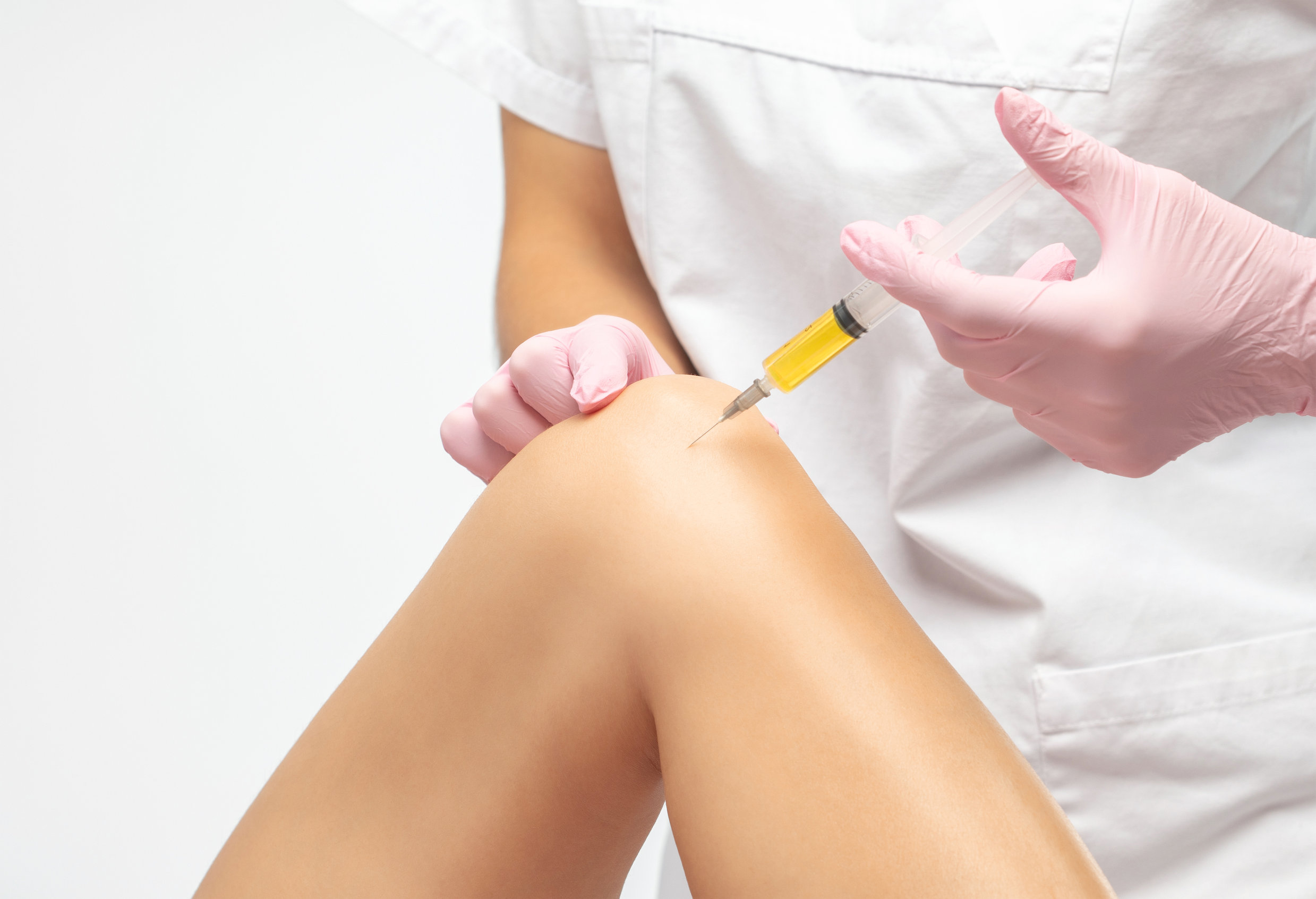
First, we start with a simple blood draw from your arm, much like you’d have for a routine lab test. Next, that blood sample is placed into a special machine called a centrifuge, which spins it at high speed to separate the platelets from the other blood components. This step creates the concentrated, platelet-rich plasma. Finally, this golden liquid is carefully injected into the affected joints in your hand to begin the healing process. The entire procedure is designed for your comfort and convenience, getting you on the road to recovery quickly.

How PRP Therapy Can Help Your Hand Arthritis

When everyday tasks like opening a jar or typing an email become painful, it’s easy to feel frustrated. Hand arthritis can significantly impact your quality of life, but you don’t have to settle for simply managing the symptoms. PRP therapy offers a different approach by using your body’s own healing abilities to address the root cause of the problem. Instead of just masking the pain, this treatment aims to repair damaged tissue, reduce inflammation, and restore function from within. It’s about creating a healthier environment inside your joints so you can get back to using your hands with confidence and comfort. Let’s look at the specific ways PRP can make a difference for your hand arthritis.

Reduce Pain and Soothe Inflammation

Chronic pain is often the most challenging part of living with hand arthritis. PRP therapy directly targets this by concentrating powerful growth factors and signaling proteins from your own blood and delivering them to the affected joints. These components work to calm the inflammatory response that causes so much of the swelling and discomfort. The growth factors in PRP “stimulate the body’s natural healing response, reduce inflammation, and promote the formation of new, healthy tissue.” This process helps provide lasting pain management by helping the joint heal, rather than just temporarily blocking pain signals with medication.

Improve Hand Function and Mobility

Beyond pain relief, the goal is to get your hands working properly again. Arthritis can make simple movements like gripping a pen or buttoning a shirt difficult. By promoting tissue repair and reducing inflammation, PRP can lead to real, measurable improvements in hand function. Studies have shown that patients experience better pinch strength, which is crucial for gripping small objects. One study found that PRP injections for arthritis at the base of the thumb significantly reduced pain and improved how well people could use their hands. This focus on joint regeneration means you can regain strength and dexterity for the activities you love.

Support Your Body’s Natural Healing

One of the most compelling aspects of PRP therapy is that it’s not an external drug or a synthetic substance. The treatment uses your body’s own healing power to repair injuries and manage chronic conditions. The process is straightforward: we take a small sample of your blood, concentrate the platelets, and inject this platelet-rich plasma back into the painful area. These platelets are your body’s first responders to injury, packed with the growth factors needed to rebuild tissue. As research highlights, PRP injections aim to “reduce swelling, help tissues repair, and support cartilage health.” This approach works in harmony with your body to encourage genuine, long-term healing.

What Kinds of Hand Arthritis Can PRP Treat?

If you’re dealing with hand arthritis, you know that not all joint pain is the same. The good news is that Platelet-Rich Plasma (PRP) therapy is a versatile treatment that can address several of the most common types of arthritis that affect the hands and fingers. Because PRP uses your body’s own healing components to target inflammation and repair tissue, it can be adapted to treat pain stemming from different causes, whether it’s from daily wear and tear or other underlying conditions. It’s not about a one-size-fits-all approach; it’s about delivering targeted, natural healing right where you need it most. Let’s look at the specific kinds of hand arthritis where PRP has shown the most promise.

Osteoarthritis in the Hands and Fingers

Osteoarthritis (OA) is the most common form of arthritis, often called “wear-and-tear” arthritis. In the hands, it can cause the cartilage in your finger joints and at the base of your thumb to wear down, leading to pain, stiffness, and swelling. This is where PRP can make a real difference. Because PRP therapy utilizes the body’s own platelets to promote healing and tissue regeneration, it offers a natural and safe alternative to traditional treatments. By injecting a concentrated dose of your own growth factors directly into the affected joints, PRP helps reduce the inflammation that causes pain and supports the health of your remaining cartilage, potentially slowing down further damage.

Arthritis at the Base of the Thumb

That nagging pain when you turn a key, open a jar, or even text on your phone is often caused by basal joint arthritis, which affects the joint at the base of the thumb. This condition can make simple daily tasks incredibly difficult. Fortunately, this is an area where PRP has been studied with encouraging results. In fact, a study published in the Biomedical Research International Journal found that PRP injections for basal joint arthritis greatly reduced pain and improved how well people could use their hands. This research highlights PRP’s ability to not only relieve discomfort but also restore crucial hand function for a better quality of life.

A Note on Rheumatoid Arthritis

Unlike osteoarthritis, rheumatoid arthritis (RA) is an autoimmune disease where the body’s immune system mistakenly attacks the lining of the joints. While PRP is not a cure for the underlying autoimmune condition, it can be an effective tool for managing its painful symptoms in the hands. For those with RA, PRP treatment can help address the chronic inflammation and damage to ligaments and tendons. It works best for those who have already tried conservative treatments like physical therapy or medication without finding enough relief. By soothing localized inflammation and supporting tissue repair, PRP can be a powerful addition to your overall pain management plan.

Does PRP for Hand Arthritis Really Work?

It’s the most important question, isn’t it? When you’re dealing with daily pain and stiffness in your hands, you want to know if a treatment will actually deliver the relief you need. The good news is that Platelet-Rich Plasma (PRP) therapy isn’t just a passing trend; it’s a science-backed approach that uses your body’s own powerful healing abilities to address the root cause of arthritis pain. It represents a shift away from simply managing symptoms toward actively promoting repair within the joint.

While every person’s experience is unique, a growing body of clinical research and patient outcomes point to PRP as a highly effective option for managing hand arthritis. It offers a path for those seeking to avoid more invasive procedures or a reliance on daily medications. Let’s look at what the studies show, what you can expect in terms of safety, and how long the relief can last.

What Clinical Studies Reveal

When we look at the research, the findings are very encouraging. One study focusing on basal joint arthritis—the common arthritis at the base of the thumb—found that PRP injections significantly reduced pain and improved hand function. The researchers concluded that the therapy works well with very few complications, which is exactly what you want to hear when considering a new treatment.

Another clinical trial found that nearly 70% of patients who received PRP for thumb arthritis reported moderate to excellent improvement in their symptoms. The same percentage of people were moderately or very satisfied with their results. This data shows that for many, PRP isn’t just a shot in the dark; it’s a treatment that can lead to real, tangible improvements in daily life.

A Look at the Safety and Side Effects

Because PRP therapy uses a concentrate of your own blood, it is generally considered very safe with a low risk of adverse reactions. The most common side effects are mild and temporary, typically occurring right around the injection site. You might experience some pain, swelling, bruising, or redness for a few days after the procedure as your body’s healing response kicks in.

Like any treatment that involves an injection, there is a very small risk of bleeding, infection, or nerve irritation. However, these risks are not unique to PRP and are minimized when your procedure is performed by an experienced medical professional in a sterile environment. At Miami Stem Cell, we prioritize patient safety above all else, ensuring our protocols meet the highest standards. You can find answers to more safety questions on our FAQs page.

How Long Can You Expect Results to Last?

Unlike treatments that simply mask pain, PRP is designed to promote long-term healing in the joint tissue. This means the results can be quite durable. Studies show that the timeline for relief varies, but many patients experience benefits for a significant period, allowing them to get back to the activities they love.

On average, patients in one study felt relief for about 15 months. Other research suggests that improvements can last anywhere from 12 to 24 months. The goal of PRP for arthritis is to address the underlying tissue damage, which helps prevent symptoms from quickly returning. This makes it a compelling option for anyone seeking sustained relief and improved hand function without relying on constant medication or temporary fixes.

What to Expect During Your PRP Treatment

If you’re considering PRP therapy, you probably have questions about what the process actually looks like. The good news is that the entire procedure is straightforward and performed right in our clinic. It’s designed to be a simple, non-surgical treatment that uses your body’s own healing abilities to target arthritis pain at its source. From the moment you arrive, our team will walk you through each step to ensure you feel comfortable and informed. Let’s break down what you can expect before, during, and after your treatment.

A Step-by-Step Look at the Procedure

The PRP therapy process is surprisingly simple and typically takes less than an hour. It all starts with a quick and easy blood draw, much like you’d have during a routine physical. We only need a small amount of your blood, which is then placed into a centrifuge. This machine spins the blood at a high speed to separate the platelet-rich plasma from the other blood components. This step concentrates the platelets and growth factors into a powerful healing solution. Once the PRP is ready, the area on your hand is cleaned, and the PRP is carefully injected into the affected joints and surrounding tissues to begin the regenerative process.

Your Treatment Timeline and Sessions

Because every patient’s condition is unique, your treatment plan will be tailored specifically to you. During your initial consultation, we’ll discuss your symptoms, goals, and medical history to create a personalized protocol. Generally, patients with hand arthritis see the best results with one to two PRP injections, spaced about three to six weeks apart. This schedule gives your body time to respond to the first treatment before the next session. We will also schedule follow-up appointments to monitor your progress and assess how effectively the treatment is working to reduce your pain and improve your hand function.

Recovery: Getting Back to Your Life

After your injection, you can expect to get back to your life fairly quickly. It’s common to experience some mild soreness, swelling, or bruising at the injection site for a few days, but this can usually be managed with ice packs. We’ll give you specific post-procedure instructions, which typically include avoiding strenuous activities with your hands for a short period. Most people can return to light, daily activities within a day or two. It’s important to remember that PRP therapy supports your body’s natural healing cascade, which takes time. While some people feel relief sooner, it can take several weeks to a few months to experience the full benefits as your tissues repair and regenerate.

How Does PRP Compare to Other Treatments?

When you’re dealing with the persistent pain of hand arthritis, you want to know all your options. Traditional treatments often include cortisone injections or, in more advanced cases, surgery. While these can be effective for some, they aren’t the only paths available. Platelet-Rich Plasma (PRP) therapy offers a different approach by focusing on healing from within. It’s not about masking the pain or replacing a joint; it’s about giving your body the resources it needs to repair damaged tissue. Understanding how PRP stacks up against these other methods can help you make a more informed decision about your care and find a solution that aligns with your long-term health goals. Let’s break down the key differences so you can see where PRP fits into the picture.

PRP vs. Cortisone Injections

Think of cortisone shots as a powerful, short-term fix. They are steroids that excel at reducing inflammation, which can bring quick and significant pain relief, sometimes within days. However, this relief is often temporary because cortisone doesn’t address the underlying cause of the arthritis. It simply quiets the symptoms. PRP, on the other hand, works differently. It’s a regenerative treatment that uses concentrated growth factors from your own blood to stimulate tissue repair. This process takes time—you might start noticing improvements in two to six weeks—but the goal is long-term healing, not just a temporary pause on pain.

PRP as an Alternative to Surgery

For many, the thought of hand surgery is a major concern due to the risks, potential for scarring, and lengthy recovery. PRP therapy presents a compelling non-surgical alternative. Instead of surgically repairing or replacing a joint, PRP aims to help your body heal the existing joint tissue naturally. This minimally invasive procedure involves a simple injection, allowing you to avoid the significant downtime that comes with surgery. By helping to reduce inflammation and potentially support the growth of new cartilage, PRP can provide lasting relief and improved function, making it an excellent option for those who want to address their arthritis without undergoing a major operation.

Deciding if PRP is the Right Path for You

Making the right choice for your health starts with a conversation. While PRP is a promising option for many types of hand arthritis, it’s not a one-size-fits-all solution. The best way to find out if it’s right for you is to consult with a specialist in regenerative medicine. A qualified doctor will perform a thorough evaluation, review your medical history, and discuss the specifics of your condition. This personalized assessment will help determine the root cause of your pain and whether you are a good candidate for PRP. It’s your opportunity to ask questions and explore all your treatment choices, ensuring you can move forward with a plan you feel confident in.

Is PRP Therapy for Hand Arthritis Right for You?

Deciding on a treatment path for hand arthritis is a personal choice, and it’s smart to gather all the facts. While Platelet-Rich Plasma (PRP) therapy offers a promising, non-surgical option for many, it’s not the right fit for everyone. The best way to know for sure is to have a thorough consultation with a regenerative medicine specialist. However, understanding what makes someone a good candidate—and what factors might point toward other options—can help you prepare for that conversation and feel more confident in your decision. Think of this as your guide to figuring out if PRP aligns with your health goals and current situation.

What Makes Someone a Good Candidate?

The ideal candidate for PRP therapy is typically someone with mild to moderate osteoarthritis who is looking for a way to manage pain and improve function without surgery. If you’re frustrated with temporary solutions and want to try a treatment that supports your body’s own healing abilities, PRP could be a great fit. This therapy uses a concentration of your own platelets to reduce inflammation and encourage tissue repair right where you need it.

You’re likely a good candidate if you are in good overall health and your pain interferes with daily activities like gripping a pen, opening a jar, or typing. People who have found little relief from conservative treatments like physical therapy or over-the-counter pain relievers often find success with PRP therapy.

Health Conditions to Discuss with Your Doctor

An open conversation with your doctor is crucial before starting any new treatment. PRP therapy is generally very safe because it uses your own blood, but certain health conditions can affect your eligibility or the treatment’s outcome. It’s important to discuss your full medical history, especially if you have a bleeding disorder, anemia, an active infection, or a history of certain cancers. These conditions can impact the quality of your platelets or your body’s ability to heal.

You should also provide a complete list of medications and supplements you take. Anti-inflammatory drugs (like ibuprofen), steroids, and blood thinners can interfere with the platelet activation process, and your doctor may ask you to pause them before and after your procedure. Honesty here ensures your treatment is both safe and effective.

When to Consider Other Options

While PRP is a powerful tool, it has its limits. If your hand arthritis is very advanced, with significant cartilage loss (often described as “bone-on-bone”), PRP alone may not provide the results you’re looking for. In these severe cases, your doctor might discuss other regenerative options, like stem cell therapy, or even suggest a surgical consultation.

It’s also important to weigh the potential risks. Like any injection, PRP carries a small risk of temporary pain, swelling, or infection at the injection site. If you have a very low tolerance for injections or if your primary goal is a guaranteed, permanent fix, you may want to explore other avenues. The goal is to find the treatment that best matches the severity of your condition and your personal comfort level.

What to Know Before You Commit to PRP

Making an informed decision about your health is the most important step you can take. Before you schedule your first PRP session, it’s smart to get clear on the practical details, from the financial investment to what you can realistically expect from the treatment. This isn’t about finding a quick fix; it’s about choosing a path that supports your body’s long-term healing. Thinking through these points will help you move forward with confidence, knowing you’ve covered all your bases. Let’s walk through the key things to consider so you can feel fully prepared and positive about your choice.

The Cost of PRP and Insurance Questions

One of the first questions people have is about cost. It’s important to know that most insurance companies consider PRP therapy an elective procedure, which means it’s typically not covered. You should plan for this to be an out-of-pocket investment in your health. The exact cost can vary depending on the treatment area and the number of sessions you need. The best way to get a clear picture of the financial commitment is to schedule a consultation. We can discuss your specific needs, create a personalized treatment plan, and provide a detailed breakdown of the costs involved so there are no surprises.

Setting Realistic Expectations

PRP therapy works with your body’s natural healing cycle, which means results aren’t instantaneous. While some people feel relief sooner, it can take several weeks or even a few months to experience the full benefits as your tissues repair and regenerate. Studies on PRP for thumb arthritis have shown that a significant majority of patients experience moderate to excellent improvement, with results lasting, on average, for over a year. Patience is key. This treatment is designed to address the root cause of the pain, not just mask the symptoms, and that gradual, foundational healing is what leads to lasting relief and improved function.

Common Myths vs. Reality

There’s a lot of information out there, so let’s clear up a few things. A common myth is that PRP is experimental or unsafe. The reality is that PRP therapy is a well-established procedure that has been used for years in regenerative medicine. It uses a concentrated solution made from your own blood, which dramatically minimizes the risk of allergic reactions or adverse side effects. It’s not a foreign substance or a drug; it’s simply a tool to focus your body’s inherent healing power right where you need it most. Clinical studies confirm it has a strong safety profile, making it a reliable, non-surgical option for managing hand arthritis.

Are There Any Risks or Side Effects?

Because PRP therapy uses your body’s own platelets, it’s a very safe procedure with a low risk of allergic reactions or major complications. Your body recognizes the plasma as its own, which is one of the biggest advantages of this treatment. However, like any medical procedure that involves an injection, there are a few potential side effects to be aware of. Most are mild and resolve quickly on their own.

Understanding what to expect can help you feel more prepared and confident as you start your healing process. It’s also important to know how you can play an active role in ensuring your treatment is as successful as possible.

Common (and Temporary) Side Effects

After your PRP injection, it’s normal to experience some temporary discomfort at the injection site. Common side effects are usually mild and include pain, swelling, bruising, redness, or itching in your hand or thumb. Think of this as a sign that your body is responding to the treatment and kicking its natural healing mechanisms into gear.

This initial inflammatory response is a crucial part of how PRP therapy works. These symptoms typically peak within the first couple of days and gradually fade over the following week. Most people find they can manage any discomfort with simple measures like ice packs and rest.

Rare Complications to Be Aware Of

While serious complications are uncommon, it’s important to have a complete picture. All injections have an inherent risk of causing bleeding, infection, or injuring a nerve; these are not unique to PRP treatment. Choosing a highly qualified provider who follows strict sterile protocols is the best way to minimize these risks.

At a reputable clinic, every step is taken to ensure your safety, from the blood draw to the injection itself. Our team is dedicated to maintaining the highest standards of care to protect your health. If you have any concerns about these risks, we can discuss them in detail during your personal consultation.

How to Maximize Your Treatment’s Success

You can take a few simple steps to help your body get the most out of your PRP therapy. One of the most important things you can do is avoid anti-inflammatory medications (like ibuprofen or naproxen) for a few weeks before and after your procedure. Inflammation is the first step in the healing process that PRP initiates, so we don’t want to interfere with it.

Following your doctor’s post-treatment instructions is also key. This might include icing the area, avoiding strenuous activities with your hands for a short period, and staying well-hydrated. Proper aftercare supports the platelets as they work to repair tissue and helps ensure you achieve the best possible outcome.

How to Choose the Right PRP Provider

Selecting the right provider is just as crucial as the treatment itself. The quality of your PRP, the precision of the injection, and the overall care you receive all depend on the clinic you choose. A great provider will not only have the technical expertise but will also serve as a trusted partner in your health journey. Taking the time to find a qualified, experienced professional ensures you are in safe hands and gives your treatment the best possible chance for success.

Finding a Qualified and Compliant Clinic

When you start your search, look for a clinic that specializes in regenerative medicine. This isn’t a treatment you want from a place that simply adds it to a long menu of unrelated services. A dedicated regenerative medicine center will have deep experience and a refined process. Check their website for information about their doctors and their specific experience with PRP for joint conditions. Reading through patient testimonials can also give you a real-world sense of their results and patient care. A reputable clinic will be transparent about its methods, use high-quality equipment, and follow strict safety protocols to ensure you receive the purest, most effective concentration of platelets.

Your Consultation Checklist: What to Ask

Your consultation is your opportunity to interview the provider and make sure you feel comfortable and confident. Don’t be shy about asking detailed questions—a good doctor will welcome them.

Here are a few key things to ask:

  • What is your experience treating hand arthritis with PRP?
  • What specific process do you use to prepare the PRP?
  • How many treatments do you typically recommend for a case like mine?
  • What are the most common side effects you see, and how do you manage them?
  • What does the follow-up care process look like?

Listen for clear, honest answers. The goal is to leave with a full understanding of the procedure and realistic expectations. When you’re ready, you can schedule a consultation to get the conversation started.

Related Articles

Book Appointment CTA

Frequently Asked Questions

How long does it take to see results from PRP for hand arthritis? Because PRP therapy works with your body’s natural healing timeline, the results appear gradually. You might start to notice a decrease in pain and inflammation within a few weeks, but the full benefits often take two to three months to develop. This is because the treatment is designed to repair tissue at a cellular level, and that foundational healing process takes time to complete.

Is the PRP injection process painful? Most people tolerate the procedure very well. We take steps to make you as comfortable as possible, and the injection itself is very quick. You may feel a brief pinch or some pressure during the injection. Afterward, it’s common to have some soreness and swelling at the injection site for a few days, which is a normal sign that the healing response has been activated.

How is PRP different from a cortisone shot? The main difference is the goal of the treatment. A cortisone shot is a powerful steroid that provides fast, temporary relief by suppressing inflammation. PRP therapy, on the other hand, is a regenerative treatment that aims for long-term healing. It uses the growth factors from your own blood to reduce inflammation and help repair the damaged joint tissue, addressing the root of the problem rather than just masking the symptoms.

How long will the results of my PRP treatment last? The duration of relief varies from person to person, but because PRP promotes actual tissue healing, the results can be quite long-lasting. Many clinical studies show patients experiencing significant pain relief and improved hand function for a year or even longer after their treatment course is complete. The goal is to provide sustained improvement that allows you to get back to your daily activities with comfort.

What should I avoid after my PRP treatment? To get the best results, it’s very important to avoid taking any anti-inflammatory medications, such as ibuprofen or naproxen, for a few weeks before and after your procedure. These drugs can interfere with the healing process that PRP is designed to start. We also recommend avoiding strenuous activities with your hands for a few days to give the platelets time to work effectively.

author avatar
Greice Murphy
Greice Murphy is a visionary entrepreneur and healthcare executive recognized for building and scaling transformative businesses in homecare, regenerative medicine, and wellness. She founded Advanced Care Partners (ACP), growing it to over 1,300 employees and earning a place on the Inc. 5000 list eight years in a row. In 2022, she acquired Miami Stem Cell®, leading the clinic to 10x growth and expanding its focus into allogeneic regenerative medicine. Greice also launched BetterStem, advancing autism care through stem cell treatments and AI-powered patient journeys.

Recent Blog

Take the First Step Toward a Pain-Free Life

Don’t let pain hold you back. Contact us today to schedule your free consultation and start your journey to recovery!