The most powerful healing agents you’ll ever have are already inside your own body. The challenge has always been concentrating that healing power and delivering it exactly where it’s needed most. That’s the simple, elegant concept behind Platelet-Rich Plasma (PRP) therapy. We start by taking a small sample of your blood and separating the platelets to create a potent, healing serum. This personalized approach is what makes PRP injections for SI joint pain such a safe and effective treatment. It’s a way of working with your body’s natural systems to repair damaged tissue, calm inflammation, and strengthen the joint without surgery or synthetic drugs.
Key Takeaways
- PRP Works With Your Body, Not On It: This treatment uses a concentration of your own blood’s healing components to repair the damaged tissues causing your SI joint pain. It’s a natural approach that addresses the root cause instead of just masking symptoms.
- Healing Is Different From a Quick Fix: While steroids can temporarily reduce inflammation, PRP therapy focuses on rebuilding the ligaments and cartilage for long-term stability. The goal is durable relief that comes from actually healing the joint structure.
- Confirm the Cause Before Choosing the Cure: SI joint pain can mimic other lower back issues, so an accurate diagnosis is essential. A thorough evaluation ensures that PRP is targeted correctly, giving you the best chance for a successful outcome.
What Are PRP Injections and How Do They Work?
If you’re looking for a treatment that works with your body to heal pain at its source, Platelet-Rich Plasma (PRP) therapy is a fantastic option to consider. Instead of just masking symptoms with temporary fixes, PRP uses the powerful healing components found in your own blood to repair damaged tissues and reduce inflammation naturally. It’s a straightforward and elegant concept: we take a small sample of your blood, similar to a routine blood draw, and place it in a centrifuge. This machine spins the blood at a high speed to separate and concentrate the platelets, creating a potent, healing injection.
This personalized approach is a cornerstone of PRP therapy. Because the treatment is created from your own body, it’s an incredibly safe and natural way to address injuries. The resulting platelet-rich plasma is then carefully injected into the injured area, like the SI joint, to deliver a supercharged dose of your body’s own repair mechanisms right where they’re needed most. This process encourages tissues to mend themselves, offering a path to lasting relief without surgery or synthetic drugs. It’s a way of giving your body a helping hand, using its own resources to accelerate healing and restore function so you can get back to living your life.
What’s in Platelet-Rich Plasma?
So, what exactly makes this liquid gold so effective? Platelet-rich plasma is primarily composed of two key elements from your blood: plasma, which is the liquid portion, and a high concentration of platelets. Platelets are best known for their role in clotting blood, but they are also packed with hundreds of proteins called growth factors, which are crucial for healing injuries. By separating and concentrating these platelets, we create a solution that is five to ten times richer in these healing factors than normal blood. This concentration of your body’s natural healers is what makes PRP a powerful tool for pain management and tissue repair.
How Growth Factors Kickstart Healing
Once the PRP is injected into the target area, the growth factors get to work immediately. Think of them as the project managers of your body’s repair crew. They send signals that orchestrate the entire healing process. These growth factors attract stem cells to the site of injury, stimulate the formation of new blood vessels, and encourage the growth of healthy new tissue. This cascade of events helps reduce pain and swelling while actively repairing the underlying damage. By triggering this natural healing response, PRP doesn’t just quiet the pain—it addresses the root cause, helping to stabilize the joint and improve its overall function for long-term results.
What Is SI Joint Pain?
If you’re dealing with persistent lower back pain, you might assume it’s a disc issue or a muscle strain. But often, the real culprit is a small but mighty joint you may have never heard of: the sacroiliac (SI) joint. SI joint pain is incredibly common, yet it’s frequently overlooked or misdiagnosed. Understanding what this joint is, what it does, and why it might be causing you pain is the first step toward finding a solution that doesn’t just cover up the symptoms but actually helps your body heal.
Think of the SI joint as the critical link between your spine and your legs. When it’s not functioning correctly, it can set off a chain reaction of pain that affects your ability to sit, stand, walk, and simply enjoy life. The pain isn’t just in your back; it can travel down into your hips, buttocks, and even your thighs. Before you can explore effective treatments like PRP therapy, it’s important to get to the bottom of what’s happening in your body. Let’s break down the essentials of SI joint pain.
Your SI Joint: What It Is and What It Does
Your sacroiliac (SI) joint is where the bottom of your spine (the sacrum) connects to your pelvis (the ilium). You have two of them, one on each side of your lower back, right below your beltline. Unlike more mobile joints like your knee or shoulder, the SI joint is designed for stability, with very limited movement. Its main job is to act as a shock absorber, transferring the weight and stress from your upper body to your legs. Every time you walk, run, or even just stand, your SI joints are working to keep you stable and balanced. When this joint becomes inflamed or isn’t moving properly, it can lead to significant discomfort and disrupt this crucial transfer of force.
Common Causes of SI Joint Pain
SI joint pain can develop for a number of reasons. Sometimes it’s caused by a specific event, like a fall or a car accident that injures the ligaments supporting the joint. Other times, it’s the result of repetitive stress from activities like running or frequent heavy lifting. Pregnancy and childbirth can also be a factor, as hormonal changes cause ligaments to relax and stretch, making the joint less stable. Over time, degenerative conditions like arthritis can wear down the cartilage in the joint. Even issues with your posture or having one leg that’s slightly longer than the other can put uneven stress on the SI joint, eventually leading to pain and dysfunction.
Signs Your SI Joint Is the Problem
The most telling sign of SI joint dysfunction is pain in your lower back, typically on one side and below the belt. This pain often doesn’t stay put; it can radiate into your buttocks, hips, groin, or down the back of your thigh. You might notice the pain gets worse when you’re sitting or standing for long periods, climbing stairs, or rolling over in bed. A classic symptom is sharp pain when you go from sitting to standing. Some people also report a feeling of instability in their pelvis, as if their leg might give way. If these symptoms sound familiar, it’s a good idea to get a proper diagnosis to confirm the source of your pain.
How PRP Injections Heal SI Joint Pain at the Source
Unlike treatments that simply mask symptoms, Platelet-Rich Plasma (PRP) therapy is designed to address the underlying cause of your SI joint pain. Instead of just turning down the volume on pain signals with medication, PRP works with your body’s natural healing abilities to repair the damage that’s causing the discomfort in the first place. This approach focuses on rebuilding and strengthening the joint for lasting relief, rather than providing a temporary fix that wears off over time.
The process uses a concentration of your own platelets, which are packed with powerful growth factors. When we inject this personalized healing serum directly into the affected SI joint, it creates a cascade of restorative events. The growth factors signal your body to reduce inflammation, regenerate damaged tissues, and fortify the supportive ligaments around the joint. It’s a targeted, biological approach to pain management that encourages your body to heal itself from the inside out. By healing the source of the problem, PRP helps you regain function and stability, allowing you to get back to the activities you love without being held back by pain.
Reduce Inflammation Naturally
One of the first things you’ll notice with SI joint dysfunction is inflammation, which brings on that persistent pain, stiffness, and swelling. PRP therapy directly targets this inflammation at its source. The concentrated platelets in the injection release proteins that help regulate the inflammatory response. This isn’t like taking an oral anti-inflammatory that affects your whole body; it’s a precise treatment that delivers relief right where you need it. By calming the inflammation naturally, PRP helps reduce pain and swelling, creating the ideal environment for your tissues to begin the repair process.
Regenerate Damaged Tissue
Chronic SI joint pain often stems from wear and tear on the cartilage and ligaments that cushion and support the joint. Over time, this tissue can break down, leading to instability and friction. The growth factors in PRP act as powerful signals, calling your body’s own repair cells to the area. This process stimulates the growth of new, healthy tissue, including cartilage and other connective tissues. A systematic review of studies confirmed that PRP injections help with SI joint pain and disability by promoting this deep cellular repair. It’s a true form of joint regeneration that helps restore the integrity of the joint structure.
Strengthen and Stabilize the Joint
A stable SI joint is a pain-free SI joint. Much of the pain associated with this condition comes from instability caused by loose or damaged ligaments. These ligaments act like strong rubber bands, holding the joint together. When they become weak, the joint can shift improperly, causing pain with movement. PRP has the potential to repair and strengthen these crucial ligaments, restoring their tension and function. By reinforcing the joint’s natural support system, PRP helps create lasting stability. This not only reduces current pain but also helps protect the joint from future injury and degeneration.
PRP vs. Steroids: Why Healing Beats a Quick Fix
When you’re dealing with persistent SI joint pain, you want relief, and you want it now. For years, the standard approach has been corticosteroid injections. They can reduce inflammation and quiet the pain, offering a temporary break. But there’s a growing understanding that a quick fix isn’t the same as a real solution.
Regenerative treatments like Platelet-Rich Plasma (PRP) therapy work on a completely different principle. Instead of just silencing the alarm bells (your pain), PRP aims to fix the problem that’s setting them off. It’s a choice between temporarily patching a problem and actually rebuilding from the inside out. Let’s look at why focusing on healing is a better long-term strategy for your SI joint.
Healing the Problem vs. Masking the Pain
Think of steroid injections as a way to turn down the volume on your pain. They are powerful anti-inflammatory drugs that can provide fast relief by reducing swelling. However, they don’t do anything to repair the underlying cause of that inflammation, like a strained ligament or worn-down cartilage. The relief is welcome, but the original problem remains.
PRP, on the other hand, gets to the heart of the issue. It uses a concentrated dose of your body’s own healing agents—platelets and growth factors—to target the damaged tissue directly. The goal isn’t to mask the pain but to repair the ligaments and cartilage that are causing it. By addressing the root cause, PRP helps your body heal the injury, leading to a more stable joint and lasting relief.
How Long Does Relief Last?
The difference in approach directly impacts how long you can expect to feel better. With steroid injections, the effects are often short-lived, lasting anywhere from a few weeks to a few months. Once the medication wears off, the pain frequently returns because the underlying injury was never healed. This can lead to a cycle of repeated injections.
Because PRP promotes actual tissue repair, the results are built to last. One study on SI joint pain found that PRP injections provided significant pain relief for up to four years, far outlasting the temporary benefits of steroids. The goal of regenerative pain management isn’t just to get you through the next few months; it’s to restore function and provide durable, long-term relief by healing the joint itself.
Comparing Safety and Side Effects
Your long-term health is the top priority, which makes safety a key consideration. While generally safe for occasional use, repeated steroid injections come with risks. They can weaken surrounding bones and cartilage over time, potentially making the joint less stable. They can also have systemic effects on your hormones and immune system.
PRP offers a much more favorable safety profile. Because the injection is created from your own blood, the risk of an allergic reaction or adverse response is extremely low. The most common side effects are temporary soreness or swelling at the injection site as the healing process begins. It’s a treatment that works with your body’s natural systems, not against them. You can find answers to more specific safety questions in our FAQs.
Is PRP for SI Joint Pain Right for You?
Deciding on the right treatment for your SI joint pain is a personal choice, and it’s one you don’t have to make alone. While PRP therapy offers a powerful, natural path to healing, it’s not a one-size-fits-all solution. The best way to find out if it’s the right move for you is through a detailed conversation with a specialist who understands your history, your symptoms, and your goals.
A thorough evaluation is the first step toward lasting relief. Your doctor will look at your overall health, the specifics of your SI joint pain, and what you’ve tried in the past. This helps create a clear picture of whether you’re a good candidate for PRP and what kind of results you can realistically expect. Think of it as a partnership focused on getting you back to living your life with less pain.
Who Benefits Most from PRP?
PRP therapy is often a great fit for people dealing with chronic SI joint pain—that’s pain that has stuck around for three months or longer. If you’ve already tried other treatments like physical therapy, anti-inflammatory medications, or chiropractic care without finding the lasting relief you need, PRP could be your next step. It’s an especially compelling option if you’re looking to avoid or delay more invasive procedures like surgery or want an alternative to repeated steroid injections. Ideal candidates are those who want to work with their body’s natural healing abilities to address the root cause of the pain, not just temporarily cover up the symptoms.
What Your Doctor Will Consider
Before recommending any treatment, a proper diagnosis is key. SI joint pain can be tricky because its symptoms—like lower back, hip, or buttock pain—often mimic other conditions. Your doctor will perform a comprehensive evaluation to confirm that the SI joint is the true source of your discomfort. This process typically includes a detailed physical exam, where your doctor will move your hips and legs to pinpoint the pain. They may also use imaging like X-rays or an MRI to get a better look at the joint and rule out other issues. This careful, science-backed approach ensures that PRP therapy is targeted precisely where it’s needed most.
When Other Treatments Fall Short
Many people turn to PRP injections after conventional treatments have failed to provide a long-term solution. While things like physical therapy and steroid shots can offer temporary relief, they don’t always repair the underlying problem. Steroids, for example, reduce inflammation but don’t heal the damaged ligaments or cartilage causing the instability and pain. If you find yourself in a cycle of treatments that wear off, PRP offers a different path forward. By stimulating your body’s own repair mechanisms, it focuses on joint regeneration and strengthening the joint for more durable, lasting results. It’s a proactive step toward healing the injury itself.
Your PRP Injection: A Step-by-Step Guide
The idea of any injection can feel a bit intimidating, but the process for PRP therapy is actually quite simple and straightforward. It’s a quick, in-office procedure that uses your body’s own resources to target pain at its source. Knowing what to expect can help you feel more comfortable and confident as you take this step toward healing. Let’s walk through the process together, from start to finish.
Step 1: Preparing Your Personalized PRP
The first step is creating the platelet-rich plasma solution, and it all starts with you. We begin by taking a small sample of your blood, similar to a routine blood test. That sample is then placed in a centrifuge—a machine that spins it at high speed. This process separates the different components of your blood, allowing us to isolate and concentrate the platelets and plasma. The result is a powerful, golden-hued solution rich in the growth factors essential for healing. This personalized PRP therapy is made entirely from your own blood, making it a natural and safe way to support your body’s repair mechanisms.
Step 2: The Precision Injection
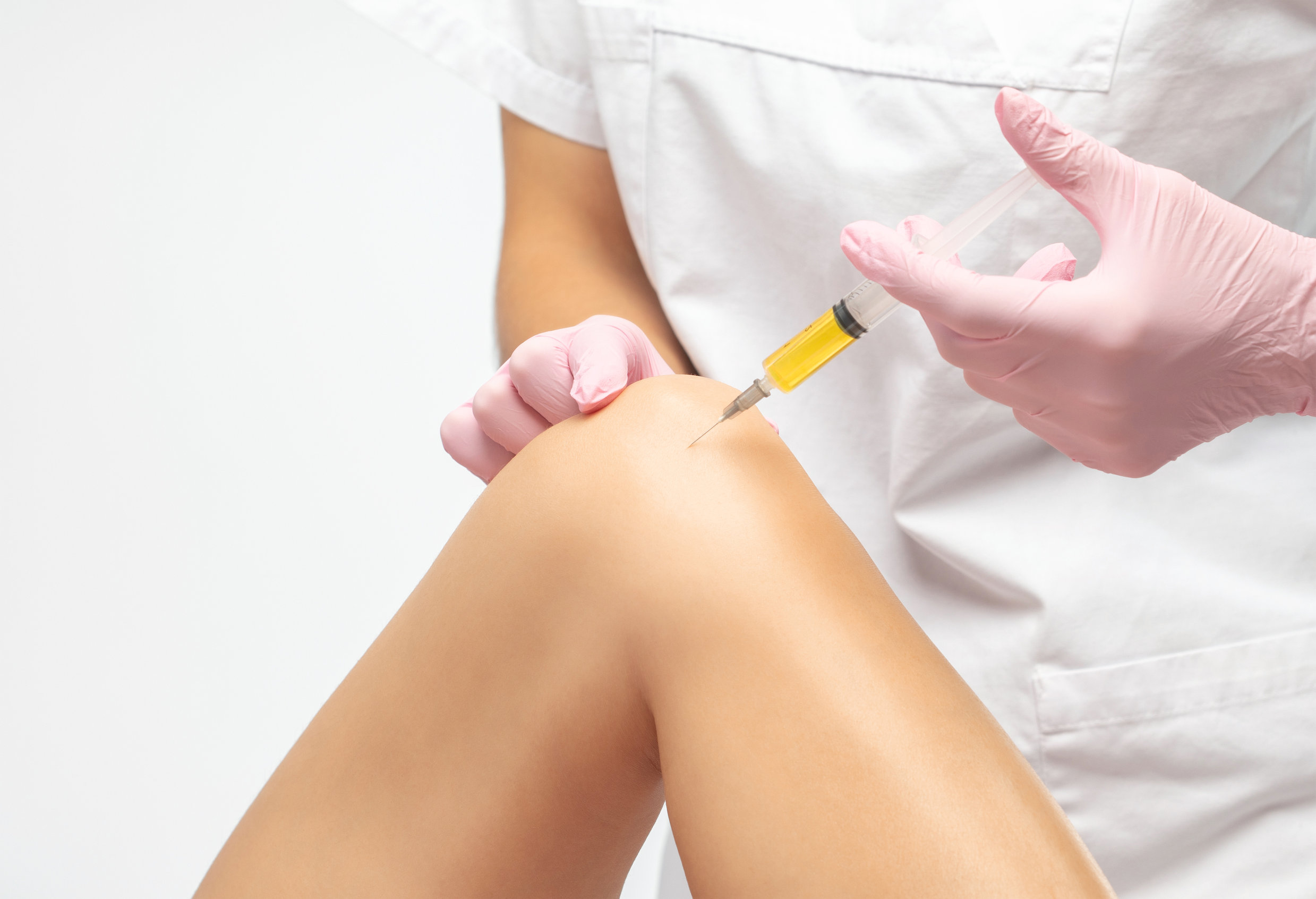
Once your personalized PRP is ready, the next step is delivering it exactly where it’s needed most. To treat SI joint pain, the PRP is carefully injected into the joint or the surrounding ligaments that may be damaged or inflamed. We use advanced ultrasound imaging to guide the injection in real-time. This ensures incredible accuracy, allowing us to see the needle’s path and confirm the PRP is placed in the precise location to be most effective. Before the injection, the area is numbed to keep you comfortable throughout the short procedure. This targeted approach is key to our pain management philosophy.
Step 3: Your Custom Treatment Plan
PRP therapy isn’t just about the injection itself; it’s about creating a comprehensive plan for your recovery. This treatment is designed to address the underlying cause of your pain by activating your body’s natural healing processes. The goal is to achieve improved joint stability and function for long-lasting relief. Depending on your specific condition and how your body responds, your doctor may recommend a series of treatments to achieve the best results. Your custom plan is focused on true joint regeneration, not just masking symptoms, helping you get back to living your life with less pain and more freedom.
What to Expect After Your PRP Treatment
One of the best parts about PRP therapy is that it’s a straightforward, in-office procedure that gets you back to your life quickly. Since it’s a non-surgical treatment, there’s very little downtime required. Your body does the real work after you leave our clinic, using the growth factors from your own blood to begin the healing process right at the source of your SI joint pain.
The journey to lasting relief is a process, not an event. It’s important to understand the stages of healing so you know what to expect and can give your body the support it needs. From the first few days of recovery to the long-term stability you’re working toward, here’s a look at what your healing timeline might look like.
The First Few Days: Recovery and Care
Immediately after your injection, you can head home and resume most of your normal, light activities. It’s common to feel some mild soreness or swelling at the injection site for a few days. This is actually a good sign—it means your body’s natural healing response has been activated. We’ll give you specific aftercare instructions, which usually include avoiding strenuous exercise and anti-inflammatory medications for a short period, as they can interfere with the regenerative process. Your main job is to rest and let your body’s repair crew get to work.
Your Healing Timeline
Patience is key when it comes to regenerative medicine. Unlike steroid shots that offer a quick but temporary fix, PRP works by gradually rebuilding damaged tissue. You might start to notice a real improvement in your pain and stability around four to six weeks after your treatment. From there, the results continue to build over the next several months as the tissue in your SI joint gets stronger and healthier. We will work with you to create a personalized pain management plan that supports this healing process every step of the way.
Achieving Lasting Results
The goal of PRP isn’t just to mask your pain; it’s to address the root cause. By helping your body repair the ligaments and cartilage that stabilize your SI joint, PRP therapy aims for lasting relief. Many people experience significant pain reduction and improved function for years, not months. Because this treatment focuses on true joint regeneration, you’re not just putting a band-aid on the problem. You’re investing in the long-term health and stability of your joint, allowing you to get back to the activities you love without the constant worry of pain.
Are PRP Injections for SI Joint Pain Safe?
When you’re dealing with persistent pain, the last thing you want is a treatment with a long list of potential risks. The good news is that PRP therapy has an excellent safety profile, especially when compared to more invasive options like surgery or long-term medication. Because the entire treatment is derived from your own body, it works in harmony with your natural healing processes. This approach minimizes the risk of the complications often associated with introducing foreign substances into your system.
At Miami Stem Cell, every procedure is performed under the strictest safety protocols. We ensure that the process, from drawing your blood to injecting the concentrated plasma, is handled with precision and care. Our goal is to provide a treatment that not only addresses the root cause of your SI joint pain but does so in the safest way possible. Understanding the specifics of why PRP is considered so safe can help you feel confident in your decision to pursue a path toward genuine, long-term healing.
Why Using Your Own Blood Is So Safe
One of the most significant safety advantages of PRP therapy is that it uses your own blood. This is what we call an “autologous” treatment, meaning the healing substance comes directly from you. Because of this, there’s a very low risk of allergic reactions or your body rejecting the treatment. Your system recognizes the platelets and growth factors as its own, welcoming them to the site of injury to begin the repair work. This simple yet powerful principle is what makes PRP therapy a trusted and reliable option for kickstarting your body’s own healing abilities without introducing synthetic materials or harsh chemicals.
Common, Temporary Side Effects
After a PRP injection, it’s normal to experience some temporary side effects at the injection site. You might notice some mild swelling, soreness, or redness for a few days. Think of this not as a complication, but as a positive sign that your body’s healing cascade has been activated. The concentrated growth factors are signaling to your system that it’s time to get to work repairing the damaged tissue in your SI joint. These symptoms are typically short-lived and can be managed easily. Compared to the lengthy recovery and potential complications of surgery, the downtime for PRP is minimal, allowing you to get back to your life sooner.
A Look at the Safety of PRP vs. Steroids
Many people with SI joint pain are first offered steroid injections. While steroids can provide quick, temporary relief by reducing inflammation, they don’t heal the underlying problem. The pain often returns, and repeated steroid injections come with risks, including weakening nearby bones and tissues or affecting your hormones. PRP, on the other hand, is a fundamentally different approach to pain management. Instead of just masking the pain, it works to regenerate the damaged ligaments and cartilage that are causing it. This focus on true healing makes PRP a safer and more sustainable long-term solution for restoring function and eliminating SI joint pain.
PRP for SI Joint Pain: Fact vs. Fiction
When you’re dealing with chronic pain, it’s easy to get lost in a sea of information. Let’s clear up some of the common questions and misconceptions about using PRP for SI joint pain. Separating the facts from fiction can help you make a confident and informed decision about your health.
Fact: PRP Is a Science-Backed Therapy
Platelet-rich plasma isn’t a wellness trend; it’s a form of regenerative medicine that uses your body’s own healing abilities to repair damage. The process is straightforward: we draw a small amount of your blood, use a centrifuge to concentrate the platelets, and then inject this powerful plasma directly into your SI joint. These platelets are packed with growth factors that signal your body to reduce inflammation and rebuild damaged tissue.
While some insurance carriers still label it as “experimental,” a growing body of research shows that PRP therapy is a promising and effective option for SI joint pain, especially when other treatments haven’t provided lasting relief. It’s a logical approach that works with your body, not against it.
A Guide to Cost and Insurance
Let’s talk about one of the most practical questions: who pays for it? Because PRP is still considered an innovative treatment, most insurance plans do not cover the cost. It’s always a good idea to check with your provider to understand your specific benefits, but it’s best to plan for this as an out-of-pocket investment in your health.
At Miami Stem Cell, we believe in transparency and will walk you through the costs associated with your personalized treatment plan. Think of it as investing in a long-term solution that addresses the root cause of your pain, rather than spending money on temporary fixes that only mask the symptoms. You can find more information on our FAQs page.
What Kind of Results Can You Expect?
This is where PRP truly stands apart from conventional treatments like steroid injections. Studies show a significant difference in outcomes. In one study, 90% of patients who received PRP for SI joint pain reported major pain relief, compared to only 25% of those who received steroid injections. The goal of PRP isn’t just to manage pain—it’s to heal the joint.
This focus on healing leads to much longer-lasting results. While steroids might offer relief for a few weeks or months, the benefits of PRP can last for years because it helps regenerate the damaged tissues. Our patients often share how this lasting relief has allowed them to return to the activities they love, which you can read about in their testimonials.
Related Articles
- Say Goodbye to Arthritis Pain: Unleashing the Potential of PRP Injections
- PRP Injection Knee Success Rate: What to Expect
- What Does PRP for Arthritis Cost? A Full Breakdown
- PRP Injection Cost Shoulder: A Complete Guide
Frequently Asked Questions
How many PRP treatments will I need for my SI joint? This is a great question, and the honest answer is that it’s different for everyone. Your treatment plan is completely personalized. Many people experience significant relief after just one injection, but for more chronic or severe cases, a series of two or three treatments spaced several weeks apart might be recommended to achieve the best possible results. We’ll assess your progress along the way to determine the ideal plan for you.
Does the PRP injection hurt? We take every step to make sure you’re comfortable. The area is numbed with a local anesthetic before the injection, so you should feel more of a pressure sensation than sharp pain. It’s very common to have some soreness at the injection site for a few days afterward, which is a positive sign that the healing process has been activated.
How soon can I get back to my normal routine after the treatment? One of the biggest advantages of PRP is the minimal downtime. You can return to your normal daily activities, like work or light errands, right after the procedure. We do recommend avoiding strenuous exercise or heavy lifting for a short period to give your body the best chance to heal. We’ll provide you with clear and simple aftercare instructions tailored to your situation.
Is PRP the same thing as stem cell therapy? While both are powerful forms of regenerative medicine, they work differently. PRP therapy uses the concentrated platelets from your own blood to send signals that reduce inflammation and call your body’s repair cells to the injured area. Stem cell therapy, on the other hand, uses potent cells that can directly help regenerate new, healthy tissue. The best option depends entirely on your specific condition and goals.
Why is PRP considered a better long-term solution than a steroid shot? Think of it as fixing the problem versus just quieting the symptoms. A steroid injection is a powerful anti-inflammatory that can provide fast, but temporary, pain relief. PRP works to repair the underlying cause of the pain—the damaged ligaments and cartilage in your SI joint. By helping your body rebuild and strengthen the joint, PRP offers a path to lasting stability and relief, not just a short-term patch.