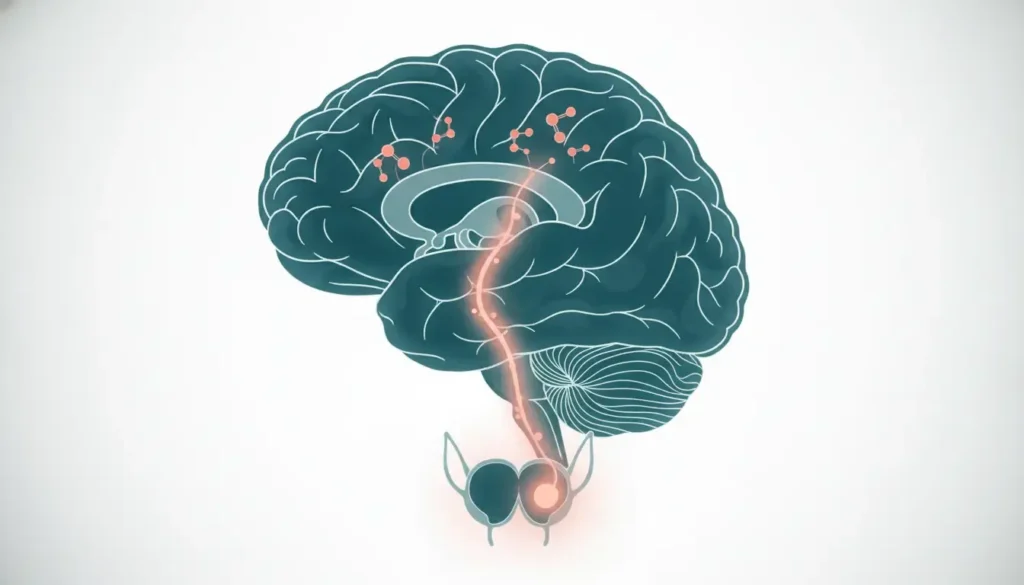
For years, treating hair loss meant messy topical foams, daily pills, or invasive surgery. While those options still exist, the conversation has completely changed. The most exciting developments are happening in regenerative medicine—using your body’s own healing power to restore hair at a cellular level. This shifts the focus of how to stop thinning hair male from temporary fixes to long-term, regenerative solutions that get to the root of the problem. We’ll explore the full spectrum, from established treatments to the future of hair restoration.
Key Takeaways
- Identify the Root Cause: Hair thinning is rarely caused by a single factor. It’s typically a combination of your genetic sensitivity to the hormone DHT, lifestyle habits like stress, and nutritional gaps. Understanding your specific triggers is the first step toward an effective solution.
- Combine Treatments for a Stronger Strategy: Relying on one product often isn’t enough. The most successful hair restoration plans attack the problem from multiple angles by pairing medical treatments like PRP with supportive lifestyle changes and a gentle hair care routine.
- Act Early and Stay Consistent: It is far easier to slow thinning and protect the hair you have than it is to regrow hair from inactive follicles. Commit to your chosen plan and be patient, as it takes several months of consistent effort to see noticeable results.
How Common is Hair Loss in Men?
If you’ve started to notice more hair in the shower drain or a receding hairline in the mirror, you are far from alone. Hair loss is an incredibly common experience for men, with male pattern baldness, medically known as androgenetic alopecia, being the cause in over 95% of cases. This isn’t just a random occurrence; it’s a predictable pattern driven by a combination of genetics and hormones. While it’s easy to dismiss it as a simple part of aging, the reality is that hair loss can begin much earlier and have a much deeper impact than many people realize. Understanding just how widespread this issue is can be the first step in taking control and exploring effective solutions that go beyond surface-level fixes.
The Emotional Side of Hair Loss
Let’s be honest: losing your hair can be tough. It’s not just about vanity; it’s deeply tied to identity and self-perception. For many men, thinning hair can trigger feelings of anxiety and a sense of losing control, making them feel older than they are. This can ripple out, affecting confidence in social situations, relationships, and even professional settings. The goal of modern hair restoration isn’t just to regrow hair; it’s about restoring the confidence that comes with feeling like yourself again. Addressing hair loss is a valid and empowering step toward improving your overall well-being and quality of life.
Hair Loss by the Numbers: Key Statistics
The numbers really put the prevalence of male hair loss into perspective. According to the American Hair Loss Association, about two-thirds of men will experience some degree of noticeable hair loss by the time they turn 35. This figure jumps to around 85% for men by age 50, who will have significantly thinning hair. What’s even more surprising is that for about 25% of men suffering from male pattern baldness, the process begins before they even reach 21. These statistics show that if you’re dealing with hair loss, you’re in the majority, and it underscores the importance of seeking effective solutions early on.
What Really Causes Hair Thinning in Men?
Seeing more hair in your brush or noticing a receding hairline can be unsettling, but it’s important to know you’re not alone. Hair thinning is incredibly common, and it’s not always a straightforward issue. While many people jump to the conclusion that it’s all about genetics, the reality is more complex. The cause is often a combination of factors, including your genetic blueprint, hormonal shifts, and even your daily habits.
Understanding what’s happening on your scalp is the first real step toward finding a solution that works for you. The main culprits behind hair thinning range from the very common male-pattern baldness to the effects of stress and nutritional deficiencies. By getting to the root cause, you can move past the myths and focus on effective strategies. Whether it’s a genetic predisposition or a lifestyle factor you can change, identifying the trigger is key to creating a successful hair restoration plan.
Androgenetic Alopecia: The Main Culprit
If you’ve heard the term “male-pattern baldness,” you’re already familiar with androgenetic alopecia. This is, by far, the most common reason men experience hair thinning as they get older. It’s driven by a combination of your genes and hormonal changes that occur over time. What’s actually happening is that your hair follicles—the tiny pockets in your skin where hair grows—begin to shrink. As they get smaller, the hair strands they produce become finer and shorter. Eventually, some follicles may stop growing hair completely. This process doesn’t happen overnight, which is why you might notice a gradual thinning or a receding hairline before more significant loss becomes apparent.
How Hormones and DHT Trigger Hair Loss
So, what’s the hormonal trigger behind androgenetic alopecia? The primary hormone involved is called dihydrotestosterone, or DHT. DHT is a byproduct of testosterone, and while it plays a role in male development, it can be tough on your hair follicles. For men who are genetically susceptible to hair loss, their follicles are particularly sensitive to DHT. This hormone binds to receptors in the hair follicles, causing them to shrink and shorten their growth cycle. Over time, this miniaturization process leads to the thinner, weaker hair associated with male-pattern baldness. Understanding DHT’s role is crucial because many effective treatments work by addressing its impact on the scalp.
How Lifestyle and Stress Affect Your Hair
While genetics and hormones are major players, your lifestyle can also have a significant impact on your hair. Have you ever experienced a period of intense stress followed by sudden, noticeable hair shedding a few months later? This is a condition called telogen effluvium. A major stressor—like a high fever, surgery, a serious infection, or even a major emotional event—can shock your system and push a large number of hair follicles into a resting (telogen) phase. This disrupts the normal hair growth cycle, leading to widespread thinning. The good news is that this type of hair loss is often temporary, and your hair usually grows back once the stressor is removed and your body recovers.
Could Your Diet Be Causing Hair Loss?
Just like the rest of your body, your hair needs the right fuel to grow strong and healthy. If your diet is lacking in key vitamins and minerals, your hair can be one of the first things to suffer. Your hair follicles are made of rapidly dividing cells that require a steady supply of nutrients. Deficiencies in iron, zinc, and Vitamin D have all been linked to hair thinning. Protein is also essential, as hair itself is made primarily of a protein called keratin. Without enough of these building blocks, your body can’t produce healthy hair, leading to weaker strands that are more prone to breakage and shedding. Addressing these nutritional gaps through diet or IV therapy can make a real difference in your hair’s thickness and overall health.
Proven Medical Treatments for Thinning Hair
If you’ve adjusted your diet and are managing stress but still aren’t seeing the results you want, it might be time to consider medical treatments. These options go beyond lifestyle tweaks to address the biological mechanisms behind hair loss. From widely available topical solutions to cutting-edge regenerative therapies, there’s a range of effective approaches that can help slow thinning and even encourage new growth.
The key is finding the right fit for your specific type of hair loss, your goals, and your comfort level. Some treatments require daily application at home, while others involve in-office procedures that harness your body’s own healing capabilities. Understanding how each one works is the first step toward building an effective hair restoration plan. Let’s walk through some of the most common and promising medical treatments available.
The Truth About FDA-Approved Treatments
When you start researching medical solutions for hair loss, you’ll find that the field is crowded with products making big promises. However, it’s crucial to know which ones have been scientifically proven and officially recognized. Currently, the U.S. Food and Drug Administration (FDA) has approved only two drugs to treat hair loss: Minoxidil and Finasteride. These treatments have been around for a while and are effective for many, but they work in very different ways and come with a significant commitment. Understanding how they function is key to deciding if they are the right first step for you.
Minoxidil, which you might know by the brand name Rogaine, is a topical treatment that you apply directly to your scalp. It’s available over-the-counter in foam or liquid form. Think of it as a support system for your hair follicles. It works by increasing blood flow to the area, which can help revitalize shrunken follicles and encourage them to produce thicker, healthier hair strands. The catch? It requires consistent, long-term use. According to the American Academy of Dermatology, you need to apply it daily, and if you stop, any hair you’ve maintained or regrown will likely be lost within a few months.
Finasteride, on the other hand, is a prescription pill that tackles hair loss from the inside. It works by targeting the hormonal cause of male-pattern baldness. Specifically, it blocks the enzyme that converts testosterone into dihydrotestosterone (DHT), the hormone responsible for shrinking hair follicles. Studies have shown it can slow or stop hair loss in a high percentage of men. However, just like Minoxidil, its effects are dependent on continuous use. Once you stop taking the medication, your DHT levels will return to normal, and the hair loss process will resume. It’s an effective strategy, but it’s a lifelong management plan, not a cure.
Minoxidil (Rogaine): A Topical Solution
You’ve probably seen Minoxidil, commonly known by the brand name Rogaine, on pharmacy shelves. It’s an over-the-counter topical treatment that you apply directly to your scalp, and it comes in a liquid or foam. Minoxidil works by widening blood vessels, which allows more oxygen, blood, and nutrients to reach the hair follicles. This can help slow down the rate of hair loss and, for some men, stimulate new growth. The catch is consistency. You’ll need to use it every day for at least six months to see if it’s working for you, and you have to keep using it to maintain any benefits.
Potential Side Effects and What to Expect
While Minoxidil is widely used, it’s important to know about the potential side effects. The most common ones are localized to where you apply the product, such as an irritated or itchy scalp. Some people also report headaches. The good news is that the newer foam versions of Minoxidil tend to cause less irritation than the original liquid formula, so if you experience sensitivity, switching forms might help. It’s also crucial to manage your expectations. This isn’t an overnight fix. You need to be patient and consistent, as it can take at least six months of daily use to determine if it’s an effective part of your hair restoration strategy.
What Happens When You Stop Using It?
This is one of the most critical things to understand about Minoxidil: the results are dependent on continuous use. If you stop applying it, any benefits you’ve gained will disappear. The hair follicles that were stimulated by the treatment will revert to their previous state, and the hair you maintained or regrew will likely shed within a few months. Your pattern of hair loss will then continue as it would have if you had never started the treatment. This long-term commitment is a significant factor for many men and is often why they explore regenerative therapies that aim to address follicle health more directly for potentially longer-lasting results.
Finasteride (Propecia): An Oral Medication Option
Finasteride is a prescription pill taken once a day, specifically for male pattern baldness. It works differently than Minoxidil by targeting the hormonal cause of hair loss. Finasteride blocks the enzyme that converts testosterone into dihydrotestosterone (DHT), the hormone primarily responsible for shrinking hair follicles. By lowering DHT levels in the scalp, it can effectively slow hair loss and sometimes lead to new hair growth. Like Minoxidil, it’s a long-term commitment. It can take several months to notice a difference, and you must continue taking the medication to hold onto your results.
Understanding the Risks and Side Effects
Before starting any medical treatment, it’s important to understand the potential downsides. With Minoxidil, since it’s a topical solution, the side effects are usually localized to the scalp and can include irritation, dryness, or itching. For Finasteride, an oral medication that works by altering your hormones, the potential side effects can be more concerning for some men. A small percentage of users report sexual side effects, including a decreased libido or issues with erectile dysfunction. While not common, it’s a risk that you should discuss with your doctor to decide if the treatment aligns with your health priorities and lifestyle.
The Importance of Consistent Use
One of the biggest factors to consider with both Minoxidil and Finasteride is that they require a serious, long-term commitment. These aren’t treatments you can stop and start. As mentioned, with Minoxidil, you have to use it every single day to maintain any benefits. The same goes for Finasteride; it can take several months to see a difference, and you must continue taking the pill daily to hold onto your results. If you stop either treatment, any hair you’ve maintained or regrown will likely be lost within a few months, and your hair loss will resume its previous course. This daily dedication is a crucial part of the treatment plan.
Can Stem Cell Therapy Restore Your Hair?
For those looking for a more advanced, regenerative approach, stem cell therapy is at the forefront of hair restoration. This non-surgical treatment uses the powerful signaling capabilities of mesenchymal stem cells to help reactivate dormant hair follicles and promote natural hair growth. At Miami Stem Cell, we use umbilical cord-derived stem cells, which are rich in growth factors. This therapy addresses hair thinning at a cellular level, encouraging your own body to repair and regenerate tissue. It’s an innovative option that taps into the body’s innate healing potential to achieve thicker, fuller hair.
What is Platelet-Rich Plasma (PRP) Therapy?
PRP therapy is another regenerative treatment that uses your body’s own resources to combat hair loss. The process involves drawing a small amount of your blood, spinning it in a centrifuge to concentrate the platelets, and then injecting this platelet-rich plasma into your scalp. These platelets are packed with growth factors that stimulate hair follicles, improve blood flow, and encourage active hair growth. A typical treatment plan involves an initial series of sessions spaced about a month apart, followed by maintenance treatments to sustain the results. It’s a great option for those who prefer using their body’s natural healing components.
Simple Lifestyle Changes for Healthier Hair
While advanced treatments can make a significant difference, the daily habits you build are the foundation of long-term hair health. Think of it this way: you can’t build a strong house on shaky ground. Making simple, consistent changes to your lifestyle can create the best possible environment for your hair to thrive and can support the results you get from any medical treatments. These adjustments are about more than just your hair; they contribute to your overall well-being, helping you feel your best from the inside out. Let’s walk through some practical steps you can take starting today.
Eat Your Way to Thicker Hair
What you eat directly impacts the strength and vitality of your hair. Your hair follicles need a steady supply of key nutrients to build strong strands and maintain a healthy growth cycle. Focus on incorporating foods rich in iron, zinc, Vitamin D, and protein into your diet. Think lean meats, leafy greens, beans, nuts, and fatty fish. A balanced diet ensures your body has the raw materials it needs to support healthy hair. For those looking to ensure optimal nutrient levels, treatments like IV therapy can also provide a direct infusion of essential vitamins and minerals, complementing your dietary efforts.
How Exercise Reduces Stress-Related Hair Loss
It’s no secret that stress can wreak havoc on your body, and your hair is no exception. High stress levels can disrupt your hormones and may contribute to increased shedding. One of the most effective ways to manage stress is through regular physical activity. Whether it’s a brisk walk, a yoga session, or lifting weights, exercise helps lower cortisol (the stress hormone) and releases endorphins, which improve your mood. Finding an activity you genuinely enjoy makes it easier to stay consistent. By managing your stress, you’re not just helping your mind—you’re actively protecting your hair.
Why Quality Sleep is Your Hair’s Best Friend
Never underestimate the power of a good night’s sleep. While you rest, your body is hard at work repairing and regenerating cells, including those in your hair follicles. Chronic sleep deprivation can increase stress and interfere with this crucial process, potentially leading to temporary hair shedding. Aim for 7-9 hours of quality sleep per night. Creating a relaxing bedtime routine, like putting away screens an hour before bed, can help signal to your body that it’s time to wind down. Prioritizing rest helps bring your body back into balance and supports a normal, healthy hair growth cycle.
Simple Swaps for a Gentler Hair Care Routine
How you treat your hair on the outside matters just as much as how you nourish your body on the inside. Harsh treatments and rough handling can lead to breakage and damage, making thinning hair appear worse. Try to limit the use of high-heat styling tools like blow dryers and straighteners. Be mindful of chemical treatments, dyes, and tight hairstyles that pull on the scalp. Instead, opt for a gentle routine: use a mild shampoo, condition regularly, and pat your hair dry with a soft towel. These small changes reduce physical stress on your hair, helping you preserve the strands you have. For more intensive support, our hair restoration programs can help address thinning at its source.
Natural Remedies to Support Hair Growth
While medical treatments offer powerful solutions for hair thinning, incorporating natural remedies into your routine can support scalp health and create a better environment for hair growth. Think of these practices as complementary habits that work alongside more advanced therapies. They focus on improving circulation, providing essential nutrients directly to the scalp, and strengthening the hair you already have. Many of these remedies use simple, accessible ingredients and can easily become part of your weekly self-care.
By focusing on the fundamentals of scalp health and nutrition, you give your hair the best possible foundation. These methods aren’t miracle cures, but they are practical, low-cost ways to nourish your hair follicles and potentially slow down the thinning process. Combining these natural approaches with a healthy lifestyle and targeted medical treatments can create a comprehensive strategy for restoring your hair.
Stimulate Growth with Scalp Massages and Oils
A simple scalp massage is one of the best things you can do for your hair follicles. Massaging the scalp helps stimulate blood circulation, which ensures a steady supply of oxygen and nutrients to the hair roots. You can enhance this practice by using a carrier oil like coconut oil, which is known to penetrate the hair shaft and reduce protein loss.
To try it yourself, gently warm a couple of tablespoons of virgin coconut oil. Using your fingertips, massage the oil into your scalp with firm, circular motions for about five to ten minutes. You can leave it on for an hour or even overnight before washing it out with a gentle shampoo. Repeating this two or three times a week can help create a healthier scalp environment.
DIY Hair Masks to Strengthen Your Hair
You don’t need expensive products to give your hair a nourishing boost. An egg mask, for example, is a fantastic source of protein and biotin—two key components for building strong hair. Simply whisk one whole egg with a tablespoon of olive oil, apply it to damp hair, and cover it with a shower cap for 20 to 30 minutes before rinsing with cool water.
Another popular home remedy is onion juice. It’s rich in sulfur, which can help support collagen production and the growth of new follicles. To use it, blend an onion, strain the juice, and apply it directly to your scalp with a cotton ball. Let it sit for about 15 to 30 minutes before shampooing thoroughly. While the scent is strong, many find the potential benefits are worth it.
Supplements and Herbs That Support Hair Health
A healthy diet is non-negotiable for healthy hair. Nutrients like iron, zinc, Vitamin D, and protein are the building blocks for strong, resilient hair strands. If your diet is lacking, your hair will be one of the first places you notice it. While a balanced diet is always the best source of these nutrients, some people turn to supplements.
However, it’s important to have realistic expectations. There isn’t solid scientific evidence that over-the-counter supplements dramatically reverse hair loss. They may offer some support if you have a specific deficiency, but they work differently than targeted treatments like PRP Therapy, which delivers a high concentration of growth factors directly to your follicles. If you decide to try supplements, consult with your doctor first to ensure they won’t interfere with any other medications or health conditions.
Alternative and Non-Medical Solutions
Medical treatments and regenerative therapies offer incredible potential, but they aren’t the only path forward. For some men, the right solution might not involve a procedure or daily medication at all. It could be about finding a new style that works for you or using temporary products to achieve the look you want. These alternative approaches are all about personal choice and what makes you feel most confident. Whether you’re not ready for medical intervention or simply want to explore every option available, understanding these non-medical solutions gives you complete control over how you manage your hair thinning.
Embracing a New Look: Shaving and Styling
For many men, the most empowering response to hair thinning is to embrace it. Choosing to shave your head is a bold, confident move that puts you in the driver’s seat. It’s a popular choice because it’s clean, low-maintenance, and eliminates any anxiety about a receding hairline or thinning crown. Many who take the plunge find that it’s a liberating experience and that male pattern baldness is so common that most people don’t give it a second thought. If you’re not quite ready for a full shave, a strategic haircut can also make a world of difference. A skilled barber can suggest shorter styles that add texture and volume, making thinning less noticeable.
Concealing Hair Loss: Hair Systems and Camouflage Products
If you prefer the look of a full head of hair, modern concealment products offer surprisingly realistic results. Hair systems, which include wigs and toupees, have come a long way. You can choose between synthetic options, which are easy to care for and hold their style, or those made from real human hair, which offer a more natural look and can be styled with low heat. Another option is camouflage products, like sprays or powders containing tiny, colored fibers. These fibers cling to your existing hair, instantly making it appear thicker and fuller. They are a great temporary fix for special occasions but will wash out with sweat, rain, or shampoo.
When to Consider Advanced Hair Restoration
When topical treatments and lifestyle adjustments aren’t enough, you might consider more advanced procedures to address hair thinning. These options range from surgical interventions to cutting-edge regenerative therapies, each with its own approach to restoring hair. Understanding how they work, what to expect, and the potential outcomes is the first step in deciding which path is right for you. It’s about finding a solution that aligns with your goals, comfort level, and long-term vision for your hair health. Some methods, like surgery, physically move hair to cover thinning areas. Others use light energy to try and stimulate follicles. And then there are the truly modern approaches that work from within, using your body’s own healing power to regenerate hair at the cellular level. Let’s walk through some of the most common and innovative procedures available.
Hair Transplant Surgery: What to Expect
Hair transplant surgery is a well-known procedure that physically moves hair follicles from a dense area of your scalp to a thinning or bald spot. While it can create a fuller look, it’s an invasive surgical option. The process can be painful, and common side effects include bleeding, swelling, and a risk of infection. It’s also important to know that surgery doesn’t stop the progression of hereditary hair loss, which means you might need additional procedures down the line to maintain the results. This approach is a significant commitment, both physically and financially, and it’s one of several hair loss treatments to consider.
Understanding the Costs and Insurance Coverage
It’s natural to wonder about the financial commitment involved in hair restoration. For surgical procedures like transplants, the average hair restoration cost can range anywhere from $4,000 to $15,000. This wide range depends on several factors, including the extent of your hair loss, the specific technique used, and the clinic’s location. When it comes to insurance, the answer is usually straightforward: hair loss treatments are typically considered cosmetic and are not covered. An exception might apply if your hair loss is a direct result of a specific medical condition or injury, but this is uncommon. The best way to get a clear picture of the costs for your specific situation is to schedule a consultation to discuss your goals and create a personalized plan.
Scalp Reduction Surgery: An Alternative to Transplants
While hair transplants are the most discussed surgical option, scalp reduction is another procedure that addresses hair loss by physically altering the scalp. This surgery involves removing a section of the bald scalp and then carefully stretching the surrounding hair-bearing skin to cover the area. The primary goal is to decrease the size of the bald spot, making it a potential option for men with hair loss concentrated at the crown. However, it is an invasive procedure that carries the same risks as other surgeries, including scarring and infection. For many, the idea of surgically removing skin makes less invasive, non-surgical approaches a more appealing starting point for restoring their hair.
Low-Level Laser Therapy: A Non-Invasive Option
If you’re looking for a non-invasive option, low-level laser therapy (LLLT) might be on your radar. These devices, available in caps or combs, use red light therapy to stimulate hair follicles. The idea is that the light energy encourages cellular activity and may help promote thicker hair. LLLT is approved for treating hereditary hair loss in both men and women, and some small studies have shown promising results in improving hair density. However, the science is still developing, and more research is needed to fully understand the long-term effectiveness and establish it as a standalone solution for significant hair thinning.
“FDA Cleared” vs. “FDA Approved”: What’s the Difference?
When you’re researching hair loss solutions, you’ll see the terms “FDA Cleared” and “FDA Approved” used a lot, and it’s easy to assume they mean the same thing. The distinction is actually quite important for making an informed choice. “FDA Cleared” typically applies to medical devices with a low to moderate risk profile, like many of the LLLT devices. To gain clearance, a manufacturer must prove their product is “substantially equivalent” to a device already on the market. This process confirms the new device is as safe and effective as its predecessor, but it doesn’t require the same rigorous clinical trials needed for a brand-new drug or high-risk product.
“FDA Approved” represents a much more stringent review process. This designation is reserved for new drugs (like Finasteride) and higher-risk medical devices. To earn approval, a product must go through extensive clinical trials to provide the FDA with scientific evidence that its benefits outweigh any known risks for its intended use. Knowing the difference between these terms helps you look past marketing claims and understand the level of scrutiny a treatment has undergone. It empowers you to make confident decisions about your health, choosing options backed by the appropriate regulatory review.
What’s Next? A Look at Regenerative Medicine
The most exciting frontier in hair restoration lies in regenerative medicine. Instead of moving hair or just stimulating follicles from the outside, this approach works at a cellular level to help your body heal and regenerate tissue naturally. At Miami Stem Cell, our hair restoration therapies use powerful components like exosomes and stem cells to awaken dormant hair follicles and encourage new, healthy growth. This non-surgical treatment gets to the root cause of thinning hair. A key advantage of receiving this therapy in the U.S. is the strict regulatory oversight, which ensures the cells are not manipulated in a way that could compromise their safety or effectiveness.
Hair Loss Myths You Can Ignore
When you start noticing your hair thinning, it’s easy to fall down a rabbit hole of conflicting advice and old wives’ tales. Sorting through the noise can be frustrating, but understanding the facts is the first step toward finding a real solution. Let’s clear up some of the most common myths about hair loss so you can focus on what actually works.
Does Wearing a Hat Cause Baldness?
Let’s put this one to rest for good: wearing a hat does not cause baldness. The idea that a hat suffocates your hair follicles is simply not true. Your follicles get the oxygen they need from your bloodstream, not from the air. So, unless you’re wearing a hat that’s so tight it’s cutting off circulation—which would be incredibly uncomfortable—your favorite cap isn’t the cause of your hair loss. This type of hair loss, known as traction alopecia, is more commonly associated with tight hairstyles that constantly pull on the hair, not with wearing a comfortable hat.
Is Hair Loss Really All in Your Genes?
You’ve probably heard that if you want to know your hair’s future, you should look at your mother’s father. While there’s a grain of truth to it, the genetics of hair loss are far more complex. The primary gene for baldness is on the X chromosome, which you do inherit from your mother. However, that’s not the only factor. Scientists have identified numerous genes that contribute to hair loss, and you can inherit them from either parent. So, a full family tree gives you a much better picture than looking at just one relative.
Separating Testosterone Fact from Fiction
Many people assume that men who go bald are brimming with testosterone, but this is a major oversimplification. While hormones are at the center of male pattern baldness, high testosterone levels alone aren’t the problem. The real culprit is a hormone derivative called dihydrotestosterone (DHT). Some men have hair follicles that are genetically more sensitive to DHT, which causes them to shrink over time. This process, called miniaturization, eventually stops the follicles from producing hair. Understanding the role of DHT is key, as many effective treatments work by blocking its effects on your follicles.
A Realistic Guide to Hair Loss Products and Claims
The market for hair loss solutions is flooded with products that promise dramatic, overnight results. It’s an industry that often capitalizes on the emotional distress that comes with thinning hair. While the desire for a quick fix is completely understandable, it’s important to approach these claims with a healthy dose of skepticism. True, lasting results come from treatments that are backed by science, not from a magic pill or shampoo you saw in an online ad. Understanding the difference between marketing hype and medical fact is the key to investing your time and money wisely and finding a solution that actually works for your specific needs.
Be Skeptical of Miracle Cures
If a product promises to regrow a full head of hair in a few weeks, it’s a major red flag. The emotional toll of hair loss can make anyone vulnerable to these kinds of promises, and many companies know this. According to the American Hair Loss Association, the market is filled with misleading information, making it difficult to find effective solutions. Real hair restoration is a gradual process that addresses the underlying biological causes of thinning. It requires patience and a commitment to a scientifically sound treatment plan, whether that involves medical-grade topicals, oral medications, or advanced regenerative therapies that support your body’s natural growth cycles.
Why You Should Avoid Unnecessary Tests
For the vast majority of men experiencing hair thinning, the cause is androgenetic alopecia, or male pattern baldness. A diagnosis can typically be made through a simple physical examination of your scalp and a discussion of your family history. Be cautious of any clinic that immediately recommends expensive and invasive tests like hair analysis or a scalp biopsy. As experts point out, these tests are usually not needed for typical male pattern baldness and can be a sign that a clinic is more focused on running up a bill than providing genuine care. A trustworthy provider will focus on a thorough consultation to create a personalized hair restoration plan tailored to you.
When to See a Specialist for Hair Thinning
While it’s tempting to try every over-the-counter solution first, there are times when a wait-and-see approach isn’t the best strategy. Knowing when to bring in a professional can save you time, money, and a lot of frustration. If your hair loss is causing you stress or you’re just not seeing results, a specialist can provide a clear diagnosis and a treatment plan that actually targets the root cause of your thinning hair. Think of it as getting a personalized roadmap instead of trying to find your way with a generic map. A consultation can help determine if your hair loss is due to genetics, an underlying health issue, or lifestyle factors, setting you on the right path toward effective solutions.
Warning Signs It’s Time to See a Doctor
It’s important to pay attention to how your hair is thinning. If you notice sudden, patchy hair loss or a circular bald spot, it’s a good idea to get it checked out, as this could signal an underlying condition. The same goes for any hair loss accompanied by scalp discomfort like itching, burning, flaking, or pain. These symptoms often point to inflammation or a skin condition that requires a specific diagnosis. Another key indicator is the speed of the hair loss. If your hair seems to be thinning rapidly over a few months, or if at-home treatments have shown zero improvement, it’s time to seek a professional opinion for your hair restoration journey.
How to Find the Right Doctor
Your first thought might be to see a dermatologist, and that’s a great starting point. They can diagnose common causes of hair loss and rule out skin-related conditions. However, if you’re looking for advanced, non-surgical options that focus on healing from within, you may want to consult with a specialist in regenerative medicine. These experts focus on identifying the root cause of your hair thinning and creating personalized protocols to address it. When searching for a provider, look for a clinic with a team of experienced professionals who are transparent about their methods and can show you real patient testimonials. A good specialist will listen to your concerns and partner with you to find the best solution.
What to Expect at Your First Consultation
Your first appointment is all about gathering information. A specialist will likely start by discussing your personal and family medical history, diet, stress levels, and hair care routine. Be prepared to talk about when you first noticed the thinning and any changes you’ve observed. They will also perform a physical examination of your scalp, sometimes using a magnifying tool to get a closer look at your hair follicles. To get the most out of your visit, come prepared with a list of questions. You might ask about the likely cause of your hair loss, what diagnostic tests are needed, and what treatment options are available. This initial meeting is the first step to getting clear answers and creating a plan you feel confident about.
The Diagnostic Process: From Visual Exam to Densitometry
After discussing your history, the next step is a hands-on examination of your scalp. A specialist will visually assess the pattern of your hair loss, as this often provides clear clues about the underlying cause, especially in cases of male-pattern baldness. But a visual check is just the starting point. For a more detailed picture, your doctor will often use a special magnifying tool called a densitometer. This tool provides a close-up view of your hair follicles, allowing them to measure density and accurately determine the extent of the thinning. This detailed analysis is crucial because it helps differentiate between various types of hair loss and allows for a truly personalized hair restoration plan tailored to your specific needs.
Building Your Personalized Hair Growth Plan
Ready to take control of your hair’s future? The most effective approach isn’t about trying one thing and hoping for the best. It’s about building a smart, personalized plan that addresses your specific situation. Think of it as a roadmap to healthier, fuller hair. A one-size-fits-all solution rarely works because everyone’s body and pattern of hair loss is different. By understanding where you’re starting from, combining the right treatments, and setting clear expectations, you can create a strategy that actually delivers results. Let’s walk through the three key steps to building your personal hair restoration plan.
First, Assess Your Stage of Hair Loss
First things first: you need to know what you’re working with. Understanding your current stage of hair loss is the foundation of any effective plan. For most men, thinning hair is caused by androgenic alopecia, also known as male pattern baldness. The key thing to remember is that once a hair follicle stops working, it typically doesn’t start again on its own. This is why acting early is so important. Identifying your stage helps you and your doctor choose treatments that can preserve the hair you have and potentially regrow what’s been lost before the follicles become permanently inactive.
Understanding the Norwood Scale
To get a clear picture of where you stand, doctors often use the Norwood Scale. It’s the most common system for classifying the stages of male pattern baldness, ranging from Stage I (minimal to no hair loss) all the way to Stage VII (the most advanced stage). Think of it as a universal language that helps you and your specialist pinpoint the extent of your hair thinning. According to the American Hair Loss Association, this scale is essential for understanding the progression of hair loss and choosing the right treatments. Knowing your number on the scale gives you a concrete starting point, which is the first step in creating a personalized hair restoration plan that’s right for you.
Why Combining Treatments Can Give You Better Results
When it comes to hair restoration, two is often better than one. Research consistently shows that combining different treatments can produce much better results than relying on a single method. For example, using a topical solution alongside an oral medication can be more effective than using either one alone. This synergistic approach can also include regenerative treatments like PRP therapy, which uses your body’s own growth factors to stimulate follicles. By layering different science-backed therapies, you attack the problem from multiple angles, giving you the best possible chance of success.
Set Realistic Goals and Track Your Progress
Patience is a virtue, especially with hair growth. It’s important to set realistic expectations from the start. Most treatments, from medications to therapies, require consistent use for several months before you’ll see noticeable changes. For instance, you might need to use a product for at least six months before you can truly assess its effectiveness. To stay motivated, take photos of your hair from the same angles in the same lighting every month. This visual record is the best way to track your progress and see how far you’ve come, which makes sticking with your plan much easier.
Related Articles
- Supplements in Hair Health – Stem Cell Therapy | Miami Stem Cell
- Hair restoration – Stem Cell Therapy | Miami Stem Cell
- Exosome Hair Therapy vs PRP: What You Need to Know – Stem Cell Therapy | Miami Stem Cell
- Exosome Hair Injection: Benefits, Safety & Cost Guide
Frequently Asked Questions
How can I tell if my hair thinning is from stress or if it’s genetic male pattern baldness? The biggest clues are the timing and the pattern. Hair loss from a major stressor, known as telogen effluvium, usually happens suddenly and appears as diffuse thinning all over your head a few months after the stressful event. In contrast, genetic male pattern baldness is a much more gradual process that typically follows a predictable pattern, like a receding hairline or thinning at the crown. The best way to know for sure is to see a specialist who can examine your scalp and give you a clear diagnosis.
What’s the main difference between PRP and stem cell therapy for hair restoration? Think of it this way: PRP therapy uses the concentrated healing components from your own blood to give your existing hair follicles a major boost, stimulating them and improving blood flow. It’s an excellent way to enhance your body’s natural repair cycle. Stem cell therapy is a more advanced regenerative approach. We use powerful, ethically sourced umbilical cord-derived stem cells that act as master signalers, helping to awaken dormant follicles and encourage the regeneration of healthier tissue on a cellular level.
Are the results from regenerative treatments like stem cell therapy permanent? While regenerative treatments can produce significant, long-lasting results, they don’t permanently cure the underlying genetic predisposition for hair loss. These therapies work to reactivate and rejuvenate your hair follicles, effectively turning back the clock on the thinning process. To maintain your results over the long term, a personalized plan that may include follow-up maintenance sessions is typically recommended.
Can I use treatments like Minoxidil or Finasteride at the same time as PRP or stem cell therapy? Yes, and this is often a very effective strategy. Combining treatments allows you to address hair loss from multiple angles. While medications like Finasteride work systemically to block the hormone DHT, regenerative therapies like PRP and stem cells work directly at the scalp to repair and stimulate the follicles. This comprehensive approach can create better, more sustainable results than using any single treatment alone. It’s essential to create this plan with a specialist to ensure it’s the right fit for you.
Is it ever too late to start treating my hair loss? It’s almost never too late to take action, but your goals and potential results will depend on your stage of hair loss. The earlier you start, the more hair you can preserve and potentially regrow. If your hair loss is more advanced, the focus might shift toward strengthening the hair you still have and significantly slowing down any future thinning. As long as hair follicles are dormant and not gone forever, regenerative therapies can still offer a meaningful improvement.