

Muse Stem Cells: A New Category of Regenerative Medicine
Not all stem cells are the same. Discover why Dezawa MuseCells — a naturally occurring, pluripotent-like cell population — represent a distinct advancement over conventional mesenchymal stem cells.
What Are Muse Cells?
Muse cells (Multilineage-differentiating Stress-Enduring cells) are a rare, naturally occurring population of repair cells found in adult human tissue, first characterized by Professor Mari Dezawa at Tohoku University in 2010. They are identified by the surface marker SSEA-3 and possess the unique ability to differentiate into cells of all three germ layers — endoderm, mesoderm, and ectoderm — without genetic reprogramming.
Unlike conventional stem cells, Muse cells actively home to damaged tissue via S1P/S1PR2 signaling, making them capable of targeted repair throughout the body.
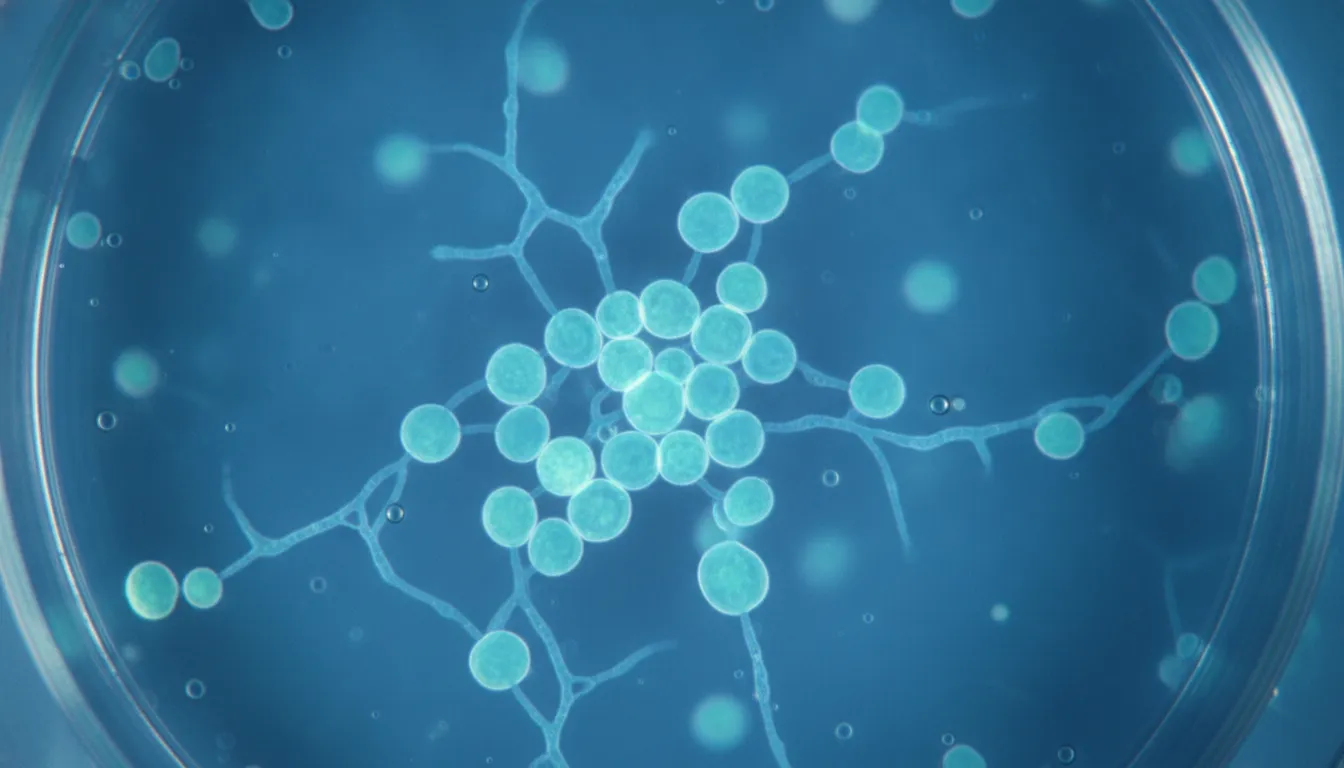
Muse Cells vs. Conventional MSCs
| Property | Muse Cells | Conventional MSCs |
|---|---|---|
| Surface Marker | SSEA-3+ | CD105+, CD73+, CD90+ |
| Differentiation | Triploblastic (all 3 germ layers) | Mesenchymal lineages only |
| Homing Mechanism | Active S1P/S1PR2 signaling | Passive entrapment in lung capillaries |
| Engraftment Rate (IV) | ~14.5% at injured site | <1% |
| Tumorigenicity | None — no teratoma formation | None |
| Immune Privilege | High HLA-G expression | Moderate |
| IV Delivery | Clinically viable | Limited |
Authorized Dezawa MuseCell Provider
Miami Stem Cell is an authorized clinical provider of authentic Dezawa MuseCells sourced through MuseCell Innovations — the exclusive licensee of Professor Dezawa’s patented SSEA-3 isolation technology.
Safety: What the Research Shows
Over 120 peer-reviewed publications and multiple Phase II human clinical trials — including studies in stroke, myocardial infarction, ALS, and spinal cord injury — have demonstrated the safety profile of Dezawa MuseCells.

Frequently Asked Questions
What does MUSE stand for?
Multilineage-differentiating Stress-Enduring. They can become many cell types and survive harsh conditions.
Are Muse cells pluripotent?
The literature describes them as pluripotent-like — they differentiate into all three germ layers but do not form teratomas, unlike ES cells or iPSCs.
What conditions are Muse cells being studied for?
Clinical research has explored Muse cells for ischemic stroke, acute myocardial infarction, ALS, spinal cord injury, and orthopedic conditions.
How are Dezawa MuseCells authenticated?
Each lot is verified through flow cytometry for SSEA-3 expression, cell count, viability, and sterility testing with a lot-specific Certificate of Analysis.
Is Muse cell therapy FDA approved?
Dezawa MuseCells are available through authorized clinical providers under Florida SB 1768, which permits physicians to administer certain stem cell therapies under regulatory standards.
How much does Muse cell therapy cost?
Our treatments are out-of-pocket and not covered by insurance. Pricing is discussed during your free consultation.
Ready to Learn More?
Schedule a free consultation with our team today.
Call (305) 598-7777 or Contact Us Online
Our treatments are out-of-pocket and not covered by insurance.
