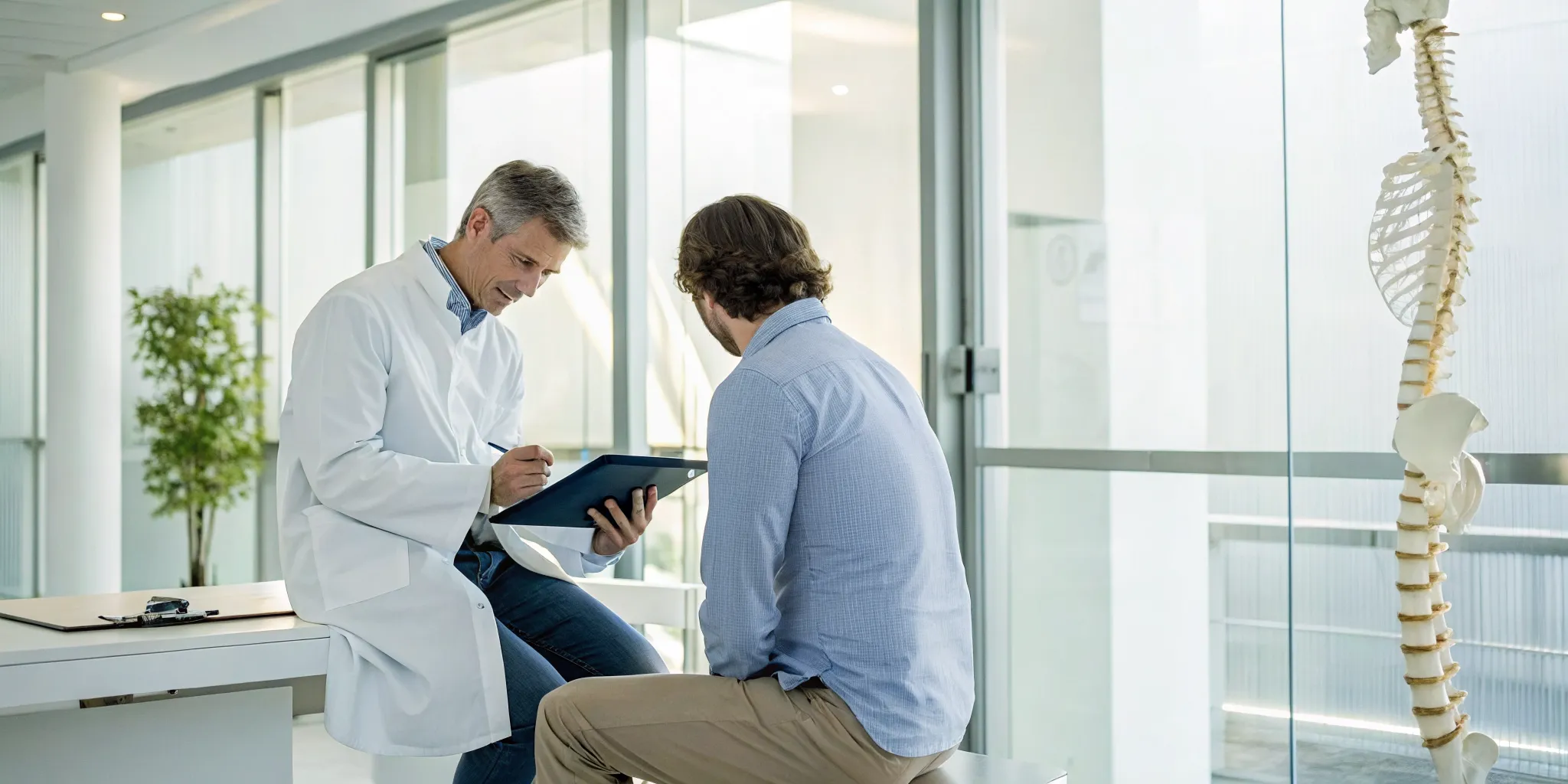
For years, the approach to back pain has often felt limited: manage the pain with medication, try physical therapy, and if that fails, consider surgery as the final option. But what if we could go beyond just managing symptoms and instead trigger the body’s own powerful repair mechanisms to fix the problem at its source? This is the promise of regenerative medicine. By addressing the damaged disc tissue at a cellular level, we can create a more complete and lasting recovery. This forward-thinking approach is a critical component of a modern non-surgical treatment for bulging disc. This guide explores how combining foundational care with advanced therapies like stem cells and PRP can not only relieve your pain but also help regenerate your spine’s health.
Key Takeaways
- Prioritize non-surgical treatment for your bulging disc: Surgery is rarely the first step; most people find lasting relief by focusing on a plan that reduces inflammation, strengthens core muscles, and takes pressure off the affected nerve.
- Combine foundational care with regenerative therapies: Create a powerful healing environment by pairing the strengthening work of physical therapy with advanced treatments like stem cells or PRP, which help repair damaged disc tissue at its source.
- Make your daily habits part of your healing plan: Simple adjustments to your diet, posture, and sleeping position reduce daily stress on your spine, which accelerates your recovery and helps prevent future pain.
What is a Bulging Disc? Signs You Shouldn’t Ignore
Think of the discs in your spine as small, jelly-filled cushions that sit between your vertebrae, acting as shock absorbers. A bulging disc happens when one of these cushions weakens and expands outward, pressing on the nerves around it. This pressure is what causes pain and other uncomfortable symptoms. While the term sounds alarming, it’s a common condition that often results from normal wear and tear over time.
The good news is that a bulging disc doesn’t automatically mean you need surgery. Many people find significant relief through non-invasive treatments that address the root cause of the inflammation and pain. Understanding the specific signs and what they mean is the first step toward creating a recovery plan that works for you.
Key Symptoms of a Bulging Disc
The symptoms of a bulging disc depend entirely on which disc is affected and which nerve it’s pressing on. If the disc is in your lower back, you might feel a dull ache or sharp pain in your back that can travel down your leg, a condition known as sciatica. You may also experience numbness, tingling, or weakness in your legs or feet.
If the disc is in your neck, the pain and numbness might affect your shoulders, arms, or hands. It’s important to listen to your body. While most symptoms can be managed with conservative care, some are red flags. If you experience severe weakness in your limbs, numbness in your groin or buttocks area, or a loss of bladder or bowel control, seek medical attention immediately. These can be signs of a more serious issue requiring urgent care for pain management.
Bulging vs. Herniated Disc: What’s the Difference?
You’ve probably heard the terms “bulging disc” and “herniated disc” used together, but they aren’t quite the same thing. A bulging disc is like a tire that’s underinflated and bulges out on the sides; the outer wall is stretched and weakened but remains intact. It’s a more generalized expansion of the disc.
A herniated disc is a more advanced stage. In this case, the tough outer wall of the disc actually tears, allowing the soft, gel-like center to leak out. This leakage can cause more intense nerve irritation and inflammation. While a herniated disc is generally considered more severe, both conditions can cause significant pain. Most disc problems happen in the lower back, simply because it carries most of your body’s weight and handles daily stress, impacting overall joint regeneration and health.
Why Do Discs Bulge? Unpacking the Causes
A bulging disc rarely happens overnight. Instead, it’s usually the result of gradual changes and accumulated stress on your spine. Think of the discs between your vertebrae as tiny, jelly-filled shock absorbers. They provide cushioning and flexibility, allowing you to bend and move comfortably. When one of these soft cushions weakens and starts to bulge outward from its normal space, it can press on surrounding nerves, leading to pain, numbness, or weakness.
Understanding what causes this pressure is the first step toward finding lasting relief. The reasons are often a combination of factors you can’t control, like the natural aging process, and lifestyle habits that you absolutely can. By getting to the root of the problem, you can create a more effective plan for healing and prevent future issues. Many people find that a combination of physical therapy, lifestyle adjustments, and innovative treatments like regenerative medicine can address the underlying damage without the need for surgery. The goal is not just to manage the pain but to support the long-term health of your spine.
The Role of Aging and Wear-and-Tear
Just like the rest of your body, your spinal discs change as you get older. Over time, they naturally lose some of their water content, becoming less flexible and more prone to damage. This process is often referred to as degenerative disc disease, and it’s a primary contributor to bulging discs. As the disc dehydrates and stiffens, its tough outer layer can weaken, allowing the softer inner portion to bulge outward.
This gradual wear-and-tear can be accelerated by acute injuries from sports or accidents, or by repetitive strain from certain jobs or activities. When the disc expands and presses on a nearby nerve root, you start to feel those tell-tale symptoms of pain, tingling, or weakness in your back, legs, or arms. This is your body’s signal that a nerve is being compressed and needs attention.
How Your Lifestyle Impacts Spinal Health
While you can’t stop the aging process, your daily habits play a huge role in the health of your spine. Carrying extra weight, particularly around your midsection, puts constant pressure on your lower back and can pull your spine out of its natural alignment, straining the discs. Similarly, poor posture, whether you’re slouched over a desk or a phone, creates uneven pressure on your vertebrae.
What you eat and how you move also matter. A diet rich in anti-inflammatory foods like fish, nuts, and turmeric can help reduce systemic inflammation that may worsen disc problems. Staying well-hydrated is also key, as it helps your discs maintain their cushioning. Conversely, a sedentary lifestyle weakens the core muscles that support your spine, while smoking can impair blood flow, robbing your discs of the vital nutrients they need to stay healthy. Making positive changes in these areas can significantly reduce stress on your spine and support its natural healing process.
Can You Heal a Bulging Disc Without Surgery?
If you’ve been diagnosed with a bulging disc, your first thought might be about surgery. But I have some good news: healing without surgery isn’t just possible, it’s the most common outcome. For the vast majority of people, surgery is a last resort, not the first step. In fact, research shows that over 90% of bulging disc cases get better with conservative care. This means you have a great chance of finding relief through non-invasive methods that work with your body’s natural healing process.
The key is to find a treatment plan that addresses the root cause of your pain instead of just masking the symptoms. This usually involves a combination of approaches, such as physical therapy to strengthen your supporting muscles, lifestyle adjustments to reduce strain on your spine, and effective pain management strategies. Regenerative medicine, which we’ll cover later, also offers powerful, non-surgical options to help repair the damaged tissue directly. The goal is to reduce pressure on the nerve, calm inflammation, and give your disc the support it needs to heal, allowing you to get back to your life without going under the knife.
What to Expect: Success Rates and Recovery
It’s natural to wonder how long it will take to feel better. While everyone’s healing journey is unique, most people experience significant improvement within a few weeks to a few months. Studies show that about 80% of patients feel relief within four to six weeks of starting a non-surgical treatment plan. Your doctor will likely look for signs of progress within the first six weeks.
Patience and consistency are your best friends during recovery. Sticking with your physical therapy exercises, making recommended lifestyle changes, and following your treatment protocol will make a huge difference. Think of it as building a stronger foundation for your spine, one day at a time. You can read testimonials from others who have successfully healed to see what the journey can look like.
Myths vs. Facts About Non-Surgical Treatments
There’s a lot of misinformation out there about back pain, which can make it hard to know what to do. Let’s clear up a few common myths so you can move forward with confidence.
Myth: Surgery is the only way to fix a bulging disc. Fact: This is one of the biggest misconceptions. Surgery is rarely the first line of defense. The reality is that most bulging discs respond very well to non-surgical treatments like physical therapy, spinal decompression, and regenerative therapies. These options are often highly effective at providing lasting relief.
Myth: You should stay in bed and rest completely. Fact: While short-term rest can help with acute pain, prolonged bed rest is not recommended. In fact, it can weaken your muscles and slow down your recovery. Gentle, guided movement and specific exercises are crucial for healing, as they help strengthen your core and support your spine.
Strengthen and Heal with Physical Therapy
Physical therapy is a powerful, proactive step in treating a bulging disc without surgery. It’s much more than just a set of exercises; it’s a guided approach to rebuilding strength, restoring proper movement, and giving you the tools to support your spine for the long haul. A great physical therapist acts as your partner in recovery, creating a personalized plan that addresses the root causes of your pain, not just the symptoms. By focusing on correcting muscular imbalances and improving your body’s mechanics, physical therapy helps create the ideal internal environment for healing. When you pair this foundational work with advanced treatments like regenerative medicine, you give your body its best chance to repair the damage and build lasting resilience against future injury. It’s about empowering you to take an active role in your own recovery.
Exercises to Support Your Core and Spine
Think of the muscles in your abdomen and lower back as a natural corset that stabilizes your entire torso. When these core muscles are weak, your spine has to bear more of the load, putting your discs under constant stress. A physical therapist will guide you through specialized exercises designed to strengthen this support system, improve your flexibility, and ultimately reduce the pressure on the affected nerve. This isn’t about pushing through painful crunches; it’s about learning precise, controlled movements that build deep muscular endurance. Consistently performing these targeted exercises is one of the most effective ways to manage your pain and prevent flare-ups, helping you move with more confidence and less fear.
Understanding Spinal Decompression
Spinal decompression might sound intimidating, but it’s actually a very gentle and controlled therapy. The goal is to carefully stretch the spine to increase the space between your vertebrae. This subtle separation accomplishes two important things. First, it creates a small amount of negative pressure inside the disc, which can help draw the bulging material back toward its center and away from the nerve it might be pressing on. Second, this process improves the flow of oxygen, water, and nutrient-rich fluids into the disc, which is essential for it to heal properly. It’s a non-invasive technique that helps your body reset and encourages its natural repair mechanisms to get to work.
Gentle, Low-Impact Activities for Recovery
When you’re in pain, your first instinct might be to lie down and avoid all movement. While rest is important, prolonged bed rest can lead to stiffness and actually slow down your recovery. The key is to embrace active recovery with gentle, low-impact activities that keep your body moving without jarring your spine. Activities like walking, swimming, or using a stationary bike are fantastic options. They increase blood flow to the injured area, reduce inflammation, and help with maintaining mobility in your joints. A physical therapist can help you find the right balance, ensuring you’re doing enough to promote healing without overdoing it. Paired with simple home care like heat or ice therapy, these light activities can significantly improve your comfort and speed up your return to daily life.
The Future of Healing: Regenerative Medicine
While physical therapy and lifestyle changes are foundational, some disc injuries need a more direct approach to truly heal. This is where regenerative medicine comes in. Instead of just managing symptoms, these advanced, non-surgical treatments are designed to work with your body’s natural healing abilities to repair the damaged tissue at its source. By addressing the underlying cause of the pain, regenerative therapies offer a path toward long-term relief and restored function, helping you avoid more invasive procedures.
How Stem Cell Therapy Can Repair Your Disc
Think of stem cells as your body’s internal repair system. When you have a bulging disc, the tissue is damaged and inflamed. Stem cell therapy introduces powerful, healing cells directly to the injured area. These cells have the unique ability to reduce inflammation, signal other cells to begin the repair process, and promote the regeneration of damaged disc tissue. For many people struggling with chronic back pain, this non-surgical option can help restore the disc’s structure and function, leading to significant pain relief and improved mobility without the long recovery time of surgery.
Exploring Exosomes and PRP Therapy
Beyond stem cells, other regenerative tools can support the healing process. Platelet-Rich Plasma (PRP) therapy uses a concentration of platelets from your own blood, which are rich in growth factors that accelerate tissue repair. Exosomes are another exciting option. These tiny vesicles act as messengers, carrying vital proteins and genetic information between cells to coordinate and enhance the body’s healing response. Often used in combination with stem cells, these therapies can create a more robust environment for tissue regeneration, helping you achieve better outcomes.
Why Regenerative Medicine Gets to the Root of the Problem
The fundamental difference between regenerative medicine and traditional pain management is the goal. While medication can temporarily block pain signals, it doesn’t fix the disc itself. Regenerative medicine focuses on actually repairing and regenerating the damaged tissues that are causing the problem. By addressing the underlying injury, these therapies offer a more holistic and sustainable solution. The aim is not just to make you feel better for a little while, but to restore function and provide lasting relief so you can get back to living your life fully.
Find Relief: Managing Pain Without Surgery
Medication and Natural Anti-Inflammatories
Over-the-counter anti-inflammatory drugs (NSAIDs) like ibuprofen are often the first line of defense. They can be effective at temporarily reducing the swelling and pain associated with a bulging disc. For more intense pain or muscle spasms, your doctor might prescribe stronger medications, such as oral corticosteroids to tackle severe inflammation or muscle relaxants to ease tightness. While these medications can provide necessary short-term relief, it’s important to view them as a temporary tool. They manage symptoms but don’t address the root cause of the disc issue. A comprehensive pain management plan focuses on both immediate comfort and long-term healing.
Injections and Adjustments: What to Know
If oral medications aren’t providing enough relief, your doctor might suggest more targeted approaches. Corticosteroid injections, for example, deliver a powerful anti-inflammatory directly to the area around the affected spinal nerves, often providing relief that lasts longer than pills. Another option is chiropractic care. A skilled chiropractor can perform adjustments to help restore proper spinal alignment, which can take pressure off the bulging disc and improve your overall function. Both injections and adjustments can be very effective for managing pain, but they are typically part of a broader strategy. They help create a window of opportunity for you to engage in physical therapy and other restorative treatments for lasting joint regeneration.
Simple Relief: Using Heat and Cold Therapy
Never underestimate the power of simple, at-home therapies. Using heat and cold packs is a classic for a reason: it works. In the first couple of days after an injury or flare-up, applying a cold pack for about 15 to 20 minutes at a time can help reduce inflammation and numb sharp pain. After the initial inflammation has subsided, switching to gentle heat can work wonders. A heating pad or warm compress helps relax tight muscles and improves blood flow to the area, which promotes healing. Alternating between the two can also be beneficial. This is an easy, accessible way to support your body and manage discomfort while you pursue treatments that address the core problem.
Everyday Habits to Support Your Recovery
While advanced treatments are powerful, the small choices you make every day play a huge role in your healing process. Supporting your body with healthy habits creates the right environment for recovery and helps prevent future issues. Think of these practices as the foundation that allows your treatment plan to work its best. By focusing on nutrition, posture, and even how you sleep, you can actively participate in your own healing and build a stronger, more resilient spine for the long term.
Eat for a Healthier Spine: Nutrition and Weight
What you eat directly impacts your spinal health. An anti-inflammatory diet rich in fruits, vegetables, lean proteins, and healthy fats can help reduce systemic inflammation that contributes to pain. Staying hydrated is also crucial, as your spinal discs need water to stay plump and cushion your vertebrae effectively. Beyond specific foods, keeping a healthy weight reduces stress on your discs, which can alleviate pain and promote healing. Even a small amount of weight loss can take significant pressure off your lower back, making this a key component of long-term pain management.
Fix Your Posture and Workspace Ergonomics
Your daily posture can either help or hinder your recovery. Slouching puts uneven pressure on your spine, which can worsen a bulging disc. Practicing proper ergonomics and posture helps manage symptoms and prevents further strain. When sitting, especially for long periods, try to keep your feet flat on the floor and your back straight. Using a small pillow or rolled towel for lower back support can help maintain your spine’s natural curve and reduce discomfort. Simple adjustments to your chair height and monitor position can make a world of difference in how your back feels at the end of the day.
The Best Sleeping Positions for Your Back
Getting quality sleep is essential for your body to repair itself, but the wrong position can leave you feeling stiff and sore. The goal is to keep your spine in a neutral, aligned position throughout the night. Sleeping on your back with a pillow under your knees can help maintain the natural curve of your spine, providing relief from pressure. If you prefer to sleep on your side, placing a pillow between your knees can help keep your hips, pelvis, and spine aligned. These simple adjustments support the structures of your back, allowing for better joint regeneration and a more restful night.
Is Your Treatment Working? How to Track Your Progress
Starting a new treatment plan for a bulging disc is a hopeful step, but it’s natural to wonder, “Is this actually working?” Healing isn’t an overnight event; it’s a gradual process that requires patience and paying close attention to your body. Tracking your progress is one of the most important things you can do for your recovery because it helps you and your doctor understand what’s effective and what might need a second look. Think of it as a roadmap: you need to know where you are to figure out the best way forward. While everyone’s recovery timeline is unique, there are common signs that show you’re on the right path. It’s also just as important to recognize when your progress has stalled so you can explore other options and keep moving toward relief. Open communication with your healthcare provider is essential throughout this journey. By keeping them informed about your improvements and any persistent symptoms, you can work together to fine-tune your plan. This section will walk you through what to look for and when to speak up, so you can feel confident and in control of your healing process. We’ll cover the positive milestones to celebrate and the signals that suggest it’s time for a different approach.
Signs Your Body is Healing
You can expect to notice positive changes within a few weeks to a few months of starting a non-surgical treatment plan. Many people report feeling significantly better within about six weeks. The first sign is often a decrease in pain, whether it’s less intense, less frequent, or centralized to your back instead of radiating down your leg. You might also find you can move more freely, stand for longer, or get back to gentle activities you had to stop. Another great indicator is relying less on pain medication. Keep a simple journal to note these small wins. Seeing how far you’ve come can be incredibly motivating, much like the success stories shared by others on their own healing journeys.
Knowing When to Adjust Your Treatment Plan
If your pain isn’t improving after several weeks, don’t get discouraged. It simply means it’s time to check in with your doctor to discuss adjusting your approach. There are many effective non-surgical pain management therapies available, and the right combination is key. However, certain symptoms are red flags that require immediate medical attention. If you experience severe weakness in your legs, numbness in the groin or buttocks area, or a loss of bladder or bowel control, seek help right away. For persistent pain that doesn’t respond to initial treatments after about 12 weeks, your doctor can help you explore more advanced regenerative options to get to the root of the problem.
Create Your Personalized Non-Surgical Treatment Plan
When you’re dealing with a bulging disc, a one-size-fits-all approach just won’t cut it. Your body, your symptoms, and your lifestyle are unique, which means your recovery plan should be, too. The best path forward involves combining effective, non-surgical strategies that address your specific needs. Think of it as building a personalized toolkit for healing, where you and your healthcare provider work together to find the right combination of treatments to get you back on your feet without surgery.
Start with Pain and Inflammation Management
The first step is often getting the initial pain and inflammation under control. Over-the-counter pain relievers can be a great starting point for reducing discomfort. However, if the pain persists, it’s important to talk to your doctor about other options. The good news is that most people with a bulging or herniated disc don’t end up needing surgery. Often, a short period of rest combined with the right anti-inflammatory approach is enough to significantly calm your symptoms and start the healing process.
Build Strength with Physical Therapy
Physical therapy is a cornerstone of any effective bulging disc treatment plan. A skilled physical therapist will guide you through specific exercises designed to strengthen your core muscles, which include your back, stomach, and glutes. A strong core acts like a natural brace for your spine, improving your posture and taking pressure off the affected nerves. This isn’t just about temporary relief; it’s about building a stronger, more resilient foundation to support your spine for the long term and prevent future injuries.
Make Smart Lifestyle Adjustments
The small changes you make in your daily routine can have a huge impact on your recovery. While it might be tempting to stay in bed, avoiding prolonged rest is key. Instead, focus on maintaining light activity to keep your muscles from getting stiff and to promote blood flow. Simple things like applying heat or ice can provide immediate relief from pain and swelling. Pay attention to your posture throughout the day and consider making ergonomic adjustments to your workspace to ensure you’re supporting your spine correctly.
Partner with Your Healthcare Team
You don’t have to navigate this journey alone. Building a strong relationship with your healthcare providers is crucial for creating a successful treatment plan. Regular check-ins allow you to track your progress and make adjustments as your symptoms change. At Miami Stem Cell, we specialize in creating comprehensive, personalized treatment plans that go beyond temporary fixes to address the root cause of your pain. By working together, we can find the right path to help your body heal itself.
Related Articles
- How to Heal a Herniated Disc Without Surgery – Stem Cell Therapy
- Lumbar Disc Degeneration | Stem Cell & PRP Back Pain Relief
- Stem Cell Therapy for Degenerative Disc Disease
Frequently Asked Questions
How long does it take to recover from a bulging disc without surgery? While everyone’s healing timeline is different, most people start to feel significant relief within four to six weeks of starting a consistent, non-surgical treatment plan. The key word here is consistent. Your recovery speed depends heavily on how dedicated you are to your physical therapy exercises and lifestyle adjustments. Think of it less as a waiting game and more as an active process where the work you put in directly contributes to how quickly you feel better.
What’s the difference between managing pain and actually healing the disc? This is a great question because it gets to the heart of a successful recovery. Pain management, using things like medication or injections, is designed to reduce inflammation and block pain signals so you can function. It’s an important first step for immediate relief. Healing, however, is about fixing the underlying problem. This involves strengthening your core muscles to support your spine and, in some cases, using regenerative therapies to help repair the damaged disc tissue itself. The goal is to create a stable, healthy spine so the pain doesn’t return.
I’m scared to exercise. Can movement make a bulging disc worse? It’s completely normal to feel hesitant about exercise when you’re in pain. While the wrong kinds of movements, like heavy lifting or high-impact activities, can certainly aggravate the issue, the right kind of movement is essential for healing. A physical therapist will guide you through gentle, specific exercises that strengthen the muscles supporting your spine. This actually takes pressure off the disc. Avoiding movement altogether can lead to more stiffness and weakness, which can slow down your recovery.
When should I consider advanced treatments like stem cell therapy? Regenerative medicine is a powerful option when you’ve been diligent with foundational treatments like physical therapy but aren’t getting the results you want. If you’ve been working hard for several weeks or months and are still dealing with persistent pain, it may be time to explore therapies that work to repair the tissue at a cellular level. These treatments are ideal for people who want to address the root cause of the injury and are looking for a non-surgical path to lasting relief.
Can a bulging disc heal on its own? While a bulging disc can improve with time and rest, taking a proactive approach is far more effective. The body has an amazing capacity to heal, but it often needs help creating the right conditions. A comprehensive plan that includes physical therapy, lifestyle adjustments, and proper pain management gives your body the support it needs to reduce inflammation and repair the damage. Simply waiting it out may provide some relief, but it doesn’t address the underlying weakness or instability that caused the problem in the first place.