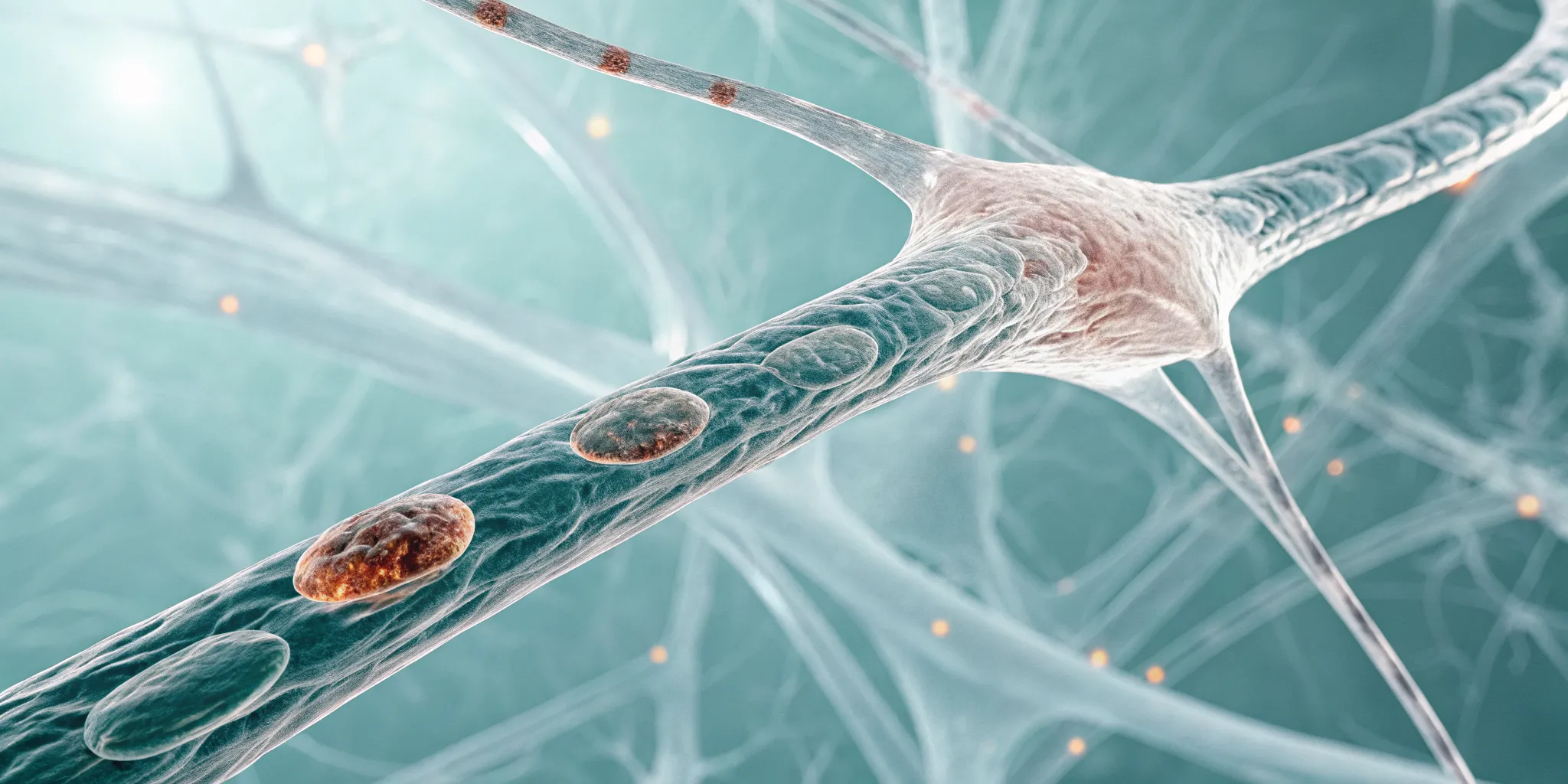
Hair loss isn’t just about what you see in the mirror. It’s a biological process happening deep within your scalp, where follicles become damaged or dormant. To get real results, you need a solution that communicates directly with these cells and restarts their natural growth cycle. That’s the power of regenerative medicine. A prp with exosomes hair restoration treatment uses your body’s own healing factors to repair the scalp environment. This guide breaks down the science behind prp with exosomes for hair loss, explaining how this approach signals your follicles to get back to work, leading to thicker, healthier hair.
Key Takeaways
- Address the root cause of hair loss: Instead of just slowing down thinning, regenerative therapies like PRP and exosomes work to restore the health of your hair follicles, creating the foundation for genuine, long-term regrowth.
- Know which tool is right for the job: PRP therapy uses your body’s own healing components to improve scalp health, making it a great natural option. Exosome therapy provides a more targeted approach, using potent cellular messengers to directly signal dormant follicles to start growing again.
- A personalized strategy is non-negotiable: Your hair loss is unique, and your treatment plan should be too. The best way to ensure success is through a professional consultation where a specialist can create a plan based on your specific needs and goals.
Why Aren’t My Hair Loss Treatments Working?
If you’ve tried the popular foams, serums, and prescription pills for hair loss, you know how frustrating it can be when the results don’t live up to the hype. Many people feel like they’re fighting a losing battle, and there’s a good reason for that. Traditional treatments like minoxidil and finasteride often act more like a pause button than a true solution. They can be effective at slowing hair loss, but they frequently fail to address the underlying cause: the declining health of your hair follicles. These treatments don’t always create the right environment for new, healthy hair to grow, and any benefits you see can disappear once you stop using them.
Even more advanced options like Platelet-Rich Plasma (PRP) therapy can be hit or miss. While PRP uses your body’s own growth factors to stimulate follicles, its success isn’t universal. The effectiveness can vary widely from person to person, and some individuals simply don’t see the significant improvements in hair density they were hoping for. This variability can leave you feeling disappointed and back at square one.
The market is also filled with confusing and sometimes misleading information. Some providers may rebrand common treatments as something they’re not, leading to ineffective results and wasted money. True, lasting hair restoration often requires a more sophisticated strategy—one that works at a cellular level to rejuvenate the scalp and awaken dormant follicles. Instead of just managing symptoms, the goal should be to restore the healthy environment your hair needs to thrive.
PRP and Exosomes: Your Guide to Hair Restoration
If you’re looking for solutions beyond topical creams and medications, you’ve likely come across regenerative treatments. Two of the most effective and talked-about options are Platelet-Rich Plasma (PRP) and exosome therapy. Both are non-surgical approaches that tap into your body’s own healing mechanisms to encourage natural hair regrowth, but they work in distinct ways.
Think of these treatments as a way to give your hair follicles the resources and instructions they need to get back to work. Instead of just managing symptoms, regenerative medicine aims to address the underlying issues causing hair thinning. PRP uses the healing power found in your own blood, while exosome therapy uses powerful cellular messengers to send targeted signals directly to your scalp. Understanding how each one works is the first step in figuring out which path to hair restoration is the right one for you.
How PRP Therapy Awakens Hair Follicles
PRP therapy is a straightforward and popular treatment that uses your body’s own healing components. The process starts with a simple blood draw, just like you’d have at a routine check-up. That blood is then placed in a centrifuge, a machine that spins it at high speed to separate the platelets and plasma from the other blood cells. This creates a concentrated liquid—Platelet-Rich Plasma—that is packed with growth factors.
This golden liquid is then carefully injected into the areas of your scalp where hair is thinning. These growth factors get to work stimulating your hair follicles, improving blood flow, and encouraging the repair of damaged tissue. It’s a way of delivering a powerful dose of your body’s natural healing abilities directly where they’re needed most to support new, healthy hair growth.
How Exosomes Rebuild and Restore Your Hair
Exosome therapy is a more advanced form of regenerative treatment that uses tiny, powerful messengers derived from stem cells. Think of exosomes as microscopic envelopes carrying important instructions. These vesicles are loaded with growth factors, proteins, and genetic information that tell your cells what to do. When used for hair restoration, these exosomes are administered to the scalp.
Once there, they deliver signals that can “wake up” dormant hair follicles, reduce inflammation that might be hindering growth, and encourage existing follicles to produce thicker, healthier hair. Because they are so small and efficient, exosomes can deliver these potent messages directly to the target cells, making it a highly focused and effective way to stimulate regrowth without using your own blood.
PRP vs. Exosomes: A Side-by-Side Comparison
While both treatments aim for the same goal—fuller, healthier hair—their methods are quite different. The main distinction lies in what is being injected and how it works. PRP therapy uses the growth factors found in your own blood platelets to create a healing environment and stimulate general tissue repair in the scalp. It’s a fantastic way to harness your body’s inherent ability to heal itself.
Exosome therapy, on the other hand, is more direct. It uses isolated, powerful signaling molecules that deliver specific instructions to your hair follicles to start growing again. You can think of it as a more targeted approach. Exosomes provide the precise ingredients needed for regeneration, while PRP provides a broader mix of healing components from your blood to support the overall health of the scalp tissue.
Concentration of Growth Factors
The effectiveness of any regenerative treatment comes down to the quality and concentration of its healing components. With PRP, the growth factors are sourced from your own blood, which means their potency can vary based on your age and overall health. It provides a rich but generalized mix of healing signals to the scalp. Exosome therapy, however, offers a more potent and targeted approach. The exosomes used in hair restoration are derived from vibrant, umbilical cord-derived mesenchymal stem cells and are packed with a high concentration of specific growth factors and proteins designed to signal dormant follicles to start growing again. This makes the treatment incredibly direct, delivering precise instructions for cellular repair and regeneration right where you need it.
Procedure Time and Comfort
When it comes to the appointment itself, both procedures are straightforward and non-surgical. A PRP session typically takes about an hour from start to finish. This includes the time needed to draw your blood, process it in a centrifuge to isolate the platelets, and then perform the injections. Exosome therapy is significantly quicker, often taking only about 15 minutes, as the solution is pre-prepared and ready for administration. For both treatments, comfort is a top priority. The scalp is usually numbed beforehand, and most patients report feeling little to no pain during the injections—just a minor pinching sensation at most. There’s no downtime required, so you can get back to your day immediately after your appointment.
PRP or Exosomes: Which Hair Treatment Is Right for You?
Deciding between powerful treatments like PRP and exosome therapy can feel overwhelming, but it really comes down to your unique situation. Both are incredible tools for hair restoration, but they work differently and are suited for different needs. Think of this as a starting point to help you understand the landscape. The goal is to find the approach that aligns with your type of hair loss, your health, and your personal goals for your hair.
The right choice isn’t about which therapy is “better” in general, but which one is better for you. Factors like the extent of your hair thinning, the underlying cause, and your body’s own healing potential all play a role. Let’s look at the specifics of each treatment to help you get a clearer picture of which path might be the right one for you to explore with a specialist.
Who Is the Ideal Candidate for PRP?
If you’re looking for a natural approach that uses your body’s own healing power, Platelet-Rich Plasma (PRP) therapy is an excellent place to start. The process is straightforward: a small sample of your blood is drawn and placed in a centrifuge to concentrate the platelets, which are packed with growth factors. This golden liquid is then carefully injected into your scalp where hair is thinning.
PRP is essentially a way to supercharge your body’s natural repair mechanisms right where you need them most. It’s a well-established treatment that has been shown to be effective in more than 70% of cases, making it a reliable option for many people experiencing the early to moderate stages of hair loss.
Best for Early to Moderate Hair Thinning
If you’re just starting to see more hair in your brush or notice that your part is widening, both PRP and exosome therapy are excellent options. PRP is often the first step for those with early to moderate thinning because it leverages your body’s own growth factors to improve scalp health and stimulate follicles. It’s a proven method, effective in over 70% of cases, that essentially gives your scalp a concentrated dose of its own healing power. Exosome therapy can also be highly effective at this stage. It delivers potent signals that reduce inflammation—a common culprit in hair loss—and directly instruct dormant follicles to start producing thicker, healthier hair. Choosing between them often comes down to a personalized strategy, but both treatments offer a powerful way to restore your hair before thinning becomes more advanced.
Is Exosome Therapy Your Answer to Hair Loss?
Exosome therapy is a cutting-edge treatment that takes a different approach. Instead of using your blood, this therapy uses exosomes, which are tiny vesicles that act as messengers between cells. Sourced from mesenchymal stem cells in a lab, these exosomes are filled with potent growth factors and proteins. When applied to the scalp, they signal your dormant hair follicles to wake up and shift back into an active growth phase.
This non-surgical treatment is a great option if you’re looking for a more advanced, powerful therapy for hair restoration. Because exosomes are so concentrated with regenerative signals, they can be particularly effective for individuals who may not have seen the results they wanted from other treatments or who are dealing with more significant hair thinning.
Effective for More Advanced Hair Loss
If you’re dealing with more significant thinning or have tried other treatments like PRP without seeing the results you hoped for, exosome therapy could be the solution. This is where the highly concentrated power of exosomes really shines. Unlike PRP, which relies on the growth factors present in your own blood, exosomes deliver a much more potent and targeted dose of regenerative signals. This makes them especially effective for tackling more advanced stages of hair loss. These powerful messengers can directly stimulate dormant follicles, essentially giving them the strong push they need to re-enter the growth phase. It’s a great option for anyone who needs a stronger intervention to achieve meaningful regrowth.
Making the Right Choice for Your Hair
Ultimately, the best way to determine your ideal treatment plan is to speak with a medical professional who specializes in regenerative medicine. A one-on-one consultation allows a specialist to assess your scalp, discuss your medical history, and understand the specific reasons for your hair loss. They can also run tests to check for factors like thyroid or iron levels to make sure your body is ready for optimal hair growth.
This personalized approach is key to success. A specialist can help you weigh the benefits of each option and may even suggest a combination of therapies for the best possible outcome. The first step is always a conversation with an expert, so be prepared to ask questions and find a provider who will create a plan tailored just for you.
Conditions Treated by Regenerative Therapies
Regenerative therapies are highly effective for the most common culprits behind thinning hair. They are a go-to solution for androgenic alopecia, which you probably know as male or female pattern baldness. But their reach extends further. These treatments are also a promising option for other non-scarring conditions like alopecia areata, an autoimmune issue causing patchy hair loss, and even thinning brought on by stress or aging. Since these therapies work on a cellular level to rejuvenate the scalp and signal dormant follicles to wake up, they address the fundamental problem. This is especially true for exosome therapy, which can provide a more powerful, targeted approach for those with more significant hair loss or who haven’t found success with other treatments.
Your Hair Restoration Treatment: What to Expect
Deciding to move forward with a regenerative hair treatment is exciting, and it helps to know exactly what the process looks like. Both PRP and exosome therapies are straightforward, in-office procedures designed to be as comfortable and efficient as possible. You won’t have to deal with the long recovery times or risks associated with surgical options. Instead, you can expect a simple, minimally invasive process that works with your body’s natural healing abilities. Let’s walk through what a typical treatment plan and appointment involve, so you can feel confident and prepared from day one.
Preparing for Your Appointment
The most important step in preparing for your treatment is the initial consultation. This one-on-one meeting is where the foundation for your success is built. Come ready to share your story—when you started noticing hair loss, what treatments you’ve tried, and what your ultimate goals are. A specialist will assess your scalp and discuss your medical history to get a complete picture of your hair health. This isn’t just about choosing a treatment; it’s about creating a personalized strategy tailored to you. We encourage you to bring a list of questions, as this is your opportunity to understand the process fully. The goal is to make sure you feel confident and informed, so the first step is always a thorough conversation with an expert who can design a plan just for you.
The PRP Therapy Process, Step by Step
Your PRP therapy journey begins with a simple blood draw, just like you’d have at a regular doctor’s visit. We then place the blood into a centrifuge, a machine that spins it at high speed to separate the platelet-rich plasma—the part of your blood packed with powerful growth factors. This concentrated liquid gold is then carefully injected into the areas of your scalp where hair is thinning. The initial treatment phase typically involves one session per month for the first three to four months. After that, we’ll create a maintenance plan with follow-up sessions every three to six months to keep your hair follicles stimulated and healthy.
Typical Treatment Schedule
When it comes to regenerative treatments, consistency is key to seeing real results. For PRP therapy, we build momentum with an initial series of treatments, typically one session per month for the first three to four months. This phase is all about stimulating your hair follicles and improving the overall health of your scalp. Once we’ve established that foundation, we’ll create a maintenance plan with follow-up sessions every three to six months to protect your progress. Exosome therapy follows a similar, straightforward schedule, usually involving one session per month for four months. Because exosomes deliver such a concentrated dose of regenerative signals, this schedule is often enough to achieve significant results. Of course, these are just general timelines—your personal treatment plan will be customized based on your specific needs and how your body responds.
The Exosome Therapy Process, Step by Step
Exosome therapy offers a slightly different approach. Instead of using your own blood, this treatment uses professionally prepared exosomes, which are tiny vesicles loaded with growth factors and proteins that signal your cells to regenerate. The application is non-invasive; the exosome serum is applied to your scalp, often after a light microneedling session. The microneedling creates tiny, painless channels in the skin, allowing the exosomes to penetrate deeply and get right to work on your hair follicles. A major advantage of hair restoration with exosomes is the treatment schedule—most people only need one session to kickstart the regenerative process, with visible changes often appearing within three months.
Typical Treatment Schedule
When it comes to regenerative treatments, consistency is key to seeing real results. For PRP therapy, we build momentum with an initial series of treatments, typically one session per month for the first three to four months. This phase is all about stimulating your hair follicles and improving the overall health of your scalp. Once we’ve established that foundation, we’ll create a maintenance plan with follow-up sessions every three to six months to protect your progress. Exosome therapy follows a similar, straightforward schedule, usually involving one session per month for four months. Because exosomes deliver such a concentrated dose of regenerative signals, this schedule is often enough to achieve significant results. Of course, these are just general timelines—your personal treatment plan will be customized based on your specific needs and how your body responds.
What Happens During Your Appointment?
Whichever treatment you choose, your comfort is our top priority. When you arrive for your appointment, we’ll start by applying a local anesthetic to numb your scalp, ensuring the procedure is virtually painless. For PRP, the injections are quick and precise. For exosome therapy, the microneedling roller feels like a light pressure across the skin. The entire appointment is surprisingly fast, usually taking less than an hour from start to finish. You can easily fit it into your lunch break and return to your daily activities right away with minimal downtime. We’ll give you simple aftercare instructions to follow to ensure you get the best possible results.
When Will You See Hair Growth Results?
One of the first questions everyone asks is, “How long until I see a difference?” It’s a great question. When you decide to invest in your health and well-being, you want to know what to expect. With regenerative treatments like PRP and exosome therapy, the key is to remember that we are working with your body’s natural healing and growth cycles. This isn’t an overnight fix, but a process of gradually awakening and nourishing your hair follicles to encourage new, healthy growth.
The timeline for results can vary from person to person, depending on factors like the extent of your hair loss, your body’s unique response to treatment, and your overall health. While some people may notice early signs of improvement sooner, others might need a bit more time. Think of it like tending to a garden—you have to prepare the soil, plant the seeds, and give them the right conditions and time to sprout and grow. Below, we’ll walk through the typical timelines for each treatment so you can have a clearer picture of the journey ahead.
Early Signs of Improvement
The first signs of success aren’t always a full head of new hair. Instead, look for more subtle shifts. One of the earliest and most encouraging indicators is a reduction in shedding. Noticing less hair in your brush or the shower drain is a clear sign that the treatment is working to stabilize your hair follicles and improve scalp health. Following this, you might begin to see the growth of soft, fine “peach fuzz” in the treated areas. These vellus hairs are evidence that dormant follicles are waking up and re-entering the growth phase. This process is gradual, but these initial changes, typically noticeable within two to three months, are the foundation for true hair restoration and show that your body is responding to the regenerative signals.
Your PRP Results Timeline
With PRP therapy, we are using the powerful growth factors found in your own blood to stimulate dormant hair follicles. This process requires consistency to build momentum. Most treatment plans start with a series of sessions, usually spaced about a month apart, to lay the groundwork for new growth.
While you won’t see a full head of new hair overnight, this initial phase is crucial. Typically, patients begin to see noticeable improvements, such as reduced shedding and the first signs of new growth, after about four to six months. The new hair will likely come in thin at first and gradually become thicker and stronger over time. To maintain these results, we generally recommend follow-up treatments every few months.
Your Exosome Results Timeline
Exosome therapy delivers a highly concentrated dose of regenerative messengers directly to your scalp, which can sometimes speed up the initial stages of improvement. Many people report positive changes in scalp health and a decrease in hair shedding within just a few weeks of their first treatment. This is a great sign that the follicles are responding to the therapy.
As for visible new hair, the timeline aligns with the natural hair growth cycle. You can generally expect to see new hairs emerging around the three-to-six-month mark. Because exosomes provide such a potent signal for cellular repair, many find that the results from this hair restoration approach are both significant and long-lasting.
PRP with Exosomes: Better Results, Together
For those looking for a truly comprehensive approach, combining PRP and exosome therapies can offer the best of both worlds. This strategy creates a powerful synergistic effect. The PRP uses your body’s own healing mechanisms, while the exosomes introduce a potent concentration of external regenerative signals to amplify the process.
By using them together, we can address hair loss from multiple angles, potentially leading to faster and more robust results than with either treatment alone. This combined protocol is designed to give your hair follicles the maximum support they need to thrive. Your specialist can help you determine if this powerful, multi-faceted approach is the right fit for your specific hair restoration goals.
Combining Treatments with Hair Transplant Surgery
If you’re considering hair transplant surgery, regenerative therapies can be a powerful ally in ensuring the best possible outcome. Think of PRP and exosome treatments not as alternatives to surgery, but as complementary procedures that support your investment. By preparing the scalp before the transplant, these therapies can improve blood flow and create a healthier environment for the new grafts to thrive. After the surgery, they can help accelerate healing, reduce inflammation, and stimulate the transplanted follicles to begin their growth phase sooner and more robustly. This integrated approach helps maximize the survival rate of the grafts and enhances the overall results of your hair transplant.
The Role of At-Home Care and Supplements
Your hair restoration journey doesn’t end when you leave the clinic. To protect your investment and encourage long-lasting results, a consistent at-home care routine is essential. Professional treatments do the heavy lifting, but daily maintenance is what sustains the healthy scalp environment we work to create. Your specialist will recommend a personalized plan, which often includes a supportive hair serum to use at home. These serums are typically formulated with a blend of growth factors, vitamins, and antioxidants designed to continue nourishing your follicles, reduce inflammation, and support the new growth between your appointments. This holistic approach ensures your scalp gets the consistent support it needs for a successful hair restoration.
Are PRP and Exosome Hair Treatments Safe?
When you’re exploring new treatments, safety is naturally the first thing on your mind. The good news is that both PRP and exosome therapies are minimally invasive procedures with strong safety profiles, especially when compared to surgical options. Because these treatments harness your body’s own healing mechanisms, the risks of adverse reactions are significantly lower. For PRP, the process uses your own blood, which nearly eliminates the chance of an allergic reaction or rejection. Similarly, the exosomes we use are carefully sourced and screened to ensure they are pure and safe.
Of course, no procedure is entirely without risk, but the potential side effects are typically minor and temporary. The key to a safe and effective outcome is working with a qualified medical team that operates in a sterile environment and follows strict protocols. A thorough consultation is the first step, where a specialist will review your medical history and confirm you’re a good candidate for regenerative hair restoration. This ensures the treatment is not only safe for you but also tailored to deliver the best possible results for your specific type of hair loss.
A Look at the Safety Profile and Side Effects
Most people handle PRP and exosome treatments very well. Since these are non-surgical procedures involving injections or topical applications, the most common side effects are localized and mild. You might experience some tenderness, redness, or slight swelling on your scalp right after your appointment. Some minor bruising at the injection sites can also occur, but this usually fades within a week.
These reactions are a normal part of the body’s inflammatory response and are a sign that the healing process is beginning. Serious complications, like a scalp infection, are rare and are largely preventable when the procedure is performed by experienced professionals in a sterile clinical setting. We take every precaution to ensure your comfort and safety from start to finish.
Long-Term Safety Data
Both PRP and exosome therapies have excellent long-term safety records, largely because they work in harmony with your body. With PRP, we use a concentration of platelets from your own blood, which virtually eliminates any risk of allergic reactions or rejection. It’s a technique that has been trusted in various medical fields for decades. The exosomes used in our treatments are just as safe; they are sourced from umbilical cord-derived mesenchymal stem cells and undergo rigorous screening to ensure they are pure, sterile, and free of contaminants. This commitment to quality ensures you receive a safe and effective hair restoration treatment that supports your body’s natural ability to heal and regenerate tissue.
Success Rates and Patient Satisfaction
The results speak for themselves. PRP is a well-established treatment that has been shown to be effective in more than 70% of cases, making it a reliable option for people in the early to moderate stages of hair loss. Patient satisfaction is consistently high because the results are natural—it’s your own hair, just healthier and fuller. Many people report positive changes, like a healthier-feeling scalp and a noticeable decrease in hair shedding, within just a few weeks of their first treatment. This is a fantastic sign that the follicles are responding. You can see what our patients have to say about their experiences and results on our testimonials page.
Who Isn’t a Good Candidate for These Treatments?
While these treatments are safe for many, they aren’t the right fit for everyone. The most important first step is getting an accurate diagnosis for your hair loss. A consultation with a specialist will help determine the underlying cause and whether a regenerative approach is your best option. Certain conditions may make you ineligible for treatment. For example, if you have an active infection on your scalp, a history of blood disorders, or are taking certain blood-thinning medications, PRP therapy might not be recommended.
Ultimately, the best way to know for sure is to have a one-on-one conversation with a medical professional. They can review your health history and create a personalized plan that directly addresses your needs. We encourage you to schedule a consultation to find out if you are a good candidate.
Why FDA Compliance Is Non-Negotiable
Navigating the world of regenerative medicine can be confusing, which is why understanding the regulatory landscape is so important. While the FDA has not officially approved PRP or exosome therapy specifically for treating hair loss, the methods and materials used in the process should adhere to strict safety standards. This means using FDA-cleared equipment to process your blood for PRP and sourcing exosomes from labs that follow rigorous guidelines.
It’s crucial to choose a provider committed to ethical practices and patient safety. At Miami Stem Cell, we strictly follow FDA-compliant protocols to ensure you receive the highest standard of care. This commitment distinguishes reputable clinics from those making unproven claims. By prioritizing USA-based treatment standards, we ensure our therapies are both safe and grounded in scientific evidence.
Understanding FDA Regulation for Regenerative Therapies
It’s smart to ask about FDA regulation when considering any medical treatment. Here’s the important distinction: while the FDA has not specifically approved PRP or exosome therapy as a direct “cure” for hair loss, it does regulate the components and equipment involved in the procedures. This means that the devices used to process your blood for PRP must be FDA-cleared, and the laboratories that source and prepare exosomes must follow strict manufacturing and safety guidelines. This oversight ensures that the materials used in your treatment are held to a high standard of quality and purity, giving you peace of mind.
This is why your choice of provider is so critical. A clinic’s commitment to safety and ethical practices is what bridges the gap, ensuring that you receive care that is not only effective but also responsible. At Miami Stem Cell, we adhere strictly to FDA-compliant protocols, from the equipment we use to the sourcing of our biologics. This dedication to upholding rigorous USA-based treatment standards ensures every procedure is grounded in safety and scientific evidence. It gives you the confidence to move forward, knowing your hair restoration journey is built on a foundation of quality and care.
How Much Do These Hair Treatments Cost?
When you’re considering a solution for hair loss, it’s natural to think about the financial and time commitment involved. It’s helpful to view regenerative treatments like PRP and exosome therapy as an investment in yourself—not just in your appearance, but in your confidence. These are highly advanced medical procedures, and their cost reflects the sophisticated technology, the quality of the biological materials used, and the expertise of the clinical team guiding your care. At Miami Stem Cell, we focus on providing science-backed, personalized protocols that address the root cause of your hair loss.
Because these treatments are typically considered elective, they usually aren’t covered by insurance, so it’s important to plan for the out-of-pocket expense. The commitment goes beyond the price; it also includes adhering to a recommended treatment schedule to achieve the best possible results. Consistency is key, especially in the initial phases of therapy. Every person’s hair loss journey is unique, so the final cost and treatment plan will be tailored specifically to you. The best way to understand what your personal investment will look like is to schedule a consultation where we can assess your needs and outline a clear path forward. We believe in full transparency, so we’ll walk you through every aspect of the process, ensuring you feel comfortable and informed before making any decisions.
Breaking Down the Cost of PRP Therapy
PRP therapy is a process that requires consistency, especially at the beginning. A typical treatment plan starts with monthly sessions for the first three to four months. This initial series is designed to saturate the scalp with growth factors and effectively stimulate dormant hair follicles. After this phase, you’ll move into a maintenance schedule with treatments every three to six months to maintain your results. The average cost for the initial package of four sessions usually falls between $3,500 and $5,000. This investment covers the crucial first stage of your hair restoration journey and sets the foundation for long-term growth.
Average Cost Per Session
Based on the initial package, a single session of PRP therapy typically ranges from $875 to $1,250. This price reflects the use of high-quality equipment and the clinical expertise required to perform the procedure safely. In comparison, exosome therapy sessions can cost between $750 and $1,200 or more. While the per-session costs may seem similar, it’s important to remember that the treatment plans themselves can differ significantly. Exosome therapy often requires fewer sessions to achieve results, which influences the total investment in your hair restoration. A personalized consultation will provide a clear cost breakdown tailored to your needs.
Breaking Down the Cost of Exosome Therapy
Exosome therapy offers a slightly different cost structure. Individual sessions typically range from $600 to $800. While the exact plan can vary, a common approach involves one session per month for the first four months to kickstart the regenerative process. One of the great things about exosome therapy is its flexibility; your treatment schedule can be adjusted based on your specific needs and how your hair responds to the initial sessions. During your consultation, we’ll develop a personalized plan that aligns with your goals. This ensures you’re only investing in the treatments you truly need to see meaningful, lasting results from this cutting-edge therapy.
Average Cost Per Session
The investment for exosome therapy is straightforward, with individual sessions generally priced between $600 and $800. This cost reflects the highly concentrated, lab-sourced regenerative messengers used in the treatment. While a single session can initiate the healing process, we often recommend an initial series of treatments to achieve the most significant and lasting improvements. A common plan involves one session per month for the first four months to fully awaken dormant follicles and create a healthy scalp environment. Your final treatment schedule will be designed specifically for you after a thorough hair restoration consultation, ensuring your investment directly aligns with your personal hair goals.
How Long Do Hair Restoration Results Last?
Because regenerative treatments work to restore the health of your hair follicles, the results are designed to be long-lasting. Instead of a temporary cover-up, you are encouraging your body to produce its own healthy hair again by addressing the root cause of the thinning. This approach creates a foundation for sustained growth. The goal is to achieve a significant improvement that you can maintain over time, moving away from the cycle of trying products that stop working the moment you stop using them. It’s a proactive strategy for the long-term health of your hair.
However, it’s important to remember that the underlying factors contributing to hair loss, like genetics and the natural aging process, don’t disappear. For this reason, a maintenance plan is a key part of a successful strategy. After your initial series of treatments, periodic follow-up sessions—perhaps a few times a year—help to keep your follicles stimulated and your scalp healthy. Think of it as ongoing care, similar to how you’d maintain fitness or skin health. Many of our patients are thrilled with their progress, and you can read about their experiences in their personal stories.
How Does Regenerative Hair Restoration Actually Work?
When you hear about regenerative medicine for hair loss, it’s easy to wonder if it’s all just hype. The truth is, treatments like PRP and exosome therapy are grounded in a deep understanding of your body’s own healing abilities. Instead of just covering up thinning hair or using harsh chemicals, these therapies get to the root of the problem—literally. They work by delivering a concentrated dose of growth factors and signaling molecules directly to your scalp, where they can communicate with dormant hair follicles and encourage them to function properly again.
Think of it like waking up a sleeping garden. Your hair follicles aren’t necessarily gone; many are just inactive. Regenerative treatments provide the specific biological instructions needed to restart the hair growth cycle. This process helps reduce inflammation, improve blood flow to the scalp, and protect follicles from the oxidative stress that can contribute to hair loss. By supporting the cellular environment, these therapies encourage your follicles to re-enter the active growth phase. The science focuses on creating the ideal conditions for natural hair growth, which can lead to thicker, healthier hair over time. It’s a proactive approach that uses your body’s own systems to restore what’s been lost, rather than simply managing the symptoms.
What the Clinical Studies Say About Hair Growth
The science supporting these treatments is constantly growing. For example, studies show that exosomes can promote hair regeneration by helping to reduce oxidative stress, which is a key factor in follicle damage and hair aging. Researchers have also found that exosomes are packed with growth factors that directly stimulate hair follicle cells, leading to measurable increases in hair density and thickness. In some head-to-head studies, exosome therapy has even shown significant improvement after just a single session, sometimes outperforming traditional PRP. This growing body of evidence highlights why regenerative therapies are becoming a go-to for effective, non-surgical hair restoration.
How New Protocols Are Improving Success Rates
Getting the best results isn’t just about the treatment itself—it’s about the strategy behind it. Modern protocols recognize that a one-size-fits-all approach doesn’t work for hair loss. Success often comes from a personalized plan that may combine different therapies. For instance, using exosomes to reactivate follicles while also addressing underlying causes of hair loss can create more sustainable, long-term results. These treatments tend to be most effective when started in the earlier stages of hair thinning, as they work to restart the natural growth cycle in follicles that are dormant, not gone. A comprehensive hair restoration plan is designed to give you the best possible outcome.
How to Choose the Right Hair Restoration Provider
The success of your hair restoration journey depends heavily on the team you choose. Both PRP and exosome therapies are highly specialized procedures where the provider’s skill and experience play a huge role in the outcome. It’s not just about the technology; it’s about the technique, the treatment plan, and the personalized care you receive. Finding a clinic that aligns with your goals and prioritizes safety is the first and most important step. This means doing a little homework before you commit, so you can feel confident you’re in the right hands.
Your Checklist for Finding a Qualified Specialist
When you’re researching clinics, focus on those with deep experience in regenerative medicine for hair restoration. Look for a specialist who has a proven track record with both PRP and exosome therapies. A reputable clinic will be transparent about its treatment protocols and the qualifications of its medical staff. Check out their website for information about their team and their approach. You want a provider who understands the science behind hair growth cycles and can create a customized plan that addresses the root cause of your hair loss, not just the symptoms. The right specialist will prioritize patient safety and use high-quality, compliant products and equipment.
Key Questions to Ask During Your Consultation
Your consultation is the perfect time to get clear answers and see if a clinic is the right fit for you. Don’t be shy about asking direct questions. Start with, “How many PRP and exosome hair treatments have you performed?” and “What kind of results have your patients seen?” A good provider will also assess your specific type of hair loss to determine if you’re an ideal candidate. Ask them to walk you through the entire process, from the initial treatment to the follow-up care plan. Understanding what happens after your appointment is crucial for long-term success. When you’re ready to take that step, you can schedule a consultation to get your questions answered.
Where Do Your Exosomes Come From?
It’s a great question to ask, and the answer highlights a key difference between PRP and exosome therapy. While PRP uses platelets from your own blood, the exosomes used in hair restoration are sourced from mesenchymal stem cells (MSCs) in a specialized, sterile lab environment. These MSCs are known for their powerful regenerative capabilities. The exosomes they release are carefully collected, purified, and concentrated, creating a potent serum filled with growth factors and proteins. This process ensures that every treatment contains a consistent and high concentration of the signaling molecules needed to communicate with your hair follicles and encourage them to start growing again.
What Quality and Safety Standards Do You Follow?
Your safety is the top priority, and that means adhering to the highest standards. While the FDA has not officially approved exosome therapy specifically for hair loss, all the methods and materials involved must meet strict guidelines. This includes sourcing exosomes from reputable labs that follow rigorous safety and quality control protocols. At Miami Stem Cell, we are committed to this standard of care. We ensure that our treatments are not only grounded in science but also align with FDA-compliant practices for patient safety. This commitment to quality is what separates a professional medical clinic from other providers and ensures you receive a safe, effective treatment.
Red Flags to Watch For in a Provider
When you’re investing in your health, be wary of clinics that make unrealistic promises or offer treatments at a price that seems too good to be true. A major red flag is a lack of transparency. A trustworthy provider will be open about where their exosomes come from, what their protocols are, and the qualifications of their medical team. If a clinic is vague about these details or pressures you into making a quick decision, it’s best to walk away. Your provider should be a partner in your health journey, and that relationship starts with trust and clear communication. We encourage you to learn about our team and our approach to patient care.
Ready for Fuller Hair? Here Are Your Next Steps
Deciding on a path to address hair loss is a personal choice, and now you’re equipped with the information to make a confident one. Both Platelet-Rich Plasma (PRP) and exosome therapy are powerful, non-surgical options. Studies confirm that both treatments have been found to be effective for hair restoration, giving you two excellent avenues to explore for achieving thicker, healthier hair.
Exosome therapy, in particular, stands out for its ability to deliver noticeable results. Research has shown it can lead to a significant increase in hair density and thickness, making it a compelling choice for those with thinning hair. This innovative treatment works by sending potent growth factors directly to your hair follicles, signaling them to function in a healthier, more youthful way. The goal isn’t just more hair—it’s stronger, fuller hair from the root.
For the best possible outcome, it’s often helpful to think about a comprehensive strategy. Your specialist may find that combining regenerative treatments with medication that prevents further loss can create a synergistic effect. This approach helps you protect the hair you have while stimulating new growth, leading to more enhanced and long-term success.
When comparing the two, some studies suggest that exosomes may provide more significant improvement. One case series found that while PRP showed positive changes, exosomes outperformed PRP after a single session, pointing to potentially faster and more dramatic results.
Ultimately, the right treatment is the one that’s tailored to your specific pattern of hair loss, your health, and your goals. The best way to determine your ideal plan is to talk with a specialist. A one-on-one consultation will help you understand which hair restoration therapy is right for you and what you can realistically expect. When you’re ready, we’re here to help you create a personalized roadmap toward the fuller head of hair you deserve.
Related Articles
- Exosome Hair Therapy vs PRP: What You Need to Know
- Exosome Hair Injection: Benefits, Safety & Cost Guide
Frequently Asked Questions
Is the procedure painful? We do everything we can to make sure you’re comfortable. Before the treatment starts, we apply a local anesthetic to numb your scalp. Most people say they feel a sense of light pressure during the procedure but don’t describe it as painful. The entire appointment is quick, and you can get right back to your day without any significant discomfort.
Will my results be permanent? Think of the results as long-lasting rather than permanent. These treatments are incredibly effective at reactivating your natural hair growth, but they don’t stop the underlying conditions that may cause hair loss over time. This is why we create a personalized maintenance plan with follow-up sessions to help you protect your investment and keep your hair looking full and healthy.
How is this different from a hair transplant? A hair transplant is a surgical procedure that involves moving hair follicles from a dense area of your scalp to a thinning one. Regenerative treatments like PRP and exosome therapy are completely non-surgical. Instead of moving hair, they work on a cellular level to stimulate and rejuvenate your existing follicles, encouraging them to grow thicker, healthier hair on their own without any incisions or lengthy recovery.
Can I combine these treatments with other hair loss products I’m already using? Yes, and it’s often a great idea. A comprehensive approach can produce the best results. Many of our clients continue using treatments like minoxidil or finasteride while undergoing regenerative therapy. During your consultation, we can discuss your current routine and build a plan that ensures all your efforts are working together effectively.
Why aren’t these treatments covered by insurance? This is a very practical question. At the moment, most insurance providers classify regenerative therapies for hair loss as elective or cosmetic procedures, so they typically don’t offer coverage. We believe in being completely transparent about the investment, and we will walk you through the full cost and payment options during your consultation so you can make a clear and informed decision.