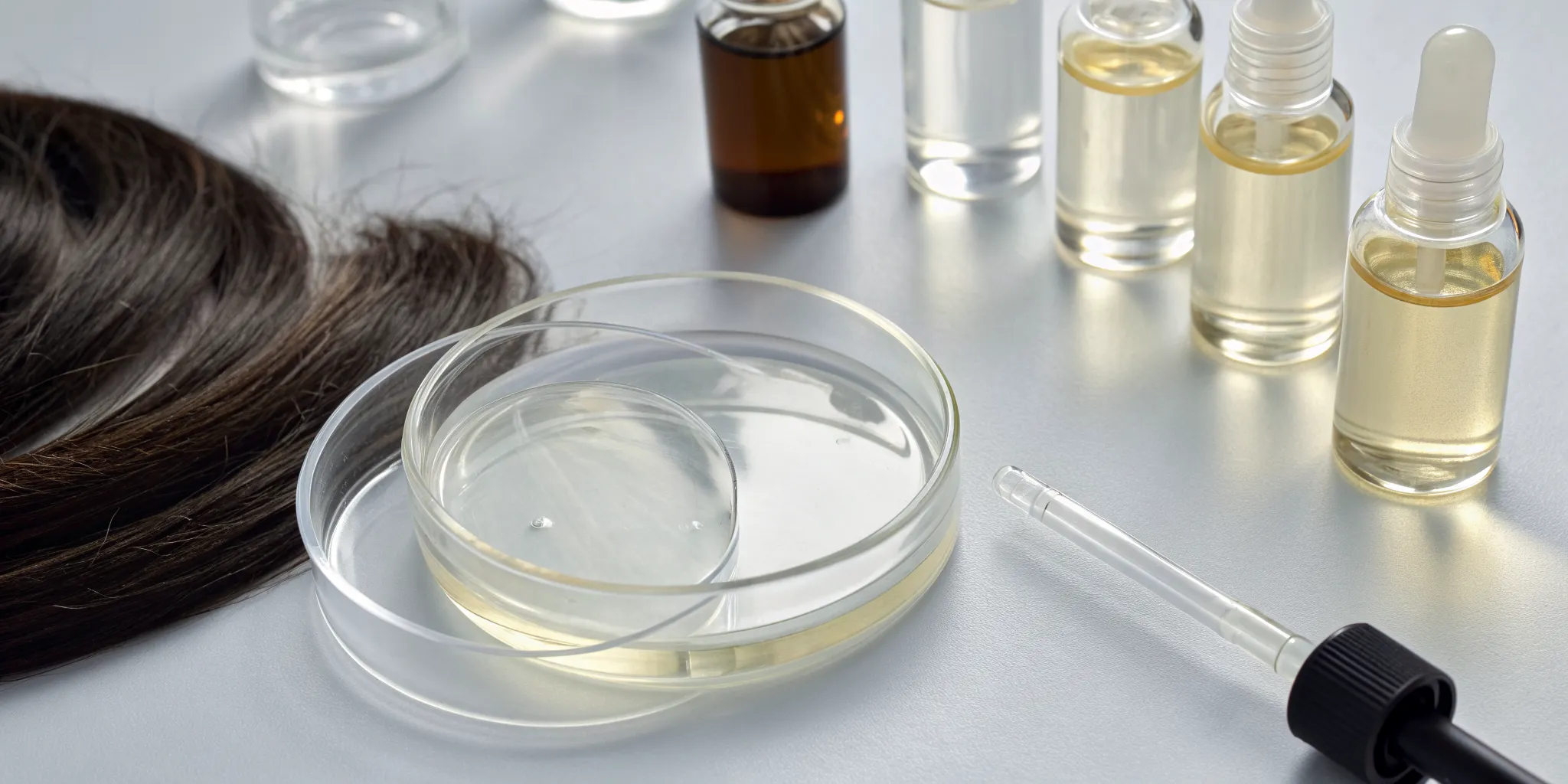
When you’re living with arthritis, you start to think about costs differently. There’s the price of prescriptions that only mask the pain, the lost income from days you can’t move comfortably, and the looming financial shadow of potential surgery. So when you start researching regenerative options like Platelet-Rich Plasma, the conversation naturally turns to the prp for arthritis cost. It’s not just another expense; it’s an investment in getting your life back. This therapy uses your body’s own healing power to address joint damage from within. Ahead, we’ll break down what goes into the price, so you can see it not as a cost, but as a strategic investment in your long-term mobility and well-being.
Key Takeaways
- Understand the Cost and Your Payment Options: Since insurance rarely covers PRP, expect to pay out-of-pocket. Ask your clinic for a complete cost breakdown and inquire about payment plans or package deals to make this investment in your joint health more manageable.
- Focus on Healing, Not Just Masking Symptoms: PRP works differently than temporary fixes like steroid injections by using your body’s own healing abilities to repair tissue. This regenerative approach aims for lasting relief—often six months or more—and can help you avoid or delay more invasive procedures.
- Vet Your Provider Carefully for the Best Outcome: Not all PRP treatments are created equal, and your results are tied to the clinic’s expertise and technology. Ask direct questions about their experience with your specific condition, the equipment they use, and their success rates to ensure you’re in good hands.
What Is PRP Therapy for Arthritis?
If you’re dealing with the daily grind of arthritis pain, you’ve likely heard about Platelet-Rich Plasma, or PRP, as a treatment option. So, what exactly is it? Think of it as a way to concentrate your body’s natural healing abilities and deliver them directly to where you need them most. The process for PRP therapy is straightforward: a specialist draws a small amount of your blood—similar to a routine lab test—and places it in a centrifuge. This machine spins the blood at high speed to separate the platelets from other blood components.
These platelets are tiny powerhouses packed with growth factors that signal your cells to repair and rebuild damaged tissue. The resulting concentrated, platelet-rich plasma is then carefully injected into the arthritic joint. The entire idea is to use your own biological material to encourage healing from within, offering a non-surgical approach to managing joint pain and improving function. It’s a way of working with your body, not against it.
How PRP Helps Relieve Arthritis
The main goal of using PRP for arthritis pain is to reduce inflammation and slow down the progression of cartilage degeneration. When injected into a joint, the high concentration of growth factors gets to work, helping to soothe the area and potentially stimulate the repair of damaged tissues. This process can lead to less swelling, a decrease in pain, and better joint mobility over time.
It’s important to remember that this isn’t an overnight fix. Because PRP works by supporting your body’s natural healing cycle, it can take several weeks to feel the full benefits as your tissues respond to the treatment. The aim is to provide lasting relief that helps you get back to your daily activities with greater comfort.
Which Types of Arthritis Respond Best to PRP?
PRP is most commonly used to address osteoarthritis, particularly in joints like the knee, hip, and shoulder. It’s also explored for other musculoskeletal conditions, including tendon injuries and ligament strains that can contribute to joint instability and pain. The treatment is centered on kickstarting a healing response in areas where blood flow, and therefore natural repair, might be limited.
However, not all types of arthritis or joint issues respond the same way. The effectiveness of PRP can depend on the severity of your condition, the specific joint involved, and your overall health. That’s why a thorough consultation is so important. It allows a specialist to assess your unique situation and determine if PRP is the right path for your joint regeneration goals.
Breaking Down the Cost of PRP for Arthritis
When you’re exploring new treatments for arthritis pain, cost is always a major consideration. With Platelet-Rich Plasma (PRP) therapy, the price isn’t a simple, one-size-fits-all number. It’s an investment in your long-term joint health, and the total cost depends on a few key variables, including your specific condition and treatment plan. Understanding these factors will help you get a clear picture of what to expect and allow you to plan accordingly.
Think of it less like a single purchase and more like a personalized care plan. The price reflects the tailored approach required to help your body heal itself from within. Let’s walk through the main components that make up the cost of PRP therapy for arthritis.
The Average Cost Per Injection
On average, you can expect a single PRP injection to cost anywhere from $500 to $2,500. Most clinics fall somewhere in the middle of that range, with many patients paying around $1,000 for one session. This price covers the entire process for that visit: drawing your blood, concentrating the platelets in a centrifuge, and precisely injecting the PRP into the affected joint. While it’s a good starting point for budgeting, remember that this is just the cost for one injection, and your full treatment protocol may involve more than a single session.
How Your Location Affects Pricing
Where you live plays a significant role in the cost of medical treatments, and PRP is no exception. Prices can vary between states and even between different cities. A clinic in a major metropolitan area might have different overhead costs than one in a smaller town, which can influence their pricing. Beyond just geography, the type of facility and the experience of the healthcare provider also factor in. A highly specialized regenerative medicine clinic may charge more than a general practice, but that often comes with a higher level of expertise and more advanced equipment.
Factoring in the Number of Treatments
For many people, achieving the best and most lasting results from PRP therapy requires more than one injection. While some individuals notice significant improvement after their first session, a typical treatment plan involves a series of injections—often between three and six—spaced several weeks apart. This approach allows the healing process to build on itself over time. During your initial consultation, your doctor will assess your specific condition and recommend a personalized treatment schedule. This plan will give you the clearest idea of the total number of sessions you’ll need and, consequently, the overall cost of your therapy.
What Factors Influence the Price of PRP?
When you start looking into PRP therapy, you’ll quickly notice that the price isn’t one-size-fits-all. The cost can vary quite a bit from one clinic to another, and it’s not just about location. Several key factors determine the final price tag, and understanding them helps you see what you’re really paying for. Think of it as an investment in your health—the quality of the treatment, the technology used, and the expertise of the person performing it all play a role in both the cost and your potential results. A lower price might seem appealing upfront, but it could reflect a compromise in one of these critical areas.
For example, a clinic using basic, outdated equipment might offer a lower price, but the resulting PRP may not be as concentrated or effective. Similarly, a provider without specialized training in regenerative medicine might charge less, but you miss out on the precision and deep knowledge that leads to better outcomes. The price also reflects the comprehensiveness of your care, from the initial diagnostic workup to the follow-up appointments that track your progress. It’s about more than just the injection itself; it’s about the entire treatment protocol designed for your specific needs. Let’s break down the main components that shape the cost of PRP therapy so you can make a confident and informed decision.
Provider Experience and Clinic Quality
The skill and experience of your provider are arguably the most important factors influencing the cost. A board-certified physician with specialized training in regenerative medicine will naturally command a higher fee than a general practitioner or a technician at a medspa. You’re paying for their expertise in accurately diagnosing your condition, creating a personalized treatment plan, and performing the injection with precision. The quality of the clinic itself also matters. A state-of-the-art facility that adheres to strict safety and sterilization protocols will have higher overhead costs, which is reflected in the price. The doctor’s experience and the clinic’s reputation are direct investments in your safety and the likelihood of a successful outcome.
The Technology and Techniques Used
Not all PRP is created equal. The effectiveness of the treatment heavily depends on the quality of the equipment used to process your blood. High-end, FDA-cleared centrifuge systems are designed to isolate and concentrate a higher, more potent number of platelets, which is crucial for stimulating tissue repair. Using advanced machines can make the treatment more effective but also adds to the clinic’s operational costs. Some providers may also use ultrasound guidance to ensure the PRP is injected precisely into the damaged area of the joint. This advanced technique improves accuracy and results but requires additional equipment and skill, which can also affect the overall price.
Watching Out for Hidden Fees
When getting a quote for PRP therapy, it’s important to ask for a complete breakdown of the costs. The initial price you’re given might not cover everything. For example, the initial consultation may be a separate fee. The price can also change depending on which part of your body is being treated; treating a large joint like the knee may cost more than a smaller joint in the hand or foot. Be sure to ask if the quoted price is per injection and if it includes any necessary follow-up appointments. A transparent provider will be upfront about all potential costs, so you won’t be surprised by unexpected charges down the line.
Will Insurance Cover PRP for Arthritis?
This is one of the most common questions we hear, and it’s a really important one. When you’re exploring treatments for arthritis pain, understanding the financial side is a huge piece of the puzzle. The short answer is that insurance coverage for PRP is still not standard across the board. While this can feel discouraging, it’s important to understand why insurers often take this stance and what your other options are for managing the cost.
The landscape of regenerative medicine is evolving quickly, but insurance policies can be slow to catch up. Because of this, many innovative treatments like PRP therapy are considered out-of-pocket expenses. However, many patients find that the upfront investment offers significant long-term value. By addressing the underlying cause of joint pain and promoting natural healing, PRP can potentially reduce the need for ongoing medications or more invasive, expensive interventions like surgery down the road. It’s about looking at the bigger picture of your health and well-being. Instead of just masking symptoms, you’re investing in a solution that helps your body repair itself, which can save you money and discomfort in the long run. Let’s walk through what you can expect when it comes to paying for your treatment and how you can make it work for your budget.
Why Insurance Typically Doesn’t Cover PRP
The main reason most health insurance plans don’t cover PRP therapy is that they often classify it as an “experimental” or “investigational” treatment. Even with a growing body of research showing its effectiveness for conditions like osteoarthritis, many insurers haven’t updated their policies to include it as a standard procedure. They tend to see it as an optional therapy, especially when compared to more traditional treatments like steroid injections or surgery. While a consultation with a specialist might be covered by your plan, the PRP treatment itself is typically an out-of-pocket expense. It’s always a good idea to call your insurance provider directly to confirm your specific benefits, but it’s best to plan for self-payment.
Your Payment and Financing Options
Just because insurance may not cover your treatment doesn’t mean it’s not a financially smart choice. Many patients find that the cost of PRP is a worthwhile investment compared to the long-term expenses of managing chronic pain with medication or facing the high costs and recovery time of surgery. To make the treatment more accessible, many clinics offer flexible payment plans that allow you to spread the cost over time. Another great strategy is to ask about package deals. Since most people need a series of injections for the best results, purchasing a package of sessions can often lower the cost per treatment. We recommend you contact our office to discuss the specific payment and financing options we have available.
How Effective Is PRP for Arthritis, Really?
When you’re dealing with the daily grind of arthritis pain, the most important question is simple: does this treatment actually work? It’s a fair question, and with Platelet-Rich Plasma (PRP) therapy, the answer is encouraging. While it’s not a magic bullet, a growing body of scientific evidence shows that PRP can offer significant, lasting relief for many people struggling with joint pain.
The goal of PRP therapy is to use your body’s own healing abilities to address the root cause of the pain—inflammation and tissue damage. By concentrating the platelets and growth factors from your blood and injecting them directly into the affected joint, the treatment creates a supercharged healing environment. The effectiveness can vary from person to person, but many patients experience a noticeable reduction in pain and an improvement in their ability to move freely and get back to the activities they love. Let’s look at what the research says about success rates, why results can differ, and what to expect in terms of safety.
Success Rates and How Long Results Last
So, what kind of results can you realistically expect? Studies have consistently shown that PRP injections are more effective than placebo (like saline injections) for reducing pain and improving knee function in people with osteoarthritis. Many patients report that their pain relief lasts for a significant amount of time, typically anywhere from six to 12 months after a course of treatment.
This means you could experience many months of less pain and better mobility without relying on daily medication or considering invasive surgery. The aim is to help your joint heal itself, leading to more sustainable results than treatments that simply mask the symptoms. For many, this long-lasting relief makes PRP for arthritis a worthwhile investment in their quality of life.
Why Patient Responses Can Differ
It’s important to know that not everyone responds to PRP in the same way. You might see some studies with glowing results and others that are less conclusive. A key reason for this variation comes down to the preparation of the PRP itself. The concentration of platelets and growth factors in the injection can differ depending on the equipment and techniques used, which directly impacts the outcome.
This is why choosing an experienced clinic that uses high-quality, advanced technology is so important. Other factors, like the severity of your arthritis, your age, and your overall health, also play a role in how well you respond. A thorough consultation will help determine if you are a good candidate and set realistic expectations for your treatment.
A Look at Safety and Potential Side Effects
One of the biggest advantages of PRP therapy is its excellent safety profile. Because the treatment uses a concentrate made from your own blood, the risk of an allergic reaction or rejection is virtually nonexistent. It’s a natural approach that works with your body, not against it.
The side effects are typically minor and temporary. You might experience some soreness, mild swelling, or bruising at the injection site, similar to what you’d feel after a standard blood draw. These symptoms usually resolve on their own within a few days. Compared to the risks associated with long-term medication use or surgery, PRP is a very low-risk procedure, making it an appealing option for those seeking a safer way to manage joint pain.
How Does PRP Compare to Other Arthritis Treatments?
When you’re dealing with the daily grind of arthritis pain, you want a solution that works. But not all treatments are created equal. While some offer a temporary fix, others aim to support your body’s long-term healing. Platelet-Rich Plasma (PRP) therapy falls into that second category. It’s a regenerative approach that uses your own body’s healing factors to address the root cause of joint pain and inflammation.
Many people exploring PRP are also considering more conventional options like corticosteroid injections or even surgery. Understanding how PRP stacks up against these treatments is key to making an informed decision about your health. It’s about weighing the immediate relief against lasting results and choosing a path that aligns with your goals for a more active, pain-free life. Let’s break down the comparisons so you can see where PRP fits in.
PRP vs. Corticosteroid and Hyaluronic Acid Injections
Corticosteroid injections are a common first-line treatment for arthritis. They work by delivering a powerful anti-inflammatory directly into the joint, and they can provide fast relief. However, this relief is often short-lived. Research from the Mayo Clinic shows that while steroid shots might feel better in the first few weeks, PRP typically delivers better results after three to six months.
Hyaluronic acid (HA) injections, sometimes called “gel shots,” are another option. They aim to supplement the natural lubricating fluid in your joint. But again, studies suggest PRP often outperforms HA, with positive effects that can last much longer—often for six to twelve months. Unlike treatments that simply mask pain or provide temporary lubrication, PRP works to stimulate actual tissue repair.
The Long-Term Value of PRP vs. Surgery
For severe arthritis, surgery like a joint replacement is often presented as the final option. While it can be effective, it’s also a major procedure that comes with significant risks, a long recovery period, and a complete disruption to your life. PRP offers a powerful, non-surgical alternative that can help many people manage their pain and improve function, potentially delaying or even avoiding the need for surgery altogether.
The value of PRP is in its lasting impact. Many patients report meaningful pain relief for six to twelve months or more after a treatment course. It’s a safe, minimally invasive procedure that helps you get back to your life quickly. When you consider the cost, downtime, and risks associated with surgery, investing in a regenerative treatment that supports your body’s ability to heal itself offers incredible long-term value for your overall joint health and quality of life.
How to Choose the Right PRP Provider
Finding the right clinic for your PRP therapy is just as important as the treatment itself. Since this is a highly personalized procedure, you want a provider who sees you as more than just a number. The best clinics focus on creating a tailored treatment plan that addresses the root cause of your discomfort, rather than just managing symptoms. Think of your search as finding a partner in your health journey—someone you can trust to help you achieve the best possible outcome.
The quality of the equipment, the expertise of the medical team, and the specific techniques they use can all influence your results. A top-tier provider will conduct a comprehensive evaluation to understand your unique condition and goals. They will also be transparent about the technology they use. For instance, the quality of the centrifuge that spins your blood directly impacts the concentration of platelets in the final injection, which is a key factor in the therapy’s effectiveness. Look for a team that specializes in regenerative medicine and is committed to using the most advanced, science-backed protocols. This ensures you’re not just getting a procedure, but a well-rounded strategy for natural healing and long-term wellness.
Key Questions to Ask Before Committing
When you meet with a potential provider, having a few key questions ready can help you gauge their expertise and determine if their clinic is the right fit. Think of this as your personal checklist for your consultation.
Start by asking about their experience with your specific condition. You might say, “How often do you use PRP therapy for osteoarthritis of the knee, and what kind of results have your patients seen?” A reputable provider will be transparent about success rates and manage your expectations. You should also get a clear breakdown of the costs, as insurance typically doesn’t cover these procedures. Finally, don’t hesitate to ask about the risks and what other treatment options might be available. A trustworthy clinic will welcome these questions and provide thorough, honest answers.
What to Expect: From Consultation to Treatment
Knowing what the process looks like can help ease any nerves you might have. Generally, your PRP journey will unfold in three simple phases.
First is the consultation. This is where you’ll sit down with a specialist to discuss your medical history, symptoms, and goals. They will confirm if you are a good candidate for PRP and may advise you to stop taking anti-inflammatory medications for a few days before your appointment.
Next is the treatment itself, which is surprisingly quick—usually around 30 minutes. The procedure involves a simple blood draw from your arm. That blood is then placed in a centrifuge to separate the platelet-rich plasma. Finally, the concentrated PRP is carefully injected into the targeted joint.
After the injection, you can expect some mild soreness or bruising at the site, which is completely normal. Your provider will give you specific aftercare instructions, which usually include resting the joint and avoiding strenuous exercise for a short period. If you’re ready to learn more, you can always schedule a consultation to discuss your specific needs.
Related Articles
- PRP Injection Cost: A Complete Financial Breakdown
- A2M vs. PRP for Knee Pain: Which Is Best?
- Avoid Surgery: Bone on Bone Knee Replacement Alternatives
Frequently Asked Questions
How many PRP treatments will I actually need? This is a great question because the answer is tailored specifically to you. While some people feel a significant difference after just one injection, most find the best and most lasting results come from a series of treatments. A typical plan might involve three injections, each spaced about four to six weeks apart. This schedule gives your body the time it needs to respond to the growth factors and build on the healing process from the previous session. Your doctor will recommend the right number and timing for you after a thorough evaluation of your joint health and specific goals.
How soon will I feel relief after a PRP injection? It’s important to remember that PRP therapy works with your body’s natural healing timeline, so it isn’t an overnight fix like a steroid shot. You might feel some initial soreness at the injection site for a few days, which is perfectly normal. Most people begin to notice a real improvement in their pain and mobility within four to six weeks as the growth factors stimulate tissue repair. The benefits often continue to build over the following months.
Is the PRP injection itself painful? Most patients report that the discomfort from a PRP injection is minimal and brief. The procedure feels very similar to a standard joint injection, like a cortisone shot. Your provider will numb the area before the injection to make you as comfortable as possible. You can expect some mild soreness and swelling in the joint for a day or two afterward, but this is a positive sign that the healing process has begun.
Since insurance doesn’t cover it, is PRP really worth the investment? This is a practical concern, and it helps to think about the long-term value. While you are paying out-of-pocket, you’re investing in a treatment that addresses the underlying cause of your pain instead of just masking symptoms. When you compare the cost to the long-term expenses of prescription medications, the high price and extensive recovery time of surgery, or the need for repeated temporary fixes, many find PRP to be a very smart financial choice. It’s an investment in lasting relief and a better quality of life.
Are the results from PRP therapy permanent? PRP is not considered a permanent cure for arthritis, which is a progressive condition. However, it is designed to provide significant, long-lasting relief by promoting the natural repair of damaged cartilage and reducing inflammation. Many patients experience improved function and less pain for six to twelve months, and sometimes even longer. The goal is to slow down the degenerative process and help you manage your condition effectively, and follow-up treatments can help maintain your results over time.