That sharp, radiating pain shooting from your neck down your arm is more than just an annoyance; it’s a constant disruption. When a herniated disc is the culprit, it can feel like your options are limited to temporary fixes or invasive surgery. But what if there was a way to address the root cause of the pain without a long and difficult recovery? Regenerative medicine offers a different path, one that works with your body’s natural ability to heal. This guide explores stem cell therapy for cervical disc herniation, a non-surgical treatment designed to repair damaged tissue, reduce inflammation, and help you find lasting relief so you can get back to your life.
Key Takeaways
- Address the root cause of pain: Stem cell therapy helps your body repair the damaged disc tissue, reducing inflammation and promoting genuine healing instead of just masking symptoms.
- Avoid the downtime of surgery: As a minimally invasive injection, this treatment offers a path to recovery without the long hospital stays, extended downtime, and potential complications of a major operation.
- Understand if it’s right for you: The therapy is most effective for mild to moderate disc issues, and a detailed consultation is essential to determine if you’re a candidate and to develop a treatment plan tailored to your specific condition.
What Is a Herniated Disc in the Neck?
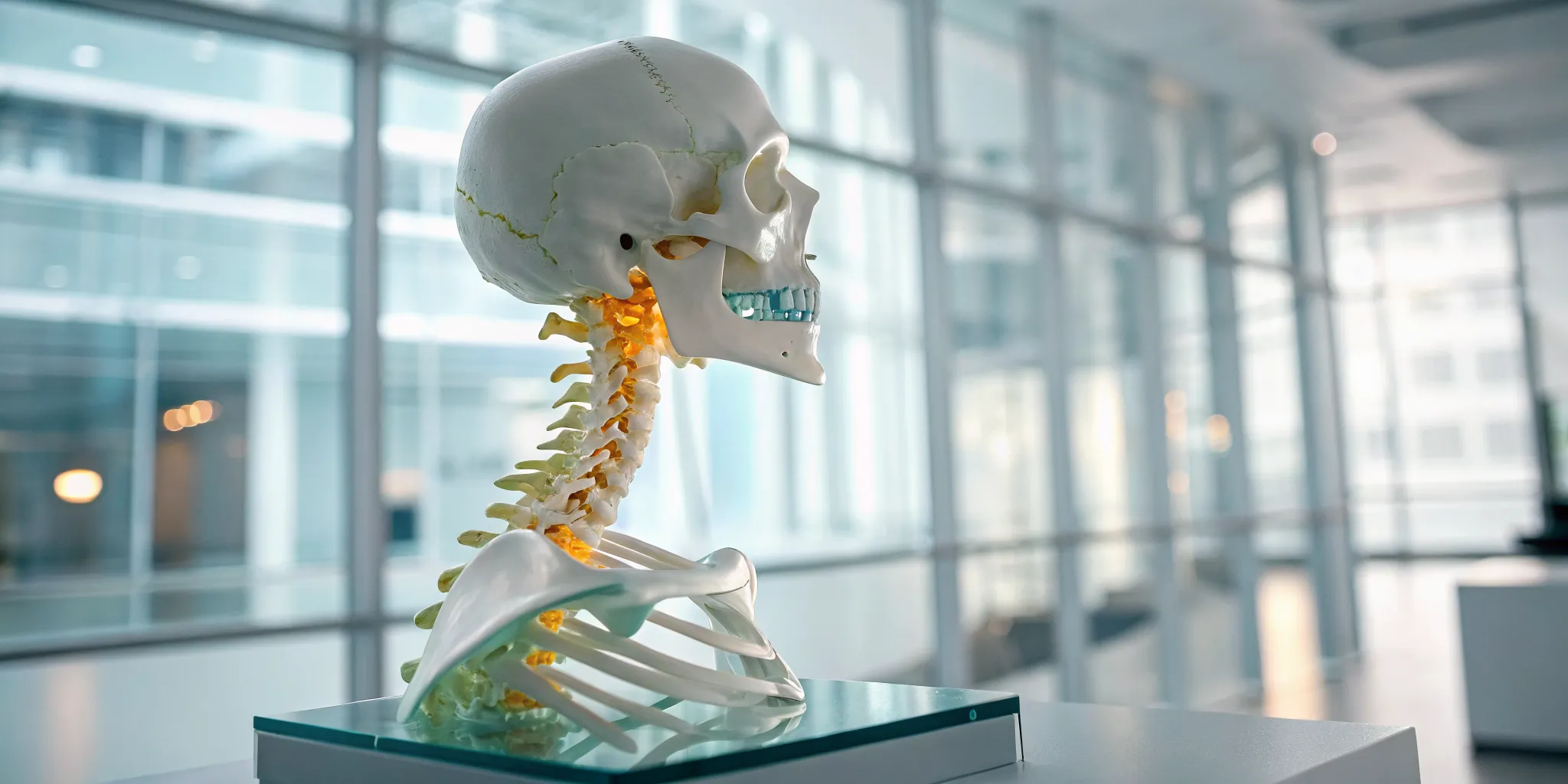
Think of the discs in your spine as tiny, jelly-filled donuts that sit between each vertebra, acting as cushions. They absorb shock and allow your neck to bend and twist. A herniated disc, sometimes called a slipped or ruptured disc, happens when the tough outer layer of one of these “donuts” tears, allowing some of the soft, gel-like center to push out.
When this occurs in your neck, or cervical spine, that displaced material can press on the spinal cord or nearby nerve roots. This pressure is what triggers the pain and other uncomfortable symptoms associated with the condition. It’s a common source of neck, shoulder, and arm pain, but it doesn’t mean you have to live with the discomfort. Understanding the root cause is the first step toward effective pain management and finding a path back to feeling your best. While the term sounds alarming, it’s a treatable condition, and there are advanced non-surgical options available to help your body heal.
Recognizing the Symptoms and Warning Signs
The signs of a herniated disc in the neck can vary quite a bit, depending on which nerve is being affected. The most common signal is pain that starts in the neck and radiates down through the shoulder and into the arm, hand, or fingers. This pain is often described as sharp or burning.
You might also experience numbness or a tingling “pins-and-needles” sensation in the same areas. Some people notice muscle weakness in their arm or hand, which can make it difficult to grip objects or perform simple tasks. The pain may also worsen with certain movements, like turning your head or tilting it forward. If these symptoms sound familiar, it’s a good idea to get in touch for a proper diagnosis.
What Causes a Disc to Herniate?
A herniated disc can happen for a few different reasons, but the most common cause is gradual, age-related wear and tear. As we get older, our spinal discs naturally lose some of their water content, making them less flexible and more susceptible to tearing. This process is often referred to as degenerative disc disease.
Sometimes, a specific event can trigger a herniation. Using your back muscles instead of your legs to lift a heavy object, or a sudden strain from a fall or accident, can place too much pressure on a disc and cause it to rupture. Repetitive motions that strain the neck and spine over time can also contribute to the problem, weakening the disc’s outer wall until it eventually gives way.
How Stem Cell Therapy Can Help a Herniated Disc
When you’re dealing with the persistent pain of a herniated disc, the goal isn’t just to manage the symptoms; it’s to find a real solution that addresses the underlying damage. This is where regenerative medicine offers a different approach. Instead of masking pain or surgically removing disc material, stem cell therapy focuses on helping your body repair the damaged tissue from within. By introducing a high concentration of powerful healing cells directly to the site of your injury, we can support the natural regeneration process, reduce inflammation, and help restore the integrity of your spinal disc. It’s a forward-thinking strategy that works with your body’s own biology to promote lasting relief and improved function.
The Role of Stem Cells in Natural Disc Repair
Think of stem cells as your body’s internal repair crew. These unique cells have the remarkable ability to transform into other specialized cells, like those that make up your spinal discs. When a disc degenerates or herniates, it loses its structure and cushioning ability. Stem cell therapy introduces a potent concentration of these regenerative cells to the damaged area. Once there, they can help rebuild the tough outer layer and the gel-like center of the disc. This process doesn’t just patch the problem; it helps restore the disc’s natural composition, potentially improving both its strength and function over time.
Why We Use Umbilical Cord-Derived Stem Cells
Not all stem cells are created equal, and the source matters. At Miami Stem Cell, we use mesenchymal stem cells (MSCs) derived from umbilical cord tissue. These cells are incredibly robust and have a high potential to multiply and differentiate, making them ideal for regenerative treatments. A major advantage is that they are immunologically privileged, meaning they are very unlikely to cause an immune reaction in the recipient. This makes them a safe and effective option for a wide range of people. Furthermore, these cells are ethically sourced from donated umbilical cords after healthy births, ensuring a high-quality, viable product that aligns with our strict safety and compliance standards.
The Science Behind Regenerative Healing
The healing process initiated by stem cell therapy is about more than just rebuilding tissue. When MSCs are introduced to the herniated disc, they release powerful anti-inflammatory agents and growth factors that create a healing environment. This helps calm the chronic inflammation that causes so much of the pain associated with disc issues. As inflammation subsides, the cells get to work on tissue repair. This dual-action approach is key to effective pain management and long-term recovery. By targeting both the symptoms (pain and inflammation) and the root cause (tissue damage), stem cell therapy supports a comprehensive healing journey.
What Is the Stem Cell Treatment Process Like?
Thinking about stem cell therapy can bring up a lot of questions about what the process actually involves. It’s a lot more straightforward than you might think. We’ve broken down the entire journey into four simple steps, from your first conversation with us to your post-treatment care. Our goal is to make sure you feel informed and comfortable every step of the way, so you know exactly what to expect as you start your path toward relief.
Your Initial Consultation and Assessment
Your journey begins with a one-on-one consultation with one of our doctors. This is where we get to know you, listen to your concerns, and understand your health goals. We’ll discuss your symptoms and medical history in detail. To get a precise look at the condition of your cervical discs, we may review diagnostic imaging like X-rays or MRIs. This thorough assessment allows us to confirm if you’re a good candidate for treatment and create a personalized plan designed to address the root cause of your neck pain.
How We Prepare the Stem Cells for Treatment
Unlike treatments that require a painful extraction of your own bone marrow or fat, we use mesenchymal stem cells (MSCs) sourced from ethically donated umbilical cords. These cells are young, vibrant, and full of healing potential. Before your treatment, these powerful stem cells are carefully processed and prepared in a specialized lab to ensure they meet the highest standards for safety and purity. This approach gives you the benefits of regenerative medicine without needing an invasive harvesting procedure, making the process much more comfortable for you.
A Step-by-Step Look at the Injection Procedure
On the day of your procedure, our team will make you feel comfortable and relaxed. Once the stem cells are prepared, your doctor will precisely inject them into the targeted area around the herniated disc. We often use advanced imaging guidance to ensure the cells are delivered exactly where they’re needed for effective pain management. The entire injection process is minimally invasive and typically takes less than an hour. Because it’s a non-surgical outpatient procedure, you’ll be able to return home the same day to begin your recovery.
Your Recovery and Post-Procedure Care
Your recovery is just as important as the treatment itself. After the procedure, we’ll provide you with clear instructions to support your body’s natural healing process. This usually involves a short period of rest followed by a gradual return to light activities. We’ll advise you to avoid heavy lifting or strenuous exercise for a specific time. Follow-up appointments are a key part of our care, as they allow us to monitor your progress and make any adjustments to your recovery plan. Many of our patients share their healing testimonials to help others understand what to expect.
Exploring the Benefits and Potential Risks
Deciding on a treatment for your herniated disc involves weighing the advantages against any potential downsides. Stem cell therapy offers a compelling alternative to traditional methods, but it’s important to have a clear picture of what the process entails, from the healing it promotes to the risks involved. Understanding both sides helps you make an informed choice that feels right for you and your health goals. Here, we break down the key benefits and considerations to keep in mind as you explore your options for neck pain relief.
A Powerful Non-Surgical Alternative
When you’re dealing with neck pain from a herniated disc, surgery can feel like the only definitive option. But regenerative medicine offers a different path. Stem cell therapy is a powerful, non-surgical alternative that works with your body to heal the damaged tissue in your spine. Instead of cutting away the problem, this approach focuses on repair from within. For many people, this means a significant reduction in pain and a decreased reliance on medication, all while avoiding the long recovery times and potential complications that can come with an operation. It’s about finding a pain management solution that supports your body’s natural ability to get better, helping you return to your life with less downtime.
How It Promotes Natural Healing and Reduces Inflammation
So, how exactly do stem cells help a herniated disc? Think of them as your body’s internal repair team. When introduced to an injured area, these powerful cells get to work on multiple fronts. They can help repair damaged tissue and reduce the inflammation that causes so much of your pain and stiffness. Stem cells also encourage the growth of new blood vessels, which is critical for healing. This improved circulation brings more oxygen and essential nutrients to the injured disc, speeding up the natural recovery process. It’s a comprehensive approach that doesn’t just mask the symptoms; it addresses the underlying damage to promote genuine, long-term healing.
Understanding Potential Side Effects
Your safety is always the top priority, so it’s important to discuss the potential risks of any procedure. While stem cell therapy is generally considered very safe, some patients may experience temporary side effects at the injection site, such as minor bleeding, bruising, pain, or swelling. More serious complications like infection or nerve injury are rare, especially when the procedure is performed by an experienced team. We minimize these risks by using precise, image-guided techniques to ensure the stem cells are delivered exactly where they need to go. Our strict safety protocols are in place to give you peace of mind, and you can find answers to more frequently asked questions on our site.
Setting Realistic Expectations for Your Results
Stem cell therapy is a process, not an instant fix. While many patients report significant pain reduction and improved mobility, it’s important to have realistic expectations for your results. Early clinical studies show that these treatments are safe and effective, but the timeline for improvement varies from person to person. You might start to feel better within a few weeks, but the full benefits can take several months to develop as your body continues to heal and regenerate tissue. In some cases, follow-up treatments may be recommended to achieve the best possible outcome. We’ll work with you to create a personalized plan and support you every step of the way.
Is Stem Cell Therapy for Neck Pain Right for You?
Deciding on the right treatment for neck pain is a big step, and it’s smart to gather all the facts. While stem cell therapy offers a powerful, non-surgical path to healing for many, it’s not a one-size-fits-all solution. Your specific condition, health history, and the severity of your disc herniation all play a part in determining if this is the best approach for you. Understanding who makes a good candidate can help you feel more confident as you explore your options and prepare for a conversation with a specialist. Let’s walk through the key factors we consider to ensure this treatment gives you the best possible chance for lasting relief.
Who Is an Ideal Candidate?
You might be a great candidate for stem cell therapy if you’re looking for an alternative to surgery and other treatments haven’t provided the relief you need. This therapy is most effective for individuals with mild to moderate herniated discs, as the cells can work more efficiently in a less severely damaged environment. Generally, candidates should be in good overall health, since this supports your body’s ability to heal. If you’ve tried physical therapy, pain medications, or other conventional methods without success, exploring our approach to pain management with stem cells could be your next logical step toward recovery.
When This Treatment May Not Be the Best Fit
Your safety and the treatment’s effectiveness are our top priorities. For that reason, stem cell therapy may not be the right choice for everyone. Certain pre-existing health conditions can interfere with the treatment process or your body’s ability to respond. We typically don’t recommend this procedure for individuals with a recent cancer diagnosis, active infections, or certain blood disorders. Additionally, patients on high doses of anticoagulant (blood-thinning) medications that cannot be safely paused are generally not suitable candidates. A thorough review of your medical history helps us ensure any treatment we recommend is both safe and appropriate for you. You can find answers to more common questions on our FAQs page.
How Age and Injury Severity Play a Role
Many people wonder if age is a factor, and it’s a great question. While younger patients often heal more quickly, healthy older adults can absolutely be excellent candidates and experience significant benefits from stem cell therapy. What matters more than age is your overall health. The severity of your disc injury is another crucial piece of the puzzle. As mentioned, this treatment is best suited for mild to moderate herniated discs. For severely damaged discs, the environment may be too compromised for stem cells to perform effective joint regeneration, and other therapeutic approaches might be more suitable.
Stem Cell Therapy vs. Spinal Surgery: A Comparison
When you’re dealing with the pain of a herniated disc, you want a solution that doesn’t just mask the symptoms but addresses the root cause. For many, the decision comes down to two very different paths: regenerative medicine or traditional surgery. While spinal surgery has long been the standard approach for severe cases, it’s an invasive option with significant downtime that can disrupt your life for months. It’s a major procedure that permanently alters your anatomy by removing disc material or fusing vertebrae together, which can sometimes lead to other issues down the line.
Stem cell therapy offers a fundamentally different approach. Instead of surgically altering your spine, it focuses on helping your body repair the damaged disc from within. This treatment uses the powerful signaling capabilities of mesenchymal stem cells to reduce inflammation and encourage your own cells to begin the healing process. It’s about working with your body’s natural systems, not against them. Understanding how these two treatments stack up in terms of recovery, results, and cost is key to making a choice that feels right for you and your long-term health goals. Let’s break down the major differences so you can feel confident in your decision.
Differences in Recovery Time and Invasiveness
One of the most significant distinctions between these two treatments is how they impact your daily life. Stem cell therapy is a minimally invasive procedure. The process involves a simple injection of stem cells directly into the affected area of your neck, which we perform right here in our clinic. Most patients are able to return home the same day and can typically resume their normal activities within just a few days. There are no large incisions, no general anesthesia, and no lengthy hospital stays.
Spinal surgery, on the other hand, is a major operation. It requires incisions, anesthesia, and a hospital stay, followed by a recovery period that can last for weeks or even months. This often includes a structured rehabilitation program with physical therapy to regain strength and mobility. For many people, the extended downtime required for surgical recovery is a major barrier.
A Look at Success Rates and Long-Term Results
When considering any treatment, you want to know if it will actually work. Early clinical studies on stem cell therapy for disc degeneration are promising, showing that it can significantly reduce pain and improve function for many patients. Some research has even shown physical improvements in disc health on MRI scans after treatment. The goal of this regenerative approach is to support your body’s natural healing mechanisms, which can lead to lasting relief by addressing the underlying tissue damage.
Spinal surgery can also be effective at relieving pain, but it comes with a different set of risks and potential outcomes. It doesn’t repair the disc itself; instead, it often involves removing the damaged portion or fusing vertebrae together. While this can alleviate pressure on the nerve, it doesn’t stop the degenerative process and can sometimes lead to issues in adjacent spinal levels down the road.
What to Know About Cost and Insurance
Finally, let’s talk about the financial side of things. The cost of stem cell therapy can vary, but it is often more affordable than the total expense of spinal surgery. When you factor in costs for the surgeon, anesthesiologist, hospital stay, and weeks of post-operative rehabilitation, a surgical procedure can become incredibly expensive. It’s important to know that most insurance plans do not yet cover stem cell therapy for orthopedic conditions, so it is typically an out-of-pocket expense. In contrast, spinal surgery is more likely to be covered by insurance.
We encourage you to think of regenerative medicine as an investment in your long-term well-being and a way to potentially avoid the recurring costs of major surgery. If you have questions, our team is always here to discuss your personalized treatment plan.
Your Healing Journey: What to Expect After Treatment
Once your stem cell procedure is complete, your body’s regenerative work is just beginning. It’s helpful to think of this as a healing partnership. We provide the stem cells to kickstart the repair process, and your body takes it from there, working to rebuild and restore damaged tissue in your neck. This process is gradual and unique to every individual.
Patience is your best friend during this phase. Unlike conventional treatments that often mask pain, regenerative medicine focuses on addressing the underlying cause of your disc herniation. This means giving your body the time it needs to heal naturally from the inside out. Your recovery plan, including follow-up care and lifestyle adjustments, is designed to support this process and help you achieve the best possible long-term results.
A Realistic Timeline for Seeing Improvement
It’s completely normal to be eager for relief, but it’s important to understand that healing doesn’t happen overnight. Stem cells need time to signal your body’s repair mechanisms and begin regenerating tissue. While some people feel subtle changes sooner, many patients start to notice a reduction in pain about three to six weeks after their treatment.
More significant improvements often become apparent over the next two to three months as inflammation subsides and tissues strengthen. The full benefits of your stem cell therapy typically unfold over three to six months. This gradual progress is a positive sign that your body is responding to the treatment and building a stronger, healthier foundation for your spine.
Common Myths About Instant Relief
One of the most common misconceptions about stem cell therapy is that it provides an instant fix. While we’d all love a magic wand for neck pain, regenerative medicine works with your body’s natural healing pace, which is steady and methodical. The goal isn’t to provide a temporary patch but to foster genuine, long-term repair at the source of the problem.
Unlike a steroid injection that might offer quick but short-lived relief, stem cells are working to fundamentally change the environment of your damaged disc. They help reduce inflammation and encourage the growth of new, healthy tissue. This is a marathon, not a sprint. You can find answers to more frequently asked questions about the process on our website.
The Importance of Follow-Up Care
Your role in the healing process is just as important as the treatment itself. To ensure you get the most out of your therapy, it’s crucial to follow the post-procedure care plan we create for you. This personalized guide will likely include recommendations for light activities, specific gentle exercises to support your neck, and instructions on avoiding heavy lifting or strenuous movements for a period.
We will also schedule follow-up appointments to monitor your progress and make any necessary adjustments to your plan. These check-ins are a vital part of your pain management journey, allowing us to see how you’re healing and ensure you’re on the right track toward lasting relief. Think of us as your partners in recovery, here to support you every step of the way.
The Evidence Behind Stem Cell Effectiveness
It’s completely normal to ask, “Does this actually work?” When you’re exploring a new treatment for something as persistent as neck pain, you want to see the proof. The field of regenerative medicine is backed by a growing body of scientific research that highlights its potential to help the body heal itself. We believe in transparency and want you to feel confident in your care, so let’s look at what the evidence says and how we ensure our treatments are safe and effective.
What Clinical Research Shows
While regenerative medicine is always evolving, early clinical studies are incredibly encouraging. Research on stem cell therapy for degenerative disc disease has shown that treatments are not only safe but can also significantly reduce pain and improve function. Some small studies have reported pain reduction between 60% and 85%. Even more exciting, some MRI scans showed physical signs of disc regeneration, like better hydration, which helps restore the natural cushion between your vertebrae. This growing body of research is a key reason we are so confident in our pain management protocols.
Our Commitment to Safety and FDA Compliance
Your safety is our absolute priority. We operate with the highest standards, ensuring all our procedures are compliant with FDA regulations. This is a critical distinction, especially when you compare the rigorous standards of USA-based treatments with those offered abroad. We use meticulously screened, umbilical cord-derived mesenchymal stem cells, which are ethically sourced and have a powerful ability to signal your body’s own healing mechanisms. We are committed to providing therapies that are not only innovative but also grounded in a strong foundation of scientific research and strict safety protocols.
How to Prepare for Your Consultation
Walking into your first consultation is a huge step toward finding relief, and being prepared can make all the difference. Think of this meeting as a conversation, not an examination. It’s your opportunity to share your story, understand your options, and decide if this path feels right for you. Our goal is to give you all the information you need to make a confident and informed choice about your health.
To get the most out of our time together, it helps to gather a few things beforehand. Make a list of your symptoms, noting when they started and what makes them better or worse. If you have any previous medical records, imaging reports like MRIs or X-rays, or a list of medications you’re taking, bring those along. This background information gives us a head start in understanding your unique situation. Most importantly, come with an open mind and plenty of questions. We’re here to build a partnership with you on your healing journey.
Key Questions to Ask Your Provider
Feeling empowered in your healthcare decisions starts with asking the right questions. You should feel completely comfortable with your provider and the proposed treatment. Here are a few questions to have in your back pocket to guide the conversation:
- What is your experience treating cervical disc herniation with stem cells?
- What type of stem cells do you use, and why are they the best choice for this condition?
- Based on my specific case, what are the potential benefits and risks I should be aware of?
- Can you walk me through the entire treatment process, from the procedure itself to the recovery period?
Our team of medical experts is always ready to provide clear, straightforward answers to ensure you feel secure and understood.
How We Assess Your Condition
A successful treatment plan starts with a thorough and accurate assessment. When you come in for your consultation, we’ll begin by simply talking. You’ll sit down with one of our specialists to discuss your symptoms, your medical history, and what you hope to achieve. We want to hear about how your neck pain is affecting your daily life.
From there, we’ll conduct a physical examination and review any existing medical imaging you have, like MRIs or X-rays. These images allow us to see the precise location and severity of the disc herniation. This detailed evaluation helps us confirm if you are a good candidate for stem cell therapy and allows us to create a treatment plan tailored specifically to your body’s needs.
Understanding Your Personalized Treatment Plan
Stem cell therapy isn’t a one-size-fits-all solution. Your treatment plan is designed just for you, based on the comprehensive assessment of your condition. We’ll explain how stem cell therapy works to address the root cause of your pain by helping to reduce inflammation and support the regeneration of damaged disc tissue.
It’s important to have realistic expectations. This therapy tends to be most effective for individuals with mild to moderate disc degeneration. We will be transparent about the results you can anticipate and the timeline for recovery. Our commitment is to provide a science-backed, personalized approach that gives you the best possible chance for natural, long-term healing and a return to the activities you love.
Start Your Path to Relief at Miami Stem Cell
Living with the constant pain of a cervical disc herniation is frustrating, especially when traditional treatments don’t provide the relief you need. If you’re looking for a different path forward, stem cell therapy offers an innovative alternative. This approach focuses on harnessing your body’s own healing potential to repair damaged discs from within. The goal is to use powerful regenerative cells to speed up the natural healing process, addressing the root cause of your pain instead of just masking the symptoms.
Early research into this field is encouraging. Studies show that stem cell injections are a safe procedure that can significantly reduce pain and improve function for many patients dealing with disc-related issues. At Miami Stem Cell, we specialize in these cutting-edge treatments, offering a promising way to help regenerate the disc and find lasting relief. Our approach to pain management is centered on personalized, science-backed protocols that support your body’s ability to heal itself.
If you have ongoing neck pain and other treatments haven’t helped, it might be time to explore your options. For those considering surgery, stem cell therapy presents a powerful alternative to neck surgery. You don’t have to accept chronic pain as your new normal. Take the first step toward a better quality of life and find out if this treatment is right for you. We invite you to schedule a consultation with our team to discuss your personalized path to relief.
Related Articles
- Stem Cell Therapy for Herniated Disc Success Rate: A Guide
- Stem Cell Therapy for Neck & Cervical Pain
Frequently Asked Questions
Is the injection procedure painful? Most people are pleasantly surprised by how manageable the procedure is. We use a local anesthetic to numb the area completely, so while you might feel a bit of pressure during the injection, you shouldn’t feel significant pain. The entire process is minimally invasive and is typically much more comfortable than undergoing a major surgical procedure.
How is this different from getting a cortisone shot? This is a great question because the two approaches are fundamentally different. A cortisone shot is a steroid that works by powerfully reducing inflammation, which can provide temporary pain relief. Stem cell therapy, on the other hand, is a regenerative treatment. The goal isn’t just to mask inflammation; it’s to introduce powerful signaling cells that help your body repair the damaged disc tissue at its source for more lasting results.
Why do you use stem cells from umbilical cords instead of my own? We use umbilical cord-derived mesenchymal stem cells because they are incredibly young, vibrant, and full of healing potential. A major benefit is that this approach avoids the need for an invasive procedure to harvest cells from your own bone marrow or fat. These cells are also immunologically privileged, meaning they are very unlikely to be rejected, making them a safe and effective option for treatment.
How long will it take to feel better, and how long do the results last? Healing is a gradual process, so it’s important to be patient with your body. While some people notice improvements within a few weeks, most significant changes occur over two to six months as the cells work to repair tissue and reduce inflammation. Because this therapy addresses the root cause of the damage, the goal is to provide lasting relief, not just a temporary fix.
Will I need more than one treatment? Your treatment plan is completely personalized. Many of our patients achieve significant, long-term relief after just one procedure. However, depending on the severity of your disc herniation and how your body responds, a follow-up treatment may be recommended to ensure you get the best possible outcome. We will monitor your progress closely to determine what’s right for you.