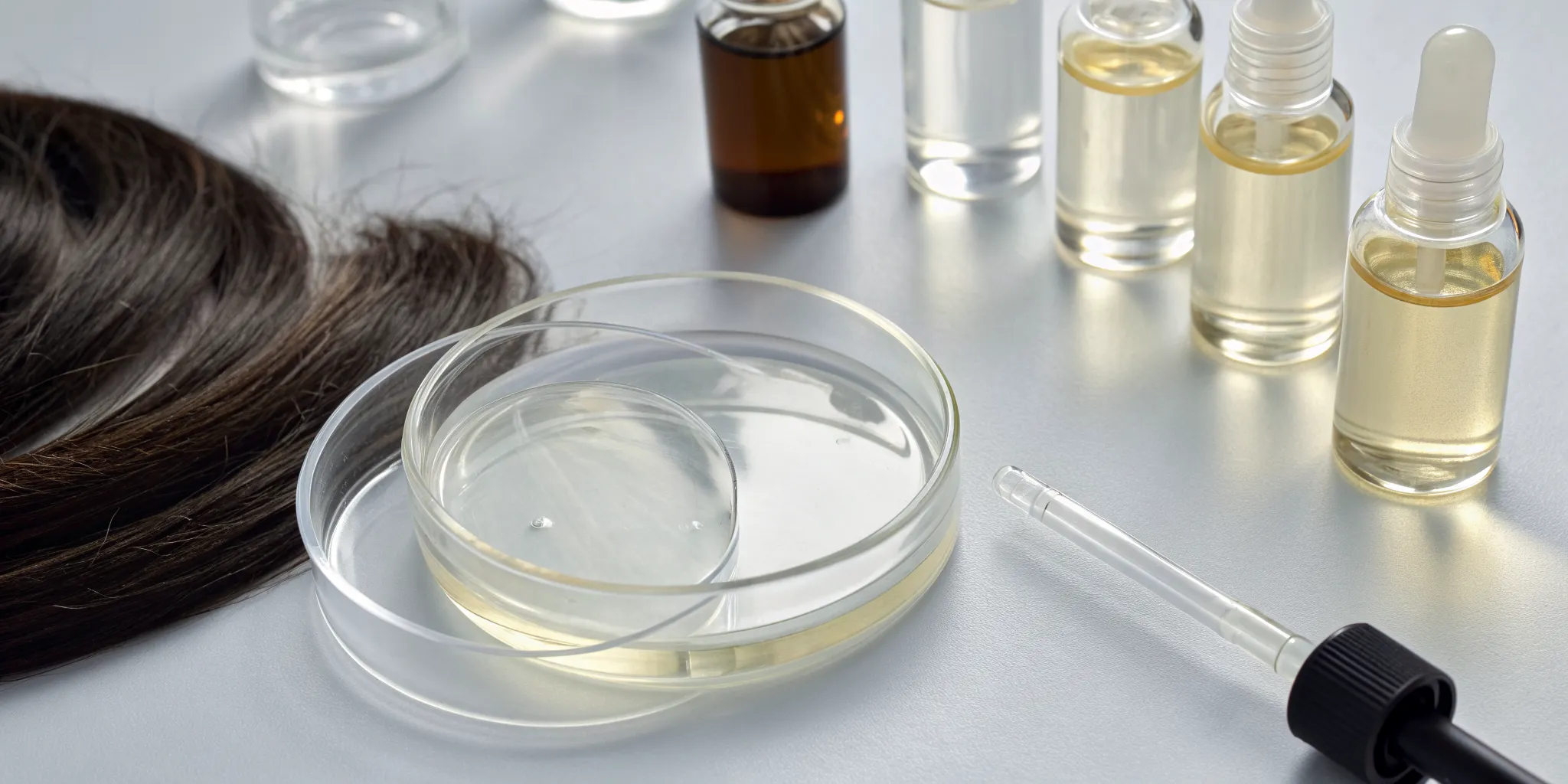
As a clinic at the forefront of regenerative therapies, we see our role as more than just providing treatments; it’s about being a trusted resource for our community. We talk to people every day who are excited by the potential of stem cells but held back by conflicting information they’ve seen online. These widespread regenerative medicine misconceptions can prevent people from exploring a solution that could genuinely change their lives. We want to clear the air. This article is our commitment to education, offering a fact-based look at stem cell therapy to help you understand the real science behind this transformative approach to healing.
Stem cells are revolutionizing medicine, promising treatments for previously incurable conditions. Yet, as with any groundbreaking approach, misconceptions abound. Miami Stem Cell, a vanguard in stem cell treatments, is committed not just to offering top-tier therapies but also to educating the public. Let’s unravel five prevalent myths surrounding stem cell therapy.
-
Myth: Stem Cell Therapies are Unsafe
Reality: Stem cell therapies are generally considered safe when carried out by experts adhering to health safety guidelines. While every medical procedure comes with inherent risks, adverse reactions from stem cell injections are infrequent. At Miami Stem Cell, rigorous adherence to safety protocols minimizes potential complications.
Reality: While embryonic stem cells are indeed a source, they’re not the sole one. Additionally, stem cells can be emanated from adult tissues, umbilical cord blood, and other sources. Adult stem cells, for example, can be harvested from one’s own bone marrow or fat tissue, ensuring a match and reducing rejection risks.
-
Myth: Stem Cell Therapy can Treat Any Disease
Reality: While stem cells hold immense therapeutic potential, they’re not a cure-all. Furthermore, their application depends on the disease type, the stem cells used, and the patient’s condition. Nonetheless, the list of treatable conditions is expanding as research progresses.
-
Myth: Stem Cell Treatments Always Work
Reality: Stem cell Miami treatments have shown remarkable results in many cases. However, as with any treatment, efficacy can vary based on individual factors. Proper patient selection, accurate diagnosis, and expert application are crucial for optimal outcomes. Miami Stem Cell ensures a comprehensive evaluation before recommending any treatment.
-
Myth: There’s No Scientific Backing for Stem Cell Therapies
Reality: This couldn’t be farther from the truth. Numerous peer-reviewed studies and clinical trials have delved into stem cell therapy’s efficacy across various conditions. While it’s a relatively newer field, the body of supporting evidence is robust and growing.
Clarifying the Terminology in Regenerative Medicine
The world of regenerative medicine is filled with specific terms that can sound confusingly similar. Understanding the key differences is the first step toward making an informed decision about your health. When you can clearly distinguish between different treatments and cell sources, you can better understand which approach is right for your unique situation. Let’s break down some of the most common terms you’ll encounter so you can feel confident in the conversations you have with your healthcare provider about your treatment options and long-term wellness goals.
Stem Cell Therapy vs. Platelet-Rich Plasma (PRP)
People often use “stem cell therapy” and “PRP” interchangeably, but they are two distinct treatments with different mechanisms. PRP therapy uses a concentration of your own blood platelets, which are rich in growth factors. Think of it as giving your body’s natural healing process a concentrated push to accelerate recovery, making it a great option for inflammation or smaller-scale injuries. In contrast, stem cell therapies introduce powerful, versatile cells that can directly repair and even regrow damaged tissue. This makes them particularly suited for addressing more significant, chronic conditions where simple repair isn’t enough and true regeneration is needed.
Understanding Stem Cell Sources: Autologous vs. Allogeneic
When discussing stem cells, you’ll hear the terms “autologous” and “allogeneic.” Autologous treatments use cells harvested from your own body, typically from fat tissue or bone marrow. Because the cells are yours, there is virtually no risk of rejection. Allogeneic treatments use cells from a carefully screened donor. At Miami Stem Cell, we specialize in using allogeneic, umbilical cord-derived mesenchymal stem cells (MSCs). These cells are sourced from the umbilical cords of healthy, full-term births, which is an ethical, non-invasive process. These young, vibrant cells have powerful regenerative capabilities and are processed in a lab to ensure they are safe and compliant with strict FDA guidelines, offering a potent therapeutic without requiring a harvesting procedure from you.
Who Can Benefit from Regenerative Medicine?
One of the biggest questions surrounding regenerative medicine is, “Is this right for me?” While every person’s situation is unique, the applications are broader than you might think. It’s not a one-size-fits-all solution, but it offers hope and healing for a wide range of individuals looking for alternatives to conventional treatments. The goal is to harness your body’s own healing capabilities to repair damage and reduce pain, making it a powerful option for those who feel like they’ve run out of options or want to avoid more invasive procedures. Understanding if you’re a good candidate starts with looking at your specific health challenges and goals.
Ideal Candidates for Treatment
If you’re dealing with persistent joint pain, arthritis, or soft tissue injuries that just won’t heal, you could be an ideal candidate for regenerative medicine. Many people who seek these therapies have already tried other treatments—like physical therapy, steroid injections, or pain medications—without finding lasting relief. They are often looking for a way to avoid major surgery and the lengthy recovery that comes with it. The focus of regenerative medicine is to manage pain by addressing the underlying cause of the issue, making it a proactive choice for individuals who want to restore function and improve their quality of life, not just mask symptoms.
Not Just for Athletes or the Elderly
While it’s true that professional athletes and older adults often turn to regenerative medicine for injuries and age-related wear and tear, these treatments are for everyday people, too. You don’t have to be a marathon runner to experience debilitating knee pain or a senior citizen to suffer from chronic back issues. These therapies help people from all walks of life who are dealing with the effects of an old injury, a degenerative condition, or simply the physical demands of their job or lifestyle. The aim is to help anyone seeking to regain mobility and live without constant pain.
Common Conditions Treated
Regenerative medicine is most commonly used to address musculoskeletal issues, helping with pain in joints, bones, and soft tissues like muscles and tendons. This includes some of the most frequent complaints that send people to the doctor, such as chronic knee pain, nagging back pain, tendon injuries from overuse, and degenerative conditions. For many, it offers a promising, non-surgical path to relief from the daily discomfort of arthritis, allowing them to return to the activities they love with greater comfort and ease.
The Patient Experience and Key Benefits
Deciding to pursue a new type of treatment can feel intimidating, but the patient experience with regenerative medicine is typically straightforward and minimally invasive. Unlike major surgery, these procedures are performed in an outpatient setting, meaning you can go home the same day. The process is designed to be as comfortable as possible while focusing on a significant long-term benefit: healing from within. Understanding what to expect during the procedure and the advantages it offers can help you make an informed decision about your health and wellness journey.
Is the Procedure Painful?
Most people are pleasantly surprised by how manageable the procedure is. The treatments are minor, and your comfort is a top priority. To ensure this, doctors use a local anesthetic to numb the treatment area, so you should feel little to no pain during the injection itself. It’s common to experience some mild soreness, similar to what you might feel after a strenuous workout, for a few days following the procedure. This is a normal part of the body’s inflammatory response as the healing process begins. You can find answers to more specific questions on our FAQ page.
Benefits Compared to Traditional Surgery
For many, the primary benefit of regenerative medicine is that it’s not surgery. This means the procedures are far less invasive, which significantly reduces both risk and recovery time. While surgery often requires weeks or even months of downtime, most people can resume their normal activities within a few days of receiving a regenerative treatment. More importantly, these therapies aim to fix the root cause of your pain. Instead of just removing damaged tissue or replacing a joint, stem cell therapies work to repair it, offering the potential for lasting relief.
Addressing the Root Cause of Pain
Pain medications and steroid injections can provide temporary relief, but they often act like a bandage, covering up the symptoms without fixing the underlying problem. Regenerative medicine takes a different approach. By introducing powerful healing agents like stem cells and exosomes directly to the injured area, these treatments help reduce inflammation and stimulate your body’s natural ability to repair and regenerate damaged tissue. This focus on long-term recovery, rather than short-term symptom management, is what sets regenerative medicine apart as a forward-thinking solution for chronic pain and injury.
Setting Realistic Expectations for Treatment
One of the most important parts of any health journey is understanding what to expect. Regenerative medicine is an incredible field, but it’s not magic. These treatments work by supporting your body’s own ability to repair and regenerate tissue, a process that requires both time and a personalized approach. Unlike a quick-fix pill, stem cell therapy is a partnership between advanced science and your body’s natural healing timeline. Going into treatment with a clear and realistic mindset is the first step toward a successful outcome. It allows you to appreciate the gradual progress and stay committed to your long-term wellness goals, whether that’s getting back on the tennis court or simply moving through your day without pain.
The Timeline for Results
Patience is key when it comes to regenerative medicine. Because these treatments are designed to help your body repair itself, improvements tend to happen gradually over weeks or even months, not overnight. The stem cells and growth factors need time to signal your native cells, reduce inflammation, and begin rebuilding damaged tissue. Some patients report feeling initial relief from reduced inflammation within a few weeks, but the more significant, structural healing takes longer. For conditions like joint degeneration, you might notice steady improvements in pain and function over a period of three to six months as your body continues its restorative work. This gradual process is a sign that true, foundational healing is taking place.
How Many Treatments Are Needed?
It’s a common question, but the answer isn’t one-size-fits-all. Regenerative therapy is rarely a single-shot solution. The number of treatments you might need depends entirely on your unique situation, including your age, overall health, and the severity of your condition. A younger person with a recent sports injury might respond more quickly than someone with long-term, chronic arthritis. At Miami Stem Cell, we create a personalized treatment protocol for every patient. After a thorough evaluation, we can recommend a plan that might involve one or several sessions spaced out over time to achieve the best possible results. This tailored approach ensures your body gets the support it needs to heal effectively.
Understanding Success Rates
While success stories are common, it’s important to understand that results can vary. For certain joint issues, studies and clinical experience show that success rates can be as high as 75% to 90% when patients follow their recommended care plan. However, “success” looks different for everyone. For one person, it might mean avoiding a joint replacement surgery; for another, it could be a significant reduction in daily pain that allows them to be more active. Factors like the specific condition being treated and your body’s individual healing capacity play a huge role. You can see what success has looked like for some of our patients by reading their testimonials, which often highlight the profound impact on their quality of life.
Understanding Side Effects and Applications
Common side effects wrongfully associated with stem cell therapy often stem from misinformation. Typical side effects, if any, are mild and transient, like pain at the injection site or temporary swelling. These are often short-lived and manageable. Furthermore, in terms of applications, stem cells have shown promise in treating conditions ranging from osteoarthritis to certain heart diseases and neurological disorders. Their versatility in medical applications is one of the reasons they’re at the forefront of regenerative medicine.
Prioritizing Safety at Miami Stem Cell
Health safety guidelines are paramount when it comes to any medical procedure. Miami Stem Cell emphasizes this aspect fiercely. Additionally, we adhere to strict protocols, use state-of-the-art equipment, and rely on our experienced professionals. This way we ensure that patients receive the potential benefits of stem cell therapy in the safest environment possible.
Final Thoughts
Stem cell therapy is undeniably reshaping the future of medicine. While we should approach it with the optimism it deserves, it’s equally vital to be well-informed. By debunking myths, we can appreciate the true potential of stem cells and make educated decisions. For those eager to explore stem cell therapy’s transformative potential or simply to separate fact from fiction, Miami Stem Cell stands ready to guide and inform. Contact Miami Stem Cell for a free consultation. Let’s illuminate the path to wellness together.
Frequently Asked Questions
I’ve heard about PRP. Is stem cell therapy the same thing? That’s a great question, as they’re often mentioned together. While both are regenerative treatments, they work differently. PRP therapy uses a concentration of platelets from your own blood to send a powerful signal to your body to speed up its natural healing process. Think of it as amplifying your body’s existing repair crew. Stem cell therapy, on the other hand, introduces new, potent cells that can directly repair and even regrow damaged tissue, making it a more foundational approach for significant or chronic conditions.
You use cells from a donor. Is there a risk my body will reject them? This is a very important and common concern. The specific cells we use, which come from ethically sourced umbilical cords, are unique because they are “immune privileged.” This means they don’t have the markers that would typically cause your immune system to identify them as foreign and attack them. Because of this special property, they can go to work repairing tissue without the risk of rejection you might see with other types of transplants.
How quickly can I expect to see results from the treatment? Because this therapy works by supporting your body’s own repair cycle, results appear gradually. It’s not an overnight fix. Some people notice a decrease in inflammation and pain within a few weeks, but the more significant, structural healing happens over time. It’s common to see continued improvement for three to six months as the cells integrate and help rebuild damaged tissue from the inside out.
Will I need more than one treatment? The answer really depends on you and your specific situation. For some acute injuries, one treatment might be enough to get the healing process on track. However, for more chronic or degenerative conditions like arthritis, a series of treatments may be recommended to achieve the best possible outcome. We create a personalized plan for every patient based on their health, the severity of their condition, and their long-term goals.
Is stem cell therapy covered by insurance? Currently, most insurance providers consider regenerative medicine to be an elective procedure, so it is typically not covered. We understand that this is a significant investment in your health. We are always transparent about costs and can discuss all of your options with you during your consultation to help you make the best decision for your wellness journey.
Key Takeaways
- Get Clear on the Facts: Regenerative medicine is a powerful, science-backed field, but it’s crucial to separate proven therapies from common myths. True success comes from expert application and understanding that it’s not a one-size-fits-all cure.
- Embrace the Healing Timeline: These treatments support your body’s natural repair process, which takes time. Expect gradual improvements over weeks and months, as true healing happens from the inside out, not overnight.
- Aim for Root-Cause Repair: Unlike surgery or medications that often just manage symptoms, regenerative medicine works to fix the underlying problem. The goal is to help your body repair damaged tissue for lasting relief and improved function.
Related Articles
- Debunking Stem Cell Therapy Myths: 5 Facts You Need to Know – Stem Cell Therapy | Miami Stem Cell
- Is There a Downside to Stem Cell Therapy? | Miami Stem Cell
- Stem Cell Therapy & Regenerative Medicine in Miami | Miami Stem Cell
- Stem Cell Treatment News, Tips & Patient Stories | Miami Stem Cell