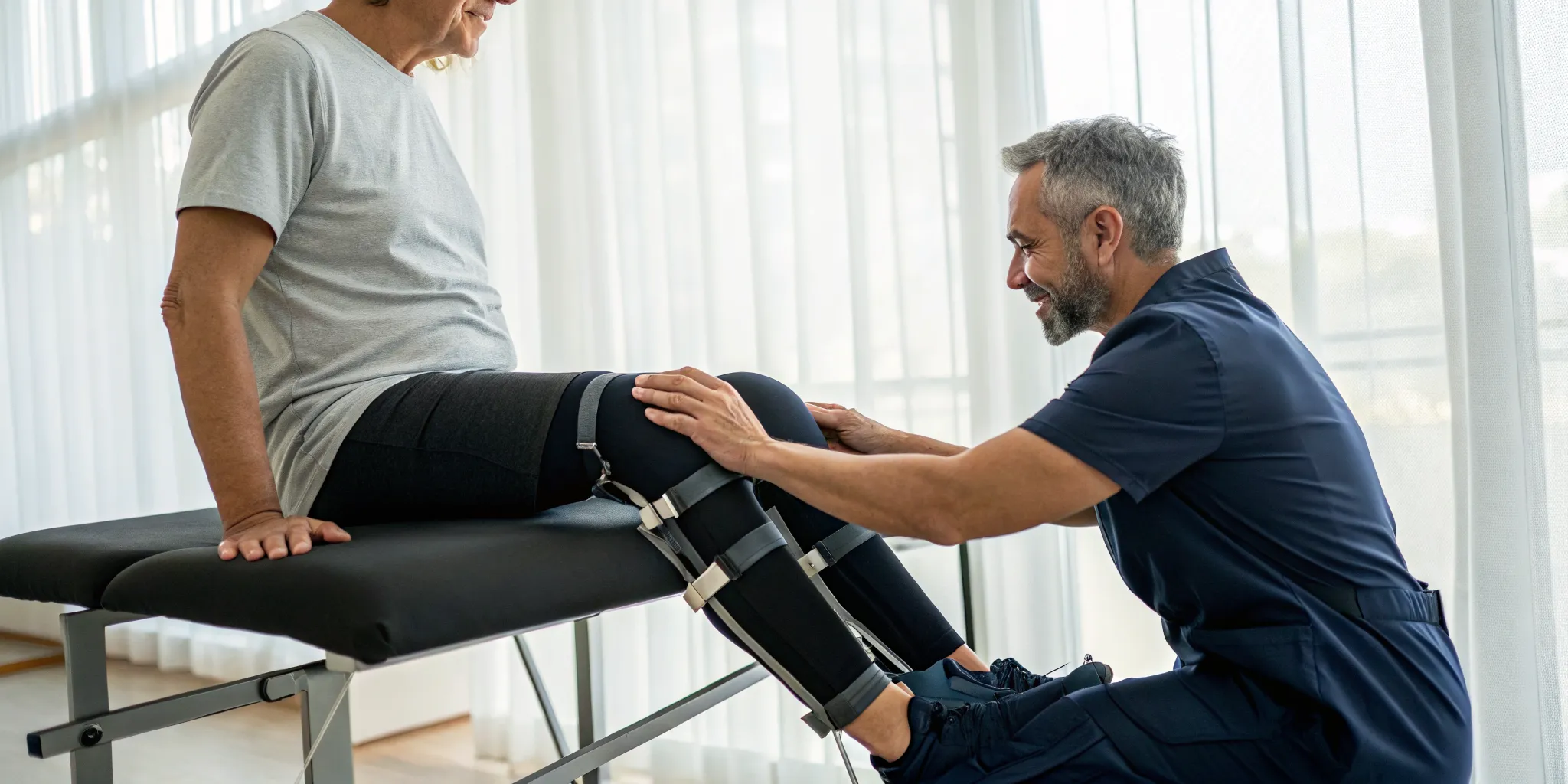
The term “bone-on-bone” describes a simple mechanical problem: the loss of cartilage, the natural cushion in your knee joint. For years, the primary solutions were to either mask the pain with injections or replace the joint entirely. Today, we have a much deeper understanding of how to support the body’s own repair mechanisms. Regenerative medicine offers a different approach, one that aims to reduce inflammation and encourage tissue repair at a cellular level. Instead of just managing symptoms, these therapies create an environment where your joint can begin to heal. Let’s look at what helps bone on bone knee pain without surgery by exploring these science-backed, non-invasive treatments.
Key Takeaways
- Pinpoint the problem for effective relief: Bone-on-bone pain results from lost cartilage, leading to symptoms like deep aches, stiffness, and grinding. Identifying these specific signs early helps you seek targeted, non-surgical treatments that address the actual cause of your discomfort.
- Explore non-surgical treatments for genuine healing: You have many powerful alternatives to surgery for knee pain. Regenerative options like stem cell therapy and PRP injections focus on repairing damaged tissue and reducing inflammation, aiming for long-term improvement instead of just temporary symptom relief.
- Support your treatment with smart lifestyle choices: Your daily habits directly impact your joint health and the success of your treatment. Simple changes like managing your weight, eating anti-inflammatory foods, and choosing low-impact exercises can significantly reduce knee strain and complement the healing process.
What Is Bone-on-Bone Knee Pain?
If you’re dealing with a deep, persistent ache in your knee, you might have heard the term “bone-on-bone.” This isn’t just a saying; it describes what happens when the protective cartilage in your knee joint wears away, usually due to advanced osteoarthritis. Cartilage acts as a smooth, slippery cushion that allows your bones to glide past each other without friction. When it’s gone, the bones of your thigh and shin can rub directly against one another.
This direct contact is what causes the significant pain, stiffness, swelling, and sometimes a grinding or clicking sound when you move. It can make simple activities like walking, climbing stairs, or even just standing up feel like a major challenge. Understanding what’s happening inside your joint is the first step toward finding effective relief and getting back to the life you want to live, without resorting to surgery. Many people find significant improvement through non-surgical joint regeneration therapies that address the root cause of the problem.
How Cartilage Breaks Down
Think of the cartilage in your knee like the tread on a tire. Over time and with constant use, it naturally starts to wear down. This gradual deterioration is the hallmark of osteoarthritis, the most common form of arthritis. As the cartilage thins and becomes rougher, the smooth gliding motion of the joint is lost. Eventually, enough cartilage can wear away that it leaves the underlying bone exposed. This process doesn’t happen overnight; it’s a slow breakdown that can be accelerated by several factors, including past injuries, excess body weight, and even genetics. The goal of regenerative treatments is to intervene in this cycle and support the body’s natural healing processes.
The Main Causes of Bone-on-Bone Contact
The direct cause of bone-on-bone contact is the complete loss of articular cartilage in a specific area of the knee joint. While osteoarthritis is the primary driver, the condition is often fueled by a combination of factors. A significant knee injury from years ago, like a torn meniscus or ACL, can create instability that speeds up cartilage wear. Chronic inflammation in the body can also contribute to the breakdown of joint tissues. Repetitive stress from certain jobs or high-impact sports can place excessive strain on the knees over many years. This gradual wear and tear eventually leads to the painful friction that defines bone-on-bone knee pain.
Risk Factors That Worsen Joint Damage
Several factors can increase your risk of developing severe knee osteoarthritis and the resulting joint damage. Age is a primary factor, as cartilage naturally becomes more brittle and less able to repair itself over time. Genetics can also play a role, meaning you might be more susceptible if your parents had joint issues. However, one of the most significant and controllable risk factors is body weight. Every extra pound of body weight adds about four pounds of pressure to your knees with each step. Over time, this added stress can dramatically accelerate cartilage breakdown. Addressing these risk factors is a key part of any effective pain management plan.
What Are the Warning Signs of Bone-on-Bone Knee Pain?
Recognizing the early signs of advanced knee joint damage is the first step toward finding relief. When the cartilage in your knee wears down, your body sends out clear signals that something is wrong. Paying attention to these symptoms can help you address the issue before it becomes more severe, opening the door to effective non-surgical treatments that can get you back to your life. Ignoring them, however, can lead to worsening pain and limited mobility. Let’s walk through the specific physical symptoms, changes in movement, and pain patterns that indicate you might be dealing with bone-on-bone knee pain.
Physical Symptoms to Look For
The most obvious signs of bone-on-bone knee pain are physical. You might notice a persistent, deep ache in your knee that doesn’t seem to go away. Stiffness is another major clue, especially when you first wake up or after sitting for a long time. Many people also experience noticeable swelling around the joint. One of the most distinct symptoms is a grinding, popping, or cracking sound when you bend your knee. This happens because the smooth cartilage that once cushioned the joint is gone, leaving the bones to rub directly against each other. These symptoms are your body’s way of telling you it’s time to look into joint regeneration options.
How Your Movement Might Change
As knee pain and stiffness progress, you’ll likely notice changes in how you move. Simple activities like walking, climbing stairs, or getting up from a chair can become difficult and painful. You might find yourself avoiding certain movements or developing a limp to compensate. While it’s natural to want to rest a painful joint, a lack of movement can actually make things worse by depriving the remaining cartilage of essential nutrients. It’s a frustrating cycle, but it’s important to know there are ways to improve your mobility. A specialist can help you find a pain management strategy that allows for gentle, beneficial movement.
When Pain Signals Advanced Joint Damage
If your knee pain is constant and interferes with your daily life, it’s a strong indicator of advanced joint damage. This isn’t something to ignore or just “power through.” Getting an accurate diagnosis early on is crucial for managing your symptoms and slowing cartilage loss. Factors like past injuries, excess body weight, and joint misalignment can all contribute to how quickly the damage worsens. When you experience persistent pain, swelling, and stiffness, it’s time to consult a professional. A regenerative medicine specialist can create a personalized treatment plan to address the root cause of your pain and help your body heal naturally. You can contact us to schedule a consultation and learn more.
How Can You Treat Knee Pain Without Surgery?
If you’re dealing with bone-on-bone knee pain, you might think surgery is your only path forward. The good news is that several effective, non-surgical treatments can help manage pain, reduce inflammation, and improve your joint function. These approaches range from cutting-edge regenerative therapies to established injection-based treatments, offering you a variety of options to find relief and get back to the activities you love without going under the knife. Exploring these alternatives with a specialist can help you create a personalized plan that addresses the root cause of your pain and supports your body’s natural healing process.
Regenerative Medicine Therapies
Regenerative medicine is an exciting field that focuses on harnessing your body’s own ability to heal itself. Instead of just masking symptoms, these therapies aim to repair and regenerate damaged tissues, like the cartilage in your knee. At Miami Stem Cell, we specialize in non-surgical treatments for joint degeneration that address the underlying cause of your pain. By stimulating tissue repair and reducing inflammation, regenerative approaches can offer lasting relief and help restore function to your knee joint. This strategy is all about working with your body to promote genuine healing from within, helping you regain mobility and improve your quality of life.
Stem Cell and Exosome Therapy
One of the most advanced regenerative treatments involves using mesenchymal stem cells (MSCs) and exosomes. We use umbilical cord-derived MSCs that are administered through FDA-compliant protocols. These powerful cells can help reduce inflammation, regulate your immune response, and signal your body to repair damaged cartilage in the knee. Exosomes are tiny vesicles that act like messengers, carrying growth factors and proteins that support the regenerative process. When combined, stem cells and exosomes create a powerful therapy that encourages your knee joint to heal naturally, offering a promising alternative to invasive surgery for chronic knee pain.
Platelet-Rich Plasma (PRP) Therapy
Platelet-Rich Plasma (PRP) therapy is another effective regenerative treatment that uses your body’s own healing components. The process is straightforward: a small sample of your blood is drawn and spun in a centrifuge to concentrate the platelets. This platelet-rich plasma, full of growth factors, is then injected directly into your knee joint. These growth factors signal your body to begin the repair process, reducing inflammation and promoting the healing of damaged tissues. PRP therapy is a safe and minimally invasive option that can help decrease pain and improve knee function by amplifying your natural healing response.
Viscosupplementation and Hyaluronic Acid Injections
Think of viscosupplementation as adding lubricant to a rusty hinge. This treatment involves injecting hyaluronic acid, a gel-like substance that your body produces naturally, directly into the knee joint. Hyaluronic acid helps cushion the bones and provides lubrication, allowing the joint to move more smoothly and with less pain. For people with osteoarthritis, the natural hyaluronic acid in their knee has thinned out. These injections help restore that cushion and can act as a shock absorber, providing pain relief that can last for several months. It’s a great way to improve mobility while you explore other long-term solutions.
Corticosteroid Injections
Corticosteroid injections, often called cortisone shots, are a common treatment for quickly reducing inflammation and pain in the knee. A doctor injects a powerful anti-inflammatory medication directly into the joint, providing rapid relief that can last from a few weeks to several months. While they are very effective for managing flare-ups, they are generally considered a temporary fix. Cortisone shots can help you get through a particularly painful period or allow you to participate in physical therapy more comfortably. They are often used as part of a broader pain management plan that includes long-term strategies for joint health.
Genicular Artery Embolization
Genicular artery embolization (GAE) is a newer, minimally invasive procedure for chronic knee pain, particularly from osteoarthritis. During GAE, a specialist injects microscopic beads into specific arteries around the knee that supply blood to the inflamed joint lining. This process reduces blood flow to the inflamed areas, which in turn decreases the inflammation and pain signals. It’s a targeted approach that offers relief without affecting the healthy parts of your knee. GAE is a promising option for those who haven’t found success with other non-surgical treatments and want to avoid a knee replacement.
How Can Lifestyle Changes Reduce Knee Pain?
While advanced treatments can address the root cause of joint damage, the daily choices you make play a huge role in managing knee pain and supporting your body’s healing process. Think of these lifestyle adjustments as powerful tools you can use every day to reduce stress on your joints, decrease inflammation, and improve your overall quality of life. Combining these habits with a professional pain management plan creates a comprehensive approach to finding lasting relief. These practical steps can help you feel more in control of your health and complement the regenerative therapies you may be considering. By focusing on these key areas, you can actively participate in your own recovery and build a stronger foundation for long-term joint health.
Manage Your Weight for Joint Relief
Your knees bear a significant amount of force with every step you take, and that force multiplies when you walk, climb stairs, or run. Extra body weight adds even more pressure to these hard-working joints. The good news is that even a small amount of weight loss can make a massive difference. Research shows that losing just a few pounds can reduce the load on your knee by 20 pounds or more. This simple change can decrease daily wear and tear, lessen pain, and slow the progression of joint damage. Focusing on a healthy weight is one of the most effective things you can do to protect your knees for the long haul.
Adopt an Anti-Inflammatory Diet
The food you eat can either contribute to inflammation or help fight it. For conditions like arthritis, where inflammation is a primary source of pain and stiffness, your diet is a critical part of your management plan. Eating well can help keep your cartilage healthy and reduce swelling. Try to build your meals around anti-inflammatory foods like fatty fish (salmon, mackerel), leafy greens (spinach, kale), berries, nuts, and olive oil. At the same time, it helps to limit pro-inflammatory items like processed foods, sugary drinks, and refined carbohydrates. This isn’t about a restrictive diet; it’s about making smart swaps that nourish your joints from the inside out.
Try These Low-Impact Exercises
When your knees hurt, the last thing you might want to do is exercise. However, the right kind of movement is essential for joint health. High-impact activities like running can be jarring, but low-impact exercises are perfect for building strength without stressing your knees. Activities like swimming, cycling, and walking build up the muscles that support your knee joint, which takes pressure off the bone-on-bone contact area. Regular, gentle movement also improves flexibility, reduces stiffness, and helps circulate the synovial fluid that lubricates the joint. Start slow and listen to your body, gradually increasing your activity as you get stronger.
Use Hot and Cold Therapy
Hot and cold therapy is a simple, effective, and inexpensive way to manage knee pain at home. The two methods work differently, so it’s helpful to know when to use each one. Cold therapy, like applying an ice pack or a bag of frozen vegetables wrapped in a towel, is best for acute pain and swelling. It works by constricting blood vessels, which can numb sharp pain and reduce inflammation. Heat therapy, using a heating pad or a warm, damp towel, is ideal for chronic stiffness and muscle soreness. Heat increases blood flow to the area, which helps relax tight muscles and soothe aching joints.
Choose Supportive Footwear and Devices
The foundation of your body starts at your feet. If your feet aren’t properly aligned or supported, it can create a chain reaction of stress that travels right up to your knees. Wearing supportive shoes with good cushioning and arch support can absorb shock and promote better alignment, reducing the strain on your knee joints. For some people, custom shoe inserts (orthotics) can correct foot issues that place uneven stress on the knees. You might also find that a knee brace or compression sleeve provides extra stability and confidence, especially during physical activity. These simple tools can make a noticeable difference in your daily comfort and support your joint regeneration goals.
How Physical Therapy Helps Manage Knee Pain
Physical therapy is a cornerstone of managing bone-on-bone knee pain without surgery. It’s a proactive approach that focuses on improving strength, flexibility, and movement patterns to reduce strain on your knee joint. A skilled physical therapist acts as your personal coach, creating a customized plan that helps you regain function and reduce pain. When combined with regenerative treatments, physical therapy can significantly improve your quality of life and help you get back to the activities you love. It’s about empowering you with the tools to support your body’s healing process.
Strengthen Muscles to Support Your Joints
Think of the muscles around your knee, like your quadriceps and hamstrings, as a natural brace. When these muscles are strong, they absorb shock and stabilize the joint, taking a significant amount of pressure off the damaged cartilage and bone. A physical therapist will guide you through targeted exercises designed to build this muscular support system safely, without aggravating your pain. This focused strengthening not only eases discomfort but also helps you move with more confidence and avoid further injury.
Improve Your Range of Motion and Flexibility
Bone-on-bone pain often brings frustrating stiffness that can make simple movements feel like a major challenge. Physical therapy directly tackles this issue with gentle stretches and exercises that improve your knee’s ability to bend and straighten. A therapist creates a personalized plan to gradually and safely increase your flexibility over time. This improved range of motion can make a huge difference in your daily life, allowing you to walk, climb stairs, and get out of a chair with much less pain.
Explore Manual and Aquatic Therapy
Your physical therapy plan can include more than just traditional exercises. Many therapists use manual therapy, which involves hands-on techniques to gently mobilize the knee joint and surrounding soft tissues to reduce stiffness and pain. Another excellent option is aquatic therapy. The natural buoyancy of water supports your body weight, which dramatically reduces the load on your knees. This unique environment allows you to perform gentle movements and strengthening exercises that might be too difficult or painful to attempt on land.
Why Consistency Is Key
Physical therapy is an investment in your long-term joint health, not a quick fix. While a formal treatment plan may last a few months, the most significant benefits come from making the exercises a regular part of your routine. Lasting relief depends on your commitment to the program, especially the exercises you continue to do at home. Consistently building strength and maintaining flexibility is what provides sustainable pain management and makes physical therapy one of the most effective alternatives to knee replacement surgery available.
Common Myths About Physical Therapy
One of the biggest myths about physical therapy is that it’s only for post-surgery recovery. In truth, it’s one of the most powerful strategies for preventing surgery in the first place. Some people also worry that it will be too painful. However, a good therapist will always tailor your program to your specific pain levels and goals, challenging you just enough to make progress without causing a flare-up. It’s crucial to understand that many effective treatments for knee pain are non-surgical, and physical therapy is a proactive, personalized approach to managing pain on your own terms.
Finding the Right Treatment Plan for You
Figuring out the best way to manage bone-on-bone knee pain is a personal process. There isn’t a single solution that works for everyone, which is why a customized approach is so important. The most successful strategies often combine different therapies to address your pain from multiple angles, helping you build a sustainable plan for long-term relief and improved mobility. It all starts with understanding your options and working with a professional to tailor a plan that fits your specific needs and lifestyle.
Combining Non-Surgical Therapies
The most effective way to manage knee pain without surgery is often by layering different treatments. Think of it as building a comprehensive support system for your joints. For instance, advanced regenerative medicine therapies that encourage new cartilage growth can be paired with physical therapy to strengthen the surrounding muscles. This combination addresses both the root cause of the pain and the biomechanical issues contributing to it.
By integrating treatments like stem cell therapy with lifestyle changes, such as an anti-inflammatory diet, you create a powerful, multi-faceted approach. This strategy doesn’t just mask the pain; it aims to reduce inflammation, support tissue repair, and improve overall joint function for lasting results.
Create Your Personalized Pain Management Plan
Taking action early is key to managing symptoms and preventing further damage to your knee. A personalized pain management plan is your roadmap to relief, designed specifically around your body and your goals. A specialist will consider factors like your age, activity level, the severity of your joint damage, and your overall health to create a strategy that makes sense for you.
This isn’t about a quick fix. It’s about developing a complete approach that may include regenerative treatments, targeted exercises, and specific dietary recommendations. Your personalized plan provides a clear, actionable path forward, empowering you to take control of your knee pain and work toward a more active, comfortable life.
Work with a Regenerative Medicine Specialist
To truly understand your non-surgical options, it’s best to work with a specialist in regenerative medicine. These experts can accurately diagnose the cause of your knee pain and determine if you are a good candidate for advanced treatments. At Miami Stem Cell, our team specializes in non-surgical therapies for joint degeneration, including bone-on-bone knee pain, using umbilical cord-derived mesenchymal stem cells and exosomes.
A qualified specialist will guide you through the science-backed protocols and ensure your treatment is both safe and effective. They will answer your questions, explain the process, and partner with you to build a plan that aligns with your health objectives.
What to Expect from Your Treatment Timeline
Patience is an important part of the healing process. Regenerative therapies work by supporting your body’s natural ability to repair itself, and that takes time. Unlike steroid injections that offer quick but temporary relief, the goal here is long-term improvement, with results appearing gradually over weeks and months.
After your procedure, following a dedicated rehabilitation plan is crucial for a successful outcome. Your specialist will likely recommend physical therapy and specific home exercises to restore strength and mobility. Depending on the treatment, you might need to use crutches for a period to protect the joint as it heals. Your care team will provide a clear timeline and schedule follow-up appointments to monitor your progress every step of the way. You can find answers to more questions on our FAQs page.
Related Articles
- How to Avoid Knee Replacement for Bone on Bone Pain
- Avoid Surgery: Bone on Bone Knee Replacement Alternatives
- Knee Replacement Alternatives: Non-Surgical Options
- 7 Alternatives to Knee Replacement Surgery
- Regenerative Therapy for Knee Arthritis: A Full Guide
Frequently Asked Questions
How do I know if I’m a good candidate for regenerative treatments like stem cell therapy? The best way to find out is to schedule a consultation with a specialist. Generally, these treatments are a great option for people who want to avoid surgery and are looking for a solution that addresses the root cause of their joint pain. A specialist will review your medical history, assess the condition of your knee, and discuss your personal goals to determine if a regenerative approach is the right fit for you.
Are regenerative treatments like stem cell or PRP therapy painful? Most people experience very little discomfort during these procedures. The process is minimally invasive and involves injections, not surgery. A local anesthetic is used to numb the area completely, so you should only feel a bit of pressure. You might have some mild soreness at the injection site for a day or two afterward, similar to what you’d feel after a routine shot.
How long does it take to feel relief after a regenerative knee treatment? This isn’t an overnight fix, because these therapies work by supporting your body’s natural, gradual healing process. Some people start to notice a decrease in pain and inflammation within a few weeks, but the most significant improvements typically develop over two to three months as your tissues continue to repair and regenerate.
Can I still exercise with bone-on-bone knee pain? Yes, and you absolutely should. The key is to choose the right kind of exercise. Low-impact activities like swimming, cycling, or using an elliptical machine are excellent because they strengthen the muscles that support your knee without putting stress on the joint itself. A physical therapist can help you create a safe and effective routine that improves your strength and flexibility.
What’s the main difference between a cortisone shot and a regenerative treatment? Think of a cortisone shot as a powerful, short-term tool. It’s very effective at quickly reducing severe inflammation and pain, but the effects are temporary and it doesn’t repair the underlying joint damage. Regenerative treatments, on the other hand, are designed to be a long-term solution. They work by signaling your body to repair damaged tissue and reduce inflammation naturally, addressing the root cause of the pain for more sustainable results.