Stem Cell Therapy for Back Pain Reviews: Is It For You?

Stem Cell Therapy for Back Pain Reviews: Is It For You?

Regenerative medicine is a field full of exciting possibilities, but it can also be surrounded by hype. When it comes to your health, you need clear facts, not vague promises. Stem cell therapy isn’t a miracle cure; it’s a sophisticated medical procedure that uses your body’s own healing mechanisms to repair tissue and reduce inflammation at the source of your pain. The varied stem cell therapy for back pain reviews you find online often reflect the wide range of conditions and treatment qualities available. Here, we’ll cut through the noise and provide a straightforward, science-backed look at how it works, who it helps most, and the critical importance of choosing a provider that adheres to strict FDA guidelines.

Book Appointment CTA

Key Takeaways

What Is Stem Cell Therapy for Back Pain?

If you’re dealing with chronic back pain, you’ve likely tried a lot of things: physical therapy, pain medication, and maybe even steroid injections. When those treatments only offer temporary relief or don’t work at all, it can feel like surgery is your only option left. Stem cell therapy offers a different path. It’s a form of regenerative medicine that uses your body’s own healing potential to repair damaged tissues in the spine. This approach addresses the source of the pain instead of just covering up the symptoms, aiming to restore function and provide lasting relief by helping to rebuild what’s been worn down by injury or time.

How Stem Cells Help Your Body Heal

Think of stem cells as your body’s master repair crew. They have a unique ability to identify areas of injury and inflammation. When introduced into an area like the lower back, these cells get to work. They release powerful signals, including growth factors and anti-inflammatory proteins, that orchestrate the healing process. This signaling function is key; it helps calm the inflammation that causes so much pain and encourages your own cells to start rebuilding damaged tissues, like the cartilage in your spinal discs. It’s a proactive approach that supports your body’s natural ability to heal and regenerate.

Which Stem Cells Are Used for Back Pain?

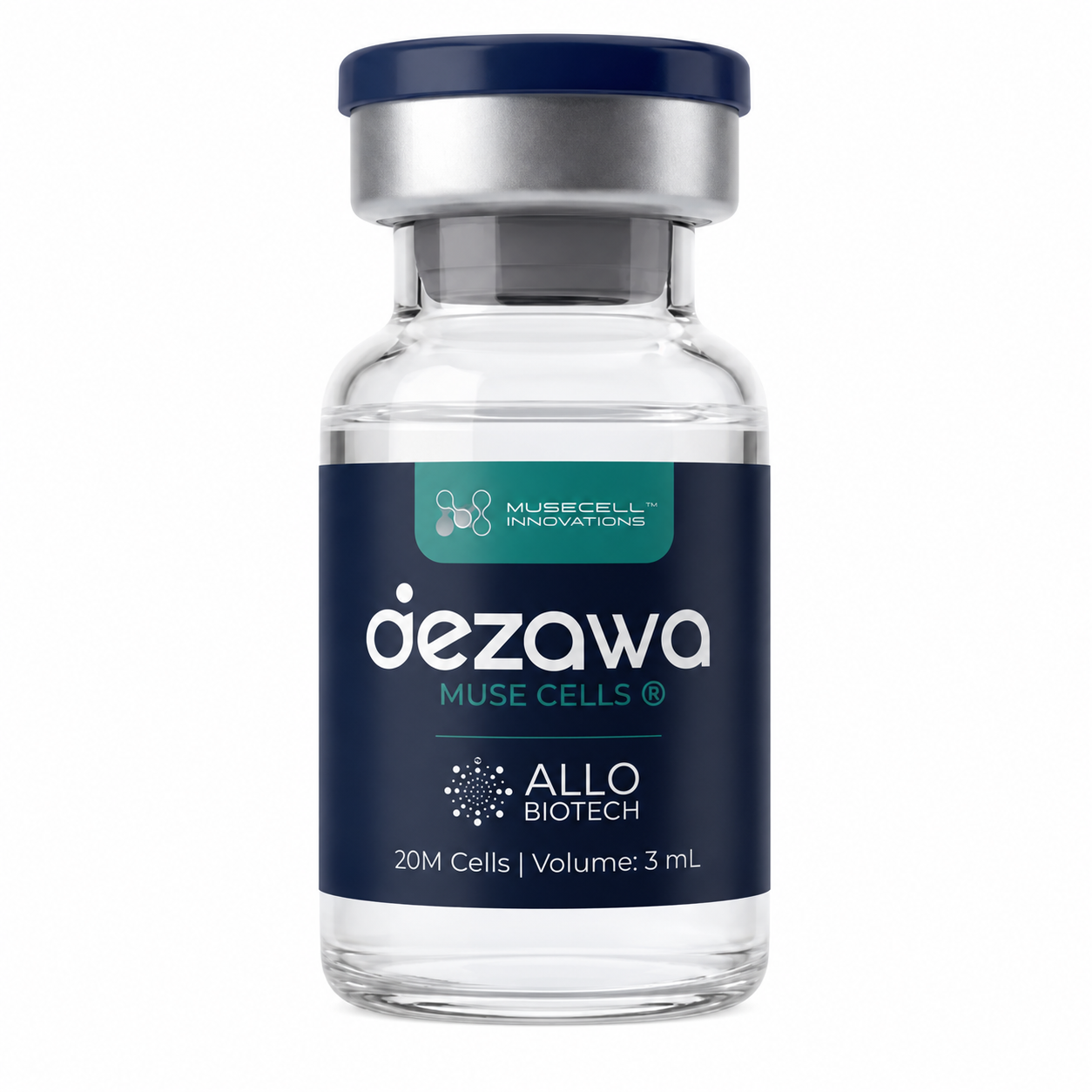
Not all stem cells are the same. For orthopedic conditions like back pain, the most effective type are Mesenchymal Stem Cells, or MSCs. These cells are known for their powerful ability to reduce inflammation and support tissue repair. While they can be taken from a patient’s own bone marrow or fat, we use MSCs that are ethically sourced from umbilical cord tissue. This method provides a high concentration of young, potent cells without requiring an invasive procedure to harvest them from your body. These cells are also “immunoprivileged,” meaning they don’t trigger an immune response, making them a safe and effective option for pain management.

Does Stem Cell Therapy Work for Back Pain?

When you’re dealing with persistent back pain, this is the most important question. You want to know if this treatment can finally offer the relief you’ve been searching for. The short answer is that for many people, yes, it can make a significant difference. Stem cell therapy works by using the body’s own powerful healing mechanisms to target inflammation and repair damaged tissue at the source, which is a fundamentally different approach than simply masking pain.

However, it’s not a one-size-fits-all solution. The success of the treatment often depends on the underlying cause of your back pain, the specific type of therapy used, and the expertise of the medical team administering it. While the field of regenerative medicine is still evolving, a growing body of research and countless patient stories show promising results for those suffering from degenerative disc disease, arthritis, and other chronic spinal conditions. Let’s look at what the studies and real-world outcomes tell us about how well it works.

What the Research Says About Success Rates

When you look at the clinical data, you’ll find a range of outcomes. Some studies show moderate success, like a 2022 review that found about 40% of participants reported success at six months. Other research, however, points to much higher success rates for specific conditions. For instance, some studies focusing on chronic, discogenic back pain (pain originating from the spinal discs) report that over 70% of patients experience substantial relief within three to six months. This highlights how important it is to get an accurate diagnosis, as the source of your pain can influence the treatment’s effectiveness. The science of pain management is always advancing, and these results are incredibly encouraging.

A Look at Long-Term Results

Beyond the initial numbers, what does relief look like over time? Many patients report not just a reduction in pain but a dramatic improvement in their quality of life. Some feel a difference within six weeks, with healing continuing to progress over the next four to six months. For many, this has been a life-changing experience that helped them return to an active lifestyle and, in some cases, avoid invasive spinal surgery. You can find many testimonials from people who experienced lasting relief after years of chronic pain. It’s also important to have realistic expectations. For some, the goal is significant pain reduction, not complete elimination, and a follow-up treatment may be recommended to maintain the results.

What Are Patients Saying About Stem Cell Therapy?

When you’re exploring a new treatment for back pain, hearing from people who have already walked that path can be incredibly insightful. Patient reviews and stories offer a real-world look at what to expect, from the highs of significant pain relief to the realities of the recovery timeline. While every person’s experience is unique, looking at the collective feedback can help you understand the potential outcomes.

Many people who choose stem cell therapy are looking for an alternative to invasive surgery or a life on pain medication. Their stories often highlight a return to activities they thought they’d lost for good, like playing with grandchildren, golfing, or simply walking without a constant ache. Of course, it’s also important to have a balanced view. Not everyone experiences a dramatic recovery, and understanding the full spectrum of results is key to making an informed decision. Let’s look at what patients are reporting most often.

The Most Common Benefits Patients Report

The most frequently shared success story is a significant reduction in chronic pain. Many patients report their pain levels dropping from a high of 8 or 9 out of 10 to a much more manageable 0 to 2. For some, this relief begins within a few weeks, while for others, it’s a gradual improvement over several months. This reduction in pain often means being able to avoid or postpone major spinal surgery, which is a huge win. You can find many patient testimonials that describe getting back to daily life with newfound comfort and mobility after treatment.

Potential Downsides and Limitations

It’s important to be realistic: stem cell therapy is not a guaranteed cure. While many people find relief, some experience only temporary improvement, and a small number may not see any benefit at all. The outcome can depend on the severity of your condition, your overall health, and how your body responds. The FDA also warns against unproven or illegal stem cell treatments, which makes choosing a reputable clinic absolutely critical. Understanding the difference between regulated USA-based treatments and those offered elsewhere is a key part of protecting your health and ensuring you receive a safe, compliant procedure.

How Long Does It Take to See Results?

Patience is part of the process. Stem cell therapy works by supporting your body’s natural healing mechanisms, and that takes time. Some people report feeling better within a few weeks, but it’s more common to see gradual improvement over a period of four to six months. During this time, the stem cells are working to reduce inflammation and repair damaged tissue. Some clinical studies show modest functional improvement at the six-month mark, reinforcing that this is a marathon, not a sprint. Your provider will work with you to track your progress and manage your expectations for your pain management journey.

Understanding the Risks and Side Effects

Any medical treatment, from taking aspirin to undergoing surgery, comes with potential side effects. Stem cell therapy is no different. The key is to understand the potential risks, know what to look for, and choose a provider who prioritizes your safety above all else. A transparent conversation about both the benefits and the risks is the first sign of a trustworthy clinic. At Miami Stem Cell, we believe an informed patient is an empowered one, so let’s walk through what you should know.

Our approach focuses on using high-quality, umbilical cord-derived mesenchymal stem cells, which are subject to rigorous safety standards. This helps minimize risks and ensures you receive a treatment that is both effective and safe. Your initial consultation will include a thorough review of your medical history to make sure this therapy is the right fit for you. We take the time to answer every question, ensuring you feel confident and clear about the process from start to finish. Understanding the science behind the treatment and the specific protocols we follow is part of building that trust and setting you up for a successful outcome.

What Are the Common Side Effects?

Most patients find that the side effects of stem cell therapy are minor and temporary. Think of it like the aftermath of a flu shot or a vigorous workout; your body is responding to something new. The most common reactions happen right around the injection site. You might experience some mild pain, swelling, or redness for a few days.

Some people also report temporary nausea or a headache, but these issues typically resolve on their own very quickly. These reactions are generally considered a normal part of the body’s inflammatory and healing response. We will give you a complete aftercare plan to manage any discomfort and ensure your recovery is as smooth as possible.

Potential Complications and FDA Guidance

It’s important to talk about the role of the FDA in stem cell therapy. While the FDA has approved certain stem cell products for specific blood disorders, it does not currently approve or regulate most stem cell therapies for orthopedic conditions like back pain. This is why the clinic you choose matters so much.

Reputable clinics in the U.S. operate under strict FDA guidelines for how cells are processed, stored, and administered to ensure patient safety. At Miami Stem Cell, we exclusively use umbilical cord-derived stem cells from FDA-registered, cGMP-compliant labs. This commitment to USA-based treatment standards is a critical distinction that separates safe, professional clinics from risky, unregulated operations.

Separating Fact from Fiction on Safety

You may have come across scary headlines about serious risks like tumor growth. It’s crucial to understand the context. These concerns are primarily associated with the use of embryonic stem cells, which have the potential to grow uncontrollably. We do not use these types of cells.

The mesenchymal stem cells (MSCs) we use are sourced from donated umbilical cords and do not carry the same risks. They are adult stem cells that are immunoprivileged, meaning they are unlikely to be rejected by your body. The most significant way to ensure your safety is to work with a qualified medical team that performs a comprehensive evaluation. A consultation with our experts is the best way to determine if you are a good candidate and to address any personal health concerns.

How Much Does Stem Cell Therapy for Back Pain Cost?

Let’s talk about one of the most practical questions on everyone’s mind: the cost. Investing in your health is a big decision, and it’s important to have a clear picture of what to expect financially. The price of stem cell therapy for back pain isn’t a one-size-fits-all number; it varies based on your specific needs, the clinic you choose, and your overall treatment plan. While it is a significant out-of-pocket expense, many people find the potential for long-term relief from chronic pain to be a worthwhile investment in their quality of life. For those who have tried everything else without success, regenerative medicine offers a new path forward, but understanding the financial commitment is the first step.

The cost reflects the advanced science, specialized equipment, and expert medical care involved in the procedure. Sourcing high-quality regenerative products and administering them precisely requires a significant level of expertise and resources. Think of it less as a simple injection and more as a comprehensive, personalized protocol designed to address the root cause of your pain. It requires looking at a few key factors, including the complexity of your condition and the specifics of the therapy. It’s also helpful to consider how this cost stacks up against the long-term expenses of traditional treatments like surgery or ongoing medication. Below, we’ll break down what goes into the price of stem cell therapy, discuss insurance coverage, and compare the investment to other common back pain solutions. This will help you make an informed decision that feels right for you and your health goals.

Breaking Down the Price of Treatment

The cost of stem cell therapy can range from a few thousand dollars to over $15,000, depending on your individual circumstances. The final price is tailored to your unique treatment plan, which is why a personalized consultation is so important. Several factors influence the cost, including the severity of your back condition, the type of regenerative products used, and the number of sessions required to achieve the best results. For example, treating a single herniated disc will likely have a different price point than addressing widespread degenerative changes across multiple vertebrae. At Miami Stem Cell, we provide a clear, detailed breakdown of all associated costs during your initial consultation so there are no surprises.

Will Insurance Cover Your Treatment?

Currently, most insurance providers do not cover stem cell therapy for orthopedic conditions like back pain. This is because the treatment is still considered investigational by the FDA for these uses, even though it has shown promising results in clinical practice. Because of this classification, you should plan for the procedure to be an out-of-pocket expense. Reputable clinics will be transparent about this from the start and will not make misleading claims about insurance coverage. We recommend discussing payment and financing options directly with your chosen provider to find a plan that works for you. It’s also a good idea to verify that any clinic you consider is following proper FDA guidelines, as this is a key indicator of safety and quality.

How Costs Compare to Surgery and Other Options

While the upfront cost of stem cell therapy may seem high, it’s helpful to view it in the context of other treatments. Spinal surgery, for instance, can be far more expensive when you factor in hospital fees, anesthesia, and extensive recovery time, which often means lost wages. Even less invasive options for pain management come with recurring costs. Think about the long-term expenses of prescription medications, physical therapy co-pays, and repeated steroid injections that only offer temporary relief. Stem cell therapy aims to address the underlying cause of your pain by promoting natural healing. For many, the one-time investment offers better long-term value by reducing or eliminating the need for these ongoing treatments and helping them return to an active, pain-free life.

What to Expect During Your Treatment

If you’re considering stem cell therapy, you’re probably wondering what the treatment day actually looks like. The good news is that the process is typically straightforward and minimally invasive, especially compared to traditional back surgery. It’s an outpatient procedure, meaning you’ll be in and out of the clinic on the same day. Our team at Miami Stem Cell is focused on making your experience as comfortable as possible, from your initial consultation to your post-treatment care. Let’s walk through what you can expect each step of the way.

A Step-by-Step Look at the Process

Your treatment begins with a simple, in-office procedure. Unlike methods that require a painful bone marrow extraction from your hip, we use ethically sourced, umbilical cord-derived mesenchymal stem cells. This means there’s no harvesting procedure for you to go through. Your doctor will precisely inject the stem cells into the targeted area of your back, often using advanced imaging like fluoroscopy or ultrasound to guide the needle. This ensures the cells are delivered exactly where they’re needed to begin the healing process. The entire injection takes just a short amount of time, and then you’re on your way to recovery.

Your Recovery and Aftercare Plan

After your treatment, you can go home the same day. Most people experience minimal downtime and can get back to their daily routines fairly quickly. You might feel some mild soreness or stiffness at the injection site for a day or two, which is a normal part of the process. We’ll provide you with a personalized aftercare plan, which usually involves taking it easy for a short period before gradually reintroducing normal activities. The healing happens from the inside out, so while some patients feel relief quickly, the full benefits can build over several weeks or months as the cells support your body’s natural repair mechanisms. Following our pain management guidelines will help you get the best possible results.

Stem Cell Therapy vs. Other Back Pain Treatments

When you’re dealing with chronic back pain, the path to relief can feel overwhelming. You’re often presented with a few standard options, from conservative care to major surgery. Regenerative medicine offers a different approach by focusing on healing from within. Instead of just masking symptoms or surgically altering your spine, stem cell therapy aims to repair the damaged tissues that are causing your pain in the first place. Let’s look at how this treatment compares to more conventional methods.

Is It a Better Option Than Spinal Surgery?

For many people, the prospect of spinal surgery is daunting. It’s an invasive procedure with a significant recovery period and no guarantee of success. Stem cell therapy presents a non-surgical alternative that has helped many patients avoid going under the knife. The goal isn’t to remove or fuse parts of your spine but to give your body the tools it needs to heal itself. By introducing a high concentration of powerful stem cells to the injured area, the therapy supports the regeneration of damaged discs, ligaments, or joints. This approach can provide lasting relief and improve your mobility by addressing the root of the problem, making it a compelling option for those seeking effective pain management without major surgery.

How It Stacks Up Against Physical Therapy and Injections

Physical therapy and corticosteroid injections are common first lines of defense against back pain. Physical therapy is excellent for strengthening supporting muscles and improving flexibility, while injections can reduce inflammation and provide temporary pain relief. However, neither of these treatments typically repairs the underlying tissue damage. Injections, in particular, often serve as a short-term fix. In contrast, stem cell therapy is designed to promote long-term healing by regenerating the damaged tissue itself. While results vary, some patients report a dramatic decrease in pain. It’s a way to potentially rebuild the foundation rather than just patching up the cracks, offering a more durable solution.

How to Choose the Right Stem Cell Clinic

Finding the right clinic for stem cell therapy is just as important as the treatment itself. The field of regenerative medicine is growing quickly, and unfortunately, not all providers operate with the same level of integrity or expertise. Making an informed choice is your best defense against ineffective or unsafe procedures. It’s about finding a team you can trust, one that prioritizes your health with transparent, science-backed protocols.

Your goal is to partner with a clinic that not only understands the science but also understands your specific health needs. This means looking beyond flashy marketing and focusing on the qualifications of the medical team, their commitment to regulatory standards, and their transparency throughout the entire process. Taking the time to research your options will give you confidence and peace of mind as you move forward.

Key Qualifications Your Provider Should Have

When you’re evaluating a clinic, start with the people behind it. You want a medical team led by board-certified physicians with extensive experience in regenerative medicine and pain management. It’s essential to find a doctor who truly understands your back condition and can determine if you’re a good candidate for stem cell therapy. A reputable clinic will always start with a comprehensive evaluation, including a review of your medical history and diagnostic imaging, to create a personalized treatment plan.

Ask questions about their process. Do they explain where their stem cells come from? Are they transparent about their protocols? The right provider will welcome your questions and provide clear, honest answers. The medical team should be focused on your long-term outcome, not just a single procedure. Look for a clinic that offers a supportive environment and a clear plan for follow-up care.

Understanding FDA Compliance

The topic of FDA regulation in stem cell therapy can be confusing, so let’s clear it up. The U.S. Food and Drug Administration (FDA) has approved only a few stem cell products, mostly for blood disorders. This means stem cell therapy for back pain is not an FDA-approved “cure.” However, clinics can and should operate in compliance with strict FDA guidelines for how human cells and tissues are handled. This ensures the cells are sourced, processed, and administered safely.

A compliant clinic will use products, like umbilical cord-derived mesenchymal stem cells, that are minimally manipulated and intended for homologous use (meaning they perform the same basic function in the recipient as in the donor). This is a critical distinction that separates legitimate practices from those making unverified claims. Understanding the difference between USA and overseas treatments can also highlight the importance of these safety standards.

Warning Signs of an Unreliable Clinic

Protecting your health means knowing what to watch out for. Be cautious of any clinic that promises a “miracle cure” or guarantees results. Regenerative medicine is powerful, but biology is complex, and outcomes can vary. High-pressure sales tactics or a sense of urgency are major red flags. A trustworthy provider will give you the time and information you need to make a decision without pressure.

Also, be wary of clinics that are not transparent about their pricing, the source of their stem cells, or the specifics of the procedure. If a provider can’t clearly explain their process or answer your questions, it’s best to walk away. Always ask to see patient testimonials and look for reviews from trusted sources. An unreliable clinic might not only be ineffective but could potentially make your condition worse by destabilizing your spine’s structure.

Is Stem Cell Therapy the Right Choice for You?

Deciding on the right treatment for your back pain is a significant step. While stem cell therapy offers a promising alternative to surgery, it’s important to understand if it aligns with your specific health situation and goals. This approach focuses on helping your body repair itself from the inside out, but its effectiveness depends on several factors, including the root cause of your pain and your overall health. The best way to know for sure is through a detailed consultation, but we can explore who typically benefits most from this kind of regenerative medicine.

Who Is a Good Candidate for This Treatment?

You might be a good candidate for stem cell therapy if you’re dealing with chronic back pain that hasn’t responded well to conservative treatments like physical therapy, medication, or injections. Many people explore this option when they want to find a solution that avoids the risks and long recovery times associated with spinal surgery. Ideal candidates are often those looking for a treatment that addresses the underlying cause of their pain rather than just managing symptoms. Your overall health plays a role, too, as a healthy body is better equipped to respond to regenerative signals. A thorough evaluation is the first step to creating personalized treatment protocols tailored to you.

Which Back Conditions See the Best Results?

Stem cell therapy shows the most promise for back conditions caused by inflammation and tissue degeneration. It has delivered positive results for individuals with degenerative disc disease, where the discs between the vertebrae lose cushioning and height over time. The therapy works by introducing new cells that can help reduce inflammation and encourage the repair of damaged disc tissue. It’s also used for herniated or bulging discs and general chronic low back pain stemming from joint or soft tissue issues. By targeting the source of the problem, this pain management approach can help restore function and provide lasting relief, potentially helping you get back to the activities you love.

When to Explore Other Treatment Options

Stem cell therapy isn’t a one-size-fits-all solution for every type of back pain. If your pain is caused by severe structural issues, like advanced spinal stenosis or instability that requires surgical correction, other treatments may be more appropriate. It’s also crucial to work with a reputable clinic. The FDA has issued warnings about unproven treatments, so it’s vital to choose a provider that adheres to strict safety and compliance standards. Comparing USA stem cell treatments to those overseas often highlights major differences in regulation and safety. The first step is always a proper diagnosis to ensure you’re choosing the most effective and safest path forward for your health.

Related Articles

Book Appointment CTA

Frequently Asked Questions

Is this treatment actually safe? Yes, when performed by a qualified medical team at a reputable clinic, the procedure is very safe. We use mesenchymal stem cells (MSCs) sourced from donated umbilical cords, which are immunoprivileged. This means your body is highly unlikely to reject them. The most common side effects are temporary and minor, like soreness or swelling at the injection site. We do not use controversial embryonic stem cells, and our entire process adheres to strict FDA guidelines for safety and quality.

How long can I expect the results to last? The goal of stem cell therapy is to promote long-term healing, not just provide a temporary fix. Because the treatment supports your body’s own ability to repair damaged tissue, many patients experience relief that lasts for years. The duration of the results depends on your specific condition, its severity, and how your body responds to the therapy. For some, one treatment is enough, while others may benefit from a follow-up procedure to maintain their progress over time.

Why aren’t these treatments covered by insurance? This is a common and very practical question. Right now, most insurance companies consider stem cell therapy for back pain to be an investigational treatment. While it has shown great success in clinical practice, it has not yet completed the long and complex FDA approval process required for orthopedic conditions. For this reason, you should plan for the treatment to be an out-of-pocket expense.

How soon will I feel better after the procedure? Patience is key, as this therapy works with your body’s natural healing timeline. While some people report feeling a noticeable improvement within a few weeks, it’s more common to experience a gradual reduction in pain over four to six months. During this period, the stem cells are actively working to reduce inflammation and support tissue regeneration. The healing process happens from the inside out, so the full benefits build over time.

What makes the stem cells you use different from others? We exclusively use mesenchymal stem cells that are ethically sourced from donated umbilical cord tissue. These cells are young, highly concentrated, and incredibly potent, which gives them a powerful ability to support healing. This method also means you don’t have to undergo an invasive procedure to harvest cells from your own bone marrow or fat. Using these specific cells allows us to provide a safe, effective, and minimally invasive treatment.

author avatar
Greice Murphy
Greice Murphy is a visionary entrepreneur and healthcare executive recognized for building and scaling transformative businesses in homecare, regenerative medicine, and wellness. She founded Advanced Care Partners (ACP), growing it to over 1,300 employees and earning a place on the Inc. 5000 list eight years in a row. In 2022, she acquired Miami Stem Cell®, leading the clinic to 10x growth and expanding its focus into allogeneic regenerative medicine. Greice also launched BetterStem, advancing autism care through stem cell treatments and AI-powered patient journeys.

Recent Blog

Take the First Step Toward a Pain-Free Life

Don’t let pain hold you back. Contact us today to schedule your free consultation and start your journey to recovery!