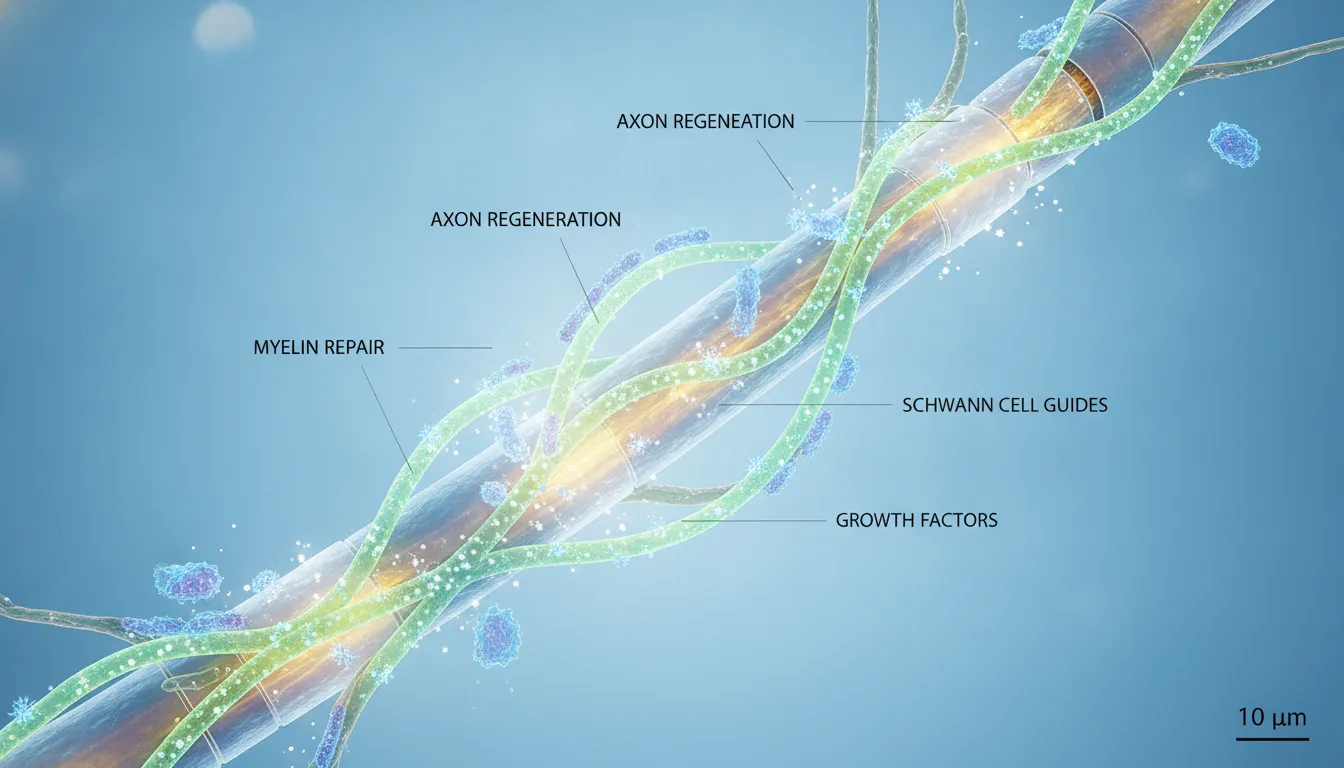
Your body has an incredible, built-in capacity to heal itself. But for chronic injuries like a degenerated disc or a strained ligament in your back, that natural healing process can stall out. A regenerative pain treatment is designed to restart and amplify that process right where it’s needed most. Think of it as giving your body’s internal repair crew a powerful set of tools to rebuild what’s been damaged. The goal is to create the ideal environment for your tissues to repair themselves on a cellular level, helping you find genuine, long-term relief by supporting your body’s own healing power.
Key Takeaways
- Address the source of your pain for lasting relief: Regenerative medicine aims to repair the actual damaged tissue causing your back pain, like a herniated disc or arthritic joint, instead of just covering up symptoms with medication.
- Support your body’s natural repair system: Treatments like stem cell therapy and PRP deliver concentrated healing factors directly to the injured area, helping to reduce inflammation and signal your body to rebuild and restore itself over time.
- Prioritize safety and expertise when choosing a clinic: A successful outcome depends on a qualified provider, so verify their credentials, confirm they follow strict FDA guidelines, and ask detailed questions during your consultation to ensure you feel confident in your care.
Can Regenerative Medicine for Lower Back Pain?
If you’re dealing with lower back pain, you know how frustrating the cycle of treatments can be. Pain medications often just mask the symptoms, and surgery can feel like a drastic step with a long recovery. Regenerative medicine offers a completely different approach. Instead of covering up the pain or surgically removing the problem, it focuses on helping your body heal the underlying injury itself. Think of it as a way to work with your body’s natural repair systems, giving them a powerful assist right where it’s needed most.
The goal is to address the root cause of your pain, whether it’s a worn-out disc, an inflamed joint, or a strained ligament. By targeting the source of the problem, regenerative pain management aims to provide lasting relief and restore function, so you can get back to living your life without being held back by pain. It’s a forward-thinking field of medicine that’s changing how we look at healing chronic conditions.
How Does This Healing Process Work?
The core idea behind regenerative medicine is surprisingly simple: it uses powerful, naturally-sourced biological materials to stimulate and accelerate your body’s own healing processes. Treatments often involve carefully preparing and concentrating healing agents, like stem cells or platelets, and then precisely injecting them into the damaged area of your lower back. This delivers a potent dose of restorative power directly to the injured tissue.
Because these treatments use materials that your body recognizes, the risk of rejection or adverse reactions is very low. For example, Platelet-Rich Plasma (PRP) therapy uses a concentration of platelets from your own blood. It’s like giving your internal repair crew a set of supercharged tools to rebuild and restore what’s been damaged.
A New Perspective on Arthritis Pain
When arthritis affects the joints in your spine, it can feel like your only options are to manage the pain with medication or consider invasive procedures. Regenerative medicine offers a different path forward. While these treatments may not regrow tissue that’s already gone, they can significantly change the environment within the arthritic joint. By introducing concentrated healing factors, the therapy helps reduce the chronic inflammation that causes so much pain and stiffness. The focus shifts from just masking symptoms to creating the ideal conditions for your own body to repair damaged tissue. This approach supports long-term joint regeneration and can provide lasting relief from arthritis by helping your body heal itself from the inside out.
Harnessing Your Body’s Natural Healing Power
So, what’s happening on a cellular level? Regenerative medicine is all about creating the ideal environment for your tissues to repair and rebuild. The treatments introduce key biological components that kickstart this process. For instance, mesenchymal stem cells are like master cells; they have the unique ability to develop into the specific types of cells your body needs, such as new cartilage or disc cells.
Beyond just rebuilding, these cells also release powerful anti-inflammatory agents and growth factors. This helps calm the chronic inflammation that causes so much pain and signals to your body to get to work on healing. Instead of just managing pain, the science of regenerative medicine focuses on truly repairing the damaged structures in your spine for more sustainable, long-term results.
What Types of Back Pain Respond to Regenerative Treatment?
If you’re dealing with persistent back pain, you know how frustrating it can be to find a solution that actually lasts. Many traditional treatments focus on managing symptoms with medication or physical therapy, but they don’t always address what’s causing the pain in the first place. This is where regenerative medicine offers a different approach. Instead of just masking the pain, these therapies are designed to work with your body’s natural healing abilities to repair damaged tissues at the source, offering a path toward genuine, long-term relief.
Regenerative medicine is particularly effective for chronic back pain caused by specific structural issues. It’s not a magic wand for every ache, but for conditions involving tissue damage or degeneration, it can be a powerful, non-surgical option. By introducing concentrated healing cells and growth factors directly to the injured area, these treatments can help reduce inflammation, rebuild tissue, and restore function. This approach is ideal for anyone looking for a solution that supports the body’s own ability to heal. It’s about moving beyond temporary fixes and helping you get back to living your life with less pain and more freedom, whether that means playing with your kids or simply getting through the day comfortably.
Relief for Herniated and Bulging Discs
The discs in your spine act as cushions between your vertebrae. When a disc is damaged, its soft center can push out, or bulge, pressing on nearby nerves and causing significant pain. This is known as a herniated or bulging disc. Regenerative medicine aims to address this issue at its core. By delivering treatments like stem cell therapy to the affected area, we can help reduce the painful inflammation surrounding the nerve. More importantly, these therapies introduce powerful signaling cells and growth factors that encourage the damaged disc tissue to repair itself over time, offering a path to relief that goes beyond temporary fixes.
Addressing Degenerative Disc Disease
Over time, the discs in our spine can wear down from age and daily stress, a condition known as degenerative disc disease. This process can lead to chronic stiffness, pain, and reduced mobility as the discs lose their height and cushioning ability. Regenerative treatments can intervene in this cycle of degeneration. By introducing young, healthy cells and growth factors into the aging discs, we can help improve the cellular environment. This process can help slow down further degeneration, manage inflammation, and support the health of the remaining disc tissue, ultimately improving function and reducing pain associated with this common condition of joint degeneration.
Soothing Facet Joint Arthritis Pain
Your spine is stabilized by small joints called facet joints. Just like other joints in your body, they can develop arthritis, where the protective cartilage wears away, causing bone to rub against bone. This leads to inflammation, stiffness, and chronic pain. Regenerative medicine offers a targeted way to manage arthritis in these specific joints. By precisely injecting a concentration of healing cells and growth factors, we can help calm inflammation and create a healthier environment within the joint. This can protect the remaining cartilage and support your body’s ability to manage the condition, leading to improved comfort and mobility without invasive surgery.
Healing Chronic Muscle and Ligament Strains
Sometimes, chronic back pain isn’t from a disc or joint but from soft tissues like muscles and ligaments that have been strained or torn and never healed correctly. These lingering injuries can create instability and persistent pain. Treatments like Platelet-Rich Plasma (PRP) therapy are excellent for this. We use a concentration of your own blood platelets, which are rich in growth factors, and inject them into the damaged tissue. This triggers a renewed, powerful healing response from your body, helping to finally repair and strengthen the weakened ligaments or muscles. The result is better stability and a significant reduction in chronic pain.
Your Regenerative Pain Treatment Options
When you’re dealing with persistent back pain, it’s easy to feel trapped in a cycle of treatments that only offer temporary relief. Regenerative medicine presents a different path forward, one that shifts the focus from merely managing symptoms to actually resolving the underlying cause of your pain. Instead of relying on medications that mask discomfort or turning to invasive surgery, this approach works in partnership with your body’s own incredible capacity for healing. The goal is to repair the specific tissue damage, whether it’s in a spinal disc, a ligament, or a joint, that is generating the pain signals in the first place.
This philosophy represents a significant evolution in how we treat chronic conditions. It’s about giving your body the precise biological tools it needs to rebuild and recover on a cellular level. These therapies are not a single magic bullet; they are a collection of advanced, targeted treatments that can be tailored to your unique anatomy and condition. By introducing powerful signaling cells, using a concentration of your own blood’s healing components, or directing cellular communication, we can help reduce inflammation, repair damaged tissue, and restore function for lasting relief. Below, we’ll walk through some of the most effective regenerative options for back pain, including stem cell therapy, PRP, and exosome therapy, so you can understand how each one supports your body’s journey back to health.
How Stem Cell Therapy Repairs the Spine
Think of stem cells as your body’s master cells. They have the unique ability to develop into many different types of cells, making them incredible tools for repair. When used for spinal conditions, stem cell therapy involves injecting these powerful cells directly into the damaged area, like a degenerated disc or an arthritic facet joint. Once there, they can help repair damaged tissues, calm inflammation, and reduce pain. Specifically, Mesenchymal Stem Cells (MSCs) are known to help rebuild the main structure of a spinal disc while improving its nutrient supply, addressing the problem at its source.
Sources of Stem Cells: Umbilical Cord, Bone Marrow, and Adipose Tissue
Not all stem cells are created equal, and where they come from matters. In regenerative medicine, stem cells can be sourced from various parts of the body, most commonly from umbilical cord tissue, bone marrow, and adipose (fat) tissue. Each source offers unique properties. At Miami Stem Cell, we focus on using umbilical cord-derived mesenchymal stem cells (MSCs). These cells are sourced from the Wharton’s jelly of donated umbilical cords after healthy, full-term births. We prefer these cells because they are young, vibrant, and have not been exposed to the aging process or environmental toxins, making them incredibly potent for signaling repair and reducing inflammation in the body.
Bone Marrow Aspirate Concentrate (BMAC)
Another powerful option in regenerative medicine is Bone Marrow Aspirate Concentrate (BMAC). This treatment uses your body’s own healing potential by harvesting stem cells directly from your bone marrow, usually from the back of the hip. The sample is then processed in a centrifuge to create a concentrate rich in mesenchymal stem cells (MSCs) and other healing growth factors. This concentrate is then precisely injected into the injured area of your back. The reason BMAC is so effective is that it delivers a high volume of your own MSCs, which are essential for tissue repair and regeneration, helping to rebuild and restore function right at the source of your pain.
Using PRP Injections to Reduce Pain
Platelet-Rich Plasma (PRP) therapy uses the healing power found within your own blood. The process starts with a simple blood draw, after which your blood is placed in a centrifuge to separate and concentrate the platelets. This platelet-rich plasma, packed with growth factors, is then injected into the painful area of your back. These growth factors act as powerful signals that accelerate your body’s natural healing cascade, helping to repair injured ligaments, tendons, and muscles. Because PRP therapy uses your own biological material, it’s a very safe and natural way to support tissue regeneration.
Leukocyte-Rich vs. Leukocyte-Poor PRP
When we talk about PRP, it’s important to know that there are different formulations, and the right one for you depends on your specific injury. The main difference comes down to the concentration of leukocytes, or white blood cells. Leukocyte-Rich PRP (LR-PRP) contains a higher number of these cells, which can release powerful signals to stimulate a strong healing response. This can be great for certain chronic tendon or ligament issues. On the other hand, Leukocyte-Poor PRP (LP-PRP) has most of the white blood cells removed. This version is often used for conditions within a joint, like arthritis, where the goal is to reduce inflammation as much as possible. The choice isn’t about which one is better, but which is best suited for your body’s needs. An experienced provider will analyze your specific condition to determine the most effective type of PRP therapy to help you achieve the best results.
What Is Exosome Therapy?
Exosome therapy is one of the most exciting advancements in regenerative medicine. Exosomes are tiny vesicles that act as messengers between cells, carrying important proteins and genetic information that tell other cells how to behave. When introduced into an injured area, they deliver powerful instructions to your local cells, encouraging them to begin the repair process, reduce inflammation, and regenerate damaged tissue. This therapy doesn’t involve introducing new cells but rather uses these potent communicators to direct your body’s own healing response with remarkable precision. It’s a sophisticated way to support your body’s internal repair system for pain management.
The Role of Growth Factor Treatments
Growth factors are the proteins that act as the “on” switch for cellular repair. They are essential for healing, as they signal cells to grow, multiply, and form new tissue. While treatments like PRP are rich in growth factors, other therapies can also be used to stimulate their production. For example, peptide therapy uses specific amino acid chains to encourage your body to produce more of its own growth factors. By increasing the presence of these crucial proteins, we can help spinal discs create new building blocks, lessen swelling, and slow down the degenerative process.
Prolotherapy for Ligament and Tendon Strength
Sometimes, the root of chronic back pain isn’t a disc or a bone but the tissues that hold everything together: your ligaments and tendons. When these become weak or injured, they can create instability in your spine, leading to persistent pain. Prolotherapy is a treatment designed specifically to strengthen these connective tissues. The process involves injecting a natural irritant solution, typically a dextrose (sugar) solution, into the precise location of the weakened ligament or tendon. This creates a mild, controlled inflammatory response, which might sound counterintuitive, but it’s actually signaling your body to send its own healing agents to the area. This targeted response stimulates the growth of new, strong collagen, effectively rebuilding and tightening the ligaments and tendons for better spinal support and lasting pain relief.
Autologous Conditioned Serum (ACS) for Inflammation
Chronic inflammation is a major driver of pain, especially in conditions like facet joint arthritis or when a nerve is irritated. Autologous Conditioned Serum (ACS) is a highly specialized therapy that uses your body’s own biological materials to combat this inflammation. The process begins with a blood draw, which is then incubated to concentrate your body’s natural anti-inflammatory proteins and growth factors. This powerful, “conditioned” serum is then injected directly into the source of the pain. Think of it as deploying your body’s own elite anti-inflammatory squad to the exact spot it’s needed. This not only helps to calm the painful inflammation associated with arthritis and nerve issues but also creates a healthier environment that encourages natural healing and tissue repair.
Regenerative vs. Traditional Back Pain Treatments
When you’re dealing with persistent back pain, the path to relief can feel overwhelming. Traditional approaches often present a stark choice: manage the pain with medication or commit to invasive surgery. Regenerative medicine offers a different approach entirely. Instead of masking symptoms or surgically altering your body, it focuses on creating the ideal conditions for your body to heal itself from the inside out. This fundamental difference leads to significant advantages in everything from the procedure itself to your long-term quality of life. Let’s look at how this modern approach to pain management stacks up against conventional methods.
Heal Your Back Pain, No Surgery Required
For many people, the thought of spinal surgery is a major source of anxiety. It often involves significant risks, a hospital stay, and a long, uncertain road to recovery. Regenerative medicine provides a powerful alternative that sidesteps these concerns. Treatments like stem cell or PRP injections are minimally invasive procedures performed right in our clinic. They work by targeting the specific area of injury to reduce inflammation and support tissue repair at a cellular level. This approach aims to fix the root cause of the pain, offering a path to effective relief without the need for scalpels, anesthesia, or a lengthy hospital stay.
How Does Recovery Time Compare?
One of the most significant differences between regenerative therapies and surgery is what happens after the procedure. Traditional back surgery can sideline you for weeks or even months, requiring extensive physical therapy just to get back to your normal routine. In contrast, regenerative treatments involve minimal downtime. Most patients can walk out of the clinic shortly after their procedure and are encouraged to resume light activities quickly. Because these therapies harness your body’s natural healing abilities, the recovery process is generally faster and involves fewer risks and complications compared to a major surgical intervention for joint regeneration.
Seeking Long-Term Relief, Not Just a Quick Fix
Traditional treatments often focus on managing symptoms. Pain medication can provide temporary relief but doesn’t address the underlying tissue damage. While surgery can correct a structural problem, it doesn’t guarantee long-term pain relief and can sometimes lead to other issues. Regenerative medicine is different because it’s designed to help your body heal itself. By delivering concentrated healing factors like stem cells and growth factors directly to the injured area, these treatments support the repair of damaged tissues. The goal isn’t just to cover up the pain; it’s to address the source of the problem for more sustainable, long-lasting results.
The Advantages of a Regenerative Approach to Back Pain
When you’re dealing with persistent back pain, you want a solution that does more than just get you through the day. You want lasting relief. Traditional methods often focus on managing symptoms, but a regenerative approach is different. It’s designed to work with your body to address the underlying issues causing the pain. This shift in focus from masking pain to promoting healing offers a whole new set of benefits for reclaiming your mobility and quality of life.
Reduce Inflammation and Heal from Within
Instead of just silencing pain signals, regenerative medicine aims to repair the source of the problem. Think of it as helping your body do what it does best: heal itself. Treatments like stem cell therapy introduce powerful healing cells to the injured area, which can help reduce chronic inflammation, a major contributor to back pain. These cells get to work rebuilding damaged tissues, like worn-out cartilage in your joints or degenerated spinal discs. The goal isn’t just to feel better temporarily; it’s to fundamentally fix the damaged parts of your body, allowing for genuine, long-term healing from the inside out.
A Safer Path with Minimal Side Effects
The thought of spinal surgery or a lifetime of pain medication can be daunting. Regenerative medicine offers a much less invasive path forward. Because these treatments use biological materials, often sourced from your own body or from ethically screened umbilical cords, the risk of rejection or serious side effects is very low. It’s a safe, non-invasive treatment with a high potential for pain relief. You can avoid the long recovery times and potential complications of surgery. This makes it a compelling choice for anyone seeking effective pain management without the associated risks of more aggressive procedures.
Address the Root Cause, Not Just the Symptoms
Pain is a signal that something is wrong. While pain relievers can turn down the volume on that signal, they don’t fix the underlying issue. Regenerative medicine is different because it helps your body heal itself by targeting the root cause of your pain. Whether it’s a herniated disc, a strained ligament, or arthritic facet joints, these therapies work to repair the actual tissue damage. By addressing the problem at its source, you’re not just covering up the pain; you’re creating the conditions for lasting relief. This approach aims to restore function and structure, offering a more sustainable solution than simply managing symptoms day after day.
Move Beyond Opioid Dependency
For many people with chronic back pain, opioid painkillers can seem like the only option. However, they come with a high risk of dependency and a long list of side effects, all while failing to fix the actual problem. Regenerative medicine provides a powerful alternative that can help you avoid this path altogether. By addressing the underlying damage and promoting true healing, these treatments can reduce or even eliminate the need for daily pain medication. This isn’t about managing pain; it’s about resolving it. It’s a way to find lasting relief and regain your independence without relying on potentially harmful, addictive drugs.
What Are the Potential Risks and Side Effects?
Any medical procedure comes with questions about safety, and it’s smart to understand the full picture before moving forward. Regenerative medicine is widely recognized for its strong safety profile, especially when compared to invasive surgery or long-term medication use. Because these therapies use natural biologics to support your body’s own healing mechanisms, the risk of adverse reactions is very low. Still, knowing what to expect can help you feel confident and prepared as you start your healing journey.
What to Expect After Your Treatment
Most people find that regenerative treatments for back pain are straightforward and well-tolerated. The procedure itself is minimally invasive, often involving a simple injection at the site of your pain. Afterward, you might experience some mild soreness, swelling, or redness around the injection area for a day or two. This is a normal response and a sign that the healing process is beginning. Unlike surgery, there is typically no significant downtime. Most patients can return to their normal daily activities shortly after their appointment, with specific guidance from their doctor on when to resume more strenuous exercise.
A Transparent Look at Potential Risks
While serious complications are extremely rare, it’s important to have an open conversation about potential side effects. The most common side effects reported in studies are temporary and mild, such as headaches or musculoskeletal pain that resolves on its own. The risk of infection is present with any injection, but it is minimized when the procedure is performed by an experienced specialist in a sterile environment. At Miami Stem Cell, we use biologic materials sourced from reputable, FDA-registered labs, which helps ensure the purity and safety of your stem cell treatment.
General Contraindications for Regenerative Therapies
While regenerative medicine is a safe and effective option for many, it’s not the right fit for everyone. A successful outcome depends on careful patient selection, which is why a thorough consultation is such a critical first step. Because these therapies are complex, a collaborative approach between doctors and specialists is key to ensuring you are a good candidate. A responsible clinic will always prioritize your overall health and will be transparent about whether a treatment is right for you. This process involves a deep dive into your medical history to make sure the therapy will be both safe and effective for your specific situation, ensuring you receive the best possible care.
Who Should Avoid PRP?
Platelet-Rich Plasma therapy relies on the healing power of your own platelets. For this reason, it’s not recommended for individuals with very low platelet counts, platelet function disorders, or unstable blood pressure. Since the treatment is designed to stimulate a healing response, it’s also not suitable for those with active cancer or a current infection. It’s also important to consider recent medications. To ensure the PRP is as effective as possible, you’ll need to stop taking NSAIDs (like ibuprofen) at least 48 hours before your procedure and have avoided steroid injections in the area for several weeks, as these can interfere with the healing process.
Who Should Avoid Stem Cell Therapy?
Safety is the top priority in regenerative medicine, and there are certain conditions where stem cell therapy is not advised. Individuals with active cancer, particularly blood-related cancers like leukemia or lymphoma, are generally not candidates for this treatment. The primary concern is to avoid interfering with cancer treatment or stimulating any unwanted cellular activity. Similarly, those with severely compromised immune systems may not be suitable candidates. A comprehensive medical evaluation and a transparent conversation with your doctor will determine if stem cell therapy is a safe and appropriate option for your specific health circumstances.
Who Should Avoid Prolotherapy?
Prolotherapy works by creating a mild, controlled inflammatory response to trigger tissue repair. Because of this mechanism, it’s not suitable for individuals with active, widespread infections or uncontrolled inflammatory diseases like rheumatoid arthritis. You also shouldn’t undergo prolotherapy if you have a known allergy to the substances used in the injection, which is often a dextrose solution. Furthermore, since the treatment relies on a healthy immune response, it is not recommended for people taking medications that suppress the immune system. The goal is to work with your body’s natural healing ability, so ensuring your system is ready to respond is key to a successful outcome.
How We Prioritize Your Safety
Your safety is the most important factor in any treatment plan. The best way to minimize risks is to choose a qualified provider who adheres to strict safety and quality standards. It’s crucial to select a clinic that follows strict FDA guidelines for regenerative medicine and uses high-quality, ethically sourced cells. A thorough initial consultation is also key. During this meeting, your provider should review your medical history and imaging to confirm you are a good candidate. This personalized approach ensures the treatment is tailored to your specific needs and helps prevent potential complications, setting you up for the best possible outcome.
What Does the Research Say?
When you’re exploring new treatment options, especially for something as persistent as lower back pain, it’s smart to look at the science. Regenerative medicine is a rapidly advancing field, and while it holds incredible promise, it’s important to have a clear picture of what the current research shows. The goal is to understand both the potential and the landscape of these therapies, so you can make an informed decision about your health. Let’s walk through the clinical findings, the role of regulatory oversight, and what the future might hold for back pain treatment.
Success Rates: What the Data Shows
The core idea behind regenerative medicine is to heal the source of the pain, not just manage the symptoms. Instead of masking discomfort, treatments like stem cell therapy and PRP aim to repair the damaged tissues causing the problem. Clinical studies are exploring this potential with encouraging results. Research shows that Platelet-Rich Plasma (PRP) injections can significantly reduce lower back pain and improve function, with some studies suggesting longer-lasting relief than traditional steroid injections. Similarly, studies on mesenchymal stem cells (MSCs) indicate they can decrease pain and restore mobility for people with chronic back issues, often outperforming standard treatments.
Managing Expectations: Hope vs. Hype
With all the excitement surrounding regenerative medicine, it’s easy to get swept up in the idea of completely reversing years of damage. It’s important to separate the real promise from the marketing hype. While the name “regenerative” might bring to mind images of growing a brand-new spinal disc, the process is more nuanced. The primary goal is often to create a powerful anti-inflammatory environment and signal your body’s own repair mechanisms to get to work. This helps reduce pain and swelling, which in turn improves your function and quality of life. The hope is real, but it’s grounded in supporting your body’s healing process, not in magic.
There is a lot of misinformation out there, and it’s crucial to understand the science with a clear perspective. A successful outcome depends heavily on the expertise of your provider and the quality of the treatment protocol. This is why choosing a clinic that is transparent, follows strict FDA guidelines, and provides personalized care is so important. The best results often come from a comprehensive approach that may include physical therapy to complement the regenerative treatment. It’s about setting realistic goals and partnering with a team that is committed to your long-term health, not just a quick fix.
Why FDA Compliance Matters
You might see claims that regenerative medicine treatments are not “FDA-approved.” This is a nuanced but critical point. The FDA does not approve medical procedures, but it does regulate human cells and tissues to ensure safety. This is why choosing a provider who strictly adheres to FDA guidelines is non-negotiable. A compliant clinic uses tissues from reputable, screened sources and follows precise protocols for handling and administering them. This commitment to safety and quality is what separates a trustworthy medical practice from a risky one. You can learn more about the differences by understanding USA vs. overseas treatments.
Understanding “Off-Label” and “Investigational” Use
As you research regenerative medicine, you’ll likely see the terms “investigational” and “off-label.” An investigational therapy is one that is still being studied in clinical trials to confirm its safety and effectiveness. “Off-label” use, however, is a common and legal practice in medicine. It means a physician is using a safe, regulated therapy for a condition other than what it was originally approved for, based on strong scientific evidence. Many regenerative treatments, such as cell-based therapies for back pain, fall into this category. This doesn’t mean the treatment is experimental; it means its application is guided by emerging research and a doctor’s expertise. A successful outcome depends on a qualified provider who follows strict guidelines, which is why we base our protocols on the latest clinical data to ensure your treatment is both safe and effective.
The Future of Back Pain Treatment
The medical community is increasingly recognizing the potential of regenerative medicine for spine care. As therapies using mesenchymal stem cells gain more traction, researchers are looking ahead. The future of back pain treatment is focused on two key areas: developing combination therapies to make treatments even more effective and conducting long-term studies to confirm their safety and durability. This forward-thinking approach is exciting because it means treatments will only get better and more reliable over time. It’s a shift toward truly restorative care that helps your body heal itself from the inside out, offering a sustainable path to a pain-free life.
Regenerative Medicine Myths vs. Facts
When it comes to innovative health treatments, it’s easy for misinformation to spread. Regenerative medicine is a field with incredible potential, but it’s also surrounded by a lot of myths. Let’s clear up some of the most common misconceptions so you can understand what to realistically expect from your treatment for lower back pain. Our goal is to give you clear, honest information to help you make the best decision for your health.
Is It an Instant Fix?
One of the biggest misunderstandings is that regenerative treatments work like a magic wand, providing immediate results. While these therapies are powerful, they work by supporting your body’s own natural healing mechanisms. This process takes time. Think of it as planting a seed rather than flipping a switch. The cells and growth factors need time to reduce inflammation, signal other cells, and begin repairing damaged tissue. While some patients feel relief relatively quickly, the most significant and lasting benefits often develop over several weeks or months as your body heals from within.
Are All Regenerative Treatments the Same?
It’s a common mistake to think that all stem cell or regenerative therapies are created equal. The reality is that the source, quality, and type of cells used can dramatically affect the outcome of your treatment. For example, therapies using umbilical cord-derived mesenchymal stem cells have different properties than those using cells from a patient’s own fat or bone marrow. At Miami Stem Cell, we exclusively use umbilical cord-derived stem cells because of their vitality and regenerative potential. A personalized treatment plan from an experienced provider is key to achieving the best results.
Is It a “Cure-All” for Back Pain?
While regenerative medicine shows amazing promise, it is not a cure for every ailment. Be cautious of anyone claiming it can fix anything and everything. The science is strongest for specific applications, particularly for orthopedic and pain conditions like degenerative disc disease, joint arthritis, and soft tissue injuries. Our pain management programs are designed to address these specific issues where regenerative therapies have demonstrated effectiveness. It’s a highly specialized field of medicine focused on helping the body repair itself in targeted ways, not a universal remedy.
Understanding the Treatment Process and Cost
Deciding to pursue regenerative medicine is a big step, and it’s natural to have questions about what the process actually looks like. Moving past the myths and getting into the practical details can help you feel confident and prepared. From what happens during your appointment to understanding the financial investment, having a clear picture of the journey ahead is key. This section will walk you through the treatment experience and provide a transparent look at the costs involved, so you can make an informed decision about investing in your long-term health and well-being.
What to Expect During Your Treatment Session
One of the most appealing aspects of regenerative medicine is how straightforward the treatment process is. Unlike surgery, which requires a hospital stay and a long recovery period, regenerative therapies are minimally invasive procedures performed right in our clinic. The entire session, from preparation to the injection itself, is typically completed in a single visit. Our team is dedicated to making you feel comfortable and informed every step of the way. We’ll explain what’s happening as it happens, ensuring you feel at ease throughout the simple and efficient process designed to kickstart your body’s healing journey.
The Role of Imaging Guidance
When treating something as complex as the spine, precision is everything. To ensure the therapeutic cells reach the exact source of your pain, we use advanced imaging technology. Ultrasound guidance allows your doctor to see the targeted joint, ligament, or disc in real-time during the injection. This ensures the treatment is delivered precisely where it’s needed most, maximizing its potential for effectiveness. This meticulous approach is a critical part of providing high-quality care and achieving the best possible outcome for your back pain.
Same-Day Preparation and Injection
The procedure itself is quick and minimally invasive. After the treatment area is prepared, the injection is administered directly into the damaged tissue. Following the procedure, it’s normal to experience some mild soreness or swelling at the injection site for a day or two. This is a positive sign that your body is responding and the healing process has begun. Most patients are able to leave the clinic shortly after their appointment and can resume their normal daily activities with very little downtime.
Combining Therapies for Better Results
Your body is unique, and your treatment plan should be too. Regenerative medicine is not a one-size-fits-all solution; it’s a collection of advanced therapies that can be tailored to your specific condition. For many patients, the most effective approach involves combining different treatments to create a synergistic effect. For example, we might pair stem cell therapy to help rebuild tissue with PRP to accelerate the healing signals. By creating a personalized protocol that addresses your pain from multiple angles, we can help reduce inflammation, repair damage, and restore function for more comprehensive and lasting relief.
Navigating the Cost of Regenerative Medicine
Investing in your health is one of the most important decisions you can make. When considering regenerative medicine, it’s helpful to view it not as a cost, but as an investment in your long-term quality of life. While these treatments require an upfront financial commitment, they offer the potential to resolve the root cause of your pain, which can save you from the endless cycle of expenses associated with managing chronic symptoms. We believe in being completely transparent about the costs so you can plan accordingly and focus on what truly matters: getting back to a life without pain.
Insurance Coverage and Payment Options
A common question we receive is whether insurance covers regenerative medicine. Currently, most insurance companies do not cover these treatments because they are still considered an emerging field of medicine. It’s important to understand that the FDA regulates human cells and tissues for safety, but insurance providers make their own decisions about coverage. This is why choosing a clinic that prioritizes FDA compliance and patient outcomes over insurance limitations is so important for your safety and success.
Typical Cost Ranges
The cost of regenerative injection therapy can vary widely, from several hundred dollars for a basic PRP treatment to tens of thousands for more advanced and comprehensive stem cell protocols. The final cost of your treatment will depend on the specific therapies included in your personalized plan and the complexity of your condition. The best way to get a clear understanding of the investment required for your specific needs is to schedule a consultation. We can provide you with a detailed breakdown and answer any questions you may have when you contact us.
Are You a Candidate for Regenerative Back Pain Treatment?
Figuring out if a new treatment is right for you can feel overwhelming, but it really comes down to a few key factors. Regenerative medicine offers a powerful way to address the source of back pain, but its effectiveness depends on your specific condition, your overall health, and your treatment history. This approach isn’t a quick fix; it’s a strategic therapy designed to help your body repair itself from the inside out. Let’s walk through what makes someone a good candidate for these therapies, so you can feel more confident in your next steps toward lasting relief.
Which Conditions Respond Best to Treatment?
Regenerative medicine works by supporting your body’s natural healing processes, making it particularly effective for chronic conditions where tissues have been damaged or worn down over time. If your back pain stems from an underlying structural issue, you may be an excellent candidate. These therapies show the most promise for conditions like degenerative disc disease, herniated or bulging discs, and facet joint arthritis. Instead of just masking pain, regenerative treatments aim to reduce inflammation and repair the damaged tissues that are causing the problem in the first place, offering a path to genuine, long-term healing.
How Your Overall Health Plays a Role
Because these therapies rely on your body’s own ability to heal, your general health is an important part of the equation. Regenerative medicine is not a one-size-fits-all solution. The first step is always a thorough evaluation with a qualified physician who understands your unique health profile. Our medical team will review your complete health history, lifestyle, and diagnostic imaging to determine if you’re a good candidate. This ensures the treatment is not only safe but also has the highest possible chance of success. To get a clear picture of your options, it’s best to schedule a personal consultation.
Is Regenerative Treatment Always the Best Option?
While regenerative medicine is a game-changer for many, it’s not always the first line of defense. It is often a great option for people who have already tried conventional treatments like physical therapy, chiropractic care, or steroid injections without finding lasting relief. The goal is to find the most effective, least invasive path to feeling better. For some acute injuries or certain structural problems, another approach might be more suitable. Being transparent about what works best is key, and a detailed discussion with your doctor will help clarify the right path for you. You can find answers to more specific questions on our FAQs page.
How to Choose the Right Regenerative Medicine Provider
Choosing a regenerative medicine provider is one of the most important decisions you’ll make on your path to healing. The right clinic will not only offer advanced treatments but will also prioritize your safety, transparency, and long-term well-being. To make a confident choice, focus on three key areas: regulatory compliance, provider expertise, and the quality of your consultation. This approach helps ensure you partner with a team that is truly invested in your health and can guide you toward the best possible outcome.
Look for FDA Compliance and a Strong Safety Record
The world of regenerative medicine is exciting, but it’s essential to choose a provider who operates with the highest safety standards. Because many of these therapies are still emerging, not all have been reviewed or approved by the FDA. A reputable clinic will be transparent about this and will strictly follow FDA guidelines for processing and administering treatments, particularly regarding the source of stem cells and exosomes. This ensures the products are handled safely to minimize risks. Always ask about a clinic’s compliance protocols; your health and safety should always be the top priority.
Check Your Provider’s Credentials and Experience
Regenerative medicine is a specialized field that goes beyond managing symptoms; it aims to repair damaged tissue at its source. This requires a provider with deep, specific expertise. Before committing to a treatment plan, take the time to research the medical team’s qualifications. Look for physicians who are board-certified and have extensive experience in regenerative therapies for conditions like yours. A provider’s background and experience should be easy to find and clearly stated. Don’t hesitate to ask about their training and how many similar procedures they have performed. True experts are proud to share their credentials.
Questions You Should Ask During Your Consultation
Your initial consultation is more than just an appointment; it’s an opportunity to interview your potential provider and ensure they are the right fit. A thorough medical evaluation is necessary to determine if you’re a good candidate for these therapies. Come prepared with questions to guide the conversation.
Key questions to ask include:
- Where do the stem cells or exosomes come from?
- What does the entire treatment process involve?
- What specific outcomes can I realistically expect for my condition?
- What are the potential risks or side effects?
- Can you explain the science behind why this treatment works?
A great provider will welcome your questions and provide clear, honest answers. If you’re ready to have this conversation, you can schedule a consultation to get started.
Related Articles
- Stem Cell Therapy for Back Pain Relief | Stem Cell Miami
- How to Heal a Herniated Disc Without Surgery – Stem Cell Therapy | Miami Stem Cell
- Spine & Neck Pain Relief | Stem Cell & PRP Treatments Miami
Frequently Asked Questions
How long will it take to feel relief after a treatment? Because regenerative medicine works by supporting your body’s natural healing cycle, the results appear gradually. Some people notice an improvement in their pain and inflammation within a few weeks. However, the more significant benefits related to tissue repair and regeneration can take several months to fully develop. Patience is key, as your body is doing the hard work of rebuilding from the inside out.
Is the procedure itself painful? We take every step to ensure you are comfortable during the procedure. The treatment involves a precise injection, and we use a local anesthetic to numb the area completely beforehand. You might feel a bit of pressure during the injection, but most patients report minimal discomfort. It is common to experience some mild soreness at the injection site for a day or two afterward, which is a normal sign that the healing process has begun.
How do I know which regenerative treatment is the right one for my back pain? There is no one-size-fits-all answer, as the best therapy depends entirely on your specific diagnosis. The choice between PRP, stem cell therapy, or another option is based on the root cause of your pain, the severity of tissue damage, and your overall health. This is determined during a thorough consultation where we review your medical history and diagnostic imaging to create a personalized treatment plan just for you.
Are the results from regenerative medicine permanent? The goal of regenerative medicine is to provide long-lasting relief by repairing the underlying tissue damage, not just masking symptoms. The new tissue your body builds is your own and can be quite durable. While the treatment can provide significant improvement for many years, it does not stop the natural aging process. Maintaining a healthy lifestyle can help extend the benefits of your procedure for as long as possible.
Why do you use umbilical cord-derived stem cells instead of cells from my own body? We choose to use mesenchymal stem cells (MSCs) sourced from ethically screened umbilical cords because they are incredibly young, vital, and potent. Unlike your own older cells, these MSCs have not been affected by age or environmental factors. This means they have a greater capacity to signal repair and support regeneration, which we believe gives our patients the best possible foundation for healing.