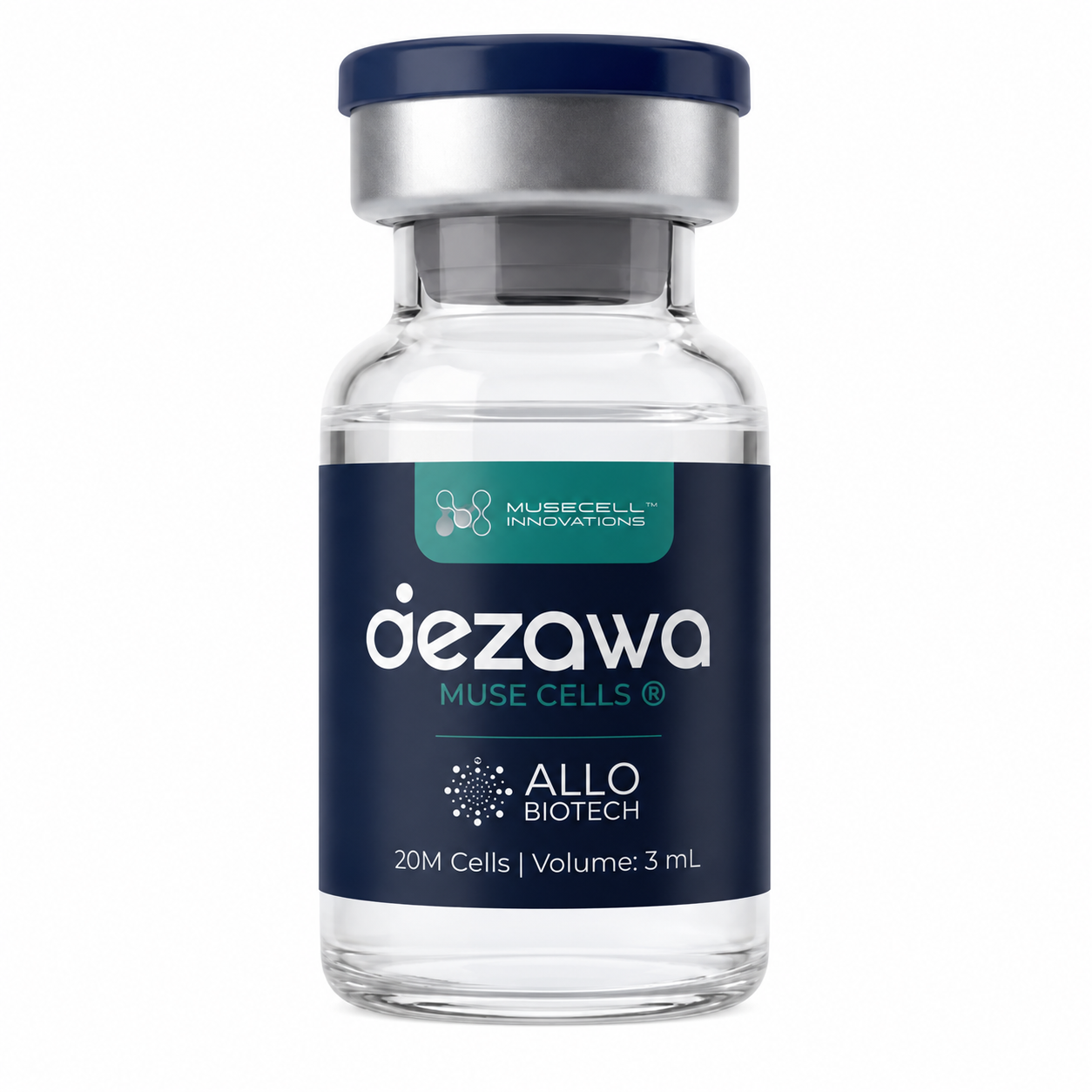
The way we think about health is changing. It’s no longer just about treating sickness; it’s about proactively building a foundation for long-term wellness and vitality. Regenerative medicine is at the forefront of this shift, offering powerful tools to help our bodies function optimally as we age. By harnessing the body’s innate ability to repair itself, these therapies can address everything from joint pain to the subtle signs of aging. This article explores how the best stem cell therapy fits into a modern, proactive health plan, helping you not only find relief from current issues but also invest in your future well-being.
Key Takeaways
- It works with your body’s natural healing system: Stem cell therapy is a regenerative approach that helps repair damaged tissue and reduce inflammation from the inside out, addressing the root cause of your condition instead of just covering up symptoms.
- Finding a trustworthy clinic is essential for your safety: Look for a provider that follows strict FDA guidelines, has a qualified medical team experienced with your specific condition, and is completely transparent about their cell sources and treatment protocols.
- A successful outcome starts with a great consultation: Prepare for your appointment by gathering your medical history and clarifying your health goals. This allows your doctor to create a personalized treatment plan that gives you the best chance for lasting results.
How Does Stem Cell Therapy Actually Work?
You’ve probably heard about stem cell therapy, but the way it works is actually quite simple and intuitive. At its core, this therapy is a form of regenerative medicine, which means it’s designed to support and amplify your body’s own natural healing abilities. Instead of just managing symptoms, the goal is to repair and regenerate damaged tissues from the inside out.
Think of it as giving your internal repair system a powerful set of tools. When your body has an injury or is dealing with a degenerative condition, it can struggle to heal completely on its own. Stem cell therapy introduces new, vibrant cells to the affected area, signaling your body to kickstart the regenerative process. These cells can help reduce inflammation, promote new tissue growth, and address the root cause of your discomfort. It’s a sophisticated, non-surgical way to encourage healing where you need it most.
The Science of Regeneration
Regeneration is your body’s incredible ability to heal and replace damaged cells. When you get a paper cut, your body immediately gets to work repairing the skin. Stem cell therapy applies this same principle to more complex issues, like worn-out cartilage in your joints or damaged tissues causing chronic pain. The therapy introduces a concentrated number of stem cells into a specific area, which then act as a catalyst for repair.
These cells can help generate new, healthy tissue, such as cartilage, muscle, or nerve cells, without the need for invasive surgery. This process helps restore function and reduce pain by actually fixing the underlying problem. For conditions like arthritis or sports injuries, this approach offers a path toward lasting relief by focusing on true joint regeneration and healing.
Understanding How Stem Cells Specialize
What makes stem cells so unique is their ability to be cellular “blank slates.” They are undifferentiated, meaning they haven’t yet been assigned a specific job in the body. This gives them the remarkable potential to transform into many different types of specialized cells, depending on the signals they receive from their environment.
When introduced to an injured area, these stem cells are guided by your body’s own biological cues. If they are placed in a damaged knee joint, for example, they can receive signals to become new cartilage cells. Beyond just transforming themselves, they also release powerful growth factors and proteins that reduce inflammation and encourage your body’s own native stem cells to migrate to the site of injury and get to work. This dual-action approach is what makes stem cell therapy such a dynamic tool for healing.
What Types of Stem Cells Are Used in Therapy?
When you hear the term “stem cell therapy,” it’s easy to think of it as a single type of treatment. In reality, the field of regenerative medicine uses several different kinds of stem cells, each with unique properties and applications. The type of cell a provider uses is one of the most important factors in a treatment plan, as it directly influences the potential outcomes for conditions ranging from joint pain to autoimmune disorders.
Understanding the source and function of these cells helps you make a more informed decision about your health care. The three main categories you’ll encounter in clinical and research settings are mesenchymal stem cells (MSCs) from umbilical cords, adult stem cells from your own body, and induced pluripotent stem cells (iPSCs) created in a lab. Each has a distinct role in promoting healing, and knowing the difference is the first step toward finding the right therapy for you.
Umbilical Cord-Derived Mesenchymal Stem Cells (MSCs)
Mesenchymal Stem Cells, or MSCs, are a powerful type of stem cell used in many regenerative therapies. These cells are ethically sourced from the umbilical cord tissue of healthy, full-term births, a process that is safe for both mother and baby. Because these cells are so young, they are incredibly vibrant and potent. They are also “immune privileged,” meaning they are unlikely to cause an immune reaction in the recipient.
MSCs are the body’s natural repair crew. As one clinic explains, “Mesenchymal Stem Cells (MSCs) are a common type of stem cell used. They find damaged areas, reduce swelling, help your immune system, and protect healthy cells from dying.” This makes them an excellent choice for addressing inflammation and tissue damage associated with conditions like arthritis and sports injuries.
Adult Stem Cells
Adult stem cells are cells that are harvested directly from your own body. They are typically found in tissues like bone marrow or adipose (fat) tissue. Because these cells are autologous (meaning they come from you), the process involves a minor procedure to collect the tissue before the cells are isolated and prepared for treatment.
The primary advantage of using your own adult stem cells is straightforward. As one healthcare group notes, “Because adult stem cells are only taken from your own body, there is no chance of rejection.” This eliminates any risk of an adverse immune response. However, it’s important to remember that these cells are the same age as you are, which means their potency may have declined over time compared to newer cells like MSCs. This is a key consideration when developing a personalized treatment plan.
Induced Pluripotent Stem Cells (iPSCs)
Induced Pluripotent Stem Cells, or iPSCs, represent a fascinating frontier in medical research. These cells are created in a laboratory by taking a patient’s own adult cells, like skin cells, and reprogramming them to an embryonic-like state. This gives them the ability to develop into any type of cell in the body, offering incredible potential for future therapies.
The idea behind this technology is powerful. As one expert puts it, “Inducing your own cells to go to the site of injury is far more potent than injecting external stem cells.” While iPSCs hold immense promise for creating highly personalized treatments, their use is still largely experimental and confined to research settings. They are not yet a standard clinical option, but they highlight the exciting direction that cell therapy is heading.
What Conditions Can Stem Cell Therapy Address?
Stem cell therapy is incredibly versatile because these cells are masters of repair. They can target inflammation and support your body’s own healing mechanisms, making them a promising option for everything from a nagging knee injury to more complex systemic conditions. Here are some of the most common areas where regenerative medicine is making a difference.
Orthopedic and Joint Issues
If joint pain is holding you back, stem cell therapy offers a non-surgical path to relief. For conditions like osteoarthritis or sports injuries, these treatments reduce chronic inflammation and help regenerate damaged tissues like cartilage. The goal is to address the root cause of the pain, not just mask symptoms. This approach helps many people regain mobility and get back to the activities they enjoy, making it a powerful option for joint regeneration. By supporting your body’s own healing capacity, it offers a chance for lasting improvement.
Autoimmune Disorders
Autoimmune disorders occur when your body’s defense system mistakenly attacks healthy tissue. Stem cell therapy offers a new way to address these long-lasting health problems. The mesenchymal stem cells we use have powerful immunomodulatory effects, meaning they can help regulate an overactive immune response. By calming this internal conflict and reducing inflammation, stem cell therapy can help manage symptoms and support your body’s return to balance. You can learn more about the science of stem cells and how they work to restore harmony within the body.
Neurological Conditions
The potential for stem cells to address neurological conditions is an exciting frontier. For issues like peripheral neuropathy or symptoms associated with autism spectrum disorder, regenerative therapy focuses on protecting nerve cells and reducing inflammation in the nervous system. It also works to improve cellular communication. While not a cure, these treatments aim to manage symptoms and improve quality of life by creating a healthier environment for the nervous system to function. The goal is to support neurological health and provide a better foundation for other therapies to be effective.
Sexual Wellness and Anti-Aging
Regenerative medicine is also about optimizing your health for the long run. As we age, our body’s repair processes slow down. Stem cell therapy can help by promoting tissue repair, improving blood flow, and reducing systemic inflammation. This approach can address concerns related to sexual wellness, like erectile dysfunction, and support broader anti-aging goals. It’s a proactive way to help your body function at its best, enhance vitality, and invest in your long-term health and well-being.
What’s New in Stem Cell Therapy?
The world of regenerative medicine is moving fast. Researchers are constantly finding new ways to use stem cells to help the body heal, leading to safer and more effective therapies. From personalized care to groundbreaking studies, the field is evolving quickly. Here’s a look at some of the most significant advancements happening right now.
Personalized Treatment Plans
One-size-fits-all medicine is becoming a thing of the past. The future of stem cell therapy is all about you. A personalized treatment plan is designed around your specific health condition, medical history, and wellness goals. The best therapy is one made just for your unique situation, ensuring you receive the right type and dosage of stem cells to address the root cause of your issue. A qualified medical team will work with you to develop a strategy that gives you the best chance for a successful outcome, making sure you feel supported every step of the way.
Ready-to-Use Stem Cell Options
Imagine getting powerful, vibrant stem cells without an invasive harvesting procedure. That’s the reality with “off-the-shelf” therapies. These treatments use ethically sourced, ready-to-use cells from the umbilical cords of healthy births. These young, robust cells are rich in healing properties and are becoming a preferred option because they are less invasive and immediately available. Using umbilical cord-derived stem cells allows for consistent quality and potency, providing a reliable foundation for treatments that help your body repair itself naturally.
The Latest Discoveries in Cell Therapy
The potential uses for stem cell therapy are expanding every day. Top research institutions are running clinical trials to see how mesenchymal stem cells might help with complex conditions like Alzheimer’s disease, stroke, and diabetes. While many of these applications are still being studied, the preliminary findings are incredibly promising. This ongoing research is paving the way for future therapies that could address some of today’s most challenging health problems. Staying informed about the latest regenerative medicine news is a great way to understand where the science is headed.
Advances in Safety and Regulation
As stem cell therapy becomes more common, so does the focus on safety and quality. Reputable clinics in the United States operate under strict guidelines to ensure patient well-being. This starts with the source of the cells. For example, umbilical cord donors and the cords themselves are meticulously screened for diseases to meet the highest safety standards. This commitment to quality is a key difference when you compare USA versus overseas stem cell treatments, where regulations can be less stringent. Choosing a clinic that prioritizes compliance gives you peace of mind.
Stem Cell Therapy Myths, Busted
There’s a lot of information out there about stem cell therapy, and not all of it is accurate. It’s easy to get tangled up in outdated news or misconceptions. Let’s clear the air and address some of the most common myths head-on. Understanding the reality of modern regenerative medicine is the first step toward making an informed decision about your health. The truth is, today’s treatments are grounded in science, focused on safety, and offer a promising path for those seeking to heal from within.
Myth: All Stem Cells Come From Embryos
This is one of the biggest and most persistent myths. The controversy surrounding embryonic stem cells is a thing of the past, as their use has been illegal in the United States for many years. Modern, ethical regenerative medicine clinics exclusively use adult stem cells. At Miami Stem Cell, we use umbilical cord-derived mesenchymal stem cells (MSCs). These powerful, young cells are ethically sourced from the umbilical cords of healthy, full-term babies, with full consent from the mothers. This process is completely safe for both mother and child and provides a rich source of potent, high-quality stem cells.
Myth: Stem Cells Are a Cure-All
While stem cell therapy has incredible potential, it’s not a magic bullet for every ailment. Think of it as a highly specialized tool, not a universal fix. These therapies are most effective for specific conditions where the body needs support to reduce inflammation and regenerate damaged tissue. We see fantastic results for patients dealing with joint degeneration, chronic pain, and certain autoimmune disorders. Responsible clinics will always provide a realistic outlook based on your specific health profile and the current scientific evidence, guiding you toward treatments that genuinely fit your needs.
Myth: Your Body Will Reject the Cells
It’s natural to worry about how your body will react to a new treatment. However, the mesenchymal stem cells sourced from umbilical cords have a unique advantage: they are “immune-privileged.” This means they don’t carry the specific markers that would cause your immune system to identify them as foreign and attack them. Because of this, your body can accept the cells without the risk of rejection. This makes the therapy a safe and viable option for a wide range of patients, allowing the cells to get to work promoting healing without complications.
Myth: The Procedures Are Painful
Many people imagine stem cell therapy to be a complex and painful surgery, but the reality is much simpler. The procedure is minimally invasive and typically involves a straightforward injection into the targeted area, much like a standard shot you’d get at a doctor’s office. Most patients report only minor discomfort, similar to a blood draw, and there is little to no downtime required afterward. You can read about the experiences of our past patients to get a better sense of how simple and comfortable the process truly is.
Finding a Trusted Stem Cell Clinic: What to Look For
Choosing a stem cell clinic is a significant decision, and it’s essential to do your research to ensure you’re in safe, capable hands. The quality of care, the source of the cells, and the expertise of the medical team can vary dramatically from one place to another. To help you make an informed choice, here are the key factors to consider when looking for a clinic that prioritizes your health, safety, and long-term results. Think of this as your personal checklist for finding a provider you can trust completely with your wellness journey.
FDA Compliance and High Safety Standards
First and foremost, a reputable clinic operates with the highest safety standards and adheres to strict regulatory guidelines. In the United States, this means following FDA regulations for regenerative medicine. This ensures that the stem cells are sourced ethically and processed in a sterile lab environment to prevent contamination and ensure viability. When you speak with a clinic, ask directly about their compliance protocols and where their stem cells come from. The facility itself should be a clean, professional medical setting, staffed by licensed professionals who can answer all your questions with confidence and transparency.
Proven Experience with Your Condition
Stem cell therapy isn’t a one-size-fits-all solution. The best outcomes happen when the medical team has deep experience treating your specific health concern. Whether you’re seeking relief from chronic joint pain, looking for solutions for an autoimmune disorder, or exploring hair restoration, find a clinic that specializes in that area. A provider with a proven track record will understand the nuances of your condition and be able to develop a more effective, targeted treatment plan. Don’t hesitate to ask about their experience with patients who have similar health profiles to yours.
A Qualified Medical Team and Personalized Care
The people administering your treatment matter just as much as the treatment itself. Look for a clinic led by qualified medical doctors with specialized training in regenerative medicine. The best clinics take a collaborative approach, working with you to understand your health history and goals. Your treatment should begin with a thorough consultation to determine if you’re a good candidate. A personalized care plan is a sign of a high-quality provider; they should be tailoring the therapy specifically to you, not offering a generic protocol to every patient who walks through the door.
Transparent Pricing and Ethical Practices
Let’s talk about the investment. Stem cell therapy is not typically covered by insurance, so you need a clear understanding of the costs involved. A trustworthy clinic will be completely transparent about its pricing. Ask for a detailed breakdown of all fees associated with your treatment plan, so there are no surprises later. Be cautious of clinics that are vague about costs or pressure you into making a quick decision. Ethical practice means putting your well-being first, and that includes being upfront and honest about the financial commitment from the very beginning.
Genuine Patient Reviews and Post-Treatment Support
Hearing from past patients can provide incredible insight into a clinic’s quality of care and results. Look for genuine testimonials and reviews that speak to the entire patient experience, from the initial consultation to the final outcome. Equally important is post-treatment support. A great clinic won’t just administer the therapy and send you on your way. They will provide a clear follow-up plan to monitor your progress, answer your questions, and support you throughout your healing process. This ongoing relationship is a key part of achieving the best possible long-term results.
Weighing the Pros and Cons of Stem Cell Therapy
Deciding on a medical treatment is a big step, and it’s smart to look at it from every angle. Stem cell therapy holds incredible promise for healing and recovery, offering a new approach for conditions that once had limited options. It works by using the body’s own regenerative power to repair damage and reduce inflammation at the source. This approach can be a game-changer for everything from chronic joint pain to autoimmune disorders.
However, like any medical procedure, it’s not without things to consider. The effectiveness of the therapy can depend on your specific condition, your overall health, and the quality of the clinic you choose. It’s important to have a clear picture of not just the potential benefits but also the safety protocols and what you can realistically expect in the long run. Thinking through these points will help you make a confident and well-informed decision about whether this path is the right one for your health goals.
The Potential Benefits for Your Health
One of the most significant advantages of stem cell therapy is its ability to promote natural healing without invasive surgery. For many people dealing with chronic pain or degenerative conditions, this is a huge plus. The therapy works to help your body regenerate tissues like cartilage, nerve cells, and blood vessels, addressing the root cause of your symptoms rather than just masking them. The best treatments are always personalized. A skilled medical team will design a protocol specifically for your health needs, ensuring the therapy is targeted for the best possible outcome. This tailored approach is key to effective joint regeneration and managing other chronic issues.
Understanding the Risks and Safety Measures
Your safety should always be the top priority. Reputable clinics in the United States operate under strict guidelines to minimize risks. At Miami Stem Cell, we use mesenchymal stem cells (MSCs) derived from umbilical cords donated after healthy, full-term births. Both the donors and the umbilical cord tissue undergo extensive screening for diseases, ensuring the cells are pure and safe. Because these cells are so new, they are immunoprivileged, meaning there is a very low risk of your body rejecting them. Understanding the difference between strictly regulated domestic clinics and international options is crucial, as USA stem cell treatments adhere to high safety and quality standards that may not be present elsewhere.
What to Expect for Long-Term Results
Stem cell therapy is focused on creating lasting improvement, but it’s important to have realistic expectations about the timeline. This isn’t an overnight fix; it’s a regenerative process that helps your body heal over weeks and months. As technology advances, treatments are becoming more effective and predictable, moving well beyond the experimental phase. The goal is to provide long-term relief and improved function by repairing damaged tissue from within. While results vary for each person, many patients experience significant, lasting changes in their quality of life. Reading through patient testimonials can give you a better sense of the real-world outcomes people have achieved.
Stem Cell Therapy Abroad: Is It a Good Idea?
The idea of traveling to another country for stem cell therapy can be tempting, especially when you see lower prices or promises of treatments not yet widely available at home. While some international clinics are excellent, the landscape is complex and varies wildly from one country to the next. Making this choice isn’t just about finding a good deal; it’s about your health, safety, and peace of mind. Before you book a flight, it’s crucial to weigh the potential benefits against the very real risks involved. Let’s break down the key things you need to consider.
Understanding International Regulations
One of the biggest differences between treatment at home and abroad is the regulatory oversight. In the United States, the FDA has a specific framework for cellular therapies to ensure they are safe and effective. When you go abroad, you’ll find that regulations can be much looser or even non-existent. While top-tier research happens in places like Sweden and Japan, many clinics operate in a gray area. This means you might not have clear information about the source of the stem cells, how they were processed, or the standards of the lab. It’s essential to understand the differences between US and overseas treatments to protect your health.
Comparing Costs and Watching for Hidden Fees
Cost is often the main reason people look into medical tourism. Countries like Mexico, India, and Costa Rica can offer treatments for a fraction of the US price. However, a lower price tag can sometimes come with compromises in quality, safety, or physician expertise. It’s important to look beyond the initial quote. Does the price include consultations, follow-up care, and any necessary medications? You also need to factor in the cost of flights, accommodation, and time off work for both you and a potential travel companion. A seemingly affordable procedure can quickly become expensive once you add up all the hidden costs.
Planning Your Travel and Support System
Traveling for a medical procedure adds a layer of logistical and emotional stress. You’ll need to arrange flights and a comfortable place to recover, all while feeling less than your best. More importantly, what happens after the procedure? Find out if the clinic provides any follow-up care once you return home. Continuity of care is vital for a successful outcome, and managing it from thousands of miles away can be difficult. Having a strong support system nearby is also incredibly helpful during recovery, something that’s much easier to arrange when you’re treated at a local clinic.
Your Consultation Checklist: Questions to Ask Your Provider
Walking into your first stem cell consultation is a big step. This is your opportunity to get all the information you need to feel confident and clear about your decision. Think of it as an interview where you’re in the driver’s seat. A reputable clinic will welcome your questions and provide transparent answers. Being prepared with a list of questions helps you cover all the important bases, from safety protocols to what you can expect after your treatment. This checklist is designed to help you get the answers you need to make the best choice for your health.
Questions About Safety and Compliance
Your safety should always be the top priority. A trustworthy clinic will operate with the highest standards, so don’t be shy about asking direct questions about their procedures and credentials. Understanding their commitment to safety and regulatory guidelines is fundamental. Before moving forward, you’ll want to feel completely at ease with their practices.
Here are a few key questions to ask:
- How do you adhere to FDA regulations for stem cell therapies?
- What specific protocols do you follow to ensure patient safety and prevent contamination?
- Can you tell me about the lab where the cells are processed?
- What are the qualifications of the medical staff who will be handling my treatment?
Questions About Your Treatment and Stem Cell Source
Not all stem cell treatments are created equal. The type of cells used and where they come from are critical factors in the potential effectiveness of the therapy. You want to ensure the clinic uses high-quality, ethically sourced cells. It’s also important to know that your treatment plan isn’t a one-size-fits-all solution but is tailored to your unique health needs.
Ask these questions to understand the specifics:
- What type of stem cells do you use, and why are they the best choice for my condition?
- Where do you source your stem cells from, and how are the donors screened?
- Will my treatment plan be personalized for me?
- Who will perform the procedure, and what is their experience with my specific condition?
Questions About Your Results and Timeline
It’s important to have a clear and realistic understanding of what to expect from your treatment. Every person’s healing journey is different, and a good provider will be honest about potential outcomes, the recovery process, and any follow-up care you might need. This conversation will help you set practical expectations and prepare for the road ahead.
Get clarity with these questions:
- What results have other patients with my condition experienced?
- What is a realistic timeline for seeing improvements?
- How many treatments are typically needed for a condition like mine?
- What does the post-treatment care plan look like, and what support do you offer? You can also ask to see testimonials from previous patients.
How to Prepare for Your Stem Cell Consultation
Walking into your first stem cell consultation can feel like a big step, and being prepared makes all the difference. A little prep work ensures you and your doctor can have a productive conversation about your health goals and whether regenerative medicine is the right path for you. By organizing your medical information, clarifying your expectations, and understanding the financial side of things, you can make the most of your appointment and move forward with confidence. Think of this as the first step in taking control of your health journey.
Gather Your Medical History
Before your appointment, take some time to pull together your complete medical history. Your doctor will need a full picture of your health to determine if you are a good candidate for stem cell therapy and to design a personalized treatment plan. Having this information ready helps the medical team give you the most accurate assessment. Be sure to include a list of past diagnoses, previous surgeries, current medications and supplements, and any known allergies. If you have recent imaging reports, like MRIs or X-rays related to your condition, bring those along too. A thorough history allows you to make an informed decision about your care.
Set Realistic Expectations for Your Outcome
It’s important to approach stem cell therapy with a clear and realistic mindset. While regenerative medicine offers incredible potential, it’s not a magic bullet. The goal is to support your body’s natural healing processes, which takes time and can vary from person to person. Think about what you hope to achieve. Are you looking for reduced pain, better mobility, or a way to manage a chronic condition? Communicating these specific goals helps your provider set a practical timeline and treatment plan. Looking at patient testimonials can also give you a better sense of the kinds of results others have experienced.
Discuss the Investment and Payment Options
Stem cell therapy is an investment in your long-term health and quality of life. Since most insurance plans don’t cover regenerative treatments, it’s smart to discuss the costs upfront. Don’t hesitate to ask for a detailed breakdown of all potential fees so there are no surprises. Many clinics understand that this is a significant financial decision and may offer payment plans or financing options to make treatment more accessible. A transparent conversation about the investment ensures you can plan accordingly and focus on what truly matters: your healing and recovery. You can often find preliminary information on a clinic’s contact page or by calling their office directly.
Related Articles
- What is Regenerative Medicine? A Miami Stem Cell Guide
- Stem Cell Treatments: USA vs Overseas Safety & Cost
- Stem Cell Therapy for Foot Drop: The 2026 Guide
- Miami Stem Cell Therapy: Best Options, Safety & Costs
Frequently Asked Questions
Is stem cell therapy a safe procedure? Yes, when performed by a qualified medical team in a reputable clinic, the procedure is very safe. We use mesenchymal stem cells (MSCs) sourced from the umbilical cords of healthy, screened donors. These cells are unique because they are “immune-privileged,” which means your body is highly unlikely to have a negative reaction to them. Our clinic follows strict safety and compliance standards to ensure the cells are processed in a sterile environment, providing a safe and effective treatment.
Where do you get your stem cells? This is a great question, and the answer is central to our ethical approach. We exclusively use mesenchymal stem cells that are ethically sourced from the umbilical cord tissue of healthy, full-term births. The donation process is completely voluntary, requires the mother’s full consent, and is entirely safe for both the mother and the baby. This method provides a rich source of vibrant, powerful cells without any of the ethical concerns associated with outdated cell sources.
How long does it take to feel the effects of the therapy? Healing is a gradual process, not an overnight fix. While some patients report feeling relief from reduced inflammation within a few weeks, the true regenerative work happens over several months as your body builds new tissue. The timeline is different for everyone and depends on your specific condition and your body’s unique healing response. We will create a personalized plan that outlines a realistic timeline for you.
Is the treatment painful, and what is the recovery like? Most people are pleasantly surprised by how simple the procedure is. The therapy is administered through a direct injection into the target area, and most patients say it feels similar to a standard shot or having blood drawn. There is very little to no downtime required afterward. You can typically return to your normal daily activities right away, without the lengthy recovery period associated with surgery.
Why doesn’t my insurance cover stem cell therapy? Since regenerative medicine is a newer field of health care, most insurance providers still classify stem cell therapy as an elective or investigational treatment, so it is generally not covered. This is common for many advanced therapies that focus on addressing the root cause of a condition instead of just managing symptoms. We are completely transparent about the costs and can discuss payment options with you to help you invest in your long-term health.