

The Pioneers of Stem Cell Therapy in Miami
The next-generation of Stem Cell regenerative medicine is Here.
TYPES OF THERAPIES WE OFFER
Advanced Stem Cell Regenerative Medicine Treatments in Miami
t Miami Stem Cell, we’re proud to offer Authentic Dezawa Stem Cell, Muse Cells®, a next-generation stem cell regenerative medicine platform that has been studied for its unique biological properties and potential applications in stem cell regenerative medicine.
We offer advanced stem cell regenerative therapies designed to reduce pain, fight auto-immune conditions, restore function, and support natural healing without medications or surgery.
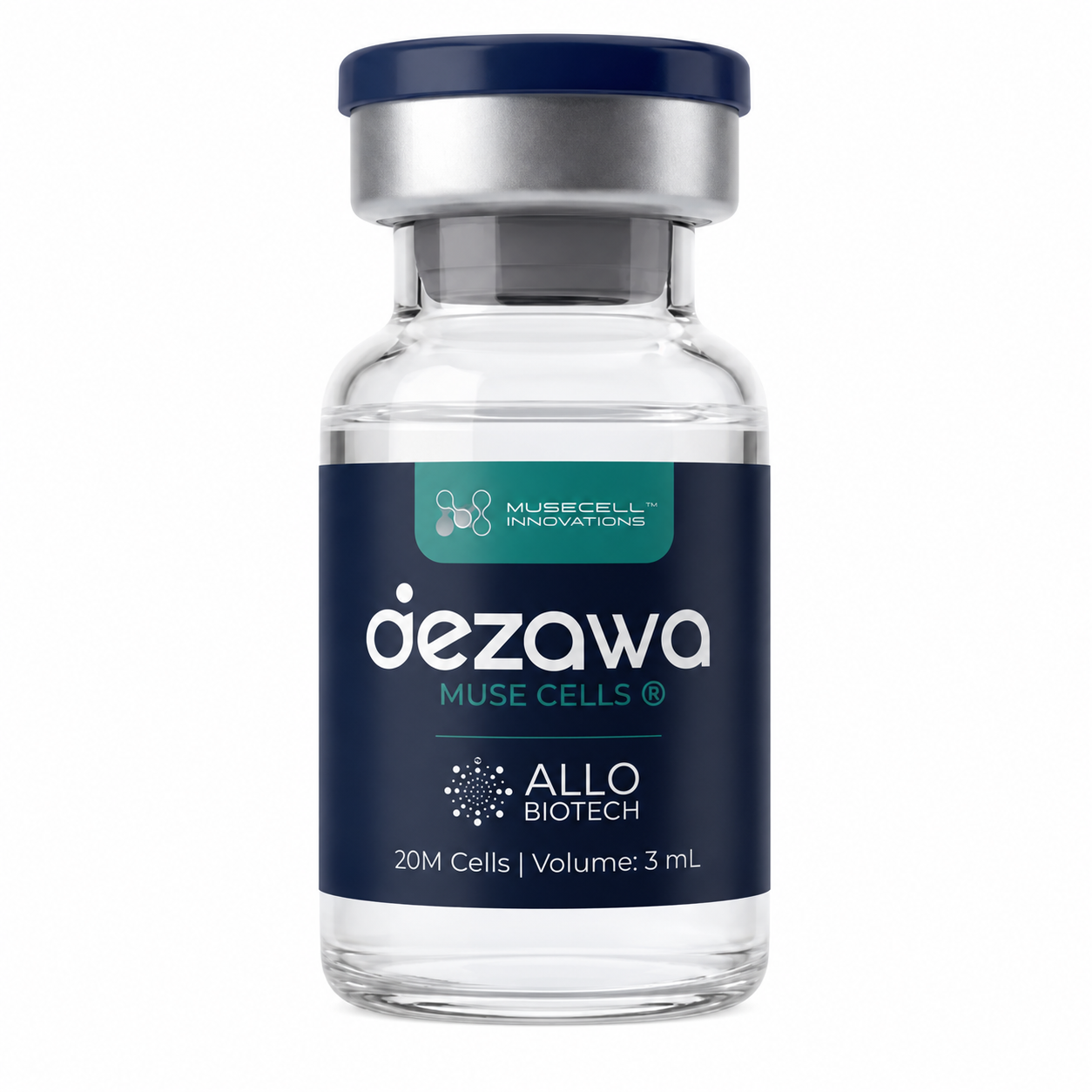
WE ARE AUTHORIZED DEZAWA MUSE CELLS®
What are Muse Cells?
At Miami Stem Cell, we’re proud to offer Authentic Dezawa MuseCells®, a next-generation regenerative medicine platform that has been studied for its unique biological properties and potential applications in regenerative medicine.
Muse cells are a rare kind of repair cell that already lives inside your body — and unlike most stem cells, they travel to damaged tissue on their own.
Muse cells — short for Multilineage-differentiating Stress-Enduring cells — are a rare population of repair cells found in adult human tissue. Only about 3 in every 100 stem cells is one.
They were discovered in 2010 at Tohoku University in Japan by Dr. Mari Dezawa, and found by accident: a lab was about to discard a batch of severely stressed cells when a few were seen still alive. Those survivors turned out to be a distinct cell type, and that toughness is where the name comes from.

Stem Cell Therapy in Miami
WHAT ARE STEM CELLS?
Stem cells are undifferentiated cells that have the ability to divide and become any human cell in the body replacing specialized cells that are damaged or lost. They are an abundant amount of power and promise because of their multifaceted ability to transform into areas of the body that need attention and regeneration of healthy cell matter.
We at Miami Stem Cell recognize the power and potency of stem cells to aid in the field of regenerative medicine. This is a truly exciting avenue for natural healing without surgery.
ABOUT US
Pioneer of Stem Cell Therapy in Miami
No Need to Travel Abroad for Stem Cell Therapy
If you’ve been told you need to leave the United States to access “better” stem cell treatments think again.
The reality is simple:
In the U.S., regenerative medicine operates under some of the strictest regulatory and safety standards in the world, with FDA oversight designed to protect patients and ensure quality. Overseas clinics often operate with far less transparency and in many cases, without the same level of accountability.
At Miami Stem Cell, we bring advanced regenerative care right here to you.
What Our Patients Are Experiencing
Pain relief begins within 2–4 weeks
Report increased mobility after one month
Swelling reduced in under 2 weeks with exosomes
A Trusted Leader in
Regenerative Medicine
Miami Stem Cell is a South Miami regenerative medicine clinic with 16 years of experience and 8,500+ procedures performed.
With 8,500+ procedures performed, our team has helped patients address:
- Chronic joint and spine pain
- Autoimmune conditions
- Degenerative conditions
- Inflammation-driven disorder
- Hair Loss, Anti-Aging support
- Autism
without surgery, long recovery times, or unnecessary risk.
Other Regenerative Therapies
Non-surgical regenerative treatments
Our approach targets the root cause, not just symptoms supporting the body’s natural ability to repair.
WHAT WE TREAT
Conditions and Services We Support
Our stem cell therapies in Miami are designed to treat chronic pain, injuries, and performance-related conditions—helping you heal faster, move better, and restore your quality of life.
Contact us today
Our team has pioneered and paved the way in this field with over 8500+ completed stem cell procedures, successfully providing an alternative to surgery.
Our Stem Cells
Muse Cells
One of the first U.S. clinics offering Authentic Dezawa MuseCells®. While research continues to evolve, MUSE cells represent one of the most promising advancements in regenerative medicine because of their unique ability to support the body's natural repair processes.
Mesenchymal Stem Cells (MSCs)
These stem cells (MSCs) are a type of adult stem cell found in tissues such as the umbilical cord. They are well known for their ability to reduce inflammation, modulate the immune system, and support the body's natural healing processes by releasing a wide range of bioactive molecules, including growth factors, cytokines, and extracellular vesicles.
Patient Testimonial
WHY CHOOSE US
Why Choose Our Stem Cell Therapy in Miami
Our clinic combines advanced regenerative medicine, proven protocols, and personalized care to deliver safe, effective, and long-lasting results without surgery.
LATEST NEWS
Stay Informed with the Latest in Stem Cells
Explore expert insights, treatment breakthroughs, and patient success stories to stay up to date on the future of stem cell therapy.
What is Stem Cell Therapy (Orthobiologics)
Stem Cell Therapy for
Joint Pain
What Our Patients are Saying
We take pride in our commitment to excellence and patient satisfaction. Here’s what some of our clients have to say
Trustindex verifies that the original source of the review is Google. I just had the stem cell treatment on my knees today. I can’t say if it worked yet but I can say the procedure was painless. The office and the staff are very professional. Overall it was a positive experience.Posted onTrustindex verifies that the original source of the review is Google. Great customer service. Very understandingPosted onTrustindex verifies that the original source of the review is Google. Just had a preliminary interview to find out about stem cell therapy. they were so friendly and knowledgeable. I felt the total understand my pain in my shoulder. If they were not so far away I would go there. But driving from PSL is just a little too far.Posted onTrustindex verifies that the original source of the review is Google. Haven’t gotten too far yet, but the front desk and everybody I’ve spoken to so far truly seems that they care that itself is just a blessing. I’ll keep you informed how things go.Posted onTrustindex verifies that the original source of the review is Google. Very informative. Clearly communicated information.Posted onTrustindex verifies that the original source of the review is Google. Excellent Experience at Miami Stem Cell I had stem cell therapy at Miami Stem Cell and the entire staff was incredibly nice and professional. From start to finish, everyone made me feel comfortable and well cared for. The procedure went very smoothly with no issues at all. The clinic is modern and clean, and the team was efficient and thorough. Highly recommend Miami Stem Cell for anyone considering stem cell treatment in Miami!Posted onTrustindex verifies that the original source of the review is Google. Thank you Miami stem cell for always having my best interest in mind. This process has been rewarding and revitalizing so I’m very happy with the results for now. Continuing to remain hopeful that it’s work in progress. Thank you Claudia for being so professional and welcoming each visit.
Miami Stem Cell Address:
Miami Stem Cell
6262 Sunset Dr, Suite 400, South Miami, FL 33143
(305) 598-7777
gmurphy@stemcellmia.com
1401 S Beretania St, Ste 400 Honolulu, HI 96814
Schedule a Free 15-Minute Consultation
Our team has pioneered regenerative medicine, completing over 8,500 stem cell procedures as
a successful alternative to surgery. Miami Stem Cell specializes in treating hair loss and pain-related issues using advanced stem cell and exosome therapies
SCHEDULE YOUR FREE CONSULTATION TODAY
Start Your Stem Cell Journey in Miami
Whether you’re seeking relief from chronic pain, looking to restore your hair, or exploring options for a loved one with autism, your path to healing starts with a conversation.
During your complimentary 15-minute consultation, we’ll:
- Discuss your condition and treatment goals
- Explain which therapies may be appropriate
- Answer your questions about safety, timeline, and costs
- Determine if you’re a candidate for our programs
No pressure, no obligation, just honest answers from a team that genuinely wants to help.
Book Appointment
Call Us
(305) 598-7777
Email Us
gmurphy@stemcellmia.com
Miami Stem Cell Address:
Miami Stem Cell
6262 Sunset Dr, Suite 400, South Miami, FL 33143
(305) 598-7777
gmurphy@stemcellmia.com
1401 S Beretania St, Ste 400 Honolulu, HI 96814
Regenerative Treatments
Our Arsenal of Regenerative Treatments

Mesenchymal Stem Cells (MSC) Therapy
How we use it:
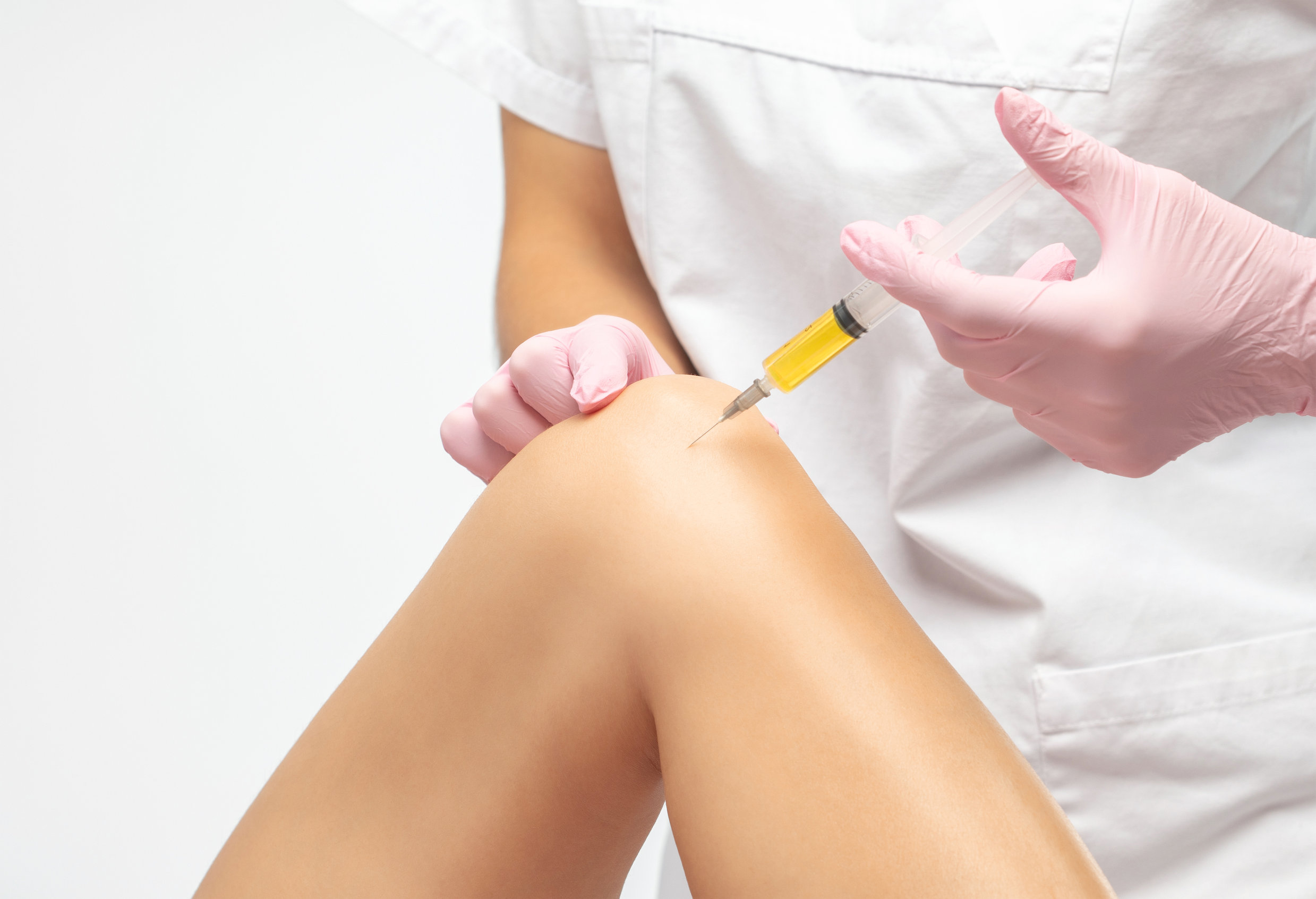
Direct joint injections for osteoarthritis in knees, hips, shoulders, wrists, and spine.
Intravenous infusions (IV) to support systemic inflammation reduction and healing.
Benefits:
- Promotes cartilage regeneration and tissue repair
- Reduces inflammation, pain and swelling
- Delay or even eliminate the need for surgery

Umbilical Cord Derived Stem Cells Exosomes
What is it: Exosomes are nano-sized vesicles secreted by stem cells. Think of them as “cellular messengers” that deliver regenerative signals where your body needs them most.
How we use it:
Injected directly into joints to rebuild cartilage, tendons, muscles, disc, etc
IV infusion to support full-body cellular communication, address systemic inflammation and immune modulation
Benefits:
- Enhances tissue regeneration and reduce inflammation
- Accelerates recovery and pain reduction
- Improves cellular signaling and rejuvenation

IV Therapy with MSC Stem Cells and Exosomes
Ideal for:
- Rheumatoid arthritis
- Psoriatic arthritis
- Advanced osteoarthritis with multi-joint involvement
- Autism, Lupus, Diabetes, Alzheimer's, long COVID, and more

Bone Marrow Aspirate Concentrate (BMAC) Stem Cells
What it is: BMAC is a rich source of your own stem cells, growth factors, and healing components harvested from your pelvic bone. This treatment involves drawing the patient’s own bone marrow from the hip, isolating the MSC stem cells, and using it therapeutically to help protect and restore joint health.
How we use it:
Often combined with MSC or exosome treatments for added regenerative impact
Injected into joints to stimulate cartilage and tissue repair
Benefits:
- Autologous (from your own body)
- Contains a broad range of healing components
- Synergistic effect when combined with Wharton’s Jelly MSC

Platelet-Rich Plasma (PRP) Therapy
What it is: PRP therapy utilizes a concentrated form of your own platelets, rich in growth factors, to stimulate healing and reduce inflammation in damaged tissues.
How we use it:
Direct joint injections to address osteoarthritis in knees, hips, shoulders, and other affected areas.
Benefits:
- Reduces pain and stiffness associated with arthritis.
- Enhances the body's natural healing processes.
- May improve joint function and delay the progression of arthritis.

Alpha-2-Macroglobulin (A2M) Injections
What it is: Alpha-2-Macroglobulin (A2M) is a powerful, naturally occurring protein in your blood that works as a protease inhibitor—meaning it binds to and neutralizes the enzymes responsible for breaking down cartilage. This treatment involves drawing the patient’s own blood, isolating the A2M, and using it therapeutically to help protect and preserve joint health.
How we use it:
Targeted injections into joints showing signs of cartilage wear
Benefits:
- Halts the degenerative cascade, fights inflammation
- Protects existing cartilage
- Reduces pain and stiffness

Clarix-FLO® Amniotic Fluid InjectionFDA-Approved
What it is: Clarix® FLO is a next-generation amniotic allograft rich in growth factors, cytokines, and hyaluronic acid (HA)—all key components that promote tissue repair and reduce inflammation. This advanced biologic is FDA-approved and designed to support accelerated healing and pain relief at the cellular level.
How we use it:
Injected directly into arthritic joints
Benefits:
- Promotes soft tissue healing
- Reduces inflammation
- Lubricates and cushions joints
