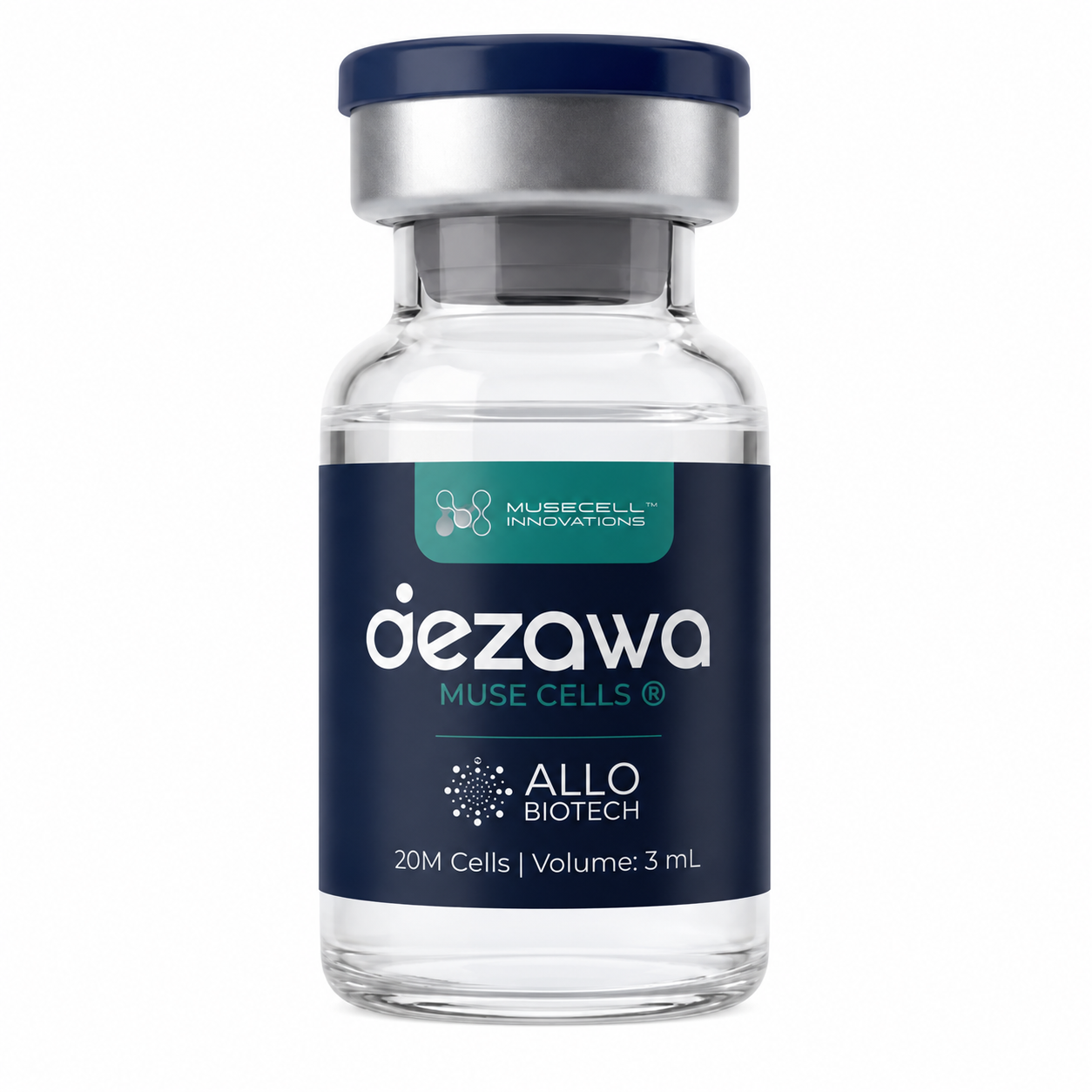
The effectiveness of any stem cell therapy depends on one thing: vitality. Your own bone marrow stem cells are the same age you are, and like all of us, they lose some of their power over time. In contrast, umbilical cord stem cells are brand new, full of pristine healing potential. This fundamental difference is at the heart of the BMC vs umbilical cord stem cells discussion. The age of a cell directly impacts its ability to reduce inflammation and repair damaged tissue. Here, we’ll explore why this age factor is so critical and how it influences treatment outcomes.
Key Takeaways
- Younger cells offer stronger healing: Umbilical cord stem cells are collected at birth, making them more potent and effective at repairing tissue than your own bone marrow stem cells, which decline in vitality as you get older.
- Source determines the procedure’s comfort: Choosing umbilical cord stem cells means avoiding the painful, invasive surgery required to collect bone marrow, opting instead for a therapy sourced ethically and painlessly.
- Umbilical cord cells work safely with your body: These cells are immunologically privileged, which means they have a very low risk of being rejected and can effectively reduce inflammation without triggering an adverse immune response.
What Are Bone Marrow Stem Cells?
When you hear about stem cell therapy, bone marrow is probably one of the first sources that comes to mind. For a long time, it was the primary source for regenerative treatments. These are your own body’s stem cells, taken from the soft, spongy tissue inside your bones. Known as autologous cells, they have the job of repairing and replacing damaged tissue throughout your life.
The idea behind using them for therapy is simple: concentrate these powerful repair cells and inject them directly where they’re needed most, like an arthritic knee or an injured tendon. Because they come from your own body, there’s no risk of rejection. However, the process of getting them isn’t quite as simple, and their effectiveness can depend heavily on a factor you can’t control: your age. Understanding how they work, where they come from, and what makes them unique is the first step in figuring out if they are the right choice for your health goals.
Where They Come From and How They’re Collected
Bone marrow stem cells, specifically mesenchymal stem cells (MSCs), live inside your bones. While bone marrow was the first place scientists discovered MSCs, they make up a tiny fraction of the total cells there, just 0.001% to 0.01%. To collect them, a doctor performs a procedure called bone marrow aspiration, which involves inserting a long needle into a bone, usually the hip, to draw out the marrow.
This is a surgical procedure that requires local anesthesia and can be quite painful, often leaving patients sore for several days. The collected marrow is then processed in a centrifuge to separate and concentrate the stem cells, creating what’s known as Bone Marrow Concentrate (BMC). This concentrate is then ready for injection into the targeted treatment area.
What Makes Them Unique
Bone marrow stem cells are multipotent adult stem cells. This means they are versatile and can transform into several different types of cells, including bone, cartilage, muscle, and fat cells. This adaptability is what makes them valuable for regenerative medicine, as they can help rebuild tissues that have been damaged by injury or degenerative conditions. They have been studied for a wide range of applications, from repairing heart tissue after a heart attack to helping with orthopedic injuries.
However, a key characteristic of bone marrow stem cells is that their potency is tied to your age. As you get older, the number of stem cells in your bone marrow decreases, and their ability to divide and repair tissue weakens. This is a critical factor to consider when weighing your treatment options.
What Are Umbilical Cord Stem Cells?
When you hear about stem cell therapy, you might picture complex procedures. But one of the most powerful types of stem cells comes from a very simple and natural source: the umbilical cord. Umbilical cord stem cells are young, potent cells harvested right after a healthy baby is born. Specifically, we use mesenchymal stem cells (MSCs), which are essentially the body’s foundational building blocks. Think of them as a master repair crew that can develop into various types of tissue, including cartilage, bone, muscle, and fat.
These cells are at the forefront of regenerative medicine because of their incredible versatility and healing capabilities. They work by seeking out inflammation and damaged tissue, then signaling the body’s own repair mechanisms to kick into high gear. This process helps address the root cause of many conditions, from chronic joint pain to autoimmune issues, by promoting natural healing from within. At Miami Stem Cell, we exclusively use umbilical cord-derived stem cells because we believe their unique properties offer the most effective and safest path to recovery and wellness for our patients. They represent a pure, powerful, and ethically sourced tool for restoring your body’s function and vitality.
The Source and Collection Process
The origin of these remarkable cells is as straightforward as it is ethical. Umbilical cord stem cells are collected from the umbilical cord and its blood, which are rich in a gelatinous substance called Wharton’s jelly, immediately after a healthy, full-term birth. The entire process is completely non-invasive and poses absolutely no risk or pain to the mother or the newborn.
After a scheduled C-section, and with full, informed consent from the parents, the donated umbilical cord is collected. This tissue, which would otherwise be discarded as medical waste, is given a new and profound purpose. It’s a beautiful way to turn something that would be thrown away into a life-changing treatment for someone else. This simple, safe, and ethical collection process is one of the primary reasons umbilical cord stem cells are such a preferred choice in regenerative medicine.
Their Unique Properties
What makes umbilical cord stem cells so special? It really comes down to their youth and purity. Because these cells are collected at birth, they are pristine and haven’t been exposed to the aging process, environmental toxins, or disease. They are brand new and full of vitality, which allows them to grow and multiply rapidly, giving them a stronger healing capacity than older cells.
Another significant advantage is their “immune privilege.” Umbilical cord MSCs are less likely to be recognized and rejected by the recipient’s immune system. This means they can be used safely in treatments for many different people without the need for matching, greatly reducing the risk of adverse reactions. This combination of high potency and low immune reactivity makes them an incredibly powerful and safe tool for repairing tissue, reducing inflammation, and restoring health for conditions like arthritis.
How Do Bone Marrow and Umbilical Cord Stem Cells Compare?
When you start exploring regenerative medicine, you’ll quickly find that not all stem cells are created equal. The two most common types used in therapies are those from bone marrow and those from umbilical cords. While both have healing potential, they have key differences in how they’re sourced, how potent they are, and how your body responds to them. Understanding these distinctions is the first step in figuring out which approach might be the right fit for your health goals. Let’s break down the comparison point by point.
Age, Potency, and Why It Matters
Think of stem cells like batteries. The newer the battery, the more charge it holds. Umbilical cord stem cells are collected at birth, making them the youngest, most pristine cells available. They are “brand new and full of energy,” which means they have a greater capacity to divide, differentiate, and signal healing within your body. In contrast, bone marrow stem cells are as old as you are. As we age, our own stem cells decline in number and vitality, accumulating environmental damage that can reduce their effectiveness. This age difference is a major factor in the therapeutic potential of a stem cell treatment.
The Collection Process: Invasive vs. Non-Invasive
The way stem cells are obtained is another significant difference. Collecting stem cells from bone marrow requires a procedure called aspiration, where a long needle is inserted into the hip bone to draw out the marrow. This process can be painful and often requires anesthesia and a recovery period. On the other hand, collecting umbilical cord blood is completely non-invasive. As one source puts it, “Collecting it is easy, painless, and safe for the mother and baby.” The cells are gathered from the umbilical cord and placenta after a healthy birth, a process that poses no risk to anyone involved and salvages a rich source of healing cells that would otherwise be discarded.
Your Body’s Response: Risk of Rejection
When introducing new cells into the body, the immune system’s reaction is a critical consideration. Your own bone marrow stem cells (an autologous transplant) won’t be rejected, but their potency is limited by your age. When using donor cells (an allogeneic transplant), umbilical cord stem cells have a distinct advantage. Because they are so young, they are immunologically immature and have “lower levels of certain immune markers.” This quality, often called immune privilege, means they are less likely to be recognized as foreign by your body, significantly reducing the risk of an adverse immune reaction. This makes them a safer and more versatile option for regenerative therapies.
Healing Power and Growth Potential
Ultimately, the goal of stem cell therapy is to manage inflammation and promote healing. Research shows that umbilical cord-derived mesenchymal stem cells (MSCs) may have the upper hand here. One study found that they produced “much higher levels of important anti-inflammatory signals” compared to bone marrow MSCs. This powerful anti-inflammatory capability is crucial for treating conditions driven by chronic inflammation, such as arthritis and autoimmune disorders. Their robust ability to multiply and release growth factors also gives them a strong potential to support tissue repair and regeneration throughout the body.
The Pros and Cons of Bone Marrow Stem Cells
Bone marrow stem cells were the original pioneers in regenerative medicine, and for a long time, they were the only option. While they still have a place in treating certain conditions, it’s important to look at the full picture. Understanding both the benefits and the drawbacks is key to deciding if this path is the right one for your health goals. Let’s break down what you need to know about this traditional source of stem cells.
The Upside: Using Your Own Cells
The idea of using your body’s own cells to heal itself is powerful, and that’s the main appeal of bone marrow stem cells. Since these cells come from you, the risk of your body rejecting them is extremely low. They were the very first type of mesenchymal stem cells (MSCs) discovered and have a long track record in medicine, especially for treating blood-related cancers. Because they are your own biological material, they are seen by many as a natural and safe starting point for regenerative therapies. This familiarity and history make them a trusted option for specific medical applications.
The Downside: A Painful Process and Declining Potency
On the other hand, getting stem cells from bone marrow isn’t a simple process. The collection procedure, called bone marrow aspiration, is invasive and can be quite painful, requiring recovery time. Beyond the discomfort, there’s a bigger issue: age. As we get older, the number and healing potential of our bone marrow stem cells naturally decrease. This means the cells collected from a 50-year-old may not be as robust as those from a 20-year-old. Your cells have also been exposed to a lifetime of environmental factors and potential viruses, which can impact their quality. For those seeking effective pain management or rejuvenation, these limitations are significant.
Why Umbilical Cord Stem Cells Offer a Powerful Alternative
When you weigh the pros and cons, it becomes clear why so many people are turning to umbilical cord stem cells for regenerative treatments. These cells present a compelling alternative to bone marrow-derived cells, primarily because of their youthful potency, the non-invasive collection method, and their unique ability to work with your body. They represent a modern, science-backed approach to healing that sidesteps many of the challenges associated with older, more invasive methods. Let’s break down exactly what makes them such a powerful option for everything from joint pain to anti-aging.
A Pain-Free, Simple Collection
One of the most significant advantages of umbilical cord stem cells is how they are sourced. The collection process is completely non-invasive, safe, and painless for both the mother and the newborn. After a healthy birth, the umbilical cord and placenta are typically discarded as medical waste. Instead of being thrown away, this tissue can be donated, and the rich supply of stem cells within it is carefully collected and preserved. This ethical and simple process means there’s no need for a painful surgical procedure, no anesthesia, and no recovery time for a donor, which is a stark contrast to bone marrow aspiration.
More Potent Healing and Inflammation Control
Think of umbilical cord stem cells as brand new. Because they are collected at birth, they are at their peak vitality and haven’t been exposed to the aging process or environmental stressors that your own adult stem cells have. This youthfulness translates into incredible potency. These cells have a stronger ability to repair damaged tissue and are particularly effective at managing inflammation, a root cause of many chronic conditions. They release powerful signaling molecules that instruct your body’s own cells to begin the healing process, making them a fantastic tool for addressing issues like arthritis and sports injuries.
A Safer Option with Lower Rejection Risk
A major concern with any donor-based therapy is the risk of the recipient’s body rejecting the new cells. Umbilical cord stem cells have a unique advantage here. They are immunologically immature, which means they don’t have the specific markers that your immune system would typically identify as foreign. This quality makes them “immune privileged,” drastically reducing the risk of an adverse reaction or rejection. It allows the cells to go to work repairing and regenerating tissue without triggering an aggressive immune response, offering a safer and more reliable stem cell therapy option for a wide range of patients.
Let’s Talk Safety: What Are the Risks?
When you’re exploring options for your health, safety is naturally top of mind. It’s important to be clear about the risks associated with any medical procedure, and stem cell therapy is no different. The source of the stem cells plays a huge role in the safety and comfort of the treatment. Let’s walk through the key differences so you can feel confident in your decision.
The Risks of Bone Marrow Aspiration
Collecting stem cells from your own bone marrow, a process called aspiration, is a surgical procedure. It involves drilling into the hip bone to extract the marrow, which can be painful and often requires anesthesia. Because it’s an invasive surgery, there’s a recovery period and a risk of infection at the collection site. While using your own cells sounds appealing, the procedure itself introduces potential complications. This is a significant factor for anyone looking to avoid surgery and the downtime that comes with it.
Ensuring Safety with Umbilical Cord Cells
In contrast, collecting umbilical cord stem cells is a completely non-invasive and painless process. These cells are gathered from the umbilical cord tissue of healthy, full-term births, a source that would otherwise be discarded. This process poses zero risk to the mother or the newborn. The cells are then carefully screened and processed in a sterile lab environment, ensuring they are pure and potent. This rigorous screening provides a high-quality product without the ethical concerns or procedural risks of other methods. It’s a simple, safe, and responsible approach to regenerative medicine.
The Importance of Quality and Compliance
Regardless of the cell source, the most important safety factor is the quality and compliance of your chosen clinic. The FDA has strict regulations for how human cells and tissues are handled. It’s critical to work with a provider that sources its cells from FDA-registered, accredited labs that follow these guidelines to the letter. This is a key differentiator when you compare USA stem cell treatments to those offered abroad. This ensures the cells are sterile, viable, and correctly identified. At Miami Stem Cell, we are committed to the highest standards of patient safety, using only cells from reputable tissue banks.
Which Stem Cell Is Right for Your Condition?
Choosing the right type of stem cell therapy isn’t a one-size-fits-all decision. The best approach often depends on your specific health goals and the condition you’re looking to address. While both bone marrow and umbilical cord-derived stem cells have their place, the unique properties of umbilical cord cells make them particularly well-suited for certain applications. Because they are so young and immunologically naive, they offer a powerful and versatile tool for healing. Let’s look at how they can be applied to some of the most common health concerns, from aching joints to systemic inflammation. Understanding these differences will help you have a more productive conversation with your doctor about which therapy aligns with your body’s needs.
For Joint Pain and Regeneration
If you’re dealing with chronic joint pain from arthritis, an old sports injury, or general wear and tear, umbilical cord stem cells are an excellent option. These cells are incredibly young and full of vitality, which gives them powerful healing capabilities. Unlike older cells from your own bone marrow, they haven’t been exposed to a lifetime of environmental stressors. This means they have a greater capacity to reduce inflammation, signal your body’s repair mechanisms, and support the regeneration of damaged tissues like cartilage and ligaments. This makes them a go-to for targeted joint regeneration treatments aimed at restoring function and finding lasting relief.
For Autoimmune and Inflammatory Issues
When it comes to autoimmune and inflammatory conditions, the goal is to calm an overactive immune system. Umbilical cord-derived mesenchymal stem cells (MSCs) are uniquely suited for this task. Because these cells are so new, they are considered “immune privileged,” meaning they are less likely to trigger an immune response from your body. They act as natural regulators, helping to modulate your body’s inflammatory response without causing a reaction themselves. This makes them a promising therapy for a range of autoimmune disorders, where they can help restore balance and reduce the chronic inflammation that drives symptoms.
For Anti-Aging and Neurological Support
Umbilical cord stem cells also show significant promise in the fields of anti-aging and neurological health. Their power lies in their ability to release a rich cocktail of growth factors, proteins, and exosomes that support cellular health throughout the body. These signaling molecules can help reduce systemic inflammation, protect existing cells from damage, and encourage tissue repair. In some studies, these cells have even shown the potential to develop into nerve-like cells, making them a key area of research for supporting brain health and overall vitality. This makes them a cornerstone of modern anti-aging protocols focused on wellness from the inside out.
How to Choose the Right Stem Cell Therapy for You
Deciding on the right stem cell therapy is a significant step in your health journey. It’s not a one-size-fits-all solution. The best choice for you depends on your unique health situation, your personal comfort level with different procedures, and your budget. Thinking through these key areas will help you and your doctor create a treatment plan that aligns perfectly with your goals. Let’s walk through the most important factors to consider so you can feel confident in your decision.
Your Health Goals and History
First, think about what you want to achieve. Are you looking for relief from chronic joint pain, hoping to manage an autoimmune condition, or interested in anti-aging benefits? Your specific goals will point you toward the most effective type of stem cell. Research shows that younger, more vibrant cells often have superior healing potential. For instance, mesenchymal stem cells (MSCs) from umbilical cord tissue are incredibly potent and versatile. Because they are new, they have powerful anti-inflammatory properties and a greater ability to regenerate damaged tissue compared to older stem cells, like those from bone marrow. This makes them a compelling option for a wide range of degenerative and inflammatory conditions.
Your Comfort with Risk and Downtime
Every medical procedure comes with its own set of considerations, and it’s important to choose one you’re comfortable with. Collecting bone marrow stem cells requires an invasive surgical procedure called aspiration, which involves drilling into your hip bone. This process can be painful and requires recovery time. In contrast, umbilical cord stem cells are collected from donated umbilical cords after a healthy birth, a process that is completely painless and non-invasive. While using your own bone marrow cells eliminates the risk of rejection, umbilical cord cells are immunologically privileged. This means they are very unlikely to cause an adverse reaction, making them a safe and effective option for most people. You can learn more about our safety protocols on our FAQ page.
Factoring in Cost and Coverage
It’s important to know that most insurance plans do not cover regenerative medicine therapies, so this will likely be an out-of-pocket investment in your long-term health. The cost of treatment can vary depending on the source of the stem cells and the complexity of your condition. While bone marrow therapy might seem appealing because it uses your own cells, the procedure itself involves hospital and anesthesia fees. Umbilical cord stem cell therapy offers a straightforward alternative. You are investing in a high-quality, potent product that has been ethically sourced and rigorously screened for safety and viability. To get a clear understanding of what your personalized treatment would involve, the best next step is to schedule a consultation with our team.
Debunking Common Stem Cell Myths
When you start looking into stem cell therapy, you’ll find a lot of information out there, and not all of it is accurate. It’s easy to get tangled up in conflicting advice and common misconceptions. Let’s clear the air and tackle some of the biggest myths head-on. Understanding the facts is the first step toward making a confident and informed decision about your health. We’ll walk through the realities of stem cell potency, the safety of different cell sources, and whether using your own cells is truly the best option for everyone. This way, you can separate fact from fiction and see the full picture of what modern regenerative medicine can offer.
Myth: Your Age Doesn’t Affect Potency
It’s a nice thought, but the reality is that age plays a huge role in the vitality of your stem cells. Think of your body’s own stem cells, particularly those from bone marrow, as being the same age you are. Just like us, they lose some of their energy and effectiveness over time. On the other hand, umbilical cord-derived stem cells are brand new. They are pristine, vibrant, and packed with powerful regenerative potential that older cells simply can’t match. This youthful potency means they are often more effective at promoting healing and reducing inflammation, which is critical for addressing chronic conditions.
Myth: All Stem Cells Carry the Same Risks
This is a common and understandable concern, but it’s not quite accurate. The risks involved depend heavily on the source of the cells and, most importantly, the quality of the clinic providing them. While any therapy has potential risks, using donor cells from a properly screened source is incredibly safe. Reputable clinics in the U.S. follow strict FDA guidelines and obtain umbilical cord tissue from C-section births after a healthy pregnancy. The tissue and the donor undergo rigorous testing for diseases. This meticulous screening process minimizes risks, making it a safe and reliable option for regenerative treatments.
Myth: Using Your Own Cells Is Always Better
The idea of using your own cells, known as autologous therapy, sounds appealing because it eliminates the risk of rejection. However, it’s not always the most effective choice. As we’ve covered, the potency of your bone marrow stem cells declines significantly with age. Plus, the procedure to collect them, called bone marrow aspiration, is invasive and can be quite painful. For many people, especially those seeking treatment for age-related issues like arthritis or joint degeneration, the powerful, youthful cells from an umbilical cord offer a much stronger healing response without the painful collection process.
Making an Informed Choice for Your Health
Choosing the right stem cell therapy is a significant decision, and it’s one that deserves careful thought. As we’ve seen, the differences between bone marrow and umbilical cord stem cells are substantial, particularly when it comes to potency, collection, and your body’s potential response. The best path forward isn’t the same for everyone; it truly depends on your unique health situation, your body, and what you hope to achieve. Your age, the specific condition you’re addressing, and your overall health all play a critical role in determining which therapy holds the most promise for you.
The most important step you can take is to have a thorough conversation with a specialist in regenerative medicine. This is your opportunity to move from general research to a personalized plan. A qualified expert can review your medical history, listen to your concerns, and explain how different therapies might work for your specific needs. At Miami Stem Cell, we believe in a personalized approach to care, ensuring that any treatment plan is tailored directly to you and your wellness goals.
When you’re ready to take that step, it helps to come prepared. Think about what you want to ask, such as where the cells come from, what the lab’s quality and safety standards are, and what the entire treatment process looks like. Having your questions answered clearly and completely is key to feeling confident in your decision. You can find answers to many common questions on our website to help you get started.
Ultimately, making an informed choice is about finding a therapy that aligns with your body’s needs and gives you the best possible foundation for healing and recovery. By partnering with a knowledgeable team, you can feel empowered to select a treatment that supports your long-term health and quality of life. If you’re ready to explore your options, we encourage you to schedule a consultation to discuss what regenerative medicine can do for you.
Related Articles
- Umbilical Cord Stem Cell Therapy: Benefits, Safety & What to Expect
- Your Guide to the Benefits of Umbilical Cord Stem Cells
- A Patient’s Guide to Stem Cell Therapy Umbilical Cord
Frequently Asked Questions
Why do you use umbilical cord stem cells instead of my own from bone marrow? We choose to use umbilical cord stem cells because they offer the most powerful healing potential without the significant drawbacks of bone marrow. These cells are brand new, so they are incredibly potent and effective at reducing inflammation and signaling tissue repair. The collection process is also completely non-invasive, which is a major advantage over the surgical and often painful bone marrow aspiration procedure.
Is it safe to use stem cells from a donor? Yes, it is very safe when sourced correctly. The umbilical cord tissue is donated with full consent after healthy, scheduled C-section births. Both the mother and the donated tissue undergo extensive screening that meets strict FDA guidelines. The cells themselves are also “immune privileged,” which means your body is very unlikely to recognize them as foreign, minimizing the risk of a negative reaction.
Does collecting umbilical cord stem cells harm the mother or baby? Not at all. The collection process is completely safe and painless for both the mother and the newborn. The umbilical cord is collected only after the baby is born and the cord has been cut. This tissue would normally be discarded as medical waste, so this process gives it a new, life-changing purpose without posing any risk.
If my own bone marrow cells can’t be rejected, isn’t that a better option? While it’s true that your own cells eliminate the risk of rejection, they aren’t always the most effective tool for healing. The potency of your bone marrow stem cells declines significantly as you age, meaning they don’t have the same regenerative power as younger cells. For many conditions, the superior vitality of young umbilical cord cells provides a much stronger therapeutic benefit without requiring an invasive surgical procedure.
How do I know which type of stem cell is right for a condition like arthritis? For conditions driven by chronic inflammation and tissue degeneration, such as arthritis, umbilical cord stem cells are an excellent choice. Their youthful energy gives them a powerful ability to manage inflammation and signal your body to repair damaged cartilage. A personal consultation is always the best way to create a specific plan, but their strong regenerative capacity makes them a versatile and effective option for many joint and pain-related issues.