Many of us spend years managing symptoms like joint pain, fatigue, or digestive issues without ever getting to the root cause. What if these seemingly unrelated problems all point to a single source? For many, that source is systemic inflammation—a chronic, body-wide immune response that can silently damage tissues over time. Instead of just chasing symptoms, we can find lasting wellness by calming this internal fire. I’ll show you exactly how to reduce systemic inflammation naturally, giving you the tools to build a foundation of health from the inside out.
Key Takeaways
- Your Daily Habits Are Your First Defense: The most powerful way to control chronic inflammation is through consistent lifestyle choices. Prioritizing an anti-inflammatory diet, regular movement, quality sleep, and stress management builds the foundation for long-term health.
- Address the Silent Threat of Chronic Inflammation: It’s crucial to understand that low-grade, systemic inflammation is a persistent condition that can quietly contribute to chronic disease over time. Being proactive is essential for preventing future health problems.
- Explore Advanced Therapies for Deeper Healing: When lifestyle changes need reinforcement, regenerative medicine can target inflammation at its source. Treatments like stem cell and exosome therapy work on a cellular level to support your body’s natural repair mechanisms.
Is Systemic Inflammation Harming Your Health?
You’ve probably heard the word “inflammation” used to describe everything from a sprained ankle to a sore throat. But there’s another type of inflammation that doesn’t always come with obvious signs like redness or swelling. It’s called systemic inflammation, and it’s a low-grade, chronic inflammatory response that can affect your entire body. Think of it as a slow, simmering fire inside your system rather than a sudden, roaring blaze.
This type of inflammation is often triggered by lifestyle factors we encounter every day, such as a diet high in processed foods, a lack of consistent exercise, and chronic stress. Over time, this persistent state of alert can contribute to a wide range of health issues, including cardiovascular disease, diabetes, and autoimmune disorders. Understanding and addressing systemic inflammation is a key step in taking control of your long-term health and well-being. At Miami Stem Cell, we focus on getting to the root cause of health concerns, and for many people, that journey begins with managing inflammation.
Acute vs. Chronic: What’s the Difference?
It’s important to know that not all inflammation is bad. Acute inflammation is your body’s natural, healthy response to an injury or infection. When you get a cut, your immune system rushes to the scene, causing temporary redness, heat, and swelling—all signs that your body is working hard to heal and protect you. This response is short-lived and essential for recovery.
Chronic inflammation, on the other hand, is a different story. It happens when this inflammatory response sticks around long after the initial threat is gone. This can be due to ongoing exposure to irritants or a system that’s stuck in overdrive. Because chronic inflammation is often asymptomatic, it can become a silent threat that quietly contributes to tissue damage and disease over months or even years.
How Chronic Inflammation Quietly Damages Your Body
When your body remains in a state of chronic inflammation, it can have serious consequences for your health. This persistent immune response can damage healthy cells, tissues, and organs, paving the way for a host of chronic diseases. Research has linked long-term systemic inflammation to conditions like heart disease, certain cancers, and even neurodegenerative disorders. This is why addressing the underlying causes of inflammation is so critical for preventing future health problems.
The good news is that you have the power to make a difference. Adopting an anti-inflammatory diet rich in whole foods, healthy fats, and antioxidants is one of the most effective ways to calm the fire within. By making conscious choices about what you eat and how you live, you can significantly reduce inflammation and support your body’s natural ability to heal, which is fundamental for managing conditions like arthritis and other joint-related pain.
Recognizing the Subtle Signs of Inflammation
Because chronic inflammation is often asymptomatic, it can become a silent threat that quietly contributes to tissue damage over time. Its signs are frequently mistaken for the normal wear and tear of a busy life. You might feel a persistent sense of fatigue that coffee can’t fix, or experience brain fog that makes it hard to focus. Other subtle clues include ongoing digestive issues like bloating, skin problems such as eczema or rashes, and generalized body aches that don’t stem from a specific injury. These aren’t just random annoyances; they can be your body’s way of signaling that its immune system is stuck in a state of constant, low-grade alert.
Long-Term Health Risks: From Heart Disease to Dementia
When your body remains in a state of chronic inflammation, it can have serious consequences for your health. This persistent immune response can damage healthy cells, tissues, and organs, paving the way for a host of chronic diseases. Research has linked long-term systemic inflammation to some of the most significant health challenges we face, including heart disease, type 2 diabetes, certain cancers, and even neurodegenerative disorders like Alzheimer’s. This is because the constant inflammatory state can disrupt normal cellular function and accelerate the aging process, making it a critical factor in overall wellness and longevity. Understanding these risks highlights the importance of proactive pain management and addressing inflammation at its source.
How to Reduce Systemic Inflammation Naturally with Food
What you eat is one of the most powerful tools you have for managing inflammation. Think of your diet not as a set of strict rules, but as a foundation for your overall well-being. Adopting an anti-inflammatory eating style isn’t about deprivation; it’s about consciously choosing foods that nourish your body and help it function at its best. The goal is to build a sustainable pattern of eating that reduces the inflammatory load on your system over time.
The core principle is simple: consistently include more foods that calm inflammation while reducing your intake of those known to trigger it. This shift can have a profound impact on everything from joint pain and energy levels to your long-term health outlook. By focusing on whole, nutrient-dense foods, you give your body the building blocks it needs to repair itself and maintain a healthy balance. Let’s look at the specific foods that can help you achieve this.
The Best Foods for Fighting Inflammation
Loading your diet with vibrant, whole foods is the best way to start. These foods are packed with antioxidants, polyphenols, and other compounds that actively work to reduce inflammation in the body. Instead of focusing on what you can’t have, start by adding more of these powerhouse ingredients to your daily meals. Great foods that fight inflammation include:
- Fatty Fish: Salmon, mackerel, and sardines are rich in omega-3 fatty acids, which are potent anti-inflammatory agents.
- Leafy Greens: Spinach, kale, and collard greens are full of vitamins and antioxidants.
- Berries and Cherries: These fruits are loaded with compounds called anthocyanins, which have strong anti-inflammatory effects.
- Nuts and Seeds: Almonds, walnuts, and chia seeds provide healthy fats and fiber.
- Olive Oil: Extra virgin olive oil is a cornerstone of the Mediterranean diet, known for its anti-inflammatory properties.
Colorful Fruits and Vegetables
A simple rule of thumb for an anti-inflammatory diet is to eat the rainbow. The vibrant colors in fruits and vegetables come from natural compounds like antioxidants and polyphenols, which are your body’s defense team against cellular stress. Think deep reds from beets and cherries, bright oranges from carrots and sweet potatoes, and rich greens from spinach and broccoli. Each color provides a unique set of nutrients that work together to calm inflammation. Making a conscious effort to add a variety of colorful produce to every meal is a straightforward and effective strategy for supporting your body’s health from the inside out.
Plant-Based Proteins and Healthy Fats
Not all fats are created equal, and choosing the right ones is crucial for managing inflammation. Healthy fats, particularly omega-3 fatty acids, are powerful anti-inflammatory agents. You can find them in fatty fish like salmon and mackerel, as well as in plant-based sources like walnuts, chia seeds, and flaxseeds. Extra virgin olive oil is another excellent choice, packed with a compound called oleocanthal that has effects similar to ibuprofen. Incorporating these fats while also choosing lean, plant-based proteins like lentils and chickpeas helps build a diet that actively works to reduce your body’s inflammatory burden and supports overall wellness, including joint regeneration.
The Gut-Inflammation Connection: Probiotics and Prebiotics
A healthy gut is the cornerstone of a healthy immune system. Your gut microbiome—the community of trillions of bacteria living in your digestive tract—plays a huge role in regulating inflammation throughout your body. To support it, focus on probiotics and prebiotics. Probiotics are the beneficial bacteria found in fermented foods like yogurt, kefir, and kimchi. Prebiotics are the fiber that feeds these good bacteria, found in foods like garlic, onions, and asparagus. A balanced gut microbiome helps maintain a strong gut lining, preventing inflammatory compounds from entering your bloodstream and contributing to systemic inflammation.
Anti-Inflammatory Spices, Herbs, and Teas
Think of your spice rack as a medicine cabinet. Many common herbs and spices contain potent anti-inflammatory compounds that can easily be added to your daily routine. Turmeric, with its active ingredient curcumin, is one of the most well-known for its ability to lower inflammatory markers. Ginger, garlic, and cinnamon are also powerful additions to your meals. Beyond spices, drinking green, white, or black tea can provide a significant dose of helpful plant compounds called flavonoids. Simply seasoning your food thoughtfully or swapping a coffee for a cup of green tea are simple habits that can make a big difference over time.
Which Foods Actually Cause Inflammation?
Just as some foods can calm inflammation, others can promote it. These are typically highly processed items that are high in unhealthy fats, sugar, and refined carbohydrates. You don’t have to eliminate them completely, but reducing your intake can make a significant difference in how you feel. An Anti-Inflammatory Diet generally involves limiting:
- Sugary Drinks: Sodas, sweetened teas, and fruit juices are major sources of inflammation-promoting sugar.
- Refined Carbohydrates: White bread, pastries, and many packaged snacks can spike blood sugar and contribute to inflammation.
- Fried Foods: Foods fried in processed vegetable oils, like french fries and fried chicken, contain high levels of inflammatory compounds.
- Processed Meats: Sausages, hot dogs, and other processed meats have been linked to increased inflammation.
Beyond the Scale: How Unhealthy Foods Cause Damage
It’s easy to think of unhealthy food in terms of calories or weight gain, but the real damage happens on a cellular level. When you consume things like refined sugars and processed carbohydrates, your blood sugar spikes, triggering an inflammatory response. Similarly, processed meats and fried foods contain compounds that your body treats as foreign invaders, keeping your immune system on high alert. Over time, this constant activation contributes to the systemic inflammation that underlies many chronic health issues. Making mindful food swaps is a powerful step toward better pain management and overall wellness, as it directly reduces the burden on your body’s defense systems.
Cooking Oils to Limit or Avoid
Not all fats are created equal, and the oils you cook with play a significant role in your body’s inflammatory balance. Many common vegetable oils—like corn, soybean, and sunflower oil—are high in omega-6 fatty acids. While we need some omega-6s, modern diets often provide far too many in proportion to anti-inflammatory omega-3s, which promotes inflammation. You should also completely avoid trans fats, often listed as “partially hydrogenated oils” on labels. Instead, choose healthy unsaturated fats like extra virgin olive oil for dressings and low-heat cooking, and use avocado oil for high-heat applications like searing or roasting.
Making Your Anti-Inflammatory Diet Easy
Making lasting changes is all about starting with small, manageable steps. You don’t need to overhaul your entire kitchen overnight. Instead, focus on making one or two simple swaps at a time. Over time, these small adjustments build into powerful, healthy dietary habits. Here are a few ideas to get you started:
- Swap your usual cooking oil for extra virgin olive oil.
- Add a handful of spinach to your morning smoothie or eggs.
- Snack on a small handful of walnuts and berries instead of chips or cookies.
- Replace one sugary soda a day with a glass of sparkling water with lemon.
- Choose whole-grain bread instead of white bread for your sandwiches.
Remember, consistency is more important than perfection. Every positive choice you make contributes to a healthier, less inflamed you.
Hitting Your Daily Fiber Goals
Getting enough fiber is crucial for a healthy gut, which plays a significant role in regulating inflammation. Think of fiber as the fuel for the good bacteria in your digestive system. To keep things running smoothly, women should aim for about 25 grams of fiber per day, while men should target 38 grams. The best way to achieve this is by eating a wide variety of plant foods. You’ll get insoluble fiber from things like whole grains, nuts, and the skins of fruits and vegetables, which helps with digestion. Meanwhile, soluble fiber, found in oats, beans, and flax seeds, is great for stabilizing blood sugar and can help lower cholesterol.
Understanding and Limiting Added Sugars
Added sugar is one of the biggest culprits when it comes to driving chronic inflammation. It’s not about the natural sugars found in a piece of fruit, but the sugars added to processed foods and drinks. To keep inflammation in check, it’s wise to limit added sugar to less than 6% of your daily calories. For most women, that’s no more than 6 teaspoons (about 24 grams) per day, and for men, it’s around 9 teaspoons (36 grams). The easiest way to start is by cutting back on sugary drinks like soda, sweetened iced teas, and juices, and being mindful of desserts and packaged snacks that often hide a surprising amount of sugar.
Smarter Cooking Methods to Reduce Inflammation
The way you cook your food can be just as important as the food itself. Choosing the right fats is a simple but powerful change. Make extra virgin olive oil your go-to for everyday cooking, as it’s packed with anti-inflammatory compounds. For high-heat cooking like searing or roasting, switch to avocado oil. It’s also important to avoid trans fats, which are often found in deep-fried foods and anything containing “partially hydrogenated oils” on the ingredient list. These unhealthy fats are known to promote inflammation, so reading labels and opting for whole, unprocessed ingredients is always the best approach.
More Than Food: Lifestyle Habits That Fight Inflammation
While what you eat plays a huge role in managing inflammation, your daily habits are just as important. Think of your lifestyle as the other side of the coin. Simple, consistent changes to how you move, sleep, and handle stress can have a profound impact on your body’s inflammatory response. It’s about creating a supportive environment within your body where inflammation is less likely to become a chronic issue. Let’s walk through some of the most effective habits you can build to feel your best.
Can Exercise Really Reduce Inflammation?
You don’t need to run a marathon to see benefits. The goal is consistent, moderate movement. Regular physical activity is one of the most powerful tools you have to reduce levels of inflammatory markers in the body. When you exercise, your muscles release anti-inflammatory compounds that help counteract chronic inflammation. Aim for about 30 minutes of activity most days of the week. This could be a brisk walk, a bike ride, swimming, or a dance class. The key is to find something you enjoy so you’ll stick with it. Listening to your body is crucial—gentle, consistent movement is far more effective than pushing yourself too hard and causing injury.
Creating a Balanced Weekly Routine
Building a healthy lifestyle isn’t about a complete overhaul overnight. Instead, think about creating a balanced weekly routine that weaves in anti-inflammatory habits naturally. This could look like scheduling three 30-minute walks, dedicating two nights to cooking a salmon and veggie dinner, and setting a consistent bedtime. The goal is to make these choices feel less like chores and more like a natural part of your week. Consistency is what truly moves the needle, creating a foundation that supports long-term pain management and overall wellness. By focusing on small, repeatable actions, you build a powerful defense against chronic inflammation without feeling overwhelmed.
How Poor Sleep Triggers Inflammation
Never underestimate the power of a good night’s sleep. While you rest, your body is hard at work repairing itself. When sleep is cut short or the quality is poor, this process is disrupted, leading to increased levels of inflammatory markers. Prioritizing your sleep is a non-negotiable for managing inflammation. Try to establish a consistent sleep schedule, even on weekends. Create a relaxing bedtime routine, like reading a book or taking a warm bath. Make sure your bedroom is dark, quiet, and cool. Small adjustments to your sleep hygiene can make a big difference in how you feel and help your body keep inflammation in check.
Manage Stress, Reduce Inflammation
Chronic stress puts your body in a constant state of high alert, which can fuel long-term inflammation. Finding healthy ways to manage stress is essential for calming your system. This doesn’t mean you have to eliminate all stress from your life—that’s impossible. Instead, it’s about building resilience and having tools to cope. Practices like mindfulness, meditation, and gentle yoga are excellent for lowering stress hormones. Even taking a few minutes each day to practice deep breathing can signal to your nervous system that it’s safe to relax. Find what works for you and incorporate it into your daily routine to protect your body from the inflammatory effects of stress.
The Role of Water and Weight in Inflammation Control
Staying well-hydrated and maintaining a healthy weight are foundational pillars for controlling inflammation. Dehydration can stress the body and contribute to inflammatory processes, so be sure to drink plenty of water throughout the day. Excess body fat, particularly around the abdomen, can also produce inflammatory substances. Following an anti-inflammatory diet, like the Mediterranean diet, can help you manage your weight and reduce low-grade inflammation at the same time. These two factors work hand-in-hand, creating a positive cycle that supports your overall health and helps keep your body in a more balanced, less inflamed state.
The Impact of Smoking and Alcohol
It’s no secret that smoking and alcohol aren’t great for our health, but their direct impact on inflammation is often overlooked. These habits are known to trigger and worsen systemic inflammation throughout your body. Drinking alcohol, for example, can harm your gut health and create a state of chronic inflammation that affects your entire system. The toxins in cigarette smoke also put your body on high alert, keeping your immune system in a constant state of defense. Choosing to reduce your alcohol consumption or quit smoking is one of the most impactful steps you can take to lower your body’s inflammatory burden and support its natural healing processes.
Which Supplements Actually Work for Inflammation?
While a nutrient-rich diet is your first line of defense against chronic inflammation, certain supplements can offer powerful, targeted support. Think of them as reinforcements for your healthy habits, not a replacement. The world of supplements can feel overwhelming, but focusing on a few well-researched options can make a significant difference in how you feel. Before adding anything new to your routine, it’s always a great idea to chat with your healthcare provider to ensure it’s the right fit for your specific health needs and goals.
The goal is to choose high-quality supplements that work with your body to calm inflammatory responses. From essential fatty acids that regulate cellular processes to ancient herbs that have been used for centuries, these natural compounds can help restore balance. We’ll look at some of the most effective options, including omega-3s, potent herbs like turmeric and ginger, and other key nutrients like Vitamin D. By understanding how they work, you can make informed decisions to support your body’s healing process and complement your overall anti-inflammatory action plan.
Omega-3s: Finding Your Right Dose
Omega-3 fatty acids are essential fats your body can’t produce on its own, making them a critical part of your diet. Found in fatty fish like salmon, as well as in flaxseeds and walnuts, they are superstars at fighting inflammation. Research consistently shows that omega-3s can significantly reduce inflammatory markers in the body. They work at a cellular level to help resolve inflammation, which is key for protecting your joints, heart, and brain.
So, how much do you need? The right dose can vary from person to person. While many people benefit from 1,000 to 2,000 milligrams of combined EPA and DHA (the most potent omega-3s) daily, it’s best to consult a professional to determine the optimal amount for you.
Natural Powerhouses: Turmeric, Ginger, and Other Herbs
For centuries, cultures around the world have used herbs to manage pain and inflammation. Modern science is now catching up, confirming the potent effects of many of these plants. Turmeric is perhaps the most famous, thanks to its active compound, curcumin, which is a powerful anti-inflammatory. Ginger is another kitchen staple that can help soothe an overactive inflammatory response.
These herbs, along with others like rosemary and green tea, are rich in polyphenols, natural compounds that protect the body from cellular stress. You can easily add them to your meals—think ginger in a stir-fry or turmeric in a smoothie. For a more concentrated dose, high-quality supplements are an excellent option.
Don’t Forget These: Vitamin D and Boswellia
Beyond the usual suspects, a few other supplements are worth considering. Vitamin D, often called the “sunshine vitamin,” plays a crucial role in modulating the immune system and keeping inflammation in check. Since many of us are deficient, a supplement can be incredibly beneficial.
Another powerful option is Boswellia, also known as Indian frankincense. This herbal extract has been shown to have strong anti-inflammatory properties, particularly for joint pain and stiffness, making it a great complement to a joint regeneration plan. Ultimately, combining these supplements with healthy dietary habits is a proven strategy to decrease overall health risks and support long-term wellness.
Can Regenerative Medicine Offer a Solution?
While diet and lifestyle changes are the cornerstones of managing inflammation, sometimes your body needs more targeted support to break the cycle of chronic inflammation. This is where regenerative medicine comes in. Instead of just managing symptoms, regenerative therapies aim to address the underlying causes of inflammation and support your body’s innate ability to heal and repair itself. This approach can be particularly effective for conditions where inflammation plays a central role, such as in chronic pain management and autoimmune disorders.
Think of it as giving your body a powerful toolkit to restore balance. Two of the most promising tools in this field are stem cell therapy and exosome therapy. These treatments work at a cellular level to modulate the immune system, calm inflammatory responses, and promote the regeneration of healthy tissue. By getting to the root of the problem, regenerative medicine offers a path toward lasting relief and improved overall health, helping you feel and function your best.
Using Stem Cells to Soothe Inflammation
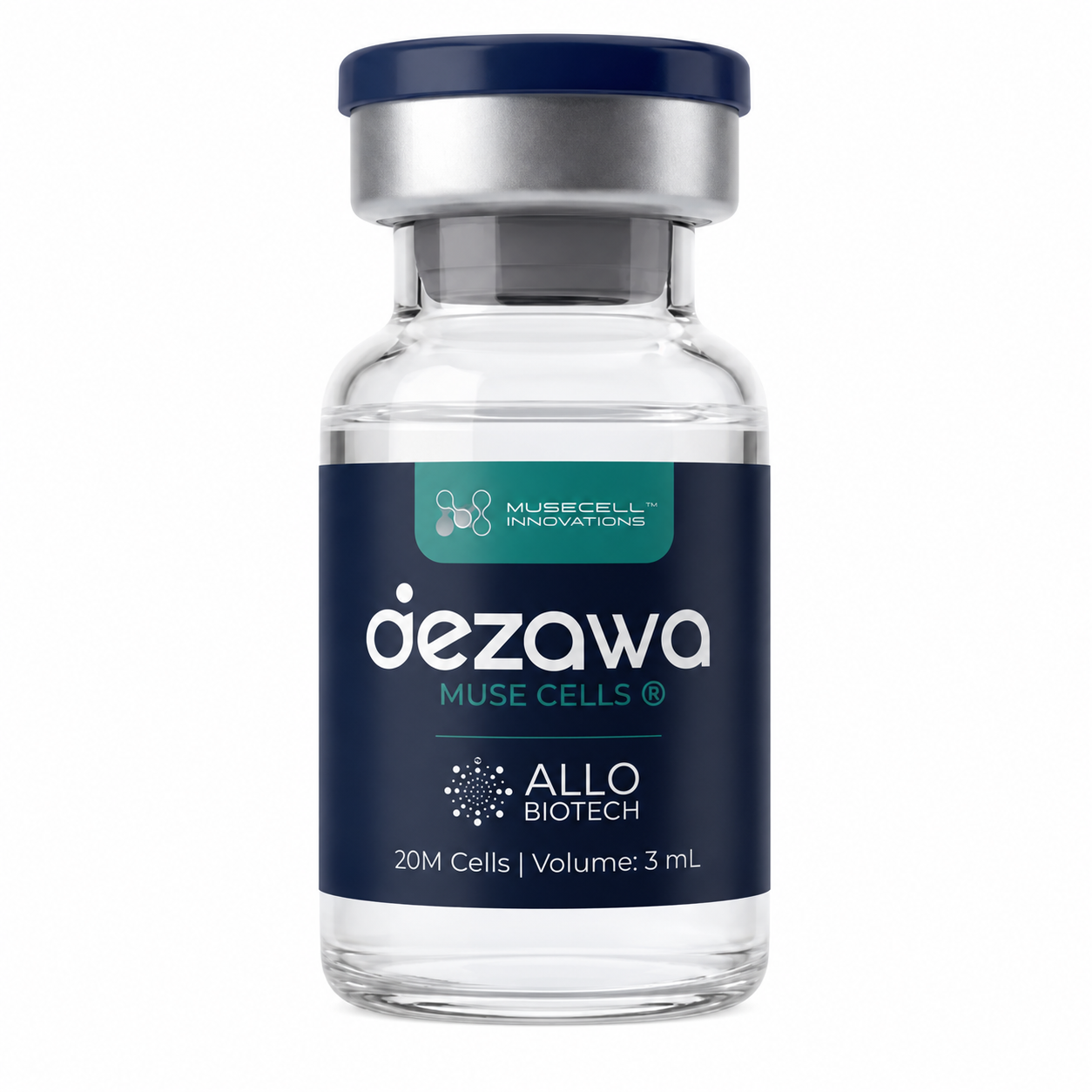
Stem cell therapy is a powerful strategy for calming systemic inflammation. We specifically use mesenchymal stem cells (MSCs), which are known for their unique ability to act as the body’s natural regulators. When introduced into the body, these cells can sense inflammatory signals and migrate toward areas of damage. Once there, they release a host of anti-inflammatory molecules that help dial down an overactive immune response. This process helps restore balance, reducing the pro-inflammatory signals that drive chronic conditions. Our approach to stem cell therapy focuses on using these intelligent cells to support your body’s healing environment.
How Exosome Therapy Helps Restore Balance
Exosome therapy is another cutting-edge tool we use to restore balance. Think of exosomes as the tiny messengers sent out by stem cells. These powerful vesicles are packed with proteins, lipids, and genetic material that carry vital instructions to other cells. When derived from MSCs, exosomes deliver potent anti-inflammatory and regenerative signals directly to target tissues. They essentially tell your cells to calm down, repair damage, and function properly again. This cell-free therapy offers a highly targeted way to harness the healing power of stem cells, promoting tissue repair and reducing inflammation without introducing new cells. Our team of experts can help determine if this is the right approach for you.
Finding Safe Treatment for Chronic Inflammation in Miami Beach
When considering regenerative medicine, safety and quality should be your top priorities. The field is rapidly evolving, and it’s crucial to choose a provider that adheres to the highest standards. At Miami Stem Cell, we are committed to providing treatments that are not only effective but also backed by science and compliant with FDA regulations. We use ethically sourced, umbilical cord-derived mesenchymal stem cells and exosomes to ensure purity and potency. Understanding the difference between USA and overseas treatments is key to making an informed and safe decision for your health. Our focus is on providing personalized, responsible care that you can trust.
Your Personal Anti-Inflammatory Action Plan
Taking control of systemic inflammation is about making consistent, thoughtful choices every day. It’s not about a quick fix but about building a sustainable lifestyle that supports your long-term health and vitality. By combining the right foods, habits, and support, you can create a powerful plan to reduce inflammation and feel your best. Think of this as your personal roadmap to wellness, one that you can adjust and refine as you learn what works for your body. Let’s walk through how to put all the pieces together.
Your Daily Checklist: Diet, Lifestyle, and Supplements
A successful anti-inflammatory strategy is a holistic one. It’s about the synergy between what you eat, how you move, and how you care for your mind. Evidence shows that adopting healthy dietary habits is one of the most effective ways to decrease your overall health risks. Focus on building your meals around colorful, plant-based foods, whole grains, and healthy fats like olive oil. These foods are rich in polyphenols, natural compounds that help protect your body from inflammation. Combine this with regular, gentle movement, prioritize getting 7-8 hours of quality sleep, and find a stress management practice that works for you. Supplements can fill in the gaps, but they work best when they’re part of this bigger picture.
How Will You Know If It’s Working?
How do you know if your new habits are working? Start by paying close attention to how you feel. Many people notice improvements in their energy levels, sleep quality, digestion, and joint comfort within a few weeks. Keeping a simple journal can help you connect your daily choices to your symptoms. Note what you eat, how you move, and how you feel each day. Over time, you’ll see patterns emerge. For a more data-driven approach, you can ask your doctor about blood tests that measure inflammatory markers, such as C-reactive protein (CRP). This can provide concrete evidence of your progress and help you and your healthcare provider make informed decisions about your plan.
Measuring Inflammation: Key Blood Tests to Know
While tracking your symptoms is important, blood tests give you objective data on what’s happening inside your body. When you’re ready to get specific, there are a few key markers to discuss with your doctor. The high-sensitivity C-reactive protein (hs-CRP) test is a great starting point; it acts like a highly sensitive smoke detector for low-grade inflammation throughout your body. Another important marker is HbA1c, which shows your average blood sugar levels over the past few months—a crucial insight since high blood sugar is a major driver of inflammation. Doctors can also measure inflammation using a homocysteine test, which provides further clues about your cardiovascular and inflammatory status. These tests give you a baseline, helping you see the real impact of your lifestyle changes and create a more targeted wellness plan.
When Is It Time to See a Professional?
While you can make many positive changes on your own, getting expert guidance is always a smart move, especially if you have an existing health condition. No single food can magically reduce inflammation, but a professional can help you build a comprehensive anti-inflammatory diet and lifestyle plan tailored to your unique needs. A specialist can help you understand the root cause of your inflammation and explore all your options, from nutritional adjustments to advanced treatments like regenerative medicine. If you’re ready to create a personalized strategy for your health, we encourage you to schedule a consultation to discuss how we can support your wellness goals.
Related Articles
- A Guide to Exosome IV Therapy for Autoimmune Conditions
- Exosome IV Infusion Longevity Clinic: A Guide
- Exosome IV Therapy for Autoimmune: A South Miami Guide
- Diet And Lifestyle Changes To Support Stem Cell Health
Frequently Asked Questions
How quickly will I feel a difference after starting an anti-inflammatory diet? There’s no magic timeline, as everyone’s body is different. However, many people start to notice positive changes like increased energy, better digestion, and less puffiness within a few weeks of consistently making better food choices. More significant improvements, such as reduced joint pain, can take a bit longer. The key is to focus on consistency rather than perfection, as these changes build on each other over time.
Do I have to completely eliminate “bad” foods like sugar or white bread forever? Not at all. The goal is to create a sustainable way of eating that you can stick with for the long haul. It’s about what you do most of the time. If your diet is rich in anti-inflammatory foods 80-90% of the time, enjoying a treat occasionally isn’t going to derail your progress. It’s about reducing your overall inflammatory load, not achieving perfect purity with every single meal.
If I already have joint pain, won’t exercise just make my inflammation worse? This is a common concern, but the right kind of movement is actually one of the best things you can do for inflammation. The key is to choose gentle, low-impact activities like walking, swimming, or yoga. This type of consistent movement helps reduce inflammatory markers and improves joint function without adding stress to your body. It’s important to listen to your body and avoid pushing through sharp pain.
Are supplements really necessary if I’m already eating a healthy diet? Think of supplements as a supporting player, not the star of the show. A nutrient-dense diet is always your foundation and first line of defense. However, supplements can provide a more concentrated, targeted dose of specific anti-inflammatory compounds, like omega-3s or curcumin, that can be difficult to get in therapeutic amounts from food alone. They work best when used to enhance an already healthy lifestyle.
How do I know if systemic inflammation is the root cause of my health issues? Because systemic inflammation is often a silent, low-grade issue, it can be hard to pinpoint on your own. While symptoms like persistent fatigue, joint stiffness, and digestive problems can be clues, the best way to know for sure is to consult with a healthcare professional. They can assess your overall health, discuss your symptoms, and recommend specific blood tests, like C-reactive protein (CRP), to measure inflammation levels in your body and help create a targeted plan.