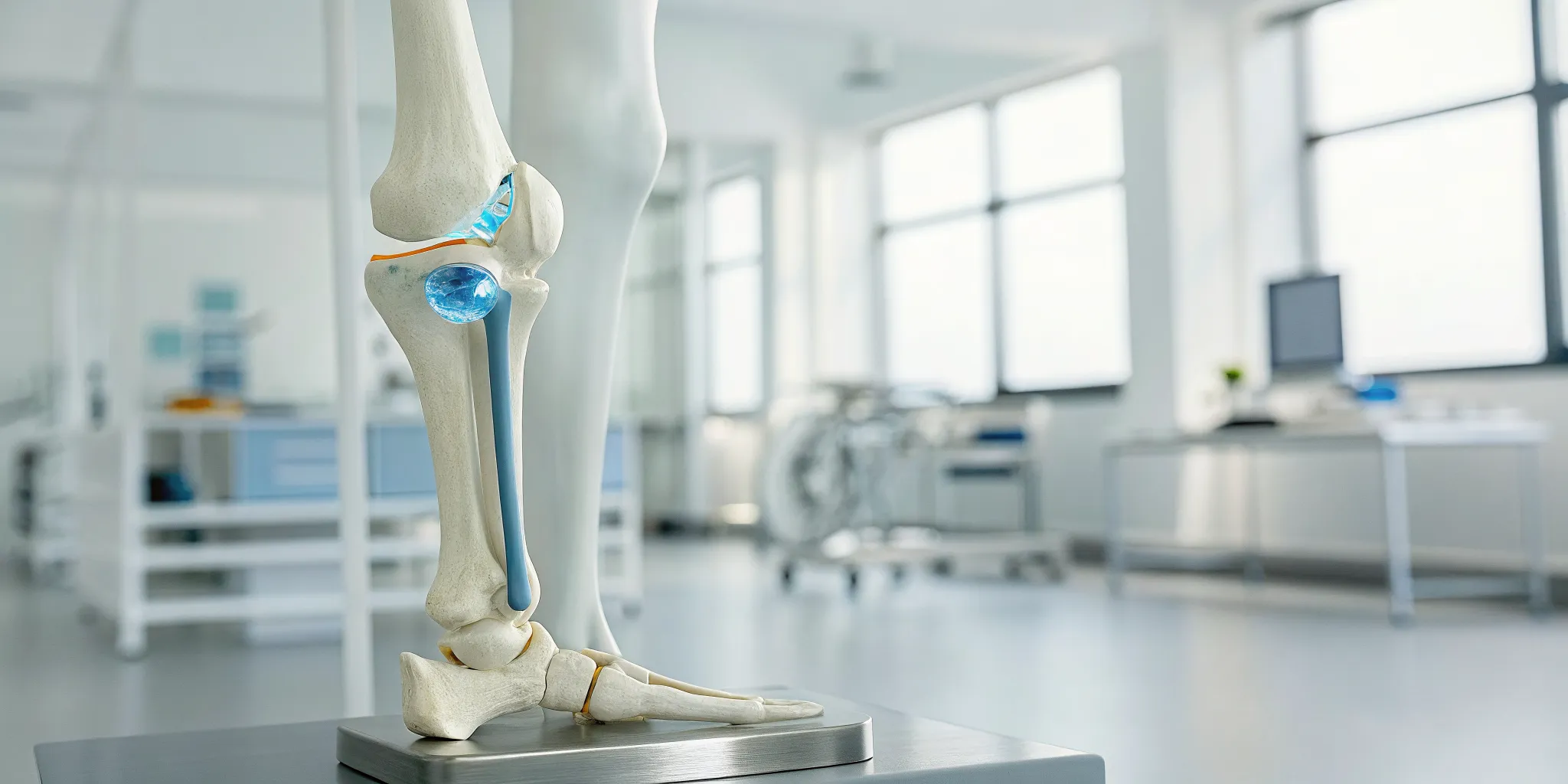
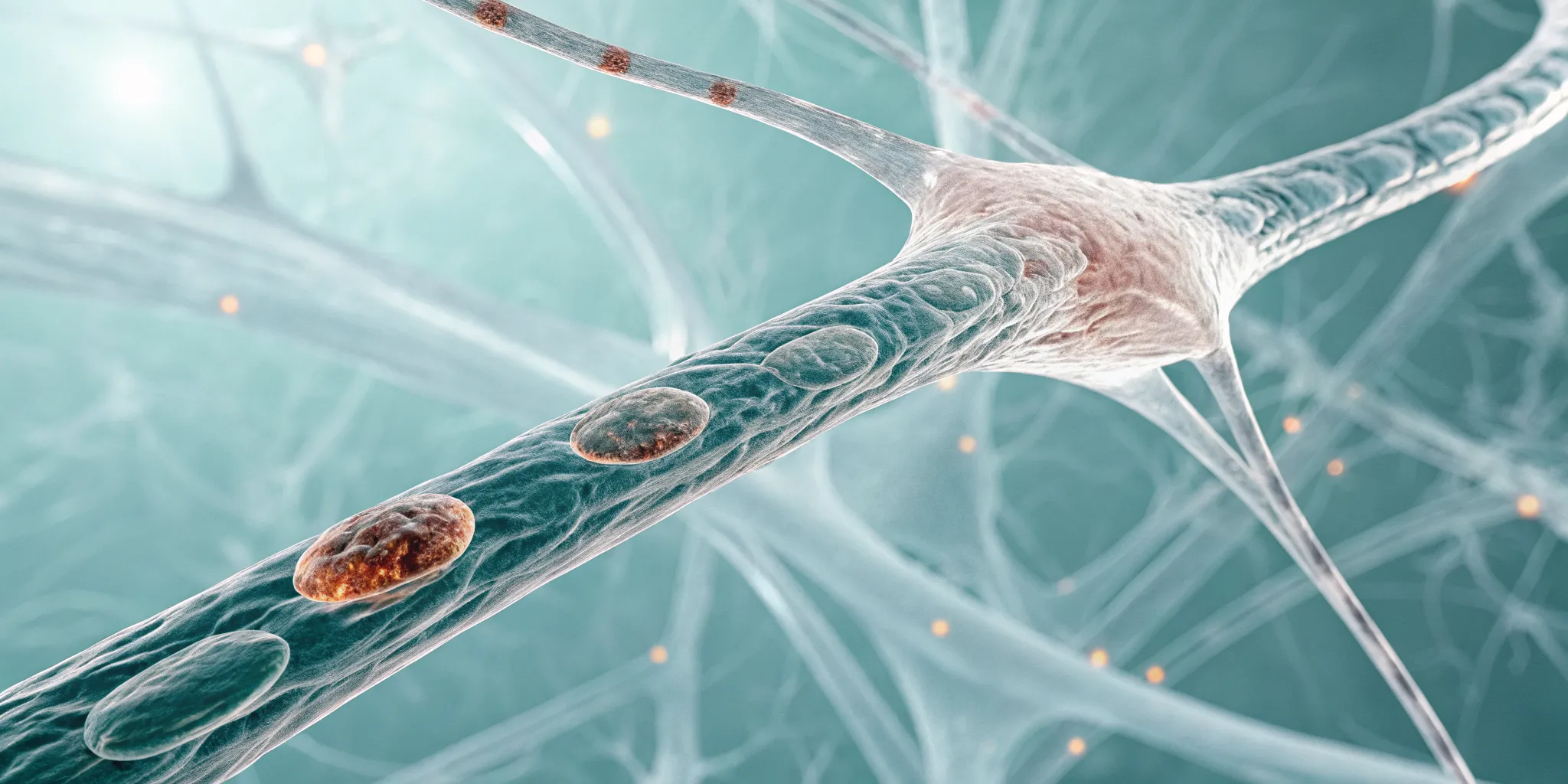
Your body has a remarkable, built-in system for healing, and your lungs are no exception. Deep within the tissue, specialized cells are ready to repair minor damage. In chronic lung disease, however, this natural repair system becomes overwhelmed. Regenerative medicine offers a way to support and enhance this process. By introducing powerful mesenchymal stem cells, we can help calm chronic inflammation and provide the signals your body needs to get back to its repair work. This approach to lung regeneration is about assisting your body’s own healing intelligence, creating the right conditions for recovery from within.
Yes, stem cells can help regenerate lungs—though not in the way many people imagine. They don’t simply “grow new lungs,” but they do have the ability to repair damaged lung tissue, reduce inflammation, and slow disease progression. This makes them a promising option for patients with chronic lung conditions who are looking for more than symptom management. Lung disease affects millions of people worldwide, and traditional treatments often only manage symptoms instead of addressing the root cause. In recent years, regenerative medicine—particularly stem cell therapy—has sparked hope. But how exactly does this work?
The Urgent Need for New Lung Therapies
For anyone dealing with a chronic lung condition, the search for effective treatments can feel endless. While traditional therapies offer some relief, they often fall short of addressing the core issue: tissue damage. The reality is that many lung diseases persist because the body’s natural ability to repair itself is overwhelmed. As researchers from Scripps Research have noted, “Many lung diseases happen because there aren’t enough new stem cells to fix damaged lung tissue.” This deficit creates a cycle of inflammation and degeneration that current medications struggle to break, leaving many people looking for alternatives that can support the body’s own healing mechanisms.
This is why the field of regenerative medicine is gaining so much attention. Instead of just managing symptoms, it aims to help the body regenerate and repair on a cellular level. By focusing on the root cause of the damage, these innovative approaches offer a new path forward for those who feel stuck with the limitations of conventional care. The goal is to move beyond temporary fixes and work toward lasting improvements in lung function and overall quality of life, which is central to the work we do at Miami Stem Cell.
The Impact of Chronic Lung Disease
Chronic lung diseases, such as COPD and pulmonary fibrosis, are fundamentally issues of tissue damage and impaired repair. Over time, exposure to irritants, infections, or underlying genetic factors can cause persistent inflammation and scarring in the lungs. The body tries to keep up by deploying its own repair cells, but in chronic conditions, the damage outpaces the healing. This leads to a progressive loss of lung function, making it harder to breathe and perform daily activities—a struggle many people have shared before finding relief through regenerative approaches. The challenge is that the very environment of a chronically inflamed lung can make it difficult for the body’s natural repair systems to work effectively, creating a significant need for therapies that can restore balance.
Limitations of Traditional Treatments
Traditional treatments for lung disease, like inhalers and steroids, are designed to manage symptoms such as shortness of breath and inflammation. While they can be very helpful for improving daily comfort, they don’t repair the underlying structural damage to the lung tissue. Researchers are constantly looking for new drugs, but it’s not always a simple process. For example, a recent Scripps Research study highlighted that certain existing drugs that could theoretically help, like some used for diabetes, “would be too strong and unsafe if used to repair lungs.” This illustrates the delicate balance required for true healing and underscores the need for more targeted, regenerative solutions that work with the body’s complex systems rather than overriding them.
Understanding the Lung’s Natural Repair System
It might be surprising to learn that your lungs have a remarkable, built-in system for self-repair. This intricate process is happening all the time, quietly working to mend minor damage from environmental pollutants and infections. The system relies on a specialized population of cells that act as a dedicated maintenance crew, ready to be activated whenever an injury occurs. Understanding how this natural process works is the first step in appreciating how regenerative therapies can enhance it. These treatments aren’t about introducing something foreign; they’re about providing powerful support to a system your body already has in place, helping it function more efficiently to restore health and balance.
This natural resilience is a cornerstone of our health, but it isn’t invincible. Chronic inflammation, aging, and persistent exposure to damage can slow this system down, making it less effective. This is where the principles of anti-aging and regenerative medicine intersect, offering ways to support and rejuvenate these vital repair mechanisms. By addressing the factors that hinder the body’s healing capacity, we can create an internal environment where regeneration is not just possible, but prioritized. The goal is to help your body do what it was designed to do, only better, promoting long-term wellness from within.
The Body’s Own Progenitor Cells
Deep within the lung tissue are special cells known as progenitor or stem cells. As one study in PMC explains, “The lung uses different types of ‘progenitor’ or ‘stem’ cells to repair damage. These cells are usually quiet but become active after an injury.” Think of them as highly skilled workers who remain on standby until they’re needed. When the lung is healthy, these cells are dormant. But as soon as damage is detected, they receive a signal to wake up, multiply, and transform into the specific types of lung cells required to patch up the injury. This inherent ability is the foundation of the lung’s resilience and its capacity to heal itself from everyday wear and tear.
How Repair Cells Respond to Injury
When an injury occurs, whether from an infection or an irritant, the body’s emergency response system kicks into high gear. Specialized repair cells are immediately dispatched to the site of the damage. According to researchers at Yale School of Medicine, “When lungs get hurt by infections (like from viruses or bacteria), special stem cells called ‘alveolar type 2 cells’ (AT2s) move to the injured spots.” These cells are crucial for rebuilding the delicate air sacs where oxygen exchange happens. Their migration to the damaged area is a perfectly coordinated effort to clear out debris, reduce inflammation, and lay the groundwork for new, healthy tissue to grow, demonstrating the body’s proactive approach to healing.
The Signaling Pathways That Guide Healing
This entire repair process isn’t random; it’s directed by a complex communication network within the body. This network uses specific signals to manage the healing response from start to finish. As researchers have found, “Natural signals in the body, like Wnt and Notch signaling, and certain enzymes (HDACs), play a big role in telling these cells when and how to regenerate.” These pathways act like a project manager, instructing the repair cells where to go and what to become. Regenerative therapies, particularly those using mesenchymal stem cells (MSCs), can influence these signaling pathways, helping to create a more favorable environment for the body’s own cells to carry out their repair work effectively.
What Stem Cells Do
Stem cells are the body’s raw materials. They can develop into many types of specialized cells, including those found in the lungs. In regenerative medicine, stem cells are used to repair or replace damaged tissue. This is especially important for lungs, which don’t regenerate well on their own after serious injury or disease. There are different types of stem cells, but mesenchymal stem cells (MSCs) are the most commonly used in lung therapies. These cells can reduce inflammation, repair tissue, and support the immune system. Researchers have been studying them for conditions like chronic obstructive pulmonary disease (COPD), pulmonary fibrosis, and even COVID-related lung damage.
How Stem Cells May Support Lung Regeneration
Stem cell therapy doesn’t work by simply inserting new cells into the lungs. Instead, the stem cells release healing signals—like growth factors and anti-inflammatory agents—that help the body repair itself. Here’s how the process generally works:
- Targeted repair: Stem cells migrate to damaged lung tissue and begin releasing signals to promote healing.
- Inflammation control: MSCs reduce inflammation, which is key to slowing the progression of lung disease.
- Immune modulation: Stem cells help rebalance the immune response, often overactive in chronic lung conditions.
- Support for existing cells: Rather than becoming lung cells themselves, stem cells often protect and boost the function of the body’s own cells.
While this sounds promising, results vary depending on the patient’s condition, how advanced the disease is, and other health factors. That’s why it’s essential to work with experienced professionals to evaluate if stem cell therapy is right for you.
Clarifying the Role of Mesenchymal Stem Cells (MSCs)
When we talk about stem cells for lung health, we’re usually referring to a specific type: mesenchymal stem cells (MSCs). Think of these as the body’s expert repair crew. Sourced from ethically donated umbilical cord tissue, MSCs are uniquely equipped for regenerative tasks because they are masters of communication. They have a powerful ability to reduce inflammation, repair damaged tissue, and support the immune system, which is why they are at the forefront of research for chronic lung conditions. Instead of just patching up a problem, they work to create a healthier environment where the body can begin to heal itself more effectively.
The real magic of MSCs isn’t that they become new lung cells, but that they orchestrate the healing process. When introduced into the body, they can migrate to damaged lung tissue and release a cascade of signals—like growth factors and anti-inflammatory molecules. This targeted approach helps control the chronic inflammation that drives lung disease progression. Furthermore, MSCs are skilled at rebalancing the immune response, calming the overactive immune reactions that often contribute to tissue damage in the lungs and creating a better foundation for long-term healing.
Current Research and Clinical Use
Clinical trials have shown encouraging results. For example, patients with COPD who received MSC therapy have reported improvements in lung function and quality of life. Some studies also suggest that stem cells may help slow the progression of diseases like idiopathic pulmonary fibrosis (IPF), which currently has limited treatment options. However, stem cell therapy is still an evolving field. It’s not a guaranteed cure, and results can differ from person to person. The good news is that more studies are being conducted every year, and the science is moving fast. At Miami Stem Cell, we’re part of that progress. We stay updated on the latest research and use advanced techniques to offer regenerative therapies that are evidence-based and patient-focused.
Advanced Regenerative Techniques in Development
The future of lung repair is incredibly exciting and goes beyond current therapies. Scientists are exploring groundbreaking methods to build new lung tissue from scratch. One promising approach involves using a patient’s own cells and a special “scaffold,” known as a decellularized matrix, to grow new, functional lung tissue. Think of it like providing a blueprint for the body to construct what it needs. While this technology is still in the experimental stage, it represents a huge leap forward in the field of regenerative medicine. It highlights the ultimate goal: not just to patch up damage, but to fully restore lung structure and function, offering a potential long-term solution for those with severe lung disease.
Drug Therapies to Activate Natural Repair
Another innovative area of research focuses on using medication to kickstart the body’s own healing processes. Scientists have developed a new drug that targets a specific pathway to encourage the growth of the lung’s natural stem cells. Instead of just managing symptoms or slowing down the disease, this approach aims to stop or even reverse damage by regenerating the tissue from within. This method complements other regenerative therapies by empowering the body’s innate ability to heal itself. It’s a shift from external intervention to internal activation, which could change how we manage chronic conditions and promote true, lasting recovery by addressing the root cause of the problem.
Challenges and Hurdles in Lung Regeneration
While the progress is promising, it’s important to have a realistic view of the challenges. Creating fully functional lungs is complex. Researchers face difficulties in finding and growing enough of the right kind of stem cells needed for complete rebuilding. So far, engineered lungs have only survived for short periods in animal studies, often failing due to issues like blood clots. These hurdles show why it’s crucial to seek treatment from clinics that adhere to strict safety and efficacy standards. Understanding the difference between established therapies and experimental research is key, which is why we prioritize FDA-compliant protocols to ensure patient safety while offering the most advanced care currently available.
Conditions That May Benefit
People with the following conditions might be eligible for lung-related stem cell therapy:
- COPD
- Pulmonary fibrosis
- Emphysema
- Chronic bronchitis
- Post-COVID lung damage
- Asthma (in some cases)
If you’ve been told there’s nothing more that can be done—or that your only option is symptom management—stem cell therapy might offer a new path.
What to Expect at Miami Stem Cell
We begin with a full evaluation of your medical history and condition to determine whether you’re a good candidate. Our team of specialists tailors each therapy plan to your needs. We use high-quality stem cells in a controlled, professional setting. You’ll be informed every step of the way, from consultation to aftercare. If you’re considering this kind of treatment, don’t wait until your condition worsens. The earlier we intervene, the better the chance for results.
Talk to Our Team Today
If you’re asking yourself, Can stem cells help regenerate my lungs?—the best next step is to get a professional opinion based on your personal health profile. You don’t have to go through it alone. Our dedicated team is here to help you explore your options with care and clarity. Contact our team to schedule a consultation and take the first step toward breathing easier.
Frequently Asked Questions
So, are you saying stem cells can grow me a new set of lungs? That’s a common question, but the process works a bit differently. Think of the mesenchymal stem cells (MSCs) we use as a highly skilled management team for your body’s own repair crew. They don’t replace your lungs, but they travel to the damaged areas and release powerful signals that help calm inflammation and direct your existing cells to repair the tissue more effectively. It’s about creating the right environment for your body to heal itself from the inside out.
Where do the mesenchymal stem cells you use come from? Our mesenchymal stem cells are sourced from ethically donated umbilical cord tissue following healthy, full-term births. This is a safe and well-regarded source for powerful, young cells. Every sample is rigorously screened and processed in a lab that follows strict safety and quality standards, ensuring you receive a high-quality, reliable treatment.
Is this a permanent cure for my lung condition? While stem cell therapy is not considered a cure, its goal is to address the underlying issues that traditional treatments often can’t, like chronic inflammation and tissue damage. By helping your body repair itself on a cellular level, the therapy can slow disease progression, improve lung function, and lead to a better quality of life. The aim is to achieve lasting improvements, not just temporary symptom relief.
How do I know if I’m a good candidate for this therapy? The first step is always a detailed consultation with our team. We take a close look at your specific diagnosis, your overall health, and your medical history to see if this approach is right for you. This isn’t a one-size-fits-all solution, so we create a personalized plan tailored to your unique needs and goals.
What does the treatment process actually feel like? The therapy is a non-surgical procedure performed right here in our clinic. Our team prioritizes your comfort and safety, explaining every step of the process from start to finish. We are with you from the initial consultation through your follow-up care to ensure you feel supported and informed the entire time.
Key Takeaways
- Support Your Body’s Natural Repair System: Stem cell therapy for lung conditions doesn’t create new organs. Instead, it enhances your body’s existing healing abilities by calming chronic inflammation and providing the signals needed for tissue repair.
- Mesenchymal Stem Cells Direct the Healing Process: The therapy uses specialized mesenchymal stem cells (MSCs) that act as powerful communicators. They release signals that guide your own cells to the site of injury, manage the immune response, and create a better environment for regeneration.
- Move Beyond Symptom Management: For those with chronic lung disease who feel limited by traditional options, regenerative medicine offers a proactive approach. It focuses on addressing the root cause of the damage, aiming for lasting improvements in lung function and overall quality of life.
Related Articles
- Can Stem Cells Regenerate Lungs?
- Stem Cell Lung Regeneration: Benefits, Research & Therapy
- A Patient’s Guide to Stem Cell Therapy Umbilical Cord
- Your Guide to the Best Stem Cell Therapy Options