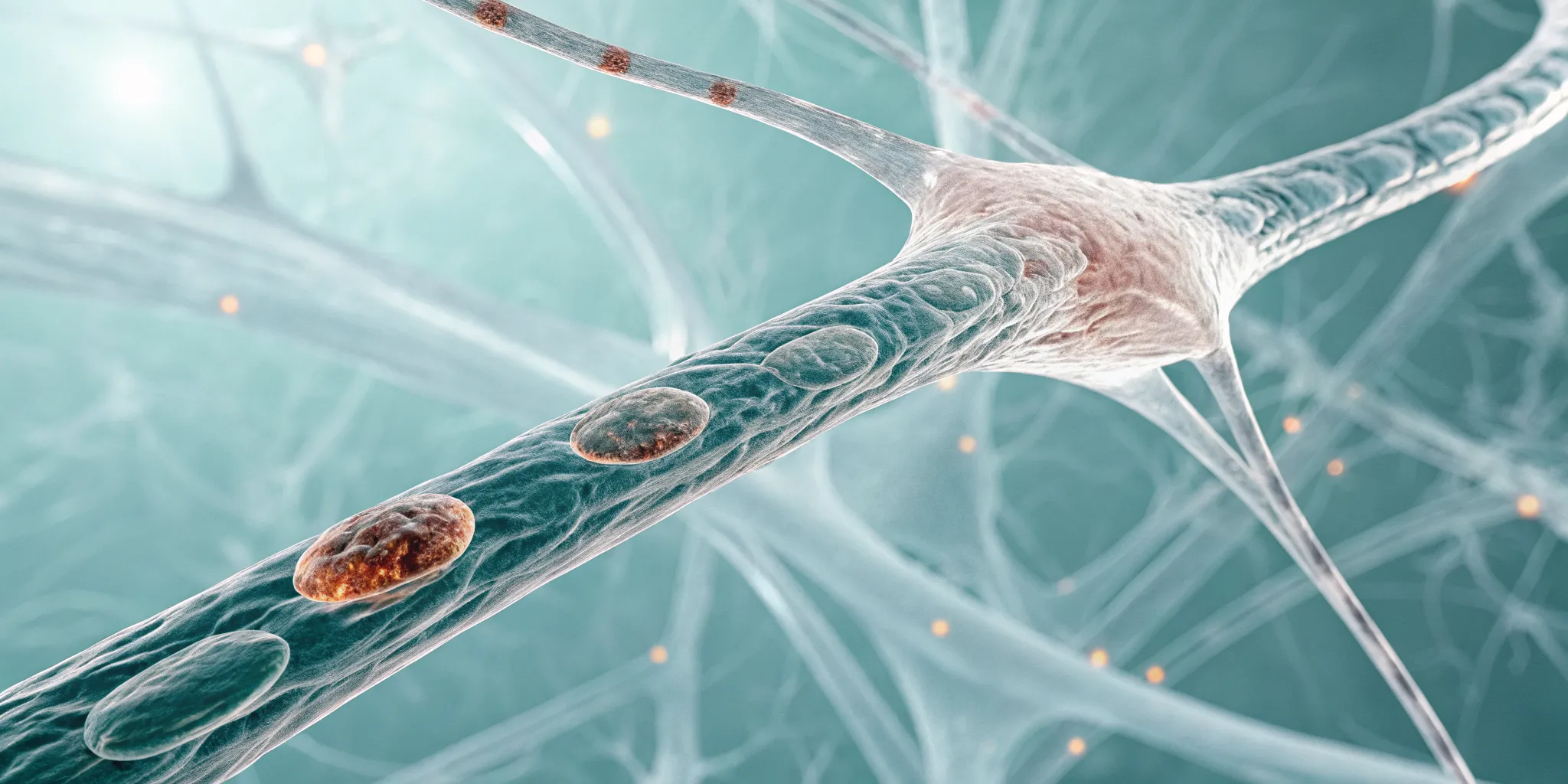
Your body is a complex communication network, with trillions of cells constantly sending messages to one another. In rheumatoid arthritis, this communication breaks down. The signals become scrambled, telling your immune system to attack your own joints, creating a cycle of inflammation and pain. Exosomes are the messengers in this system. Exosome therapy for rheumatoid arthritis works by introducing a new set of instructions from healthy, vibrant cells. These potent messages help correct the miscommunication, calm the overactive immune response, and guide your body back toward healing. Here, we’ll break down how this innovative therapy supports your body’s own repair mechanisms.
Key Takeaways
- Address the Root Cause of RA: Unlike traditional drugs that often just manage symptoms, exosome therapy uses your body’s natural messengers to calm the overactive immune response and promote tissue repair, offering a path to genuine healing.
- Quality Sourcing is Non-Negotiable: The safety and effectiveness of your treatment depend entirely on the purity and source of the exosomes. Always choose a clinic that uses MSC-derived exosomes processed in a reputable, FDA-compliant lab.
- Healing is a Gradual, Personalized Process: Regenerative therapy works with your body’s own timeline, so results appear over weeks and months. A successful outcome starts with a comprehensive evaluation to create a customized treatment plan designed for your specific health goals.
What Are Exosomes and How Do They Work?
Think of your body as a bustling city and your cells as the residents. For everything to run smoothly, these residents need to communicate constantly. Exosomes are the mail carriers in this city—tiny, powerful messengers sent out by nearly every cell in your body. These microscopic sacs carry important cargo, like proteins and genetic material, from one cell to another. This cargo contains instructions that can tell the receiving cell how to behave, encouraging it to repair itself, reduce inflammation, or perform other vital functions.
This process of cellular communication is at the heart of regenerative medicine. By using the body’s own messaging system, we can help promote healing from within. When cells are stressed or damaged, they release more exosomes, essentially sending out calls for help. In conditions like rheumatoid arthritis, this communication network can become dysfunctional, with cells sending the wrong signals. The goal of exosome therapy is to introduce healthy, functional messages to guide your cells back toward balance and repair. It’s a way of giving your body the right information it needs to heal itself, addressing the root cause of the issue rather than just managing symptoms.
How Your Cells Communicate
So, how does an exosome actually deliver its message? It’s a fascinating process that happens in one of three ways. First, the receiving cell can simply absorb the exosome, bringing its entire cargo inside to influence the cell’s function directly. Second, the exosome can act like a key, docking onto specific receptors on the outside of the target cell to trigger a response without ever going inside. Finally, it can merge with the target cell’s outer membrane, effectively becoming part of it. This intricate communication system is essential for everything from immune responses to tissue growth and daily maintenance.
Where Do Different Exosomes Come From?
The most important thing to understand about an exosome is where it comes from. The message an exosome carries is determined entirely by its parent cell. Exosomes from healthy, vibrant cells carry signals for healing and regeneration. On the other hand, exosomes released by unhealthy cells—like those in an inflamed joint—can carry pro-inflammatory signals that make the problem worse. This is why the source of exosomes used in therapy is critical. For treating conditions like rheumatoid arthritis, we use exosomes derived from mesenchymal stem cells (MSCs). These specific exosomes are packed with powerful anti-inflammatory and regenerative instructions, making them ideal for calming the autoimmune response and promoting tissue repair.
How Do Exosomes Affect Rheumatoid Arthritis?
When we talk about rheumatoid arthritis (RA), we’re really talking about an immune system that has started to attack the body’s own joints, causing chronic inflammation and pain. Exosomes play a fascinating and dual role in this process. Think of them as tiny messengers carrying packages of information between your cells. In the context of RA, the messages they carry can either fuel the fire of inflammation or help to put it out. Understanding this distinction is key to seeing how exosome therapy can offer a new approach to managing this condition and promoting true healing.
These microscopic communicators are at the center of the body’s response to injury and disease. Depending on their origin, they can either perpetuate a cycle of damage or deliver the necessary signals to initiate repair and calm an overactive immune system. This is why the source of exosomes is so critical in a therapeutic setting. By harnessing exosomes derived from specific cell types, like mesenchymal stem cells, we can introduce a new set of instructions into the joint environment—instructions geared toward healing rather than destruction. This targeted communication is what makes exosome therapy a groundbreaking approach for chronic conditions like RA. It moves beyond simply managing symptoms and instead works to address the underlying cellular miscommunication that drives the disease forward.
The Link Between Exosomes and Inflammation
Inside an inflamed joint affected by RA, the cells release exosomes that act like tiny alarm bells, constantly signaling for more inflammation. These exosomes, found in the joint fluid, carry instructions that encourage the breakdown of surrounding tissue and ramp up the immune response. This creates a vicious cycle where inflammation leads to more inflammatory signals, which in turn worsens the condition. It’s a bit like a miscommunication network where the messages being sent are all telling the body to continue its attack, contributing to the chronic pain and joint damage characteristic of arthritis.
The Role of Exosomes in Joint Damage
This is where the therapeutic potential comes in. While the body’s own exosomes in an RA joint can be problematic, exosomes sourced from mesenchymal stem cells (MSCs) carry a completely different set of instructions. Instead of promoting inflammation, these powerful messengers deliver signals that calm the overactive immune system and encourage tissue repair. Research shows that MSC-derived exosomes are incredibly promising for treating RA because they can deliver anti-inflammatory and regenerative compounds directly to the cells that need them. This helps interrupt the cycle of damage and supports the body’s natural ability for joint regeneration.
What Is Exosome Therapy for Rheumatoid Arthritis?
Exosome therapy for rheumatoid arthritis represents a significant shift in how we approach chronic autoimmune conditions. Instead of relying on medications that simply suppress symptoms, this regenerative treatment works to address the root cause of RA: a dysregulated immune system and the chronic inflammation it creates. Think of exosomes as your body’s natural messengers, carrying vital instructions from one cell to another. In a healthy system, these messages maintain balance. In rheumatoid arthritis, however, the signals have gone awry, leading to a persistent state of attack on your own joints.
This therapy introduces a high concentration of healthy, potent exosomes into your system to help restore order. It’s a cell-free treatment, which means you receive the powerful healing messages without the cells themselves. The goal is to interrupt the inflammatory cycle and provide your body with the correct instructions to calm the overactive immune response and begin repairing damaged tissue. It’s a way of supporting your body’s innate ability to heal by amplifying its own communication network, offering a new path for managing arthritis from the inside out.
Using Exosomes from Mesenchymal Stem Cells
When it comes to therapeutic potential, not all exosomes are created equal. The most effective exosomes for treating conditions like rheumatoid arthritis are derived from mesenchymal stem cells (MSCs). MSCs are known as the body’s master healers, and their exosomes carry the same powerful regenerative and anti-inflammatory instructions.
At Miami Stem Cell, we use exosomes sourced from MSCs found in ethically donated umbilical cord tissue. These are young, vibrant cells that produce highly potent exosomes packed with growth factors and signaling molecules. These specific messengers are uniquely equipped to help regulate the immune system and promote tissue repair. By using these specialized exosomes, we can harness the incredible healing intelligence of stem cells in a targeted, cell-free therapy.
How Exosomes Are Prepared for Therapy
The journey from donated tissue to a therapeutic infusion is a meticulous, highly controlled process. It all begins with MSCs from umbilical cords that have passed rigorous screening for health and safety. In our state-of-the-art lab, these cells are cultured, and they naturally secrete exosomes into their environment.
These exosomes are then carefully isolated, purified, and concentrated. This multi-step process filters out the original cells and any other unnecessary material, leaving only a pure, potent solution of exosomes. This ensures that every treatment is sterile, safe, and contains a consistent, high count of viable messengers ready to go to work in your body. Our strict protocols reflect our commitment to providing the highest quality care, which you can learn more about on our About Us page.
How Is Exosome Therapy Administered?
Administering exosome therapy is a straightforward and minimally invasive process. Depending on your specific needs and treatment plan, there are two primary methods: intravenous (IV) infusion or direct injection. An IV drip allows the exosomes to circulate throughout your entire body, which is ideal for addressing the systemic inflammation characteristic of rheumatoid arthritis.
Alternatively, a direct injection can deliver the exosomes precisely to a specific joint that is causing pain and showing signs of damage, such as a knee, shoulder, or wrist. This targeted approach provides a concentrated dose of healing messengers right where they are needed most to support joint regeneration. During your consultation, we will determine which method, or combination of methods, is best suited to help you achieve your health goals.
How Does Exosome Therapy Compare to Traditional RA Treatments?
When you’re dealing with rheumatoid arthritis, your treatment options can feel overwhelming. Traditional approaches have long been the standard, but they often focus on managing symptoms rather than addressing the underlying cause. This is where regenerative medicine offers a different perspective. Instead of just suppressing your body’s responses, exosome therapy is designed to work with your body, aiming to restore balance and support its natural healing capabilities.
Traditional RA treatments, like disease-modifying antirheumatic drugs (DMARDs) or biologics, are powerful tools for slowing disease progression and reducing inflammation. However, they often work by broadly suppressing the immune system, which can lead to a range of side effects and may not be effective for everyone. Exosome therapy represents a more targeted approach. It uses the body’s own cellular messengers to deliver specific signals directly to the affected tissues, helping to calm the overactive immune response and create an environment where your joints can begin to repair themselves. It’s a shift from managing a chronic condition to actively promoting regeneration.
Natural Healing vs. Pharmaceutical Drugs
Most conventional treatments for RA involve pharmaceutical drugs that block inflammatory pathways or suppress your immune system. While they can be very effective at reducing pain and swelling, they don’t typically repair the damage that has already been done. They act more like a roadblock for the symptoms. Exosome therapy, on the other hand, aims to support your body’s innate healing processes.
The goal is to introduce signaling molecules that help create a more peaceful environment within the joint. By directly addressing the inflammation at a cellular level, exosomes can help quiet the autoimmune response that causes damage. This allows your body’s own repair mechanisms to get to work, offering a path toward genuine healing rather than just symptom management. This approach is central to our philosophy for pain management, focusing on resolving the source of the issue.
A Targeted Approach to Modifying the Disease
One of the challenges with traditional RA medications is that they can have a widespread effect on your entire body, not just your joints. This is why side effects can be a significant concern. Exosome therapy offers a more precise way to influence the disease process. The exosomes we use are derived from mesenchymal stem cells (MSCs), which are known for their ability to modulate the immune system.
These tiny vesicles carry specific instructions that help calm overactive immune cells and encourage tissue repair right where it’s needed. Think of them as smart messengers that know exactly where to go and what to do. This targeted action helps modify the joint environment without the systemic impact of many conventional drugs, making it a promising strategy for managing complex conditions like arthritis.
Understanding the Safety Profile and Side Effects
When considering any new treatment, safety is always the top priority. While traditional RA drugs have a well-documented list of potential side effects, exosome therapy has a strong safety profile. Because exosomes are acellular (they don’t contain whole cells), they have a lower risk of rejection or other complications associated with cellular therapies.
However, the quality and source of the exosomes are critical. Poorly sourced or processed products can carry risks of contamination. That’s why we adhere to the strictest safety standards, using only pure, high-quality exosomes processed in FDA-compliant labs. Our commitment to safety ensures you receive a treatment that is both effective and reliable, a key difference you’ll find when comparing USA versus overseas treatments. We believe transparency and quality are non-negotiable.
What Are the Benefits of Exosome Therapy for RA?
When you’re living with rheumatoid arthritis, finding a treatment that addresses more than just the symptoms can feel like the ultimate goal. Exosome therapy offers a multi-faceted approach, working with your body’s natural processes to reduce inflammation, repair damage, and restore function. Instead of simply masking pain, this therapy aims to change the environment within your joints to promote lasting relief and healing. Let’s look at the key benefits you can expect.
Reducing Inflammation and Regulating the Immune System
Rheumatoid arthritis is an autoimmune condition, meaning your immune system mistakenly attacks your own joints, causing chronic inflammation. Exosome therapy gets to the heart of this issue. The exosomes used in treatment, typically derived from mesenchymal stem cells (MSCs), act as powerful messengers that can help calm this overactive immune response. Research shows the therapeutic application of exosomes can modulate how your immune system behaves, dialing down the inflammatory signals that cause pain and swelling. Because this is a “cell-free” therapy, it also presents a lower risk of adverse reactions, making it a promising option for regulating your body’s immune function.
Repairing Tissue and Regenerating Cartilage
Chronic inflammation doesn’t just cause pain; it actively damages the cartilage and tissues in your joints. Exosome therapy works to reverse this damage by delivering a payload of proteins and genetic information that encourages your body to heal itself. These powerful vesicles release substances that not only fight inflammation but also promote the growth and repair of damaged tissue. Studies suggest that exosomes can create an environment where cartilage can begin to regenerate. This focus on joint regeneration is what sets this therapy apart, as it aims to restore the joint’s structure, not just manage the symptoms.
Easing Pain and Improving Joint Function
Ultimately, the goal of any RA treatment is to reduce pain and improve your quality of life. By tackling both inflammation and tissue damage, exosome therapy leads to significant improvements in joint function. As your immune system calms down and tissues begin to repair, you can experience a noticeable reduction in pain, stiffness, and swelling. The exosomes encourage new, healthy cell growth while protecting existing cells from further damage. This comprehensive approach to pain management helps restore mobility and allows you to return to the activities you love with greater comfort and ease.
What to Expect During Your Exosome Therapy Treatment
Deciding to move forward with a new treatment can feel like a big step, but knowing what the process looks like can make all the difference. At Miami Stem Cell, we prioritize your comfort and understanding from your very first consultation through your entire recovery. The journey is straightforward and centered around your unique health goals.
Exosome therapy is a non-surgical procedure, which means you can avoid the lengthy downtime and recovery associated with traditional operations. The entire process is designed to be as simple and minimally invasive as possible. We’ll guide you through each phase, ensuring you feel informed and confident about your care. From creating a plan tailored just for you to monitoring your progress, our team is here to support your body’s natural healing potential.
Your Personalized Treatment Schedule
Your path to feeling better starts with a conversation. During your initial consultation, we’ll take the time to understand your specific experience with rheumatoid arthritis, review your medical history, and discuss your goals. This isn’t a one-size-fits-all approach; your treatment plan is completely customized. We create a schedule that addresses the severity of your symptoms and aligns with your body’s needs. The goal is to work with your natural healing processes to address the underlying issues in your joints, rather than just masking the pain. Ready to find out what your personalized plan could look like? You can schedule a consultation with our team to get started.
How to Prepare and What Happens After Treatment
Preparing for your exosome therapy session is simple. We generally advise patients to stay well-hydrated and may ask you to avoid certain anti-inflammatory medications for a short period before your appointment. On the day of your treatment, the exosomes are administered directly to the target area, often through a simple injection. The procedure is quick and performed right here in our clinic. Once administered, the exosomes get to work signaling your cells to begin the repair process. Since this is a minimally invasive therapy, there’s little to no downtime. Most people can return to their normal daily activities right away, with just a few recommendations for post-treatment care.
Tracking Your Progress and Results
Patience is key when it comes to regenerative medicine. Because exosome therapy encourages your body’s own natural healing mechanisms, the results tend to appear gradually over weeks and months. This isn’t an overnight fix but a long-term strategy for joint health. We will schedule follow-up appointments to monitor your progress, track your symptoms, and see how your mobility and pain levels are improving. Many of our patients report a steady decrease in inflammation and pain, along with better joint function over time. You can read about the experiences of other patients to get a better sense of the journey.
Understanding the Current Challenges and Limitations
While the science behind exosome therapy is incredibly exciting, it’s important to have a clear picture of where the field stands today. As with any innovative medical treatment, there are challenges and limitations to consider. Being well-informed helps you make the best decisions for your health. Understanding the regulatory landscape and the importance of quality sourcing is key to moving forward with confidence.
Ensuring Quality and Standardization
Not all exosome products are created equal. The quality, purity, and concentration of exosomes can vary significantly, which directly impacts their safety and potential effectiveness. The source of the cells matters immensely—at Miami Stem Cell, we use exosomes derived from umbilical cord mesenchymal stem cells, which are rigorously screened. The process of isolating and preparing these exosomes requires advanced technology and strict protocols to ensure you receive a consistent and high-quality product. Because this is an emerging field, universal standards for production are still being established, which is why it’s crucial to choose a clinic that prioritizes transparent, science-backed protocols.
Following FDA Regulations
It’s essential to understand the current regulatory status of exosome therapy. Right now, exosomes are not approved by the U.S. Food and Drug Administration (FDA) to treat any specific disease, including rheumatoid arthritis. This means their use is considered investigational. Reputable clinics in the United States operate within strict FDA guidelines for cellular products. This commitment to compliance is a critical distinction, especially when you compare the rigorous standards here to those in other countries. Choosing a provider that adheres to these regulations ensures you are receiving care that prioritizes your safety above all else. You can learn more about the importance of these standards when considering overseas vs. USA stem cell treatments.
Determining if Exosome Therapy Is Right for You
Exosome therapy isn’t a one-size-fits-all solution, and it may not be the right choice for everyone. The best way to find out if you are a good candidate is through a comprehensive evaluation with a specialist in regenerative medicine. During a consultation, a physician will review your medical history, discuss the specifics of your rheumatoid arthritis, and understand your health goals. While exosomes from healthy stem cells show great promise in helping repair damaged tissues like cartilage, the decision to proceed with treatment should be a collaborative one. A personalized treatment plan is the only way to ensure the therapy is tailored to your unique needs. We encourage you to schedule a consultation to explore your options.
The Miami Stem Cell Approach to Exosome Therapy for RA
When you’re dealing with a chronic condition like rheumatoid arthritis, you want a team that sees you as a whole person, not just a set of symptoms. At Miami Stem Cell, our approach is built on a foundation of personalized care, strict safety protocols, and a deep understanding of regenerative medicine. We focus on creating a strategy that addresses the root causes of your inflammation and joint pain, using advanced therapies to support your body’s own healing potential. Our goal is to help you manage your RA and improve your quality of life through a comprehensive and thoughtful treatment plan.
We believe that the best results come from a partnership between patient and provider. That’s why we prioritize education and transparency every step of the way, ensuring you feel confident and informed about your care. From your first consultation to your final follow-up, we’re here to support you on your journey toward better health.
Our Commitment to FDA-Compliant, High-Quality Protocols
Your safety is our top priority, and that starts with being transparent about the current regulatory landscape. It’s important to know that exosome therapy is an emerging field and is not yet approved by the FDA for the treatment of any specific disease, including rheumatoid arthritis. We strictly adhere to all federal guidelines and regulations, ensuring our treatments are administered within an ethical and compliant framework.
Our commitment to safety means we only source our exosomes from reputable, registered labs that follow the highest quality and purity standards. We believe in the potential of regenerative medicine and are dedicated to providing access to these innovative therapies in a responsible way. By staying within established guidelines, we ensure you receive care that is both promising and safe.
Your Personalized Plan and Comprehensive Evaluation
We don’t believe in one-size-fits-all solutions. Your experience with RA is unique, and your treatment plan should be too. It all starts with a comprehensive evaluation where we take the time to understand your health history, the specifics of your condition, and your personal wellness goals. This allows us to determine if exosome therapy is a suitable option for you and how it can best be integrated into your care.
Based on this evaluation, we design a personalized protocol tailored to your needs. This plan outlines the recommended frequency and dosage of treatments, all aimed at promoting your body’s natural healing and tissue regeneration. We want you to be an active participant in your health journey, so we make sure you understand every aspect of the proposed plan before moving forward. You can contact us to schedule your initial consultation and begin the conversation.
Integrating Exosomes with Other Regenerative Therapies
Exosome therapy is a powerful tool, but it often works best as part of a broader strategy. Depending on your specific needs, we may recommend combining exosome therapy with other regenerative treatments to enhance your results. For example, research shows that exosomes derived from mesenchymal stem cells (MSCs) can be particularly effective in reducing inflammation and promoting joint repair in RA models.
By integrating exosomes with therapies like PRP therapy or peptide therapy, we can create a synergistic effect that provides more comprehensive support for your body. This multi-faceted approach allows us to address your condition from several angles, giving you the best possible chance of reducing pain, improving function, and reclaiming your quality of life.
What Does the Research Say About Exosome Therapy?
When you’re considering a cutting-edge treatment like exosome therapy, it’s natural to wonder what the science says. The field of regenerative medicine is buzzing with research on exosomes, and the findings for conditions like rheumatoid arthritis are incredibly promising. Scientists are exploring how these cellular messengers can be used not just to manage symptoms, but to fundamentally change the disease environment within the joints. This is a major shift from simply suppressing the immune system. Instead, the goal is to guide the body back toward a state of balance and repair.
While exosome therapy is still an evolving area, the evidence points toward its potential to reduce inflammation, protect joints, and promote healing without the side effects common to many traditional RA medications. Researchers are actively working to refine these therapies, making them more targeted and effective. This ongoing work is paving the way for standardized, high-quality treatments that offer new hope for those living with chronic autoimmune conditions. At Miami Stem Cell, we stay at the forefront of this research, ensuring our protocols are based on the latest scientific understanding to provide you with a safe and effective regenerative medicine plan. We believe in transparency and empowering you with knowledge, so let’s look at what the studies show.
Scientific Evidence for Therapeutic Benefits
Current research highlights the powerful anti-inflammatory and regenerative properties of exosomes, particularly those derived from mesenchymal stem cells (MSCs). Studies show that these exosomes are packed with molecules that can calm an overactive immune system and encourage damaged tissues to repair themselves. One review noted that MSC-derived exosomes show great promise for treating rheumatoid arthritis because they can carry helpful biological compounds that fight inflammation and promote growth. Because they carry information from their cell of origin, exosomes also serve as excellent biomarkers, helping to find signs of disease in the body, which further supports their role in modern medicine.
The Future: Engineered Exosomes for Targeted Delivery
The next frontier in exosome research involves “engineering” them for even greater precision. Scientists are exploring ways to modify exosomes to carry specific therapeutic agents directly to inflamed joints, acting like a smart delivery system. This approach could make treatments more effective while minimizing effects on the rest of the body. While this technology is still in development, it represents a significant step forward. Of course, there are challenges to address, including regulatory considerations and methods for large-scale production of these advanced therapies. However, these advancements in exosome-based drug delivery are actively being pursued to overcome current hurdles in RA treatment.
What’s Next in Exosome Medicine?
The future of exosome medicine is bright, with ongoing studies continuously revealing more about their function in autoimmune diseases like RA. As research progresses, we’re gaining a more precise understanding of how to harness their therapeutic properties. It’s also become clear that the source of exosomes matters. For example, exosomes from an arthritic joint can actually increase inflammation, which is why it’s crucial to use carefully sourced and prepared exosomes from MSCs. This distinction between the good, the bad, and the ugly in the world of exosomes underscores the importance of seeking treatment from a reputable clinic that adheres to strict quality protocols.
Related Articles
- A Guide to Exosome IV Therapy for Autoimmune Conditions
- The Top Exosome IV Therapy Benefits Explained
- Stem Cell & Exosome IV Therapy for Healing & Recovery
- Stem Cell Therapy for Arthritis Pain
Frequently Asked Questions
How is exosome therapy different from stem cell therapy? That’s a great question, as the two are closely related but distinct. Think of it this way: stem cell therapy involves administering whole, live cells into the body. Exosome therapy, on the other hand, is a cell-free treatment. We use just the powerful messengers—the exosomes—that are released by mesenchymal stem cells. You get all the valuable instructions for healing and inflammation control without the cells themselves, which can lower the risk of certain complications.
Is exosome therapy a cure for rheumatoid arthritis? It’s important to be clear that exosome therapy is not considered a cure for rheumatoid arthritis. RA is a complex, chronic autoimmune condition. The goal of this therapy is to fundamentally change the environment in your joints by calming the overactive immune response, reducing chronic inflammation, and giving your body the tools it needs to repair damaged tissue. This can lead to significant, long-term relief from symptoms and improved joint function, but it is best viewed as a powerful management strategy.
How long will it take before I notice any improvement? Because exosome therapy works by supporting your body’s own natural healing processes, the results appear gradually. This isn’t a quick fix like a steroid shot. Some people begin to notice subtle shifts in pain and inflammation within a few weeks, but the most significant benefits often develop over two to three months as your cells respond to the new instructions and tissue repair gets underway.
Is the treatment painful, and is there any downtime? The procedure itself is very straightforward and minimally invasive. If you receive an IV infusion, it feels just like getting any other IV. If the exosomes are injected directly into a joint, you might feel a brief pinch and some mild, temporary soreness at the injection site. One of the biggest advantages is that there is virtually no downtime, and most people return to their normal activities immediately after their appointment.
Since this isn’t FDA-approved, how do I know it’s safe? Your safety is the absolute priority, and it’s wise to ask this question. While exosome therapy is not yet FDA-approved to treat specific diseases, we operate within the FDA’s strict guidelines for cellular and tissue-based products. This means we only use exosomes sourced from reputable, FDA-compliant labs that rigorously screen all donors and purify the final product to the highest standards. Our commitment to these protocols ensures you receive a treatment that is both high-quality and administered responsibly.