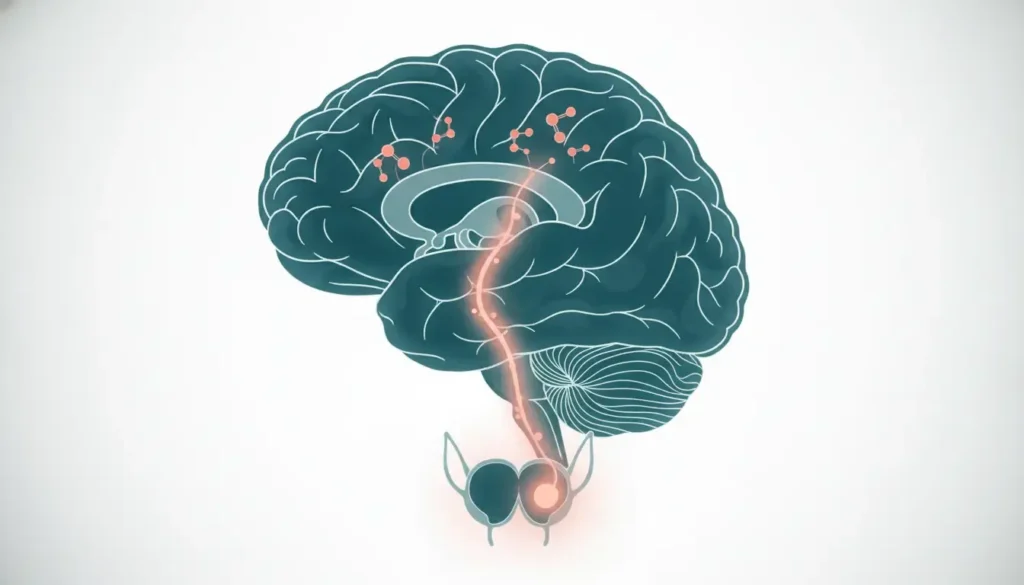
Living with an autoimmune disorder can feel like your body is at war with itself. You’re likely tired of treatments that just suppress your entire immune system, leaving you feeling vulnerable. There’s a different approach. An autoimmune stem cell treatment works smarter, not harder. This type of autoimmune infusion therapy doesn’t just silence your defenses. Instead, it helps re-educate your overactive immune cells to calm the internal battle. The goal is to quiet the attack and support your body’s natural ability to heal, helping you find balance and improve your quality of life.
Key Takeaways
- Focus on the root cause, not just the symptoms: IV stem cell therapy uses mesenchymal stem cells (MSCs) to help regulate your immune system, calming the internal attacks that cause chronic inflammation and tissue damage in autoimmune conditions.
- Your provider’s quality determines your safety: A safe and effective treatment depends on choosing a clinic that operates in full compliance with FDA regulations and uses high-quality, ethically sourced umbilical cord cells from accredited labs.
- Understand that healing is a gradual process: This therapy supports your body’s natural repair mechanisms, so results appear over several months, not overnight. The goal is to improve your long-term quality of life and achieve lasting remission.
How Does Autoimmune Stem Cell Treatment Work?
When you have an autoimmune condition, your immune system, which is designed to protect you, gets confused and starts attacking your own healthy cells and tissues. This internal battle can cause inflammation, pain, and a wide range of other symptoms that affect your quality of life. Traditional treatments often focus on managing these symptoms, but they don’t always address the root cause.
IV stem cell therapy offers a different approach. Instead of just masking symptoms, it works to get to the heart of the problem by interacting directly with your immune system. The goal is to help restore balance, calm the overactive response, and encourage your body’s natural healing processes. This therapy uses the unique abilities of stem cells to reduce inflammation and repair tissues that have been damaged by the autoimmune attack. It’s a way of working with your body to help it regulate itself correctly again.
What Is Autoimmune Infusion Therapy?
Think of IV stem cell therapy as a way to help reset your immune system. The primary goal is to re-educate your body’s defense mechanisms so they stop attacking your own tissues. This is mainly achieved using mesenchymal stem cells (MSCs), which are remarkable cells known for their ability to modulate the immune system. When introduced into your body, MSCs release signals that reduce inflammation and encourage your immune cells to function properly without shutting them down completely. Beyond just managing your immune response, these stem cells also have the incredible ability to help repair and regenerate tissues that have been damaged over time by the autoimmune condition.
Can Stem Cells Help Your Autoimmune Condition?
This form of regenerative medicine is showing promise for a variety of autoimmune diseases. Because the therapy focuses on calming the underlying immune dysfunction, it has the potential to help with many different conditions where the immune system is the primary issue. Researchers and clinicians have explored its use for diseases such as Multiple Sclerosis (MS), Rheumatoid Arthritis, Lupus, and Scleroderma. For some conditions, like certain forms of MS that haven’t responded well to other treatments, cellular therapies are becoming a more established option. The therapy aims to provide relief and improve function by addressing the system-wide inflammation and tissue damage common to these conditions.
Stem Cell Therapy for Specific Autoimmune Diseases
Multiple Sclerosis (MS)
For individuals with Multiple Sclerosis, the immune system mistakenly attacks the protective covering of nerve fibers, disrupting communication between the brain and the body. While research is ongoing, stem cell therapy is emerging as a significant area of interest. For severe cases of MS that haven’t responded to other treatments, some forms of cellular therapy are even considered a standard of care. The focus of regenerative medicine, particularly with mesenchymal stem cells (MSCs), is to help modulate this faulty immune response. By introducing these cells, the therapy aims to reduce the neuroinflammation that drives MS progression and potentially support the body’s own repair mechanisms, offering a strategy that works with your system rather than against it.
Crohn’s Disease
Crohn’s disease is characterized by chronic inflammation of the digestive tract, leading to pain, fatigue, and severe digestive issues. The anti-inflammatory and immunomodulatory properties of MSCs make them a promising tool for managing this condition. The goal of IV therapy with stem cells is to calm the intense inflammatory response in the gut, creating an environment where the damaged tissues can begin to heal. Some clinical studies have shown encouraging results, with a significant percentage of patients with severe Crohn’s disease achieving long-term, drug-free remission. By targeting the underlying immune dysfunction, this therapy offers a path toward not just managing symptoms, but potentially restoring long-term balance to the digestive system.
Type 1 Diabetes
In Type 1 Diabetes, the immune system specifically targets and destroys the insulin-producing cells (beta cells) in the pancreas. Researchers are exploring this from two main angles. One exciting area of study involves using stem cells to generate new beta cells to replace the ones that were lost. However, the key challenge remains protecting these new cells from the same autoimmune attack. This is where immunomodulatory therapy with MSCs comes in. By helping to regulate the immune system, MSCs may be able to halt the destruction of beta cells, preserving any remaining function and creating a safer environment for potential cell replacement therapies in the future.
Other Conditions Being Studied
The potential applications of stem cell therapy extend to a wide range of other autoimmune disorders because they all share a common root: an imbalanced immune system. Researchers are actively exploring its use for conditions like Lupus, Scleroderma, and Rheumatoid Arthritis. For many people living with these conditions, daily life is impacted by chronic pain, inflammation, and tissue damage. Regenerative therapy with MSCs aims to address these core issues by reducing system-wide inflammation and supporting tissue repair. The goal is to calm the autoimmune response, which may lead to fewer symptoms, improved function, and a better overall quality of life for those navigating these complex health challenges.
What Types of Stem Cells Are Used in Treatment?
When we talk about stem cell therapy, it’s not a one-size-fits-all situation. The type of stem cell used is carefully chosen based on your specific condition and health goals. Think of them as different tools in a toolkit, each with a unique job. At Miami Stem Cell, we focus on using the most effective and safest cells for regenerative purposes, primarily umbilical cord-derived mesenchymal stem cells. Understanding the main types can help you feel more confident about the treatment process. Let’s look at the kinds you’ll hear about most often.
The Role of Mesenchymal Stem Cells (MSCs)
Mesenchymal stem cells, or MSCs, are the body’s natural repair crew. They are incredibly versatile and known for their ability to repair damaged tissues and guide immune responses. MSCs can help balance the immune system by calming harmful attacks while still letting your body defend itself against real threats. This makes them a cornerstone of regenerative medicine, especially for conditions where the immune system has gone into overdrive. Their job is to soothe inflammation and encourage your body’s own healing mechanisms to get back to work, addressing the root cause of the issue rather than just masking symptoms.
Why Umbilical Cord Stem Cells Are Used
These powerful cells are sourced from the umbilical cord lining after a healthy birth, a process that is both ethical and non-invasive. What makes them so special? Umbilical cord-derived stem cells are unique because the body’s immune system generally doesn’t see them as foreign, which means they are far less likely to be rejected. This amazing quality allows them to be used without needing to be matched to a patient. It’s a key reason why treatments using these cells have such a strong safety profile and are a focus of FDA-compliant therapies in the United States. They offer a reliable and effective option for promoting healing.
Understanding Hematopoietic Stem Cells
You might have heard of hematopoietic stem cells in the context of bone marrow transplants. These are the stem cells responsible for creating all your blood and immune cells. Hematopoietic stem cell transplantation (HSCT) is a more intensive procedure that essentially reboots your entire immune system. It involves using chemotherapy to clear out the existing, dysfunctional immune cells and then introducing new, healthy stem cells. The goal is to build a completely new, tolerant immune system from the ground up. Because of its intensity, this approach is typically reserved for severe autoimmune diseases or certain cancers where a full system reset is needed.
The Role of Chemotherapy in HSCT
When HSCT is the chosen therapy, chemotherapy plays a critical preparatory role. Its purpose here isn’t to fight cancer but to act as a “conditioning regimen” that clears out the existing, malfunctioning immune system. Think of it as creating a clean slate to work with. This process makes room for the new hematopoietic stem cells to settle in and build a healthy, new immune system from scratch. The intensity of the cytotoxic therapy determines how completely the old bone marrow and immune cells are suppressed. For severe autoimmune conditions that haven’t responded to other treatments, this high-dose approach is what allows for a total system reset, which can lead to better long-term outcomes.
Autologous vs. Allogeneic Transplants
Within HSCT, there are two main approaches: autologous and allogeneic. In an autologous transplant, your own stem cells are collected, stored, and then returned to your body after chemotherapy. Because the cells are yours, there’s no risk of your body rejecting them. An allogeneic transplant uses stem cells from a carefully matched donor. While effective, this method carries the risk of a serious complication called graft-versus-host disease (GVHD), where the donor’s immune cells can attack the recipient’s body. For this reason, autologous transplants are often associated with fewer risks and complications, making the procedure an option for a wider range of patients.
Exploring Other Cellular Therapies
While mesenchymal stem cells are at the forefront of regenerative therapy for autoimmune conditions, the field of cellular medicine is vast and constantly evolving. It’s helpful to know about other types of cellular therapies being researched, as they work in different ways and are often used for different purposes. Understanding these distinctions can give you a clearer picture of the landscape and help you appreciate why specific cells are chosen for certain treatments. Two other major areas of research include pluripotent stem cells and highly specialized immunotherapies like CAR-T.
Embryonic and Induced Pluripotent Stem Cells (iPSCs)
You may have heard of embryonic stem cells, which are derived from early-stage embryos and are “pluripotent,” meaning they can develop into any cell type in the body. A more recent innovation is induced pluripotent stem cells (iPSCs), which are adult cells (like skin cells) that have been genetically reprogrammed back to an embryonic-like state. Both of these cell types hold immense promise for regenerative medicine, as they could potentially be used to replace tissues damaged by disease. However, their use comes with significant ethical and regulatory complexities, which is why they are still largely in the research phase and not typically used in clinical practice in the U.S.
CAR-T Cell Therapy
CAR-T cell therapy is a revolutionary form of immunotherapy that has made major waves in cancer treatment. This process involves taking a patient’s own immune cells (T-cells), genetically engineering them in a lab to recognize and attack specific targets, and then infusing them back into the patient. While its primary use is fighting cancer, researchers are now exploring how this technology could be adapted for severe autoimmune diseases. The goal would be to engineer the T-cells to target and neutralize the specific immune cells causing the autoimmune attack, offering a highly precise way to manage the condition. It’s a powerful and complex approach that highlights the incredible potential of cellular engineering.
How Stem Cells Calm an Overactive Immune System
When you have an autoimmune condition, your immune system mistakenly attacks your own body. The goal of any effective treatment is to calm this overactive response without shutting down your body’s ability to fight off actual threats like viruses and bacteria. This is where the unique intelligence of mesenchymal stem cells (MSCs) comes into play.
IV stem cell therapy works to restore balance. Instead of simply suppressing your entire immune system, which can leave you vulnerable, these cells act as smart modulators. They can sense the inflammatory signals in your body and go to work where they are needed most. Think of them as a highly skilled team that can de-escalate a conflict and start the rebuilding process. This targeted approach helps address the root cause of autoimmune symptoms by calming the internal chaos and encouraging your body’s natural healing mechanisms.
Rebalancing Your Immune Response
One of the most powerful functions of MSCs is their ability to modulate, or regulate, your immune system. They essentially help your body tell the difference between a real threat and its own healthy tissue. When introduced into your system, these stem cells can help turn off the harmful autoimmune attacks while leaving your defenses against real pathogens intact. This is a crucial difference from many conventional treatments that use a less targeted approach. By restoring this balance, MSCs help create an environment where your body is no longer at war with itself, providing a foundation for lasting relief from autoimmune conditions.
Promoting T Regulatory Cells
A key part of this rebalancing act involves a special type of immune cell called a T regulatory cell, or Treg. Think of Tregs as the referees of your immune system—their job is to keep the other immune cells in check and prevent them from attacking your own body. In many autoimmune conditions, there aren’t enough of these referees, or they aren’t effective, allowing the immune system to run wild. Mesenchymal stem cells (MSCs) are brilliant at addressing this. They help create more T regulatory cells, essentially bringing in reinforcements to restore order. These new Tregs then work to calm the aggressive immune cells, protecting your tissues and reducing the self-attack that causes your symptoms.
Helping Your Body Repair Itself
Calming the immune system is the first step, but what about the damage that has already been done? Beyond their immune-modulating effects, stem cells are known for their ability to support the repair of damaged tissues. Once the inflammatory attack has been quieted, MSCs can signal your body’s own cells to begin the healing process. They release growth factors and other proteins that encourage the regeneration of tissues affected by the autoimmune condition, whether it’s cartilage in the joints, skin, or other organs. This regenerative potential is a key part of what makes stem cell therapy a comprehensive approach to managing autoimmune disorders.
Fighting Inflammation at the Source
Chronic inflammation is a hallmark of autoimmune diseases and a primary source of pain and tissue damage. MSCs are naturally drawn to areas of inflammation in the body. Once they arrive at the site, they release powerful anti-inflammatory molecules that directly counteract the inflammatory process. This action is localized, meaning the cells work precisely where the problem is without causing system-wide side effects. By reducing inflammation at the source, this therapy can help alleviate chronic pain and prevent further damage, making it an effective tool for pain management associated with autoimmune conditions.
The Pros and Cons of Stem Cell Therapy
Making a decision about your health is a big deal, and it’s smart to look at any treatment from all angles. IV stem cell therapy is no different. It offers some incredible potential, but like any medical procedure, it’s important to have a clear and honest conversation about what to expect. Understanding both the benefits and the considerations will help you feel confident and informed as you explore your options for managing an autoimmune condition. Let’s walk through what the science and clinical experience tell us.
What Are the Potential Benefits?
The primary goal of using IV stem cell therapy for autoimmune conditions is to help restore balance to your body. Instead of just managing symptoms, this approach aims to address the underlying immune dysfunction. The mesenchymal stem cells (MSCs) used in treatment are known for their ability to modulate the immune system. Think of them as intelligent regulators that can calm overactive immune cells that are mistakenly attacking your body, while supporting the cells that help keep things in check. This process helps reduce the chronic inflammation that drives so many autoimmune symptoms. Beyond that, these powerful cells can also support the repair of tissues that have been damaged by the autoimmune response, promoting natural healing from within.
Understanding the Risks and Side Effects
When you hear about risks associated with stem cell therapy, it’s crucial to know what kind of treatment is being discussed. Many serious side effects you might read about are linked to more invasive procedures like bone marrow transplants (HSCT), which often require harsh medications. The therapies we use at Miami Stem Cell are very different. We use umbilical cord-derived mesenchymal stem cells administered through a simple IV infusion, a process with a very strong safety profile. The most common side effects are mild and temporary, such as fatigue, a headache, or slight irritation at the IV site. We prioritize your safety by using cells sourced from reputable, FDA-compliant labs and adhering to strict treatment protocols. You can find answers to more safety questions on our FAQs page.
Infection and Low Blood Counts
You may have read that some stem cell treatments can weaken the immune system, making it harder to fight off infections. This is a valid concern, but it’s almost always associated with hematopoietic stem cell transplants (HSCT). That procedure often involves chemotherapy to wipe out your existing immune system before introducing new cells. In contrast, the IV therapy we use at Miami Stem Cell works differently. We use mesenchymal stem cells that modulate, or balance, your immune system rather than suppressing it. Because our process doesn’t require harsh pre-treatment with chemotherapy, the risk of significant immune suppression and related infections is dramatically lower. The procedure itself is a simple IV infusion, similar to getting a vitamin drip, which minimizes risk.
Graft Versus Host Disease (GVHD)
Graft Versus Host Disease sounds scary, and it is a serious risk in certain types of transplants. It happens when donor cells recognize the patient’s body as foreign and begin to attack it. This is a primary concern with bone marrow transplants where the donor cells are creating a new immune system. However, the umbilical cord-derived mesenchymal stem cells we use are a game-changer in this regard. These cells are “immune privileged,” meaning they don’t typically trigger an immune response from your body. They fly under the radar, so your body doesn’t see them as a threat, and they don’t see your body as something to attack. This unique property is a key reason why these cells have such a strong safety profile for USA-based treatments.
Risk of Tumor Formation
The idea of rapidly dividing cells can bring up concerns about tumor formation. This is a theoretical risk that is more relevant to other types of cells, like embryonic stem cells, which have unlimited growth potential. The mesenchymal stem cells (MSCs) we use are different. They are sourced from umbilical cord tissue and are not immortal; they have a natural endpoint to their division. Furthermore, the safety of your treatment is our highest priority. We only use cells sourced from accredited, FDA-compliant labs that perform rigorous screening and testing. This ensures the cells are stable, healthy, and free from abnormalities, making the risk of tumor formation exceptionally low with this type of therapy.
Is It Safe in the Long Run?
Because regenerative medicine is a rapidly advancing field, researchers are continuously gathering long-term data. However, the existing body of clinical evidence is very encouraging. Many studies and patient outcomes show that the benefits of IV stem cell therapy, such as reduced flare-ups and improved daily function, can be long-lasting. The mesenchymal stem cells we use are sourced from donated umbilical cords and are carefully screened for safety, which minimizes risks. Unlike other types of cells, they do not form tumors. Our commitment is to provide treatments that are not only effective but also backed by a strong safety record, allowing you to focus on your journey toward better health.
How It Compares to Conventional Treatments
When you’re dealing with an autoimmune condition, the typical path often involves medications designed to manage your symptoms. While these drugs can be lifesavers for many, they often work by suppressing your entire immune system, which isn’t always an ideal long-term strategy. Regenerative medicine offers a fundamentally different approach. Instead of just quieting the noise, IV stem cell therapy aims to address the underlying immune confusion that causes the problem in the first place. It works to modulate your immune response and support your body’s innate ability to repair damaged tissue, offering a path toward lasting wellness rather than just temporary relief.
Limitations of Traditional Drugs
Common treatments for autoimmune diseases, like steroids or powerful immunosuppressants, are designed to calm the immune system’s attack. While they can provide relief from flare-ups, this relief is often temporary and comes at a cost. These drugs typically suppress your entire immune system, which can leave you more susceptible to infections and lead to significant side effects over time. Many people find themselves on these medications for life, constantly working on pain management and other symptoms without ever addressing the core issue. This is where regenerative medicine offers a new perspective. Instead of a broad suppression, it uses the intelligence of MSCs to not only rebalance the immune response but also to help repair the damage caused by inflammation.
Is IV Stem Cell Therapy Right for You?
Deciding if IV stem cell therapy is the right path for your health journey is a significant choice. It’s a promising field, but it’s not a universal solution for every person or condition. The best way to find out if you’re a candidate is through a detailed conversation with a specialist who can review your unique health profile. Your specific diagnosis, treatment history, and overall health are all key factors in determining if this therapy aligns with your goals.
What Makes a Good Candidate?
Generally, a good candidate for IV stem cell therapy is someone dealing with a chronic condition, like an autoimmune disease, who hasn’t found lasting relief with standard treatments. If you’re experiencing persistent or worsening symptoms that affect your quality of life, this therapy may be a viable option. It’s particularly suited for individuals who want to address the underlying cause of their health issues rather than just managing symptoms. The ideal candidate is also well-informed and has realistic expectations about the treatment process and potential outcomes. A comprehensive consultation is the first step to see if this approach fits your specific needs.
Considering Disease Activity and Treatment History
Your specific journey with an autoimmune condition plays a huge role in deciding if IV stem cell therapy is a good fit. This treatment is often considered for individuals with high disease activity, especially those who have already tried conventional therapies without finding the relief they need. As experts note, patients often must undergo comprehensive evaluations and may be eligible if they have failed traditional therapies. That’s why a thorough review of your medical history is a critical first step. A specialist will want to understand what has and hasn’t worked for you to see if regenerative medicine can offer a new path forward, ensuring the therapy aligns with your health needs and offers a real chance at addressing the root cause of your symptoms.
Why Your Medical History Matters
Your medical history is the foundation of a safe and effective treatment plan. Before recommending any therapy, a doctor will conduct a thorough review of your health background. This includes past and current diagnoses, medications you’re taking, previous treatments you’ve tried, and any allergies you may have. This detailed information allows your care team to create a personalized protocol tailored to you. It ensures the therapy aligns with your body’s specific needs and helps minimize any potential risks. Honesty and completeness during this review are crucial for developing a plan that gives you the best chance at a successful outcome.
Are There Alternative Treatments?
While IV stem cell therapy offers a new approach, it’s important to weigh it against other available treatments. Conventional options for autoimmune conditions often involve medications like steroids that suppress the immune system. While these can offer temporary relief, they sometimes come with significant long-term side effects. On the other hand, it’s important to know that stem cell therapy also has potential risks, which can vary based on the treatment and your health status. A detailed discussion with your doctor will help you compare the benefits and considerations of each option, allowing you to make a confident decision about your long-term health.
Your Autoimmune Stem Cell Treatment: A Step-by-Step Guide to Treatment
Thinking about any new medical treatment can feel a little overwhelming, but knowing what the process looks like can make all the difference. We believe in complete transparency, so you feel comfortable and confident from your very first conversation with us. Here’s a simple breakdown of what your journey with IV stem cell therapy will look like, from the initial chat to your follow-up care.
Step 1: Your First Consultation
Your path to healing starts with a conversation. During your initial consultation, you’ll meet with one of our doctors to discuss your health history, symptoms, and goals. This isn’t a one-size-fits-all approach. Our team takes the time to review your specific medical information to create a personalized treatment plan tailored to your body’s unique needs. We’ll answer all your questions and make sure you have a clear understanding of how regenerative therapy can support your wellness journey. This first step is all about building a strategy that’s right for you.
Step 2: How to Prepare for Your Infusion
One of the great things about our process is its simplicity for you as the patient. We use mesenchymal stem cells (MSCs) derived from donated umbilical cords after healthy, full-term births. This means you don’t have to go through any uncomfortable procedures to collect cells from your own body. Every donating mother is carefully screened for diseases, and the cells themselves undergo rigorous testing to meet the highest safety standards. You can rest easy knowing the stem cells we use are ethically sourced and meticulously prepared for your treatment.
Step 3: What Happens During the Infusion?
The treatment itself is straightforward and is designed to be as comfortable as possible. The goal of the therapy is to help calm and reset your immune system. To do this, we introduce the healthy, new stem cells into your body through a simple intravenous (IV) infusion. You can relax in our clinic while the IV drip delivers the cells directly into your bloodstream, where they can begin their work of reducing inflammation and promoting your body’s natural repair mechanisms. The entire process is non-surgical and minimally invasive.
Step 4: After Your Treatment: Recovery and Care
Your care doesn’t end when the infusion is over. Since autoimmune conditions require ongoing attention, we are committed to your long-term success. Our medical staff will schedule regular check-ins with you at one, three, six, nine, and twelve months after your treatment. These follow-up appointments allow us to monitor your progress, see how you’re feeling, and make any adjustments to your care plan. This continuous support is a crucial part of the process, ensuring you get the most out of your therapy and feel supported every step of the way.
How Much Does Autoimmune Stem Cell Treatment Cost?
Investing in your long-term health is one of the most important decisions you can make, and it’s natural to have questions about the cost. The price of IV stem cell therapy can vary quite a bit, as it’s not a one-size-fits-all treatment. Instead, the cost is tailored to your specific health needs and the protocol required to help you achieve your goals.
Think of it less as a standard procedure and more as a personalized therapeutic plan. Several key elements come together to determine the final investment. Understanding these factors will help you see the value behind the numbers and make an informed decision about your care.
What Influences the Price?
The cost of IV stem cell therapy typically ranges from $5,000 to $50,000. For complex conditions like autoimmune disorders, treatments often start on the higher end of that spectrum. The price reflects the quality and specifics of your treatment plan. Key factors include the type and quantity of stem cells used, the complexity of your condition, and the clinic’s quality standards. A higher price often correlates with rigorous safety protocols and the use of potent, ethically sourced cells. It’s also important to consider the difference between treatment in the U.S. versus some overseas options, as domestic clinics operate under strict regulatory guidelines.
Are There Payment or Financing Options?
Because regenerative medicine is still an evolving field, most health insurance plans, including Medicare, do not cover stem cell therapy. This means you should plan for the treatment to be an out-of-pocket expense. We believe in full transparency, so we encourage you to discuss all your questions about cost and payment during your initial consultation. Many clinics offer financing plans or payment packages to make the treatment more accessible. When you speak with a potential provider, be sure to ask for a clear breakdown of what the total cost includes, from the initial evaluation and the procedure itself to any necessary follow-up care.
What Does the Science Say?
When you’re considering a new treatment, it’s natural to want to see the data. Regenerative medicine is a rapidly advancing field, and researchers are actively exploring how stem cell therapy can be used for a wide range of conditions. While it’s important to have realistic expectations, the growing body of scientific evidence is promising. The goal of this therapy isn’t just to manage symptoms; it’s to address the underlying immune dysfunction and support your body’s ability to heal itself from within. Let’s look at what the research shows so far.
What Do Clinical Trials Show?
The scientific community is actively studying stem cell therapies for various autoimmune diseases. Right now, numerous clinical trials are underway for conditions like Lupus, Multiple Sclerosis, Rheumatoid Arthritis, and Type 1 Diabetes. This ongoing research is crucial for establishing standardized treatment protocols and understanding the long-term outcomes for different patient groups. While many of these studies are in early phases, they are building the foundation for the future of regenerative medicine. The focus is on determining how to best use these cells to help manage complex conditions like arthritis and other autoimmune disorders, with each new study bringing us closer to clear answers.
Global Treatment Experience
The experience with IV stem cell therapy is becoming more consistent across the globe as reputable clinics adopt similar high standards. The focus is shifting away from simply managing symptoms and toward addressing the root cause of autoimmune dysfunction. This approach uses mesenchymal stem cells (MSCs) to intelligently modulate the immune system, calming the overactive response without compromising your body’s ability to defend itself. A key part of this global standard is the use of ethically sourced umbilical cord cells, which have a very low risk of rejection. This is why it’s so important to understand the difference between clinics that adhere to strict regulations, like those in the US, and some overseas treatment centers. Choosing a provider that follows these best practices ensures you receive a therapy designed for safety and long-term results.
How Safe and Effective Is It?
So, does it work? And is it safe? Studies have shown that mesenchymal stem cells (MSCs), the type used in our therapies, are generally well-tolerated. The primary goal of using them for autoimmune conditions is to help rebalance or “reset” your immune system so it stops attacking healthy tissue. The effects can vary from person to person; some patients experience significant improvement, while others may see more modest results. Animal studies have also shown that stem cell therapy can lead to significant healing for various autoimmune issues, which is what prompted much of the human research. At Miami Stem Cell, our science-backed approach prioritizes safety and personalized care to give you the best chance at a positive outcome.
What Are the Current Regulations?
It’s important to know that currently, no stem cell product has been granted specific FDA approval for treating autoimmune diseases. However, the umbilical cord-derived stem cells we use at Miami Stem Cell are sourced from FDA-regulated cord blood banks and are processed in compliant labs. These are the same types of cells that have been cleared for use in clinical trials for other conditions under FDA guidelines. Following these strict regulations ensures the quality and safety of the cells. This commitment to compliance is a key reason why choosing a reputable provider in the US is so important, as it guarantees you are receiving a treatment that meets the highest safety standards.
How to Choose the Right Provider
Deciding to move forward with IV stem cell therapy is a big step, and choosing the right clinic is arguably the most important part of the process. This isn’t the time to shop for a bargain; it’s the time to look for expertise, safety, and a team that puts your health first. The quality of your provider directly impacts the safety and potential effectiveness of your treatment. A great clinic will be transparent, answer all your questions, and have a proven track record of adhering to the highest medical standards. You want a partner in your health journey, not just a service provider. Doing your homework upfront will give you the confidence that you’re in capable hands. Think of it as building your personal medical dream team. You’ll want to focus on a few key areas: their compliance with regulations, the depth of their team’s experience, and their willingness to have an open, honest conversation about your treatment.
Why FDA Compliance Is Non-Negotiable
First things first, let’s talk about regulations. While the FDA has not officially approved stem cell therapy for treating specific autoimmune diseases, it has established strict guidelines for how stem cells are processed, stored, and administered to ensure patient safety. A reputable clinic will operate in full compliance with these regulations. This means they use cells from accredited labs that follow rigorous screening and testing protocols. Be wary of clinics making claims of “cures” or using unverified cell sources. True USA-based stem cell treatments prioritize safety and transparency, operating within the established FDA framework to provide therapies that are both promising and responsible.
The Dangers of “Stem Cell Tourism”
You might come across clinics in other countries offering what seem like miracle cures, often at a lower price. This practice, known as stem cell tourism, can be incredibly risky. Many of these international clinics operate without the strict oversight we have in the U.S. They may rely on compelling patient stories instead of solid scientific proof and can be vague about where their cells come from or how they are handled. This lack of transparency means you could be paying a high price for a treatment that is not only unproven but potentially unsafe. Your health is too important to leave to chance, which is why sticking with a provider who adheres to domestic safety standards is so critical.
Checking for Accreditation and Standards
A safe and effective treatment hinges on the quality of the clinic you choose. Your top priority should be confirming that the provider operates in full compliance with FDA regulations. Ask them directly: Where do your cells come from? Reputable clinics will be transparent about using high-quality, ethically sourced umbilical cord cells from accredited, certified labs. This ensures the cells are rigorously tested for safety and viability. Don’t hesitate to inquire about the experience of the medical team and their specific protocols for treating autoimmune conditions. A provider who is open about their standards and processes, like our team, is one you can trust with your health.
Does Your Provider Have the Right Experience?
You wouldn’t let a novice work on your car, so you certainly want an expert handling your health. Look for a clinic with a team of highly qualified medical professionals who have extensive experience in regenerative medicine. The best outcomes often come from a collaborative approach, where specialists work together to create a personalized treatment plan for you. Check the clinic’s website for information about their medical team, their credentials, and their specific experience with autoimmune conditions. A provider who has been in the field for years and has treated many patients with conditions similar to yours will be better equipped to manage your care and address any unique needs that arise.
Essential Questions to Ask Your Doctor
Your initial consultation is your opportunity to interview the provider and make sure they’re the right fit. Don’t hesitate to come prepared with a list of questions. A trustworthy doctor will welcome your curiosity and provide clear, straightforward answers.
Here are a few essential questions to get you started:
- Where do the stem cells come from?
- How does the lab test the cells for viability and safety?
- What is your specific protocol for my condition?
- How many cells will I receive during my treatment?
- What are the potential risks, and how do you manage them?
Asking these questions helps you understand the treatment process and shows you how transparent the clinic is. You can often find answers to basic questions on a clinic’s FAQ page.
What Results Can You Realistically Expect?
When you’re exploring a new treatment, it’s natural to feel a mix of hope and uncertainty. IV stem cell therapy is a powerful tool in regenerative medicine, but it’s important to approach it with a clear understanding of what the process involves. This isn’t a quick fix; it’s a biological process that works with your body’s own healing mechanisms.
Your results will be unique to you. Factors like your specific autoimmune condition, your overall health, and even your lifestyle choices can influence your outcome. The goal is to create a personalized treatment plan that gives your body the best possible support for healing. Thinking about your journey in terms of timeline, potential outcomes, and ongoing care will help you set the stage for success.
How Long Does It Take to See Results?
One of the first questions most people ask is, “How soon will I feel better?” With regenerative medicine, patience is key. The stem cells need time to communicate with your existing cells, reduce inflammation, and begin the repair process. Some individuals report feeling subtle improvements, like reduced pain or increased energy, within a few weeks. For many, the most significant changes become noticeable over several months as the cells continue their work.
Think of it as planting a seed rather than flipping a switch. The therapy initiates a cascade of healing events inside your body. Many clinical studies show that patients experience lasting relief, better daily function, and fewer disease flare-ups over time. Your follow-up appointments will be a great time to discuss your progress and any changes you’re noticing with your doctor.
Defining a Successful Outcome
It’s crucial to have a realistic view of what this therapy can achieve. While IV stem cell therapy is not considered a cure for autoimmune diseases, it can be a transformative part of your management plan. The primary goal is to modulate your immune system, not erase the condition. By helping to calm an overactive immune response, the therapy can significantly reduce inflammation and slow down disease progression.
For many, a successful outcome means achieving long-term remission, where symptoms are minimal or gone entirely. It can also mean having more energy, less pain, and a better overall quality of life. Our patients’ testimonials often highlight these improvements. The therapy supports your body’s ability to heal itself, helping you feel more like yourself again.
Why Long-Term Follow-Up Is Key
Your IV infusion is a major step, but it’s just one part of your long-term wellness journey. Autoimmune conditions require ongoing attention, and your treatment plan doesn’t end when you leave our clinic. Regular follow-up care is essential for us to monitor your progress and ensure the therapy is having the desired effect.
These check-ins allow us to track how your body is responding and make any adjustments needed to keep your condition well-managed. We see this as a partnership. Your commitment to follow-up appointments and healthy lifestyle habits, combined with our medical guidance, creates the best environment for lasting results. This continuous care helps you maintain your progress and supports your long-term health goals.
Related Articles
- Stem Cell Therapy For Autoimmune Diseases – Stem Cell Therapy | Miami Stem Cell
- Stem Cell Therapy for Autoimmune Diseases: Benefits & Results | Miami Stem Cell
- Conditions Treated by IV Stem Cells | Miami Stem Cell
- A Guide to Exosome IV Therapy for Autoimmune Conditions – Stem Cell Therapy | Miami Stem Cell
Frequently Asked Questions
Is IV stem cell therapy a cure for my autoimmune disease? It’s important to view this therapy as a powerful tool for managing your condition, not as a cure. The primary goal is to help rebalance your immune system so it stops attacking your body’s healthy tissues. For many people, this can lead to a significant reduction in symptoms, fewer flare-ups, and even long-term remission. The aim is to improve your overall quality of life by addressing the root immune dysfunction, which allows your body to begin its natural healing process.
How many treatments will I need to see results? This is a very personal question, as every treatment plan is customized. Your specific condition, its severity, and how your body responds will all influence the recommended protocol. Some individuals may achieve their desired results after a single infusion, while others with more complex or chronic conditions might benefit from a series of treatments over time. Your doctor will discuss a personalized plan with you during your consultation and will monitor your progress closely to determine what’s best for your long-term health.
Why are umbilical cord-derived stem cells used, and are they safe? We use stem cells derived from the umbilical cord lining because they are incredibly potent and have a remarkable safety profile. These cells are “immune privileged,” which means your body’s immune system doesn’t recognize them as foreign, so they are not rejected. This allows them to be used for any patient without the need for matching. They are ethically sourced from donated umbilical cords after healthy, full-term births, and both the mothers and the cells undergo extensive screening that meets strict FDA regulatory standards.
What is the actual treatment process like, and is there any downtime? The treatment itself is a simple and comfortable process. The stem cells are administered through a standard intravenous (IV) infusion, similar to getting a vitamin drip. You can relax in our clinic while the infusion takes place, which typically lasts for a couple of hours. Because the procedure is non-surgical and minimally invasive, there is no required downtime. Most people can return to their normal activities right away, though some report feeling a bit tired for a day or so after the infusion.
Why doesn’t my health insurance cover this treatment? Currently, most insurance providers, including Medicare, do not cover stem cell therapy for autoimmune conditions because it is still considered a newer field of medicine. While the science is very promising and the safety record is strong, it can take a long time for insurance companies to update their policies to include regenerative therapies. For this reason, you should expect the treatment to be an out-of-pocket expense. We are transparent about all costs and can discuss payment or financing options with you during your consultation.