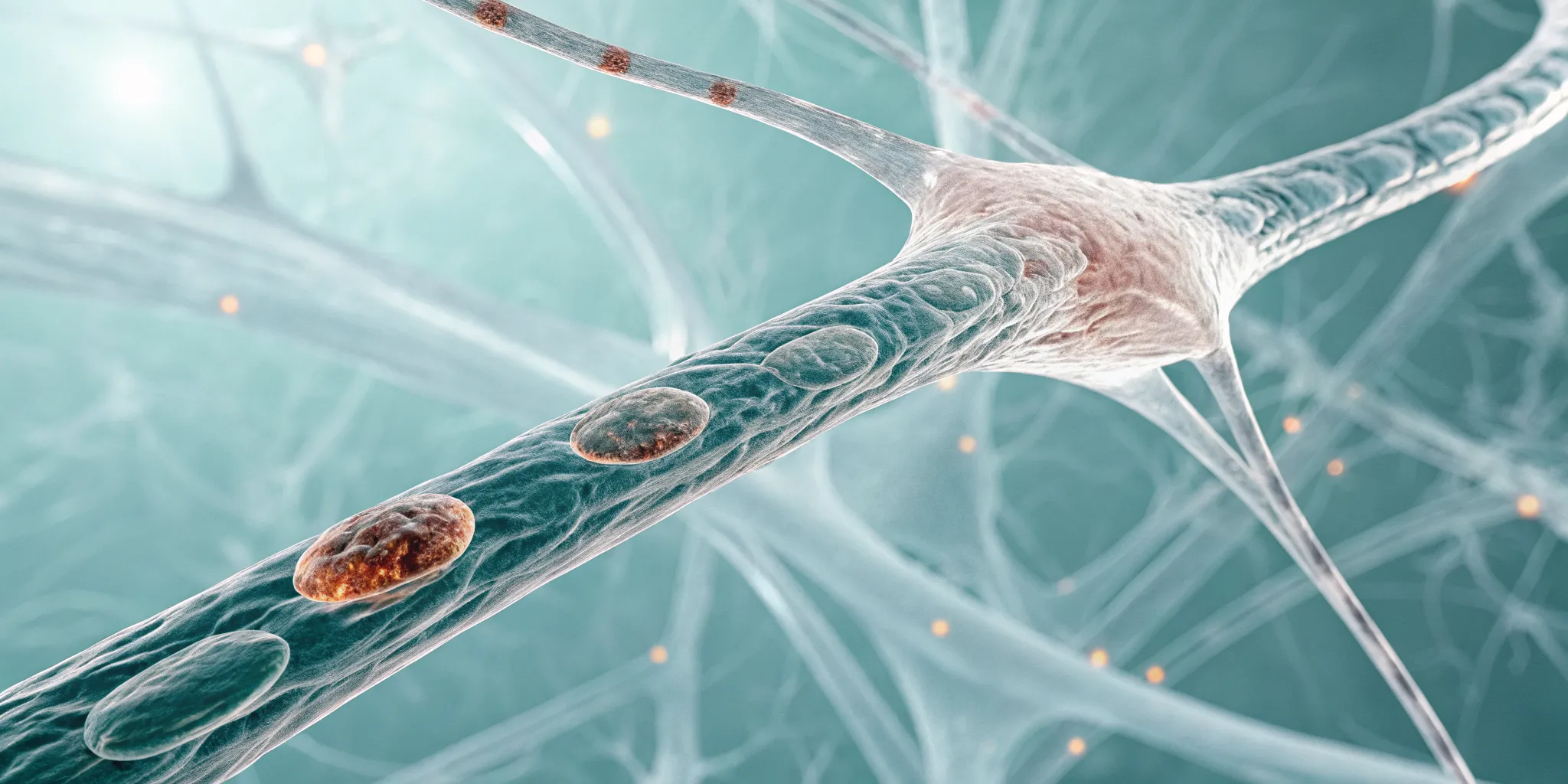
You may have heard the term “exosomes” used alongside stem cells, but they play a very different role in healing. Think of exosomes as your body’s microscopic messengers. They are tiny, powerful packets released by cells to deliver instructions and materials to other cells, directing them on how to behave. This cellular communication is essential for repair and regeneration. An exosome treatment for arthritis harnesses this natural process by introducing a high concentration of therapeutic messengers directly into a damaged joint. These new instructions can help calm inflammation and encourage your own cells to begin rebuilding, offering a precise, non-surgical way to manage your symptoms.
Key Takeaways
- Exosomes work with your body to heal from within: This therapy uses powerful cellular messengers to reduce the inflammation causing your pain and signal your own cells to begin repairing damaged joint tissue.
- You can achieve relief without major surgery: As a non-surgical treatment, exosome therapy involves a simple injection with minimal downtime, offering a practical alternative to the risks and long recovery associated with joint replacement.
- Realistic expectations and a quality clinic are key: Results appear gradually as your body heals, so it’s crucial to partner with an experienced provider who follows strict safety guidelines and helps you understand the treatment timeline.
What Are Exosomes and How Do They Work?
If you’re exploring regenerative medicine for arthritis, you’ve likely heard about both stem cells and exosomes. While they’re often mentioned together, they play very different roles in healing. Think of exosomes as the body’s microscopic mail carriers. They are tiny vesicles released by cells, tasked with delivering important instructions and materials to other cells. This constant communication is what keeps your body’s systems running smoothly.
By harnessing the power of these cellular messengers, exosome therapy offers a targeted way to influence how your cells behave, especially in areas affected by inflammation and damage, like an arthritic joint. Let’s break down how they work and what makes them different from stem cells.
The Science of Cellular Communication
At their core, exosomes act like messengers, carrying proteins, lipids, and genetic material from one cell to another. This cargo contains vital information that tells the receiving cell what to do—whether that’s to reduce inflammation, start a repair process, or behave differently. In the context of arthritis, this is crucial. Research shows that exosomes play a significant role in how osteoarthritis (OA) develops, sometimes sending signals that increase inflammation and tissue breakdown. Exosome therapy works by introducing a high concentration of healthy, therapeutic exosomes to the damaged area. These new messengers can override the harmful signals, encouraging your cells to reduce inflammation and promote a healthier joint environment.
Exosomes vs. Stem Cells: What’s the Difference?
It’s a common question: are exosomes just a type of stem cell? The answer is no. While the exosomes used in therapy are often derived from mesenchymal stem cells (MSCs), they are not cells themselves. Think of it this way: a stem cell is like a skilled repair worker who can become different types of tissue. An exosome is the set of instructions that the repair worker sends out to the local crew.
Exosomes and stem cell therapies are fundamentally different tools in regenerative medicine. Exosomes are acellular, meaning they contain no nucleus or DNA. They work by delivering powerful signaling molecules to influence your existing cells. This makes them a precise and safe option for directing your body’s own healing mechanisms without introducing new cells.
How Does Exosome Therapy Target Arthritis?
Exosome therapy offers a modern approach to managing arthritis by working at a cellular level. Instead of just masking pain, it targets the underlying inflammation and damage that cause your symptoms. By harnessing the body’s natural communication system, exosomes can help reduce inflammation, protect your existing cartilage, and even support the growth of new, healthy tissue. Let’s look at how this process works.
Understanding Arthritis Inflammation
Arthritis is more than just wear and tear; it’s a disease that creates a cycle of inflammation and damage within the joint. This chronic inflammation breaks down cartilage, the smooth, flexible tissue that cushions your bones, leading to the pain, stiffness, and reduced mobility you feel. Many conventional treatments focus on managing these symptoms with pain relievers or steroid injections, but they don’t address the progressive cartilage loss at the heart of the condition. This is where regenerative medicine offers a different path by targeting the root cause of your arthritis discomfort.
How Exosomes Fight Inflammation
Exosomes are powerful messengers that can help calm the inflammation driving your joint pain. When introduced into an arthritic joint, they deliver signals that instruct your immune cells to switch from a pro-inflammatory state to an anti-inflammatory one. This process helps reduce the swelling and pain that make daily activities so difficult. By quieting the constant inflammation, exosomes create a healthier, more balanced environment within the joint. This not only provides relief but also sets the stage for your body to begin its own healing process, offering a path to lasting pain management.
The Potential for Cartilage Repair
Beyond fighting inflammation, exosomes carry the specific instructions needed to kickstart your body’s repair mechanisms. They are loaded with proteins and growth factors that can encourage your own cartilage cells (chondrocytes) to multiply and produce new, healthy tissue. At the same time, studies show that exosomes can protect your existing cartilage cells from dying off, helping to preserve the joint structure you still have. This dual-action approach of reducing damage while promoting growth is what makes exosome therapy such a promising option for true joint regeneration and long-term relief.
What Types of Exosomes Are Used for Arthritis?
When we talk about exosome therapy, it’s important to know that not all exosomes are created equal. Their therapeutic potential often depends on their source. Think of it like this: if you want to grow a specific type of plant, you need seeds from that plant. Similarly, if you want to encourage tissue repair, you need exosomes that carry the right instructions. Scientists can harvest exosomes from several types of regenerative cells, and each source offers a unique set of signaling molecules tailored for different healing processes.
For conditions like arthritis, the goal is to reduce inflammation and support cartilage health. Researchers have identified a few key sources of stem cells that produce exosomes particularly well-suited for this job. These include cells from umbilical cord tissue, bone marrow, and adipose (fat) tissue. At Miami Stem Cell, we focus on using the most potent and ethically sourced exosomes to ensure our patients receive the highest quality treatment. Understanding where these tiny messengers come from can help you feel more confident about the science behind your regenerative therapy.
Umbilical Cord-Derived Exosomes
Exosomes sourced from mesenchymal stem cells (MSCs) in umbilical cord tissue are a powerful tool in regenerative medicine. These are the youngest, most vibrant cells available, and the exosomes they produce are packed with growth factors. Research shows that these specific exosomes are fantastic at encouraging cartilage cells to grow and multiply. They also help protect existing cartilage cells from breaking down, which is a key issue in osteoarthritis. By delivering instructions that promote the synthesis of essential cartilage components, these exosomes can directly support the repair of damaged joints and improve mobility.
Bone Marrow Stem Cell Exosomes
Another common source for therapeutic exosomes is stem cells found in bone marrow. These exosomes have a strong anti-inflammatory effect, which is crucial for managing arthritis pain. They work by sending signals that help calm the overactive immune response responsible for joint inflammation and stiffness. Beyond just reducing inflammation, bone marrow-derived exosomes also play a role in protecting cartilage cells from premature death and can support the overall repair process within the joint. Their ability to modulate immune behavior makes them a valuable option for addressing the root causes of arthritic pain and discomfort.
Adipose-Derived Stem Cell Exosomes
Exosomes can also be collected from stem cells found in adipose, or fat, tissue. These are easily accessible and have shown great promise for joint health. Adipose-derived exosomes are particularly effective at reducing inflammation and encouraging the production of collagen type II—a vital protein that gives cartilage its strength and structure. By helping your body create more of these essential building blocks, these exosomes can enhance cartilage health and function. This makes them another promising avenue for patients looking for a non-surgical approach to managing their arthritis symptoms and improving their quality of life.
What Are the Benefits of Exosome Therapy for Arthritis?
If you’re dealing with arthritis, the search for relief can feel endless. Traditional treatments often focus on managing symptoms, but exosome therapy offers a different path by targeting the underlying issues. This approach brings several key advantages, from reducing pain and improving your ability to move freely to offering a much smoother treatment experience than invasive surgery. Let’s look at how this regenerative therapy can make a real difference in your daily life.
Less Pain and Better Mobility
One of the most significant benefits of exosome therapy is its direct impact on pain and inflammation. Exosomes work at a cellular level to calm the inflammatory response that causes so much discomfort in arthritic joints. But they don’t just stop at symptom relief. These powerful messengers also carry proteins and growth factors that encourage your body’s natural healing processes, potentially helping to repair damaged cartilage. By addressing both the inflammation and the underlying tissue damage, exosome therapy can lead to meaningful improvements in joint function, helping you move with greater ease and less pain in your day-to-day activities.
A Minimally Invasive Approach
For many people, the thought of joint surgery is a major barrier to getting help for arthritis. Exosome therapy provides a powerful alternative that is minimally invasive. The treatment typically involves a simple injection directly into the affected area, with no need for general anesthesia or a hospital stay. Because exosomes are incredibly small, they can easily penetrate tissues to get where they’re needed most without surgical incisions. This makes the procedure far less traumatic for your body. Choosing a non-surgical path means you can avoid the risks and stress associated with surgery, making it an appealing option for managing chronic pain.
Faster Recovery Than Surgery
A major advantage of a minimally invasive treatment is a significantly shorter recovery time. After joint surgery, patients often face months of challenging rehabilitation to regain strength and mobility. With exosome therapy, the downtime is minimal. Many people can return to their normal activities shortly after the procedure, as the therapy works with your body’s own healing mechanisms. This faster turnaround means you can get back to living your life without the prolonged interruption that a major surgery requires. It’s a practical choice for anyone looking to find relief and maintain an active lifestyle without a lengthy and difficult recovery period.
What Does the Research Say About Exosome Therapy?
When you’re considering a new treatment, especially one as advanced as exosome therapy, it’s smart to look at the data. The field of regenerative medicine is constantly evolving, and the research surrounding exosomes is incredibly active. While it’s still an emerging area, the findings offer a compelling look at how we might treat conditions like arthritis in the future. Let’s break down what the science says about the potential, the results so far, and the current regulatory landscape.
Promising Findings from Recent Studies
The buzz around exosome therapy is backed by some exciting preclinical research, particularly for osteoarthritis. Studies have shown that exosomes can act as powerful directors in your body’s healing process. They appear to reduce the inflammation that causes so much pain and stiffness in arthritic joints. More than that, they’ve been observed to encourage cartilage cell growth and prevent existing cartilage cells from dying off. This dual action of calming inflammation while promoting repair is what makes exosomes such a promising avenue for managing the root causes of joint degeneration, not just the symptoms.
Clinical Trial Results and Safety
While much of the initial research has been in labs, human studies are beginning to show positive outcomes. Early clinical trials have explored injecting exosomes into the joints of patients with osteoarthritis, with some participants reporting significant improvements in pain and mobility. In one study, patients saw a reversal of cartilage and bone damage within weeks of treatment. Because exosome therapy is a newer field, researchers are still gathering long-term safety data. However, since the therapy uses natural cellular components, it is generally considered to have a low risk of side effects compared to more invasive procedures.
FDA Compliance and Regulations
It’s important to understand where exosome therapy stands with regulatory bodies like the FDA. Currently, exosome products are not FDA-approved for the treatment of any specific disease, including arthritis. The FDA is still evaluating this technology as research continues to establish standardized treatment protocols and long-term efficacy. This is why it’s crucial to choose a clinic that adheres to strict safety and quality guidelines. Reputable providers in the United States operate within these regulations to ensure patient safety, a key difference when comparing overseas vs. USA stem cell treatments.
How Is Exosome Therapy for Arthritis Administered?
If you’re considering exosome therapy, you might be picturing a complex, drawn-out procedure. The reality is much simpler. The entire process is designed to be straightforward and minimally invasive, allowing you to get back to your life with little downtime. The therapy is administered directly in our clinic as an outpatient procedure, meaning you can go home the very same day.
The core of the treatment involves delivering a concentrated dose of powerful exosomes directly to the arthritic joint. This targeted approach ensures the exosomes get right to work where they’re needed most—calming inflammation and signaling to your body’s cells to begin the repair process. We focus on making the experience as comfortable as possible, from the initial consultation to your follow-up care. Our goal is to provide a clear, supportive path toward managing your arthritis pain and improving your joint function without the need for invasive surgery.
The Treatment and Injection Process
Exosome therapy for arthritis is a precision-based treatment that involves injecting exosomes into the affected joint. At Miami Stem Cell, we use high-quality exosomes derived from mesenchymal stem cells, which are known for their powerful regenerative capabilities. Think of these exosomes as tiny messengers, carrying vital proteins and genetic information that instruct your cells on how to reduce inflammation and repair tissue damage.
The injection itself is performed by one of our experienced medical providers. We carefully target the specific area within the joint that is causing you pain and showing signs of degradation. This ensures the exosomes are delivered with maximum accuracy, allowing them to begin their work of modulating the immune response and encouraging cartilage health right at the source of the problem.
What to Expect During Your Appointment
Your appointment will begin with a conversation. Our team will review your condition, discuss your goals, and confirm that exosome therapy is the right approach for you. We’ll determine the appropriate dosage and prepare the treatment while ensuring you are comfortable and informed every step of the way. The procedure itself is quite fast and is performed in a sterile, clinical environment.
Because the treatment is administered through a simple injection, it’s considered a minimally invasive procedure. Most patients experience very little discomfort, often described as a slight pressure at the injection site. You won’t need a lengthy hospital stay; in fact, you’ll be able to head home shortly after the treatment is complete. If you’re ready to see what your appointment could look like, we encourage you to schedule a consultation with our team.
Recovery and Follow-Up Care
One of the biggest advantages of exosome therapy is the minimal recovery time. After the injection, you might notice some mild soreness or swelling at the injection site, but this typically subsides within a day or two. Unlike surgery, there’s no extended period of bed rest or intensive physical therapy required. Most people can return to their normal daily activities very quickly.
We’ll provide you with simple post-treatment guidelines to follow. Follow-up care is also a key part of our process. We will schedule check-ins to monitor your progress, assess how your body is responding to the therapy, and see how your symptoms are improving over time. If you have more questions about what to expect after treatment, our FAQs page is a great resource.
Is Exosome Therapy for Arthritis Right for You?
Deciding on the right treatment for arthritis is a personal choice. If you’re dealing with persistent joint pain and looking for a solution that goes beyond temporary fixes, exosome therapy might be a path worth considering. This approach is designed to work with your body’s natural healing processes to address the source of discomfort. Let’s walk through who this therapy is best suited for and when it makes the most sense.
Who Is an Ideal Candidate?
If you find yourself frustrated with joint pain, stiffness, and limited mobility, you’re the person this therapy was developed for. An ideal candidate is often someone who has tried conventional treatments for arthritis without getting the lasting relief they hoped for. You might be looking to avoid or delay joint replacement surgery. More importantly, you’re seeking a treatment that aims to repair underlying damage and reduce inflammation, rather than just masking pain. If you want to get back to your favorite activities with less discomfort, exosome therapy could be a great fit.
Conditions That Respond Best to Treatment
Exosome therapy shows significant promise for individuals with osteoarthritis, where protective cartilage has worn down. Because exosomes carry proteins and growth factors that help reduce inflammation and encourage cellular repair, they are effective at targeting the core issues of degenerative joint disease. Patients with chronic inflammation in joints like the knees, hips, and shoulders often see improvements. The goal is to support your body’s ability to heal itself, leading to better function in areas that need joint regeneration.
When to Choose Exosomes Over Other Options
Choosing exosome therapy often comes down to your long-term health goals. If you’re looking for a solution that addresses the root cause of your joint pain, this is a compelling option. Traditional treatments like steroid injections or pain medications often provide only temporary relief. Exosome therapy, on the other hand, is a form of regenerative medicine that aims to create a healthier joint environment. It’s a proactive approach to pain management for those who want to avoid the risks and extensive recovery of surgery, offering a minimally invasive way to restore function.
What Are the Limitations of Exosome Therapy?
While exosome therapy holds incredible promise for managing arthritis, it’s important to have a clear picture of the full landscape. Like any cutting-edge medical treatment, there are limitations to consider. Understanding these aspects helps you make a well-informed decision about your health and ensures your expectations are realistic from the start. Let’s walk through what you should know about the current state of this innovative therapy.
Challenges with Treatment Standardization
One of the main challenges in the broader field of regenerative medicine is the lack of a single, universal standard for preparing exosomes. Because the science is advancing so quickly, methods for collecting and processing these cellular messengers can vary. This means the specific contents of an exosome product might differ, potentially leading to inconsistent results. This is why it’s absolutely critical to choose a provider that adheres to stringent, internal quality controls. At Miami Stem Cell, we use only the highest-quality, ethically sourced products to ensure our patients receive a consistent and reliable regenerative treatment.
Regulatory and Safety Considerations
Because exosome therapy is an innovative and evolving field, the regulatory landscape is still catching up. This can lead to major differences in quality and safety, especially when comparing treatments in the US to those offered overseas. Some international clinics operate with little oversight, which can pose risks. We are committed to patient safety and strictly follow FDA guidelines for all our regenerative therapies. This ensures that every treatment we administer meets the highest standards for safety and quality, giving you peace of mind as you focus on your healing.
Understanding Individual Results
Exosome therapy works by encouraging your body’s own healing mechanisms, which is a process that takes time. Unlike a steroid shot that offers quick but temporary relief, the results from exosomes tend to appear more gradually as your tissues begin to repair. Every person’s body is unique, so outcomes can vary. While many of our patients report significant improvements in pain and mobility, your specific results will depend on factors like the severity of your arthritis and your overall health. We believe in setting clear expectations and you can see some of the positive patient outcomes we’ve helped facilitate.
What to Consider Before Your Treatment
Deciding to move forward with exosome therapy is a big step toward managing your arthritis pain and improving your quality of life. Before you schedule your first appointment, it’s important to do your homework. Thinking through a few key areas—like who will perform your treatment, what it will cost, and what you can expect—will help you feel confident and prepared for the road ahead. This is about making an informed choice that feels right for you and your health goals.
Finding an Experienced Provider
Choosing the right provider is the most critical part of your decision. Exosome therapy is a specialized field, and you want a team that has deep expertise in regenerative medicine. An experienced provider understands the nuances of different exosome products—they know which growth factors, proteins, and cytokines are needed to get the best results for your specific condition. They should be able to explain the science to you in a way that makes sense. When you meet with a potential provider, ask about their experience with arthritis treatments and what makes their approach effective. A trustworthy clinic will be transparent about their methods and dedicated to creating a personalized plan for you.
Understanding the Cost
It’s important to have a clear picture of the financial investment involved in exosome therapy, as it is not typically covered by insurance. In the United States, a single exosome treatment can range from $3,500 to $6,500. However, your provider may recommend a series of treatments to achieve the best possible outcome, and a complete plan could cost anywhere from $2,000 to $15,000. The final price depends on the specifics of your condition and the personalized protocol designed for you. Be sure to discuss the full treatment plan and all associated costs with your provider upfront so you can budget accordingly and focus on your healing.
Setting Realistic Expectations
While exosome therapy holds incredible promise, it’s not an overnight fix. Unlike steroid shots that offer quick but temporary relief, the results from exosome therapy appear more gradually as your body’s natural healing mechanisms get to work. It’s a process of true regeneration. Many patients begin to notice improvements in pain, inflammation, and mobility within a few weeks to months after treatment. It’s helpful to look at patient testimonials to see the kinds of results others have experienced. Patience is key. The goal is long-term relief and functional improvement, allowing your body the time it needs to repair and rebuild damaged tissue.
Exosome Therapy vs. Traditional Arthritis Treatments
When you’re dealing with arthritis, the goal is simple: find relief and get back to your life. For years, the options have been limited to managing symptoms or undergoing major surgery. Regenerative medicine offers a different path. Instead of just masking the pain, exosome therapy works to address the underlying issues in the joint, aiming for lasting improvement by supporting your body’s own healing processes. This approach shifts the focus from temporary fixes to long-term joint health and function.
How It Compares to Medication and Steroids
Traditional arthritis medications, like NSAIDs and steroid injections, are designed to reduce inflammation and pain. While they can be effective for short-term relief, they don’t repair the underlying joint damage. Think of them as a temporary patch. Exosome therapy takes a more foundational approach. The goal is to manage pain by targeting the root causes of joint degeneration. Exosomes deliver signals that help calm chronic inflammation and encourage your cells to begin repairing damaged tissue. It’s a strategy focused on rebuilding and restoring function, rather than just quieting the symptoms for a little while.
A Look at Surgery vs. Regenerative Options
For severe arthritis, surgery like a joint replacement is often presented as the final option. While it can be life-changing, it’s also a major procedure that comes with significant risks and a long, often painful, recovery period. Exosome therapy offers a minimally invasive alternative. As a non-surgical treatment, it involves a simple injection with no lengthy downtime. This makes it an attractive option for those who want to avoid the complications of surgery or are not ideal surgical candidates. By focusing on joint regeneration, this therapy uses your body’s inherent healing mechanisms to promote recovery without the need for scalpels and stitches.
Comparing Long-Term Results
The long-term outlook is a key difference between exosome therapy and traditional treatments. Medications and steroid shots often require repeated use as their effects wear off. Surgery is a permanent alteration to your body. Exosome therapy, on the other hand, has the potential to provide more sustainable results. By helping to reduce inflammation and support cartilage repair, the treatment may lead to lasting improvements in pain and mobility. Many patients find that a single course of treatment can provide significant, long-term relief, allowing them to regain function and improve their quality of life in a way that other methods couldn’t achieve.
Related Articles
- A Guide to Exosome IV Therapy for Autoimmune Conditions
- Stem Cell Therapy for Arthritis Pain
- The Top Exosome IV Therapy Benefits Explained
Frequently Asked Questions
Is exosome therapy painful, and are there any side effects? The treatment itself is a simple injection, so you can expect to feel a pinch and some pressure, but most people find it very manageable. Because exosomes are natural, acellular messengers—not foreign cells—the risk of a negative reaction is extremely low. You might have some mild soreness or swelling at the injection site for a day or two, similar to any other shot, but significant side effects are rare.
How long will it take to feel a difference after the treatment? This isn’t an overnight fix like a painkiller. Exosome therapy works by signaling your body to begin a natural repair process, which takes time. While some people notice improvements within a few weeks, it’s more common to experience a gradual reduction in pain and an increase in mobility over the course of two to three months as your joint environment becomes healthier.
How is this different from getting a steroid or cortisone shot? Think of a steroid shot as a powerful but temporary pause button for inflammation. It can provide quick relief, but it doesn’t address the underlying cartilage damage. Exosome therapy is fundamentally different. It aims to change the environment in your joint by calming inflammation and providing your cells with the instructions they need to repair tissue, offering a path to more sustainable, long-term improvement.
Why isn’t exosome therapy covered by insurance? Because regenerative medicine is a relatively new and advanced field, most insurance providers still classify exosome therapy as an elective or investigational procedure. Therefore, it is not typically covered. We see it as a proactive investment in your long-term health, helping you manage pain and improve function without the need for more invasive procedures down the line.
Will I need more than one treatment? Your treatment plan is entirely personalized. For some individuals with mild to moderate arthritis, a single treatment can provide significant, lasting relief. However, if you have more advanced joint degeneration, a series of treatments may be recommended to achieve the best possible outcome. We will assess your specific condition and goals to create a plan that makes the most sense for you.