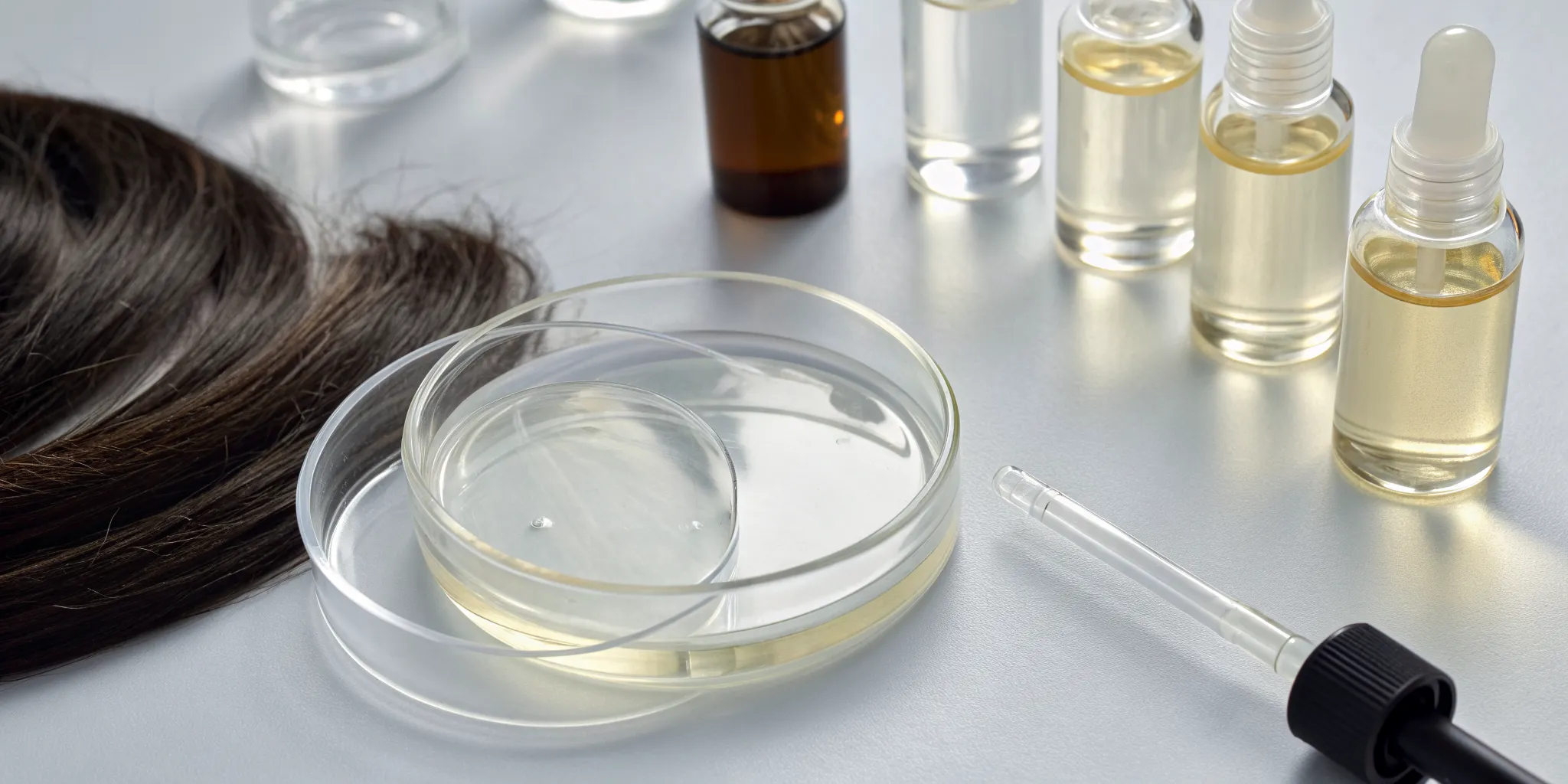
The single most important decision you’ll make in your hair restoration journey isn’t whether to try exosome therapy—it’s where you get it done. The reality is that the full spectrum of potential exosomes side effects, from minor scalp tenderness to serious complications like infection, is almost entirely dictated by your provider’s standards. An expert clinic using high-quality, lab-purified exosomes in a sterile environment minimizes risks significantly. Conversely, an unqualified provider using unregulated products puts your health on the line. This guide will walk you through what you need to know, helping you spot the difference between a safe, professional clinic and one you should avoid at all costs.
The safety and effectiveness of your exosome treatment are directly linked to the quality of the clinic you choose. A provider’s expertise, the source of their products, and their commitment to sterile protocols can make all the difference in your experience. A major part of this is understanding the full range of potential exosomes hair loss side effects, as many risks can be minimized simply by selecting the right professional. This guide will not only detail the side effects but also empower you with the knowledge to vet a provider properly, ask the right questions, and spot red flags, ensuring your hair restoration journey is both safe and successful.
Key Takeaways
- Exosomes Revitalize Existing Follicles: This non-surgical treatment uses a high concentration of cellular signals to awaken dormant hair follicles, offering a powerful, often single-session, approach compared to other regenerative therapies like PRP.
- Your Provider’s Standards Dictate Your Safety: The most significant risks, like infection or poor results, come from unqualified providers or low-quality products. Vet your clinic by asking about the exosome source, their safety protocols, and the medical team’s experience.
- Patience is Key to Seeing Results: Hair growth is a gradual process, and visible changes won’t happen overnight. You can realistically expect to see initial improvements, such as reduced shedding and new growth, within three to six months after your treatment.
How Do Exosomes Work for Hair Loss?
If you’re exploring options for hair restoration, you’ve likely come across many different treatments. Exosome therapy is one of the most exciting advancements in regenerative medicine, offering a non-surgical way to address hair thinning and loss at the cellular level. Instead of simply managing symptoms, this approach aims to support your body’s own ability to regenerate and heal. It works by delivering powerful biological signals directly to your scalp, encouraging dormant hair follicles to get back to work. Let’s look at the science behind how these tiny powerhouses function and what they can do for your hair.
What Exactly Are Exosomes?
Think of your body as a highly complex and busy city. For everything to run smoothly, you need a sophisticated communication network. Exosomes are that network. They are microscopic vesicles, or tiny bubbles, that your cells release to send messages to one another. In the context of hair loss, we can harness the messages sent by powerful, regenerative cells to tell your hair follicles it’s time to get back to work. This process is central to the field of regenerative medicine, as it uses the body’s own signaling mechanisms to encourage healing and restoration from within, without the need for invasive surgery.
The Scientific Makeup of Cellular Messengers
So, what are these cellular messengers made of? Exosomes are tiny sacs released by nearly every cell in your body, acting as delivery vehicles. They carry important “cargo” like proteins, growth factors, and genetic material (RNA) from one cell to another. This cargo contains specific instructions that can influence how the receiving cell behaves. When used for hair restoration, we use exosomes derived from potent mesenchymal stem cells. Their cargo is rich with signals that are known to awaken dormant hair follicles, reduce inflammation on the scalp, and encourage the cells to begin the hair growth cycle again, leading to thicker, healthier hair.
How Exosomes Interact with Target Cells
The magic of exosomes lies in how they deliver their instructions. They can interact with your scalp’s cells in a few key ways. First, a target cell can absorb an exosome completely, allowing the growth-promoting cargo to be released directly inside where it can get to work. Second, an exosome can dock onto a receptor on the cell’s surface, acting like a key in a lock to trigger a growth response without ever entering. Finally, it can merge with the target cell’s membrane, essentially becoming one with it. This ability to communicate so precisely is what makes exosome therapy a powerful tool for hair restoration and other anti-aging treatments.
How Exosomes Communicate with Your Cells
Think of exosomes as tiny messengers created by your cells. Specifically, the exosomes used in regenerative treatments are derived from mesenchymal stem cells (MSCs), which are known for their powerful healing capabilities. These microscopic vesicles are loaded with essential cargo, like growth factors, proteins, and genetic information. Their main job is to travel between cells and deliver these instructions, facilitating communication and triggering specific actions. In essence, they carry the blueprints for tissue repair and regeneration from a stem cell directly to a target cell that needs support, all without containing any actual cells themselves. This makes them a precise and potent tool for healing.
How Exosomes Trigger New Hair Growth
When it comes to hair loss, the goal is to reactivate sluggish or dormant hair follicles. This is where exosomes shine. During a hair restoration treatment, a concentrated solution of exosomes is introduced directly into the areas of the scalp with thinning hair. Once there, these messengers get to work, delivering their payload of growth factors to the follicle cells. This targeted communication can help wake up sleeping follicles, encourage miniaturized (shrunken) follicles to become healthy and robust again, and prolong the active growth phase of the hair cycle. The result is often visibly thicker, denser hair over time as your follicles are prompted to function more youthfully.
Common Exosome Side Effects: What to Expect
Whenever you’re considering a new treatment, it’s smart to understand the full picture, including any potential side effects. The good news is that for exosome hair restoration, the most common side effects are generally mild, temporary, and a sign that your body is responding to the therapy. Think of them as signals that the regenerative process has begun. Because the treatment involves a series of small injections into the scalp, most reactions are localized to that area. These effects are a normal part of the body’s inflammatory and healing response. Knowing what to expect can help you feel confident and prepared as you begin your journey toward fuller, healthier hair. Let’s walk through what you might experience in the days and weeks following your procedure.
Tenderness and Discomfort at the Injection Site
It’s completely normal to feel some tenderness or sensitivity where the exosomes were injected. Your scalp might feel a little sore, similar to a mild sunburn or muscle ache. This discomfort is a direct response to the micro-injections and is typically very manageable. For most people, this feeling is temporary and usually fades within a few days to a week. It’s your body’s first step in the healing process, and it’s a sign that the powerful growth factors are getting to work right where they’re needed most.
A Normal Response: Swelling, Redness, and Bruising
You may also notice some slight swelling, redness, or even minor bruising on your scalp after the treatment. This is a classic inflammatory response, which is a crucial part of how your body heals and regenerates tissue. Your scalp might look a bit red and feel slightly swollen where you received the injections, but this is a normal reaction that shows your system is activating its repair mechanisms. These visual signs are almost always short-lived and should resolve on their own within a few days as your scalp calms down and the healing continues.
Is Hair Fall After Exosome Treatment Normal?
Seeing a bit of extra hair fall out after a hair restoration treatment can feel counterintuitive, but try not to worry. This temporary shedding is often a positive sign that the treatment is working. The influx of exosomes can stimulate your hair follicles to enter a new growth phase. To do this, they first need to push out the older, weaker hairs to make room for new, stronger strands to grow in their place. This shedding phase can last for a few weeks to a couple of months, but it’s a temporary and necessary step on the path to visible results.
What Are the Long-Term Side Effects of Exosomes?
While the most common side effects of exosome therapy are mild and temporary, it’s smart to be aware of the more significant, though much rarer, risks. Understanding these potential issues is a key part of making an informed decision about your health and hair restoration journey. The good news is that the vast majority of these serious risks are directly tied to the provider’s qualifications, the quality of the exosome product, and the sterility of the clinical environment. This is why choosing the right clinic is not just about getting good results—it’s about ensuring your safety. A reputable provider will be transparent about all potential outcomes and will take every precaution to protect your health. They will conduct a thorough health screening, use high-quality, properly sourced products, and perform the procedure in a sterile medical setting. By prioritizing a clinic with a strong track record and high standards, you can significantly reduce the likelihood of experiencing any serious complications and feel confident in your treatment choice.
The Risk of Infection and How to Avoid It
Any procedure that breaks the skin, including injections, carries a small risk of infection. However, this risk is extremely low when the treatment is performed correctly. An infection at the injection site is typically caused by improper technique or a non-sterile environment. A qualified medical professional will follow strict protocols, using sterilized equipment and thoroughly cleaning the treatment area to prevent bacteria from entering the skin. This is a standard part of medical care that you should expect from any clinic. At Miami Stem Cell, we perform all our procedures in a sterile clinical setting to ensure your safety is the top priority from start to finish.
Allergic Reactions: What You Need to Know
Although very rare, an allergic reaction to exosome therapy is possible. Your body’s immune system could potentially react to the introduced materials, leading to symptoms like itching, a rash, or localized swelling beyond what is typical. This is why a comprehensive medical history review is a critical first step. During your initial consultation, we discuss your health history and any known allergies to determine if you are a good candidate for the treatment. This careful screening process helps us identify and manage any potential sensitivities, ensuring the procedure is as safe as possible for you.
Why Unregulated Treatments Pose a Long-Term Risk
Because exosome therapy is a cutting-edge field, not all treatments are created equal. The source and quality of the exosomes are incredibly important. There are risks associated with unregulated treatments, which may use contaminated or improperly processed products that are ineffective or, worse, unsafe. Since long-term data is still emerging, choosing a provider that uses ethically sourced, lab-purified exosomes from a reputable source is essential. We are committed to using only the highest quality umbilical cord-derived mesenchymal stem cell exosomes that adhere to strict safety and processing standards, giving you peace of mind about what’s being used in your body.
Potential for Granulomas or Skin Necrosis
While extremely rare, more serious complications like granulomas or skin necrosis can occur. A granuloma is a small cluster of immune cells that forms when the body tries to wall off a substance it sees as foreign. Skin necrosis is the death of tissue, which can happen if the blood supply to an area is compromised. These risks are almost always tied to the quality of the product or the skill of the person performing the injections. An inexperienced provider might use improper technique, or a low-quality product could trigger a severe inflammatory reaction. This is why your treatment must be administered by a qualified medical professional who understands scalp anatomy and adheres to the highest safety standards.
The “Dark Side”: How Exosomes Can Spread Disease
It’s important to understand that exosomes are cellular messengers, and they deliver whatever instructions they are given by their source cell. Research shows that if exosomes come from unhealthy cells, such as cancerous ones, they can carry signals that promote disease. This is the “dark side” of exosomes and the single most important reason why the source of the product used in your treatment is non-negotiable. Reputable clinics only use exosomes derived from thoroughly screened, healthy sources, like umbilical cord tissue from full-term, healthy births. This rigorous screening ensures the exosomes carry signals for regeneration and healing, not harm. This distinction is a critical factor when comparing U.S.-based treatments to unregulated options.
How Do Exosomes Compare to Other Hair Loss Treatments?
When you’re exploring options for hair restoration, it’s easy to feel overwhelmed by the different treatments available. From regenerative therapies to surgical procedures, each path offers its own set of benefits and considerations. Understanding how exosome therapy stacks up against other popular methods like PRP and hair transplants is key to making a choice that feels right for you. The best treatment depends entirely on your specific type of hair loss, your goals, and your comfort level with different procedures. Are you looking for a non-surgical approach to stimulate your existing follicles? Or are you seeking a permanent solution for more advanced hair loss? Thinking through these questions will help you weigh the pros and cons. Let’s break down how exosomes compare to two of the most common alternatives, so you can see where this innovative therapy fits into the landscape of hair restoration.
Exosomes or PRP: Which Is Right for You?
Many people are familiar with Platelet-Rich Plasma (PRP) therapy, which uses your own blood’s platelets to encourage hair growth. While both are regenerative treatments, exosome therapy often delivers quicker and more powerful results. The main difference lies in the treatment schedule and the concentration of healing signals. PRP therapy typically requires multiple sessions spaced out over several months to see significant improvement. In contrast, exosome therapy is usually a single treatment. That’s because exosomes are packed with a much higher concentration of growth factors and proteins that directly signal your hair follicles to wake up. Some research even suggests that combining the two therapies can produce better outcomes than PRP alone, but for those seeking efficiency and potent results, exosomes often have the edge.
Exosomes or a Hair Transplant: What’s the Difference?
Comparing exosome therapy to a hair transplant is like comparing a workout plan to a cosmetic procedure—both aim for improvement, but the approach is fundamentally different. Exosome therapy is a non-surgical treatment designed to rejuvenate and stimulate existing hair follicles that have become dormant. It’s an excellent option for people experiencing thinning or early-stage hair loss who want to avoid going under the knife. A hair transplant, on the other hand, is a surgical procedure that moves healthy hair follicles from one part of your scalp to a balding area. It’s currently the only permanent solution for hair loss. However, exosome therapy is not a permanent fix; its effects generally last six to twelve months, requiring follow-up treatments to maintain your results. The choice here comes down to whether you prefer a minimally invasive, regenerative approach or a permanent, surgical one.
What’s the Downtime for Each Treatment?
When it comes to downtime, exosome therapy stands out for its convenience. After the injections, you might experience some mild and temporary side effects like minor bruising, swelling, or scalp tenderness, but you can typically return to your daily activities right away. The recovery process is simple and straightforward, with a very low risk of complications when performed in a sterile, professional environment. This is a stark contrast to a hair transplant, which involves a longer recovery period. As a surgical procedure, it requires more downtime for healing, and you’ll need to manage scabbing and swelling for a week or more. While PRP has a similar recovery profile to exosomes, the need for repeated sessions means you’ll be planning for that minor downtime more frequently. Exosome therapy offers a powerful treatment with a recovery that barely disrupts your life.
Your Exosome Treatment: What to Expect
Deciding to move forward with a new treatment can feel like a big step, but knowing what’s ahead can make the entire process feel much more comfortable. Exosome therapy for hair loss is a straightforward procedure with a relatively simple recovery. From the moment you sit in the chair to the weeks following your session, understanding the timeline helps you prepare and allows you to focus on the results. We’ll walk through the injection process, what you can expect during recovery, and how to spot the difference between normal healing and a potential concern.
The Injection Process and What You’ll Feel
The exosome treatment itself is designed to be as comfortable as possible. First, your provider will apply a local anesthetic to numb your scalp, so you shouldn’t feel any pain during the injections. You might feel a little bit of pressure, but that’s about it. Once the area is numb, the exosome solution—which contains powerful growth factors and proteins from mesenchymal stem cells—is carefully injected into the areas where your hair is thinning. The entire hair restoration procedure is typically quick, and you can get back to your day right after, making it a convenient option for a busy schedule.
Your Week-by-Week Recovery Guide
After your treatment, it’s normal to experience some mild and temporary side effects as your scalp begins to heal. For the first few days, you might notice some redness, minor swelling, or tenderness at the injection sites. This is a standard response and usually subsides on its own within 48 to 72 hours. Some people also experience a brief period of hair shedding a few weeks after the procedure. While it might seem alarming, this is often a positive sign that your hair follicles are responding to the treatment and making way for new, healthier hair to grow in their place.
How to Tell Normal Healing from a Potential Problem
While most side effects are mild, it’s important to know what to look for in case of a complication. Normal healing involves temporary redness and sensitivity that gradually improves. However, if you notice that the redness or swelling is getting worse instead of better, or if you see any signs of pus, you should reach out to your provider, as these could be signs of an infection. Allergic reactions are very rare but can happen. If you develop a rash, hives, or have any other concerns, it’s always best to contact your doctor right away to be safe.
Beyond Hair Loss: Other Applications of Exosome Therapy
While we’re focused on how exosomes can revitalize your hair, it’s worth noting that their potential reaches far beyond the scalp. This technology is at the forefront of regenerative medicine, and researchers are exploring its use for a wide range of health and wellness applications. Because exosomes are such effective communicators between cells, they hold promise for addressing issues related to inflammation, tissue repair, and cellular aging. Their ability to deliver targeted instructions for healing makes them a versatile tool in the hands of medical experts. Understanding the broader applications can give you a fuller picture of just how powerful this therapy is and why it represents such an exciting step forward in modern medicine.
Joint and Tissue Regeneration
One of the most promising areas for exosome therapy is in healing and regenerating damaged tissues. Exosomes derived from mesenchymal stem cells are packed with growth factors and anti-inflammatory signals that can help calm inflammation and encourage repair in joints, muscles, and cartilage. For individuals dealing with the daily grind of chronic joint pain or recovering from a sports injury, this offers a non-surgical path toward healing. By delivering these powerful regenerative instructions directly to the site of injury, exosomes can support the body’s natural ability to repair itself, making them a compelling option for those seeking to improve mobility and find lasting relief from chronic pain.
Potential for Disease Diagnostics
Beyond their therapeutic use, exosomes are also gaining attention as a powerful diagnostic tool. Think of them as tiny snapshots of cellular health. Because they carry molecular information from their cell of origin, scientists can analyze exosomes found in bodily fluids to look for specific biomarkers—or signals—of disease. This could lead to earlier and less invasive detection of complex conditions like cancer or neurodegenerative diseases. While this area of research is still developing, it highlights the incredible sophistication of exosomes and reinforces their importance in the future of personalized, science-backed medicine.
Important Considerations Before Treatment
Making an informed choice about your health is the most important step you can take. Before moving forward with exosome therapy, it’s essential to have a clear understanding of what the process involves, including the financial investment and any post-treatment guidelines you’ll need to follow. A reputable clinic will always be transparent about these details during your consultation, ensuring you feel confident and prepared. These practical considerations are a key part of the journey and are just as important as the science behind the treatment. Discussing them openly helps set realistic expectations and ensures your experience is smooth, safe, and positive from start to finish.
Understanding the Cost of Exosome Therapy
It’s important to view exosome therapy as an investment in your long-term health and well-being. Because it is considered an advanced regenerative treatment, it is not typically covered by health insurance. The cost reflects the incredibly high standards required to produce a safe and effective product, from the ethical sourcing of materials like umbilical cord-derived stem cells to the complex, multi-step purification process in the lab. This commitment to quality ensures you receive a potent therapy free from contaminants. During your consultation, we can discuss the specific costs and help you understand the value behind this cutting-edge treatment.
Post-Treatment Restrictions: Blood Donation
One important guideline to be aware of is that after receiving exosome therapy, you will likely be unable to donate blood in the future. This is a standard safety precaution across the field of regenerative medicine. Because exosomes are biological materials derived from a donor source, this restriction is in place to protect the nation’s blood supply from any theoretical, yet-unknown pathogens that current screening methods might not be able to detect. It’s a precautionary measure that reflects the high safety standards of the industry. Being aware of this restriction beforehand is a crucial part of making a fully informed decision about your treatment plan.
Who Should Not Get Exosome Hair Therapy?
While exosome therapy is a promising and minimally invasive option for many people experiencing hair thinning, it’s not the right fit for everyone. Your safety and results are the top priorities, which is why a thorough consultation is a non-negotiable first step. Certain health factors, life stages, and conditions can affect both the safety and the effectiveness of the treatment. Understanding these contraindications helps you make an informed decision and sets realistic expectations for your hair restoration journey. Before moving forward with any regenerative procedure, it’s essential to have an open conversation with your provider about your complete health history. This isn’t just a formality; it’s a crucial part of creating a personalized treatment plan that aligns with your body’s unique needs. If you fall into any of the categories below, it doesn’t automatically mean you can’t ever have the treatment, but it does mean a more in-depth discussion with a medical professional is necessary to weigh the potential risks and benefits. Our goal at Miami Stem Cell is to ensure you are an ideal candidate who can achieve the best possible outcome safely.
Why Certain Health Conditions Are a Factor
Your overall health plays a significant role in how your body responds to regenerative treatments. Exosome therapy is generally considered very safe, but if you have certain serious medical conditions, particularly those affecting your immune system, it’s important to proceed with caution. Conditions like active cancer, autoimmune disorders, or blood disorders require careful consideration. A compromised immune system may not respond as effectively to the signaling molecules in exosomes, which could limit your results. We always recommend discussing any regenerative medicine treatments with your primary care physician to ensure it’s a safe choice for your specific health profile. Full transparency about your medical history allows us to protect your well-being.
Who Should Wait: Pregnancy, Breastfeeding, and Medications
As a general rule, elective cosmetic and regenerative treatments are not recommended for individuals who are pregnant or breastfeeding. The safety of exosome therapy for hair loss has not been studied in these groups, so it’s best to wait until after you’ve finished breastfeeding to consider this treatment. This is a standard precaution we take to ensure the health of both you and your child. Additionally, certain medications can interfere with the treatment or increase the risk of side effects. For example, if you are taking blood thinners or immunosuppressive drugs, you’ll need to discuss this with your provider. A comprehensive review of all your current medications and supplements is a critical step in the consultation process.
Does Your Age or Immune Health Matter?
Exosome therapy tends to deliver the most noticeable results when used in the earlier stages of hair thinning. While there is no specific age cutoff, the effectiveness can be linked to your body’s natural healing and regenerative capabilities. As we get older, our cellular response can become less robust, which might influence the outcome. Similarly, a healthy immune system is better equipped to respond to the regenerative signals from the exosomes. If your immune system is compromised due to a medical condition or medication, you may not see the same level of improvement. This doesn’t rule you out as a candidate, but it is a key factor in setting realistic goals for your hair restoration journey.
Managing Side Effects: Your Post-Treatment Care Plan
Proper aftercare is just as important as the treatment itself for achieving the best results from your exosome therapy. While side effects are typically minor and short-lived, knowing how to care for your scalp and what to watch for will ensure your recovery is smooth and stress-free. Following a simple plan can make all the difference in your healing process and help you feel confident as your hair begins its new growth cycle.
Your Aftercare Plan for a Smooth Recovery
Think of the first few days after your treatment as a time for your scalp to rest and heal. It’s best to avoid direct sun exposure and skip any intense physical activities that cause heavy sweating. This gives the micro-injection sites time to close and reduces the risk of irritation. Be gentle with your scalp by avoiding harsh hair products, chemicals, or heavy styling. If you experience any mild swelling, a cold pack applied for short intervals can provide relief. Our team at Miami Stem Cell will give you a detailed aftercare guide, which may include specific creams or instructions tailored to your hair restoration plan.
Red Flags: When to Seek Medical Attention
While serious complications are very rare, it’s important to know what to look for. An infection at the treatment site might appear as increased redness, significant swelling, warmth, or pus. If you notice any of these signs, you should contact your healthcare provider right away. Similarly, though uncommon, an allergic reaction requires immediate medical attention. Be aware of symptoms like hives, difficulty breathing, or swelling of your face, lips, or throat. Your safety is our top priority, so please don’t hesitate to contact us if you have any concerns during your recovery.
Simple Ways to Support Your Recovery
Supporting your body’s healing process is straightforward. Continue to be gentle with your scalp, choosing mild shampoos and avoiding aggressive scrubbing or styling for the first week. If you feel any tenderness, over-the-counter pain relievers are usually sufficient, but it’s always a good idea to confirm with your doctor. One of the most crucial steps in your recovery is attending your follow-up appointments. These visits allow us to monitor your progress, answer any questions that have come up, and make sure you are on track to see fantastic results. You can find answers to common post-treatment questions on our FAQs page.
Is Exosome Therapy Regulated? What You Need to Know
When you’re considering a cutting-edge treatment like exosome therapy, it’s smart to understand the rules and regulations that are in place to protect you. The field of regenerative medicine is advancing quickly, and the regulatory landscape is evolving right along with it. Knowing what to look for helps you make an informed decision and choose a provider who puts your safety first. This is especially important because the quality and source of exosomes can vary significantly from one clinic to another. A reputable clinic will be transparent about where its products come from and the standards they follow. At Miami Stem Cell, we exclusively use perinatal tissue products, such as umbilical cord-derived mesenchymal stem cells (MSCs) and exosomes, from an FDA-registered lab. This ensures our treatments adhere to the highest safety and quality protocols available in the United States. Understanding the oversight, sourcing, and safety measures is key to feeling confident in your hair restoration journey.
What Is the FDA’s Stance on Exosome Therapy?
Let’s be clear: exosome therapy for hair loss is not yet an FDA-approved treatment. However, this doesn’t mean the technology is inherently unsafe. The FDA has issued warnings, but they are typically aimed at clinics using unapproved products or those with poor manufacturing and quality control standards. The agency’s primary concern is patient safety, which is why it’s so important to distinguish between providers who cut corners and those who follow stringent guidelines. This is a key reason why understanding the difference between overseas vs. USA stem cell treatments is so critical. Clinics operating in the U.S. under strict laboratory standards offer a level of safety and quality assurance you may not find elsewhere. Your provider should be able to explain exactly how they comply with FDA guidelines for tissue-based products.
Why the Source of Exosomes Matters
Not all exosomes are created equal, and where they come from has a huge impact on their quality and effectiveness. Exosomes are derived from stem cells, and those stem cells can be sourced from different tissues, like bone marrow or umbilical cords. At Miami Stem Cell, we use exosomes derived from umbilical cord mesenchymal stem cells. These are sourced from donated umbilical cords after healthy, full-term births and are known for their potent regenerative signaling capabilities. The source is critical because it determines the “message” the exosomes carry. Exosomes from young, healthy cells are packed with growth factors that are ideal for stimulating dormant hair follicles. Rigorous screening of the donor tissue is also a non-negotiable step. This ensures the final product is pure, potent, and free from any contaminants, which is fundamental to a safe and effective treatment.
How Regulation Ensures Your Safety
Proper oversight and strict protocols are what stand between a safe treatment and a risky one. A trustworthy clinic operates with complete transparency, using only sterile, regulated, and lab-tested exosome products. This process begins with the ethical sourcing of donor tissue and continues through every step of processing and purification in a lab that follows FDA guidelines. This meticulous approach minimizes the risk of adverse reactions and ensures you receive a high-quality, consistent product. Think of it as a quality-control checklist for your health. Strict screening protocols ensure the donor tissue is free of disease, and sterile processing prevents contamination. When you have questions about safety, a great provider will have clear answers. You can find more details on our commitment to safety and our processes on our FAQs page.
The Challenge of Standardization in a New Field
Because exosome therapy is such a cutting-edge field, the industry is still establishing uniform standards. This means the quality and safety of a treatment can vary dramatically from one clinic to the next. Unlike more established procedures, there isn’t a universal protocol that every provider follows, which creates a landscape where not all treatments are created equal. This lack of standardization places a greater responsibility on you, the patient, to carefully vet your provider. A reputable clinic will be completely transparent about their processes, the source of their products, and the safety measures they have in place to protect your health and ensure you get the best possible results from your hair restoration treatment.
This variability is precisely why some unregulated treatments pose a risk. Low-quality products may be ineffective, contaminated, or improperly processed, leading to poor outcomes or, in the worst cases, safety issues like infection. This is why choosing a provider that prioritizes quality control is non-negotiable. You should feel confident asking where their exosomes come from and how they are processed. At Miami Stem Cell, we are committed to the highest standards, using only ethically sourced, lab-purified exosomes that adhere to strict safety protocols. Understanding the difference between a clinic that meets these standards and one that doesn’t is the key to a safe and successful regenerative medicine journey.
How to Find a Safe Provider and Minimize Risks
Selecting the right clinic for exosome therapy is the single most important step you can take to ensure a safe and effective treatment. Because this is a cutting-edge field, the quality, standards, and experience among providers can vary significantly. Your health is on the line, so it’s essential to do your research and choose a team that prioritizes safety, transparency, and science-backed protocols. A reputable clinic will not only use high-quality, properly sourced products but will also provide a sterile environment and have a deep understanding of regenerative medicine. Think of this process as a partnership. You want a provider who listens to your concerns, thoroughly reviews your medical history, and sets realistic expectations. The right team will be open about their procedures, the source of their exosomes, and their adherence to safety guidelines. Taking the time to vet your provider carefully is the best way to protect yourself from potential risks like infection or ineffective treatments and gives you the best chance at achieving the results you’re looking for. The following steps will help you identify a trustworthy clinic and feel confident in your decision.
What Credentials and Experience Should Your Provider Have?
When you’re evaluating a clinic, start with the basics: who will be performing your treatment? You should always look for a licensed medical professional with extensive experience in regenerative medicine. Don’t hesitate to ask about their specific training and how many exosome therapy procedures they have performed. A clinic’s history and focus can tell you a lot. Look for a practice that specializes in regenerative treatments and has a team of experts dedicated to the field. You can often find this information on their website, which should clearly outline the credentials of their medical staff. Reading patient testimonials can also provide valuable insight into their level of care and results.
Key Questions to Ask Before Committing
Your consultation is your opportunity to interview a potential provider. Go prepared with a list of questions to ensure you get all the information you need. Start by asking about the exosomes themselves: Where are they sourced from? How are they processed and tested for purity and safety? A good provider will have clear, direct answers. You should also ask them to walk you through the entire treatment protocol, from the injection process to the follow-up care plan. A personalized approach is key, so make sure they conduct a thorough evaluation of your hair loss pattern and medical history to confirm you are a good candidate. For more answers to common questions, a clinic’s FAQ page can be a great resource.
Red Flags to Watch Out For in a Clinic
Just as important as knowing what to look for is knowing what to avoid. Be cautious of any clinic that makes grand promises or guarantees specific results—biology is complex, and outcomes can vary. A major red flag is a lack of transparency. If a provider is vague about the source of their exosomes or can’t provide documentation of their safety standards, it’s best to walk away. High-pressure sales tactics or “limited-time offers” that rush you into a decision are also warning signs. Finally, be wary of clinics operating outside of clear regulatory guidelines. Choosing a provider in the U.S. that adheres to strict standards is a critical part of ensuring your safety, as USA stem cell treatments are subject to more rigorous oversight.
What Results Can You Realistically Expect?
When you’re considering a new treatment, it’s easy to get caught up in the excitement of before-and-after photos. It’s just as important to have a clear, honest picture of what the journey looks like. Exosome therapy is an incredible advancement, but setting realistic expectations is key to feeling confident in your decision. Let’s talk about what you can genuinely anticipate in terms of results, timelines, and the overall experience.
Separating Marketing Hype from Reality
Exosome therapy is one of the most promising treatments for hair restoration. Studies suggest it can be more effective than other non-surgical options like PRP. However, it’s not a one-size-fits-all miracle. Your individual results will depend on factors like the cause of your hair loss, your age, and your overall health. The goal of exosome therapy is to stimulate your existing hair follicles to function better, encouraging thicker, healthier hair growth. It works best for individuals with thinning hair or early-stage hair loss, as it focuses on revitalizing dormant follicles, not creating new ones.
When Will You See Results? A Realistic Timeline
Patience is key when it comes to hair growth. After your treatment, the exosomes get to work immediately signaling your hair follicles, but it takes time to see those changes in the mirror. Most people begin to notice initial improvements, like less shedding and the first signs of new growth, within three to six months. The most significant results often appear after several sessions as the follicles become stronger. Think of it as planting a garden—you won’t see sprouts overnight, but with the right care, growth happens steadily over time.
A Reminder: No Treatment Is 100% Risk-Free
While exosome therapy is considered very safe, no procedure is entirely without risk. The most common side effects are minor and temporary, related to the injections themselves—think mild bruising, swelling, or some tenderness on your scalp for a day or two. It’s also important to know that results are not guaranteed for everyone. Because this therapy works with your body’s unique biology, outcomes can vary. This is why having a thorough consultation beforehand is so critical. It allows us to assess your situation and give you an honest perspective on what this treatment can achieve for you.
Related Articles
- Exosome Hair Injection: Benefits, Safety & Cost Guide
- Exosome Therapy for Hair Loss | Your Ultimate Guide
- Exosomes for Hair Loss Before and After: Real Results
- Hair Follicle Exosome Therapy
Frequently Asked Questions
How is exosome therapy different from stem cell therapy? This is a great question because the two are closely related. Think of it this way: stem cells are the power plants, and exosomes are the power lines that deliver the energy. Exosome therapy uses the tiny, cell-free messengers that are released by stem cells. These messengers are loaded with growth factors and proteins that tell your hair follicles what to do. Because the treatment is cell-free, it’s a very precise way to deliver regenerative signals without introducing whole cells into your body. How long do the results from exosome hair therapy last? Exosome therapy is designed to rejuvenate your existing hair follicles, but it is not a permanent cure for hair loss. Most people enjoy their results for six to twelve months. To maintain the thickness and health of your hair, you will likely need follow-up treatments. We can create a long-term plan that works for you, ensuring your hair continues to get the support it needs to thrive. Will the injections hurt? Your comfort is a top priority, so we take steps to make the procedure as painless as possible. Before we begin, we apply a local anesthetic to completely numb your scalp. While you might feel a little bit of pressure during the injections, you shouldn’t feel any significant pain. The entire process is typically very quick and manageable. How many sessions will I need to see results? One of the biggest advantages of exosome therapy is its efficiency. Unlike other treatments like PRP that often require a series of sessions, exosome therapy is typically a single-treatment procedure. After that one session, the exosomes get to work signaling your follicles. While patience is key—visible results usually appear within three to six months—you won’t have to plan for multiple appointments to get the process started. Who is the ideal candidate for this treatment? Exosome therapy works best for individuals who are in the earlier stages of hair thinning or hair loss. The treatment is designed to wake up dormant or sluggish hair follicles, making it perfect for someone who wants to improve hair density and health without surgery. If you have significant areas of long-term baldness where the follicles are no longer viable, a different approach like a hair transplant might be more suitable. A consultation is the best way to determine if it’s the right fit for your specific goals.