

Chronic knee pain can make simple daily activities feel like major challenges. For those seeking non-surgical options, understanding the timeline of advanced care is key to making a confident decision.
Research on how long does stem cell therapy last for knees indicates that patients may experience significant pain relief and improved joint function that typically persists for two to five years. Clinical evidence published in Experimental and Therapeutic Medicine shows that the positive effects of these regenerative injections can remain stable for up to sixty months. The exact duration depends on individual factors such as the severity of your joint damage, your age, and your daily lifestyle habits. While these advanced therapies do not offer a permanent cure, they may help support natural tissue repair. Reduce chronic inflammation, and successfully delay the need for invasive knee replacement surgery.
Ready to find out if you are a candidate for regenerative knee care? Schedule a free consultation with Miami Stem Cell to discuss your knee pain, review your imaging, and learn what relief timeline you can expect based on your specific joint condition.
Before deciding on a treatment, it helps to learn how these specialized cells interact with your body to soothe painful joints. Knowing the science behind the procedure will help you set realistic expectations for your recovery.
Understanding How Stem Cell Therapy Works for Knee Pain
Chronic knee discomfort can limit your daily life and make simple movements difficult. Many people look for knee replacement alternatives to avoid major surgery and long recovery times. Regenerative medicine offers a non-surgical path that focuses on the root cause of joint issues rather than just masking the pain.
The Role of Mesenchymal Stem Cells
Mesenchymal stem cells (MSCs) are at the center of regenerative treatments for joint pain. These cells are unique because they have the ability to turn into different types of tissue, including chondrocytes. Chondrocytes are the cells that make up joint cartilage. When placed into a damaged knee, MSCs work to support the natural repair of worn cartilage tissue according to clinical overviews on regenerative medicine for knee joints.
Calming Joint Inflammation and Signaling Repair
A damaged knee joint often suffers from chronic swelling and irritation. This ongoing inflammation can wear down cartilage over time and make pain worse. When MSCs are introduced, they do more than just grow new cells. They release special signals that help calm the local swelling. By lowering inflammation, these cells create a healthier environment that helps the joint heal. This dual action of reducing swelling and supporting tissue repair helps patients experience gradual pain relief and better joint movement.
Comparing Autologous and Allogeneic Options
Patients can choose between two main types of stem cell sources for knee care. The first is autologous stem cells. These are harvested directly from your own body, such as from bone marrow or fat tissue. A study published on PubMed Central shows that a single injection of a patient’s own fat-derived stem cells can significantly improve knee function and reduce pain within six months. The second option is allogeneic stem cells. These cells come from donated newborn umbilical cord tissue, which is rich in young, highly active MSCs. Both methods aim to restore comfort and helper cells to the joint environment without major surgical risks.
How Long Does Stem Cell Therapy Last for Knees? Evidence and Timelines
Patients seeking non-surgical options often want to know exactly how long does stem cell therapy last for knees. Clinical data shows that while individual outcomes can vary, most patients experience significant pain relief and improved joint function that typically lasts between two to five years. For some patients, the benefits of a single treatment can extend even longer, helping them delay the need for invasive surgical procedures.
Clinical Evidence on Long-Term Joint Relief
Medical research supports the long-term effectiveness of mesenchymal stem cell injections for managing knee osteoarthritis. A long-term follow-up study published in the Journal of Translational Medicine found that patients demonstrated significant clinical improvement in pain, stiffness, and physical function scores that persisted for 5 years. These findings show that a single cell-based treatment can provide lasting relief from chronic joint discomfort.
For many, this therapy acts as a valuable bridge. It may delay or completely eliminate the need for major surgeries like joint replacement. Research published in Stem Cell Research and Therapy tracked patients over a multi-year period. In this 7-year follow-up study, patients treated with mesenchymal stem cells showed sustained clinical improvement compared to baseline levels. Although their joint range of motion began to decrease slightly near the end of the tracking window. Additionally, objective medical imaging supports these functional outcomes. At the 18-month time point, a significant improvement in cartilage structure was observed on MRI scans.
The Recovery and Improvement Timeline
The healing process inside the joint is gradual rather than instant. After receiving a joint injection, patients typically experience a steady decline in daily discomfort. Clinical studies show that stem cell therapy for knee osteoarthritis provides significant pain relief and improved function within the first six months post-injection. Peak therapeutic benefits are usually reported between the three and six-month marks as the cells support natural tissue repair.
This biological approach is highly relevant for individuals dealing with structural joint damage. If you are exploring options for sports injuries or tissue wear, learning about stem cell therapy for knee injuries can help you understand how these treatments target localized damage to promote recovery.
Expected Relief Duration by Joint Damage Grade
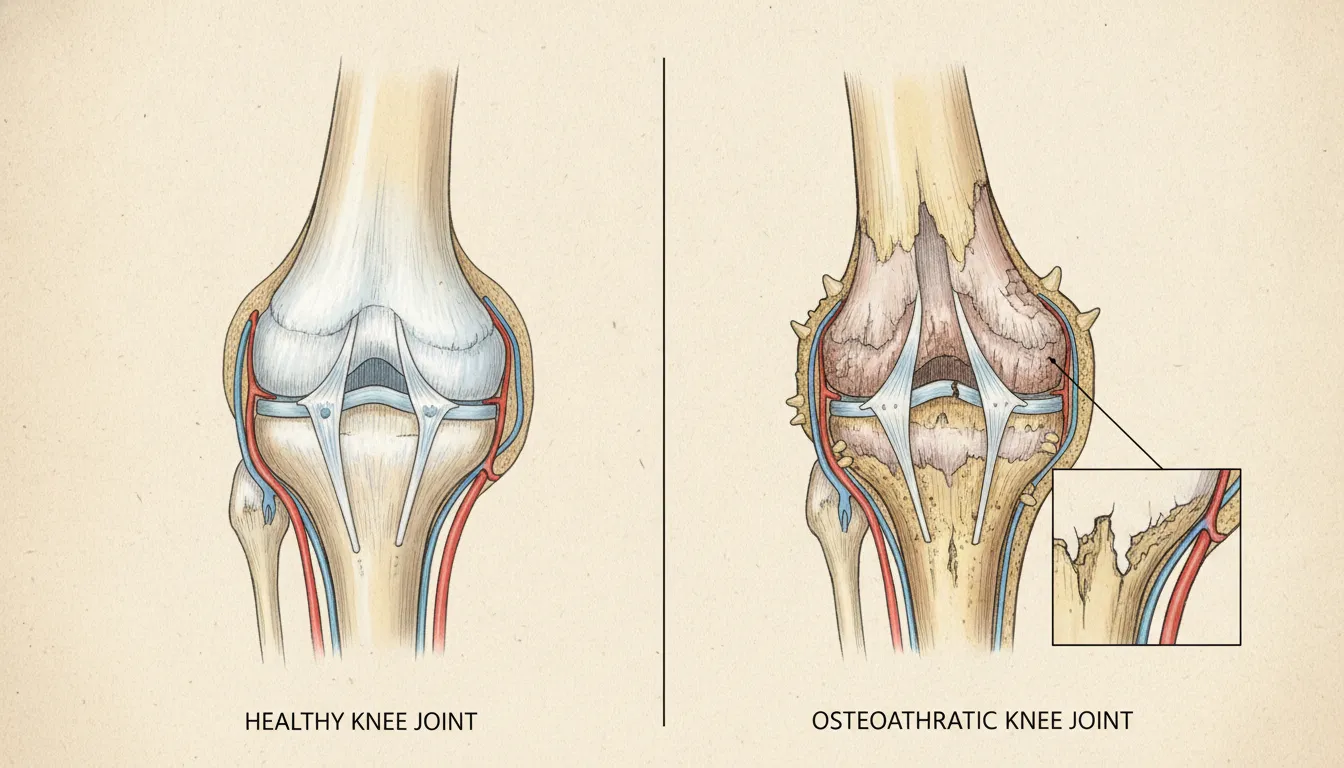
The severity of your joint damage is a primary factor in determining how long your results will last. Clinicians use the Kellgren-Lawrence (KL) grading system to measure the stage of knee osteoarthritis. This scale ranges from Grade 1 (doubtful joint space narrowing) to Grade 4 (severe cartilage loss). Patients with mild to moderate joint wear generally experience the most durable results from cell therapy.
| Osteoarthritis Stage | Joint Condition Details | Expected Duration of Relief |
|---|---|---|
| Grade 1 (Minor) | Early joint stress, minor bone spur risk | 3 to 5 years or longer |
| Grade 2 (Mild) | Definite bone spurs, joint space is intact | 2 to 4 years |
| Grade 3 (Moderate) | Moderate joint space narrowing, cartilage wear | 2 to 3 years |
| Grade 4 (Severe) | Severe narrowing, bone-on-bone friction | 1 to 2 years (maintenance may be needed) |
Factors That Influence How Long Knee Stem Cell Results Last
Every knee joint is different, so results can vary between patients. If you want to know how long does stem cell therapy last for knees, you must look at your own health and habits. Multiple biological and daily factors play a big role in how well your body heals and how long that relief stays.
Key Details of Joint Damage
The state of your joint is a top factor. Mild or moderate wear often responds best to care. Advanced wear has less healthy tissue to work with. Your doctor will look at your joint wear to see if you are a good candidate.
Five Main Healing Factors
- Severity of Joint Damage: Care is most effective for mild-to-moderate osteoarthritis, which covers Grades 1 to 3. Severe Grade 4 arthritis has limited response because the joint cartilage is mostly gone. Choosing knee replacement alternatives early can help you get better results.
- Your Age and Healing Power: Younger joints often have a higher natural healing power. However, older adults still get good relief. The overall health of your cells is what matters most for long-term joint health.
- Weight and Joint Load: Extra body weight puts constant mechanical stress on your knee joints. Keeping a healthy weight reduces this load. It helps protect the new cartilage and keeps your results active for a longer time, as shown by clinical evaluations of joint cartilage.
- Post-Procedure Compliance: You must follow all care rules after your injection. This includes resting at first, then doing low-impact exercises. Avoiding heavy impacts early on gives the cells the best environment to settle and work.
- Underlying Health Conditions: Chronic body inflammation can hurt your results. Conditions like diabetes or poor blood flow can slow down the healing process. Managing these health issues helps support and preserve the work of the cells.
Your Plan for Lasting Relief
Following a clear plan is the best way to get lasting joint comfort. Your doctor can help you design a routine that protects your knees. This approach ensures your body has the support it needs to stay active and pain-free.
Talk to a regenerative medicine specialist about your knee pain history and get a personalized treatment plan. Reach out to Miami Stem Cell to schedule your consultation and learn what duration of relief you can realistically expect.
What Is the Recovery Timeline After Stem Cell Knee Injections?
Learning what to expect after your procedure can help you plan your recovery with peace of mind. While regenerative care is a non-surgical option, your joint still needs time to heal. The process is gradual, as the injected cells work to support the natural repair of damaged cartilage tissue.
Immediate Post-Injection Phase: 48 to 72 Hours
Directly after your treatment, you may experience some joint soreness or swelling in the knee. Patients are typically sore to very sore for 48 to 72 hours depending on their individual pain tolerance. This mild discomfort is a normal response as the body starts to heal. During this brief window, you should rest and avoid strenuous weight-bearing activities to protect the joint.
The Baseline Phase: First Week
By the end of the first week, any initial post-injection swelling or pain should decrease. Most clinical teams expect patients to be back to baseline within 7 days. You can return to your light daily routines at this stage. However, you must still avoid high-impact activities or heavy lifting that could strain the healing knee joint.
The Anti-Inflammatory Phase: 1 to 3 Months
The first noticeable improvements in joint comfort typically emerge during the first few months. Initial anti-inflammatory effects begin within 1 to 3 months, leading to a gradual reduction in knee discomfort. As the joint environment improves, you may find that daily movements like walking or climbing stairs become easier.
Peak Benefits and Tissue Repair: 3 to 12 Months
The deepest changes in your joint occur over a longer period as the tissues slowly remodel. Clinical studies show that stem cell therapy for knee osteoarthritis yields significant pain relief and improved function within the first six months. Most patients experience their peak benefits between 3 and 6 months after the injection. Joint tissue remodeling is a gradual process that continues to support the knee joint for 12 months or longer.
- Rest and Protect (Days 1 to 3): Focus on resting your knee, apply ice if needed, and limit weight-bearing movement to essential activities.
- Return to Baseline (Days 4 to 7): Gently resume your normal daily activities as the soreness fades and comfort returns to its pre-treatment level.
- Begin Low-Impact Movement (Weeks 2 to 4): Start light exercises such as walking or cycling to support blood flow without placing heavy stress on the knee.
- Track Early Progress (Months 1 to 3): Monitor your gradual pain reduction as the anti-inflammatory effects take hold and mobility begins to improve.
- Engage in Strength Exercises (Months 3 to 6): Work on targeted exercises and muscle strengthening to support joint alignment and maximize results.
Can Repeat Stem Cell Treatments Extend Your Results?
Stem cell therapy is not designed to permanently reverse all joint damage, but it may provide significant and lasting relief. For many patients, a single treatment delivers relief that lasts for several years. However, if the benefits begin to fade over time, repeat treatments may be considered as a safe option to maintain joint health.
Understanding the Repeat Treatment Cycle
The goal of stem cell therapy is to create a healthier joint environment rather than to provide a one-time fix. When the initial anti-inflammatory and tissue-supporting effects gradually decrease, a follow-up procedure may help re-establish those benefits. Each treatment aims to refresh the joint environment, reduce inflammation, and support continued cartilage health.
When to Consider a Second Treatment
Most patients begin to notice when the effects of their initial treatment are diminishing. This may happen gradually, with a slow return of joint stiffness or discomfort. Regular follow-up appointments with your regenerative medicine specialist can help track your joint health over time. If you find that your knee pain is returning to pre-treatment levels, it may be time to discuss a maintenance protocol. Exploring knee replacement alternatives early can give you more options for managing your joint health proactively.
Benefits of Maintenance Protocols
Some patients choose to schedule periodic maintenance sessions to sustain their results longer. Research from the field of regenerative medicine suggests that consistent joint support through repeated cell therapy may help slow the progression of osteoarthritis over time. By staying ahead of the degeneration curve, patients may continue to avoid the need for more invasive surgical interventions.
How PRP and Supportive Therapies Boost Stem Cell Longevity
Patients seeking durable relief from knee pain may benefit from combining stem cell therapy with other regenerative treatments. Platelet-rich plasma (PRP) is one of the most common supportive therapies used alongside mesenchymal stem cells for knee conditions. PRP is derived from your own blood and contains a high concentration of growth factors that can amplify the healing process within the joint.
How PRP Supports Stem Cell Activity
When PRP is injected into the knee, it releases bioactive proteins that create a more favorable environment for stem cells to work. These growth factors help attract healing cells to the damaged area and support the natural repair of cartilage tissue. According to clinical protocols outlined at Miami Stem Cell, PRP is often combined with MSCs to enhance the regenerative environment within the joint. This combination may lead to longer-lasting results compared to stem cell therapy alone.
For patients interested in understanding how long individual regenerative injections last, reviewing a guide on how long PRP injections last can provide useful context for planning a long-term treatment strategy.
Additional Therapies for Joint Support
Beyond PRP, other supportive therapies can help extend the benefits of stem cell treatment. Exosome therapy uses tiny vesicles released by stem cells to deliver signaling molecules directly to damaged tissues. This approach may provide targeted support for knee joint inflammation and repair. Peptide therapy is another option that can help regulate the body’s natural healing response. Miami Stem Cell offers a comprehensive range of combined protocols that allow patients to create a personalized plan for long-term knee health. Learn more about exosome therapy for knee pain and how it fits into a broader regenerative treatment plan.
Choosing the Right Stem Cell Provider for Lasting Knee Results
Getting a long-lasting outcome for joint pain depends heavily on who performs your treatment. Many clinics offer regenerative procedures, but their protocols, cell quality, and injection methods vary. To get the best results, you must evaluate a provider’s medical standards, cell sources, and imaging technology before moving forward.
Selecting Umbilical Cord MSCs Over Autologous Cells
The source of the stem cells plays a major role in how long stem cell therapy lasts for knees. Many clinics use autologous cells, which are harvested from your own bone marrow or fat. However, cells from older adults often have lower healing potential and slower replication rates. Miami Stem Cell utilizes high-quality umbilical-cord-derived mesenchymal stem cells (MSCs) sourced from FDA-compliant tissue banks. These young, active cells provide robust signaling factors that support joint tissue repair more effectively than aged autologous options.
Insisting on Image-Guided Injections
A stem cell injection can only help if the cells reach the exact site of tissue damage inside the joint. Blind injections, which rely only on physical touch, often miss the target area. High-quality clinics always use advanced imaging, such as live ultrasound or fluoroscopy, to guide the needle in real time. According to clinical studies published by the National Institutes of Health, image guidance ensures precise cell delivery, which directly improves clinical success and patient recovery timelines.
Seeking Experienced Specialists and Custom Protocols
Standard, one-size-fits-all treatments rarely solve chronic joint issues. Lasting relief requires a thorough medical evaluation and a custom plan tailored to your specific joint damage. Experienced regenerative medicine specialists design targeted protocols that combine MSCs with supportive therapies like platelet-rich plasma (PRP). If you want to find relief from chronic joint issues, pain management specialists can help you find a suitable path.
Ready to take the first step toward lasting knee relief? Contact us today to schedule your consultation with our experienced medical team in Miami. Your personalized treatment plan starts with a thorough evaluation of your joint health, imaging review, and a candid discussion about what timeline of relief you can expect.
Frequently Asked Questions
How long does it take for stem cell injections to work on knees?
Most patients start to experience relief within one to three months after their injection. This initial phase helps lower inflammation in the joint. Peak benefits and maximum improvement in knee function typically occur around four to six months. According to clinical research published in Stem Cell Research and Therapy, patients experience significant pain relief and improved joint movement within the first six months following their treatment.
Can stem cell therapy regrow knee cartilage?
Current research suggests that mesenchymal stem cells can support the repair of damaged cartilage tissue rather than fully regrowing large sections of lost cartilage. MRI studies have shown measurable improvement in cartilage structure at the 18-month mark after treatment. The therapy works by reducing inflammation and creating a healthier joint environment that enables the body to maintain existing cartilage. Patients with mild to moderate cartilage loss tend to see the most significant structural benefits.
What factors affect how long stem cell knee results last?
The main factors include the severity of your joint damage (KL grade), your age and overall cellular health. Body weight and mechanical load on the joint, how well you follow post-procedure care instructions, and any underlying health conditions such as diabetes or chronic inflammation. Patients with mild to moderate osteoarthritis who maintain a healthy lifestyle typically enjoy the most durable results lasting two to five years or longer.
Can I repeat stem cell therapy if the knee pain returns?
Yes, repeat treatments may be considered when the initial benefits begin to fade. The goal of each treatment is to refresh the joint environment, reduce inflammation, and support continued cartilage health. Many patients schedule periodic maintenance sessions to sustain their results longer. Research suggests that consistent joint support through repeated cell therapy may help slow the progression of osteoarthritis over time.
What are the downsides of stem cell injections for knees?
The most common side effects include temporary soreness and swelling at the injection site for 48 to 72 hours after the procedure. There is also a risk of infection, though it is low when performed under sterile conditions by an experienced provider. Results are not guaranteed, and patients with severe bone-on-bone arthritis (Grade 4) may see limited benefit. Stem cell therapy is not a permanent cure and may require maintenance treatments every few years to sustain the effects.
Ready to Learn How Long Stem Cell Therapy Can Work for Your Knees?
If you are dealing with chronic knee pain and want to explore non-surgical alternatives, the first step is a thorough evaluation. At Miami Stem Cell, we provide personalized consultations that include a review of your medical history. Imaging studies, and a candid discussion about what relief timeline you can expect based on your specific joint condition.
Call us now at (305) 224-8785 or book your free consultation online. Our experienced regenerative medicine team will help you understand exactly how long stem cell therapy can last for your knees and create a treatment plan designed for your long-term joint health.