The idea of using your body’s own healing mechanisms is powerful, but the process can seem complex. How do you get from an initial consultation to actual results? We believe in making this journey as transparent as possible. This article breaks down the entire procedure into simple, manageable steps. We’ll cover everything you need to know, starting with the fundamentals: we’ll help you understand who is not a good candidate for stem cell therapy and then explain how stem cell therapy works in our clinic. Think of this as your roadmap, guiding you through patient evaluation, the treatment itself, and what to expect during recovery, all in straightforward language.
At Miami Stem Cell, we understand that many potential patients are curious about how stem cell therapy is done. Attention has been drawn to this innovative therapy due to its potential benefit for various ailments. In this article, we will walk you through the stem cell therapy procedure, outlining each step in detail and highlighting the less invasive stem cell treatment methods we employ. We aim to educate you and showcase our expertise in providing these therapies.
Understanding Stem Cells
It’s crucial to understand what stem cells are prior to beginning the stem cell treatment method. Stem cells are special cells that can differentiate into many bodily cell types. They have the ability to cure ailments, including arthritis, persistent pain, and even neurological illnesses. They are important in the healing of injured tissues.
Types of Stem Cells
Not all stem cells are the same, and understanding the differences is key to feeling confident about your treatment. The type of stem cell used depends on the therapeutic goal and the source from which it’s collected. Generally, they fall into two main categories: adult stem cells and embryonic stem cells. Each has unique properties and applications in regenerative medicine. At Miami Stem Cell, we exclusively use a specific type of adult stem cell that is ethically sourced and incredibly powerful for healing and regeneration, ensuring our treatments are both effective and responsible.
Mesenchymal Stem Cells (MSCs)
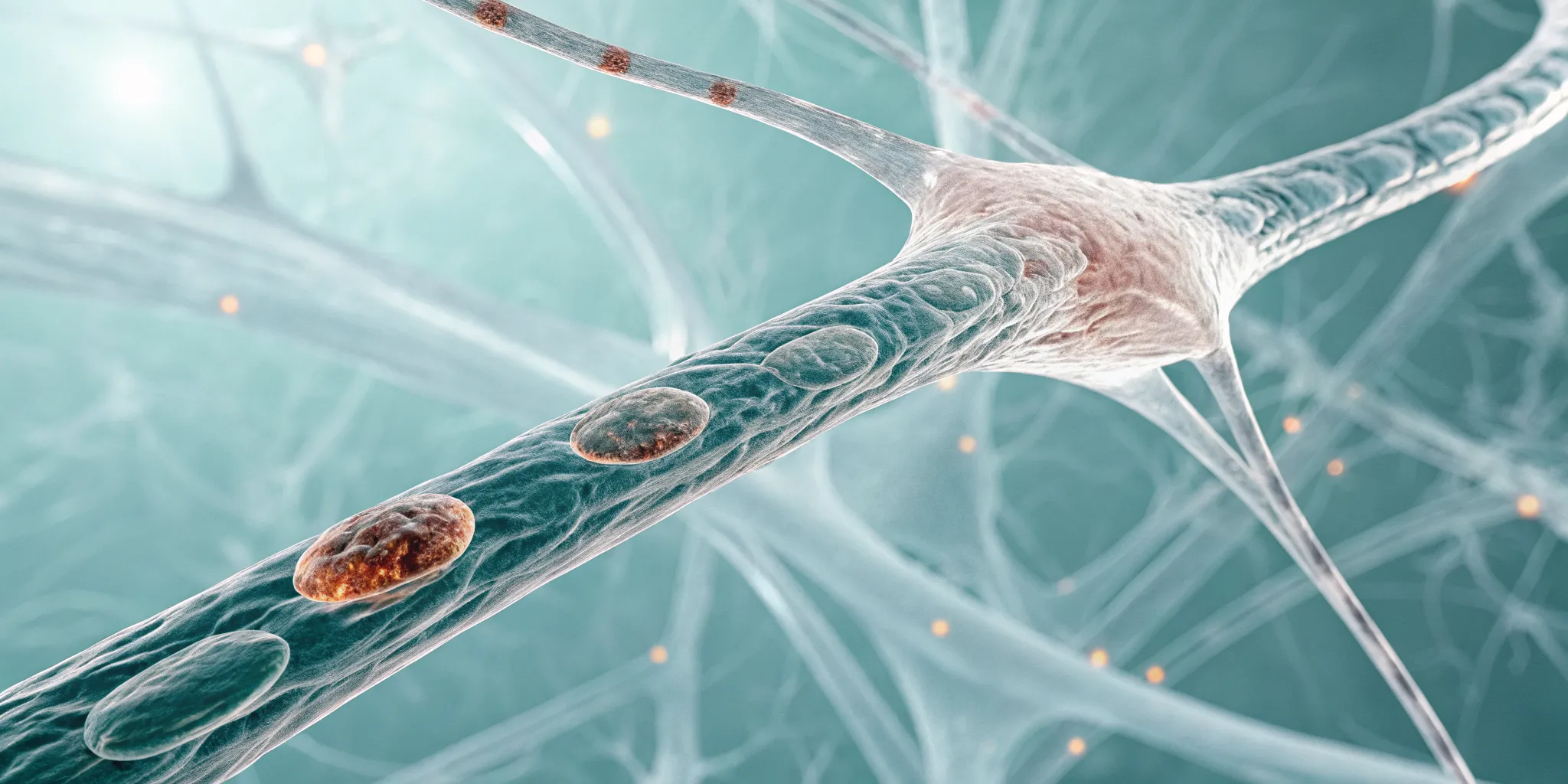
Mesenchymal stem cells, or MSCs, are adult stem cells found in tissues like bone marrow, fat, and, most potently, in umbilical cord tissue. Think of them as the body’s natural repair crew. They have the remarkable ability to develop into a variety of cell types, including bone, cartilage, muscle, and fat cells. This versatility makes them ideal for regenerating damaged tissues throughout the body. MSCs are known for their powerful anti-inflammatory properties and their ability to signal other cells to begin the healing process, which is why they are a primary focus in modern regenerative therapies for everything from joint pain to autoimmune conditions.
Embryonic vs. Adult Stem Cells
The main distinction between embryonic and adult stem cells lies in their origin and flexibility. Embryonic stem cells are derived from very early-stage embryos and are pluripotent, meaning they can transform into any cell type in the body. While powerful, their use comes with significant ethical controversy. In contrast, adult stem cells are found in various tissues of the body at every stage of life. These cells, including the MSCs we use, are multipotent—they can differentiate into a limited range of cell types, typically those of their tissue of origin. This makes them a safer, more controlled, and ethically sound option for therapy, which is why they are widely used in FDA-compliant treatments in the United States.
Step 1: Consultation
A comprehensive consultation at Miami Stem Cell is the first step in the process. We will talk about your medical history, symptoms, and treatment objectives at this initial appointment. This step is crucial, as it helps us determine whether you are a suitable candidate for minimally invasive stem cell treatment. We believe in tailoring our approach to fit your individual needs.
Who Is Not a Good Candidate for Stem Cell Therapy?
While stem cell therapy holds incredible promise for a wide range of conditions, it’s not a universal solution. A key part of our initial consultation is determining if this treatment is the right and safest option for you. Your well-being is our top priority, and certain health conditions can make a person ineligible for regenerative therapies. Understanding these contraindications helps ensure that every patient we treat has the highest possible chance of a successful outcome. Below are some of the primary factors that might make someone not an ideal candidate for stem cell therapy.
Active Cancer or Recent History
While stem cells are powerful healers, their primary function is to promote growth and repair. Because of this, individuals with active cancer or a recent history of it are typically not candidates for this type of therapy. The main concern is that the growth-promoting signals from stem cells could unintentionally interact with any existing cancer cells. To ensure patient safety, most practitioners recommend a person be cancer-free for at least five years before considering regenerative treatments. This waiting period helps minimize any potential risks and ensures the therapy is focused solely on healing the targeted condition without introducing other complications.
Infections and Blood Conditions
Your body’s overall health is a crucial factor in the success of any medical procedure, including stem cell therapy. If you have an active systemic infection, it’s important to resolve it before undergoing treatment. Introducing stem cells while your body is fighting off an infection could lead to complications. Similarly, certain blood-related conditions, especially those that affect your blood counts or involve blood cancers, can make you ineligible. A stable and healthy baseline is necessary to ensure the procedure is safe and that your body can respond effectively to the regenerative process. During your consultation, we’ll review your health history to confirm you’re ready for treatment.
Pregnancy or Breastfeeding
For expectant or nursing mothers, the top priority is always the health of the baby. Because the effects of stem cell therapy on a developing fetus or a nursing infant are not yet fully understood, women who are pregnant or breastfeeding are advised to postpone treatment. This is a standard precautionary measure across many medical procedures to ensure the utmost safety for both mother and child. Once you are no longer pregnant or breastfeeding, you can revisit the possibility of stem cell therapy as a treatment option for your health concerns.
Severe Joint Damage
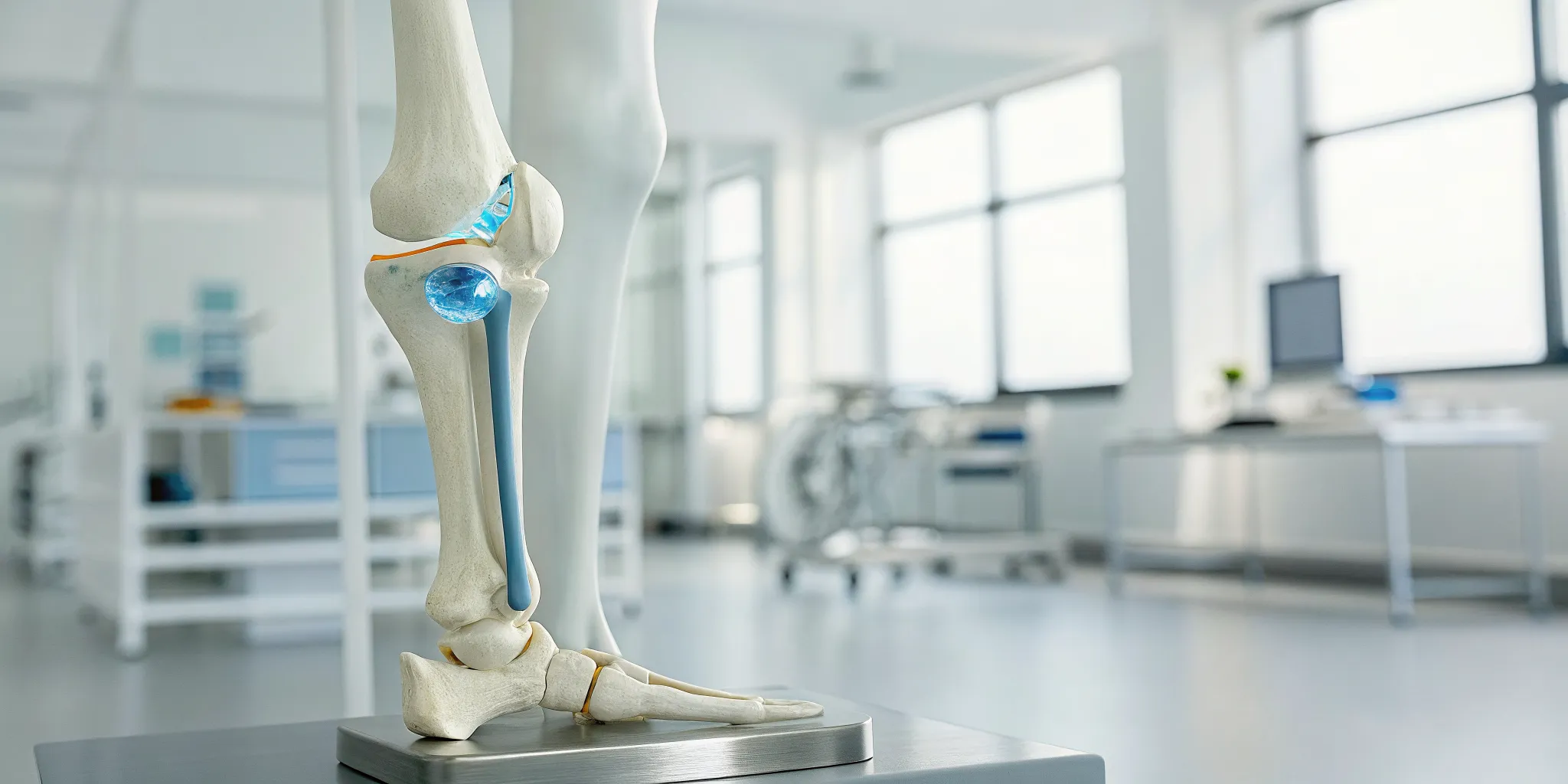
Stem cell therapy can be incredibly effective for managing pain and promoting healing in joints, especially for conditions like moderate arthritis. However, there is a point where joint damage may be too advanced for regenerative medicine to provide significant benefits. If you have what is often called “bone-on-bone” arthritis, where the cartilage is completely worn away and the joint may be deformed, stem cell therapy might not be the most effective path forward. In these severe cases, the structural damage is often too extensive, and a surgical option like a joint replacement may be a more appropriate and successful solution.
Other Uncontrolled Health Issues
To get the best results from stem cell therapy, your body needs to be in a relatively stable condition. If you are dealing with other significant and uncontrolled health issues, such as severe heart disease or unmanaged diabetes, it may not be the right time for regenerative treatment. Bringing these conditions under control is an important first step. A stable internal environment allows your body to properly receive and utilize the new stem cells, giving you the best possible chance for successful healing and recovery. Our medical team always conducts a thorough evaluation to ensure your overall health supports a safe and effective treatment outcome.
Step 2: Preparing for the Procedure
Once we determine that stem cell therapy is right for you, we’ll explain how stem cell therapy is done in detail. This includes discussing the specific type of stem cells that will be used, usually derived from your own body, which minimizes the risk of rejection. We will also provide you with pre-treatment instructions to ensure you’re fully prepared.
Step 3: Harvesting Stem Cells
The next phase in the stem cell therapy process involves harvesting the stem cells. This is done using a simple and safe procedure. We extract stem cells from bone marrow or adipose (fat) tissue for most patients.
- Bone Marrow: With a needle, a small quantity of bone marrow is extracted. To ensure comfort, this is usually done under local anesthetic.
- Adipose Tissue: Alternatively, we may harvest stem cells from fatty tissue through liposuction. This method is also minimally invasive and is performed with local anesthesia.
This step is crucial because it provides the necessary stem cells for your treatment while maintaining a minimally invasive approach.
Step 4: Processing the Stem Cells
After harvesting, the stem cells undergo a processing phase in our lab. During this time, we concentrate and prepare the stem cells for injection. This ensures that we use the most effective cells possible for your treatment.
Step 5: Administering the Treatment
Once the cells are prepared, we move on to administering the treatment. Depending on your condition, stem cells can be injected into the affected area or delivered intravenously. This flexibility is one of the benefits of how stem cell therapy is done at Miami Stem Cell.
- Localized Injections: We directly inject the stem cells into the injured or painful joint.
- Intravenous Delivery: In cases where a systemic approach is needed, we may administer the cells through an IV.
This minimally invasive stem cell treatment aims to promote healing and reduce inflammation.
The Treatment Experience
Using Ultrasound Guidance for Precision
We want to make sure your treatment is as effective as possible, and that starts with precision. To achieve this, our team uses advanced ultrasound imaging to guide the stem cell injections. This technology gives us a real-time view inside your body, allowing us to see the exact area that needs treatment, whether it’s for joint regeneration or another condition. By watching the needle on a screen, we can place the stem cells precisely into the damaged tissue. This targeted approach not only helps ensure the cells get right to work where they’re needed most but also makes the procedure safer by avoiding surrounding structures.
Ensuring Patient Comfort
Your comfort is one of our top priorities throughout the entire process. It’s natural to have questions about what the injection will feel like, and we’re here to put your mind at ease. Most of our patients report feeling only mild discomfort during the procedure, similar to a standard shot. We use a local anesthetic to numb the area beforehand, which significantly minimizes any sensation. For anyone feeling particularly anxious, we also offer sedation options to help you feel completely relaxed during the treatment. Our goal is to make your experience as smooth and comfortable as possible, so you can focus on your healing.
Step 6: Recovery and Follow-Up
After the procedure, you’ll likely experience minimal downtime. After therapy, the majority of patients are able to resume their normal activities. Your recovery is our first priority at Miami Stem Cell, and we’ll make follow-up consultations to keep an eye on your progress and guarantee the best possible outcomes.
The Recovery Timeline
One of the most common questions we hear is, “What happens after the treatment?” Understanding the recovery process is key to setting yourself up for success. While everyone’s healing journey is unique, the timeline generally follows a few distinct phases. Think of it less like a race and more like a gradual, steady process of regeneration from within.
The First Few Days (Days 1-3)
Immediately following your procedure, the main goal is to rest and allow your body to begin the healing process. We advise taking it easy and avoiding any strenuous activity. Most people can return to light, daily activities within a day or two. This initial period is when the stem cells start to signal and communicate with your body’s tissues, laying the groundwork for repair.
The First Month (Weeks 1-4)
During the first few weeks, your body is hard at work. You might experience some inflammation, which is actually a positive sign that the regenerative process has been activated. We typically recommend gentle movements and stretching but advise against high-impact or repetitive exercises that could disrupt the delicate healing environment. Listening to your body is crucial during this phase.
Building Momentum (Weeks 5-8)
As you move into the second month, you can often start to gradually increase your activity level. This is a time for slowly reintroducing more movement, but it’s still important to be mindful and avoid anything that causes discomfort. The stem cells are continuing their work, and giving them the right conditions to thrive is essential for achieving the best results for conditions like chronic pain.
Seeing Significant Changes (3-6 Months)
This is often when patients begin to notice more substantial improvements. Many people report a significant reduction in pain and an increase in mobility and function. Whether you’re seeking joint regeneration or relief from a chronic condition, this is the period where the regenerative effects really start to become apparent as tissues continue to repair and strengthen.
The Bigger Picture (6+ Months)
Regenerative medicine is a long-term investment in your health, and the healing doesn’t stop at six months. Your body can continue to see improvements well beyond this point. At Miami Stem Cell, we create a personalized recovery plan and schedule follow-up appointments to monitor your progress, ensuring you feel supported every step of the way.
Benefits of Stem Cell Therapy
Stem cell therapy is known for its numerous benefits, including:
- Minimally Invasive: Unlike surgery, stem cell therapy requires no large incisions, leading to faster recovery.
- Reduced Pain: The therapy helps reduce inflammation and pain over time.
- Promotes Healing: Stem cells aid in the regeneration of healthy tissues, which can improve mobility and function.
Risks, Safety, and Regulation
While stem cell therapy is a minimally invasive procedure with a strong safety profile, it’s important to have a clear picture of the associated risks and regulatory landscape. Like any medical treatment, it’s not a one-size-fits-all solution. A thorough screening process is the first and most critical step to ensure your safety and the treatment’s potential effectiveness. At Miami Stem Cell, we prioritize this initial consultation to confirm that you are an ideal candidate, discussing your full medical history to identify any potential contraindications and create a personalized plan that aligns with your health goals.
Potential Risks and Side Effects
The most common side effects are temporary and mild, such as pain, swelling, or bruising at the injection site. However, certain pre-existing conditions can make stem cell therapy unsuitable. For instance, individuals with active cancer or a recent history of cancer are generally not candidates. Because stem cells work by promoting growth and regeneration, there’s a theoretical concern they could inadvertently support cancer cell growth. Similarly, if you have an active or ongoing systemic infection, the procedure is typically postponed until the infection is fully resolved to prevent any complications and ensure your body can focus its resources on healing the targeted area.
FDA-Approved vs. Unapproved Treatments
Understanding the role of the FDA in stem cell therapy is key to making a safe choice. The FDA has officially approved a limited number of stem cell products, primarily for treating specific blood and immune system disorders. However, many regenerative therapies, like those we offer, operate under FDA regulations that govern how human cells and tissues are used. This means following strict guidelines for processing and administration to ensure safety. It’s crucial to be wary of clinics that make sweeping, unproven claims or misuse the term “stem cells” for procedures that lack scientific backing and regulatory compliance.
The Importance of FDA-Compliant Clinics
Choosing an FDA-compliant clinic is non-negotiable for your safety. These clinics adhere to stringent standards for sourcing, handling, and administering cellular products, which significantly minimizes risks. A transparent and communicative medical team is a hallmark of a reputable provider. You should always feel comfortable asking questions and expect to receive clear, honest answers about the entire process, from the source of the cells to the specifics of the procedure. This open dialogue helps you fully understand the potential benefits and risks, empowering you to give truly informed consent for your treatment.
Dangers of “Stem Cell Tourism”
The practice of traveling to other countries for treatments, often called “stem cell tourism,” can present serious health risks. Regulations in other countries can be far less strict than in the United States, potentially leading to issues like severe infections, adverse immune reactions, or treatments that are simply ineffective. Furthermore, these overseas clinics often lack any plan for follow-up care once you return home. Opting for a domestic, reputable provider ensures you receive care that meets high safety standards and includes a comprehensive plan for monitoring your progress.
Success Rates and Alternatives
When considering stem cell therapy, it’s natural to wonder about the likelihood of success. While results can vary based on the individual, the condition being treated, and its severity, the outlook is generally very positive. Most clinics report that a significant majority of patients experience noticeable improvements in their symptoms, such as reduced pain and increased mobility. This high rate of patient satisfaction is a major reason why regenerative medicine continues to grow as a preferred alternative to more invasive procedures like surgery for a wide range of conditions.
Typical Success Rates
While we cannot guarantee specific outcomes, many studies and clinical reports show that 70-80% of patients experience good to excellent results from stem cell therapy. Success is often defined by a reduction in pain, an increase in function, and an overall improvement in quality of life. It’s important to remember that healing is a gradual process. The regenerative effects of the therapy continue to work for weeks and months after the procedure, with many patients reporting that they experience the most significant benefits three to six months post-treatment. Our team will work with you to set realistic expectations based on your unique situation.
Alternative Regenerative Therapies
Stem cell therapy is a powerful tool, but it’s not the only option available in the field of regenerative medicine. Depending on your specific needs and the nature of your injury or condition, other treatments may be recommended either as a standalone therapy or in conjunction with stem cell treatment. These alternatives also work by harnessing your body’s natural healing abilities to repair damage and restore function without the need for invasive surgery. Exploring all available options ensures you receive the most appropriate and effective care for your condition.
Platelet-Rich Plasma (PRP) Therapy
One of the most well-known alternatives is Platelet-Rich Plasma (PRP) therapy. This procedure uses a concentration of platelets and growth factors derived from your own blood. After a simple blood draw, the sample is spun in a centrifuge to separate the platelets, creating a powerful healing serum. While PRP does not contain stem cells, it is rich in growth factors that signal local cells to begin the repair process. It’s a safe and effective way to accelerate healing, reduce inflammation, and get you back to your daily activities faster.
Conclusion
To summarize, there are a few simple processes involved in the stem cell therapy process: planning, preparing, harvesting, processing, giving treatment, and recovering. Our non-invasive stem cell therapy techniques guarantee that you get the finest care possible with the least amount of discomfort. If you have more questions about how stem cell therapy is done or want to see if you’re a candidate, please reach out to us at Miami Stem Cell. We’re here to help you on your journey to better health. Contact us today!
Frequently Asked Questions
How painful is the stem cell therapy procedure? Most people find the procedure very manageable. We use a local anesthetic to numb the treatment area, so the sensation is often compared to a routine injection. Your comfort is incredibly important to us, and we take every step to ensure you feel at ease. For anyone who feels anxious, we can also discuss sedation options to help you relax completely during the treatment.
How long will it take to see results from the therapy? Healing with regenerative medicine is a gradual process, as your body needs time to repair tissues from the inside out. While some people feel initial improvements within a few weeks, the most significant changes in pain and function typically become noticeable between three and six months after the procedure. The regenerative process can continue to provide benefits for a year or even longer.
Where do the stem cells for the treatment come from? The stem cells we use are adult stem cells, which are a safe and ethically sound option. For many of our procedures, these cells are harvested directly from your own body, typically from bone marrow or adipose (fat) tissue. Using your own cells, a method known as autologous treatment, eliminates any risk of rejection and allows your body to heal using its own powerful repair mechanisms.
Is this treatment considered safe? Yes, stem cell therapy has a strong safety profile, especially when performed by qualified professionals in a compliant clinic. The most common side effects are minor and temporary, like swelling or soreness at the injection site. Our most important safety measure is the initial, in-depth consultation, where we review your full medical history to confirm you are a good candidate and to minimize any potential risks.
What if my joint damage is too severe for stem cell therapy? This is an important question, as regenerative medicine is most effective before damage becomes too advanced. If you have severe, “bone-on-bone” arthritis where the cartilage is completely gone, stem cell therapy may not provide the results you’re looking for. Our consultation process is designed to give you an honest and thorough assessment. If we determine that your condition is too advanced, we will explain why and discuss other, more suitable options.
Key Takeaways
- Understand the process from start to finish: Your treatment journey is straightforward, beginning with a detailed consultation, moving to a minimally invasive procedure to collect and inject the cells, and finishing with a personalized recovery plan to support your healing.
- Your safety comes first, so not everyone is a candidate: Stem cell therapy is not suitable for individuals with certain health issues, such as active cancer, systemic infections, or severe joint degradation. An honest conversation about your medical history is the most important step for a safe outcome.
- Choose a reputable, FDA-compliant clinic for the best results: The quality of your care is directly tied to your provider, so select a clinic that adheres to strict safety standards, uses technology like ultrasound for precision, and provides clear communication and follow-up care.
Related Articles
- Stem Cell Therapy Procedure: Step-by-Step Guide | Miami Stem Cell
- How To Prepare For Stem Cell Therapy – Stem Cell Therapy | Miami Stem Cell
- Stem Cell Therapy & Regenerative Medicine in Miami | Miami Stem Cell