Many people are tired of treatments that only manage symptoms instead of addressing the root cause of their health issues. True healing often requires fixing the problem at a foundational level. One of the most fundamental processes for repair is angiogenesis, the creation of new blood vessels to restore damaged tissue. This isn’t just about patching a problem; it’s about rebuilding the very infrastructure your body needs to function correctly. Stem cell therapy offers a way to support this natural construction project. By understanding the core angiogenesis benefits, you can see how regenerative treatments aim to empower your body to heal itself from the inside out.
Stem cells are leading the field of regenerative medicine, providing potential solutions for various medical conditions. One of the most promising research areas involves stem cells and blood vessel formation, also known as angiogenesis. This blog will explore the mechanisms by which stem cells contribute to angiogenesis, the types of stem cells involved, the biological pathways they activate, and the potential therapeutic applications for conditions such as ischemic diseases and wound healing. At Miami Stem Cell, we are dedicated to advancing these innovative treatments to improve patient outcomes.
What is Angiogenesis?
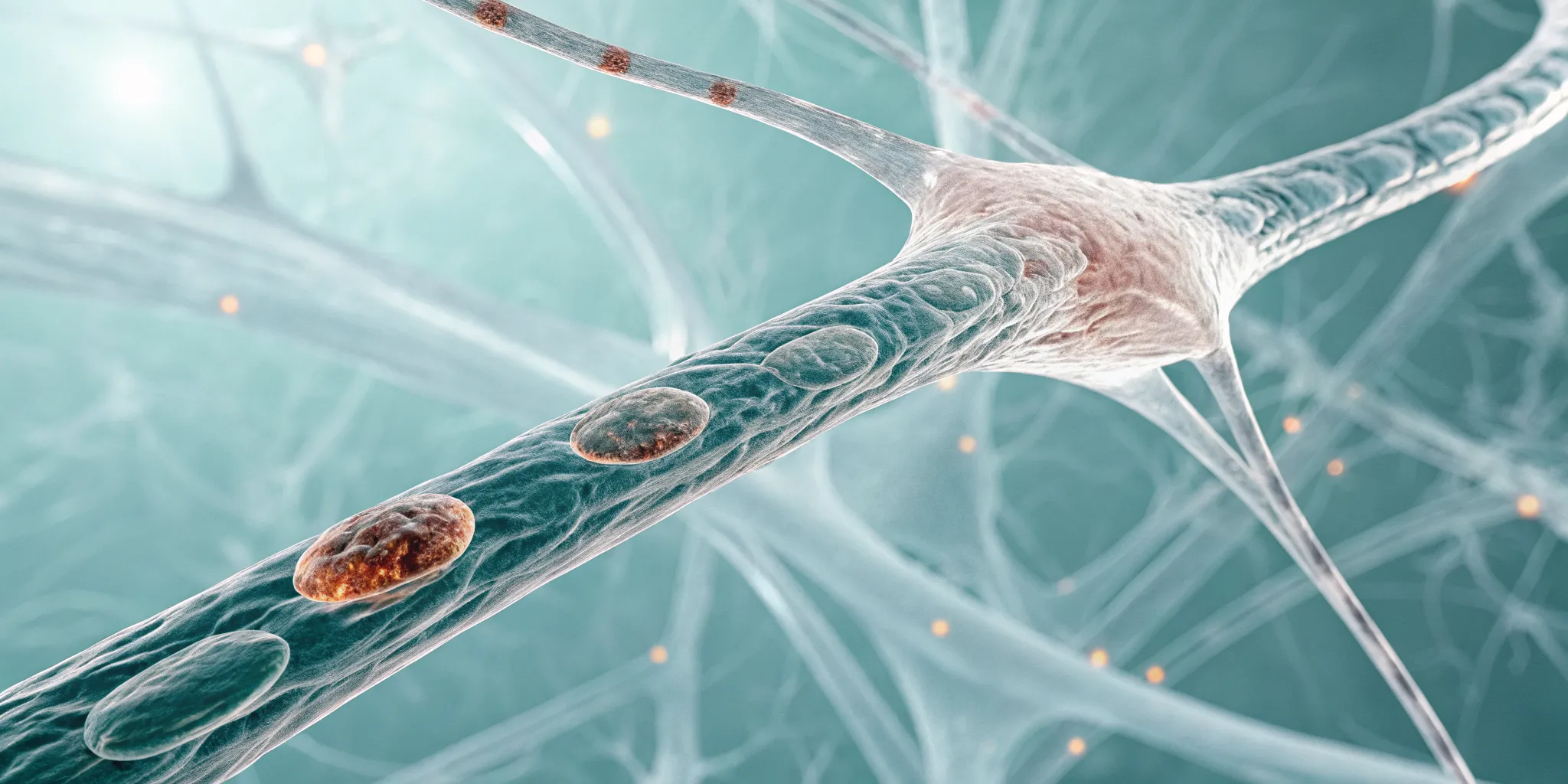
The process of angiogenesis involves the formation of new blood vessels from pre-existing vessels. This process is vital for the body’s growth, development, and healing. It plays a vital role in healing a wound, tissue regeneration, and the restoration of blood flow in ischemic tissues. Angiogenesis is a complex and carefully regulated process involving multiple cell types, signaling molecules, and pathways. Stem cells and blood vessel formation are intricately linked, with stem cells playing a pivotal role in promoting angiogenesis.
How Angiogenesis is Regulated: A Delicate Balance
Think of angiogenesis not as a constant process, but as a carefully managed system with “on” and “off” switches. Your body is incredibly smart, and it doesn’t create new blood vessels without a good reason. The entire process is controlled by a delicate balance of signals. According to research published by the National Institutes of Health, this regulation relies on “‘on-switch’ signals (called inducers) that promote vessel growth and ‘off-switch’ signals (called inhibitors) that stop it.” Inducers, like Vascular Endothelial Growth Factor (VEGF), tell blood vessel cells to grow and move. On the flip side, inhibitors like angiostatin act as the brakes, stopping growth when it’s no longer needed. This precise control ensures that blood vessels form only where and when they are required for proper healing and function.
Angiogenic “On” and “Off” Switches
When the balance between these “on” and “off” switches is disrupted, it can become a root cause of many health issues. As The Angiogenesis Foundation notes, “when [angiogenesis is] out of control, it’s a root cause for many serious illnesses.” For example, too much angiogenesis can fuel the growth of tumors, while too little can prevent wounds from healing or contribute to heart disease. The goal of many modern regenerative treatments is to help restore the body’s natural control over this process. By encouraging angiogenesis in areas that need healing, such as in cases of joint degeneration, we can support the body’s ability to repair itself from within, addressing the source of the problem rather than just the symptoms.
How New Blood Vessels Form
The creation of a new blood vessel is a fascinating, multi-step biological construction project. It all starts when existing blood vessel cells, known as endothelial cells, receive a signal to begin growing. Once activated, these cells release special enzymes that gently break down the surrounding tissue, clearing a path for the new vessel to form. Following this, the endothelial cells begin to move and multiply, organizing themselves into a hollow tube-like structure. This new tube then lengthens and connects with other vessels, eventually maturing into a stable and fully functional blood channel. This intricate sequence ensures that new pathways for blood flow are built efficiently to deliver oxygen and nutrients exactly where they are needed for tissue repair and growth.
Angiogenesis vs. Vasculogenesis
While angiogenesis is the primary way our bodies form new blood vessels in adulthood, it’s helpful to know its counterpart: vasculogenesis. The key difference is their starting point. As the Cleveland Clinic explains, “Angiogenesis uses existing blood vessels, while vasculogenesis uses immature cells called angioblasts.” You can think of angiogenesis as new branches sprouting from an existing tree, extending the network. Vasculogenesis, on the other hand, is like planting a new seed (an angioblast) that grows into a completely new tree. Vasculogenesis is most common during embryonic development, while angiogenesis is the go-to process for wound healing and tissue repair later in life. Understanding this distinction helps clarify how different regenerative therapies can support these natural vessel-forming pathways.
Types of Stem Cells in Blood Vessel Formation
Several types of stem cells are involved in angiogenesis, each with unique properties and functions:
- Mesenchymal Stem Cells (MSCs): These multipotent cells can differentiate into all cell types, including endothelial cells that line blood vessels. MSCs secrete growth factors that promote angiogenesis and support the formation of new blood vessels.
- Endothelial Progenitor Cells (EPCs): These cells specifically contribute to forming new blood vessels by differentiating into endothelial cells. EPCs are drawn out from the bone marrow in response to signals from ischemic tissues, migrating to the injury site to promote vascular regeneration with stem cells.
- Induced Pluripotent Stem Cells (iPSCs): These are adult cells reprogrammed to an embryonic-like state, capable of differentiating into any cell type, including those involved in angiogenesis. iPSCs offer a versatile and renewable source of cells for angiogenesis stem cell therapy.
Mechanisms of Stem Cell-Induced Angiogenesis
Stem cells induce angiogenesis through several mechanisms:
- Secretion of Growth Factors: Stem cells secrete a range of growth factors, such as vascular endothelial growth factor (VEGF), which stimulate the proliferation and migration of endothelial cells, which is crucial for new blood vessel formation.
- Direct Differentiation: Certain stem cells can differentiate directly into endothelial cells, contributing to the structural formation of new blood vessels.
- Paracrine Signaling: Stem cells secrete signaling molecules that modulate the behavior of other cells in the microenvironment, enhancing the angiogenic response. This paracrine effect amplifies the overall process of vascular regeneration with stem cells.
- Recruitment of Other Cells: Stem cells can recruit other progenitor cells and supportive cells to the site of injury, creating a conducive environment for angiogenesis.
Therapeutic Applications of Stem Cell Angiogenesis
Angiogenesis stem cell therapy holds significant potential for treating various medical conditions, including:
- Ischemic Diseases: Conditions like peripheral artery disease and myocardial infarction result from restricted blood flow due to blocked arteries. Stem cell-induced angiogenesis can restore blood flow by forming new vessels, alleviating symptoms, and improving tissue function.
- Wound Healing: Chronic wounds, like diabetic ulcers, can benefit from stem cell therapy. By promoting angiogenesis, stem cells enhance tissue repair and accelerate wound healing, offering hope for patients with non-healing wounds.
- Regenerative Medicine: Beyond ischemic diseases and wounds, angiogenesis stem cell therapy has potential applications in regenerative medicine, including organ repair and transplantation, where restoring blood supply is critical for the survival and function of transplanted tissues.
When Angiogenesis Becomes a Problem
While angiogenesis is a lifesaver when it comes to healing, this process can cause serious harm when it goes into overdrive. Think of it as a tightly controlled system with “on” and “off” switches. When the “on” switch gets stuck, the uncontrolled growth of new blood vessels can fuel some of the most challenging health conditions. This imbalance is where the dark side of angiogenesis emerges, contributing to the progression of diseases ranging from cancer to chronic inflammation. Understanding when this vital process becomes a problem is the first step in learning how to restore its natural balance and protect our health.
Fueling Cancer Growth
A cancerous tumor is, in many ways, like a parasite. To survive and grow, it needs its own dedicated supply of oxygen and nutrients. It achieves this by hijacking the body’s natural angiogenesis process, sending out chemical signals that trick the body into building new blood vessels directly to the tumor. Without this blood supply, most tumors couldn’t grow larger than the head of a pin. This discovery has been a game-changer in oncology, as it revealed a critical vulnerability. By finding ways to cut off this blood supply, it’s possible to essentially “starve” a tumor, preventing it from growing and spreading to other parts of the body.
Driving Eye Diseases
The eye is another area where abnormal blood vessel growth can have devastating consequences. In conditions like wet age-related macular degeneration (AMD) and diabetic retinopathy, rogue blood vessels begin to grow in the retina. These new vessels are often weak, leaky, and fragile. As they leak blood and fluid into the delicate tissues of the eye, they can cause swelling, scarring, and rapid damage to the cells responsible for sharp, central vision. This abnormal angiogenesis is a leading cause of blindness, making it a critical area of focus for treatments that aim to stop this destructive growth and preserve sight.
Role in Chronic Inflammation and Other Conditions
The negative effects of excessive angiogenesis extend far beyond cancer and eye disease. An imbalance in blood vessel formation is a key factor in over 70 different health conditions. In chronic inflammatory diseases like rheumatoid arthritis, new blood vessels invade the joints, bringing in inflammatory cells that destroy cartilage and cause pain. It’s also implicated in skin conditions like psoriasis, endometriosis, and even obesity, where expanding fat tissue requires more blood vessels. When this fundamental process is out of balance, it can contribute to a wide range of serious and life-altering diseases by feeding the cycle of inflammation and tissue damage.
Using Angiogenesis as a Diagnostic Tool
Because angiogenesis is so critical for tumor growth, it has also become a valuable tool for doctors. By examining a tumor biopsy under a microscope, pathologists can measure the density of microvessels, or tiny blood vessels, within it. A higher density of blood vessels often indicates a more aggressive tumor that is more likely to grow quickly and metastasize, or spread to other parts of the body. This information can help doctors predict a patient’s prognosis and determine the most effective course of treatment, making angiogenesis a key indicator in the fight against cancer.
Anti-Angiogenic Therapy: Restoring the Balance
Once scientists understood that tumors depend on angiogenesis to survive, a revolutionary idea took shape: what if we could stop cancer by cutting off its blood supply? This led to the development of a new class of treatments known as anti-angiogenic therapy. Instead of attacking cancer cells directly with chemotherapy, these therapies work by blocking the signals that tumors send out to recruit new blood vessels. The goal is to restore the body’s natural balance and turn off the “on” switch that fuels uncontrolled growth. This approach has added a powerful and strategic tool to modern medicine, offering a way to fight disease by targeting its supply lines.
The Discovery That Changed Cancer Treatment
The concept of anti-angiogenic therapy was pioneered by Dr. Judah Folkman, whose research in the 1970s was initially met with skepticism. His groundbreaking discovery that tumors were “hot and bloody” because they were recruiting their own blood vessels changed the course of cancer treatment. This insight shifted the focus from solely targeting the cancer cells to also targeting the tumor’s environment and support system. It opened the door for developing drugs designed specifically to inhibit new blood vessel formation, a strategy that has since become a cornerstone of treatment for many types of cancer and other diseases driven by excessive angiogenesis.
How Anti-Angiogenic Drugs Work
Anti-angiogenic drugs function by interfering with the body’s vessel-building process. Tumors release specific growth factors, most notably Vascular Endothelial Growth Factor (VEGF), which acts as a potent signal to start angiogenesis. Many anti-angiogenic therapies are designed as “VEGF inhibitors.” They work like molecular roadblocks, binding to the VEGF molecules or the receptors on blood vessel cells so the growth signal can’t be received. By blocking this communication, the drugs prevent the formation of new blood vessels, effectively cutting off the tumor’s access to the oxygen and nutrients it needs to thrive and spread throughout the body.
Examples of FDA-Approved Treatments
The first successful anti-angiogenic drug to be approved by the FDA was Bevacizumab, more commonly known by its brand name, Avastin. This drug is a monoclonal antibody that specifically targets and blocks the VEGF protein. Since its approval, it has been used to treat a variety of cancers, including colorectal, lung, kidney, and brain cancers, often in combination with traditional chemotherapy. The success of Avastin paved the way for the development of many other anti-angiogenic drugs, validating this therapeutic approach as a safe and effective strategy in modern medicine.
Challenges and the Future of Angiogenesis Therapy
While anti-angiogenic therapy has been a major step forward, it’s not a perfect solution. The body’s processes are incredibly complex, and interfering with something as fundamental as blood vessel formation can have unintended consequences. Researchers are continually working to refine these treatments, aiming to make them more effective and reduce their side effects. The future of this field lies in developing more precise therapies that can distinguish between the blood vessels feeding a tumor and the healthy vessels our bodies need to function, leading to better outcomes with fewer complications for patients.
Understanding Side Effects and Limitations
Because angiogenesis is essential for normal bodily functions, like healing wounds or maintaining blood pressure, therapies that block it can cause side effects. Common issues include high blood pressure, fatigue, bleeding, and poor wound healing. The body is also incredibly adaptive; some tumors can develop resistance to anti-angiogenic drugs over time by finding alternative pathways to grow new blood vessels. These limitations mean that these therapies are often used as part of a broader treatment plan, combined with other approaches to attack the disease from multiple angles and manage potential side effects effectively.
The Next Wave of Research
The future of angiogenesis therapy is focused on greater precision. Scientists are actively searching for new molecular targets that are unique to tumor blood vessels and not found on healthy ones. This would allow for the development of “smart” drugs that can destroy the tumor’s blood supply while leaving the rest of the body’s vasculature untouched. Researchers are also exploring how regenerative medicine, including therapies that use stem cells and exosomes, might be used to repair tissue damaged by disease without triggering unwanted vessel growth, opening up new possibilities for healing.
The Impact of Lifestyle on Angiogenesis
Our daily choices have a profound impact on the delicate balance of angiogenesis. The foods we eat and the physical activity we engage in can either help keep this system in check or push it into overdrive. This is incredibly empowering because it means we have a degree of control over this fundamental health process. By adopting certain lifestyle habits, we can naturally support our body’s ability to regulate blood vessel formation, helping to prevent the excessive growth that fuels disease while promoting the healthy growth needed for repair and vitality. It’s a powerful reminder that health is built not just in the doctor’s office, but in our kitchens and gyms.
Anti-Angiogenic Foods
Many of the healthiest foods get their benefits from their ability to inhibit excessive angiogenesis. Nature has packed a wide variety of plants with compounds that help maintain vascular balance. Foods rich in these natural inhibitors include berries, citrus fruits, leafy greens like kale and spinach, and cruciferous vegetables like broccoli and cauliflower. Other powerful anti-angiogenic foods include tomatoes (rich in lycopene), green tea (containing EGCG), and even dark chocolate. Incorporating a diverse range of these plant-based foods into your diet is a delicious and effective strategy for supporting your body’s innate defense system against disease.
Pro-Angiogenic Effects of Exercise
Just as some situations require less angiogenesis, others require more. Exercise is a perfect example of a healthy stimulus for pro-angiogenic activity. When you work out, your muscles need more oxygen, which signals your body to build new capillaries to meet the demand. This process improves circulation, enhances cardiovascular health, and helps build stronger, more efficient muscles. This is the “good” side of angiogenesis in action, where new blood vessel growth is a direct response to the body’s needs. Regular physical activity helps ensure your circulatory system remains robust and responsive, which is a cornerstone of long-term health and vitality.
Conclusion
Stem cells and blood vessel formation represent a promising frontier in regenerative medicine. Understanding the mechanisms by which stem cells promote angiogenesis opens new avenues for treating ischemic diseases, enhancing wound healing, and advancing overall vascular regeneration with stem cells. At Miami Stem Cell, we are committed to harnessing the potential of stem cell therapies to improve patient outcomes and quality of life. If you want to learn more about how stem cell therapy can benefit you, Contact Us today for more information.
Frequently Asked Questions
How does stem cell therapy actually help my body build new blood vessels? Think of stem cells as a highly skilled management team for your body’s repair crew. When introduced to an area of injury, they don’t just become new cells; they release a host of powerful signaling molecules and growth factors. These signals essentially tell your existing blood vessels to start sprouting new branches into the damaged tissue, creating fresh pathways for oxygen and nutrients to flow in and support the healing process.
The article mentions angiogenesis can be harmful. Why would I want a therapy that promotes it? This is a great question, and it comes down to balance and control. The problem isn’t angiogenesis itself, but when the process becomes uncontrolled, like a stuck gas pedal fueling diseases. Regenerative therapies are designed to restore the body’s natural balance. The goal is to encourage a controlled, targeted healing response, promoting blood vessel growth only where it’s needed to repair specific damage, not to let it run wild.
Can this process help with something like chronic joint pain or an old injury? Yes, it’s particularly relevant for those issues. Chronic pain from conditions like arthritis or an old injury often involves tissue that isn’t getting enough blood flow to properly repair itself. By stimulating targeted angiogenesis in that specific joint or area, stem cell therapy helps rebuild the supply lines. This allows your body to deliver the necessary resources to fix damaged cartilage and other tissues, addressing the underlying cause of the discomfort.
Besides treatment, what can I do in my daily life to support this process? Your lifestyle choices have a significant impact. You can support balanced angiogenesis through your diet by eating a variety of colorful, plant-based foods like berries, tomatoes, and leafy greens, which contain natural inhibitors that help keep the system in check. At the same time, regular exercise is a fantastic way to promote healthy, necessary blood vessel growth in your muscles and heart, improving your overall circulation.
Is stem cell therapy for angiogenesis a one-size-fits-all treatment? Not at all. A successful outcome depends entirely on a personalized approach. Your specific health condition, medical history, and wellness goals are all critical factors. A thorough evaluation is the first step to determine if you’re a good candidate and to design a treatment protocol that is tailored specifically to address the root cause of your health concerns.
Key Takeaways
- Angiogenesis is a double-edged sword: Your body’s ability to create new blood vessels is essential for healing, but this same process can cause harm when it becomes uncontrolled, contributing to serious conditions like cancer and chronic inflammation.
- Stem cells help restore vascular balance: Regenerative medicine uses stem cells to guide the formation of new blood vessels precisely where they are needed, helping to restore circulation and support the body’s natural repair process for issues like joint degeneration and chronic wounds.
- You can influence angiogenesis with your lifestyle: Daily choices have a real impact on this process; a diet rich in foods like berries and green tea can inhibit harmful vessel growth, while exercise promotes the healthy circulation needed for muscle repair and cardiovascular health.
Related Articles
- How Stem Cells Boost Blood Vessel Formation & Healing
- Tendinitis & Tenosynovitis Relief with Regenerative Therapy | Miami Stem Cell
- Wrist, Hand & Finger Pain Relief | StemCellMIA