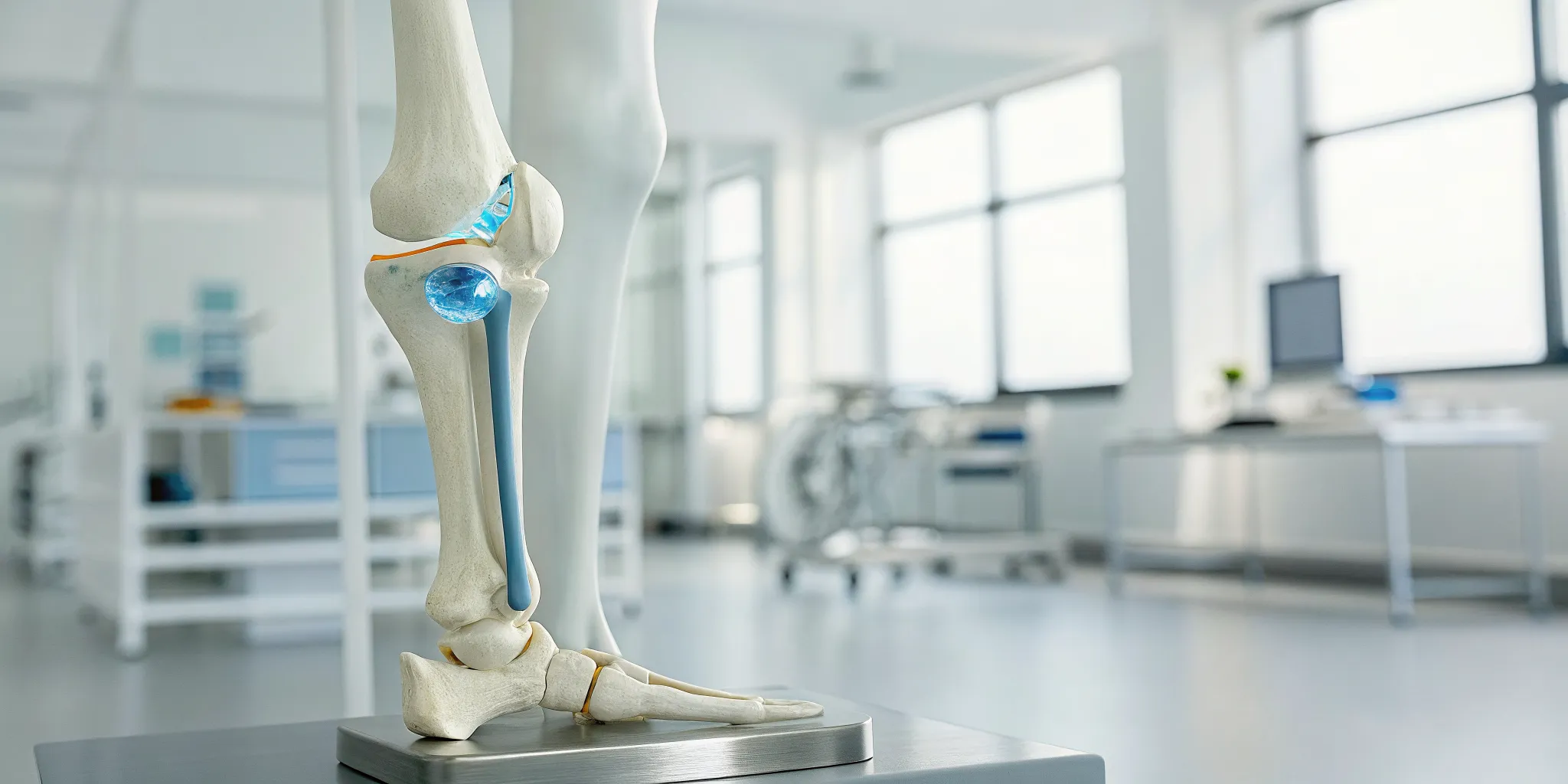
When severe joint pain enters the conversation, surgery often feels like the only next step. But the thought of a long, painful recovery is a major roadblock for many of us. What if you could repair joint damage without going under the knife? Regenerative medicine, specifically an intra articular stem cell injection, offers a powerful alternative. This procedure helps your body heal itself, reducing the inflammation that causes pain and encouraging new cartilage growth. To make an empowered choice, you need the full picture. This guide breaks down the real pros and cons of stem cell therapy to help you decide if it’s the right path for you.
Key Takeaways
- It’s a regenerative solution, not a temporary fix: Stem cell therapy works by addressing the root cause of joint pain—tissue damage and inflammation—rather than simply masking symptoms the way corticosteroid shots do.
- The injection is just the beginning: Your success depends heavily on what you do after the procedure. Committing to a structured physical therapy program and healthy lifestyle habits is essential for guiding the healing process and achieving lasting results.
- A thorough evaluation is non-negotiable: This therapy is most effective for mild to moderate joint damage. A detailed consultation is crucial to determine if you’re a good candidate, set realistic expectations, and ensure your provider follows strict safety standards.
What Are Intra-Articular Stem Cell Injections?
If you’re dealing with joint pain, you’ve likely heard the term “intra-articular injection.” It sounds technical, but it simply means the treatment is delivered directly inside the affected joint. An intra-articular stem cell injection is a non-surgical procedure that places a concentrated dose of powerful healing cells precisely where you need them—whether it’s your knee, shoulder, hip, or another joint that’s causing you pain.
Think of it as providing your body with a fresh team of expert repair specialists right at the site of damage. Instead of a generalized treatment that has to travel through your entire system, this targeted approach focuses the full regenerative potential of the stem cells on reducing inflammation and repairing tissue in that specific area. This method allows us to address the root cause of joint degeneration and pain, helping your body rebuild from within. Our goal is to restore function and relieve pain, helping you get back to your life without invasive surgery.
How Do Stem Cells Actually Heal Your Joints?
Once inside the joint, stem cells act like your body’s own natural pharmacy. They are incredibly intelligent and can sense the specific signals of inflammation and tissue damage around them. In response, they release a host of powerful growth factors, proteins, and anti-inflammatory molecules that orchestrate a healing response. They work to calm the chronic inflammation that drives conditions like arthritis and creates so much pain.
These cells also signal your body’s own resident repair cells to get to work, helping to regenerate damaged cartilage, ligaments, and other tissues. It’s less about the stem cells themselves turning into new cartilage and more about them directing a complex, natural healing process. By managing the joint’s environment and providing the necessary tools for repair, they encourage your body to heal itself more effectively.
What Kind of Stem Cells Are Used for Joint Pain?
The key players in this process are Mesenchymal Stem Cells (MSCs), which are known for their ability to support tissue repair. While MSCs can be taken from a patient’s own bone marrow or fat tissue, the quality of those cells can be affected by age and overall health. At Miami Stem Cell, we use umbilical cord-derived MSCs.
These cells are sourced ethically from the umbilical cords of healthy, full-term births, which would otherwise be discarded. The major advantage is that these are young, robust, and highly potent cells that haven’t been exposed to the aging process or environmental stressors. They have a greater capacity for repair and regeneration, offering a powerful and consistent tool for joint regeneration and pain management. This ensures you receive the highest quality treatment available.
Understanding the Different Types of Stem Cells
The term “stem cell” gets used a lot, but it’s not a one-size-fits-all category. Understanding the different types is key to appreciating why certain cells are used for specific treatments, like joint repair. Each type has a unique origin, a different set of capabilities, and varying levels of ethical and practical considerations. Think of it like choosing the right tool for a job—a sledgehammer and a finishing hammer are both hammers, but you wouldn’t use them for the same task. Knowing the source and function of the cells used in your therapy helps you make an informed decision about your health and ensures you’re receiving the most appropriate and effective treatment for your specific needs.
Embryonic Stem (ES) Cells
Embryonic stem cells are the body’s ultimate blank slates. Sourced from very early-stage embryos, these cells are “pluripotent,” meaning they have the incredible potential to develop into almost any of the 200+ cell types in the human body. This versatility makes them a major focus of scientific research for understanding disease and development. However, their use in clinical treatments is extremely limited, largely due to the significant ethical controversies surrounding their origin. Because of these ethical concerns and the complex regulations involved, you won’t find embryonic stem cells used in regenerative therapies for conditions like joint pain in the United States.
Adult Stem Cells
Unlike embryonic cells, adult stem cells are found in various tissues throughout our bodies our entire lives—in places like bone marrow, fat, and skin. These cells act as an internal repair system, but they are “multipotent,” which means they are more specialized. They can typically only differentiate into the cell types of the tissue they come from. For example, a stem cell from your bone marrow can become a new blood cell, but not a brain cell. While using a patient’s own adult stem cells (an autologous transplant) is an option, their potency and quantity decline significantly as we age, which can limit their effectiveness for healing.
Mesenchymal Stem Cells (MSCs) from Umbilical Cords
Mesenchymal Stem Cells (MSCs) are a specific type of adult stem cell renowned for their role in tissue repair. At Miami Stem Cell, we exclusively use MSCs derived from the umbilical cords of healthy, full-term births. These cells are ethically sourced from tissue that would otherwise be discarded, completely avoiding the ethical issues tied to embryonic cells. The primary benefit is their youth. Because these cells are brand new, they are incredibly robust and potent, with a much greater capacity to signal healing and reduce inflammation compared to older cells from a patient’s own body. This makes them an ideal and powerful tool for regenerative treatments aimed at repairing joint damage.
Induced Pluripotent Stem (iPS) Cells
Induced pluripotent stem cells are a fascinating breakthrough in medical science. Researchers have discovered how to take regular adult cells, like skin cells, and reprogram them in a lab to behave like embryonic stem cells. This process essentially turns back the clock on the cell, making it pluripotent again with the ability to become any cell type. This technology sidesteps the ethical debate around embryonic cells and holds immense promise for future medical treatments and disease modeling. For now, however, iPS cells are primarily used for research purposes and are not yet a standard part of clinical practice for treating conditions like joint pain.
What Joint Conditions Can Stem Cell Therapy Address?
Stem cell therapy is incredibly versatile, offering a non-surgical path toward healing for a wide range of joint-related issues. Whether your pain comes from the natural wear and tear of a life well-lived, an autoimmune response, or a sudden injury, regenerative medicine works by addressing the underlying damage and inflammation. By using your body’s own healing mechanisms, these treatments can help repair tissue, manage pain, and restore function across different joints, from knees and hips to shoulders and ankles. It’s about targeting the source of the problem, not just masking the symptoms.
Repairing Cartilage Damage from Osteoarthritis
Osteoarthritis is the most common form of arthritis, often described as “wear-and-tear” damage to your joint’s cartilage. As this protective cushion thins out, bone can rub against bone, causing pain, stiffness, and inflammation. Stem cell therapy offers a promising approach by getting to the heart of the issue. The mesenchymal stem cells (MSCs) used in treatment have powerful anti-inflammatory properties and can signal your body to begin a healing cascade. Clinical evidence suggests that MSC injections can lead to the regeneration of cartilage and may outperform other treatments in providing lasting pain relief and functional improvement. This helps you get back to your life with less pain and more mobility.
How Stem Cells Address Autoimmune Joint Conditions
Unlike osteoarthritis, rheumatoid arthritis (RA) is an autoimmune disorder where your immune system mistakenly attacks the lining of your joints, causing chronic inflammation and degeneration. While stem cell therapy is not a cure for RA, it can be a powerful tool for managing its effects. The primary benefit here is the strong anti-inflammatory and immunomodulatory capacity of stem cells. They can help regulate the overactive immune response, reducing the inflammation that causes pain and damages joint tissue. For many living with autoimmune conditions affecting the joints, this can lead to significant improvements in pain and function, helping to slow down joint destruction and improve overall quality of life.
Can Stem Cells Fix Ligament and Tendon Tears?
Athletes and active individuals often deal with acute injuries like meniscus tears, rotator cuff damage, or ligament sprains that can sideline them for months. Stem cell therapy can help accelerate the body’s natural healing process for these types of sports injuries. By delivering a concentrated dose of regenerative cells directly to the injury site, the treatment helps reduce inflammation and supports the repair of damaged tissues like tendons, ligaments, and cartilage. Many patients experience significant reductions in pain and stiffness, allowing for a quicker and more complete return to the activities they love. It’s an effective way to support your body’s recovery without resorting to more invasive procedures.
Broader Applications in Regenerative Medicine
While our focus is often on how stem cells can revolutionize joint health, the potential of regenerative medicine extends far beyond that. The same principles of reducing inflammation and encouraging tissue repair are being explored across a vast landscape of medical challenges. From blood disorders to complex neurological conditions, scientists are continuously discovering new ways to harness the body’s innate healing power. Understanding these broader applications helps paint a clearer picture of just how transformative this field of medicine is, highlighting the foundational science that supports the treatments we use for pain, mobility, and wellness.
Blood Disorders and Bone Marrow Transplants
One of the most established uses of stem cell technology is in treating blood disorders like leukemia and lymphoma. For decades, doctors have used bone marrow transplants—which are essentially stem cell transplants—to replace a patient’s damaged marrow with healthy, blood-forming stem cells. This allows the body to produce new, healthy blood cells. The mesenchymal stem cells (MSCs) we work with are also a powerful type of adult stem cell known for their ability to help repair a wide variety of tissues throughout the body. This foundational use in medicine underscores the safety and efficacy of using potent cells to restore healthy function.
Research into Neurodegenerative Diseases
The potential for stem cells to address neurodegenerative diseases is one of the most exciting frontiers in medical research. Scientists are actively investigating how stem cells could be used to treat conditions like Parkinson’s, Alzheimer’s, and multiple sclerosis. The hope is that these cells could help protect existing neurons from damage, reduce harmful inflammation in the brain, and perhaps even help replace cells that have been lost. While this research is still in its early stages, it represents a beacon of hope for millions, aiming to slow or even reverse the progression of these devastating conditions by addressing them at a cellular level.
Potential for Treating Heart Disease and Spinal Cord Injuries
Researchers are also exploring how stem cell therapy could help the body recover from catastrophic events like a heart attack or a spinal cord injury. Studies suggest that stem cells might be able to repair damaged heart tissue and improve cardiac function after a heart attack by promoting the growth of new blood vessels and reducing scar tissue. Similarly, for spinal cord injuries, the goal is to use the anti-inflammatory and regenerative signaling of stem cells to create a more favorable environment for healing, potentially helping to restore some level of function and manage chronic pain. This research is paving the way for future treatments that could dramatically improve recovery and quality of life.
How Effective Is Stem Cell Therapy for Joints?
When you’re dealing with chronic joint pain, the most important question is simple: will this treatment actually work? It’s the first thing I’d want to know, too. Stem cell therapy is a promising field, but it’s essential to have realistic expectations grounded in clinical evidence. The effectiveness of joint regeneration can vary from person to person, influenced by factors like the severity of your condition and your overall health. However, many individuals experience significant improvements in pain, function, and overall quality of life. The goal of regenerative medicine is to help your body heal itself from the inside out, addressing the root cause of the discomfort rather than just masking symptoms with temporary fixes.
Unlike treatments that offer short-term relief, stem cell therapy aims to create a lasting change in the joint environment. The mesenchymal stem cells (MSCs) used in these procedures are powerful signaling cells that can reduce inflammation, protect existing cartilage, and encourage your body’s own cells to begin the repair process. This approach supports the long-term health of the joint. Understanding the success rates, the timeline for results, and the factors that contribute to a positive outcome will help you make an informed decision about your health. Let’s look at what the science says and what you can realistically expect from the treatment.
What Does the Research Say About Success Rates?
Clinical studies offer a clear picture of what patients can expect. Research shows that many people report meaningful reductions in pain and stiffness, which makes a real difference in their ability to perform daily activities. Some studies have found that patients experience a 58-68% improvement in pain and a 67-83% improvement in knee function one to two years after treatment. A comprehensive review from Cochrane also noted that, compared to a placebo, stem cell injections can improve pain and function for up to six months. While it’s not a guaranteed cure, the evidence points toward stem cell therapy being a powerful tool for managing conditions like arthritis and promoting long-term joint health.
When Can You Expect to See Results?
Patience is key, but you might not have to wait long to feel a difference. Many people report an initial decrease in pain within the first week following the injection. This early relief is often due to the powerful anti-inflammatory properties of the stem cells getting to work right away. While this immediate improvement is encouraging, the true regenerative process takes more time. The stem cells need a few weeks to months to signal your body’s repair mechanisms and begin rebuilding tissue. Most patients notice continued, gradual improvements in pain and function over the next three to six months as the joint becomes healthier and stronger. You can read about the experiences of other patients in their testimonials.
What Factors Influence Your Treatment’s Success?
Your outcome isn’t just about the injection itself—it’s about a comprehensive approach to healing. One of the most critical factors is what you do after the procedure. Following a structured rehabilitation plan can significantly affect how well the treatment works. The source and dosage of the cells also matter. At Miami Stem Cell, we use umbilical cord-derived mesenchymal stem cells known for their potent regenerative capabilities. Interestingly, research shows that for donor cells, a higher dose doesn’t always mean better results; a carefully calibrated dose often leads to better outcomes with fewer side effects. Your overall health, the severity of your joint damage, and your commitment to post-procedure care all play a vital role in your success.
What Are the Risks and Side Effects of Stem Cell Therapy?
Any medical treatment, from taking an aspirin to undergoing surgery, comes with a set of potential risks and side effects. Intra-articular stem cell injections are no different. The key is to have a clear and honest conversation about what you can expect, both during and after your procedure. At Miami Stem Cell, we believe an informed patient is an empowered one. Our commitment is to provide you with a complete picture so you can make a decision that feels right for you.
The safety of any regenerative procedure hinges on the quality of the cells, the expertise of the medical team, and the standards of the clinic. We prioritize patient safety by adhering to strict, FDA-compliant protocols and using only ethically sourced, umbilical cord-derived mesenchymal stem cells. This approach significantly minimizes risks and ensures you receive the highest standard of care. Understanding the potential side effects is the first step in a transparent and trustworthy patient-doctor relationship.
What Are the Most Common Side Effects?
After your injection, it’s normal to experience some temporary, localized reactions as your body begins its healing process. Most patients report mild discomfort, swelling, or a feeling of fullness at the injection site. Think of this as a sign that the regenerative cells are getting to work and initiating a healing response.
These symptoms are generally short-lived, lasting from a few hours to a couple of days. They can typically be managed easily with rest and by applying ice to the area. We provide all our patients with detailed aftercare instructions to help you feel comfortable and support your body’s recovery. You can find more answers to common questions on our FAQs page.
Are There Any Serious Complications?
While serious complications from intra-articular stem cell injections are rare, it’s important to be aware of them. Potential risks include infection, bleeding, or an allergic reaction. There is also a very small chance of damage to the surrounding tissues in the joint if the injection is not administered properly.
Choosing a highly qualified provider who performs the procedure in a sterile clinical environment is the best way to minimize these risks. During your initial consultation, we will review your medical history in detail to ensure you are a good candidate and discuss every aspect of the procedure’s safety profile. Our goal is to ensure you feel completely confident and secure before moving forward with treatment.
The Risk of Tumor Formation with Certain Stem Cells
You may have heard concerns about stem cells and tumor formation, and it’s a valid point to consider. This risk is primarily associated with specific types of cells, namely embryonic stem (ES) cells and induced pluripotent stem (iPS) cells. Because these cells can grow and divide without limit, there is a potential for them to form tumors after transplantation. However, this is not a concern with the type of cells we use. At Miami Stem Cell, we exclusively use mesenchymal stem cells (MSCs) derived from umbilical cords. Unlike embryonic cells, MSCs have a finite lifespan and do not grow uncontrollably, which makes them a much safer and more predictable option for therapeutic use in regenerative medicine.
Understanding Immune Rejection
Whenever something foreign is introduced into the body, the immune system is designed to react. This can lead to immune rejection, where the body attacks the transplanted cells, rendering the treatment ineffective. According to research from the National Institutes of Health, this is a significant hurdle for some types of stem cell therapies, sometimes requiring patients to take immunosuppressant drugs. Fortunately, umbilical cord-derived MSCs have a unique advantage: they are “immune privileged.” This means they don’t trigger a strong immune response from the patient’s body. As a result, they can be used safely without the need for harsh medications to suppress your immune system, minimizing potential side effects and complications.
Challenges in Controlling Cell Differentiation
One of the complexities in the broader field of stem cell research is controlling what the cells become. With pluripotent cells like ES or iPS cells, it can be difficult to guide them to turn into the exact type of tissue needed for a specific treatment. This is a challenge scientists are actively working to solve. However, the mesenchymal stem cells used for joint regeneration work differently. Their primary role isn’t to transform into new cartilage cells. Instead, they act as powerful signaling agents, releasing anti-inflammatory molecules and growth factors that orchestrate your body’s own natural healing response. They manage the joint environment and direct your existing cells to repair the damage, which sidesteps the issue of uncontrolled differentiation entirely.
What About Long-Term Safety?
Regenerative medicine is a rapidly advancing field, and researchers are continuously gathering information. While extensive, multi-decade data is still being collected, preliminary studies and clinical experience are very encouraging. According to the National Institutes of Health, current research suggests that most patients do not experience significant adverse effects over time.
At Miami Stem Cell, we exclusively use umbilical cord-derived mesenchymal stem cells, which have a proven safety profile and do not carry the risk of rejection. Our commitment to science-backed therapies ensures we provide treatments that are not only effective but also stand on a strong foundation of safety. We are dedicated to staying at the forefront of research to provide the best possible outcomes for our patients.
Ethical and Religious Considerations in Stem Cell Therapy
The world of stem cell therapy is exciting, but it’s also one that comes with important questions, especially around ethics. It’s a topic that many people feel strongly about, and it’s crucial to understand the different sources of stem cells to have a clear picture. The controversy you may have heard about is almost always related to one specific type of stem cell, and it’s important to know that there are other, non-controversial sources available. At Miami Stem Cell, we believe in transparency and are committed to using only the most effective and ethically sound methods. This ensures our patients can feel confident and secure in their decision to pursue regenerative medicine, knowing their treatment aligns with the highest ethical standards.
The Debate Surrounding Embryonic Stem Cells
When people discuss the ethics of stem cells, the conversation usually centers on embryonic stem cells. These cells are derived from embryos that are a few days old, and their use in research and medicine has sparked a significant moral and religious debate. The core of the issue is that obtaining these cells requires the destruction of an embryo, which many people believe is the beginning of a human life. This ethical conflict has led to widespread controversy and strict governmental regulations on funding and research in many parts of the world. While embryonic stem cells have unique properties, the ethical concerns surrounding their source have made many researchers and clinicians seek out alternative options that don’t involve such a complex moral dilemma.
Why Umbilical Cord-Derived Stem Cells Offer an Ethical Alternative
This is where umbilical cord-derived stem cells come in, offering a powerful and ethically clear alternative. These cells are collected from the umbilical cord and placenta after a healthy, full-term birth—tissue that would otherwise be discarded as medical waste. No one is harmed in the collection process; in fact, it’s a way of giving a second life to something incredibly valuable. This approach completely bypasses the ethical issues associated with embryonic stem cells. At Miami Stem Cell, we exclusively use these umbilical cord-derived mesenchymal stem cells (MSCs). They are not only ethically sourced but are also incredibly young, robust, and potent, making them ideal for regenerative therapies without any moral compromise.
How Do Stem Cells Compare to Other Joint Treatments?
When you’re dealing with joint pain, you want a solution that doesn’t just mask the symptoms but addresses the root cause. While several treatments are available, they work in very different ways. Traditional options often focus on temporary relief, while regenerative medicine aims to facilitate your body’s own healing processes. Understanding the differences can help you make an informed decision about your long-term joint health and find a path that aligns with your goals for an active, pain-free life. Let’s compare how stem cell injections stack up against other common joint treatments.
Why Choose Stem Cells Over Cortisone Shots?
Corticosteroid shots are a common first-line treatment for joint pain because they are excellent at reducing inflammation quickly. If you’re in significant pain, a steroid injection can offer fast, powerful relief. However, this relief is often temporary. Steroids don’t repair the underlying damage to your cartilage or other tissues; they simply calm the inflammatory response. Think of it as turning off a fire alarm without putting out the fire. For those seeking a long-term solution, stem cell therapy offers a different approach. Instead of just managing symptoms, it introduces healing and regenerative cells to the joint to help repair the damage that’s causing the pain in the first place.
Stem Cells vs. Hyaluronic Acid “Gel” Shots
Hyaluronic acid (HA) injections, sometimes called “gel shots,” are another option for joint pain, particularly in the knee. HA is a natural substance found in your joint fluid that acts as a lubricant and shock absorber. The goal of these injections is to supplement the joint’s natural HA, helping it move more smoothly and with less pain. While HA can provide temporary relief for some people, it doesn’t prompt tissue regeneration. Research suggests that mesenchymal stem cells (MSCs) often work better than HA for improving pain, function, and encouraging cartilage repair. For an even more comprehensive approach, we sometimes combine stem cells with Platelet-Rich Plasma (PRP) therapy to support the regenerative environment.
Can Stem Cell Therapy Help You Avoid Surgery?
For many, the ultimate goal is to avoid invasive surgery and the lengthy recovery that comes with it. This is where stem cell therapy truly stands out as a powerful, non-surgical option for joint regeneration. Unlike surgery, which involves cutting, removing, or replacing tissue, stem cell therapy is a minimally invasive procedure that harnesses your body’s natural ability to heal. The treatment aims to reduce pain, improve how your joints work, and help regrow damaged cartilage. Instead of just managing the problem, it works to fix it. Clinical studies have shown promising results, with patients reporting significant improvements in pain and function one to two years after treatment, allowing them to return to the activities they love without going under the knife.
What to Expect During Your Stem Cell Procedure
Thinking about a stem cell procedure can feel like a big step, but the process is often more straightforward than people imagine. It’s a non-surgical treatment performed right in our clinic, designed to be as comfortable and efficient as possible. From your first conversation with our team to your post-injection recovery, we’ll guide you through every phase. The entire journey is centered around a personalized plan that addresses your specific joint issues and health goals, ensuring you feel informed and confident from start to finish.
How to Prepare for Your First Consultation
Your journey begins with a thorough consultation. This is our chance to sit down with you, discuss your symptoms, review your medical history, and look at any imaging you have, like X-rays or MRIs. We’ll determine if you’re a good candidate for stem cell therapy and answer all of your questions. To prepare for your procedure, we may ask you to stop taking anti-inflammatory medications (NSAIDs) like ibuprofen for a short period, as they can interfere with the body’s natural healing response. We’ll give you a simple set of guidelines to follow so you can arrive for your treatment feeling ready. You can schedule a consultation to get started.
What Happens on the Day of Your Treatment?
On the day of your procedure, our goal is to make you as comfortable as possible. The treatment itself is relatively quick. First, we’ll clean the skin over the target joint and apply a local anesthetic to numb the area completely. You’ll feel little to no discomfort during the injection. Using advanced ultrasound guidance, we can see inside the joint in real-time, allowing us to deliver the stem cells with incredible precision directly to the damaged tissue. This targeted approach is key to effective joint regeneration and helps ensure the cells get right to work where they’re needed most.
What’s the Recovery Process Like?
After your injection, you can go home the same day. It’s normal to experience some mild soreness or swelling at the injection site for a day or two, but this typically resolves on its own. We’ll provide you with a detailed aftercare plan, which includes avoiding strenuous activities and heavy lifting for a specific period to allow the joint to heal. It’s also important to continue avoiding NSAIDs. While some people feel relief quickly, the regenerative process takes time. Patience is key as your body works to repair and rebuild tissue over the following weeks and months. You can find answers to more common questions on our website.
How to Get the Best Results From Your Treatment
Think of your stem cell treatment as a powerful seed you’re planting to regenerate your joint. For that seed to grow strong, it needs the right environment. While our team handles the advanced science of the procedure itself, the success of your outcome is a partnership. The steps you take before and after your injection play a huge role in how well your body responds and heals. By actively participating in your recovery, you can create the ideal conditions for stem cells to do their best work.
This means focusing on reducing inflammation, supporting your body with the right nutrients, and committing to a smart rehabilitation plan. It’s not just about the injection; it’s about a holistic approach to healing that gives you the best chance at long-term relief and improved function. Recent clinical research shows that patients often report significant reductions in their symptoms, and your proactive involvement is key to joining their ranks. By preparing your body and following a dedicated aftercare plan, you can maximize the incredible regenerative potential of your treatment and get back to the life you want to live.
How to Prepare Your Body for Stem Cell Therapy
Getting your body ready for stem cell therapy starts before you even walk into our clinic. The goal is to create an internal environment that is receptive to healing. A great first step is to focus on an anti-inflammatory diet, cutting back on processed foods, sugar, and excessive alcohol, which can all contribute to systemic inflammation. Instead, fill your plate with whole foods like leafy greens, berries, and healthy fats. It’s also crucial to follow our specific pre-treatment instructions, which will likely include stopping any anti-inflammatory medications (like NSAIDs) for a period before your injection. These drugs can interfere with the very inflammatory response that stem cells use to signal and begin the repair process.
Do You Need Physical Therapy After Treatment?
Your stem cell injection is the catalyst for healing, but physical therapy is what guides that healing into functional strength and mobility. The injection repairs the tissue, but physical therapy retrains the joint and surrounding muscles to work correctly. Following a structured rehabilitation program is essential to maximize the effectiveness of your treatment and achieve lasting pain relief. A physical therapist will create a personalized plan with specific exercises to gradually restore your range of motion, build stability, and ensure the new tissue matures into a strong, resilient structure. Skipping this step is like building a new foundation without framing the house—the raw materials are there, but they aren’t organized for optimal function.
Lifestyle Changes That Help You Heal Faster
Beyond your formal physical therapy, your daily habits are critical to a successful recovery. Proper rest is non-negotiable, especially in the first few days after your procedure, as this is when your body is working hardest to initiate repairs. Hydration and nutrition continue to be important; drinking plenty of water and eating enough protein gives your body the building blocks it needs for tissue regeneration. Gentle movement, like walking, is encouraged to promote blood flow, but you should avoid strenuous activity until cleared by your doctor. We also recommend supportive therapies like gentle stretching and massage to manage discomfort, while continuing to avoid anti-inflammatory medications to allow the natural healing process to unfold.
Is Stem Cell Joint Therapy Right for You?
Deciding if stem cell therapy is the right move for your joint pain is a personal choice that depends on several factors. While it offers a promising alternative to surgery for many, it’s not a one-size-fits-all solution. The best outcomes happen when the treatment is well-matched to the individual. Your body’s unique condition, the state of your joint, and your overall health profile all play a significant role in determining if you’re a good candidate.
Think of it as a partnership between you and your doctor. A thorough evaluation is the first step to understanding if stem cells can provide the relief you’re looking for. This process involves looking at your specific goals for pain management, the root cause of your discomfort, and any underlying health factors that could influence your results. By considering your age, the severity of your joint damage, and your complete medical history, we can create a clear picture of whether this regenerative approach aligns with your needs. Let’s walk through what that looks like.
Does Your Age or Health Affect the Outcome?
Your age and general health are key indicators of how well your body might respond to stem cell therapy. Research suggests that mesenchymal stem cells (MSCs) tend to work best for younger individuals and those in the earlier stages of joint conditions, particularly when cartilage damage is not extensive. This is because a younger, healthier system often has a more robust capacity for healing and regeneration.
However, “age” is more than just a number. Your biological age—the state of your health on a cellular level—is what truly matters. A proactive, healthy lifestyle can mean your body is better primed to respond to treatment, regardless of your chronological age. A comprehensive medical evaluation is essential to determine if your body is in a good position to make the most of regenerative therapy.
Is My Joint Damage Too Severe for Treatment?
The condition of your joint is one of the most critical factors in determining your candidacy for stem cell therapy. This treatment is most effective for individuals with mild to moderate joint degeneration. Early studies show success rates can be as high as 70-80% for mild to moderate knee arthritis, where there is still some cartilage left to work with. The goal is to repair and regenerate tissue, which is more achievable before the damage becomes too severe.
If your joint has reached a “bone-on-bone” stage, the potential for regeneration is significantly lower. That’s why a proper diagnosis, often including X-rays or an MRI, is a crucial first step. This allows us to see exactly what’s happening inside your joint and determine if there’s a healthy foundation for stem cells to build upon.
What Past Conditions Might Affect Treatment?
Your complete medical history helps us ensure your safety and the treatment’s effectiveness. Certain conditions can interfere with the therapy or pose unnecessary risks. For instance, you may not be a good candidate if you have an active infection, are currently undergoing cancer treatment, or have certain blood-clotting disorders. These conditions can affect how your body heals and responds to regenerative signals.
Being transparent about your health is vital. During your consultation, we’ll discuss your past and present health, including any medications you’re taking. This conversation is fundamental to creating a safe and effective treatment plan tailored just for you. If you have questions about your specific health history, the best next step is to schedule a consultation to discuss your situation one-on-one.
What to Know Before Booking Your Appointment
Deciding on stem cell therapy is a major step toward taking control of your health, and it’s smart to do your homework. This is an investment in your future quality of life, so having questions is not just normal—it’s essential. To help you feel completely confident in your choice, let’s walk through a few final points that can make all the difference. Covering these bases will ensure you partner with a clinic that aligns with your standards for safety and care, and it will help you set clear, realistic expectations for your treatment and recovery journey.
Is the Treatment FDA Approved? What to Look For
When you’re exploring regenerative medicine, safety should always come first. It’s important to know that many stem cell treatments offered today are not approved by the U.S. Food and Drug Administration (FDA), which means they haven’t passed the strict testing required to prove they are safe and effective. At Miami Stem Cell, we strictly adhere to FDA guidelines, using umbilical cord-derived mesenchymal stem cells that are processed in an FDA-registered lab. This commitment ensures you receive a treatment that meets the highest standards for safety and quality, which is a critical difference compared to many overseas stem cell treatments.
The State of Regulation in the Stem Cell Industry
The stem cell industry is still evolving, and the regulatory landscape can be tricky to understand. Because the field is relatively new, there’s a lack of standardization and sometimes insufficient regulation, which unfortunately opens the door for misinformation and clinics making unverified claims. This is why it’s so important for you, as a patient, to be your own advocate. The safety and success of your treatment truly depend on the quality of the cells being used, the expertise of the medical team performing the procedure, and the high standards of the clinic itself. Asking direct questions about a clinic’s protocols and where their cells come from is a critical step in protecting your health and ensuring you receive responsible care.
What’s the Cost and Will Insurance Cover It?
Let’s talk about the financial side of things. Currently, most insurance companies classify stem cell therapy as an experimental treatment, which means it typically isn’t covered. This is a key detail to be aware of as you plan. The cost for a single treatment can range from a few thousand to several thousand dollars, depending on your specific condition and the complexity of the procedure. We believe in full transparency, so during your consultation, we will provide a clear, detailed breakdown of the costs associated with your personalized treatment plan. You can find answers to common financial questions on our FAQs page.
Typical Cost Ranges for Stem Cell Procedures
While every treatment plan is personalized, we believe in being upfront about the investment. A single stem cell injection for a joint typically falls in the range of $5,000 to $10,000. This cost covers the entire process, including the sourcing and lab processing of high-potency umbilical cord-derived cells, the expertise of our medical team, and the use of advanced ultrasound guidance for precise delivery. The final cost for your specific joint regeneration plan will depend on the joint being treated and the complexity of your condition. We provide a clear, detailed breakdown during your initial consultation, ensuring you have all the information needed to make a confident decision.
Key Questions to Ask Your Doctor
Your consultation is your time to get the clarity you deserve. A great specialist will welcome your questions and be able to discuss all your options, from regenerative therapies to more traditional routes. To make the most of this conversation, go in with a list of questions ready.
Here are a few to get you started:
- Where do the stem cells come from, and how are they processed for safety?
- Based on my specific condition, what are the realistic benefits and potential risks?
- What does the recovery process involve, and what is your post-treatment support protocol?
- Can you share results from patients with similar joint issues?
We believe an informed patient is an empowered one. We invite you to contact us to schedule a consultation where our team can answer these questions and any others you have.
Related Articles
- Stem Cell Therapy for Joint Regeneration: Relief for Pain
- Is Stem Cell Therapy Safe for Joint Regeneration?
- Pain Management & Regenerative Medicine Solutions
Frequently Asked Questions
Is the stem cell injection itself painful? This is one of the most common questions I hear, and it’s completely understandable to be concerned about discomfort. We take every step to make the procedure as comfortable as possible. Before the injection, we apply a local anesthetic to completely numb the area around your joint. Most people report feeling only a bit of pressure during the injection, but not sharp pain. Any mild soreness at the injection site afterward usually fades within a day or two.
How long do the results of a stem cell joint injection last? The goal of stem cell therapy is to create lasting change by helping your body repair damaged tissue, not just provide a temporary fix. Many clinical studies follow patients for one to two years and find significant, lasting improvements in pain and function. However, the longevity of your results depends on several factors, including the severity of your joint condition and your commitment to post-procedure care like physical therapy. The aim is to support your body’s long-term joint health.
Will I need more than one treatment? For many people, a single, targeted stem cell injection is enough to kickstart the healing process and provide significant, long-term relief. The treatment plan is always personalized to your specific needs. During your initial consultation, we will evaluate the extent of your joint damage to determine the best course of action. In some cases with more advanced degeneration, a follow-up treatment may be recommended down the line to build on your initial results.
How soon can I return to my normal activities after the procedure? We recommend taking it easy for the first few days to give the stem cells the best environment to begin their work. This means avoiding strenuous exercise and heavy lifting. Most people can return to work and light daily activities within a day or two. A gradual return to more demanding activities will be guided by your personalized recovery plan and your physical therapist. The key is to listen to your body and not rush the healing process.
Are the umbilical cord stem cells safe and ethically sourced? Absolutely. The mesenchymal stem cells we use are sourced from umbilical cords donated by mothers after healthy, full-term births. This process is completely voluntary, safe for both mother and baby, and uses tissue that would otherwise be discarded as medical waste. The cells are then processed in an FDA-registered lab that follows strict screening and safety protocols to ensure they are pure, potent, and free of any contaminants.