It’s a frustrating cycle: your knee hurts, you try a temporary fix like a steroid shot, the pain subsides for a while, and then it comes right back. These solutions often feel like putting a bandage on a problem that needs real healing. True, long-term relief comes from addressing the underlying cause of the pain, which is often damaged or worn-out cartilage. Regenerative medicine shifts the focus from symptom management to genuine repair. By using your body’s own healing mechanisms, we can work to rebuild tissue and reduce inflammation at the source. This article will walk you through the science behind knee cartilage repair without surgery and explain how it offers a more sustainable path to recovery.
Key Takeaways
- A holistic approach yields the best results: Lasting knee relief comes from combining regenerative treatments with supportive lifestyle habits. Think of therapies like PRP as the catalyst for healing, while weight management and targeted exercise provide the long-term support your joints need.
- You are a key player in your recovery: Regenerative treatments work with your body, not just on it. Your commitment to physical therapy and following your specialist’s guidance is a critical factor in achieving significant, long-lasting improvement.
- Focus on consistent progress, not instant fixes: Healing cartilage is a marathon, not a sprint. Track your success by noticing gradual improvements in your daily life, such as less stiffness in the morning or the ability to walk farther with less pain, as these are the true signs of effective joint regeneration.
What Is Knee Cartilage and Why Does It Matter?
Think of your knee cartilage as the unsung hero of every step you take, every run you enjoy, and every time you bend down to pick something up. This vital tissue works silently to keep your joints moving smoothly and without pain. But when it starts to wear down, you feel it. Understanding what cartilage is and the critical role it plays is the first step toward finding effective solutions that help you get back to living your life fully, without resorting to surgery. Let’s explore the fundamentals of this essential part of your knee.
The Basics of Knee Cartilage
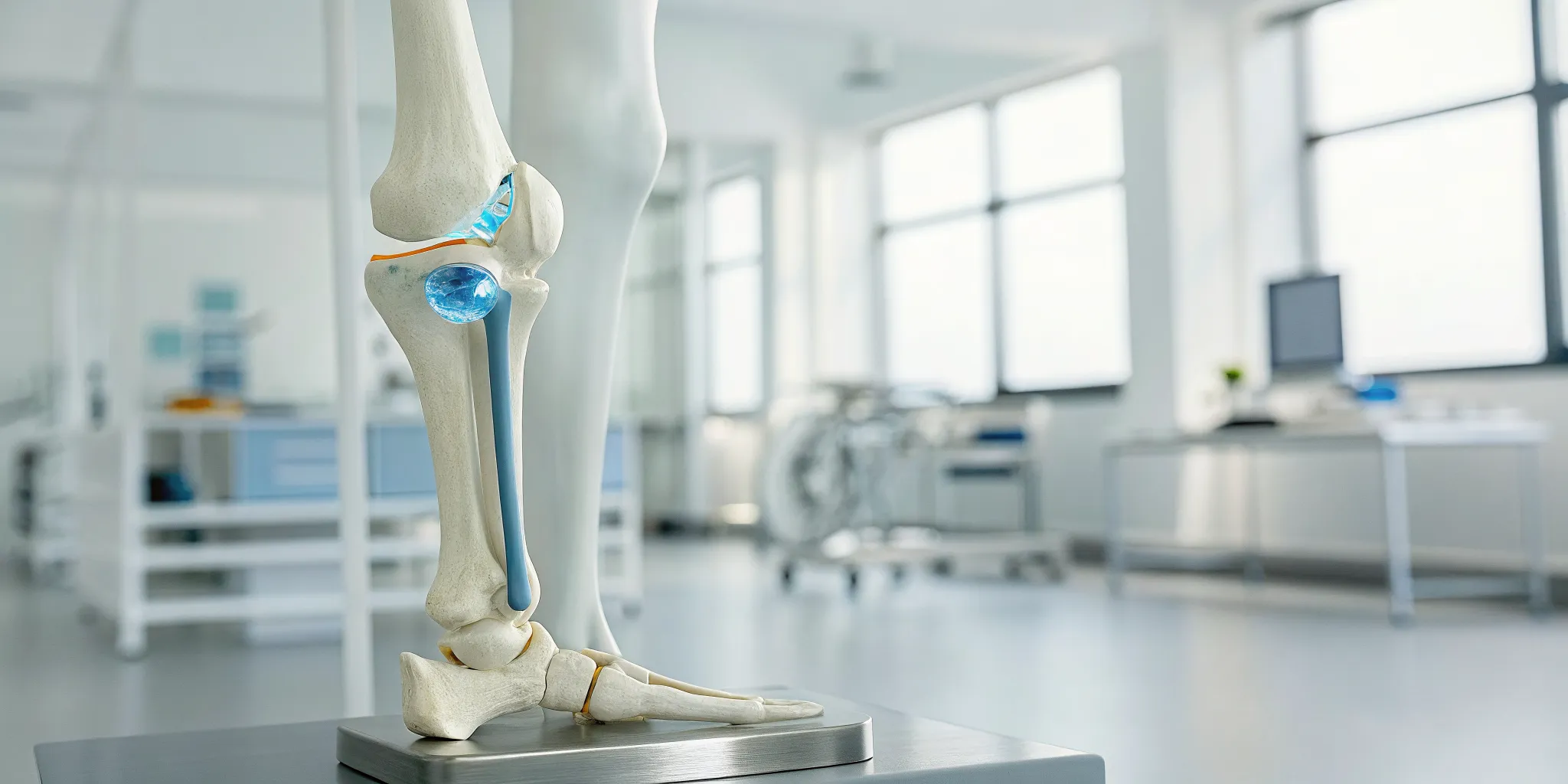
At its core, knee cartilage is a smooth, rubbery tissue that covers the ends of the bones in your knee joint. Its main job is to provide a slick, cushioned surface, allowing your bones to glide over each other with minimal friction. It also acts as your body’s natural shock absorber, protecting your joints from the impact of daily activities like walking, climbing stairs, or exercising. Without this protective layer, the bones would grind against each other, leading to pain and damage. Maintaining healthy cartilage is fundamental to effective joint regeneration and long-term mobility.
Different Types of Knee Cartilage
Your knee actually contains two primary types of cartilage, each with a specific function. The first is articular cartilage, the smooth, white tissue that covers the ends of your thigh bone (femur) and shin bone (tibia). This is the tissue that ensures your joint moves like a well-oiled machine. The second type is the meniscus, which consists of two C-shaped pieces of tough, rubbery cartilage that sit between the femur and tibia. The menisci act as shock absorbers and stabilizers, distributing weight evenly across the knee. Damage to either type can lead to significant pain and conditions like arthritis.
Why Healthy Cartilage Is Key to an Active Life
Healthy cartilage is absolutely essential for maintaining an active, pain-free lifestyle. It allows you to move freely, whether you’re playing tennis, going for a walk on the beach, or simply keeping up with your grandkids. When this tissue becomes damaged or wears away, it can cause chronic pain, stiffness, and a reduced range of motion that can seriously impact your quality of life. Addressing cartilage issues early with effective pain management strategies is key to preventing further degeneration and preserving the function of your knee for years to come.
What Causes Knee Cartilage Damage?
Understanding what leads to knee cartilage damage is the first step toward finding the right solution. It’s rarely a single event. More often, it’s a combination of factors that accumulate over time, weakening the smooth, protective lining of your joints. Think of it less like a sudden break and more like a fabric fraying slowly. Your genetics, lifestyle, and history of injuries all play a role in the health of your knees.
The damage can range from small, isolated spots to widespread loss, which is what we see in conditions like osteoarthritis. Because cartilage doesn’t have any nerves, you might not feel any pain in the early stages. The problem can progress silently until the damage is significant enough to cause inflammation and affect the underlying bone. By recognizing the common causes, you can better understand your own knee pain and explore effective, non-surgical options for joint regeneration that address the root of the problem instead of just masking the symptoms.
Natural Wear and Tear Over Time
Just like your favorite pair of running shoes, your knee cartilage can wear down from years of use. This gradual process is often associated with osteoarthritis, a condition where the cartilage thins and becomes less resilient. Every step you take puts pressure on your knees, and over decades, this can lead to microscopic damage that the body can’t always repair on its own.
This age-related wear and tear is one of the most common reasons people seek treatment for arthritis. Since the initial breakdown is often painless, many people don’t realize there’s an issue until they start experiencing stiffness, aching, and swelling. It’s a slow process, but one that can significantly impact your mobility and quality of life down the road.
The Impact of Sports Injuries and Trauma
A sudden injury can dramatically speed up cartilage deterioration. If you’ve ever torn your ACL or meniscus, you know how disruptive it can be. What you might not know is that people with a history of these types of joint injuries are four to six times more likely to develop osteoarthritis, often within 10 to 20 years.
A traumatic event like a fall or a direct blow to the knee can cause an immediate fracture in the cartilage or damage the underlying bone. This creates an uneven surface in the joint, leading to friction and further breakdown over time. Effective pain management and therapies that support healing are crucial after an injury to help protect the long-term health of your knee.
How Repetitive Stress Affects Your Knees
You don’t need a major injury to damage your knee cartilage. Sometimes, the culprit is repetitive stress from your job or hobbies. Occupations that require frequent squatting, kneeling, or heavy lifting put constant strain on the knee joints. The same goes for high-impact activities like running on hard surfaces or playing sports that involve a lot of jumping and quick pivots.
This continuous, low-level impact might not seem like a big deal day-to-day, but it adds up. Over time, it can wear away at your cartilage faster than your body can restore it. While conventional approaches might offer temporary relief, they often don’t address the underlying damage. This is where regenerative treatments like stem cell therapy can offer a more restorative solution.
Key Symptoms of Cartilage Damage
How do you know if your cartilage is damaged? Your body has a few clear ways of telling you something is wrong. The most obvious sign is pain, which might feel like a dull ache or a sharp, localized sensation, often worsening with activity. You might also notice stiffness, especially when you first wake up or after sitting for a long time.
Other common symptoms include swelling around the knee, a clicking or grinding sound when you bend it, or a feeling that your knee might lock up or give way. These signals mean it’s time to listen to your body. If you’re experiencing any of these issues, it’s a good idea to contact us for a proper assessment to understand what’s happening inside your joint.
Your Guide to Non-Surgical Knee Repair
If knee pain is holding you back, you might think surgery is your only option. The thought of a long, painful recovery can be daunting, and many people are looking for alternatives that are less invasive. The good news is that regenerative medicine offers powerful ways to help your body heal itself, without the downtime of a surgical procedure. These treatments focus on repairing cartilage and reducing inflammation at the source, rather than just covering up the symptoms with medication or temporarily lubricating the joint. This approach gets to the root of the problem, offering a path toward genuine, long-term improvement.
By working with your body’s natural healing mechanisms, these therapies can offer lasting relief and help you get back to the activities you love. Instead of cutting away damaged tissue, regenerative treatments aim to rebuild it. This shift in focus from management to repair is what makes these options so promising for people dealing with chronic knee pain from arthritis, sports injuries, or general wear and tear. Let’s look at a few of the most effective non-surgical approaches available today for joint regeneration.
Stem Cell Therapy: Rebuilding from Within
Imagine giving your body a fresh supply of powerful healing cells to repair damaged tissue. That’s the core idea behind stem cell therapy. This treatment involves injecting mesenchymal stem cells (MSCs) directly into your knee joint. At Miami Stem Cell, we use MSCs that are ethically sourced from umbilical cords. These potent cells are experts at managing inflammation and signaling your own body to begin rebuilding cartilage. Instead of just masking the pain, this approach helps address the underlying damage, promoting genuine healing from the inside out and helping you regain function and mobility.
PRP Injections: Harnessing Your Body’s Healing Power
Platelet-Rich Plasma (PRP) therapy uses the healing power that’s already inside you. The process starts with a simple blood draw, just like a routine lab test. Your blood is then placed in a centrifuge to separate and concentrate the platelets, which are rich in natural growth factors. This platelet-rich plasma is then injected back into your knee. These growth factors act as a call to action for your body’s repair systems, helping to reduce pain, calm inflammation, and encourage the growth of healthy new tissue. It’s a straightforward and natural way to support your body’s own healing abilities.
Hyaluronic Acid: Lubricating Your Joints
Think of hyaluronic acid injections as adding oil to a squeaky hinge. Hyaluronic acid is a gel-like substance that your body naturally produces to lubricate and cushion your joints. As cartilage wears down from arthritis or injury, you lose some of this natural shock absorption. Injections of hyaluronic acid can help restore that cushioning, allowing the joint to move more smoothly and with less pain. While the relief is often temporary, lasting up to six months, it can be an effective part of a broader plan for managing knee pain and improving mobility while more regenerative treatments take effect.
Exosome Therapy: The Next Wave in Joint Repair
Exosome therapy takes regenerative treatment a step further. Exosomes are tiny vesicles released by stem cells that act as messengers, carrying vital instructions to other cells. They are packed with proteins and growth factors that tell your damaged cells exactly how to repair themselves. By injecting these powerful communicators into the knee, we can deliver a highly targeted healing signal right where it’s needed most. This advanced therapy helps coordinate the body’s regenerative response to reduce inflammation and promote the restoration of damaged cartilage, making it a cutting-edge option for joint repair.
Do Non-Surgical Treatments Actually Work?
When you’re dealing with knee pain, it’s easy to think surgery is your only real option for lasting relief. But that’s not always the case. For many people, non-surgical treatments are incredibly effective at managing pain, improving mobility, and getting them back to the activities they love. The goal of a non-surgical approach is to address the root cause of your discomfort, support your body’s natural healing processes, and restore function without the long recovery times and risks associated with an operation.
Think of it this way: surgery is a major intervention, while regenerative therapies are designed to work with your body. Research shows that a well-designed non-surgical plan can significantly improve knee function and overall quality of life. Many people find they can stay active and comfortable for years, delaying or even completely avoiding the need for a knee replacement. At Miami Stem Cell, we focus on creating personalized pain management plans that give your body the tools it needs to repair itself, helping you find a sustainable path toward a more active, pain-free life.
What the Science Says About Success Rates
It’s completely fair to ask for the proof, and thankfully, the science behind regenerative medicine is compelling. Studies consistently show that treatments like PRP and stem cell therapy can lead to significant, long-term improvements. For example, research on treatments using mesenchymal stem cells (MSCs) and PRP for knee osteoarthritis found they were associated with lasting improvements in both pain and function. Another study following patients who received PRP injections saw their knee function scores continue to improve for up to 18 months. These aren’t temporary fixes; they are treatments designed to promote genuine joint regeneration.
Setting Realistic Timelines for Recovery
Recovery from non-surgical treatments looks different from surgical recovery. Instead of a long, intensive rehabilitation period, you’ll likely experience a gradual reduction in pain and an increase in function over weeks and months. While a knee replacement can offer significant symptom relief after a year, it’s a major procedure. The good news is that many people can achieve excellent results and remain active for years with the right non-surgical plan. The key is patience and consistency. Your body needs time to respond to the therapy and rebuild damaged tissue, so progress is often steady rather than immediate.
What Factors Influence Your Results?
Your outcome isn’t just about the treatment itself; it’s also about you. Your overall health, the extent of your cartilage damage, and your commitment to the recovery plan all play a huge role. Research has shown that a patient’s own beliefs and mindset can influence their acceptance and success with non-surgical options. Being an active participant in your healing is critical. This means following your specialist’s advice, engaging in recommended physical therapy, and making supportive lifestyle changes. When you partner with your body and your treatment team, you create the best possible environment for successful, long-term results.
How Movement Can Help Your Knees Heal
When your knees hurt, your first instinct might be to stop moving altogether. While rest is important, the right kind of movement is actually a critical part of the healing process. Think of it this way: your knee cartilage doesn’t have its own blood supply. It relies on the surrounding synovial fluid to deliver the oxygen and nutrients it needs to repair itself. Gentle, low-impact motion is what circulates this fluid, essentially feeding the damaged area and helping it heal.
This is why a thoughtful movement plan is a cornerstone of any effective joint regeneration strategy. It’s not about pushing through pain or returning to high-impact activities right away. Instead, it’s about re-establishing a healthy environment within the joint. By combining targeted exercises with regenerative treatments, you create the ideal conditions for your body to rebuild and recover. The goal is to strengthen the structures that support your knee, improve your flexibility, and get you back to an active life without causing further damage.
Why Strong Muscles Are Your Best Support
Imagine building a natural brace for your knee. That’s exactly what you do when you strengthen the muscles around it. Your quadriceps (front of your thigh) and glutes (your backside) are major players in stabilizing the knee joint. When these muscles are strong, they absorb much of the shock from daily activities like walking and climbing stairs. This takes a significant amount of pressure off your knee cartilage, giving it the space and support it needs to heal.
A physical therapist can create a personalized plan to help you build this muscular support safely. They’ll guide you through specific exercises that target these key muscle groups without straining the injured joint, helping you regain both strength and flexibility.
The Best Low-Impact Exercises for Knee Health
The key to exercising with damaged cartilage is to choose activities that get your joints moving without pounding them. Low-impact exercises are perfect for this because they improve mobility and circulation while keeping stress on the knees to a minimum. These activities not only help reduce pain but can also improve the structure of your cartilage over time.
Some of the best options include:
- Cycling: Whether on a stationary bike or outdoors, cycling provides a great cardiovascular workout with smooth, controlled motion.
- Swimming or Water Aerobics: The buoyancy of water supports your body weight, allowing you to move your joints through their full range of motion without impact.
- Elliptical Training: This machine mimics the motion of running but without the jarring force on your knees.
Smart Ways to Modify Your Activities
In addition to choosing the right exercises, making small changes to your daily routine can make a huge difference in your knee health. One of the most impactful modifications is managing your weight. It’s a simple matter of physics: for every extra pound of body weight you carry, your knees feel about four pounds of additional pressure with every step. Losing even a small amount of weight can dramatically reduce this stress.
It’s also wise to swap high-impact sports for gentler alternatives. If you love to run or play basketball, consider switching to biking, walking on flat surfaces, or swimming while you heal. These activities let you stay active and maintain your fitness without putting your cartilage at risk, supporting your overall pain management plan.
Can Lifestyle Changes Really Help Repair Knee Cartilage?
While advanced treatments like stem cell therapy are incredible tools for healing, the choices you make every day create the foundation for your recovery. Think of it this way: regenerative medicine gives your body the building blocks it needs to repair itself, and your lifestyle creates the ideal environment for that rebuilding to happen. Making strategic changes to your diet, weight, and daily habits can significantly reduce stress on your joints, lower inflammation, and support the healing process. These adjustments work in tandem with professional treatments, helping you get the most out of your care and protecting your knees for the long haul. It’s about taking a holistic approach where cutting-edge science and smart daily habits come together to help you feel and move better.
How Weight Management Protects Your Joints
It’s easy to underestimate the impact of a few extra pounds on your knees, but the numbers are striking. For every single pound you lose, you reduce the pressure on your knee joint by about four pounds. Imagine carrying a lighter backpack on a long hike; that’s the kind of relief you’re giving your knees with every step. Managing your weight is one of the most effective ways to protect your existing cartilage from further damage and create a better environment for joint regeneration. It’s not about a dramatic transformation overnight, but about making steady progress that eases the daily load on your joints, giving them a much-needed break.
Eating to Reduce Inflammation
The phrase “you are what you eat” is especially true when it comes to joint health. Chronic inflammation is a major driver of cartilage breakdown, but you can fight it from your kitchen. Shifting toward a diet rich in healthy fats, like those found in olive oil, avocados, nuts, and fish, can help calm inflammation. Specifically, omega-3 fatty acids, which you can get from leafy greens, flaxseed, and fish oil, are known for their anti-inflammatory properties. On the flip side, diets high in saturated fats and processed foods can make inflammation worse. Making simple swaps can go a long way in supporting your body’s efforts to heal conditions like arthritis.
Supplements That Support Cartilage Health
You’ve probably seen glucosamine and chondroitin sulfate supplements lining pharmacy shelves, promoted as a fix for joint pain. While they are popular, the scientific evidence on their effectiveness is mixed. Some studies suggest they may help slow cartilage loss or reduce pain for certain individuals, but other high-quality research has found no significant benefit. Because the results are inconsistent, it’s best to view these supplements as a potential supporting player rather than a primary solution. They aren’t a substitute for proven medical treatments or foundational lifestyle changes, so it’s important to discuss them with your doctor before adding them to your routine.
The Role of Sleep and Stress in Recovery
Healing isn’t just a physical process; your mental state and rest habits play a huge role. Getting enough quality sleep is when your body does most of its repair work, making it absolutely essential for recovery. At the same time, chronic stress can trigger an inflammatory response throughout your body, which can hinder the healing of your knee cartilage. Finding healthy ways to manage stress, whether it’s through meditation, gentle walks, or a hobby you love, can have a direct, positive impact on your physical recovery. Prioritizing both sleep and stress management helps create an internal environment that is primed for healing and regeneration.
Are You a Candidate for Non-Surgical Treatment?
Deciding if a non-surgical approach is right for your knee pain is a big step. While regenerative treatments offer incredible potential for healing without the long recovery of surgery, they aren’t a universal solution. Your eligibility depends on a few key factors, including the specifics of your injury, your overall health, and your readiness to be an active participant in your recovery.
Think of it as a partnership. Our goal is to give your body the tools it needs to repair itself, and your role is to create the best possible environment for that healing to happen. The best way to get a definitive answer is to schedule a consultation with a specialist who can review your imaging and health history. However, understanding the general criteria can help you see where you might fit in and prepare you for that conversation. Let’s walk through what makes someone a strong candidate for non-surgical knee cartilage repair.
Assessing the Severity of Your Cartilage Damage
The extent of your cartilage damage is one of the most important factors. Generally, non-surgical treatments work best for individuals with mild to moderate cartilage loss. If you’re experiencing nagging pain, stiffness, or swelling but can still perform most of your daily activities, you may be in the ideal window for regenerative therapies. These treatments are designed to intervene before the damage becomes too severe, helping your body rebuild tissue and slow down further degeneration.
An accurate diagnosis is the essential first step. Through imaging like an MRI, a specialist can see exactly what’s happening inside your joint. If the cartilage is worn down to the point of being “bone-on-bone,” non-surgical options might offer pain relief but may not be able to fully restore the joint. The goal is to catch the issue early enough to support your body’s natural capacity for joint regeneration.
How Your Age and Health Play a Role
Your body’s ability to heal is influenced by your age and overall wellness. Younger patients often respond more robustly to regenerative treatments because their cellular machinery is naturally more active. However, age isn’t a strict cutoff. A healthy, active 60-year-old might have a better outcome than a less healthy 40-year-old. What matters most is your biological health, not just your chronological age.
Factors like a strong immune system, good circulation, and the absence of chronic illnesses like uncontrolled diabetes can significantly improve your results. We look at the whole picture of your health to determine how well your body can use the tools provided by therapies like stem cell or PRP injections. Our team at Miami Stem Cell focuses on this personalized approach to ensure you have the best possible foundation for healing.
Why Your Commitment to the Plan Matters
Regenerative medicine isn’t a passive process where you simply get an injection and wait for magic to happen. Your commitment to the entire treatment plan is crucial for a successful outcome. A “well-executed non-surgical plan” often involves more than just the procedure itself. It typically includes follow-up care, physical therapy to strengthen supporting muscles, and specific lifestyle adjustments to protect your joint as it heals.
Think of the treatment as the spark that starts the engine; your follow-through is the fuel that keeps it running. Patients who actively engage in their recovery by following their practitioner’s advice, completing their physical therapy exercises, and making recommended lifestyle changes see the most significant and lasting improvements. Your dedication is a powerful part of the healing equation, and seeing the success stories of others can be a great motivator.
What Are the Risks and Limitations?
Regenerative medicine offers a powerful way to address knee pain at its source, but it’s important to have a clear and realistic view of the process. Like any medical treatment, non-surgical options come with their own set of considerations. Understanding the potential outcomes, side effects, and ideal candidate profile helps you make an informed decision about your health. The goal is to find the most effective, least invasive path to getting you back to the life you want to live.
A successful outcome depends on a partnership between you and your specialist. It involves a thorough initial assessment to confirm you’re a good candidate, a precisely administered treatment, and a commitment to the recovery plan. By looking at the full picture, you can set yourself up for the best possible results.
Setting Expectations: Temporary vs. Long-Term Relief
One of the first questions people ask is, “How long will the results last?” Unlike steroid injections that simply mask pain for a few months, the goal of regenerative medicine is to stimulate your body’s own healing mechanisms for more durable relief. Many people find that non-surgical treatments can significantly improve their knee function and quality of life for years.
The results are not always permanent, and they can vary from person to person. Your outcome will depend on the extent of your cartilage damage, your overall health, and how well you follow your post-treatment care plan. The aim is to achieve meaningful, long-term improvement that allows you to remain comfortable and active, potentially delaying or even avoiding the need for surgery.
Understanding Potential Side Effects
Because regenerative treatments like PRP therapy and stem cell therapy use biological materials from your own body or from carefully screened umbilical cord tissue, the risk of a negative reaction is very low. The most common side effects are temporary and localized to the injection site. You might experience some mild pain, stiffness, or swelling for a few days after the procedure.
Think of this as a positive sign; it’s an indication that your body’s healing response has been activated. These symptoms typically resolve on their own within a week. Serious complications are rare, especially when your treatment is performed by an experienced regenerative medicine specialist. You can find answers to more safety questions on our FAQs page.
When Are Non-Surgical Options Not the Right Fit?
While these treatments are incredibly versatile, they aren’t the right fit for every situation. Non-surgical options work best when there is still some existing cartilage to repair and regenerate. If your cartilage is completely worn away and you have severe, “bone-on-bone” arthritis, surgery may be the most effective solution.
However, it’s important not to jump to that conclusion too soon. Knee replacement is a major procedure that should only be considered when symptoms continue to limit your daily life despite trying a comprehensive non-surgical plan first. A thorough evaluation, including a physical exam and imaging tests, is the only way to know for sure. A specialist can assess your specific condition and help you understand if you’re a candidate for joint regeneration.
How Do You Know if Your Treatment Is Working?
After starting a new treatment plan, it’s natural to look for signs that it’s making a difference. With regenerative medicine, progress is often a gradual process of your body healing from the inside out, rather than an overnight fix. The key is to pay attention to the small, steady changes that add up to significant improvements in your quality of life.
Knowing what to look for can help you stay motivated and confident in your recovery journey. The most reliable indicators aren’t always dramatic; instead, they show up as subtle shifts in your daily comfort, your ability to move freely, and your overall sense of well-being. By tracking these changes, you can see clear evidence that your body is responding to the therapy and rebuilding strength.
Tracking Your Symptoms and Progress
One of the best ways to gauge your progress is to become an expert observer of your own body. Think about the specific symptoms that brought you in for treatment. Was it a constant, dull ache? Sharp pain when you stand up? Morning stiffness that made it hard to get going? These are your personal benchmarks. Consider keeping a simple journal to note your pain levels on a scale of 1 to 10 each day. Over a few weeks, you can look back and see a clear trend. The goal isn’t necessarily to hit zero pain overnight, but to see a consistent decrease in both the frequency and intensity of your discomfort. This kind of personal tracking provides concrete proof that your pain management plan is on the right track.
Measuring Improvements in Mobility
Beyond just feeling less pain, a successful treatment allows you to do more with your body. True progress shows up in your daily activities. Maybe you can walk through the grocery store without leaning on the cart, or you can climb a flight of stairs without a second thought. These are huge wins. Pay attention to the moments when you move without the hesitation or stiffness that used to hold you back. Perhaps you can kneel in the garden, play with your kids on the floor, or enjoy a longer walk on the beach. These functional gains are a direct reflection of improved joint regeneration and are a powerful sign that your knee is getting stronger and healthier.
When Can You Expect to See Results?
Patience is a key part of the healing process. Regenerative treatments are designed to support your body’s natural repair mechanisms, and that takes time. While some people may notice improvements within a few weeks, for many, the most significant changes occur over several months as tissues continue to heal and strengthen. It’s important to view your recovery as a steady upward curve rather than a single event. Your progress will depend on several factors, including the initial extent of the cartilage damage and your commitment to the overall recovery plan. For more details on what to expect, you can always review our FAQs or discuss your personal timeline with our team. The focus is on achieving lasting relief and long-term function.
Create Your Personalized Knee Recovery Plan
A successful recovery from knee cartilage damage isn’t about finding a single magic bullet. It’s about creating a smart, comprehensive plan tailored specifically to you. Your body, your lifestyle, and the extent of your cartilage damage are all unique, which means your recovery strategy should be, too. A personalized plan moves beyond temporary fixes and focuses on long-term healing and strength. By combining advanced regenerative treatments with targeted lifestyle adjustments, you can build a solid foundation for healthier, more resilient knees. This approach empowers you to take an active role in your healing journey, ensuring the steps you take are the right ones for your specific goals.
Partnering with a Regenerative Medicine Specialist
The first step in creating your plan is to work with a specialist who understands the complexities of joint health and non-surgical repair. A regenerative medicine expert can accurately assess your condition and guide you toward the most effective treatments. They will help you explore options that go beyond masking symptoms to address the root cause of your knee pain. Think of them as your partner in this process, helping you build a strategy where surgery is the last resort, not the starting point. A well-executed non-surgical plan can significantly improve your knee function and quality of life, making it possible to get back to the activities you love. You can contact us to start building your personalized plan.
The Power of a Combined Treatment Approach
The most effective recovery plans use a combination of therapies that work together to support your body’s natural healing processes. Relying on one treatment alone often isn’t enough. The primary goal is to slow down the breakdown of cartilage, and this is best achieved with a patient-centered approach. This might involve pairing a regenerative treatment like PRP therapy with key lifestyle changes. Good nutrition, consistent physical activity, and maintaining a healthy weight are some of the most proven and effective ways to manage cartilage damage. This integrated strategy provides both immediate relief and long-term support for your joints, creating a much more sustainable path to recovery than short-term fixes like steroid injections.
Setting Realistic Goals for Your Recovery
Patience and realistic expectations are crucial for a successful recovery. Healing cartilage takes time, and your progress will depend on several factors, including your age and the initial severity of the damage. For instance, younger individuals with mild to moderate cartilage damage often respond best to non-surgical treatments. A key part of your plan is setting achievable milestones. One of the most impactful goals you can set is related to weight management. For every pound you lose, your knee joint experiences about four pounds less pressure. This means losing just 10 pounds can take 40 pounds of stress off your knees with every step, a change that can make a world of difference in your pain levels and mobility.
Related Articles
- Regenerative Therapy for Knee Arthritis: A Full Guide
- Alternative to Knee Replacement Surgery | Options Guide
- How to Avoid Knee Replacement for Bone on Bone Pain
- PRP Injection Knee Success Rate: What to Expect
Frequently Asked Questions
What’s the difference between stem cell therapy and PRP injections? Think of it this way: PRP therapy uses the healing components from your own blood to send a powerful signal to your body, calling your natural repair crews to the site of the injury. Stem cell therapy, on the other hand, introduces a new, potent team of cells that are experts at directing the entire rebuilding process and managing inflammation. While both are excellent regenerative tools, stem cell therapy often provides a more robust foundation for repairing significant cartilage damage.
How soon will I see results, and how long do they last? These treatments are designed to help your body heal itself, which is a gradual process, not an overnight fix. While some people feel initial relief within a few weeks, the most meaningful improvements in pain and function typically build over two to three months as your cartilage slowly repairs. The goal is lasting relief, and many people experience benefits for years, especially when they pair the treatment with supportive lifestyle habits.
If the treatment is non-surgical, does that mean recovery is immediate? Non-surgical means you get to skip the operating room and the long, intensive rehabilitation that follows. However, your body still needs time to heal. You might feel some soreness or stiffness at the injection site for a few days, which is a normal sign that the healing process has begun. The true recovery happens on a cellular level over the following months as your body works to rebuild tissue, so patience is key.
Am I a good candidate if I have significant “bone-on-bone” arthritis? Regenerative treatments work best when there is still some cartilage left to repair. They are most effective for individuals with mild to moderate cartilage damage, as the goal is to preserve and rebuild existing tissue. For severe, bone-on-bone cases, these therapies may still offer significant pain relief, but they may not be able to fully restore the joint. A thorough consultation with imaging is the only way to determine the best approach for your specific situation.
Why is physical therapy so important if the injections are supposed to repair the damage? The injection is the catalyst that starts the healing, but physical therapy is what protects that investment and ensures long-term success. Strengthening the muscles around your knee, like your quads and glutes, builds a natural support system for the joint. This takes pressure off the healing cartilage, improves stability, and creates the ideal mechanical environment for the new tissue to thrive. The two work together to produce the best possible outcome.