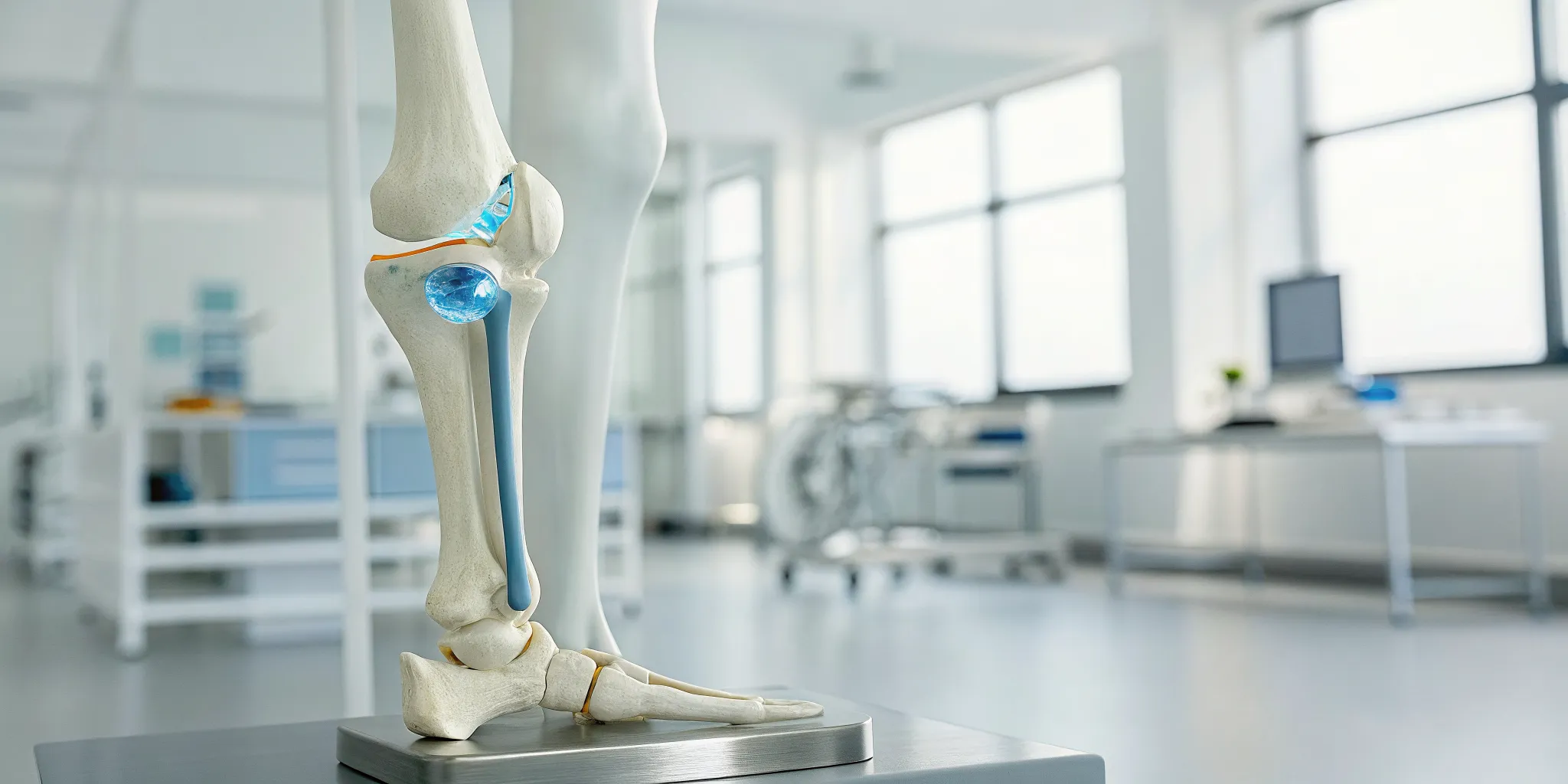
Choosing a regenerative treatment like PRP therapy is an investment in your long-term health and mobility. You are actively participating in your body’s healing process. Like any important investment, you want to understand the potential return. In this case, the return is sustained pain relief and improved function. This naturally leads to the critical question: for a prp injection knee how long does it last? The answer depends on a combination of factors, from the severity of your knee condition to your overall health. We’ll break down what influences the longevity of your results and how you can play an active role in maximizing them.
Key Takeaways
- Embrace the Healing Process: PRP therapy works by stimulating your body’s natural repair mechanisms, not by masking pain. Expect gradual improvement over several weeks as your knee tissues regenerate, rather than an instant fix.
- Your Outcome is Unique to You: The longevity of your results—often lasting six months to over a year—is directly tied to your specific condition, overall health, and adherence to post-treatment care. Taking an active role in your recovery leads to better, more durable relief.
- A Series of Treatments May Be Necessary: While a single injection can provide significant relief, a personalized plan often includes multiple treatments spaced weeks apart. This approach builds on your progress to achieve the most comprehensive and lasting results.
How Do PRP Injections Heal Your Knees?
If you’re dealing with knee pain, you’ve likely heard about various treatments, from physical therapy to surgery. But there’s another option that uses your body’s own healing power to address the problem at its source: Platelet-Rich Plasma (PRP) therapy. Instead of just masking symptoms, PRP therapy is a regenerative approach that encourages damaged tissues in your knee to repair themselves. It’s a non-surgical way to find lasting relief and get back to the activities you love.
The process is straightforward and harnesses your body’s natural abilities. By concentrating the healing components already in your blood and delivering them directly to the site of your injury, PRP injections can help reduce inflammation, repair cartilage, and improve overall joint function. It’s a personalized treatment that’s becoming a go-to for anyone looking to avoid more invasive procedures and support their body’s long-term health. Let’s walk through exactly how it works.
The Science of Platelet-Rich Plasma
So, what exactly is Platelet-Rich Plasma? The best part is that it comes from you. PRP is a concentration of platelets and growth factors created from a small sample of your own blood. The process starts with a simple blood draw, similar to what you’d have at a routine check-up. That sample is then placed in a centrifuge—a machine that spins at high speed to separate the blood into its different components. This spinning process isolates the platelets, creating a golden, plasma-rich liquid that is packed with powerful healing proteins. This concentrated liquid is the Platelet-Rich Plasma that will be used for your treatment.
How PRP Promotes Natural Healing
Once the PRP is prepared, it’s carefully injected into your knee joint, right where the damage is. The magic is in the platelets. These tiny cells are your body’s first responders to injury, and they are loaded with growth factors. When injected into your knee, these growth factors send signals to your body to begin the repair process. They help repair damaged tissues, reduce swelling, and ease pain. This treatment can also kickstart the production of new collagen, a crucial protein for building healthy cartilage and connective tissues. It’s a way of giving your body a supercharged dose of the exact healing tools it needs to fix itself from the inside out.
PRP vs. Other Knee Injection Treatments
When considering knee injections, you might also hear about options like hyaluronic acid. While those can provide temporary relief, studies show that PRP often delivers more significant and longer-lasting results. Research from the Mayo Clinic suggests that PRP is more effective than other injections for improving pain and function, with benefits that can last from six to twelve months. For conditions like knee osteoarthritis, PRP appears to be a particularly helpful treatment, offering a way to manage symptoms and improve your quality of life without turning to more aggressive interventions.
How Long Do PRP Knee Injections Last?
One of the most common questions we hear is about the longevity of PRP results. It’s a fair question—you want to know what to expect from your investment in your health. While the duration of relief is unique to each person, the goal of PRP therapy is to stimulate your body’s own healing mechanisms for lasting improvement, not just to mask symptoms. The effects are designed to be durable, supporting your joint health for months to come.
Typical Timelines for Different Knee Conditions
For many people, the benefits of PRP knee injections last anywhere from six to nine months, with some patients experiencing positive effects for a year or longer. The specific condition being treated plays a big role. For instance, if you’re dealing with chronic knee arthritis, PRP can offer significant pain relief and improved function for many months. The treatment works by reducing inflammation and encouraging tissue repair, so the timeline often depends on the extent of the initial damage and how your body responds to this healing signal.
Your Path to Pain Relief and Better Function
While the long-term benefits are significant, you won’t have to wait months to feel a difference. Most patients begin to notice improvements within two to three weeks of their first injection. This isn’t an overnight fix; it’s a gradual process as your body’s healing cascade gets to work repairing damaged tissue. Patients consistently report not just a reduction in pain, but also a real improvement in their knee’s mobility and function, allowing them to move with greater ease. This progressive healing is a hallmark of effective joint regeneration.
Why Your Results May Vary
Your body is unique, and so is your healing journey. The duration of your PRP results is influenced by several key factors. The severity of your knee condition is a primary consideration; a minor sprain will likely respond differently than advanced osteoarthritis. Your overall health, age, and activity level also play a crucial part in how well your body responds to the treatment. Finally, how you care for your knee after the injection is vital. Following your post-treatment plan helps create the optimal environment for healing and can directly impact how long you experience the benefits.
What Affects How Long PRP Injections Last?
When you invest in your health with a treatment like PRP therapy, one of the biggest questions is, “How long will the relief last?” The answer isn’t a simple number, because the duration of your results depends on a unique combination of factors. Think of it less like a medication with a standard half-life and more like planting a garden—the final result depends on the quality of the seeds, the condition of the soil, and how well you tend to it after planting.
Your body’s response to PRP is influenced by everything from the specific nature of your knee injury to your overall health and lifestyle choices. The quality of the PRP itself and the precision of the injection also play a significant role. By understanding these key variables, you can set realistic expectations and, more importantly, learn how to actively participate in your healing process. A personalized treatment plan is designed to account for these factors, giving you the best possible chance for sustained pain relief and improved function in your joints.
The Severity of Your Knee Condition
The nature and extent of your knee issue are primary factors in how long your PRP results will last. A minor ligament sprain or mild tendonitis will likely respond more quickly and for a longer duration than advanced, chronic osteoarthritis. For less severe conditions, the healing environment created by PRP can provide substantial, long-lasting relief.
For more significant joint degeneration, like moderate to severe arthritis, PRP is still highly effective at reducing inflammation and stimulating repair, but the results might have a different timeline. While many people experience relief for six to nine months, some find their benefits last for up to two years. In cases of extensive damage, a series of injections, often spaced four to six weeks apart, may be recommended to build upon the initial results and achieve more durable pain relief.
Your Age, Health, and Activity Level
Your body is the engine that drives the healing process, and its overall condition matters. A younger, healthier individual often has a more robust cellular response, which can lead to faster and more prolonged results from PRP injections. Your body’s inherent ability to repair itself is a powerful ally in regenerative medicine.
Factors like your general health, diet, and activity level also contribute significantly. If you maintain a healthy lifestyle, your body is better equipped to use the growth factors from the PRP injection to repair damaged tissue. Conversely, conditions like metabolic syndrome or habits like smoking can create inflammation that may hinder the healing process. Your initial response to the injection is often a good indicator of how your body will continue to heal over time.
Quality of the PRP and Injection Method
Not all PRP treatments are created equal. The effectiveness of your injection starts with the quality of the platelet-rich plasma itself. The concentration of platelets can vary depending on the system used to process your blood. At Miami Stem Cell, we use advanced preparation methods to ensure a high concentration of platelets and growth factors, giving your body the powerful building blocks it needs for joint regeneration.
Equally important is the skill of the person administering the injection. To be effective, the PRP must be delivered precisely to the source of the injury within the knee joint. We use image-guiding technology, like ultrasound, to see exactly where the needle is going. This precision ensures the concentrated healing factors get right to work where they are needed most, which is critical for achieving the best possible outcome.
Your Post-Treatment Care and Lifestyle
What you do after your PRP injection is just as important as the procedure itself. Your commitment to the recovery plan is essential for maximizing and extending your results. This includes following instructions for rest and activity modification in the days and weeks after your treatment to allow the healing process to begin without interruption.
Your doctor will likely recommend a physical therapy program tailored to your specific needs. Sticking with this program is crucial, as it helps strengthen the muscles supporting your knee, improves flexibility, and protects the joint as it heals. For some, periodic “maintenance” injections may be suggested to manage symptoms long-term. By taking an active role in your aftercare, you help ensure your results are not only effective but also long-lasting.
What to Expect During Your PRP Recovery
Knowing what comes after your PRP injection is just as important as the procedure itself. Your body needs time to respond to the treatment and begin the natural healing process. While recovery is typically straightforward, being prepared for the first few days and weeks will help you feel more comfortable and confident as your knee begins to repair itself. The key is to listen to your body and follow the guidance provided by your medical team.
Immediately After Your Injection
It’s completely normal to feel some soreness and see bruising at the injection site right after your procedure. You might even notice that the pain increases a bit for the first 48 hours. This is actually a good sign—it means your body’s healing mechanisms have been activated and are getting to work. To protect the area and allow the PRP to settle in, you should avoid washing the injection site for the first two days. This initial discomfort is temporary and should start to improve within a few days as the inflammation subsides and the repair process continues.
Managing Pain and Activity Levels
To keep discomfort at a minimum, you can apply an ice pack to your knee and take acetaminophen (like Tylenol). It’s very important to avoid anti-inflammatory medications such as ibuprofen or naproxen unless your doctor specifically tells you to take them, as they can interfere with the healing response that PRP therapy is designed to create. Your doctor will give you personalized instructions about rest and when you can gradually return to your normal activities. Following this advice is crucial for giving your knee the best possible chance to heal effectively.
When to Call Your Doctor
While some discomfort is expected, you should always be mindful of how you’re feeling. If you experience any severe or sharp pains, significant bruising, or excessive bleeding from the injection site, it’s important to get in touch with your doctor right away. Our team is here to support you, so please don’t hesitate to contact us with any concerns. Additionally, keep in mind that healing takes time. If you don’t see the improvement you were hoping for after about three months, your doctor may discuss the possibility of a second injection to further support your recovery.
Will You Need More Than One PRP Injection?
While a single PRP injection can provide significant relief, it’s common to need a series of treatments for the best possible outcome. Think of it less as a one-time fix and more as a therapeutic process that works in sync with your body’s natural healing timeline. Your body needs time to respond to the powerful growth factors and begin the complex cascade of tissue repair. A series of injections can amplify and sustain this regenerative process, leading to more comprehensive and longer-lasting results for your knee joint.
Your specific treatment plan will always be tailored to you, your condition, and how your body responds. We’ll work together to create a schedule that supports your healing goals, ensuring each step is designed to build upon the last. This personalized approach is key to achieving optimal joint health and getting you back to moving with confidence and comfort.
The Benefits of Multiple Treatments
Many people find that the benefits of PRP therapy increase with each session. While relief from a single injection can last for several months, a series of treatments often delivers more profound and durable results. If your initial injection provides some improvement but doesn’t fully meet your goals after a few months, a second or third treatment can build on that progress. This layered approach helps saturate the injured tissue with healing growth factors, giving your body the sustained support it needs to repair damage, reduce inflammation, and restore function more effectively over time. It’s about creating a consistently healing environment within the joint.
How to Space Out Your Injections
Proper timing is key to getting the most out of your PRP treatments. If you need more than one injection, we typically schedule them about four to six weeks apart. This interval is strategic—it gives your body enough time to react to the initial treatment and begin its natural healing process before we introduce the next wave of growth factors. For many knee conditions, a common and effective protocol involves three injections over a six-month period. This schedule allows us to create a consistent, healing-focused environment within the joint, which is often essential for addressing chronic pain and long-standing tissue damage.
Using Injections for Long-Term Relief
The ultimate goal of PRP is to provide lasting relief and improved function, helping you get back to the activities you love. While the effects aren’t permanent, they can last anywhere from nine months to two years, depending on your specific condition, your overall health, and how you care for your knee post-treatment. By stimulating your body to rebuild healthier tissue, PRP can effectively reduce pain and swelling while improving mobility. For many, this approach to joint regeneration is a powerful way to manage symptoms and, in some cases, delay or even avoid the need for more invasive procedures like surgery.
Common Myths About PRP for Knees
When you’re exploring new treatments for knee pain, it’s easy to run into conflicting information. Platelet-Rich Plasma (PRP) therapy is an incredible tool for natural healing, but it’s also surrounded by a few common misconceptions. Let’s clear the air and look at the facts so you can approach your treatment with confidence and realistic expectations. Understanding what PRP can—and can’t—do is the first step toward making an informed decision for your health.
Myth: The Results Are Permanent
While PRP injections offer significant and long-lasting relief, they aren’t a permanent fix. Think of it as kickstarting your body’s repair crew rather than a one-time construction project. The benefits can last anywhere from nine months to two years, depending on your specific condition, its severity, and how your body responds. Because PRP works with your body’s natural healing cycle, the ongoing processes of aging and daily wear-and-tear still apply. For chronic conditions like arthritis, you may find that follow-up treatments are an effective way to manage symptoms and maintain your mobility long-term.
Myth: You’ll Feel Better Instantly
It’s important to remember that PRP is a regenerative treatment, not a painkiller like a cortisone shot. It works by stimulating your body to repair damaged tissue, and that process takes time. You won’t walk out of the clinic feeling brand new. In fact, it’s common to experience some mild inflammation and soreness for a few days after the injection—this is a sign that the healing cascade has begun. Most people start to notice a gradual improvement in pain and function over several weeks as the growth factors get to work. Patience is key; the goal of PRP therapy is lasting repair, not a temporary mask for your symptoms.
Myth: PRP Is a Cure-All
PRP is a powerful and promising alternative to surgery for many people, but it’s not a miracle cure for every knee problem. Its effectiveness is closely tied to the specific diagnosis, the extent of the tissue damage, and your overall health. For example, it can be highly effective for mild to moderate osteoarthritis, tendon injuries, and ligament sprains. However, it may not be the best option for very severe, bone-on-bone arthritis. This is why a thorough evaluation is so critical. A personalized treatment plan ensures that PRP is the right choice for your unique situation and gives you the best possible chance for success. To find out if you’re a candidate, it’s best to schedule a consultation.
Related Articles
- PRP Injection Knee Success Rate: What to Expect
- Say Goodbye to Arthritis Pain: Unleashing the Potential of PRP Injections
- A2M vs. PRP for Knee Pain: Which Is Best?
- Avoid Surgery: Bone on Bone Knee Replacement Alternatives
Frequently Asked Questions
Is the PRP injection process painful? This is a very common question, and it’s completely understandable to be concerned about comfort. The procedure itself is quite quick. You will feel a pinch from the needle, but we often use a local anesthetic to numb the area, which makes the injection much more comfortable. It’s normal to feel some pressure or fullness in the knee during the injection, and as we covered, some soreness for a day or two afterward is a positive sign that the healing process is underway.
How is PRP different from a cortisone shot for knee pain? While both are injections used for knee pain, they work in fundamentally different ways. A cortisone shot is a powerful steroid that works by suppressing inflammation to provide rapid pain relief. However, its effects are temporary and it doesn’t address the underlying tissue damage. PRP, on the other hand, is a regenerative treatment. It uses the concentrated growth factors from your own blood to stimulate your body’s natural repair mechanisms, helping to heal the injured tissue for more sustainable, long-term results.
What makes someone a good candidate for PRP knee injections? PRP therapy is often a great option for individuals with mild to moderate knee osteoarthritis, chronic tendon injuries like patellar tendonitis, or ligament sprains. It’s ideal for people who want to avoid surgery and are looking for a solution that supports the body’s own healing abilities. The best way to know for sure is through a consultation, where we can evaluate the extent of your knee condition and determine if PRP is the most effective path for you.
Are there any risks or side effects I should know about? PRP is considered a very safe procedure, primarily because it uses your own blood. This virtually eliminates the risk of an allergic reaction or disease transmission. The most common side effects are minor and temporary, such as soreness, swelling, or bruising at the injection site for a few days. As with any injection, there is a very small risk of infection, but we follow strict sterile protocols to minimize this.
Why is it so important to avoid anti-inflammatory medications after the injection? This is a crucial part of your recovery. The PRP injection is designed to create a controlled inflammatory response in your knee. This inflammation is the first signal that tells your body to send healing cells and growth factors to the area to start repairing the tissue. If you take an anti-inflammatory medication like ibuprofen, you would essentially be shutting down this vital first step, which could interfere with the treatment’s effectiveness.