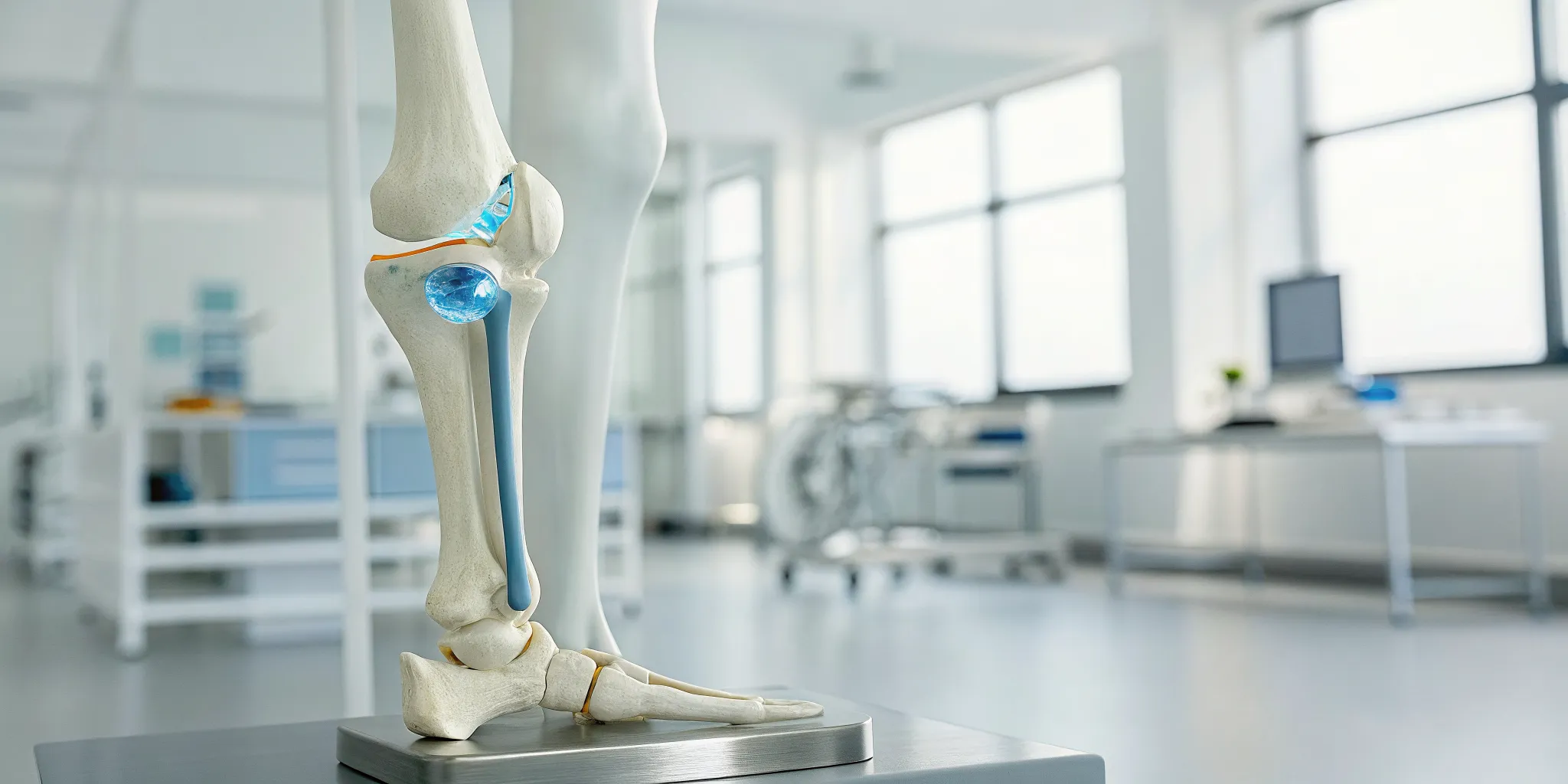
Your body has an amazing, built-in ability to heal itself. Platelet-Rich Plasma (PRP) therapy simply harnesses that natural power. We concentrate the potent growth factors found in your own blood and deliver them directly to your injured knee joint. This process helps calm inflammation and kickstart the repair of damaged cartilage and tissues. But what does the science say? The prp for knee latest clinical studies are incredibly encouraging, especially for those with mild to moderate osteoarthritis. We’ll break down what the research reveals about the prp treatment knee latest success rates and help you understand what a realistic recovery timeline looks like.
Key Takeaways
- PRP works with your body to heal, not just hide, knee pain: This treatment uses a concentrated dose of your own platelets to repair damaged tissue and reduce inflammation, addressing the underlying cause of your discomfort for more sustainable relief.
- Early action and expert application are key to your success: PRP delivers the best results for mild to moderate knee osteoarthritis. Your outcome is directly influenced by seeking treatment sooner and choosing a provider who uses high-quality PRP and precise, image-guided injection techniques.
- Expect gradual improvement and a lasting impact: Meaningful pain relief and better mobility typically develop within four to six weeks and can last for a year or more. Following your personalized aftercare instructions is vital for supporting your body’s healing process and achieving the best results.
What Exactly is PRP for Knee Pain?
If knee pain is keeping you from living your life to the fullest, you’ve likely explored a range of treatments. Platelet-Rich Plasma (PRP) therapy offers a different approach. Instead of just masking symptoms with medication or resorting to invasive surgery, PRP is a form of regenerative medicine that uses your body’s own powerful healing abilities to address the root cause of your pain. The treatment involves creating a concentrated solution of platelets from your own blood and injecting it directly into your knee joint.
These platelets are packed with growth factors—specialized proteins that act as command signals for your body’s repair crew. When introduced to an injured or degenerated area, they help reduce inflammation, slow down tissue breakdown, and stimulate the growth of healthy new cells. This process can help repair damaged cartilage, tendons, and ligaments within the knee. As a leading non-surgical option for joint regeneration, PRP therapy supports your body’s natural healing cascade to restore function and provide lasting relief. It’s a proactive way to manage knee pain and improve your overall quality of life.
How PRP Activates Your Natural Healing
The beauty of PRP therapy lies in its simplicity and its use of your body’s own resources. The process starts with a simple blood draw, just like you’d have at a routine check-up. We then place your blood into a centrifuge, a machine that spins at high speed to separate the components. This allows us to isolate and concentrate the platelets and growth factors, creating a powerful healing serum.
This platelet-rich plasma is then carefully injected into your knee joint. Think of it as delivering a team of expert repair workers directly to the site of injury. Because the injection is made from your own blood, the treatment is incredibly safe and the risk of an adverse reaction is extremely low. It’s a straightforward way to harness your innate healing potential and direct it where you need it most.
Why Knee Cartilage Struggles to Heal on Its Own
To understand why treatments like PRP are so beneficial, it helps to know why your knee can’t always fix itself. The smooth, white tissue that cushions the ends of your bones in the knee joint is called articular cartilage. Unlike most other tissues in your body, this cartilage has a very limited blood supply. Blood acts like a delivery service, bringing oxygen, nutrients, and healing factors to injured areas. Without this direct line, the cartilage is essentially cut off from the resources it needs to repair itself effectively. The cells within the cartilage also have a tough time multiplying and moving to the site of an injury to patch things up. This is why cartilage damage from an injury or from the gradual wear and tear of arthritis often doesn’t heal well on its own, leading to chronic pain and stiffness. The body’s natural repair crew simply can’t get to the job site.
What PRP Does for Your Knee Joint
Once injected into the knee, the concentrated growth factors in the PRP get to work immediately. They send signals that can help reduce the chronic inflammation that causes so much pain and stiffness in conditions like osteoarthritis. At the same time, they encourage the repair of damaged cartilage and other soft tissues, helping to restore the joint’s natural cushion and stability. This can slow the progression of degenerative joint disease.
PRP therapy is often most effective in the earlier stages of knee osteoarthritis, suggesting that taking action sooner can lead to better outcomes. For many people with mild to moderate knee issues, PRP can be a game-changer, helping them avoid or delay the need for more invasive procedures like knee replacement surgery while improving their mobility and reducing pain.
Does PRP for Knees Actually Work? The Latest Research
When you’re dealing with the daily grind of knee pain, the most important question is simple: does the treatment actually work? For many people with knee osteoarthritis, the answer is a resounding yes. Platelet-Rich Plasma (PRP) therapy offers significant, lasting relief without the need for surgery. While every person’s outcome is unique, a growing body of clinical evidence shows that PRP is a highly successful option for reducing pain and improving joint function.
Success isn’t just about numbers on a chart; it’s about getting you back to your morning walks, playing with your grandkids, and living with less pain. Let’s look at what the research says and what you can realistically expect from the treatment.
What Do the Clinical Studies Say?
When we look at the data, a clear and promising picture emerges. Clinical studies show that about 60% to 70% of patients experience at least a 50% improvement in both pain and knee function for six to twelve months. Further research supports this, finding that roughly six out of ten patients felt better after their treatment. The results are even more impressive for those with milder osteoarthritis, where the success rate jumps to about 75%. This tells us that PRP therapy is a highly effective option for managing knee pain and improving mobility without surgery.
Evidence of Cartilage Improvement on MRI
It’s one thing to feel a difference in your knee, but it’s another to see physical evidence of healing. Advanced imaging like MRIs gives us a window into what’s happening inside the joint, and the results are encouraging. One study found that PRP injections didn’t just reduce pain; they also led to positive structural changes, including improved cartilage volume and less swelling, all visible on an MRI. This visual confirmation supports what patients feel. The growth factors in PRP work to reduce inflammation and protect existing cartilage while encouraging new cell growth. This multi-faceted approach helps to create a healthier joint environment, which can lead to measurable improvements in cartilage health and overall function.
When Will My Knee Feel Better?
One of the first things people ask is how quickly they’ll notice a difference. While everyone’s body responds uniquely, most patients start to feel less pain and find it easier to move within a few weeks of their injection. These positive effects aren’t fleeting, either—they can last for several months, giving you meaningful, long-term relief. It’s also completely normal to have some temporary soreness or mild inflammation at the injection site for a few days. This is actually a good sign that your body’s natural healing process has been activated and is getting to work repairing the damaged tissue in your knee joint.
Does the Severity of Knee Osteoarthritis Matter?
When it comes to treating knee osteoarthritis with PRP, timing can make a significant difference. The stage of your arthritis—whether it’s mild, moderate, or severe—plays a crucial role in how well your body responds to the treatment. Think of it like this: it’s much easier to repair a small crack in a sidewalk than to rebuild the entire thing after years of damage. The same principle applies to your joints. The less wear and tear the cartilage has sustained, the more effectively PRP can support your body’s natural healing processes.
Clinical research consistently shows a clear trend: patients in the earlier stages of knee osteoarthritis tend to have more successful outcomes. This doesn’t mean that those with more advanced arthritis can’t find relief, but it does highlight the advantage of addressing knee pain before it progresses. Understanding where you fall on this spectrum can help you set realistic expectations and make an informed decision about your treatment plan. Let’s break down what the studies show for each stage of osteoarthritis.
Treating Mild Knee Osteoarthritis with PRP
If you’ve recently been diagnosed with mild knee osteoarthritis, often classified as Kellgren-Lawrence (KL) grade 2, the outlook with PRP is very encouraging. This is the stage where you might feel annoying stiffness or a dull ache after certain activities, but the structural damage to your joint is still limited. Research shows that approximately 75% of patients with mild knee osteoarthritis experience significant improvement after PRP therapy. This means three out of four people in this group find meaningful relief from pain and an increase in joint function, allowing them to get back to walking, exercising, and living with greater comfort.
Can PRP Help Moderate to Severe Cases?
For those with more advanced joint degeneration, the results are more varied. In cases of moderate osteoarthritis (KL grade 3), about 66% of patients still report positive outcomes. When the condition becomes severe (KL grade 4), that number is closer to 51%. While a majority of patients still benefit, the success rate declines as the cartilage damage becomes more extensive. At these later stages, the joint environment is more challenging to repair. However, for many, a 51% chance at meaningful pain relief without surgery is still a powerful and worthwhile option for improving their quality of life.
Why Earlier Treatment Is Often Better
The data points to a clear conclusion: PRP therapy is most effective in the earlier stages of knee osteoarthritis. By addressing joint pain when it first starts, you give your body the best possible chance to heal and slow the progression of arthritis. Early intervention can help you maintain mobility, reduce pain, and potentially delay or even avoid the need for more invasive procedures like knee replacement surgery down the road. A retrospective cohort study on the topic confirms that catching and treating KOA early leads to better long-term results, reinforcing the old wisdom that an ounce of prevention is worth a pound of cure.
The Link Between Cartilage Injury and Osteoarthritis
The smooth, white tissue that cushions your knee joint, known as articular cartilage, has a major design flaw: it’s terrible at healing itself. Because it lacks its own blood supply, it doesn’t get the steady stream of nutrients and healing factors needed for effective repair. So, when an injury occurs, it often creates a domino effect. The initial damage doesn’t heal properly, leading to increased friction, inflammation, and the gradual breakdown of the joint that defines osteoarthritis. In fact, a significant cartilage injury can make you over seven times more likely to develop arthritis in that joint. This is where regenerative treatments like PRP therapy step in. By delivering a high concentration of your body’s own growth factors directly to the site, PRP helps overcome the cartilage’s natural limitations, supporting the repair process to help prevent a minor injury from becoming a chronic condition.
Will PRP Work for You? Key Factors to Consider
When you’re considering a treatment like PRP, it’s natural to wonder what makes it successful. While the therapy itself is designed to work with your body’s natural healing abilities, the outcome isn’t just a matter of chance. Several key factors can significantly influence how well PRP works for your knee pain, and understanding them can help you set realistic expectations and choose the right provider.
The success of your treatment hinges on three main components: your individual health profile, the quality of the platelet-rich plasma used, and the skill with which it’s administered. Think of it like baking a cake—even with the best ingredients, you still need the right recipe and a skilled baker to get a great result. Similarly, effective PRP therapy depends on a combination of a well-prepared injection and a precise, expert application. It’s not just about getting an injection; it’s about getting the right injection, prepared and administered in a way that gives your body the best possible tools to heal itself. Let’s break down what that means for you and your knees.
The Impact of Your Age and Overall Health
Many people worry that their age or other health factors might make them a poor candidate for regenerative treatments. It’s a valid concern, but the research might surprise you. When it comes to PRP for knee osteoarthritis, one study found that a patient’s age, sex, or body weight didn’t significantly affect how well the treatment worked.
This is great news because it suggests that PRP’s effectiveness isn’t limited to a narrow group of people. Your body’s healing potential doesn’t just switch off at a certain age. While overall health is always important for recovery, these findings show that the focus should be less on your personal stats and more on the quality of the treatment you receive.
Why Not All PRP Treatments Are Created Equal
Not all PRP is created equal, and this is one of the most critical factors for success. The “rich” in platelet-rich plasma is key. A high-quality PRP injection contains a dense concentration of platelets, which are packed with the growth factors that signal your body to start the repair process. If the PRP is too diluted, it simply won’t have enough power to make a meaningful difference.
At Miami Stem Cell, we use a meticulous, dual-spin centrifugation process to ensure your PRP is highly concentrated and potent. This preparation is vital because it creates a powerful solution tailored to your body, giving you the best possible chance for significant relief and healing.
The Lack of a Universal Standard for PRP
A significant challenge within the field of regenerative medicine is the lack of a universal standard for preparing PRP. There isn’t one single, agreed-upon recipe for the centrifugation speed, time, or final platelet concentration. This variability makes it difficult to compare results across different studies and, more importantly, means the quality of treatment can differ dramatically from one clinic to another. This is why the expertise of your provider is so critical. A clinic that follows a meticulous, science-backed protocol ensures you receive a consistently potent product designed for optimal results, taking the guesswork out of your PRP therapy.
Different Types of PRP: Leukocyte-Rich vs. Leukocyte-Poor
Going a step deeper, PRP can be categorized into two main types: leukocyte-rich (LR-PRP) and leukocyte-poor (LP-PRP). Leukocytes are white blood cells, and their presence can influence the body’s response. LR-PRP contains a higher concentration of these cells, which can create a more robust inflammatory response that some researchers believe is beneficial for certain conditions, like knee arthritis. In contrast, LP-PRP has most of the white blood cells removed, resulting in a less inflammatory initial reaction. The best choice depends entirely on your specific injury and treatment goals, highlighting the importance of a personalized approach from a knowledgeable medical team.
Advanced Options: Platelet-Rich Fibrin Matrix (PRFM)
Beyond traditional PRP, more advanced formulations like Platelet-Rich Fibrin Matrix (PRFM) are available. Think of PRFM as the next generation of platelet therapy. While standard PRP delivers a powerful burst of growth factors, PRFM uses a natural fibrin scaffold—a kind of biological mesh—to protect and preserve the platelets. This matrix keeps the growth factors at the injection site, allowing them to be released slowly and steadily over a longer period. This sustained release can provide a more prolonged healing response, making it an excellent option for comprehensive joint regeneration.
Why Your Doctor’s Injection Technique Matters
Even the highest-quality PRP won’t be effective if it doesn’t reach the right spot. The knee joint is a complex structure, and the injection must be delivered precisely to the area of damage. An experienced practitioner doesn’t just guess; they use advanced imaging, like ultrasound guidance, to see inside the joint in real-time.
This technique allows for pinpoint accuracy, ensuring the PRP is administered exactly where it’s needed most. It also dramatically improves the safety of the procedure, minimizing the already low risk of nerve or tissue damage. The skill and experience of the medical team performing the injection are just as important as the PRP itself, ensuring a safe, comfortable, and effective treatment.
What Should You Realistically Expect from PRP Knee Injections?
When you’re dealing with persistent knee pain, you want a clear picture of what a treatment can actually do for you. While every person’s healing journey is unique, we can set some realistic expectations for PRP therapy based on clinical evidence and our own experience. The goal isn’t just to mask the pain but to support your body’s natural repair processes for lasting relief and better function.
PRP works with your body, not on it. This means the results appear gradually as your tissues respond to the concentrated growth factors. It’s a process of rebuilding and reducing inflammation from the inside out. Let’s walk through what that timeline typically looks like and how long you can expect to enjoy the benefits.
Setting Realistic Expectations for Recovery
Patience is key right after your injection. It’s common to feel some initial soreness or fullness in the knee for a few days as the healing cascade begins. This is a normal response. Most people start to notice the first real signs of improvement, like reduced pain and better mobility, within four to six weeks.
The benefits continue to build from there. As your body uses the growth factors to repair tissue and calm inflammation, you’ll likely experience a steady increase in function and a decrease in discomfort over the next few months. Many patients find that this gradual progress allows them to return to activities they once had to avoid, making PRP therapy a powerful tool for reclaiming an active lifestyle.
How Long Do the Benefits of PRP Last?
One of the most significant advantages of PRP is the duration of its effects. Unlike treatments that offer only short-term relief, PRP aims to address the underlying issue. Many clinical studies show that the positive effects of PRP injections can last for six to 12 months, and sometimes even longer.
Research backs this up, with one major analysis finding that over 60% of patients still reported improvement a full year after their treatment. This lasting relief is why so many people choose PRP as part of their long-term strategy for joint regeneration. It’s not a temporary fix; it’s an investment in your body’s ability to heal itself and maintain joint health over time.
PRP for Knees: Fact vs. Fiction
You may have heard people dismiss PRP as an unproven or trendy treatment, but that simply isn’t the case. The effectiveness of PRP for knee osteoarthritis is supported by numerous high-quality scientific studies, including randomized controlled trials. These studies consistently show that PRP provides more significant and longer-lasting benefits than placebo, corticosteroid shots, and even hyaluronic acid injections.
PRP isn’t a miracle cure, but it is a science-backed medical procedure that uses your body’s own healing components to improve pain and function. By concentrating platelets and their growth factors, we can create a powerful healing response right where you need it most. If you have more questions, our FAQs page is a great resource for straightforward answers.
How Does PRP Compare to Other Knee Treatments?
When you’re dealing with knee pain, it’s easy to feel overwhelmed by the different treatment options. You’ve probably heard about corticosteroid shots and hyaluronic acid injections, as they’re frequently recommended. But it’s crucial to understand how these treatments work and how they compare to a regenerative approach like PRP. Many conventional treatments are designed to manage symptoms—they reduce inflammation or lubricate the joint to give you temporary relief. PRP therapy, on the other hand, is fundamentally different. It’s designed to work with your body’s natural healing processes to address the underlying cause of the damage.
By using a concentration of platelets and growth factors from your own blood, PRP doesn’t just mask the pain; it actively encourages tissue repair. This distinction is key. While other injections might offer a quick fix, their effects can be short-lived, sometimes requiring repeated treatments just to keep pain at bay. Regenerative medicine aims for a more sustainable solution by helping your knee joint heal itself. This can lead to longer-lasting pain relief and improved function, getting you back to the activities you love. Let’s break down exactly how PRP compares to these other common knee treatments.
PRP vs. Steroid Shots: What’s the Difference?
Corticosteroid injections are powerful anti-inflammatories that can offer very fast relief from knee pain, which is why they’re so common. Many people feel a significant improvement within the first few weeks. However, this relief is often temporary. Studies show that while steroids might provide a quicker initial fix, PRP injections typically deliver better and more sustained results after three to six months. That’s because steroids focus on shutting down inflammation, while PRP delivers a concentration of growth factors to the injured tissue, encouraging actual repair. For long-term pain management, PRP is focused on healing, not just silencing the symptoms for a short while.
How PRP Compares to Hyaluronic Acid (Gel Shots)
Hyaluronic acid (HA) injections, sometimes called “gel shots,” are another option for knee osteoarthritis. This treatment involves injecting a lubricating substance into the knee joint to reduce friction and ease pain, almost like adding oil to a squeaky hinge. While it can be helpful for some, research indicates that PRP is generally more effective. The benefits of PRP also tend to last longer, often for six to twelve months or more. The key difference is the mechanism: HA acts as a temporary cushion for the joint, while PRP actively stimulates your body to repair the damaged cartilage and tissues causing the arthritis symptoms in the first place.
### PRP vs. Bone Marrow Aspirate Concentrate (BMAC)
You may also hear about Bone Marrow Aspirate Concentrate (BMAC) as a regenerative option. This procedure involves drawing bone marrow from your hip and concentrating it for injection. While it’s sometimes marketed as a “stem cell” treatment, it’s important to look at the evidence. Current research has not shown that BMAC is any more effective than PRP for treating knee osteoarthritis. Despite some claims, there is no strong data to support the idea that BMAC can regrow cartilage. For this reason, PRP remains a more straightforward and scientifically supported choice for addressing knee pain and promoting healing within the joint.
The Potential of Combination Therapies
The best approach to healing isn’t always about a single treatment. Sometimes, a combination of therapies can create a more powerful, synergistic effect. For example, some emerging research suggests that combining PRP with hyaluronic acid (HA) injections may be more effective than using either treatment on its own. This strategy uses HA to provide immediate lubrication and cushioning to the joint while the PRP works on a deeper level to stimulate long-term tissue repair. A personalized treatment plan might include a combination of approaches to give your body the comprehensive support it needs to heal effectively and provide lasting relief from knee pain.
Is PRP Always the First Step?
PRP therapy tends to be most effective for individuals with mild to moderate knee osteoarthritis. By addressing the damage early, you may be able to slow the progression of the condition and avoid more invasive procedures down the road. For those with more advanced joint degeneration, however, PRP might not be enough on its own. In these cases, it may be time to discuss more comprehensive regenerative treatments. Therapies using mesenchymal stem cells and exosomes can offer a more powerful approach to significant tissue damage. A thorough consultation is the best way to determine the right path for your specific degree of joint degeneration and your long-term health goals.
Are You a Good Candidate for PRP Knee Therapy?
Deciding on any medical treatment is a big step, and it’s important to know if you’re likely to get the results you’re hoping for. While PRP therapy has helped many people find relief from knee pain, its effectiveness can depend on your specific situation. The best way to know for sure is through a personal consultation, but we can explore the factors that generally point toward a successful outcome. Let’s walk through who typically benefits most from PRP, what to expect in terms of safety, and when another approach might be a better fit.
Who Typically Sees the Best Results?
PRP therapy works best for individuals with mild to moderate knee osteoarthritis. This is because the platelets work to repair and regenerate tissue that still has healing potential. Clinical research supports this, showing that while about 62% of patients overall report feeling better after PRP, the success rate is higher for earlier stages of joint degeneration. One study found that roughly 75% of patients with mild osteoarthritis and 66% with moderate cases saw significant improvement. For those with severe arthritis, the number was closer to 51%. This tells us that if you’re just starting to experience persistent knee pain and stiffness, you are likely an excellent candidate for joint regeneration with PRP.
Is PRP for Knees Safe?
One of the biggest advantages of PRP is its strong safety profile. The treatment uses a concentrate of your own blood, which virtually eliminates the risk of allergic reactions or rejection. Most side effects are mild and temporary. It’s common to experience some soreness, inflammation, or swelling at the injection site for a few days. This is actually a positive sign that your body’s natural healing cascade has been activated. Though very rare, any procedure involving an injection carries a small risk of infection or nerve irritation. At Miami Stem Cell, we adhere to the strictest sterile protocols to ensure your PRP therapy is as safe as it is effective.
When PRP Might Not Be Your Best Option
The key takeaway from clinical studies is that acting sooner often leads to better results. If your osteoarthritis has progressed to a severe, “bone-on-bone” stage, PRP may offer only limited relief. In these advanced cases, there may not be enough healthy cartilage and tissue left for the growth factors to effectively repair. While some improvement is still possible, we believe in setting realistic expectations. For individuals with severe joint degeneration, we might discuss other powerful regenerative options, such as stem cell therapy, which may be better suited to address significant damage. The first step is always a thorough evaluation to determine the most effective path for you.
Important Considerations for Patients on Blood Thinners
If you take blood thinners like Coumadin, Plavix, or Pradaxa, it’s something we absolutely need to discuss before considering PRP therapy. These medications are designed to prevent blood clots, but in doing so, they can interfere with the very process that makes PRP effective—the activation of your platelets. Because the success of the treatment relies on these platelets releasing their powerful growth factors, being on a blood thinner can sometimes be a contraindication. It’s essential to have an open conversation with your primary care physician and our team. In some cases, your medication plan may need to be adjusted to ensure both the safety and effectiveness of your PRP treatment. Your health and a successful outcome are our top priorities, so full transparency about your medications is crucial.
What Are the Risks of PRP Injections?
Any medical procedure comes with questions about safety, and it’s smart to understand the full picture before moving forward. The great news is that PRP therapy is considered a very low-risk treatment. Because the injections are created from your own blood, the possibility of an allergic reaction or transmitting a disease is virtually eliminated. The entire process is designed to work with your body, not against it.
The most common issues are minor, temporary, and a normal part of the healing process. While more serious complications are very rare, they are possible, which is why the skill of your provider is so important. At Miami Stem Cell, we prioritize your safety by using precise techniques and adhering to the highest medical standards. We believe in transparency, so let’s walk through what you can expect and how we ensure your treatment is as safe and effective as possible.
What to Expect Immediately After the Shot
After your PRP injection, it’s normal to experience some mild pain, soreness, or swelling right at the injection site. Think of this as a positive sign—it’s your body’s natural inflammatory response kicking into gear, which is the first step in the healing cascade that PRP is designed to stimulate. This discomfort is usually temporary and tends to resolve on its own within a few days. We’ll give you clear aftercare instructions to help you manage these symptoms and ensure you feel comfortable during your recovery. Most patients find these effects to be minor and a small trade-off for the long-term relief they experience.
Our Approach to Your Safety
While extremely uncommon, risks like infection, nerve irritation, or tissue damage can occur with any injection-based procedure. This is where the expertise of your medical team becomes critical. We minimize these risks by adhering to strict sterile protocols to prevent infection. Furthermore, our specialists use precise, guided injection techniques to ensure the platelet-rich plasma is delivered exactly where it’s needed, avoiding surrounding nerves and tissues. Your safety is our top priority, and our team’s extensive training and experience in regenerative medicine are fundamental to providing a safe and successful outcome.
Following Strict Safety and FDA Guidelines
Our entire approach to PRP therapy is built on a foundation of safety and scientific evidence. We follow strict FDA-compliant guidelines for preparing and administering your injections, ensuring you receive the highest quality treatment. By using your body’s own powerful healing components, we help you achieve tissue regeneration and pain relief without the need for synthetic substances or invasive surgery. This commitment to safety is why PRP has such positive patient outcomes for joint injuries and chronic pain. We are dedicated to providing treatments that are not only effective but also align with your body’s natural ability to heal.
Understanding FDA Regulations for PRP Equipment
It’s easy to get confused about the FDA’s role in PRP therapy, so let’s clear things up. While the FDA doesn’t approve specific medical procedures like PRP injections, it does regulate the equipment used to prepare them. This is a critical distinction. The centrifuge and other tools used to create your personalized PRP solution are subject to strict FDA oversight to ensure they are safe and effective. As the Mayo Clinic explains, the FDA approves specific products, not entire medical procedures. The American Academy of Orthopaedic Surgeons also highlights that this regulation ensures the equipment meets safety and effectiveness standards. This oversight guarantees a level of quality control that protects you as a patient and is a key reason for the differences between overseas vs. USA stem cell treatments.
Your PRP Knee Treatment: A Step-by-Step Guide
Knowing what to expect can make any medical procedure feel more comfortable and straightforward. At Miami Stem Cell, we prioritize transparency and patient education every step of the way. Our process is designed to be efficient, precise, and tailored to your specific needs, ensuring you feel confident and cared for from your initial consultation to your final follow-up. We handle everything with meticulous attention to detail, so you can focus on your journey toward healing and recovery. Let’s walk through what your PRP treatment day will look like with us.
Step 1: The Blood Draw and Preparation
The first step in your PRP therapy is creating the platelet-rich plasma itself, and we do this using your body’s own resources. The process starts with a simple blood draw, much like you’d have at a routine check-up. We then place this small sample of your blood into a specialized machine called a centrifuge. This device spins at a high speed, separating the platelets and growth factors from the other components of your blood. The result is a concentrated, golden-hued plasma that is rich in the healing properties needed to target inflammation and support tissue regeneration in your knee. This careful preparation ensures we have a high-quality, potent solution ready for your injection.
Step 2: The Ultrasound-Guided Injection
Once your personalized PRP is prepared, we’re ready for the injection. Our medical team will bring you into a comfortable treatment room and clean the injection site on your knee. To ensure the PRP is delivered exactly where it’s needed most, we use ultrasound guidance. This imaging technology allows us to see inside the joint and place the injection with incredible precision, maximizing its effectiveness. You might feel some pressure or mild discomfort during the injection, but the procedure itself is very quick. We are committed to making the experience as smooth as possible, and our team will be there to support you throughout the entire process.
Step 3: Your Recovery and Follow-Up Plan
Your journey with us doesn’t end when the injection is complete. We believe that comprehensive follow-up care is essential for achieving the best possible results. After your procedure, we will develop a personalized treatment plan based on your specific condition and how you respond to the therapy. This plan may include recommendations for physical therapy to strengthen the joint, temporary activity modifications to protect the area as it heals, and follow-up appointments to monitor your progress. We’ll work with you to adjust the plan as needed, ensuring you have the support and guidance required to get back to the activities you love. You can always contact us to discuss your progress.
How to Get the Best Results From Your PRP Treatment
Your PRP treatment is a powerful tool for healing, but it’s also a partnership. The steps you take before and after your appointment are just as important as the procedure itself. Think of it this way: we provide the spark for regeneration, and your preparation and aftercare provide the fuel. By following a few simple guidelines, you can create the ideal environment for your body to heal and ensure you get the most out of your investment in your health. A little planning goes a long way in supporting the regenerative process and achieving lasting relief.
How to Prepare for Your PRP Injection
To get your body ready for PRP therapy, we’ll give you a specific set of instructions to follow. Generally, this involves avoiding anti-inflammatory medications (like ibuprofen or aspirin) for about a week before your appointment, as they can interfere with the platelet activation process. Staying well-hydrated is also crucial, so be sure to drink plenty of water.
One of the most significant steps you can take is addressing pain sooner rather than later. Research suggests that PRP therapy is often more effective in the earlier stages of conditions like knee osteoarthritis. By seeking treatment early, you may be able to manage your symptoms more effectively and potentially avoid more invasive surgeries down the line.
After Your Injection: Tips for a Smooth Recovery
After your injection, your main job is to rest and let your body’s healing mechanisms get to work. It’s completely normal to experience some temporary inflammation, soreness, or mild swelling at the injection site. This is actually a positive sign that the growth factors are starting the repair process, and these symptoms usually fade within a few days.
We’ll provide a personalized recovery plan, but the basics include resting the treated joint for the first 24-48 hours and gradually reintroducing activity. Just as you did before the procedure, you’ll need to avoid anti-inflammatory drugs that can blunt the healing response. Following your specific aftercare instructions is key to a smooth recovery and successful outcome. You can find answers to more common questions on our FAQs page.
Lifestyle Habits to Support Your Healing
PRP injections are designed to promote rapid healing and tissue regeneration, but your daily habits play a huge role in supporting this process long-term. Once the initial recovery period is over, focus on lifestyle choices that reduce inflammation and support joint health. Eating a balanced diet rich in whole foods, vitamins, and minerals provides your body with the building blocks it needs to repair tissue.
Maintaining a healthy weight is also essential, as it reduces the daily stress placed on your joints. We may also recommend specific physical therapy exercises to strengthen the muscles surrounding the joint, which improves stability and function. These lifestyle adjustments work in harmony with your pain management treatment, helping you build a foundation for lasting wellness.
Related Articles
- Say Goodbye to Arthritis Pain: Unleashing the Potential of PRP Injections
- A2M vs. PRP for Knee Pain: Which Is Best?
- Avoid Surgery: Bone on Bone Knee Replacement Alternatives
Frequently Asked Questions
How many PRP injections will I need for my knee? The number of treatments really depends on your specific situation, including the extent of the joint damage and how your body responds. Many people experience significant, long-lasting relief after just one injection. For others, a series of two or three injections spaced several weeks apart may provide the best outcome. We will create a personalized treatment plan with you after your initial evaluation to determine the right approach for your goals.
Is the PRP injection painful? You can expect to feel some pressure and mild discomfort during the injection itself, but the procedure is very quick. Afterward, it’s completely normal for your knee to feel sore or full for a few days. This is actually a good sign that your body’s healing response has been activated. We will provide you with aftercare instructions to help you manage any discomfort.
What is the recovery time after a PRP knee injection? Most people can return to their normal daily activities right away, but we recommend taking it easy for the first 24 to 48 hours. You should avoid strenuous activities or high-impact exercise for a short period to give the platelets time to work. We’ll give you a specific timeline based on your treatment, but the recovery is minimal compared to surgical procedures.
Why do I have to stop taking anti-inflammatory medications before and after my treatment? This is a great question because it gets to the heart of how PRP works. The therapy intentionally triggers a mild, controlled inflammatory response in your knee. This process is what signals your body to send in repair cells and growth factors. Anti-inflammatory drugs like ibuprofen or naproxen are designed to block this exact response, so taking them would essentially work against the treatment and limit its effectiveness.
Is PRP therapy for knee pain covered by insurance? Currently, most insurance providers consider PRP therapy to be an elective procedure and do not cover the cost. We believe in being completely transparent about this from the start. Our team is happy to discuss the cost of treatment and any available payment options with you during your consultation so you can make an informed decision.