Your body has an amazing capacity to heal itself. A simple cut closes, a bruise fades, and a sore muscle recovers. But what about deeper issues, like chronic joint pain or a tendon that just won’t get better? Sometimes, the body’s natural healing response needs a concentrated push to get the job done. This is where Platelet-Rich Plasma, or PRP therapy, comes in. It’s a regenerative treatment that uses a powerful solution created from your own blood to supercharge your body’s repair mechanisms right at the source of pain or injury. At Miami Stem Cell, we see PRP as a cornerstone of modern wellness, helping people recover from injuries, manage arthritis, and even restore hair, all by harnessing the power that’s already inside you.
In the realm of regenerative medicine, there’s been a rising star gaining immense traction: PRP Therapy (Platelet-Rich Plasma Therapy). At Miami Stem Cell, our commitment has always been towards cutting-edge and personalized treatment modalities. And our PRP therapy stands as testament to this approach.
What’s a Stem Cell and How Does PRP Therapy Relate?
For many, the term “stem cell” might sounds complex. In essence, stem cells are the building blocks of life, capable of becoming various specialized cells. While embryonic stem cells come from embryos (and they are not legal in the US), autologous stem cells are harvested from the patient’s own body. This leads to treatments like Autologous Stem Cell Transplant, which utilizes the body’s innate ability to heal. PRP, a component of your blood enriched with platelets, complements this approach by promoting healing when introduced to damaged areas.
How PRP Therapy Works
The Science Behind the Treatment
Key Components: Plasma and Platelets
To understand how PRP therapy works, let’s first look at your blood. It’s made of a liquid called plasma, which carries red cells, white cells, and platelets. Platelets are the heroes of this story. While they’re famous for helping blood clot when you get a cut, they also contain hundreds of proteins called growth factors, which are crucial for healing injuries. PRP is plasma that has been specially prepared to contain a much higher concentration of these platelets—about five to ten times more than what’s typically found in your blood. This concentration of platelets creates a powerful healing solution derived directly from your own body.
Mechanism of Action: How PRP Promotes Healing
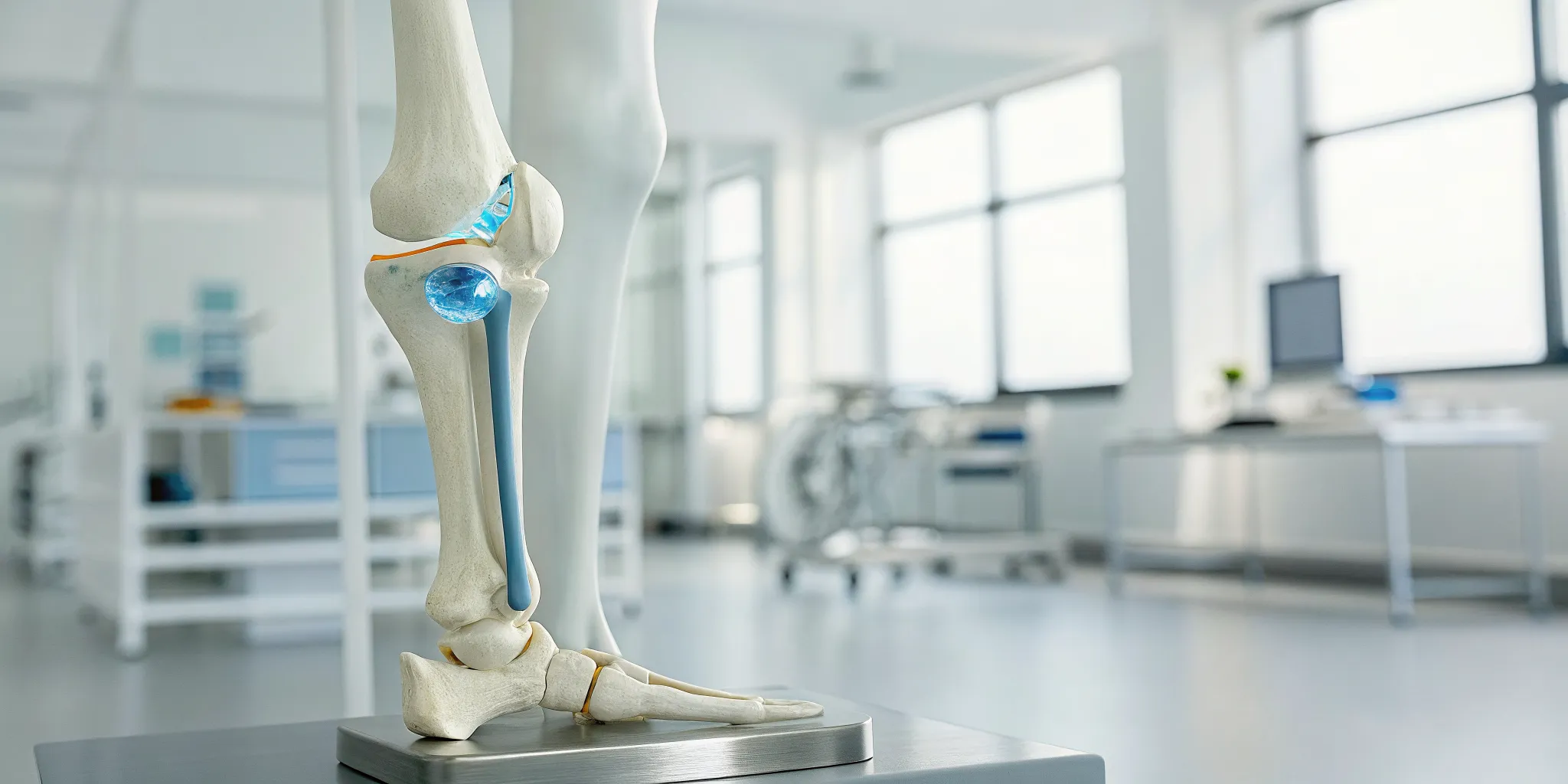
When this platelet-rich plasma is injected into an injured area, it kicks your body’s natural healing abilities into high gear. The concentrated growth factors get to work, sending signals that call your body’s reparative cells to the site of injury. This process helps accelerate the healing of damaged tendons, ligaments, muscles, and joints. By addressing the issue at its source, PRP can support long-term healing for conditions that cause chronic pain. This approach to joint regeneration and tissue repair can also reduce the need for anti-inflammatory medications or more invasive procedures, aligning with a wellness strategy focused on natural recovery.
The PRP Procedure: A Step-by-Step Look
The entire PRP procedure is surprisingly straightforward and is typically completed in about an hour during a single office visit. It begins with a simple blood draw, just like you’d have at a routine check-up. That blood sample is then placed in a centrifuge, a machine that spins at high speed to separate the platelets and plasma from the other blood components. This creates the concentrated platelet-rich plasma. Finally, the PRP is carefully injected into the targeted area that needs healing, often using ultrasound guidance to ensure precise placement. Because the treatment uses your own blood, it is a safe and natural therapeutic option. If you’re curious to learn more, you can contact us to see how this treatment can be personalized for you.
PRP Therapy in Action: Where and Why?
- Hair Loss After Covid: The aftermath of Covid-19 saw an unforeseen consequence – hair loss. At Miami Stem Cell, we’ve addressed this challenge through PRP injections for the scalp, offering an alternative stem cell hair treatment.
- Chronic Tendon Injuries: Tendon injuries, especially in athletes or active individuals, can be stubborn. Our PRP injections have shown promise in treating conditions like tennis elbow, Achilles tendinitis, and jumper’s knee. By targeting the injury site with PRP, the healing properties can aid in faster recovery and pain relief.
- Post-Surgical Recovery: After undergoing surgeries, especially orthopedic procedures, the body’s healing process can be accelerated using PRP treatment. By promoting cell growth and tissue repair, PRP aids in reducing inflammation and improving the overall recovery timeline.
- Joint Recovery: Knee issues? Our PRP injection for the knee, coupled with knee stem cell treatment, offers relief without surgical interventions. Similarly, PRP injections for the back provide an efficient solution for persistent back pain.
- Facial Rejuvenation: For those looking for a youthful boost, our PRP injections for the face harness the body’s natural healing to rejuvenate the skin.
While PRP therapy is revolutionizing treatments, it’s essential to get it from experts. If you’re searching for ‘PRP injections near me,’ look no further. Our Miami Stem Cell facility, home to some of the best stem cell doctors in Florida, ensures that PRP treatment is precise, effective, and tailored to your needs.
Effectiveness and Limitations of PRP
While PRP therapy is a powerful tool in regenerative medicine, it’s important to have a clear picture of what it can achieve. Like any medical treatment, results can vary based on the individual, the condition being treated, and the specific protocol used. The science behind PRP is solid, focusing on harnessing your body’s own healing agents to repair and rejuvenate tissues. However, its effectiveness is most pronounced in certain areas, and ongoing research continues to explore its full potential. Understanding both the strengths and the current limitations of PRP helps you make an informed decision about your health and wellness journey.
Which Conditions Respond Best to PRP?
PRP has shown significant promise across a range of applications, from aesthetics to orthopedics. Research and clinical experience have highlighted a few areas where it consistently delivers impressive results. For chronic tendon injuries and certain types of joint pain, PRP can be a game-changer, offering a non-surgical path to relief and recovery. It works by concentrating growth factors directly at the site of injury, which can accelerate the healing of damaged tendons, ligaments, and muscles. This targeted approach is why so many people are turning to PRP therapy as a primary or complementary treatment for persistent issues that haven’t responded to traditional methods.
Knee Arthritis
If you’re dealing with knee osteoarthritis, PRP is a particularly compelling option. Studies have shown that for knee pain, PRP can be more effective than hyaluronic acid injections, often called “gel shots,” especially when it comes to the longevity of the results. By reducing inflammation and stimulating cartilage repair, PRP injections can improve joint function and decrease pain, helping you get back to the activities you love. At Miami Stem Cell, we often see patients with arthritis find significant relief, allowing them to postpone or even avoid more invasive procedures like knee replacement surgery.
Reducing the Need for Opioids
One of the most significant benefits of effective regenerative treatments is their potential to reduce reliance on pain medication. Because PRP injections can speed up the healing of tissues and reduce inflammation at the source, they can also lessen the need for strong painkillers like opioids or even daily anti-inflammatory drugs. This is a huge win for long-term health, as it offers a way to manage chronic pain by actually healing the underlying issue rather than just masking the symptoms. It’s a core principle of our approach to pain management—addressing the root cause for lasting relief.
Understanding Variable Results and Ongoing Research
It’s also important to recognize that the field of regenerative medicine is constantly evolving. While PRP has a strong track record for certain conditions, the scientific community is still gathering evidence to confirm its effectiveness across a wider spectrum of issues. The results can depend on factors like the concentration of platelets, the specific preparation method, and the patient’s overall health. This is why working with an experienced clinic that follows meticulous, science-backed protocols is so crucial. We stay at the forefront of research to ensure our treatments are both safe and effective.
PRP as an Adjunct Therapy
While PRP shows incredible promise, especially for chronic tendon injuries and knee arthritis, it’s often most powerful when used as part of a comprehensive treatment plan. Think of it as a catalyst for your body’s natural healing processes. Sometimes, it’s the primary treatment, but in other cases, it may be used alongside other regenerative therapies, like stem cell treatments or peptide therapy, to enhance results. The medical community is actively conducting research to refine protocols and confirm its benefits for a wider range of conditions, ensuring its application is always backed by solid evidence.
The Patient Experience: What to Expect
Deciding to move forward with a new treatment can feel like a big step, so knowing what the process looks like can make all the difference. From the initial consultation to your post-procedure care, the patient experience for PRP therapy is designed to be straightforward and comfortable. The entire procedure is typically completed in a single visit and involves a simple blood draw, a process to concentrate the platelets, and the final injection into the targeted area. Our team at Miami Stem Cell is here to guide you through every step, ensuring you feel informed, prepared, and confident in your care.
Preparing for Your PRP Treatment
Proper preparation is key to a successful PRP treatment. Before your appointment, our team will provide you with a detailed set of instructions tailored to you. Generally, you may be asked to stop taking certain medications that can affect your platelets, such as blood thinners or NSAIDs like ibuprofen, for a short period before the procedure. It’s also a good idea to be well-hydrated. During your consultation, we’ll review your health history to ensure PRP is the right fit for you and answer any questions you might have. You can always contact us if any new questions come up before your visit.
Recovery and Timeline
One of the best parts about PRP therapy is the minimal downtime. Since the treatment uses your own blood, it’s a very natural process without the lengthy recovery associated with surgery. Most people can return to their normal daily activities almost immediately, though we usually recommend taking it easy for a day or two, especially avoiding strenuous activity that involves the treated area. The healing process happens gradually, as your body’s growth factors get to work. While some patients notice improvements within a few weeks, the full benefits often become apparent over several months.
What to Expect After the Injection
Immediately following the injection, it’s normal to experience some mild swelling, soreness, or redness at the treatment site. This is actually a positive sign! It indicates that your body’s inflammatory and healing response has been activated, which is exactly what we want. This initial discomfort typically lasts for a day or two and can be managed with ice packs and rest. We’ll give you specific aftercare instructions to help you stay comfortable as the healing process begins and your body starts to repair the targeted tissues from the inside out.
Managing Common Side Effects
The side effects of PRP are generally mild and temporary. The most common things patients report are pain or tenderness right at the injection site, some localized swelling, or occasional bruising. These effects usually resolve on their own within a few days. We advise against using anti-inflammatory medications right after the procedure, as they can interfere with the intended healing response. Instead, simple measures like applying a cold compress can help manage any discomfort. Our team is always available to address any concerns you may have during your recovery.
Risks and Potential Side Effects
Because PRP therapy uses your own biological material, it is an incredibly safe procedure with a very low risk of adverse reactions. Unlike treatments that introduce foreign substances into your body, there’s no risk of an allergic reaction or disease transmission. The entire process, from blood draw to injection, is performed under sterile conditions to ensure your safety. However, like any procedure that involves an injection, there are some minor risks and temporary side effects to be aware of, all of which are typically minimal and short-lived.
Common, Temporary Side Effects
It’s quite common to feel a little pain, tenderness, or a sense of fullness where the shot was given. This is a normal part of the process and is simply your body reacting to the injection and the concentrated platelets beginning their work. These sensations are usually mild and tend to fade within a few hours to a couple of days. Think of it as a signal that your body’s natural healing cascade has been successfully initiated, setting the stage for tissue repair and regeneration in the treated area.
Less Common Risks
While rare, any treatment that breaks the skin with a needle carries a small risk of infection. At Miami Stem Cell, we adhere to strict sterile techniques to minimize this risk and ensure the highest standards of safety for every procedure we perform. Other less common risks include minor bleeding or nerve irritation at the injection site. During your consultation, we will discuss all potential risks with you, ensuring you have a complete understanding and feel fully comfortable before proceeding with your personalized PRP treatment plan.
Cost and Insurance Considerations for PRP
Navigating the financial side of medical treatments is an important part of the planning process. When it comes to innovative therapies like PRP, it’s helpful to understand how cost is determined and what to expect regarding insurance coverage. Because PRP is still considered an emerging treatment by many insurance providers, it’s often not covered, making it an out-of-pocket expense for most patients. However, the investment in your health can provide long-term value by addressing the root cause of your condition, potentially reducing the need for more costly interventions like surgery or long-term medication down the road.
Does Insurance Cover PRP Therapy?
Currently, few insurance plans offer coverage for PRP therapy. Most insurance companies classify it as an elective or investigational procedure, even with its growing body of supporting evidence. This means that patients are typically responsible for the full cost of the treatment. It’s always a good idea to check directly with your insurance provider to understand your specific policy, but it’s best to plan for it as a self-funded investment in your health. Our team can provide you with all the necessary documentation if you wish to submit a claim to your insurer for potential reimbursement.
Understanding the Cost of Treatment
PRP injections can be a significant investment because the process is highly personalized and cannot be mass-produced. Each treatment is custom-created from your own blood at the time of your appointment, requiring specialized equipment and clinical expertise to ensure the platelet concentration is just right for optimal results. The cost reflects the advanced technology, the skill of the medical team, and the customized nature of the therapy. When you schedule a consultation with us, we can provide a clear breakdown of the costs associated with your specific treatment plan.
How Does PRP Therapy Complement Stem Cell Therapies?
The magic of PRP therapy lies in its capacity to speed up healing, making it a perfect accompaniment to stem cell therapies. Stem cell therapy for various conditions, especially when sourced from autologous stem cells, holds immense promise. However, integrating PRP therapy can amplify results. At Miami Stem Cell, we’re proud of our tailored stem cell therapies, such as stem cell therapy Miami residents trust. Our dedication to stem cell technologies goes hand in hand with our emphasis on PRP treatments. So, when considering ‘where to get stem cell therapy,’ know that our facility combines the best of both worlds. Why Choose Miami Stem Cell for PRP Therapy?
- Expertise: Miami Stem Cell’s legacy is rooted in innovation and expertise. We pride ourselves on providing stem cell therapies that cater to individual needs.
- Safety: The beauty of autologous treatments is their safety. Whether it’s an autologous stem cell transplant or PRP, the risk of adverse reactions is minimal since everything is sourced from the patient’s own body.
- Range of Treatments: From stem cell IV therapy near me to specialized PRP treatments, we offer a spectrum of services tailored for various conditions.
In Conclusion:
In the vast universe of regenerative medicine, PRP therapy has solidified its position as a potent healing tool. At Miami Stem Cell, our commitment is to harness this power for you. Whether it’s recovering from hair loss post-Covid or seeking relief for knee pain, our PRP treatments, coupled with our autologous stem cell therapies, stand as a beacon of hope. So, next time you ponder over ‘stem cell therapy near me,’ remember that at Miami Stem Cell, we’re offering more than just therapies; we’re offering a renewed chance at a pain-free, rejuvenated life. Take a look at some of our testimonials, then give us a call today to schedule an evaluation, and discuss your treatment options and desired outcome.
Frequently Asked Questions
Is the PRP injection process painful? Most people find the procedure very manageable. The initial blood draw feels just like a standard lab test. For the injection itself, you might feel some pressure or a temporary discomfort at the treatment site. Any soreness you feel afterward is typically mild and a positive signal that your body’s healing response has been activated.
How is PRP different from stem cell therapy? Think of it this way: PRP acts like the project manager, while stem cells are the construction crew. PRP uses the concentrated growth factors in your blood’s platelets to send powerful healing signals to an injured area. Stem cell therapy, on the other hand, uses the body’s master cells that can actually become new tissue to help rebuild and repair the damage. They are different tools that can sometimes be used together for a more comprehensive result.
How many treatments will I need to see results? This really depends on your specific condition, its severity, and how your body responds. Some individuals experience significant improvement after just one treatment. For more chronic or complex issues, a series of two or three treatments spaced several weeks apart might be recommended to achieve the best outcome. We create a personalized plan for you after your initial evaluation.
What is the recovery process really like? One of the biggest advantages of PRP is the minimal downtime. You can typically return to your normal routine and work almost immediately. We do advise avoiding strenuous activities or high-impact exercise for a few days to let the healing process begin undisturbed. You can expect some localized soreness or swelling, but this usually subsides within a day or two.
Why do I have to pay for PRP out-of-pocket? Currently, most insurance providers classify PRP therapy as an elective or investigational treatment, so it is generally not covered. The cost reflects a highly personalized procedure where a unique treatment is created from your own blood using specialized equipment. We see it as an investment in addressing the root cause of your pain or injury, which can help you avoid more costly and invasive procedures down the road.
Key Takeaways
- Your own blood is the solution: PRP therapy concentrates the healing platelets from your blood into a powerful injection that helps repair tissues like tendons, ligaments, and joints from the inside out.
- Address pain without major surgery: This treatment is a strong option for managing chronic conditions like knee arthritis and tendon injuries, offering a way to heal the underlying issue rather than just masking symptoms.
- Expect a straightforward process and cost: The procedure is safe, quick, and requires minimal recovery time, but you should plan for it as a personal health investment since most insurance plans do not cover PRP therapy.
Related Articles
- PRP Therapy in Miami for Pain, Arthritis & Hair Loss | Miami Stem Cell
- Stem Cell Therapy for Joint & Spine Regeneration | Miami Stem Cell
- PRP Therapy for Healing & Regeneration in Miami | Miami Stem Cell
- Stem Cell Therapy & Regenerative Medicine in Miami | Miami Stem Cell