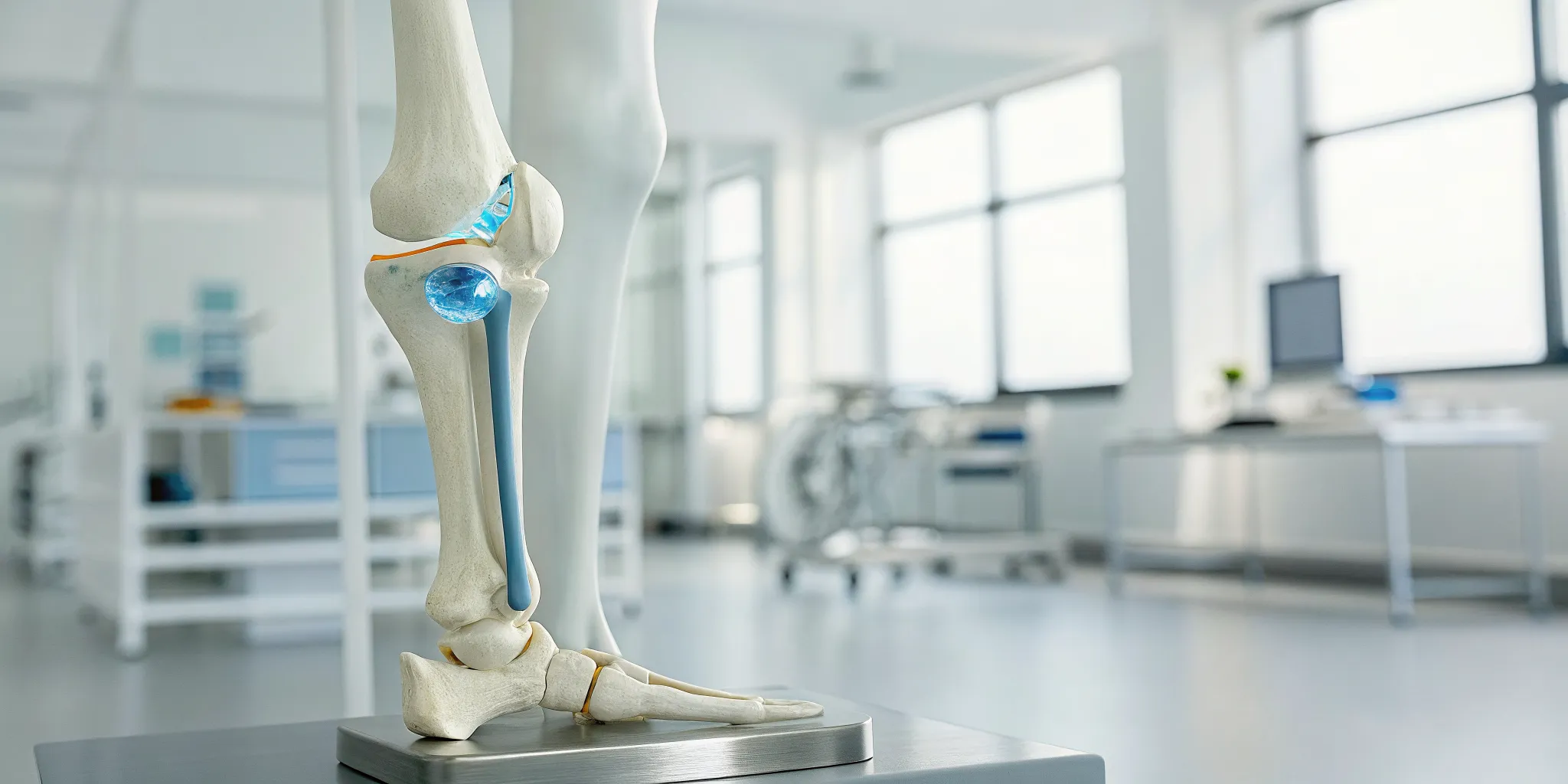
Your body has an incredible, built-in capacity to heal itself. When you get a cut, platelets rush to the scene to start the repair process. Now, what if we could take that natural ability and concentrate it exactly where you need it most? That’s precisely how Platelet-Rich Plasma works. We isolate the powerful healing components from a small sample of your own blood and deliver them directly into your knee joint. This isn’t a foreign substance or a temporary patch. Instead, PRP therapy for knee arthritis is a way of amplifying your body’s own signals for repair, helping to reduce inflammation and address the underlying damage that causes pain and stiffness.
Key Takeaways
- Harness your body’s own healing power: PRP therapy uses a concentrated dose of your own platelets to reduce inflammation and stimulate tissue repair, addressing the root cause of knee arthritis pain instead of just masking symptoms.
- Find relief without the surgery or downtime: The entire PRP procedure is a straightforward, in-office treatment that takes less than an hour, allowing you to return to your routine without the lengthy recovery required after surgery.
- Achieve more durable pain relief: By promoting actual tissue healing, PRP offers longer-lasting results than temporary solutions like cortisone shots, with many patients experiencing improved function and less pain for six months to a year or longer.
What Is PRP Therapy for Knee Arthritis?
If you’re dealing with the daily grind of knee arthritis pain, you’ve likely explored a few different treatment paths. But what if you could use your body’s own healing power to address the issue? That’s the core idea behind Platelet-Rich Plasma (PRP) therapy. It’s a non-surgical treatment that aims to not just mask the pain, but to create a better environment for healing within the joint itself.
Instead of relying on temporary fixes, PRP focuses on regenerative medicine. It uses a concentrated dose of your own platelets to reduce inflammation, ease pain, and improve your knee’s function. This approach can help you get back to the activities you love without the long recovery time associated with surgery.
The Science of Platelet-Rich Plasma
So, what exactly is in a PRP injection? It’s made from a small sample of your own blood. We process the blood to separate and concentrate the platelets, which are tiny cells known for their role in clotting. But they do much more than that—they’re also packed with powerful proteins called growth factors. When these growth factors are injected directly into your arthritic knee, they act as a signal to your body, calling for repair and regeneration. This process helps reduce painful inflammation and can stimulate the healing of damaged tissues. Our approach to Platelet-Rich Plasma (PRP) therapy harnesses this natural ability to support your joint health from within.
How PRP Compares to Other Knee Treatments
You might be wondering how PRP stacks up against more traditional options like cortisone or hyaluronic acid (HA) injections. While cortisone can offer quick, temporary relief by reducing inflammation, its effects often wear off, and repeated use can damage cartilage over time. HA injections aim to lubricate the joint, but results can be mixed. Clinical studies have shown that PRP often provides more significant and longer-lasting relief for mild to moderate knee arthritis. Many people experience improved function and less pain for six months to a year or even longer, making it a compelling option for those seeking a more durable solution that works with the body, not just on it.
How Does PRP Therapy Work for Knees?
The real beauty of PRP therapy is its simplicity. It harnesses your body’s natural healing abilities and concentrates them right where you need them most. Unlike treatments that simply mask pain or temporarily reduce inflammation, PRP is designed to work with your body to encourage genuine tissue repair. Think of it this way: when you get a cut, your body immediately sends platelets to the area to stop the bleeding and start the healing process. These platelets are packed with powerful growth factors—the essential proteins that orchestrate repair.
PRP therapy takes this natural process and amplifies it. We isolate these incredible healing cells from your own blood and create a concentrated solution that delivers a much higher dose of growth factors than your body could send on its own. By injecting this solution directly into your arthritic knee, we’re giving the joint a powerful signal to kickstart its repair mechanisms. It’s a proactive approach that aims to address the underlying cartilage damage and inflammation, rather than just putting a temporary band-aid on the symptoms. The entire process is straightforward, happens right in our clinic, and uses your own biological material to promote healing from within. Let’s walk through exactly what that looks like, step by step.
The PRP Process: From Blood Draw to Injection
It all starts with a simple blood draw, no different than one you’d have for a routine check-up. We take a small sample of your blood and place it in a centrifuge—a machine that spins at high speed. This process separates your blood into its different components. We isolate the platelets and concentrate them in a small amount of plasma, creating the platelet-rich plasma, or PRP. Because this powerful healing solution is made from your own blood, the risk of an adverse reaction is extremely low. This is a key part of our commitment to safe and effective PRP therapy.
Targeting Knee Pain: The Injection Procedure
Once your personalized PRP solution is ready, the next step is to deliver it directly to the source of your pain. We carefully inject the PRP into the space within your knee joint. To ensure the highest level of precision, we often use ultrasound guidance to see exactly where the needle is going. This allows us to target the specific areas of cartilage damage or inflammation with incredible accuracy. The injection itself is quick, and the entire appointment is typically completed in under an hour. You’ll be able to head home shortly after the procedure to begin the healing process for your joint regeneration.
How Growth Factors Trigger Natural Healing
This is where the real work begins. Once injected, the concentrated platelets get to work, releasing hundreds of proteins called growth factors. Think of these growth factors as your body’s own repair crew. They send signals that help reduce inflammation, which is a major source of arthritis pain. They also stimulate your body to repair damaged cartilage, form new blood vessels, and recruit other healing cells to the area. This cascade of healing activity works to address the root cause of your arthritis symptoms, leading to reduced pain and improved knee function that can last for months.
What Are the Benefits of PRP for Knee Arthritis?
When you’re dealing with knee arthritis, the goal isn’t just to manage pain—it’s to get your life back. That’s where PRP therapy comes in. Instead of simply masking symptoms, this treatment uses your body’s own healing power to address the underlying joint damage. For many people, this means a significant reduction in pain, a return to activities they love, and a viable alternative to more invasive procedures. Let’s look at the specific benefits you can expect.
Less Pain, More Movement
One of the most significant benefits of PRP for knee arthritis is its ability to reduce pain and improve joint function. Clinical studies have shown that for people with mild to moderate osteoarthritis, PRP injections can lead to noticeable relief. The concentrated growth factors in the plasma work to reduce inflammation and encourage the repair of damaged cartilage. This isn’t just a temporary fix; it’s a process that helps your joint heal from within. The result is less stiffness and discomfort, making it easier to walk, climb stairs, and enjoy your daily activities without that familiar ache in your knee. This approach to joint regeneration can help restore your mobility and comfort.
A Non-Surgical Path to Relief
For many people, the thought of knee surgery is a major concern. PRP therapy offers a powerful, non-surgical alternative. Because the treatment uses a concentrate of your own blood, the risk of side effects or allergic reactions is extremely low. It’s an ideal option for individuals with mild to moderate knee osteoarthritis who still have a decent amount of healthy cartilage. By harnessing your body’s natural healing abilities, PRP therapy provides a way to find relief without the long recovery times, potential complications, and scarring associated with surgery. It’s a treatment that works with your body, not against it.
Get Back to Your Life, Faster
Compared to surgery, the recovery from a PRP injection is incredibly straightforward. Most people can return to their normal routines almost immediately. You might experience some mild swelling or discomfort at the injection site for a few days, but this is temporary and easily managed. There’s no need for a lengthy hospital stay or an extensive rehabilitation program. This minimal downtime is a huge advantage, allowing you to get back to work, family, and hobbies without a major interruption. Many of our patients appreciate how seamlessly the treatment fits into their busy lives while delivering powerful results.
Lasting Relief Beyond Cortisone Shots
While cortisone shots can provide quick, temporary relief by reducing inflammation, their effects often wear off within a few months. PRP works differently. Instead of just dampening inflammation, it stimulates tissue repair, leading to longer-lasting results. Many patients report feeling the benefits of PRP for six to twelve months, and sometimes even longer. Unlike hyaluronic acid injections, which primarily lubricate the joint, PRP actively promotes healing. This makes it a more sustainable strategy for pain management, helping you build a foundation for long-term joint health rather than just getting by from one injection to the next.
Does PRP for Knee Arthritis Actually Work?
When you’re dealing with chronic knee pain, this is the question that matters most. You want to know if a treatment will genuinely make a difference in your daily life. The short answer is that for many people struggling with knee arthritis, PRP therapy is an effective solution that offers significant relief. But you don’t have to take our word for it—the clinical evidence speaks for itself.
The effectiveness of PRP isn’t just anecdotal; it’s supported by a growing body of scientific research. These studies help us understand not only if it works, but how well it works for different people and how long the benefits can last. Let’s look at what the data says about using PRP to manage knee arthritis pain and improve function.
What the Clinical Studies Show
When you look at the research, a clear picture emerges. Multiple clinical studies show that PRP injections perform better than placebo (or fake) injections for reducing pain and improving knee function, especially over the long term. One comprehensive review found that PRP injections led to significant improvements in knee function for up to a full year. The same review noted that patients experienced the most pain relief within three to six months of treatment. This means you could feel a noticeable difference in your ability to walk, climb stairs, and enjoy your favorite activities.
How PRP Works for Different Stages of Arthritis
The stage of your arthritis can influence the results you see from PRP therapy. The treatment has shown the most promise for individuals with mild to moderate knee osteoarthritis. If your joint damage is in the earlier stages, your body is often more responsive to the healing signals from the growth factors in the PRP injection. However, that doesn’t mean it can’t help those with more advanced arthritis. In fact, studies have found that even among patients with stage 2 to stage 4 osteoarthritis, about 60% experienced good outcomes and a reduction in knee pain after PRP treatments.
How Long Do the Results Last?
One of the biggest advantages of PRP therapy is the potential for lasting relief. Unlike cortisone shots, which often provide only temporary benefits, the effects of PRP can be much more durable. Many patients report feeling pain relief that lasts anywhere from six to 12 months after their treatment course. Some studies have even shown that the improvements in pain and joint function can extend for up to two years. This long-lasting relief comes from PRP’s ability to address the underlying inflammation and support the body’s natural healing process, rather than just masking the pain.
What to Expect During Your PRP Treatment
If you’re considering PRP therapy, you’re probably wondering what the actual treatment day looks like. The good news is that the entire process is straightforward and happens right in our clinic. From preparation to recovery, we’re here to make sure you feel comfortable and informed every step of the way. The procedure uses your body’s own healing components to target knee pain, offering a natural alternative to more invasive options. Let’s walk through what you can expect before, during, and after your PRP session for knee arthritis.
Preparing for Your PRP Session
Getting ready for your PRP treatment is simple. A few days before your appointment, we’ll ask you to stop taking any anti-inflammatory medications like ibuprofen or naproxen, as these can interfere with your body’s natural healing response. It’s also a great idea to drink plenty of water in the 24 hours leading up to your session, as good hydration makes the blood draw easier. Other than that, there’s not much you need to do. Just come to your appointment ready to relax while we handle the rest. We will provide you with a complete list of pre-procedure instructions to ensure you are fully prepared.
A Step-by-Step Look at the Procedure
The entire PRP therapy appointment is surprisingly quick. First, we’ll draw a small sample of your blood—no more than what’s needed for a routine lab test. Next, that sample goes into a special machine called a centrifuge, which spins it at high speed to separate and concentrate the platelets and growth factors, creating your personalized PRP solution. Finally, the PRP is carefully injected directly into your knee joint to target the source of the arthritis pain. The whole process is designed for your comfort and is typically completed in under an hour, allowing you to get on with your day.
Your Recovery: What to Do After Treatment
After your injection, you can head home right away. It’s common to feel some mild soreness, swelling, or bruising at the injection site for a day or two, but this is a normal sign that the healing process has begun. Most people can return to their usual activities within 24 to 48 hours. We’ll advise you to avoid strenuous exercise for a short period and to continue avoiding anti-inflammatory medications, which can hinder the treatment’s effectiveness. Remember, PRP works with your body’s natural repair cycle, so pain relief and improved function will develop gradually over the following weeks. If you have any questions during your recovery, you can always contact us.
PRP Safety: Potential Risks and Side Effects
When you’re considering any medical treatment, it’s smart to weigh the benefits against the potential risks. The good news is that PRP therapy has a strong safety record, primarily because it uses your body’s own biological material. This significantly reduces the chances of an allergic reaction or rejection. However, like any procedure that involves an injection, it’s not entirely without risk.
Most side effects are mild and temporary, such as soreness, swelling, or bruising around the injection site. These typically resolve on their own within a few days. More serious complications are rare but possible, which is why it’s so important to choose a qualified and experienced provider. Understanding the full picture helps you make an informed decision about whether PRP is the right step for your knee pain.
The Safety Profile of PRP Therapy
Because PRP is created from your own blood, it’s a biocompatible treatment that your body readily accepts. The primary risks are related to the injection process itself, not the plasma. The most common issue reported is infection, which can happen if the equipment isn’t sterile or the injection site isn’t properly cleaned. At a reputable clinic, this risk is minimized through strict sterile protocols. You might also experience some temporary inflammation or pain at the injection site as your body’s healing response kicks in. This is often a sign that the treatment is starting to work.
Why Results Can Vary
PRP is not a one-size-fits-all solution, and its effectiveness can differ from person to person. Several factors influence the outcome, including the specific method used to prepare the PRP and the final concentration of platelets. A higher concentration of platelets often leads to better results. Your overall health, age, and the severity of your knee arthritis also play a crucial role. Someone with mild to moderate arthritis may experience more significant improvement than someone with advanced, bone-on-bone degeneration. Following your post-treatment care instructions carefully is also key to achieving the best possible outcome and seeing positive patient results.
Who Isn’t a Good Candidate for PRP?
While PRP is a great option for many, it’s not suitable for everyone. You may not be a good candidate if you have certain medical conditions, such as an active infection, a bleeding disorder, or are currently taking anticoagulant medications (blood thinners). It’s also important to have realistic expectations based on the condition of your knee. A thorough evaluation is essential to determine if you can benefit from the treatment. The best way to find out if PRP is right for you is to have an open conversation with a specialist who can review your medical history and assess your specific needs.
Is PRP Therapy Right for Your Knee Arthritis?
Deciding on the right treatment for knee arthritis is a big step, and it’s natural to have questions. Platelet-Rich Plasma (PRP) therapy is a promising non-surgical option, but it’s not a one-size-fits-all solution. The best way to determine if it’s the right path for you is to consider your specific condition, treatment history, and overall health goals. Factors like the severity of your arthritis and what other treatments you’ve tried will play a role. The first step is always a thorough consultation with a specialist who can review your case and help you weigh the pros and cons.
Are You a Candidate for PRP?
If you’re dealing with knee pain from osteoarthritis and want to avoid or delay surgery, you might be a great candidate for PRP. This therapy uses a concentrated sample of your own blood platelets, which are rich in growth factors, to stimulate healing directly in the joint. It’s often recommended for individuals with mild to moderate arthritis who haven’t found lasting relief from other treatments like physical therapy or cortisone shots. The ideal candidate is someone looking for a solution that works with their body’s natural healing abilities. A detailed evaluation, which may include imaging, will help confirm if PRP therapy is a suitable option for your specific stage of arthritis.
Understanding the Cost and Insurance
It’s important to know that most insurance plans do not cover PRP therapy for knee arthritis, so you should plan for it to be an out-of-pocket expense. While this requires an initial investment, many people find the value in the results. Studies and patient reports show that a successful treatment can provide significant pain relief and improved function for six to 12 months, or even longer. Think of it as an investment in your mobility and quality of life—one that can help you get back to the activities you love without the downtime of surgery. We can provide a clear breakdown of the costs during your consultation.
PRP Myths vs. Facts
There’s a lot of information out there about PRP, and it’s easy to get confused. Let’s clear up a few common myths. First, some believe PRP is only for elite athletes, but that’s not true; it’s a viable treatment for anyone struggling with joint pain. Another myth is that it’s too experimental. In reality, the process for preparing PRP follows strict FDA guidelines for safety, and its use in orthopedics is supported by extensive research. Finally, some question if it works for chronic pain. Countless studies and patient testimonials show that PRP can be highly effective for long-term conditions like osteoarthritis by addressing the underlying inflammation and tissue damage.
Related Articles
- PRP Injection Knee Success Rate: What to Expect
- A2M vs. PRP for Knee Pain: Which Is Best?
- PRP for Arthritis in Hands: What to Expect
Frequently Asked Questions
How soon will I feel a difference after my PRP injection? Patience is key, as PRP works with your body’s natural healing timeline. While some people notice improvements within a few weeks, it’s more common to experience significant pain relief and better knee function around the three-month mark. The growth factors need time to reduce inflammation and stimulate tissue repair, so the benefits build gradually.
Is the PRP injection for the knee painful? You can expect some discomfort during the injection, but it’s typically very brief. We take steps to make the procedure as comfortable as possible, and most people find it very tolerable. Afterward, it’s normal to have some soreness or a feeling of fullness in the knee for a couple of days, which is a sign that the healing process is getting started.
Will I need more than one PRP treatment? This really depends on your individual situation, including the severity of your arthritis and how your body responds to the first treatment. Many people achieve excellent, long-lasting results from a single injection. However, for some, a series of two or three treatments spaced several weeks apart may provide a more complete and durable outcome. We’ll create a personalized plan based on your specific needs.
What’s the difference between PRP and stem cell therapy for knee arthritis? Think of PRP as the spark that ignites your body’s repair crew. It uses concentrated platelets and growth factors from your own blood to reduce inflammation and signal your body to heal itself. Stem cell therapy is a more powerful regenerative approach that introduces new, potent cells that can directly support the repair of damaged cartilage and orchestrate a more profound healing response. We can discuss which option is better suited for your specific condition during a consultation.
Can I resume my normal activities right after the procedure? For the most part, yes. We recommend taking it easy for the first day or two and avoiding any strenuous activities or high-impact exercise for about a week to give the PRP time to work. Most people are able to return to work and their daily routines almost immediately. We’ll give you specific, easy-to-follow guidelines to ensure you get the best possible results from your treatment.