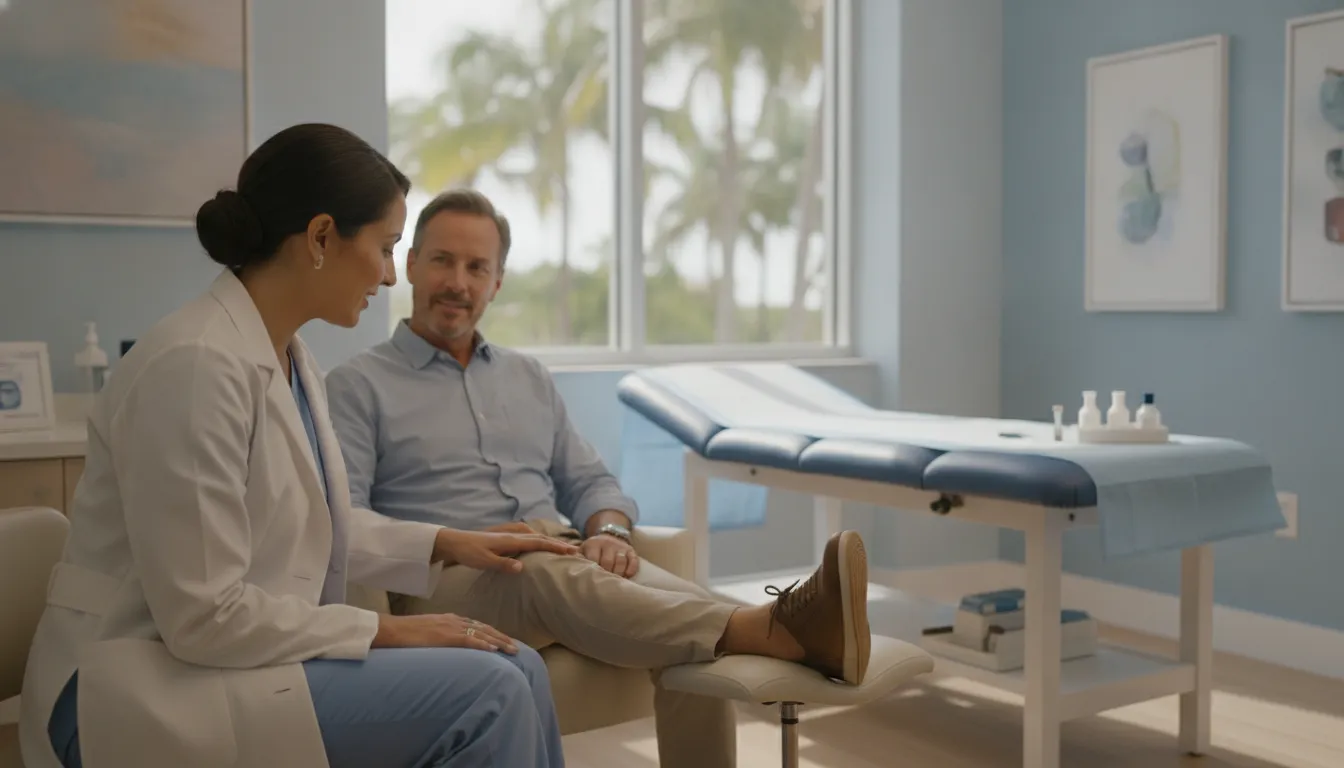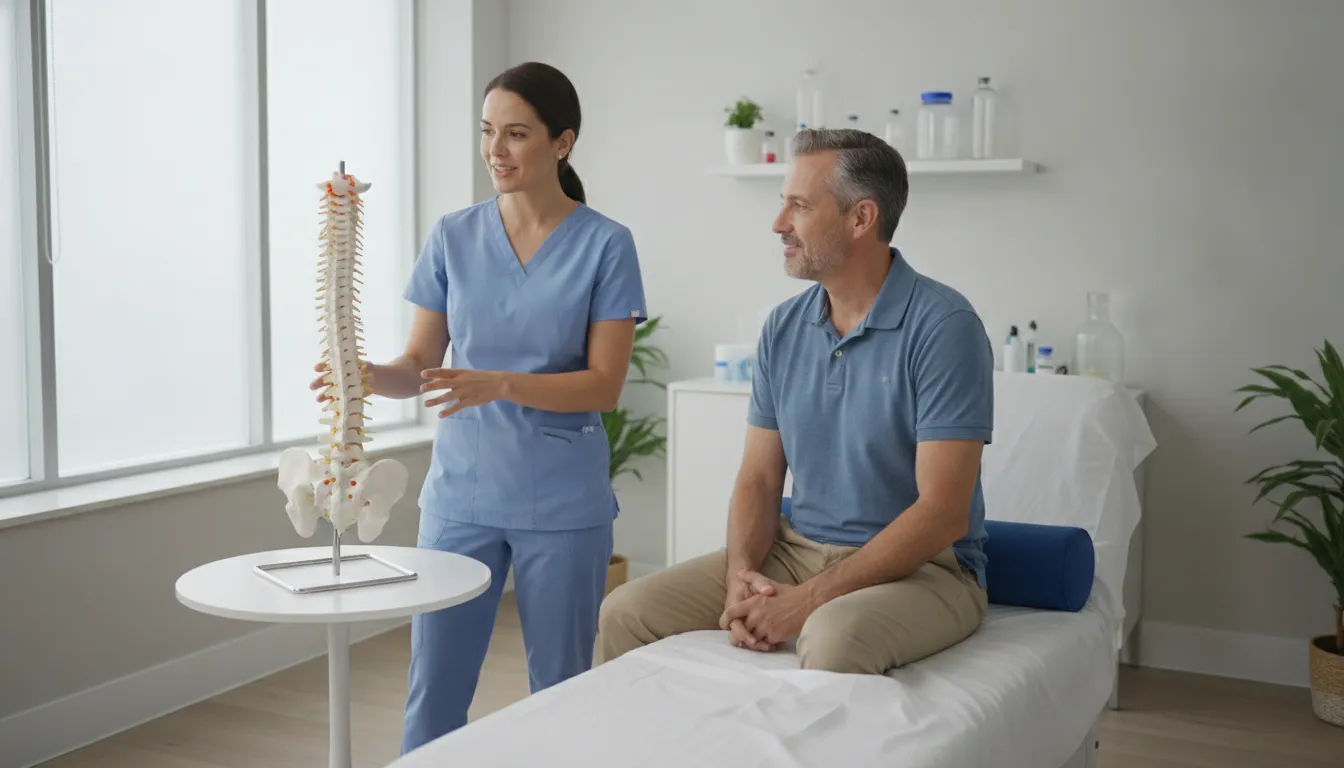

An Achilles injury can turn a morning run, tennis match, or walk along the water into a frustrating cycle of pain and limited activity. At Miami Stem Cell, the first step is identifying the injury and discussing a personalized plan, because simply waiting for discomfort to disappear may not address the underlying problem.
Schedule a personalized Achilles consultation with Miami Stem Cell
Regenerative medicine for Achilles tendon injury is an individualized approach that may include platelet-rich plasma (PRP), exosome-based protocols, or stem cell-based protocols alongside rehabilitation and progressive tendon loading. These options are not guaranteed cures, and they are not appropriate for every injury. A careful evaluation helps determine the type and severity of the damage, rule out a rupture, and establish whether a non-surgical plan makes sense.
For active patients in Miami, the practical goal is not just temporary pain relief. It is to support tendon function, restore confidence, and create a safe path back to the activities that matter.
Regenerative medicine for Achilles tendon injury starts with the right diagnosis
The Achilles tendon connects the calf muscles to the heel bone. It helps the foot push off the ground during walking, climbing, jumping, and running. Symptoms near the tendon can arise from several distinct conditions, and those conditions do not all call for the same treatment.
Common types of Achilles injury
- Midportion tendinopathy: Pain, thickening, or stiffness develops a few centimeters above the heel. Symptoms often build gradually after repeated loading.
- Insertional tendinopathy: Pain occurs where the tendon attaches to the heel bone. Certain shoes, hills, and deep ankle positions may aggravate it.
- Partial tear: Some tendon fibers are disrupted while others remain intact. The severity and location affect the treatment plan.
- Complete rupture: The tendon separates completely. A sudden pop, immediate weakness, or inability to push off requires prompt medical assessment.
- Paratenon irritation: Tissue surrounding the tendon becomes irritated and may cause pain or a creaking sensation with movement.
A clinician may use a physical examination and diagnostic imaging to clarify the problem. Ultrasound can show tendon thickness, fiber pattern, and areas of disruption. MRI may be useful when the diagnosis is uncertain or a deeper assessment is needed. Imaging findings should be considered together with symptoms, function, and personal goals.
If you felt a sudden pop, developed significant swelling, or cannot stand on your toes, seek timely evaluation. A rupture may require urgent orthopedic input, and delaying care can complicate recovery.
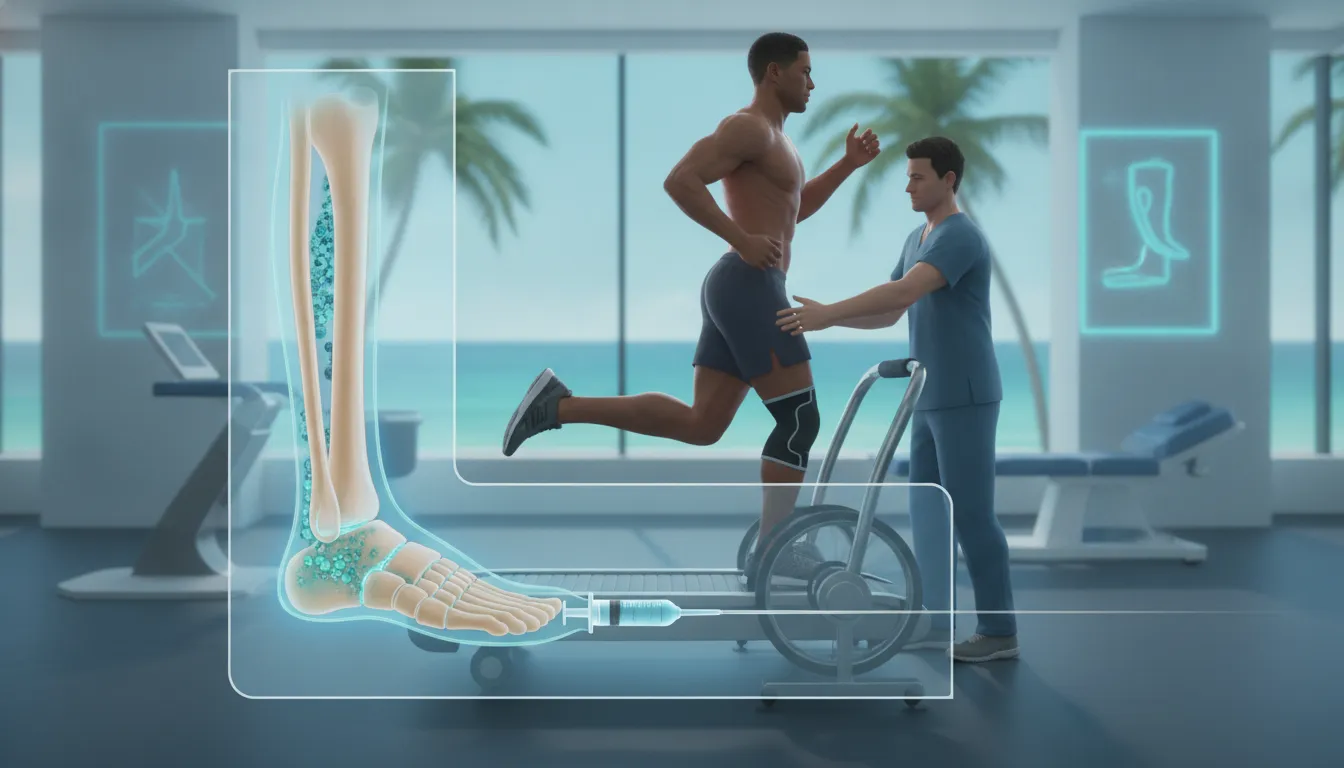
Why does the Achilles tendon heal slowly?
Tendons are built to transfer force, not to receive the same rich blood supply found in muscle. Their dense collagen structure gives them strength, but it can also make repair a slow process. When repetitive stress outpaces the tendon’s capacity to adapt, collagen organization may change and symptoms may persist.
Factors that can affect tendon recovery
Training errors are common contributors. A rapid increase in running distance, more hill work, a new court sport, or an abrupt return after time off may overload the tendon. Limited ankle mobility, calf weakness, unsuitable footwear, and movement mechanics can also influence how force is distributed.
Age, previous injury, certain medications, metabolic health, smoking, and other medical conditions may affect healing capacity. That is why two people with similar pain can have very different recovery timelines.
Rest alone often is not a complete long-term strategy. While temporary activity modification can calm an irritated tendon, controlled and progressive loading helps the tendon regain capacity. The challenge is finding the right dose. Too much stress may trigger symptoms, while too little may leave the tendon unprepared for normal activity.
How a personalized non-surgical plan is built
A responsible plan begins before any procedure is discussed. The clinician needs to understand what happened, how long symptoms have been present, what treatments have already been tried, and what activities the patient wants to resume.
- Confirm the diagnosis. The examination distinguishes tendinopathy from a partial tear, complete rupture, heel-related condition, or another source of ankle pain.
- Assess severity and function. Strength, range of motion, walking pattern, calf endurance, and imaging findings help define the starting point.
- Review health factors. Medications, prior injuries, medical conditions, and recovery habits may affect candidacy and timing.
- Set realistic goals. Returning to casual walking is different from preparing for a marathon, competitive tennis, or frequent pickleball.
- Combine appropriate therapies. Rehabilitation, activity modification, footwear changes, and other conventional measures remain central even when a regenerative protocol is considered.
- Track progress. Pain is only one measure. Strength, function, and tolerance for progressively demanding tasks provide a more complete picture.
A non-surgical approach may be appropriate for some cases of chronic tendinopathy or selected partial injuries. Complete ruptures and severe functional deficits require a different conversation, which may include surgical consultation. Personalized care means choosing the most appropriate path rather than forcing every patient into the same protocol.
PRP, exosomes, and stem cell-based protocols compared
Regenerative medicine is a broad term. At Miami Stem Cell, treatment discussions may include several approaches designed to support the body’s repair environment. The available evidence, regulatory status, risks, and suitability differ among options. Patients should receive a clear explanation before making a decision.
| Approach | What it involves | How it may be discussed |
|---|---|---|
| PRP | A concentrated preparation made from the patient’s own blood | May be considered to deliver platelets and signaling proteins to a targeted area |
| Exosome-based protocols | Products containing cell-signaling components | May be discussed as part of a personalized strategy, with careful review of evidence and regulations |
| Stem cell-based protocols | Cell-based approaches selected according to the clinic’s medical protocol | May be discussed for their potential role in supporting a healing environment; outcomes are not guaranteed |
Platelet-rich plasma
PRP is created from a blood sample that is processed to concentrate platelets. The preparation is then delivered to the treatment area when clinically appropriate. Because PRP comes from the patient’s own blood, it differs from donor-derived products. Research on PRP for Achilles tendinopathy is mixed, and response varies. It should not be presented as a replacement for a well-designed rehabilitation program.
Exosome and stem cell-based discussions
Exosomes and stem cell-based protocols are frequently discussed in regenerative medicine, but they require careful, conservative communication. Evidence continues to develop, products and protocols vary, and these approaches should not be described as proven cures. A qualified clinician should explain what is being considered, why it may or may not fit the case, and what uncertainties remain.
Patients should ask about the source of any product, how it is processed, the rationale for its use, expected follow-up, potential risks, and alternatives. No ethical provider can promise that a procedure will regenerate a tendon or guarantee a return to sport.
Miami Stem Cell also offers PRP therapy and personalized stem cell therapy consultations. These pages provide more context, but an in-person assessment remains essential.
Discuss a personalized non-surgical Achilles plan with Miami Stem Cell
What can patients expect from treatment and recovery?
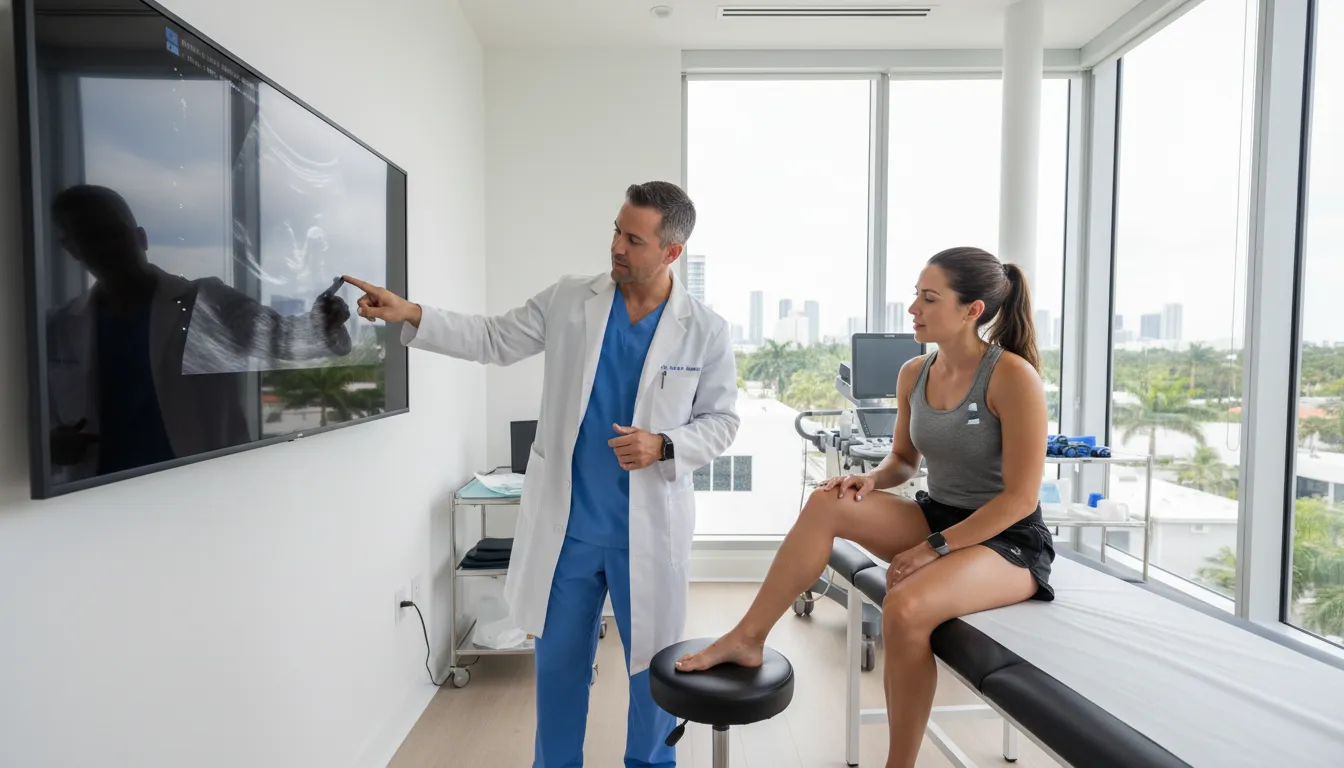
The first appointment focuses on understanding the injury and deciding whether further testing is appropriate. If a procedure is part of the plan, the clinician should explain preparation, what happens during the appointment, and what to expect afterward. Image guidance may be discussed when precise placement is clinically important.
Some people experience temporary soreness after a procedure. Instructions may include a period of modified activity and a structured return to loading. Medication guidance should come directly from the treating clinician because certain drugs may not fit the intended protocol.
Rehabilitation remains essential
A procedure does not instantly prepare a tendon for high-speed running or jumping. Rehabilitation typically progresses from manageable strength work toward heavier calf loading, faster movements, and sport-specific tasks. The exact sequence depends on the injury and the patient’s response.
Recovery is rarely a straight line. Mild fluctuations can occur as activity increases. Useful progress markers may include morning stiffness, walking comfort, calf-raise strength, endurance, hopping tolerance, and the response during the day after exercise. Decisions should be based on this broader pattern rather than a single good or bad day.
Timelines vary substantially. Chronic tendon changes often take time to improve, while a tear can require a longer and more protective course. A personalized plan should include milestones and clear instructions about when to adjust activity or contact the clinic.
Returning safely to an active Miami lifestyle
South Florida makes it easy to stay active throughout the year. But constant access to running paths, courts, gyms, and water activities can make it tempting to accelerate recovery. A safer return is based on function rather than the calendar alone.
Build capacity before intensity
Walking comfortably is an early step, not the final test. Before returning to running or court sports, patients may need adequate calf strength, repeated heel-raise capacity, balance, and tolerance for hopping or change-of-direction drills. The treating team can define relevant benchmarks.
Increase one variable at a time. For example, add duration before speed, or controlled court movement before full competition. Sudden increases in hills, sprinting, and jumping place significant demands on the Achilles tendon.
Account for Miami heat and surfaces
Heat and humidity can change perceived effort and contribute to fatigue. Plan hydration, choose appropriate times of day, and avoid letting fatigue compromise movement quality. Hard court surfaces and uneven outdoor routes may also increase demand during a return to activity.
Footwear should match the activity and feel comfortable. A clinician or rehabilitation professional may recommend temporary modifications based on the injury. But patients should avoid assuming that a particular shoe or insert can solve every Achilles problem.
Is regenerative medicine right for your Achilles injury?
Candidacy depends on diagnosis, severity, medical history, previous treatment, and goals. Someone with persistent tendinopathy who has followed an appropriate rehabilitation plan may have a different set of options than someone with a fresh complete rupture.
Questions to ask during a consultation
- What is the specific diagnosis, and do I need imaging?
- Which conventional treatments should I try or continue?
- Why is a regenerative option being considered in my case?
- What evidence supports the proposed approach for this injury?
- What are the risks, alternatives, costs, and expected follow-up?
- How will rehabilitation be coordinated after treatment?
- Which warning signs should prompt an urgent call?
Be cautious of guarantees, one-size-fits-all packages, and claims that a single injection can replace rehabilitation. A trustworthy consultation should make room for questions and clearly acknowledge uncertainty.
For broader information about non-surgical care, explore Miami Stem Cell’s pain management services and joint regeneration approach.
Frequently asked questions
Can stem cell therapy heal an Achilles tendon tear?
Stem cell-based protocols should not be described as guaranteed to heal a tear. Partial and complete tears differ significantly, and a complete rupture may require prompt orthopedic or surgical evaluation. A clinician can explain whether any regenerative approach has a reasonable role within a broader treatment plan.
Is PRP effective for Achilles tendonitis?
Research findings for PRP in Achilles tendinopathy are mixed. Some patients may discuss PRP after an individualized evaluation, but outcomes vary and rehabilitation remains important. The diagnosis, injury duration, technique, and overall plan can all influence the discussion.
How long does Achilles tendon recovery take?
There is no universal timeline. Recovery depends on whether the problem is tendinopathy, a partial tear, or a complete rupture, as well as health factors and activity goals. Chronic tendon problems often require gradual rehabilitation over an extended period.
When should Achilles pain be evaluated urgently?
Seek prompt care after a sudden pop, major swelling or bruising, inability to push off, or inability to stand on the toes of the affected side. These signs may indicate a rupture or another significant injury.
Schedule a personalized Achilles consultation
If Achilles pain is limiting your work, exercise, or active Miami lifestyle, the next step is a clear diagnosis and an individualized plan. Miami Stem Cell can review your symptoms, goals, and treatment options without promising a one-size-fits-all result.
Schedule a personalized consultation with Miami Stem Cell to discuss whether a non-surgical regenerative medicine approach may be appropriate for you.