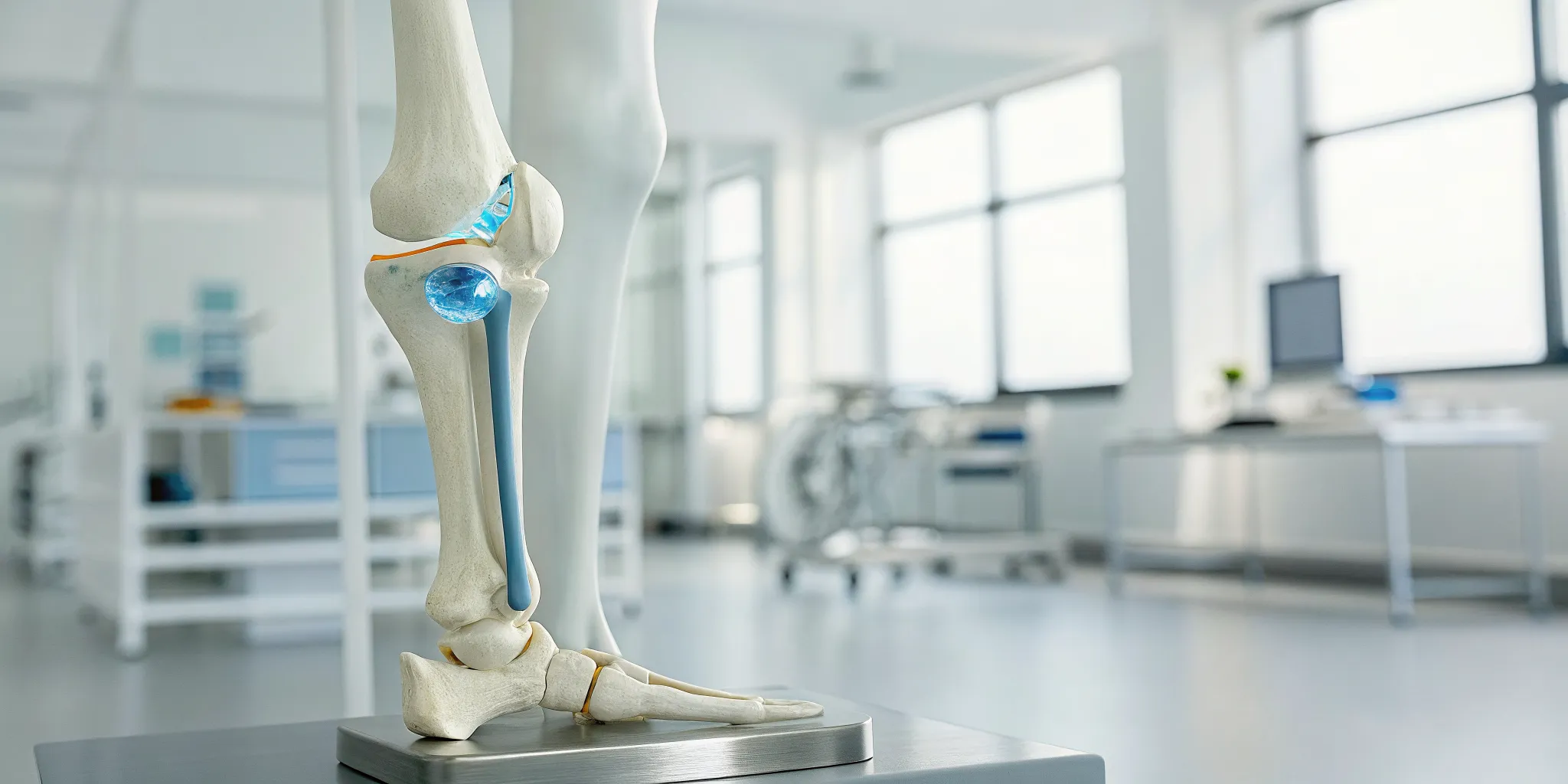
When you’re told that joint replacement surgery is your only real option for chronic pain, it can feel overwhelming. The idea of a long, painful recovery period and extensive physical therapy is enough to make anyone search for an alternative. What if you could address the root cause of your joint degeneration without going under the knife? Regenerative medicine offers that possibility. It’s a field focused on helping your body heal itself from the inside out. At our clinic, we specialize in non-surgical solutions that support your body’s innate repair mechanisms. Our Miami stem cell therapy for arthritis is specifically designed to reduce inflammation and promote tissue regeneration, offering a powerful alternative to invasive procedures and helping you get back to an active life faster.
Living with chronic joint or back pain can take a serious toll on your daily life. Whether it’s the stiffness of knee arthritis, persistent hip pain, limited movement from a shoulder injury, or the constant discomfort of back pain, finding long-term relief is essential. At Miami Stem Cell®, we specialize in stem cell therapy for joint regeneration, a cutting-edge, non-surgical treatment designed to help your body heal naturally.
What Is Stem Cell Therapy for Joint Pain?
Stem cells are unique because they can transform into various types of cells in the body. In regenerative medicine, they’re used to support natural healing by promoting tissue repair and reducing inflammation. For orthopedic conditions like arthritis or chronic pain, stem cells are typically sourced from your own bone marrow or fat tissue—or from carefully screened donors. After preparation, these cells are precisely injected into the affected area to create an environment that supports healing and improved joint function.
Understanding the Types of Arthritis
Not all joint pain is the same, and the term “arthritis” actually covers a wide range of conditions. Identifying the specific type of arthritis you’re dealing with is the first step toward finding an effective treatment plan. The two main categories that affect most people are degenerative arthritis, like osteoarthritis, and inflammatory arthritis, which includes autoimmune conditions like rheumatoid arthritis. Each type has a different underlying cause, which is why a one-size-fits-all approach to pain management often falls short. Understanding the root of the problem allows us to target the issue with therapies designed to address the specific cause of your joint damage and discomfort.
Osteoarthritis (OA)
Osteoarthritis is the most common form of arthritis, characterized by the degeneration of joint cartilage and the underlying bone, often leading to pain and stiffness. Think of it as the “wear-and-tear” arthritis that can develop over time from daily use, past injuries, or simply aging. The protective cartilage that cushions the ends of your bones gradually wears down, leading to bone-on-bone friction. This can cause significant pain, swelling, and a loss of flexibility in the affected joint, whether it’s your knee, hip, or shoulder. The goal of regenerative treatment for OA is to reduce inflammation and support the body’s ability to repair this damaged tissue.
Rheumatoid Arthritis (RA) and Psoriatic Arthritis (PsA)
Unlike OA, Rheumatoid Arthritis is an autoimmune disorder that primarily affects joints, causing inflammation, pain, and potential joint deformity. In this case, your immune system mistakenly attacks the lining of your joints, leading to chronic inflammation that can erode bone and cause lasting damage. Similarly, Psoriatic Arthritis is associated with the skin condition psoriasis and can also lead to joint pain and swelling. For these conditions, regenerative therapies focus on modulating the immune response and reducing the inflammation that drives the disease, helping to manage symptoms and protect your joints from further harm.
Advanced Regenerative Therapies for Joint Repair
Instead of just masking pain with medication or resorting to invasive surgery, advanced regenerative therapies aim to address the root cause of joint damage. These treatments use your body’s own healing mechanisms to create an environment that supports tissue repair, reduces inflammation, and improves overall function. At Miami Stem Cell, we utilize a range of cutting-edge, non-surgical options to help you find lasting relief. By focusing on joint regeneration, we can create personalized protocols that are tailored to your specific condition, helping you get back to the activities you love without the long downtime associated with surgery.
Mesenchymal Stem Cells (MSCs)
Mesenchymal Stem Cells are found in various tissues and are known for their ability to reduce inflammation and promote tissue repair, making them a valuable resource in treating arthritis. These powerful cells act as your body’s natural repair crew. When introduced to an injured or degenerated joint, they can help calm the inflammatory response and send signals that encourage the surrounding tissue to begin rebuilding. At our clinic, we use umbilical cord-derived MSCs, which are ethically sourced and highly potent, to provide your joints with the support they need to heal naturally and effectively.
Exosome Therapy
You can think of exosomes as the messengers for stem cells. Exosomes are tiny vesicles released by stem cells that carry important signals and growth factors, aiding in the healing and regeneration of damaged tissues. They don’t contain any cells themselves, but they are packed with the crucial instructions that tell your cells how to repair themselves. By delivering these targeted messages directly to the site of injury, exosome therapy helps coordinate the healing process, reduce inflammation, and support the regeneration of cartilage, ligaments, and other tissues without introducing new cells into your body.
Alpha-2-Macroglobulin (A2M) and Clarix-FLO® Injections
In the fight against cartilage breakdown, we have a few specialized tools. Alpha-2-Macroglobulin is a natural protein that inhibits enzymes responsible for cartilage breakdown, thus protecting joints from further damage. It essentially traps and removes the harmful substances that cause cartilage to deteriorate in an arthritic joint. We also use Clarix-FLO®, an FDA-approved amniotic fluid injection rich in healing factors that promotes tissue repair and reduces inflammation. This powerful combination helps create an optimal environment for healing, making it a key part of our comprehensive pain management protocols.
Stem Cell Therapy for Knee Arthritis
Knee osteoarthritis is one of the leading causes of disability among adults. Traditional treatments like medications, physical therapy, and steroid injections can manage symptoms but do not stop joint damage from progressing. Stem cell therapy offers a promising alternative by:
- Reducing joint inflammation and pain
- Supporting cartilage health and slowing degeneration
- Improving mobility and overall function
Patients with mild to moderate arthritis often see the best results.
Using Stem Cells for Hip Pain
Hip pain caused by arthritis, labral tears, or degeneration can make walking, exercising, and even sleeping uncomfortable. Since hip surgeries are complex and require long recovery times, many patients turn to stem cell therapy as a non-surgical solution. Potential benefits include:
- Supporting and protecting damaged cartilage
- Decreasing irritation and discomfort
- Improving range of motion and hip strength
Shoulder Pain & Stem Cell Treatment
Rotator cuff injuries, arthritis, and bursitis are common sources of shoulder pain. At Miami Stem Cell®, we use stem cell injections—often enhanced with Platelet-Rich Plasma (PRP)—to promote healing and restore function. Reported results include:
- Decreased inflammation and pain
- Enhanced tendon and tissue healin
- Improved flexibility and strength
Chronic Back Pain: Can Stem Cells Help?
Chronic back pain is often linked to degenerative disc disease or facet joint arthritis. In select cases, stem cells can be injected into spinal discs or nearby structures, potentially:
- Reducing long-term pain
- Improving flexibility and function
- Helping patients avoid or delay back surgery
What to Expect During Your Treatment
If you’re considering stem cell therapy, you probably have questions about what the process actually involves. The good news is that the treatment is a straightforward, non-surgical procedure performed right in our clinic. Our primary goal is to make your experience as comfortable and seamless as possible. From your initial consultation to the treatment itself, our team is here to guide you and ensure you feel confident in your decision. The entire process is designed to be minimally invasive, allowing you to get back to your life with very little downtime compared to traditional surgical options for joint pain.
The Procedure: From Harvest to Injection
The core of the treatment involves carefully introducing powerful regenerative cells into your area of pain or injury to support your body’s natural healing mechanisms. The process begins with preparing the stem cells, which are then administered through a simple injection directly into the affected joint, such as the knee, hip, or shoulder. We focus on creating a healing environment right where you need it most. This targeted approach helps reduce inflammation, repair damaged tissue, and ultimately improve function and reduce pain, all without the need for surgery or a lengthy recovery period.
Where Do Stem Cells Come From?
At Miami Stem Cell®, we exclusively use umbilical cord-derived mesenchymal stem cells (MSCs) sourced from FDA-compliant, accredited tissue banks. These cells are collected from the umbilical cords of healthy, pre-screened donors after full-term births, a process that is completely safe and ethical for both mother and baby. By using these vibrant, potent stem cells, we eliminate the need for an invasive harvesting procedure from your own body, such as a bone marrow or fat aspiration. This ensures you receive the highest quality cells without any additional discomfort.
The Importance of Ultrasound-Guided Injections
Precision is key to a successful outcome. To ensure the stem cells reach the exact location of your injury, we perform all of our joint injections using ultrasound guidance. This advanced imaging technology allows us to see inside the joint in real-time, confirming the needle is placed precisely in the damaged area. This meticulous technique not only maximizes the potential for healing but also makes the injection process safer and more comfortable for you. It’s a critical step that ensures the therapy is as effective as possible.
Tailoring Treatment for Systemic Conditions
Joint pain isn’t always localized. For systemic inflammatory conditions like rheumatoid arthritis, a targeted injection alone may not be enough. In these cases, we design a more comprehensive treatment plan to address inflammation throughout the body. This often involves combining local joint injections with intravenous (IV) infusions of stem cells and exosomes. This dual approach helps manage widespread inflammation while also promoting repair at the specific site of joint damage, offering a more holistic path toward relief and improved well-being for those with autoimmune-related joint issues.
Who Is a Good Candidate for Stem Cell Therapy?
Stem cell therapy is an excellent option for individuals seeking a non-surgical solution for chronic joint pain or injury. The ideal candidate is often someone with mild to moderate joint degeneration who wants to avoid or delay a major surgery like a knee or hip replacement. If you’re looking for a treatment that addresses the root cause of your pain rather than just masking symptoms, regenerative medicine could be a great fit. It’s also for people who are proactive about their health and want to improve their mobility, reduce pain, and maintain an active lifestyle for years to come.
This therapy is particularly effective for conditions like osteoarthritis, rotator cuff tears, labral tears in the hip, and certain types of chronic back pain. However, the only way to know for sure if you are a candidate is to come in for a personal consultation. During your visit, our medical team will review your health history, perform a thorough examination, and discuss your goals to determine if joint regeneration is the right path for you. We believe in creating personalized treatment plans that align with your specific needs and health objectives.
Setting Realistic Expectations for Recovery and Results
It’s important to understand that stem cell therapy works with your body’s natural healing timeline, which means results are gradual. While some patients report feeling better within a few weeks, it can often take several months to experience the full benefits as tissues slowly repair and inflammation subsides. Unlike steroid injections that provide rapid but temporary relief, stem cell therapy aims for long-term healing. The recovery process itself is minimal, with most patients resuming normal activities within a day or two, a stark contrast to the months of rehabilitation required after surgery. While outcomes can vary, many of our patients share stories of significant pain reduction and restored function, which you can explore in their testimonials.
Is Stem Cell Therapy Safe?
When administered by qualified professionals in a proper clinical setting, stem cell therapy for joints is generally safe. However, results vary, and not everyone is an ideal candidate. Key considerations include:
- The source of the stem cells (your own vs. donor)
- Your specific diagnosis and condition severity
- Realistic expectations for results
At Miami Stem Cell®, we follow strict medical protocols to ensure safe, reliable, and effective treatment.
A Look at the Potential Risks
It’s smart to approach any medical treatment with a clear understanding of the potential risks. While stem cell therapy is a minimally invasive procedure, it’s not entirely without risk. The most common concerns are minor and related to the injection itself, such as temporary pain, swelling, or a low risk of infection at the injection site. The key to a safe and effective outcome lies in the hands of your provider. When administered by qualified professionals in a proper clinical setting, stem cell therapy for joints is generally safe. At Miami Stem Cell, we prioritize your safety by adhering to the strictest sterile techniques and using high-quality, ethically sourced stem cells to minimize any potential complications. For more detailed answers to common questions, you can always review our comprehensive FAQs.
Understanding the FDA’s Position on Stem Cell Therapy
The regulatory landscape for regenerative medicine in the United States is still evolving. Currently, the FDA considers most stem cell injections to be experimental. Because of this classification, most insurance plans, including Medicare, do not typically cover the cost of these treatments. It’s important to understand that “experimental” doesn’t mean the procedure is unsafe; it simply means that the FDA is still gathering the large-scale clinical data required for full approval. Reputable clinics operate within specific FDA guidelines that regulate how cells are sourced, processed, and administered. We are committed to providing therapies that are not only science-backed but also fully compliant with current federal regulations, ensuring you receive the highest standard of care available in the U.S.
Navigating U.S. vs. Overseas Treatment Options
You may have heard of people traveling abroad for stem cell treatments. That’s because regulations in other countries sometimes allow for practices not yet permitted in the U.S., such as culturing, or expanding, stem cells in a lab to create much larger quantities. Some reports suggest the U.S. is “at least 10 years behind” other parts of the world in this specific area due to strict rules. While this might sound appealing, receiving treatment in the U.S. offers significant advantages, including stringent safety standards and clear regulatory oversight. Choosing a local provider ensures you have access to consistent follow-up care and a medical team you can trust. We believe the safest and most reliable path to healing involves staying within the U.S., where you are protected by established medical protocols.
Investing in Your Health: The Cost of Stem Cell Therapy
When considering any medical treatment, the cost is naturally a significant factor. Stem cell therapy is an investment in your long-term health and quality of life. While it represents an upfront expense, many people find it to be a valuable alternative to the endless cycle of managing symptoms with medication or facing invasive surgery with a long and painful recovery. Understanding the costs involved can help you make an informed decision about whether this innovative approach to healing is the right path for you. The price of treatment is not a one-size-fits-all number; it’s tailored to your unique situation and health goals.
Factors That Determine the Final Price
Because every patient’s needs are different, the cost of stem cell therapy is highly personalized. Several key factors influence the final price of your treatment plan. The specific condition being treated and its severity play a major role; for example, addressing mild knee arthritis may require a different protocol than treating advanced degenerative disc disease. The number of injections needed and the type and quantity of stem cells required for optimal results will also be considered. At Miami Stem Cell®, we create a customized treatment plan after a thorough evaluation to ensure you receive the most effective care for your situation.
Insurance Coverage and Financing
One of the most common questions we receive is whether health insurance covers stem cell therapy. Currently, because regenerative medicine is still considered “experimental” by many providers, most insurance plans do not cover these procedures. We believe in being transparent about this from the start so you can plan accordingly. While this means the treatment is an out-of-pocket expense, it’s important to weigh this cost against the potential for lasting relief and improved function. We encourage you to review our FAQs and discuss any financial questions with our team during your consultation.
The Long-Term Value of Regenerative Medicine
Viewing stem cell therapy as a long-term investment can help put the cost into perspective. Think about the ongoing expenses of traditional treatments: prescription pain medications, frequent co-pays for physical therapy, or lost wages from recovery after a major surgery. Regenerative medicine aims to address the root cause of your pain and dysfunction, potentially reducing or eliminating those recurring costs over time. In Florida, a course of treatment can range from $5,000 to $10,000, depending on the complexity. For many, this is a worthwhile price for reclaiming an active, pain-free life. To get a clear understanding of what your investment would be, schedule a consultation with our medical team.
Why Choose Miami Stem Cell® for Joint Regeneration?
- Expert physicians specializing in regenerative medicine
- State-of-the-art facilities and evidence-based protocols
- Personalized treatment plans tailored to your needs
Take the First Step Toward Pain-Free Living
If you are experiencing knee arthritis, hip pain, shoulder injuries, or chronic back pain, you don’t have to let it control your life. Discover how stem cell therapy for joint regeneration may help you avoid or delay surgery, reduce pain, and improve your quality of life. Call us today at (305) 598-7777 or Schedule Your Consultation Online to speak with one of our specialists and explore your options.
Frequently Asked Questions
How is this different from a cortisone shot? Think of a cortisone shot as a powerful, short-term fix that reduces inflammation to give you quick relief. Stem cell therapy, on the other hand, is focused on long-term healing. Instead of just masking the pain, it introduces regenerative cells and growth factors that help your body repair the underlying tissue damage and manage inflammation naturally. The goal is to improve the health of the joint for more sustainable results.
Is the injection process painful? We do everything we can to make the procedure as comfortable as possible. We use a local anesthetic to numb the area completely before the injection. Most people report feeling a sense of pressure at the injection site, but not sharp pain. The injection itself is very quick, and any minor soreness afterward typically resolves within a day or two.
Why do you use umbilical cord stem cells instead of my own? We use umbilical cord-derived stem cells because they are incredibly potent and vibrant, which is ideal for promoting tissue repair. These cells are ethically sourced from pre-screened, healthy donors after full-term births. This approach also allows you to avoid a separate, invasive procedure to harvest cells from your own bone marrow or fat, making the entire process simpler and more comfortable for you.
Will I need more than one treatment? Your treatment plan is completely personalized. For some people dealing with mild to moderate joint issues, a single treatment can provide significant and lasting improvement. However, for more complex or advanced conditions, a series of treatments may be recommended to achieve the best possible outcome. We’ll determine the right approach for you during your initial consultation.
How long will the results from stem cell therapy last? Because this therapy works with your body’s natural repair cycle, the goal is to create lasting change rather than a temporary fix. Many patients experience sustained relief and improved function for several years. The longevity of the results depends on your specific condition, the extent of the joint damage, and your overall health and lifestyle.
Key Takeaways
- Go Beyond Symptom Management: Stem cell therapy is a non-surgical alternative that targets the underlying cause of joint pain by using powerful cells to reduce inflammation and support tissue repair, helping your body heal from within.
- Understand the Healing Process: While the treatment is a straightforward injection with minimal downtime, the results are gradual. True improvement happens over several months, aiming for lasting relief rather than a temporary fix.
- Prioritize Safe and Qualified Care: This therapy is an investment in your long-term health, as it’s not typically covered by insurance. Choosing a reputable U.S. clinic that uses high-quality cells and follows strict safety protocols is essential for a successful outcome.
Related Articles
- Stem Cell Therapy for Arthritis Pain | StemCellMIA
- Pain Management & Regenerative Medicine Solutions | Miami Stem Cell
- Stem Cell Therapy for Joint Pain Relief & Regeneration | Miami Stem Cell