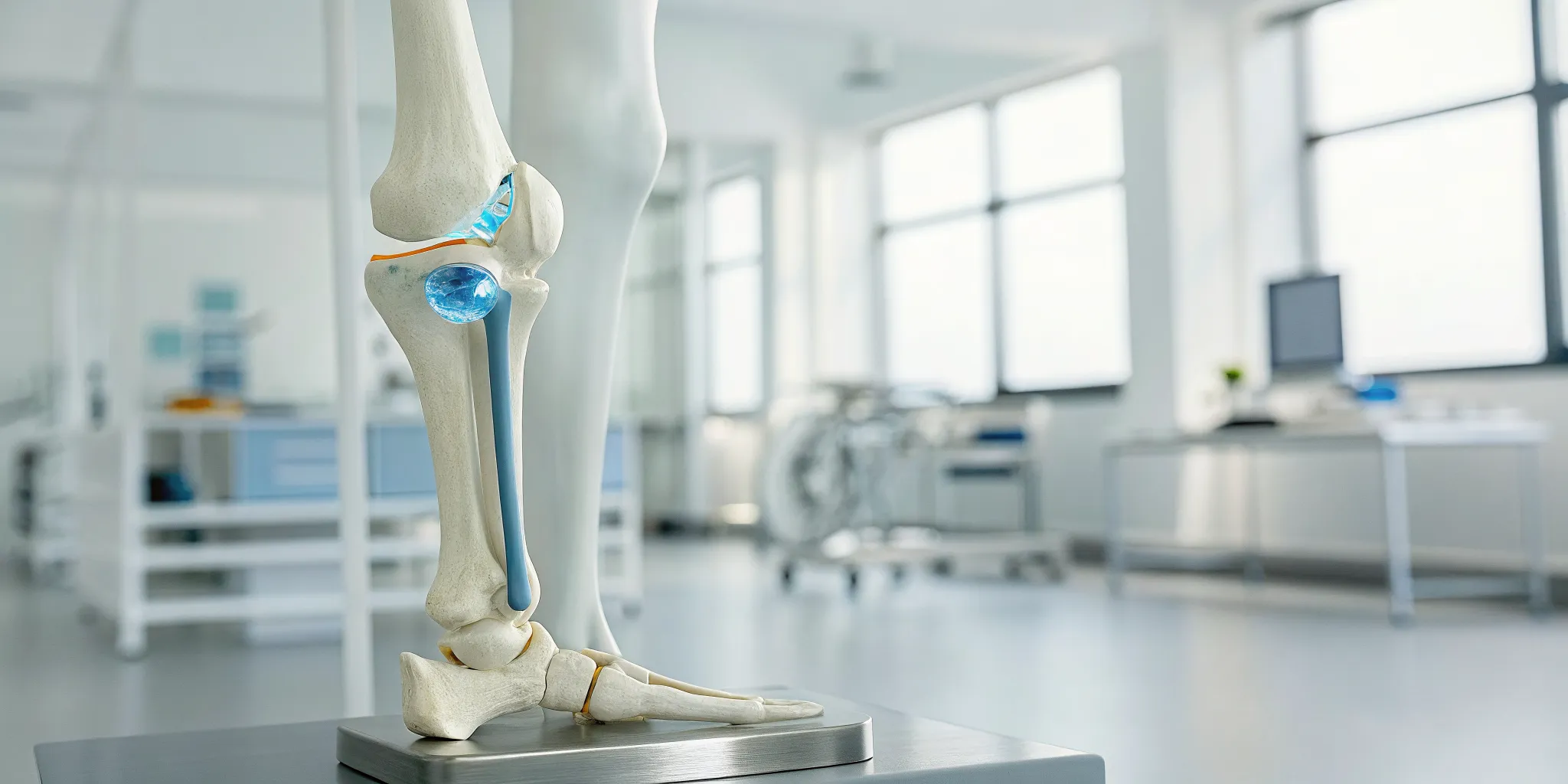
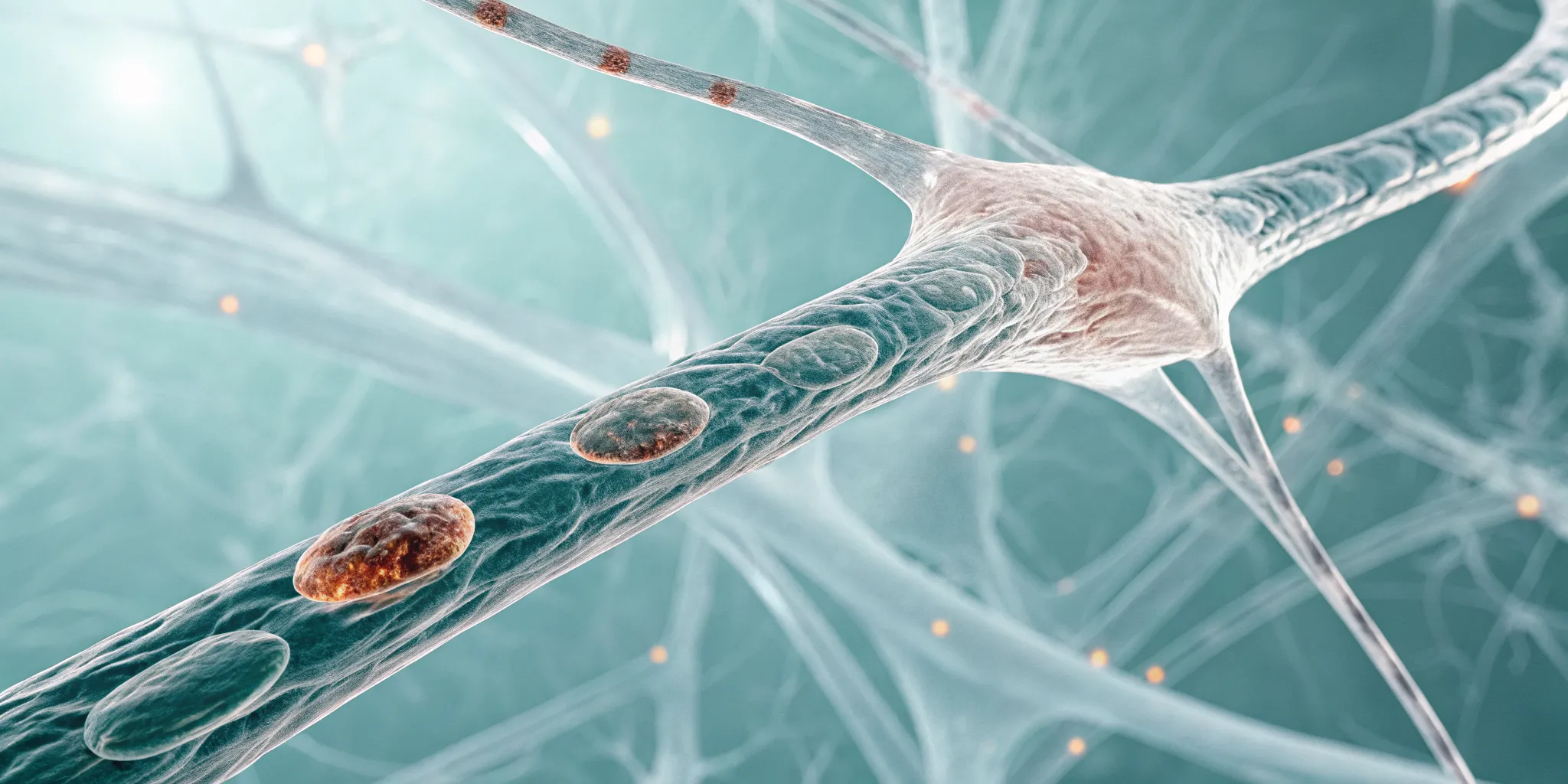
The way we approach spinal health is undergoing a major shift. For years, the focus was on managing pain with medication or correcting structural issues with invasive surgery. Now, we can focus on true healing. Regenerative medicine harnesses the most powerful tools in the human body to repair damage at a cellular level. At Miami Stem Cell, we specialize in stem cell therapy for spine disorders, a cutting-edge treatment that reduces inflammation and rebuilds worn-out tissue. Let’s explore how this science-backed approach offers new hope for long-term relief from chronic back and neck pain.
At Miami Stem Cell, we’re pioneering the future of spine health with our cutting-edge stem cell therapy for spinal disorders. Traditional treatments for spinal ailments often involve a combination of medication, physical therapy, and, in more severe cases, surgery. While beneficial for some, these methods may lead to prolonged recovery periods and varied outcomes. In contrast, stem cell therapy presents an innovative, non-surgical spine treatment option that addresses the root causes of spinal issues, offering hope for cervical spine treatment, lumbar spine healing, and thoracic pain relief.
The Essence Of Stem Cell Therapy
Stem cell therapy utilizes the body’s natural healing mechanisms, harnessing the power of stem cells to regenerate damaged tissues and reduce inflammation. This approach can significantly improve spinal health regeneration without requiring invasive surgical procedures.
How It Works
Stem cells are injected into the affected spine area, where they can differentiate into the types of cells needed for tissue repair. This process alleviates pain and promotes healing in the cervical, lumbar, and thoracic regions, tackling disorders at their source.
The Detailed Mechanism of Action
Once introduced to the target area, stem cells get to work in a truly remarkable way. Think of them as intelligent building blocks for your body. When injected into a damaged part of the spine, they have the unique ability to assess the environment and transform into the specific cell types needed for repair—like cartilage, bone, or ligament cells. This process of differentiation allows the therapy to address the problem at its very source. Instead of just masking pain, this approach focuses on rebuilding the damaged tissue, which can lead to more sustainable relief and improved function in the cervical, lumbar, and thoracic regions of your spine.
Reducing Inflammation and Healing Scar Tissue
Chronic inflammation is a major driver of pain and tissue breakdown in many spinal conditions. Stem cells are powerful anti-inflammatory agents, calming the overactive immune response that contributes to discomfort and further damage. By reducing this inflammation, they create a better environment for healing to occur. Furthermore, these cells can help remodel and reduce existing scar tissue, which often restricts movement and contributes to stiffness. This dual action of calming inflammation and regenerating healthy tissue is central to how stem cell therapy can manage chronic pain and restore mobility, helping your body heal more effectively from the inside out.
Types and Sources of Stem Cells for Spine Health
Not all stem cells are created equal, and understanding their types and sources is key to appreciating the therapy’s potential. The cells used in regenerative medicine are chosen for their specific ability to repair and regenerate tissue. For spinal conditions, the focus is on cells that can effectively target cartilage, bone, and connective tissues while also managing inflammation. The source of these cells is also a critical factor, influencing their potency and how they are administered. Different sources offer unique advantages, and the choice often depends on the specific treatment protocol and the patient’s individual needs, ensuring a personalized and effective approach to healing.
Mesenchymal Stem Cells (MSCs)
The workhorses of regenerative medicine for spinal issues are often Mesenchymal Stem Cells, or MSCs. These are multipotent cells, meaning they can develop into a variety of cell types, including those that make up bone, cartilage, and fat tissue—all essential components of a healthy spine. Their versatility makes them ideal for repairing the complex structures of the spinal column. MSCs are also known for their strong anti-inflammatory and immune-modulating properties, which help create a healing environment. This is why they are so commonly used to address joint and tissue degeneration throughout the body, including the intricate discs and joints of the spine.
Sources: Umbilical Cord vs. Autologous Cells
Stem cells can be sourced in a few different ways. One method is “autologous,” where cells are taken from a patient’s own body, typically from bone marrow or fat tissue. Another approach, and the one we specialize in at Miami Stem Cell, involves using MSCs derived from donated umbilical cord tissue. We prefer this source because these cells are incredibly young, vibrant, and potent, and they haven’t been exposed to the aging process or environmental toxins. This method also allows you to skip a separate, often uncomfortable, harvesting procedure, making the entire process simpler and more comfortable for you while providing a high-quality, powerful therapeutic tool.
Specific Spinal Conditions Treated
Stem cell therapy isn’t a one-size-fits-all solution, but it shows incredible promise for a wide range of specific spinal disorders that cause chronic pain and limit mobility. From the wear-and-tear of daily life that leads to degenerative conditions to more acute injuries, this regenerative approach can be tailored to address the unique pathology of each issue. By focusing on tissue repair and inflammation reduction, it offers a new avenue of hope for individuals who haven’t found lasting relief with conventional treatments. This therapy directly targets the underlying damage, aiming to restore function and improve your overall quality of life.
Degenerative Disc Disease (DDD)
Degenerative Disc Disease is essentially the result of wear and tear on your spinal discs, causing them to lose hydration, shrink, and become less effective as cushions between your vertebrae. This can lead to significant pain and stiffness. Stem cell therapy directly counters this process. The injected cells can help restore hydration within the discs, promote the regeneration of healthy disc tissue, and reduce the inflammation that drives pain. For many people, this can lead to a noticeable restoration of disc height, improved mobility, and a significant reduction in the chronic pain associated with DDD.
Herniated Discs
A herniated disc, sometimes called a slipped or ruptured disc, occurs when the soft inner material of a spinal disc pushes out through a tear in its tough exterior. This can put pressure on surrounding nerves, causing sharp pain, numbness, or weakness. Stem cell therapy can help by promoting the repair of the disc’s damaged outer layer, the annulus fibrosus. By healing this tear, the therapy can help contain the inner material and reduce the compression on nearby nerves. This regenerative process addresses the structural problem of the herniation itself, offering a path to relief that goes beyond simply managing symptoms.
Arthritis and Facet Joint Damage
The small, stabilizing facet joints that connect your vertebrae can wear down over time, leading to spinal arthritis (osteoarthritis). This degeneration of cartilage causes bones to rub against each other, resulting in inflammation, stiffness, and chronic pain. Stem cell therapy is a very promising method for treating this type of joint damage. The MSCs can differentiate into new cartilage cells, helping to rebuild the cushion in these joints. At the same time, their powerful anti-inflammatory effects can calm the irritation and pain, helping patients recover more naturally and completely from the effects of spinal arthritis.
Spinal Cord Injury (SCI)
While research is ongoing, the potential for stem cell therapy in treating spinal cord injuries is one of the most exciting frontiers in regenerative medicine. An SCI can disrupt communication between the brain and the body, leading to paralysis and loss of sensation. Early research, including studies from the Mayo Clinic, has shown that stem cell therapy is safe and may help people with SCIs by reducing inflammation, protecting surviving nerve cells, and potentially promoting new neural connections. While not a cure, it represents a significant step forward in managing these life-altering injuries and improving function.
Ankylosing Spondylitis (AS) and Rheumatoid Arthritis (RA)
Ankylosing Spondylitis and Rheumatoid Arthritis are autoimmune conditions where the body’s own immune system mistakenly attacks the joints, including those in the spine. This leads to chronic inflammation, pain, and in the case of AS, can even cause vertebrae to fuse together. Stem cell therapy offers a unique approach by modulating the body’s immune response. The powerful anti-inflammatory and immunomodulatory properties of MSCs can help calm this autoimmune attack, reducing pain and potentially slowing the progression of the disease. By targeting both the inflammation and the resulting tissue damage, this therapy can help fix damaged discs and joints.
Benefits Of Stem Cell Therapy
The benefits of stem cell therapy are;
- Non-Surgical Alternative: This option is less invasive than traditional surgical methods, minimizing the risk of complications and infections.
- Reduced Recovery Time: Patients typically experience a quicker recovery, allowing them to return to daily activities sooner.
- Pain Reduction: Effectively alleviates chronic pain by targeting the underlying causes of spinal disorders.
- Enhanced Healing: Promotes the regeneration of damaged tissues in the cervical, lumbar, and thoracic spine regions, potentially restoring function.
- Minimized Side Effects: Since the therapy uses the body’s cells, the risk of adverse reactions is significantly lower than conventional treatments.
- Personalized Treatment: Each therapy plan is tailored to the individual’s conditions and needs, ensuring optimal outcomes.
- Long-Term Relief: Aims to provide lasting relief from spinal pain and discomfort, improving the overall quality of life.
Ideal Candidates For Stem Cell Therapy
Stem cell therapy is most effective for individuals experiencing chronic spinal pain or degenerative conditions who have not found relief through conventional treatments. It’s also suitable for those looking to avoid the risks and downtime associated with surgery.
The Treatment Process
At Miami Stem Cell, stem cell therapy for spinal disorders begins with a comprehensive evaluation to determine if stem cell therapy is the right option for you. This involves a detailed assessment of your spinal health and an overview of your medical history. Once eligibility is confirmed, the procedure is scheduled. The treatment is minimally invasive, with stem cells being harvested and injected into the targeted area under guidance to ensure precision.
A Closer Look at the Procedure
Understanding what happens during the treatment can help demystify the process and set clear expectations. The procedure is designed to be as straightforward and comfortable as possible, focusing on precision and effectiveness. It’s a multi-faceted approach that combines the core stem cell injection with other therapies to create the best possible environment for healing. This comprehensive strategy ensures that we’re not just masking symptoms but are actively working to repair the underlying damage and restore function to your spine, helping you get back to the life you enjoy.
Precision-Guided Injections
The central part of the therapy involves injecting powerful, umbilical cord-derived mesenchymal stem cells directly into the affected area of your spine. Using advanced imaging guidance, our specialists ensure the cells are delivered with pinpoint accuracy to the source of your pain or degeneration. Once there, these remarkable cells get to work reducing inflammation, regenerating damaged tissue, and promoting natural healing. This targeted approach is a cornerstone of modern pain management, addressing the root cause of discomfort in the cervical, lumbar, or thoracic regions and helping patients experience significant relief and improved quality of life over the following months.
Supportive Therapies for Enhanced Results
To maximize the effectiveness of the stem cells, we often integrate supportive therapies into your personalized treatment plan. These complementary treatments create an optimal internal environment for the stem cells to thrive and perform their regenerative functions. Depending on your specific needs, your protocol might include therapies like Intravenous (IV) Nutrition to supply essential vitamins and minerals directly to your bloodstream or Peptide Therapy to further support cellular repair. By combining these modalities, we help enhance the body’s healing response, ensuring the injected stem cells have everything they need to successfully repair tissue and provide lasting relief.
Post-Treatment Care
After the procedure, patients may experience mild discomfort, which typically subsides within a few days. Physical therapy and follow-up assessments are part of the comprehensive care plan to maximize the therapy’s benefits.
Evaluating the Evidence and Safety Profile
When you’re exploring innovative treatments like stem cell therapy, it’s completely normal to have questions about the science behind it and what to expect. Being an informed patient is the first step toward making the best decision for your health. The field of regenerative medicine is constantly evolving, with new research shedding light on its potential every day. At Miami Stem Cell, we believe in transparency and are committed to providing treatments that are not only advanced but also grounded in scientific evidence. Understanding the clinical findings, potential risks, and the current regulatory environment is key to feeling confident in your treatment plan.
Scientific Studies and Clinical Findings
The growing body of research into stem cell therapy for spinal conditions is incredibly promising. For instance, a study from the Mayo Clinic investigated the use of stem cell therapy for spinal cord injuries and found it to be safe, with a majority of participants showing measurable improvement in function. Researchers noted that seven out of the ten participants improved by at least one level on the American Spinal Injury Association Impairment Scale. While more extensive studies are always underway, findings like these are a significant step forward, demonstrating the real potential for stem cells to repair and regenerate damaged tissue within the spine, offering hope where traditional options may have fallen short.
Potential Risks, Side Effects, and Limitations
Like any medical procedure, stem cell therapy has potential risks, though they are generally considered rare. These can include immune reactions or the unwanted growth of tissue. It’s also important to have realistic expectations; not everyone experiences the same level of improvement, and results can vary based on the individual and the severity of the condition. Stem cell therapy often shows the best results for those with mild to moderate spinal degeneration. This is why a thorough initial consultation is so critical. We take the time to carefully evaluate your specific situation to determine if you are a strong candidate, ensuring the treatment aligns with your health goals and offers a high probability of success.
Understanding the Regulatory Landscape
It’s important to know that most stem cell treatments are currently considered experimental by the U.S. Food and Drug Administration (FDA) and are not yet approved as a standard therapy for most conditions. This is a key distinction, and it highlights the importance of choosing a reputable clinic that prioritizes safety and compliance. At Miami Stem Cell, we operate strictly within FDA guidelines, using umbilical cord-derived mesenchymal stem cells that are sourced from accredited tissue banks. This ensures our USA-based treatments adhere to the highest standards for safety, purity, and viability, providing you with peace of mind as you pursue a path toward healing.
Stem Cells as a Complement to Surgery
While many people seek out stem cell therapy as a way to avoid invasive procedures, it’s also a powerful tool for improving the outcomes of necessary surgeries. For individuals facing operations like spinal fusion, regenerative medicine can play a supportive role, helping the body heal more effectively and potentially leading to a smoother, faster recovery. Instead of viewing it as an “either/or” choice, think of stem cell therapy as a complementary approach that can be integrated into a comprehensive treatment plan. This versatility allows us to support patients at different stages of their spinal health journey, whether they are trying to prevent surgery or recover from it.
Enhancing Spinal Fusion Outcomes
Spinal fusion surgery is a common procedure for stabilizing the spine, but it traditionally requires a bone graft to help the vertebrae fuse together. Often, this bone is taken from the patient’s own hip, which means a second surgical site, additional pain, and a longer recovery. Stem cell therapy offers a remarkable alternative. By injecting concentrated stem cells at the fusion site, we can stimulate the body to grow new, healthy bone tissue right where it’s needed. This can eliminate the need for a painful bone graft, reduce overall recovery time, and improve the chances of a successful fusion, making it a valuable addition to surgical pain management and healing.
Why Choose Miami Stem Cell?
Choosing Miami Stem Cell for your spine health needs means opting for a path paved with innovation, expertise, and compassion. Here’s why:
- Innovative Treatments: We’re at the forefront of medical advancements, offering cutting-edge stem cell therapy options that leverage the latest research and technology.
- Expert Care: Our team comprises highly skilled professionals specializing in regenerative medicine, ensuring you receive the highest standard of care.
- Personalized Approach: We understand that each patient’s journey is unique. We provide tailored treatment plans designed to meet your health goals and conditions.
- Holistic Support: From the initial consultation to post-treatment follow-ups, we’re with you every step of the way, offering support to ensure your journey to recovery is smooth and informed.
- Commitment to Excellence: Miami Stem Cell’s mission is to deliver exceptional care that meets and exceeds patient expectations. We’re dedicated to improving your quality of life through innovative, non-surgical solutions.
- Proven Success: Our patients’ success stories are a testament to the effectiveness of our therapies. We take pride in seeing our patients regain mobility, reduce pain, and enhance their well-being.
The Future of Spinal Treatment
Stem cell therapy represents a significant advancement in treating spinal disorders, offering a promising alternative to traditional methods. With the potential to alleviate pain, enhance healing, and restore function, it’s a pathway to improved quality of life for those suffering from cervical, lumbar, and thoracic spine issues. Miami Stem Cell is at the forefront of this medical revolution, bringing innovative spinal health regeneration techniques to our patients. Discover how our stem cell therapy for spinal disorders can transform your life today.
Frequently Asked Questions
How long does it take to see results from stem cell therapy for my back? Healing at a cellular level is a gradual process, not an overnight fix. While some people notice a decrease in inflammation and pain within a few weeks, the most significant benefits related to tissue regeneration typically unfold over two to three months. Your body needs time to use the new cells to repair damage, so patience is key. We will monitor your progress closely to ensure you are on the right track.
Is the procedure painful, and what is the recovery like? The treatment itself is minimally invasive and involves a precision-guided injection. Most patients report feeling only minor discomfort, similar to a standard joint injection. Afterward, you might experience some temporary soreness at the injection site for a couple of days. Unlike surgery, there is very little downtime, and most people can return to their normal daily activities quickly.
Why do you use stem cells from umbilical cords instead of my own? We choose to use mesenchymal stem cells (MSCs) derived from donated umbilical cord tissue because they are incredibly young, vibrant, and potent. These cells have not been exposed to the aging process or environmental factors, which gives them a powerful regenerative capacity. This approach also allows you to avoid a separate, often uncomfortable, procedure to harvest cells from your own body.
How is this different from getting a cortisone shot for back pain? A cortisone shot is a powerful steroid that works by suppressing inflammation to provide temporary pain relief. It’s a great tool for managing symptoms, but it doesn’t fix the underlying problem. Stem cell therapy works differently; it is a regenerative treatment. The goal is to repair the damaged tissue, reduce inflammation at its source, and promote long-term healing for more sustainable results.
Is this treatment considered safe? Yes, the procedure has a strong safety profile. Like any medical treatment, there are potential risks, but they are rare. We prioritize your safety by operating strictly within FDA guidelines for regenerative medicine. The umbilical cord-derived stem cells we use are sourced from accredited tissue banks, ensuring they meet the highest standards for purity, viability, and safety.
Key Takeaways
- Heal from Within: Stem cell therapy works by repairing damaged spinal tissue and calming inflammation at the source, offering a path to lasting relief rather than just temporarily masking pain.
- A Non-Surgical Option for Chronic Pain: This therapy can effectively address a variety of common spinal problems, including degenerative disc disease and herniated discs, making it a powerful alternative for individuals seeking to avoid invasive surgery.
- Your Treatment Quality Matters: The success of stem cell therapy depends on the quality of the cells and the expertise of the clinic; choosing a provider that uses potent, ethically sourced cells and adheres to strict safety guidelines is crucial for achieving the best possible results.
Related Articles
- Beyond Traditional Treatment: Stem Cells For Cervical, Lumbar, And Thoracic Spine Healing
- How Does Stem Cell Therapy Work For Spinal Cord Injury
- Stem Cell Therapy for Spine Pain Relief & Healing
- Spinal Stem Cell Injections: A Patient’s Guide