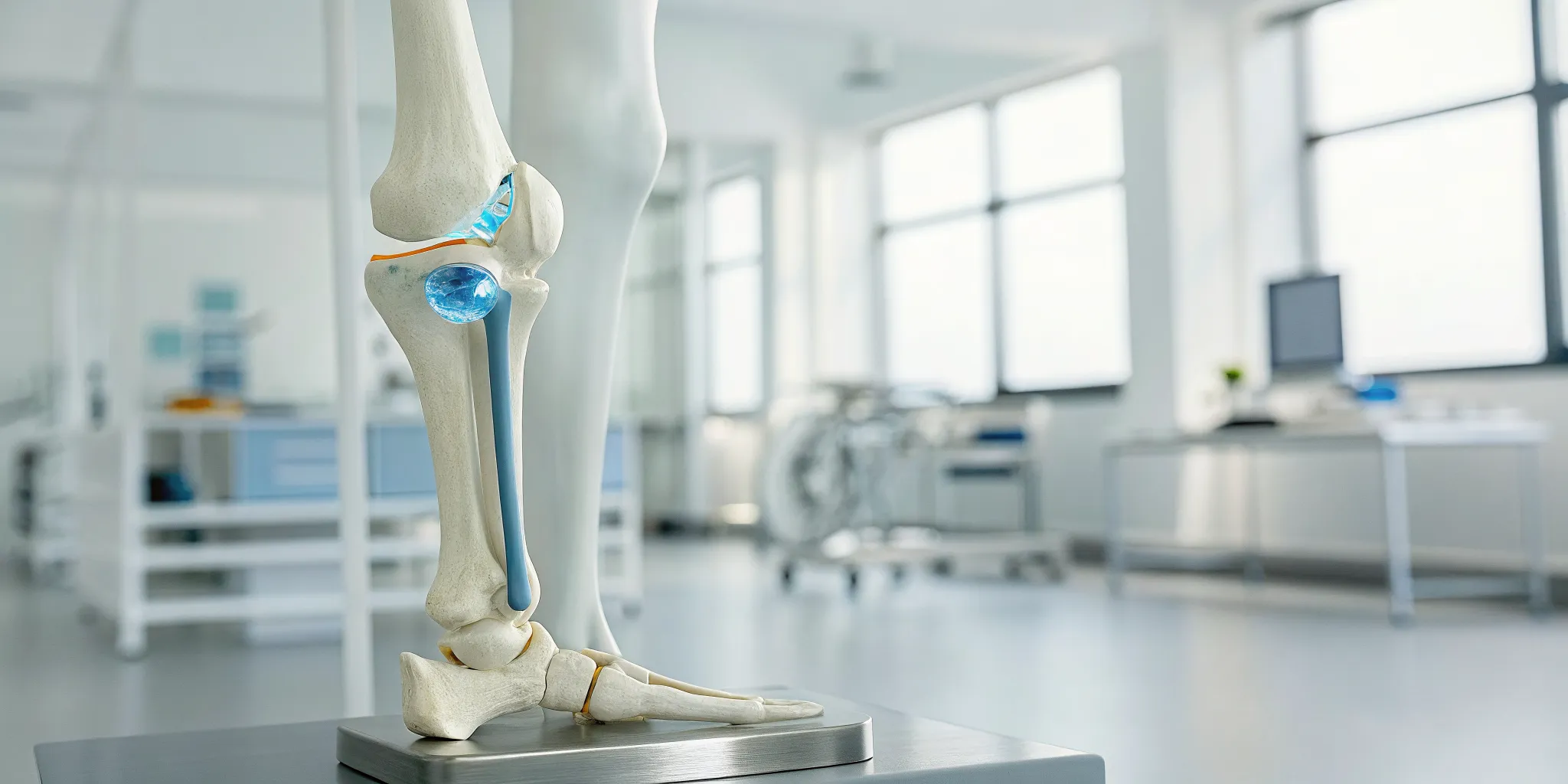
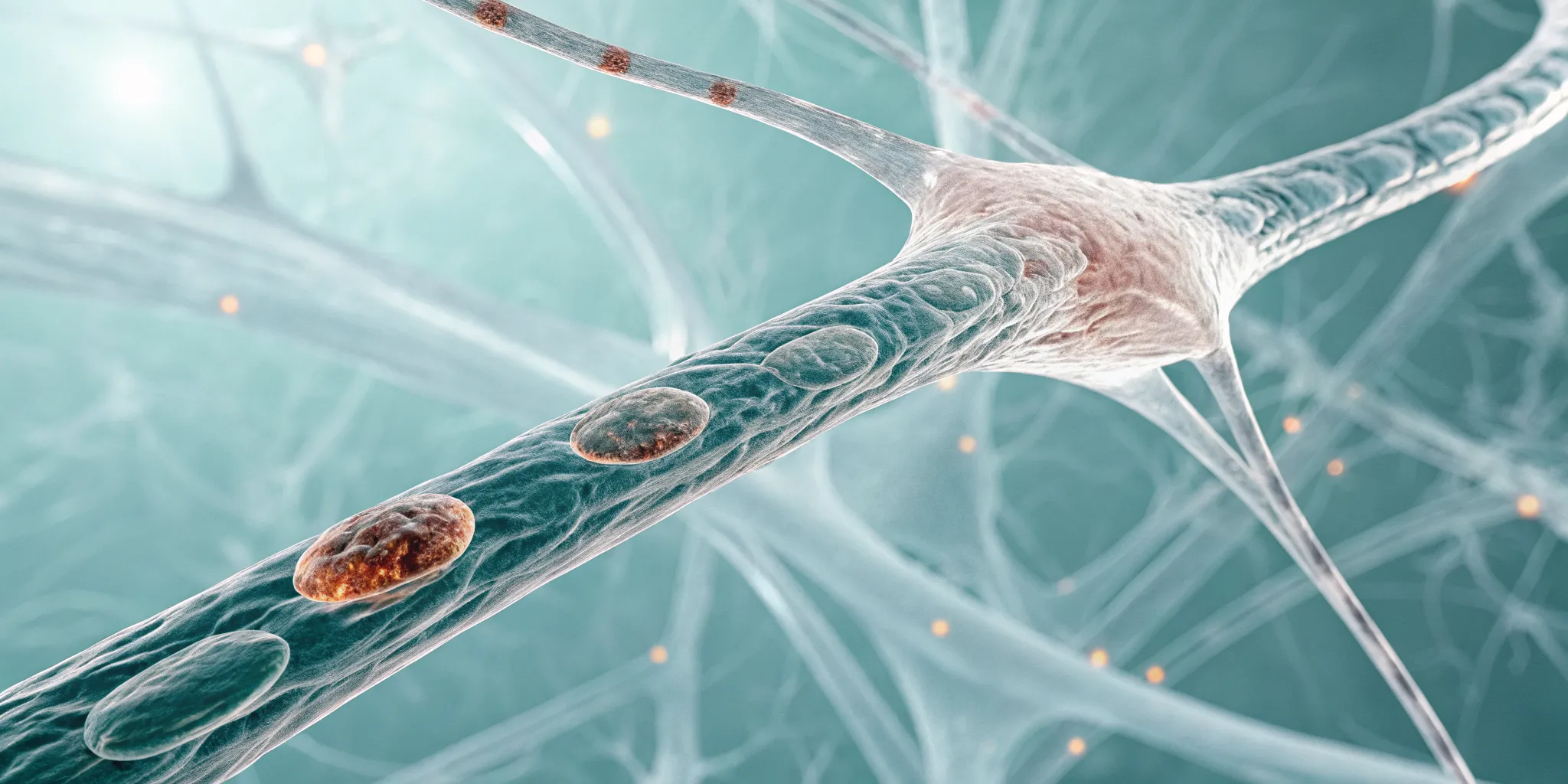
You understand your body, and you know that simply covering up sciatica pain with medication isn’t a real solution. The problem is mechanical: something is irritating your sciatic nerve, whether it’s a herniated disc or spinal stenosis. So, a real solution should focus on repairing that mechanical issue. This is the fundamental principle behind regenerative medicine. Instead of just managing symptoms, we aim to fix the source of the problem. We’ll walk you through how stem cell therapy for sciatica harnesses the power of the body’s most potent cells to rebuild damaged tissue and calm inflammation for good.
Sciatica pain can be debilitating and significantly impact daily life. “Stem Cell Therapy for Sciatica“ is a promising solution for those seeking sciatica pain relief. At Miami Stem Cell, we specialize in advanced regenerative treatments designed to target the root causes of pain. This blog covers sciatica causes and symptoms. It will also explain how stem cell therapy works and present scientific evidence supporting its effectiveness as a sciatica treatment option.
Understanding Sciatica
Sciatica is a condition characterized by pain radiating along the sciatic nerve, which runs from the lower back down to the legs. Let’s explore the causes and symptoms of sciatica:
Causes
- Herniated Discs: Discs in the spine that become displaced.
- Spinal Stenosis: Narrowing of the spinal canal.
- Bone Spurs: Bony growths that compress the nerve.
Common Causes and Risk Factors
Beyond the direct spinal issues, certain lifestyle factors can significantly increase your chances of developing sciatica. Repetitive movements that strain your lower back, prolonged poor posture while sitting or standing, and carrying excess weight can all place undue pressure on your spine, making you more susceptible to nerve compression. Similarly, having weak core muscles means your back lacks proper support, and the physical changes during pregnancy can also lead to sciatic pain. Understanding these risk factors is the first step toward proactive pain management and prevention, allowing you to make targeted changes to support your spinal health.
The Role of Vitamin Deficiencies
What you eat—or don’t eat—can also play a surprising role in nerve health. Deficiencies in specific vitamins and minerals are linked to an increased risk of sciatic nerve pain. In particular, low levels of Vitamin B12, Vitamin D, and magnesium can compromise nerve function and contribute to inflammation. Vitamin B12 is essential for maintaining the protective sheath around your nerves, while Vitamin D and magnesium support overall neuromuscular health. Addressing these nutritional gaps, sometimes through targeted therapies like IV infusions, can be a crucial part of a comprehensive approach to finding lasting relief from sciatica.
Symptoms
- Sharp Pain: Often severe and affects the lower back and legs.
- Numbness: A loss of sensation in the leg.
- Tingling: A prickling or “pins and needles” sensation.
Sciatica Treatment Options like Traditional therapies: physical therapy or surgery may not always work.
Conventional Treatment Options
When you’re dealing with the sharp, radiating pain of sciatica, your doctor will likely start with a few standard approaches. Physical therapy is a common first step, designed to strengthen the muscles that support your spine and improve your flexibility. You might also be prescribed medications like anti-inflammatories or pain relievers to help with immediate discomfort. For many, this combination is enough to manage the symptoms and get back to daily life. However, these methods don’t always get to the root of the problem, and for some, the relief is only temporary, making effective pain management a frustrating, ongoing challenge.
The challenge with many conventional treatments is their focus on managing symptoms instead of addressing the root cause. While pain medication provides temporary relief, it doesn’t actually repair the herniated disc or other issues compressing your sciatic nerve. When these methods fail to provide lasting results, the conversation often turns to more invasive options like steroid injections or even surgery, which come with their own risks and lengthy recovery periods. It’s understandable why so many people seek alternatives that work with the body’s natural healing processes. At Miami Stem Cell, our philosophy is to target the source of the pain with regenerative solutions, offering a path toward genuine, long-term healing.
How Stem Cell Therapy Works
Stem cell therapy involves using the body’s stem cells to promote healing and reduce inflammation. At Miami Stem Cell, We inject bone marrow or adipose tissue stem cells into the afflicted area. These cells mend damaged tissues, suggesting a path to sciatica pain relief. With fewer dangers and faster recovery than surgery, this minimally invasive sciatica treatment may work.
The Mechanisms of Healing
So, how exactly do stem cells work their magic on something as persistent as sciatica? It’s not a single action but a coordinated effort to address the problem at its source. Stem cells act as the body’s internal repair system. When introduced to an injured area, like the compressed sciatic nerve, they initiate a powerful, multi-faceted healing response. This process goes beyond simply masking pain; it focuses on creating an environment where your body can genuinely repair the damage that’s causing your discomfort in the first place, offering a path toward lasting relief.
Reducing Inflammation
Inflammation is a primary driver of sciatica pain. When the sciatic nerve is irritated, the surrounding tissues become inflamed, leading to that sharp, radiating pain you know all too well. Stem cells are masters of calming this inflammatory response. They release powerful anti-inflammatory agents called cytokines that signal the body to dial down the inflammation. This process helps reduce pain and swelling around the nerve, alleviating pressure and creating a better environment for tissues to begin the healing process. It’s a crucial first step toward breaking the cycle of pain and irritation.
Repairing and Replacing Damaged Cells
Beyond just calming things down, stem cells actively participate in rebuilding the damaged area. Think of them as a highly skilled repair crew for your body. They have the unique ability to differentiate, or transform, into the specific types of cells needed for repair, such as cartilage or muscle cells. They also release growth factors that encourage your existing cells to regenerate. This dual-action approach helps rebuild the structures that may be compressing the sciatic nerve, like a degenerated disc, addressing the root mechanical issue causing the pain.
Promoting Nerve Growth
For true, long-term relief from sciatica, the damaged nerve itself needs to heal. Stem cells are instrumental in this process by fostering an environment that supports nerve regeneration. They release neurotrophic factors, which are substances that protect existing nerve cells and encourage the growth of new ones. By helping the injured sciatic nerve repair itself, stem cell therapy can lead to improved nerve function, a reduction in numbness and tingling, and a significant decrease in pain, helping you get back to your daily activities with confidence.
Types and Sources of Stem Cells
Not all stem cells are created equal, and where they come from matters. The type and source of the cells used in therapy can significantly influence the treatment’s effectiveness and safety. Understanding these differences is key to making an informed decision about your care. At Miami Stem Cell, we prioritize using the most potent and ethically sourced cells available to ensure our patients receive the highest standard of regenerative treatment. We focus on a specific type of cell known for its powerful healing capabilities, sourced in a way that maximizes both safety and therapeutic potential.
Mesenchymal Stem Cells (MSCs)
The workhorses of regenerative medicine are Mesenchymal Stem Cells (MSCs). These are adult stem cells celebrated for their remarkable ability to orchestrate the body’s repair processes. MSCs are particularly effective because they can reduce inflammation, fight cell death, and stimulate regeneration in injured tissues. At Miami Stem Cell, we exclusively use MSCs derived from donated umbilical cord tissue. These cells are incredibly young, vibrant, and immunologically privileged, meaning they have a very low risk of rejection, making them a safe and powerful option for therapy.
Sources of Stem Cells
Stem cells can be obtained from a patient’s own body, typically from bone marrow or fat tissue. While this is a viable option, it requires an invasive harvesting procedure and the cell quality depends on the patient’s age and health. That’s why we utilize a different source: umbilical cord tissue from thoroughly screened, full-term births. This method is non-invasive for the patient and provides a rich supply of pristine, highly potent MSCs. Using these ethically sourced cells ensures a consistent, high-quality treatment that gives your body the best possible resources to promote healing.
Scientific Evidence
Research supporting stem cell therapy for sciatica is growing. According to research, stem cells can develop into numerous cell types, helping tissue repair and regeneration. This capability makes them particularly effective in treating conditions like sciatica, where nerve and tissue damage are involved. Clinical trials and patient testimonials indicate significant improvements in pain levels and mobility, highlighting stem cell therapy as a viable sciatica treatment option.
Clinical Studies and Patient Outcomes
The science behind using stem cells for sciatica is really encouraging, and the results are starting to speak for themselves. It’s not just a theory; studies are showing tangible outcomes. For instance, one study found that patients who received stem cell injections experienced significantly less pain and better physical function after just six months. This makes sense when you look at what these cells can do. Research shows that transplanting stem cells into an injured sciatic nerve can help it regrow and even create myelin, the protective coating that nerves need to work correctly. This dual action of reducing inflammation and actively repairing nerve tissue is what makes it such a powerful approach to pain management.
Limitations and the Future of Treatment
It’s also important to have a realistic perspective. While stem cell therapy is highly effective for many people, it may not completely eliminate pain in every single case, and more research is needed to fully understand its long-term benefits. For this reason, it’s often considered a powerful option for those with chronic conditions or for individuals who haven’t found relief with other methods like physical therapy. The future, however, is incredibly bright. Many experts believe that as research continues, this type of regenerative approach will become a standard treatment technique, offering a non-surgical solution to a wider range of patients seeking lasting relief. You can learn more about the specifics of our science-backed protocols on our FAQ page.
The Procedure and Recovery
The stem cell therapy procedure for sciatica is straightforward:
- Harvesting: Patient stem cells are taken.
- Concentration: These cells are concentrated to boost efficacy.
- Injection: Guided imaging enables precise injection of concentrated stem cells into the sciatic nerve.
- Recovery: Patients can usually resume normal activity within days.
- Personalized Plan: Miami Stem Cell customizes treatment to optimize benefits and avoid dangers.
Combining Treatments for Enhanced Healing
To achieve the best possible outcomes for sciatica, we often find that a multi-faceted approach is most effective. Stem cell therapy is a powerful tool on its own, but its regenerative potential can be amplified when paired with other complementary treatments. This strategy creates a synergistic effect, where the combined therapies work together to support the body’s natural healing processes more robustly than any single treatment could. By creating an optimal environment for tissue repair, we can address the complex nature of sciatic nerve pain from multiple angles, leading to more comprehensive and lasting relief for our patients.
The Role of Platelet-Rich Plasma (PRP)
One of the most effective complementary treatments we use is Platelet-Rich Plasma (PRP) therapy. PRP is derived from your own blood and contains a high concentration of growth factors that are essential for healing. When injected alongside stem cells, PRP acts as a catalyst, enhancing the regenerative environment and supporting the stem cells as they work to repair damaged tissue. This combination is frequently used to maximize results, as the growth factors in PRP can help improve the overall effectiveness of the stem cell treatment and accelerate your recovery from sciatica.
Who is a Candidate for Stem Cell Therapy?
While stem cell therapy offers a promising alternative to surgery for many people suffering from sciatica, it’s not a one-size-fits-all solution. Determining if you are a good candidate is a crucial first step and requires a thorough evaluation of your specific condition and overall health. The ideal candidate is typically someone who has experienced persistent sciatic pain that hasn’t responded well to more conservative treatments like physical therapy or medication. They are often looking for an effective, minimally invasive option to avoid the risks and lengthy recovery associated with surgery, making it a key part of their pain management strategy.
A personalized consultation is essential to figure out if this innovative therapy aligns with your health goals. During this meeting, we will conduct a comprehensive review of your medical history, discuss the specifics of your symptoms, and may use diagnostic imaging to get a clear picture of what’s causing your sciatic pain. This detailed assessment allows us to create a tailored treatment plan and confirm that you are a strong candidate for regenerative medicine. Our goal is to ensure you have all the information you need to make a confident and informed decision about your health.
When to Consider Stem Cell Therapy
If you’re dealing with ongoing sciatic nerve pain that disrupts your daily life, it might be time to consider stem cell therapy. This treatment is often a great option for individuals who have tried other methods without finding significant relief. It’s important to have a conversation with a qualified healthcare provider to find out if it’s the right path for your specific situation. During a consultation, we can assess the underlying cause of your sciatica and help you understand if you could benefit from a regenerative approach that targets the source of the inflammation and damage, rather than just masking the symptoms.
Who Might Not Be an Ideal Candidate
It’s equally important to recognize who may not be a suitable candidate for this procedure. Individuals with very severe nerve compression, advanced degenerative disc disease, or major spinal instability might not see the desired results from stem cell therapy alone. Similarly, those with certain active infections, cancers, or other serious underlying health problems may not be eligible. Setting realistic expectations is key, and a detailed medical assessment helps us ensure that we only recommend treatments that have a high probability of success for your unique circumstances.
The Importance of Early Treatment
When it comes to nerve pain, timing can be critical. It’s generally best to seek treatment when symptoms first appear to prevent the possibility of permanent nerve damage. Addressing sciatica in its earlier stages can lead to better outcomes, as the regenerative therapies have a greater opportunity to repair tissue before the damage becomes too extensive. Waiting too long can sometimes limit the effectiveness of any treatment, so if you’re experiencing persistent symptoms, taking proactive steps and exploring your options sooner rather than later is always a good idea.
Potential Risks and Side Effects
- Infection: Rare but possible at the injection site.
- Bleeding: Minor bleeding can occur at the harvest or injection site.
- Reaction: An adverse reaction to the injection material.
At Miami Stem Cell, we take every precaution to ensure patient safety and efficacy.
Conclusion
Stem cell therapy for sciatica offers a promising alternative for those seeking effective pain relief. By treating nerve pain’s sources, stem cell therapy provides a revolutionary sciatica treatment option. At Miami Stem Cell, we are dedicated to pioneering these advanced treatments, helping patients regain a pain-free life and activity. If you are struggling with sciatica, contact us to explore how our stem cell therapies can help you. For more information or to schedule a consultation, please Get in touch with us.
Frequently Asked Questions
How is stem cell therapy different from steroid injections for sciatica? Think of it as repairing a foundation versus just patching a crack in the wall. Steroid injections are great at temporarily reducing inflammation, which can give you short-term pain relief. However, they don’t address the underlying issue causing the inflammation, like a damaged disc. Stem cell therapy works on a deeper level by not only calming inflammation but also signaling your body to repair and regenerate the damaged tissue that’s irritating the nerve in the first place. It’s a strategy focused on a long-term, structural solution.
Where do you get the stem cells, and are they safe? We exclusively use Mesenchymal Stem Cells (MSCs) that are ethically sourced from donated umbilical cord tissue following healthy, full-term births. These cells are incredibly powerful because they are so young and vibrant. Every donation goes through rigorous screening that exceeds FDA guidelines to ensure the highest level of safety and quality. Because these cells are immunologically privileged, they have a very low risk of being rejected by your body.
What does the recovery process look like, and when can I expect to feel relief? The procedure itself is minimally invasive, and most patients are able to return to their normal daily activities within a few days. It’s important to remember that this is a regenerative process, not an instant fix. Your body needs time to repair the tissue. While some people start to feel improvement within a few weeks, the full benefits often become more apparent over the course of several months as the cells continue to work and healing progresses.
I’ve already tried physical therapy and other treatments. Can stem cell therapy still help me? Yes, absolutely. In fact, many of the people we help are in your exact situation. They’ve found that conservative treatments like physical therapy or medication haven’t provided the lasting relief they need. Stem cell therapy is often an ideal next step because it targets the root mechanical problem that other treatments can’t fix. A personal consultation is the best way to determine if it’s the right solution for your specific condition.
Why does Miami Stem Cell use umbilical cord-derived stem cells instead of my own? While using a patient’s own cells from fat or bone marrow is an option, we choose to use umbilical cord-derived MSCs for a few key reasons. These cells are pristine and at their peak potency, unaffected by the patient’s age or health status. This ensures a consistent and high-quality treatment. This approach also allows you to avoid a second, invasive procedure to harvest your own cells, making the entire process simpler and more comfortable.
Key Takeaways
- Go Beyond Symptom Management: Stem cell therapy works by addressing the root mechanical cause of your sciatica, such as a herniated disc or spinal stenosis, to repair the damage instead of just temporarily masking the pain.
- Activate Your Body’s Natural Repair System: The therapy uses potent stem cells to kickstart a powerful healing response, which involves calming inflammation, rebuilding damaged tissue, and encouraging nerve regeneration for more complete healing.
- Find a Powerful Alternative to Surgery: If you’re dealing with chronic sciatica that hasn’t responded to conservative treatments, this minimally invasive procedure offers a path toward lasting relief with significantly less downtime than a surgical operation.
Related Articles
- Can Stem Cell Therapy Help with Sciatica?
- sciatica pain relief – Stem Cell Therapy | Miami Stem Cell
- Can Pain Management Help Sciatica? Top Solutions for Relief
- Stem Cell Therapy for Back Pain Relief | Stem Cell Miami
- Does Stem Cell Therapy Work for Neuropathy? The Facts – Stem Cell Therapy | Miami Stem Cell