Is a deep, persistent ache in your lower back or buttock running your life? You might be dealing with your sacroiliac (SI) joint. This crucial joint connects your spine to your pelvis, and when its ligaments are damaged, the pain can feel relentless. If you’re tired of treatments that don’t offer a long-term fix, it’s time to look at a different approach. An si joint stem cell treatment can help your body heal itself from the inside out. We’ll explain how stem cell therapy for SI joint pain targets the weakened tissue, promoting genuine healing and restoring stability.
Key Takeaways
- Targets the Source of Pain: Stem cell therapy goes beyond managing symptoms by using your body’s natural healing abilities to repair the damaged ligaments and cartilage causing your SI joint instability and pain.
- A Non-Surgical Path to Relief: This minimally invasive injection is performed in-office, helping you avoid the risks and extended downtime of SI joint fusion surgery while preserving your natural range of motion.
- Your First Step Is a Conversation: The best way to know if this treatment is right for you is through a thorough consultation to discuss your specific condition, the investment, and your long-term health goals with a specialist.
How Can Stem Cell Therapy Help SI Joint Pain?
If you’re dealing with persistent lower back or hip pain, you know how frustrating it can be to find a solution that actually works. Traditional treatments often focus on managing symptoms with things like pain medication or steroid injections, but they don’t always address the underlying cause of the problem. This is where stem cell therapy offers a completely different approach. It’s a form of regenerative medicine that uses your body’s own natural healing abilities to repair the source of the pain, offering a path toward lasting relief without invasive surgery. Instead of just masking the pain, the goal is to heal the damaged tissue that’s causing it in the first place. By targeting the weakened ligaments and cartilage in your sacroiliac (SI) joint directly, this therapy aims to restore stability and function, helping you get back to living your life more comfortably and with less reliance on temporary fixes. It’s about working with your body to create a long-term solution, promoting genuine healing rather than just temporary relief. This innovative field is changing how we look at chronic pain, moving away from management and toward true restoration.
What Is the SI Joint and Why Does It Hurt?
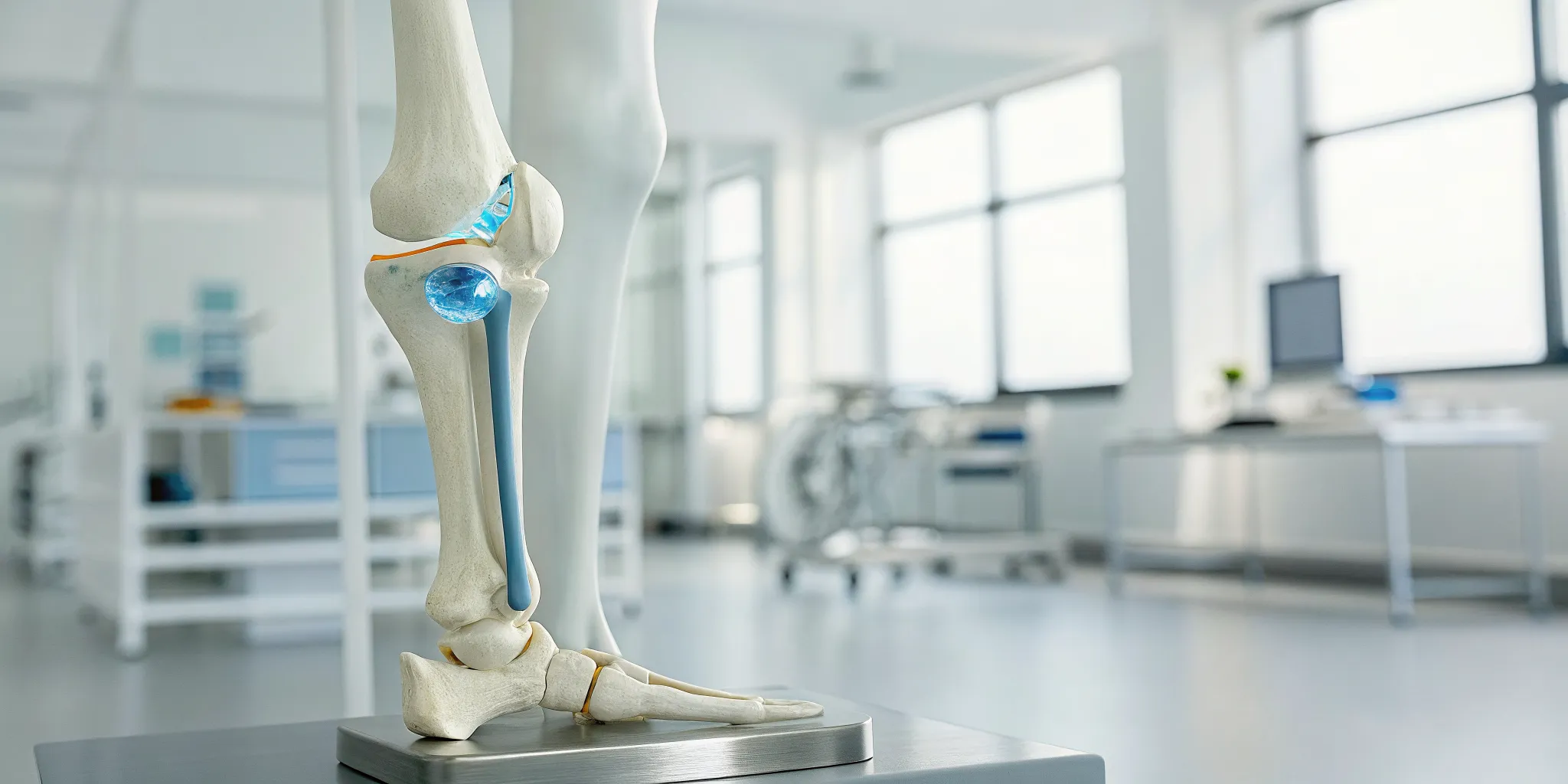
Think of your sacroiliac (SI) joint as the crucial link between your lower spine and your pelvis. It connects your tailbone (sacrum) to the back of your hip (ilium) with a network of strong ligaments. This joint isn’t designed for a lot of movement; its main job is to absorb shock and transfer force between your upper body and your legs. When the tough ligaments supporting the joint become stretched, damaged, or inflamed from injury, arthritis, or repetitive stress, it can lead to instability and chronic pain. This discomfort often shows up as a deep ache in your lower back, hips, or buttocks, and can make simple activities feel like a major challenge.
How Common is SI Joint Pain?
If you’re struggling with lower back pain, you’re definitely not alone. It’s one of the most common reasons people seek medical care, but what many don’t realize is where that pain is actually coming from. A surprising amount of lower back pain—up to 22%, in fact—originates from the sacroiliac joint. With millions of Americans experiencing lower back pain each year, this means that nearly seven million people could be dealing with SI joint dysfunction. This often-overlooked joint can be the hidden source of chronic discomfort, making it crucial to consider it as a potential cause when you’re trying to find a lasting solution for your pain.
The Challenge of Diagnosing SI Joint Pain
One of the biggest hurdles with SI joint pain is getting an accurate diagnosis. It’s a master of disguise, often mimicking other conditions like a herniated disc or sciatica. The problem is that standard imaging tests, such as X-rays and MRIs, are great for looking at bones and discs but often fail to show the subtle instability or inflammation in the SI joint’s ligaments. This diagnostic gap can lead to a frustrating cycle of ineffective treatments because the true source of the pain remains unidentified. Many people are told their scans look “normal” while they continue to suffer, sometimes even leading to unnecessary procedures for the wrong issue. A thorough physical examination by a specialist who understands SI joint dysfunction is key to pinpointing the real problem and creating an effective treatment plan.
How Do Stem Cells Promote Natural Healing?
Stem cell therapy is a minimally invasive treatment that taps into the body’s own powerful repair mechanisms. The goal is to help your body heal the SI joint from the inside out. When concentrated stem cells are injected into the affected area, they act as a natural repair crew. These cells can help generate new, healthy ligament and cartilage cells to replace damaged ones. They also have potent anti-inflammatory properties, which can significantly reduce the inflammation that causes so much of the pain. This process helps improve the joint’s stability and overall function, allowing you to regain mobility and find lasting relief from chronic discomfort.
What Types of Stem Cells Are Used?
The cells used in this therapy are typically mesenchymal stem cells (MSCs), which are known for their ability to develop into various types of tissue, including cartilage and ligaments. While these cells can be collected from a patient’s own body, one of the most potent and ethically sourced options involves using MSCs derived from donated umbilical cord tissue. At Miami Stem Cell, we use these vibrant, young cells because of their robust healing capabilities. They are carefully screened and processed into a concentrated solution, ready to be precisely injected to kickstart the joint regeneration process and give your body the best possible resources for repair.
Umbilical Cord-Derived Stem Cells
One of the most powerful sources for regenerative treatments comes from mesenchymal stem cells (MSCs) found in donated umbilical cord tissue. After a healthy birth, this tissue, which would otherwise be discarded, is ethically collected and rigorously screened. These cells are incredibly vibrant and potent because they are so young. They haven’t been exposed to the aging process or environmental stressors that our own adult stem cells have. When introduced to an area like the SI joint, they release powerful anti-inflammatory agents and signaling molecules that instruct your body’s own cells to begin the repair process. This helps to reduce pain and inflammation while providing the essential building blocks needed to regenerate damaged ligaments and cartilage, promoting more robust and effective healing.
Stem Cells From Your Own Body (Autologous)
Another common approach involves using your own stem cells, a method known as autologous therapy. In this procedure, stem cells are harvested from your body, typically from bone marrow or adipose (fat) tissue. After being collected, these cells are concentrated in a lab and then reinjected into the injured area to support the healing process. Because these cells are from your own body, there is no risk of rejection. They act as your personal “repair crew,” working to replace damaged tissue and reduce inflammation. While this can be an effective option for many, it’s worth noting that the vitality and quantity of our own stem cells can decline as we age, which may influence the potential outcome of the treatment.
What Happens During Stem Cell Therapy for the SI Joint?
If you’re dealing with sacroiliac (SI) joint pain, you know how frustrating it can be to find a solution that does more than just mask the symptoms. Steroid shots can wear off, and physical therapy might not be enough. Stem cell therapy offers a different path forward by working with your body’s natural healing abilities to address the problem at its source. The entire process is designed to be as straightforward and minimally invasive as possible, helping you get back to your life without the long downtime associated with surgery.
The core idea is simple: we introduce powerful, regenerative cells directly to the site of your pain and inflammation. These cells act as your body’s internal repair crew. Instead of just quieting the pain signals, they get to work repairing damaged tissues, calming inflammation, and promoting the growth of healthy new cells within the joint. This approach supports the long-term health and stability of your SI joint, rather than providing a temporary fix. Our regenerative medicine treatments are focused on creating lasting results by helping your body heal itself from the inside out, giving you a chance to regain function and reduce pain for good.
A Look at the Minimally Invasive Injection
The procedure itself is surprisingly simple. We begin with mesenchymal stem cells (MSCs) ethically sourced from umbilical cord tissue. These cells are carefully processed in a lab to create a concentrated, pure solution ready for treatment. When you come in for your procedure, we use advanced imaging guidance, like ultrasound, to pinpoint the exact location of inflammation in your SI joint. This precision ensures the stem cells are delivered exactly where they’re needed most. The injection itself is quick and performed right here in our clinic, allowing you to go home the same day.
How Stem Cells Fight Inflammation and Rebuild Tissue
Once injected into your SI joint, the stem cells immediately begin their work. Think of them as project managers for cellular repair. They release powerful anti-inflammatory agents that calm the chronic inflammation causing your pain. At the same time, they send out signals that recruit your body’s own healing resources to the area. These signals encourage the growth of new, healthy tissue to repair worn-out cartilage and strengthen the ligaments that support your joint. This comprehensive approach to pain management helps restore function and stability, addressing the root cause of your discomfort.
What to Expect as You Heal
Stem cell therapy isn’t an overnight fix; it’s a gradual healing process. While some people feel relief sooner, most patients notice significant improvements in the weeks and months following the procedure as the cells repair the damaged tissue. It’s common to see a 50% reduction in pain after three months and even greater improvement, sometimes up to 80%, by the six-month mark. This timeline reflects true healing as your joint becomes stronger and more stable. Many of our patients share their positive experiences, noting a steady return to activities they once thought were off-limits.
Why Choose Stem Cells Over Traditional Treatments?
If you’ve been dealing with SI joint pain for a while, you’ve likely been down the road of traditional treatments. Options like physical therapy, anti-inflammatory medications, and steroid injections are often the first line of defense. While they can provide temporary relief for some, they don’t always address the source of the problem. When those methods fail, the next step is often a more invasive procedure like radiofrequency ablation or even SI joint fusion surgery, which comes with significant risks and a lengthy recovery.
Regenerative medicine offers a completely different path. Instead of just managing symptoms or permanently altering your joint, stem cell therapy is designed to work with your body’s natural healing mechanisms. It’s a minimally invasive approach that focuses on repairing the damaged tissues that are causing your pain in the first place. By targeting the root cause—whether it’s stretched ligaments or worn-down cartilage—this therapy aims to provide lasting relief and restore function, helping you get back to your life without the downtime of surgery.
Understanding Traditional SI Joint Treatments
When you first experience SI joint pain, the typical treatment path involves a series of steps aimed at managing your discomfort. Your doctor will likely start with conservative options like anti-inflammatory medications, physical therapy to strengthen surrounding muscles, or corticosteroid injections to reduce inflammation directly in the joint. While these methods can offer some people temporary relief, they often act as a band-aid. They are designed to control the symptoms—namely, pain and inflammation—but they don’t address the root cause of the problem, which is often the instability from damaged or stretched ligaments. This is why the pain frequently returns, leaving you searching for a more permanent solution that goes beyond simple symptom management.
Short-Term and Long-Term Options
The short-term approach to pain management usually involves a cycle of medication and injections. Steroid shots can calm a flare-up, but their effects wear off, and they can’t be administered indefinitely due to potential side effects. When these conservative measures fail to provide lasting relief, the next steps become much more invasive. One option is radiofrequency ablation, a procedure that essentially burns the nerves sending pain signals from the joint. A more drastic measure is SI joint fusion surgery, where the joint is permanently fused with screws and plates. This is a major operation that comes with significant risks, a long and painful recovery, and a permanent loss of the joint’s natural, subtle motion, which can transfer stress to other areas of your spine and pelvis.
Skip the Surgery, Speed Up Recovery
One of the most significant advantages of stem cell therapy is that it’s a non-surgical, minimally invasive procedure. Unlike SI joint fusion, which requires hospitalization and a recovery period that can last for months, stem cell injections are performed right in our clinic. The process is straightforward and typically takes very little time. Because it avoids the trauma of surgery, the recovery is much faster. Most people can return to their normal daily activities within a few days, with a gradual return to more strenuous exercise as the joint heals and strengthens over the following weeks.
The Downsides of SI Joint Fusion Surgery
While SI joint fusion surgery is sometimes presented as a final solution, it’s a major procedure with significant drawbacks to consider. The recovery alone is a long road, often taking about six months to feel fully healed, with the first four to six weeks spent on crutches. Beyond the lengthy downtime, newer studies show that complication rates are higher than once thought, with over 16% of patients experiencing issues. More importantly, the surgery doesn’t actually heal the damaged ligaments and cartilage that caused the instability in the first place. Instead, it fuses the joint, which can transfer stress to other parts of your spine and pelvis. This can lead to new pain points and, in some cases, the need for more surgeries, which is why focusing on true joint regeneration is such a different and promising approach.
Treating the Cause, Not Just the Pain
Steroid injections and pain medications can feel like a quick fix, but they often just put a temporary band-aid on the problem by masking inflammation and pain signals. They don’t repair the underlying damage to the ligaments and cartilage in your SI joint. Stem cell therapy takes a fundamentally different approach to pain management. The goal is to heal the joint from the inside out. By introducing a powerful concentration of healing cells directly to the site of injury, the therapy helps repair the weakened tissues, reduce chronic inflammation, and restore stability to the joint for more sustainable, long-term relief.
Keep Your Joint Healthy and Mobile
SI joint fusion surgery is designed to eliminate pain by permanently stopping all movement in the joint. While this can be effective, it comes at a cost. Fusing the joint can transfer stress to your lower back and hips, potentially creating new pain problems down the line. The goal of joint regeneration with stem cells is the exact opposite. It aims to repair the joint while preserving its natural, healthy range of motion. By helping your own tissues heal and strengthen, this therapy helps restore stability without sacrificing the mobility that is so crucial for everyday activities like walking, bending, and twisting.
What About Other Regenerative Options like PRP?
You may have also heard about Platelet-Rich Plasma, or PRP, as another option in the world of regenerative medicine. This treatment uses a concentration of platelets from your own blood to encourage healing in the joint. While some studies suggest it can be effective for SI joint pain, the clinical evidence is still emerging, and many experts advise a cautious approach because the research is limited. While PRP therapy can be a great choice for certain conditions, it primarily works by signaling your body to start the repair process. For more significant damage to the ligaments and cartilage, a more direct approach might be needed. Stem cell therapy provides the actual building blocks—the potent regenerative cells—to actively rebuild tissue, reduce inflammation, and create a more stable, long-term solution for your joint.
Is Stem Cell Therapy for SI Joint Pain Safe and Effective?
When you’re dealing with persistent SI joint pain, you want a solution that’s not only effective but also safe. Regenerative medicine is a promising field, and it’s natural to have questions about what the science says and what you can realistically expect. The good news is that many people have found significant relief through stem cell therapy, but it’s important to look at the full picture—from clinical studies to real-world results and safety considerations.
What Does the Clinical Research Say?
As a newer approach to joint pain, the body of clinical research on stem cell therapy is constantly growing. Early studies and systematic reviews show promising outcomes, with many patients reporting a significant reduction in pain and a welcome return to their daily activities. While some in the broader medical community still consider the overall evidence to be developing, the trend is positive. The research highlights that these treatments can lead to functional improvements within weeks or months. At Miami Stem Cell, we are committed to science-backed therapies that are at the forefront of regenerative medicine, ensuring our protocols are based on the latest clinical understanding.
Real Stories: Less Pain, More Mobility
Beyond the data, the most compelling evidence often comes from people who have experienced the treatment firsthand. Patient stories frequently highlight a dramatic turnaround. For example, some individuals report their SI joint pain improving by 50% within three months and as much as 80% after six months, allowing them to get back to an active lifestyle. Others have shared that they became pain-free within a year of treatment. These real-life stories show what’s possible: a future with less pain and more freedom to move. The goal is always to help you regain function and get back to the life you enjoy.
The Current Scientific Viewpoint
The clinical research behind stem cell therapy is a rapidly growing field. Early studies and systematic reviews are already showing promising outcomes, with many patients reporting a significant drop in pain and a welcome return to their daily lives. While the body of evidence is still developing, the trend is overwhelmingly positive, highlighting functional improvements within just a few weeks or months. At Miami Stem Cell, we are committed to providing science-backed therapies that reflect the latest clinical understanding, ensuring you receive care that is at the forefront of regenerative medicine.
The Potential of Regenerative Medicine
Stem cell therapy offers a fundamentally different approach by working with your body’s own healing abilities. Instead of just managing symptoms or permanently altering your joint, this minimally invasive treatment focuses on repairing the damaged tissues that cause your pain. By introducing a powerful concentration of regenerative cells directly to the site of injury, the therapy helps rebuild weakened tissues, calm chronic inflammation, and restore stability to the joint. This method of pain management is designed for sustainable, long-term relief, helping your body heal from the inside out so you can regain function and find lasting comfort.
Are There Any Risks or Side Effects?
Your safety is the top priority. Stem cell therapy, like any medical procedure, has potential risks, though they are rare. The most common concerns include a small risk of infection at the injection site, bleeding, or nerve irritation. This is why choosing a qualified and experienced clinic is so important. It’s also crucial to understand the regulatory landscape. In the United States, treatments must adhere to strict FDA guidelines. Unlike some overseas clinics that offer unapproved therapies, we exclusively use treatments that are FDA-compliant, ensuring you receive the highest standard of care right here in Miami.
From Consultation to Recovery: What to Expect
Stepping into a new treatment journey can feel like a big decision, but knowing what to expect can make all the difference. At Miami Stem Cell, we prioritize clarity and comfort from your very first conversation to your post-procedure care. The entire process is designed to be straightforward and supportive, focusing on your unique needs and health goals. We handle the complexities so you can focus on healing. Here’s a simple breakdown of what your path to relief looks like with us.
Your Consultation: Are You a Candidate?
Your first step is a one-on-one consultation with our medical team. This is where we get to know you, your history with SI joint pain, and what you hope to achieve. We’ll review any imaging you have, like MRIs, and conduct a thorough physical assessment to determine if you’re a good candidate for stem cell therapy. This is also your time to ask questions. We encourage you to ask about our specific treatment protocols, success rates, and what your personalized recovery plan might look like. We’ll discuss the investment and ensure you have all the information you need to feel confident moving forward.
What Happens on Treatment Day?
When you arrive for your treatment, our goal is to make you feel as comfortable as possible. The procedure itself is minimally invasive and happens right here in our office. We begin by preparing the SI joint area. This often involves a pre-injection of a simple dextrose solution, which helps create an ideal environment for the stem cells to begin their work. Then, using precise imaging guidance, we carefully inject the umbilical cord-derived mesenchymal stem cells directly into the targeted tissue of your sacroiliac joint. The entire process is relatively quick, and you’ll be able to go home the same day.
How to Support Your Recovery at Home
Your body needs time to put the stem cells to work, so following post-treatment care instructions is key. We generally recommend avoiding strenuous physical activity for the first 30 days, though normal day-to-day activities are perfectly fine. To prepare for the procedure and support your body’s healing, it’s best to avoid anti-inflammatory medications, alcohol, and tobacco for a few days prior and to stay well-hydrated. Your recovery is an active part of the joint regeneration process, and our team will be here to support you with clear guidelines every step of the way.
The Role of Physical Therapy Post-Treatment
Think of stem cell therapy as the team that repairs the foundation of your SI joint; physical therapy is the expert crew that teaches you how to use that stable foundation correctly. The injections work to heal the damaged ligaments and cartilage, but the journey doesn’t end there. A structured physical therapy program is essential for addressing the underlying weaknesses and movement patterns that contributed to the instability in the first place. In the beginning, the focus is on protecting the treated area with active rest and gentle mobility exercises to prevent stiffness. As you progress, a physical therapist will guide you through a personalized plan to strengthen your core, glutes, and lower back muscles. This targeted rehabilitation ensures your newly repaired joint is properly supported, helping you achieve the best possible long-term results from your regenerative treatment and preventing future issues.
Is Stem Cell Therapy Right for Your SI Joint Pain?
Deciding on the right treatment for chronic pain is a big step, and it’s completely normal to have questions. If you’re exploring alternatives to conventional treatments or surgery for your sacroiliac (SI) joint pain, you’re likely wondering if stem cell therapy is a good fit for you. The answer depends on your specific health situation, your treatment history, and your long-term goals.
This therapy offers a promising, minimally invasive path for many people by using the body’s own healing potential to repair damaged tissues, reduce inflammation, and improve function. Let’s walk through the key factors to consider so you can determine if this innovative approach aligns with your needs.
Who Is an Ideal Candidate?
Stem cell therapy is often a great option for individuals with chronic SI joint pain who haven’t found lasting relief from more conservative treatments like physical therapy, chiropractic care, or steroid injections. If you’ve been told that SI joint fusion surgery is your next step but you’re looking for a less invasive alternative, this could be the solution you need. The ideal candidate is someone who wants to address the root cause of their pain—the damaged ligaments and cartilage—rather than just masking the symptoms. By promoting natural repair, this treatment can help restore stability and function to the joint, allowing you to get back to the activities you love without the lengthy downtime associated with surgery.
How Much Does SI Joint Stem Cell Treatment Cost?
It’s important to view stem cell therapy as an investment in your long-term health and quality of life. Because these treatments are personalized, the cost can vary. For spinal conditions, including issues with the SI joint, treatment can range from $10,000 to $20,000. While this is typically an out-of-pocket expense, it’s helpful to consider the potential long-term savings. By addressing the underlying problem, you may be able to reduce or eliminate ongoing costs for pain medications, frequent doctor visits, and other temporary fixes. Investing in a regenerative solution can provide lasting relief that allows you to live a fuller, more active life, which is truly priceless.
Cost vs. SI Joint Fusion Surgery
When comparing costs, it’s essential to look beyond the initial price tag. While SI joint fusion surgery may be covered by insurance, it’s a procedure that permanently alters your body by stopping all movement in the joint. This can transfer stress to your lower back and hips, potentially creating new pain issues and the need for future treatments down the road. Stem cell therapy, on the other hand, is an investment in healing the joint you have. The goal of joint regeneration is to repair the damaged tissue and restore function while preserving your natural mobility, helping you avoid the cascade of problems that can follow a fusion.
Why Insurance Typically Doesn’t Cover Treatment
One of the most common questions we hear is about insurance coverage. Currently, most insurance providers do not cover stem cell therapy for SI joint pain because it is still considered a newer, innovative treatment. Insurance companies typically wait for many years of large-scale clinical data before they classify a procedure as a standard of care. Because the scientific evidence is still considered “limited” by their standards, it’s not yet part of their coverage plans. We are happy to answer any specific questions you have about the financial aspects of your care in our FAQs and during your personal consultation.
Questions to Ask Your Doctor
The best way to find out if you’re a candidate is to have a thorough conversation with a specialist. During your initial consultation, you should feel empowered to ask plenty of questions to make sure you have all the information you need. Come prepared to discuss the types of therapies offered, the clinic’s success rates with SI joint conditions, and any potential side effects. Be sure to also ask about the total costs and what your post-treatment care will look like. A knowledgeable physician will walk you through every step, review your imaging, and help you weigh the pros and cons based on your unique situation. This open dialogue is key to feeling confident and secure in your treatment choice.
The Importance of Getting a Second Opinion
If you’ve been on the treatment treadmill for your SI joint pain—moving from physical therapy to injections without finding real relief—it can feel like surgery is your only option left. This is the perfect moment to pause and seek a second opinion. Getting another perspective isn’t about questioning your current doctor; it’s about empowering yourself with a complete picture of your choices, especially since many physicians don’t specialize in regenerative medicine. Consulting with a specialist offers a different outlook, focusing on how stem cell therapy can address the root cause of your instability by healing the damaged tissue. This conversation is a critical step in making an informed decision, ensuring you’ve explored every avenue for effective pain management before committing to an invasive procedure.
Related Articles
- Sacroiliac Joint Pain Relief with Stem Cell Therapy | Miami Stem Cell
- Stem Cell Therapy for Joint Regeneration: Relief for Pain
- Pain Management & Regenerative Medicine Solutions | Miami Stem Cell
Frequently Asked Questions
How is stem cell therapy different from a cortisone shot? A cortisone shot is a powerful steroid that works by reducing inflammation to provide temporary pain relief. It’s a great tool for calming a flare-up, but it doesn’t repair the underlying issue causing the pain. Stem cell therapy takes a different approach entirely. Instead of just masking the symptoms, it introduces regenerative cells that help your body rebuild the damaged ligaments and cartilage in your SI joint. The goal is to heal the source of the problem for more sustainable, long-term stability and relief.
Why do you use stem cells from umbilical cords instead of my own? We use mesenchymal stem cells (MSCs) sourced from donated umbilical cord tissue because they are incredibly vibrant and potent. These cells are young and have a robust ability to signal repair and reduce inflammation, giving your body powerful resources to work with. Using these ethically sourced, pre-screened cells also means you can avoid a separate, sometimes uncomfortable, procedure to harvest cells from your own body, making the entire process simpler and more direct for you.
Is the injection procedure painful? Most people find the procedure to be very manageable. We take every step to ensure your comfort, which includes using a local anesthetic to numb the injection site before we begin. You might feel some pressure during the injection itself, but sharp pain is uncommon. It’s normal to experience some soreness at the site for a day or two afterward, much like you’d feel after a strenuous workout.
How long can I expect the results to last? Because stem cell therapy focuses on healing the actual tissue, the goal is to achieve lasting relief. The improvements you feel are the result of your joint becoming stronger and more stable from the inside out. While every person’s body is unique and responds differently, many patients experience durable results that last for years. The aim is to provide a long-term solution that allows you to get back to your life without needing continuous treatments.
Will I need more than one treatment? For many individuals dealing with SI joint pain, a single, comprehensive treatment is enough to kickstart the healing process and provide significant, lasting relief. However, in some cases involving more extensive tissue damage or particularly complex conditions, a follow-up procedure might be recommended to achieve the best possible outcome. We would determine this based on your specific situation and how your body responds to the initial therapy.