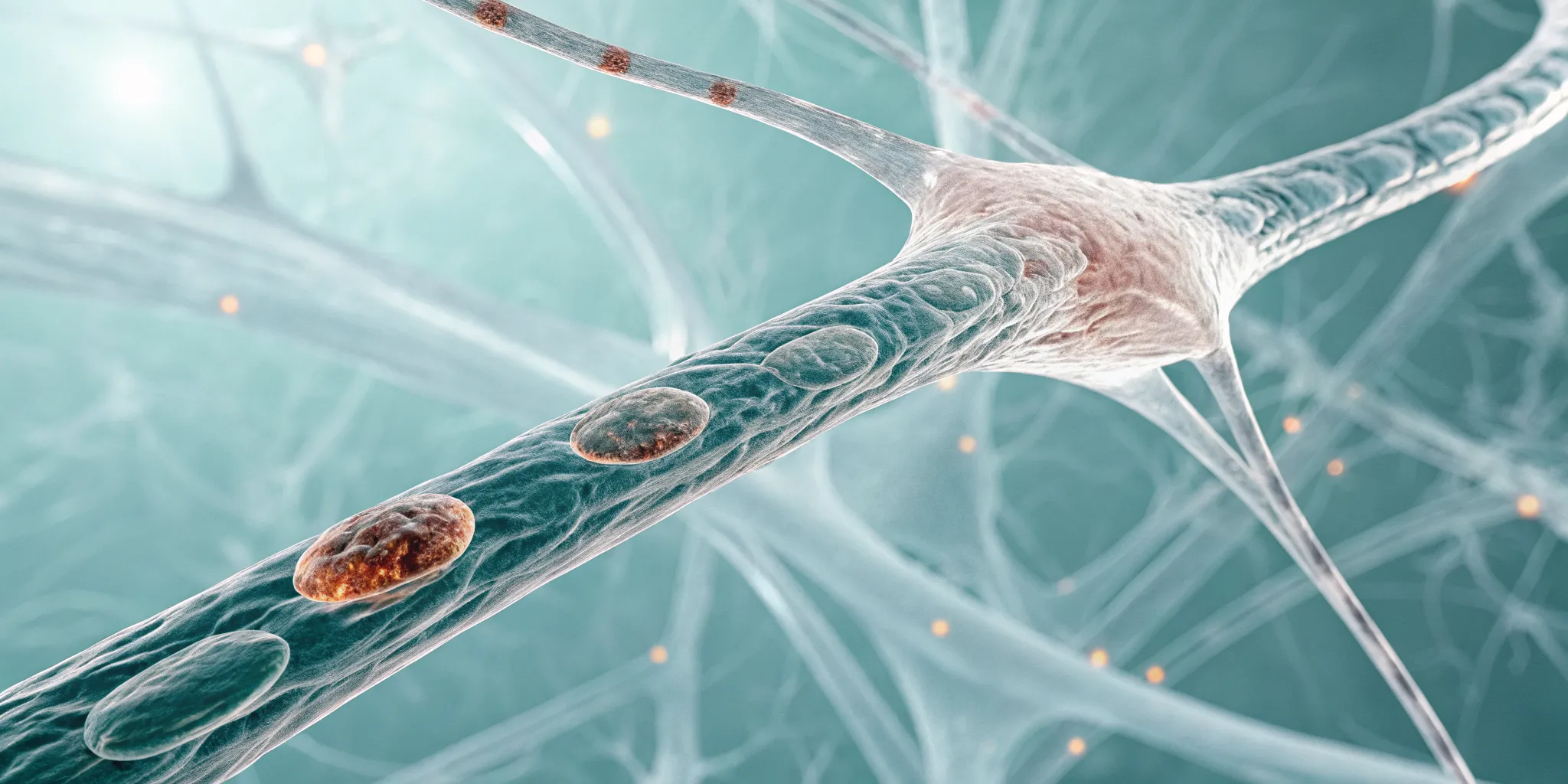
When you hear the term “stem cells,” it’s easy to get confused, especially with so many cosmetic products on the market. However, a clinical tratamiento de células madres en el cabello is vastly different from a topical serum. It’s a medical procedure designed to awaken dormant hair follicles and regenerate thinning areas at a cellular level. This advanced therapy offers a powerful alternative to invasive hair transplants, which simply move hair from one place to another. In this post, we’ll clarify what real stem cell hair restoration involves, how it stimulates new growth, and why it’s becoming a preferred solution for lasting results.
At Stem Cell Miami, we pride ourselves on providing cutting-edge solutions for hair restoration. One of the most exciting advancements in this field is using stem cells. But how does this compare to traditional hair transplant procedures? Let’s explore the transformative potential of stem cell hair treatment.
The Basics Of Hair Transplants
Traditional hair transplant procedures have been around for decades. They involve relocating hair follicles from one part of the scalp (typically the back or sides) to areas experiencing thinning or balding. While effective, these procedures can be invasive and require a significant recovery. The hair transplant success rate also varies depending on factors like the patient’s hair type and overall health.
What Are Stem Cells?
Stem cells are unique in their ability to develop into different types of cells. They can transform into the cells needed to regenerate hair follicles in hair restoration. This ability makes them a powerful tool in combating hair loss and promoting hair regrowth. By harnessing the natural properties of stem cells, we can offer a less invasive and potentially more practical solution than traditional hair transplant procedures.
How Stem Cells Stimulate Hair Follicles
So, how exactly do stem cells work their magic on your scalp? It’s not about instantly sprouting a new head of hair overnight. Instead, it’s a process of regeneration from within. Stem cells are master cells that can signal your body’s own repair mechanisms to get to work. When introduced to the scalp, they release powerful growth factors and proteins that communicate directly with your hair follicles. This process addresses hair loss at its source by creating a healthier environment for hair to grow and thrive, moving beyond simply covering up the problem.
Waking Up Dormant Follicles
One of the primary reasons for thinning hair is that many of your hair follicles have become dormant. They aren’t dead, just “sleeping” and no longer producing hair. Stem cell therapy acts as a gentle alarm clock for these inactive follicles. The specialized substances released by the stem cells can awaken these sleeping follicles, encouraging them to re-enter the active growth phase. This means that areas of thinning can begin to see new hair growth, not from transplanted follicles, but from your own follicles being revitalized and brought back to life.
Strengthening Existing Hair
Beyond waking up dormant follicles, stem cell therapy also provides critical support to your existing hair. The treatment helps repair and fortify damaged hair roots, leading to strands that are noticeably thicker, stronger, and healthier. This is a key advantage for anyone struggling with brittle or fine hair. By improving the health of the follicles, the therapy enhances the quality of each hair strand they produce. This dual-action approach of promoting new growth while improving existing hair is what makes hair restoration with stem cells so effective for both men and women.
Sources of Stem Cells for Hair Treatment
When considering stem cell therapy, it’s important to understand where these powerful cells come from. The source of the stem cells can influence the treatment’s quality and outcome. Generally, there are two main categories used in regenerative medicine: cells that come from your own body and cells that come from a donor. Each source has its own unique set of properties and advantages, and the right choice often depends on the specific treatment goals and the patient’s individual needs. Let’s look at both approaches.
From Your Own Body (Autologous)
One common method involves using stem cells harvested from your own body, a process known as autologous treatment. These cells are typically taken from bone marrow or fat tissue through a minor surgical procedure. Because the cells are your own, there is no risk of rejection by your immune system. The harvested cells are then processed in a lab to isolate the stem cells before they are injected into the scalp. While this is a viable option, the harvesting procedure can be invasive, and the potency of the cells can vary depending on your age and overall health.
From Donated Umbilical Cords (Allogeneic)
Another highly effective source is allogeneic treatment, which uses mesenchymal stem cells (MSCs) derived from ethically donated umbilical cords. At Miami Stem Cell, we utilize these specific cells because they are incredibly young, vibrant, and packed with potent regenerative properties. A major benefit is that these MSCs are “immune privileged,” meaning they don’t trigger an immune response in the recipient, making them safe for virtually everyone. This approach provides a high concentration of powerful stem cells without requiring any invasive harvesting procedure from you, offering a straightforward path to rejuvenation.
Stem Cell Treatment Process
The process begins with a small tissue sample, usually from your scalp. This sample is then processed to extract the stem cells. These stem cells are meticulously prepared and injected back into the areas of hair loss. The presence of stem cells in these areas encourages the regeneration of hair follicles for natural hair growth. Patients undergoing stem cell hair treatment often report noticeable results within a few months. The new hair growth is typically more robust and thicker, contributing to a higher overall hair transplant success rate. This innovative approach addresses the symptoms of hair loss and tackles the root cause, promoting long-term hair health.
Types of Stem Cell Hair Treatments
When you hear “stem cell hair treatment,” you might be picturing one specific thing. But the term actually covers a wide range of options, from powerful medical procedures to topical products you can buy online. Understanding the difference is key to choosing the right path for your hair restoration goals. The two main categories are medical-grade injectable therapies, which work at a cellular level to regenerate follicles, and cosmetic topical treatments, which typically use plant-derived stem cells to improve the health of existing hair. Let’s break down what each one involves.
Medical (Injectable) Stem Cell Therapy
This is the most potent form of stem cell treatment for hair loss and the approach we specialize in. Medical therapy involves using a high concentration of powerful stem cells, which are administered directly into the scalp by a trained medical professional. Unlike surface-level treatments, this method is designed to work deep within the skin to address the root cause of hair thinning. The goal is to awaken dormant hair follicles and stimulate the growth of new, healthy hair. This type of regenerative therapy offers a non-surgical alternative for those seeking significant and lasting results.
The Initial Consultation and Diagnosis
Your journey begins with a thorough consultation to understand your specific pattern of hair loss and overall health. A medical professional will assess your scalp to determine if you’re a good candidate. In some procedures, a tiny skin sample is taken from your scalp to harvest your own cells. At Miami Stem Cell, we utilize potent, ethically sourced umbilical cord-derived mesenchymal stem cells (MSCs). This approach ensures a consistent, high-quality supply of cells that are primed for regenerative activity, eliminating the need to harvest tissue from your own body and streamlining the process.
The Procedure: From Collection to Injection
Once the stem cells are prepared, the procedure itself is straightforward and minimally invasive. The highly concentrated stem cell solution is carefully injected into the areas of the scalp where hair is thinning. These powerful stem cells get to work releasing growth factors and signaling proteins that “wake up” dormant hair follicles. This process encourages the follicles to re-enter the growth phase, leading to the production of new hair strands over time. The entire session is typically quick, with minimal discomfort and no significant downtime.
Cell Preparation and Treatment Schedule
The stem cells used in medical treatments are processed in a specialized laboratory to ensure they are pure, safe, and highly effective. This meticulous preparation is crucial for achieving the best possible results. For many people, a series of treatments is recommended to build on the initial progress. Your treatment plan may also be combined with other supportive therapies, such as Platelet-Rich Plasma (PRP) therapy, which uses growth factors from your own blood to further nourish the scalp and enhance the regenerative effects of the stem cells. Your provider will create a personalized schedule tailored to your needs.
Cosmetic (Topical) Stem Cell Treatments
You’ve likely seen shampoos, serums, and masks that advertise “stem cell technology.” These cosmetic products are very different from medical stem cell injections. They typically contain extracts from plant-based stem cells, such as those from apples, grapes, or argan. While they can be beneficial for your hair’s appearance and health, they work on the surface of your scalp and hair strands. These products are not designed to regenerate new hair follicles but rather to support and protect the hair you already have, making them a good complementary part of a hair care routine.
How Plant-Based Stem Cells Work
The stem cells found in cosmetic hair products are packed with antioxidants and nutrients. When applied topically, these ingredients can help protect your hair and scalp from environmental damage and oxidative stress, which can contribute to premature aging. They work to repair damaged hair fibers, making your hair feel stronger, look shinier, and retain more moisture. Think of them as a supercharged conditioner, providing your hair with the building blocks it needs to stay healthy and resilient against daily wear and tear.
The Application Process
Using topical stem cell treatments is as simple as incorporating a new product into your regular hair care regimen. They come in various forms, including shampoos, conditioners, leave-in serums, or scalp treatments. You simply apply the product as directed, usually to clean, damp hair and scalp. The plant-based extracts and nutrients are absorbed by the hair shaft and the outer layer of the skin. While they can improve hair texture and scalp health, they don’t penetrate deep enough to reactivate dormant follicles in the way that medical injections do.
Advantages Of Stem Cell Hair Treatment
One of the benefits of stem cell hair treatment is its minimally invasive nature. Unlike traditional transplants, which require surgical intervention, stem cell treatments involve injecting stem cells directly into the scalp. This process stimulates the body’s natural healing and regeneration, leading to new hair growth. Furthermore, the hair transplant success rate with stem cell hair treatment can be pretty impressive. Many patients experience significant improvements in hair density and thickness. The therapy also tends to have a shorter recovery time and side effects compared to traditional methods.
Who is a Good Candidate for Stem Cell Hair Therapy?
While stem cell therapy is a groundbreaking approach to hair loss, it’s important to know if it’s the right fit for you. The effectiveness of the treatment often depends on the underlying cause of your hair loss and its current stage. A thorough consultation is the first step to determine your candidacy, but generally, the best candidates are those who are beginning to notice thinning or have areas where hair growth has slowed significantly. Understanding your specific situation helps set realistic expectations and ensures you’re on the best path toward achieving your hair restoration goals.
Ideal Candidates
Stem cell therapy for hair restoration is a viable option for both men and women looking to address hair thinning and loss. The treatment works by repairing damaged hair follicles and stimulating dormant ones to re-enter the growth phase. This makes it particularly effective for individuals with androgenetic alopecia (male or female pattern baldness) or those experiencing hair loss due to aging. If you have noticeable thinning but still have some active hair follicles in the target area, you are likely an excellent candidate for this regenerative procedure, which aims to restore hair density and strength naturally.
When Stem Cell Therapy Might Not Be the Best Option
This treatment is most effective when hair loss isn’t caused by certain genetic disorders or specific autoimmune conditions that attack the hair follicles, such as alopecia areata. In cases where hair follicles are completely gone or scarred over, stem cell therapy may have limited success. That’s why a professional evaluation is so crucial. During your consultation, we can identify the root cause of your hair loss and determine if stem cells offer the most promising solution or if another approach would be more suitable for your unique needs.
What to Expect: Results, Safety, and Cost
Deciding to move forward with any new treatment involves considering the potential outcomes, safety profile, and financial investment. Stem cell hair therapy is a straightforward and minimally invasive process, but it’s helpful to have a clear picture of the entire journey. From the timeline for seeing new growth to understanding the safety protocols and associated costs, knowing what to expect can help you feel confident and prepared as you take this exciting step toward fuller, healthier hair.
Results Timeline
Patience is key when it comes to regenerative medicine. Stem cell therapy works with your body’s natural growth cycles, so results appear gradually. Most patients begin to notice a reduction in hair shedding within the first few months, followed by the appearance of fine, new hairs. The most significant and visible improvements in hair density and thickness typically become clear between six to 12 months after the initial treatment. This slow and steady progress ensures that the new growth is strong, healthy, and seamlessly blended with your existing hair.
Safety of Stem Cell Procedures
Safety is our top priority. Stem cell hair therapy is a minimally invasive procedure with a very low risk of side effects, especially when performed by experienced professionals. At Miami Stem Cell, we use ethically sourced, umbilical cord-derived mesenchymal stem cells, which are rigorously screened for quality and viability. This commitment to high standards is a key difference between USA-based treatments and those in other countries. Because the procedure involves simple injections into the scalp, there is no significant downtime, allowing you to return to your daily activities almost immediately.
Understanding the Cost
The cost of stem cell hair therapy is an investment in your confidence and long-term hair health. The final price can vary significantly depending on the extent of your hair loss and the specific treatment plan designed for you. While it can be more of an upfront investment than topical treatments, its potential for lasting, natural results often makes it a more cost-effective solution over time. To get a clear understanding of what your personalized treatment would entail, we recommend scheduling a consultation to discuss your goals and receive a detailed cost breakdown.
Long-term Benefits
One of the most important aspects of stem cell treatments is their potential for long-term benefits. By rejuvenating and revitalizing hair follicles, these treatments can offer lasting improvements. Patients can enjoy fuller, healthier hair without repeated invasive procedures. The hair transplant success rate with stem cells continues to impress as more patients experience the transformative effects of this technology.
Comparing Traditional And Stem Cell Hair Transplants
Several key differences stand out when comparing stem cell hair treatment to traditional hair transplant procedures.
- Conventional methods, while effective, often come with a longer recovery time and potential for scarring.
- In contrast, stem cell treatments are minimally invasive and leverage the body’s natural healing abilities, reducing downtime and improving patient comfort.
Stem Cell Therapy vs. Platelet-Rich Plasma (PRP)
You may have also heard about Platelet-Rich Plasma, or PRP therapy, for hair loss. This treatment uses a concentration of platelets from your own blood, which are rich in growth factors that can encourage hair growth. While PRP is a great option for stimulating follicles, stem cell therapy works differently. Stem cells are the body’s raw materials; they can become specialized cells, including those needed to build and repair hair follicles. Think of PRP as providing the fertilizer, while stem cells are like planting new seeds. For many, the most effective approach is a combination of both. Research shows that using PRP alongside stem cell therapy can help tissues heal and restore natural hair growth, sometimes in as little as three to five months.
Stem Cell Therapy vs. Mesotherapy
Mesotherapy is another non-surgical option that involves injecting a cocktail of vitamins, minerals, and other nutrients directly into the scalp. The goal is to nourish the hair follicles and improve the scalp’s circulation, creating a healthier environment for hair to grow. While beneficial, mesotherapy primarily supports existing follicles. Stem cell therapy, on the other hand, focuses on regeneration. It introduces new potential for hair growth by repairing damaged follicles and activating dormant ones. The two can work together beautifully; stem cells rebuild the follicle’s foundation, and mesotherapy provides the essential nutrients to help the new hair thrive. This combined approach addresses hair loss from multiple angles for more comprehensive results.
The Science Supporting Stem Cell Hair Restoration
The excitement around stem cell hair restoration isn’t just hype; it’s grounded in solid scientific principles. Regenerative medicine represents a major shift in how we approach health, moving from merely managing symptoms to addressing the root cause of an issue. Instead of temporary fixes, the goal is to harness the body’s innate ability to heal and regenerate itself. Stem cells are at the very heart of this process. They are undifferentiated cells that can transform into the specific cells the body needs to repair damage. When applied to the scalp, they can help rebuild the very structures responsible for producing healthy, strong hair, offering a solution that works with your body’s natural systems.
Understanding Hair Loss by the Numbers
If you’re dealing with thinning hair, you are far from alone. Hair loss is an incredibly common experience that affects millions of people. Statistics show that approximately 35 million men and 21 million women in the United States are affected by it. These aren’t just numbers; they represent individuals seeking effective solutions that can restore not only their hair but also their confidence. The widespread nature of this issue is what drives researchers and clinicians to find better, less invasive, and more reliable treatments. Understanding that so many others share this experience underscores the importance of developing advanced therapies that offer real, lasting results without the need for major surgery.
Key Research Findings
Recent studies are consistently highlighting the potential of stem cell therapy to fundamentally change how we treat hair loss. New research confirms that this approach can stimulate the growth of new hair and repair damaged follicles in both men and women. Unlike treatments that only work while you use them, stem cell therapy aims to create a lasting change at the cellular level. Patients often notice that hair shedding slows down significantly after their first session. While new growth in thinning areas can become visible in the following months, the most comprehensive results typically appear between six to 12 months after treatment. This timeline reflects a true regenerative process, where the body is gradually rebuilding and revitalizing the follicles for sustainable hair growth.
Final Thoughts
At Stem Cell Miami, we are committed to providing state-of-the-art solutions for hair restoration. Our stem cell hair treatment offers a promising alternative to traditional hair transplant procedures, combining effectiveness with a minimally invasive approach. Explore how stem cells can revolutionize your hair restoration journey. Ready to take the next step? Contact us today to schedule a consultation and discover the future of hair restoration.
Frequently Asked Questions
How is stem cell therapy different from a traditional hair transplant? Think of it as regeneration versus relocation. A hair transplant surgically moves active hair follicles from one part of your scalp to another. Stem cell therapy, on the other hand, is a non-surgical treatment that uses powerful cells to awaken your own dormant follicles and repair damaged ones, encouraging new growth right where you need it. It addresses the underlying health of your scalp to produce stronger, thicker hair naturally.
What is the treatment process like, and is there any downtime? The process is quite straightforward and minimally invasive. It involves a series of carefully placed injections of the stem cell solution directly into the areas of your scalp experiencing thinning. Most people report minimal discomfort during the procedure. Because it’s not a surgery, there is no significant downtime, so you can typically get back to your daily routine right away.
How long does it take to see results from stem cell hair therapy? This treatment works with your body’s natural hair growth cycle, so patience is important. You might notice less hair shedding within the first couple of months. New, fine hairs often begin to appear after that, with the most visible improvements in thickness and density usually seen between six and twelve months after your treatment.
Are the stem cells used in this procedure safe? Absolutely. We use mesenchymal stem cells (MSCs) that are ethically sourced from donated umbilical cords. These cells are incredibly potent and undergo strict screening for quality and safety. A major advantage is that they are “immune privileged,” meaning your body won’t reject them, which makes the procedure very safe for a wide range of people.
Who is the best candidate for this type of hair restoration? The ideal candidate is someone, man or woman, who is experiencing hair thinning or pattern baldness but still has existing hair follicles, even if they are dormant. The therapy is designed to revitalize these follicles. It may not be as effective for individuals with extensive scarring on the scalp or in areas where the hair follicles are completely gone. A consultation is the best way to determine if it’s the right solution for you.
Key Takeaways
- Stimulate New Growth from Within: Unlike hair transplants that relocate existing follicles, stem cell therapy works by awakening dormant follicles and repairing them at a cellular level, encouraging your body to grow new, healthy hair on its own.
- Address the Root Cause of Thinning: Medical stem cell therapy uses targeted injections to deliver regenerative signals deep into the scalp, addressing hair loss at its source. This is fundamentally different from cosmetic serums, which only treat the surface of your hair and scalp.
- Embrace a Gradual, Lasting Process: Regenerative therapy isn’t an overnight fix; it works in sync with your body’s natural hair growth cycle. Expect to see the most significant improvements in hair thickness and density between six and 12 months as your follicles are gradually revitalized for long-term results.
Related Articles
- The Ultimate Stem Cell Treatment for Hair Restoration
- Hair Growth Potential | Advanced Stem Cells Hair Treatment