
Severe knee arthritis can turn a simple morning walk into an exercise in endurance and frustration. While corticosteroids provide short term relief, they do little to address the underlying cellular breakdown in the joint. Miami patients are increasingly looking toward mesenchymal stem cells to support the natural regeneration of bone and cartilage.
Schedule a free consultation at Miami Stem Cell today to learn if mesenchymal stem cell therapy is right for your joint health needs.
What are mesenchymal stem cells? These adult multipotent cells act as the body’s internal repair crew. They transform into bone, cartilage, and muscle tissue while releasing hundreds of signaling molecules that reduce inflammation and stimulate natural healing. Their immune-privileged nature makes them safe for therapeutic use without rejection risk.
Choosing the right path for joint repair requires a clear understanding of the biological tools at your disposal. This guide breaks down the complex science of regenerative medicine into simple, actionable information for every patient.
What Are Mesenchymal Stem Cells? A Simple Definition
Mesenchymal stem cells (MSCs) are adult multipotent stem cells that play a central role in joint regeneration therapy. They originate from the mesoderm germ layer during early development and have the unique ability to differentiate into bone, cartilage, muscle, and fat tissue. Because they self-renew and proliferate rapidly, they are the most extensively studied cell type in regenerative medicine today.
The basic biology of MSCs
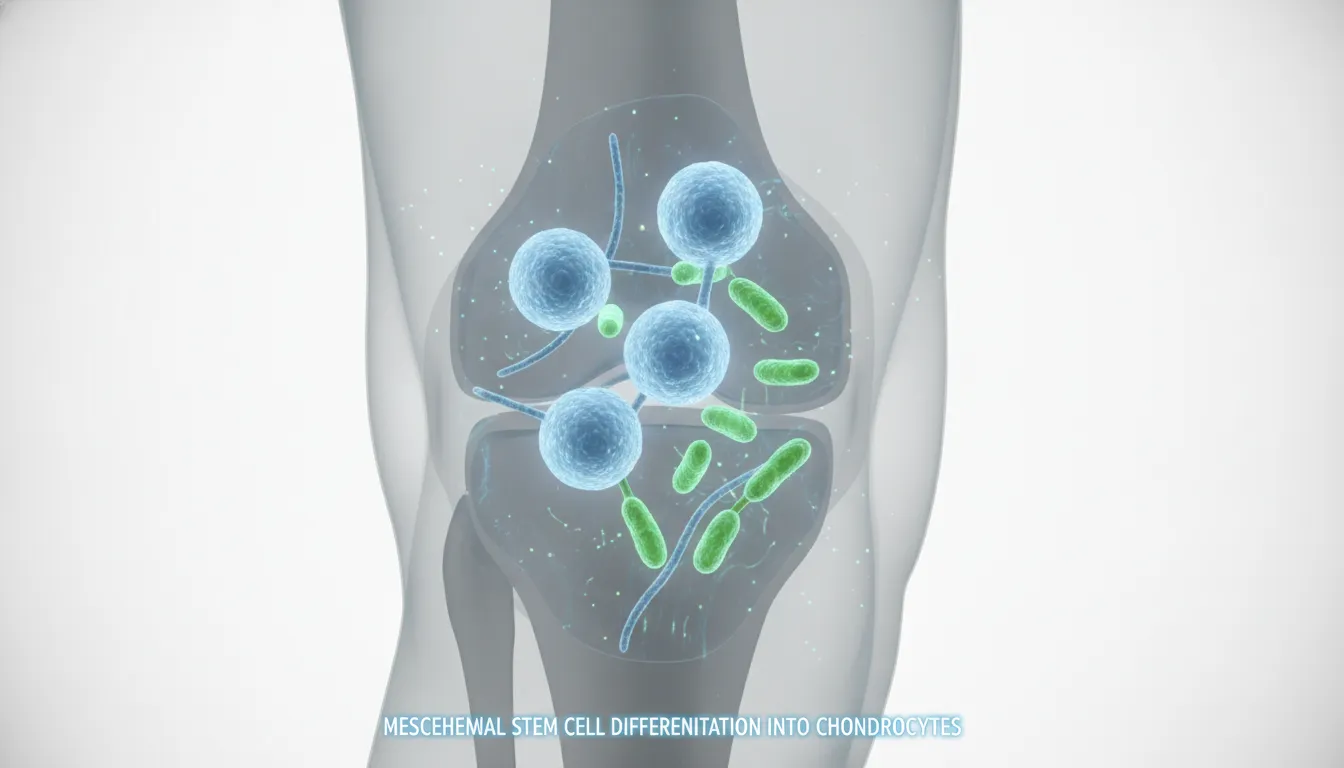
To understand what these cells do, it helps to look at where they come from and what they can become. The term mesenchymal describes their origin in the body’s middle layer of tissue. Unlike other cells that have only one job, MSCs are multipotent. This means they can change into several specific cell types to help the body repair itself. According to research on mesenchymal stem cell biology, these cells can become osteoblasts for bone or chondrocytes for cartilage.
Scientists commonly isolate these cells from bone marrow, adipose tissue, and umbilical cord tissue. At Miami Stem Cell, we select high-quality sources to ensure optimal outcomes for our patients. These cells function as a natural repair system, migrating to injury sites to initiate the healing process.
Key properties of mesenchymal cells
MSCs possess several distinctive properties that make them ideal for regenerative therapy:
- Immune-privileged status: They do not trigger an immune response when transplanted, making them safe for allogeneic use without rejection risk.
- Anti-inflammatory signaling: They release cytokines that reduce swelling and modulate the immune system to stop attacking healthy tissue.
- Growth factor production: They secrete more than 300 bioactive molecules that create a regenerative environment for tissue repair.
These properties make MSCs fundamentally different from conventional treatments. Rather than simply masking symptoms, they manage the entire repair environment, helping the body build new healthy tissue while keeping inflammation under control.
How MSCs differ from other stem cells
Not all stem cells are the same. MSCs are distinct from hematopoietic stem cells, which only produce blood cells, and from embryonic stem cells, which carry ethical and safety concerns. MSCs are adult stem cells that are ethically sourced and do not carry the same tumorigenic risks. This safety profile makes them the gold standard for treating orthopedic conditions without surgery.
How Mesenchymal Stem Cells Support Joint Health and Cartilage Repair
MSCs play a fundamental role in joint health by locating and repairing damaged tissue. When a joint injury occurs, the body deploys these cells to begin the healing cascade. For Miami patients exploring joint regeneration therapy, understanding this mechanism is the first step toward recovery.
Direct differentiation into cartilage cells
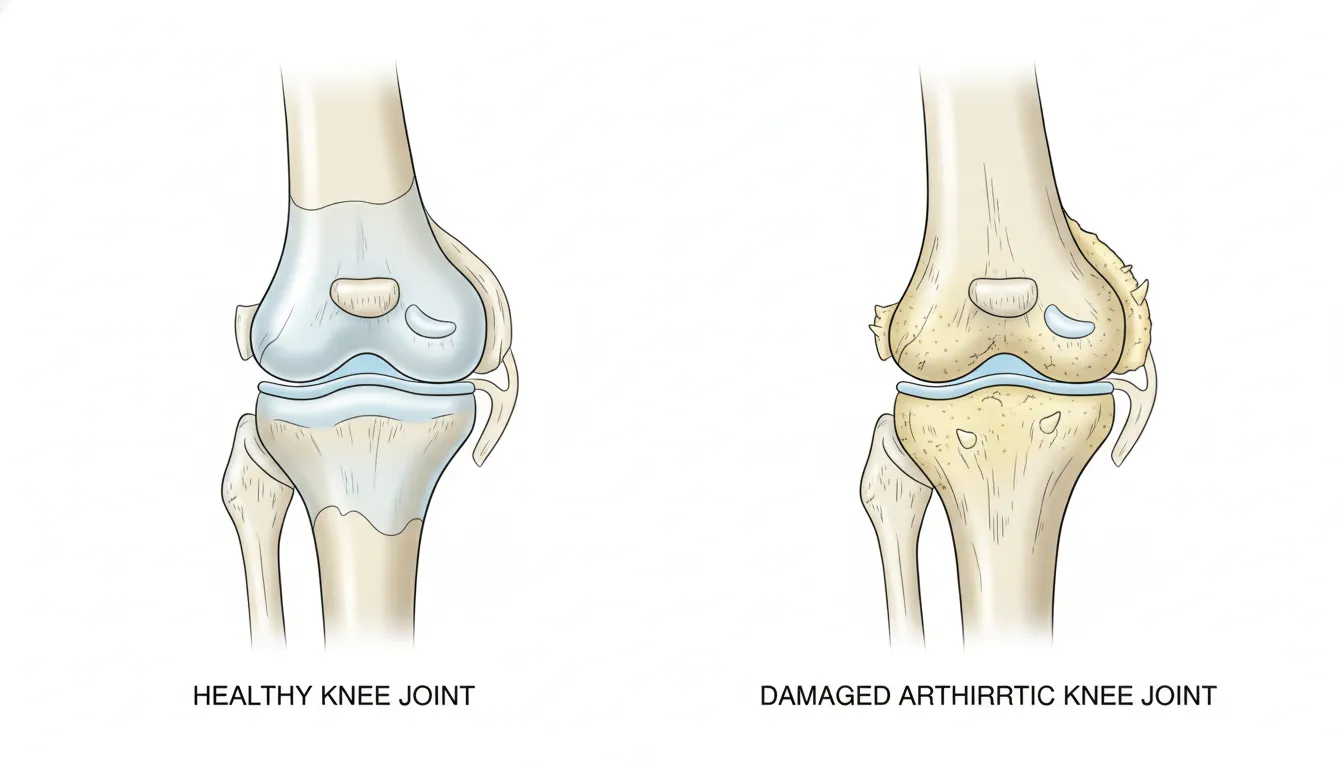
A primary mechanism through which MSCs support joint repair is differentiation. These cells can transform into chondrocytes, the cells that produce and maintain cartilage. This process is central to answering the question can stem cells regrow cartilage effectively.
Once MSCs differentiate into cartilage cells, they help rebuild the smooth articular surface of the joint. This reduces friction and pain during movement. Studies from the National Institutes of Health demonstrate that these cells can help repair focal cartilage defects over weeks to months.
Paracrine signaling and immune modulation
MSCs function as a signaling hub for the immune system. They release bioactive molecules that instruct the body to reduce inflammation in the joint environment. This paracrine activity is often more critical than direct differentiation, as it preserves existing cartilage from further degradation.
As noted by the Mayo Clinic, controlling inflammation is a primary goal in treating degenerative joint disease and avoiding major surgical intervention.
Growth factor secretion and tissue regeneration
MSCs secrete over 300 growth factors and proteins that act as fuel for repair. These molecules stimulate nearby cells to proliferate, accelerating the healing of bone, cartilage, and soft tissues. They also promote angiogenesis, improving blood flow and nutrient delivery to the injured area. This comprehensive support system is why MSC therapy addresses both symptoms and underlying tissue health.
Call Miami Stem Cell at (305) 999-7679 to discuss how MSC therapy can help restore your joint function and mobility.
Why Umbilical Cord MSCs Are the Gold Standard for Therapy
When selecting a treatment for joint pain, the source of the cells matters significantly. Most clinics use autologous cells from bone marrow or adipose tissue. While effective, these have inherent limitations. At Miami Stem Cell, we prioritize umbilical cord tissue because it provides the most potent MSCs for tissue repair. These young, vigorous cells produce superior outcomes for damaged joints.
Comparing cell sources for joint repair
There are three primary sources of MSCs, each with distinct characteristics:
- Bone marrow MSCs: Harvested from the patient’s own bone, these cells decline in potency with age and yield lower cell counts.
- Adipose-derived MSCs: Taken from fat tissue, these are abundant but less effective at differentiating into cartilage and bone.
- Umbilical cord MSCs: Sourced from healthy donor tissue after full-term birth, these cells are young, highly proliferative, and produce more growth factors.
Umbilical cord MSCs have not been exposed to aging or environmental toxins. This youth translates to superior results for bone and joint regeneration. Younger cells generate more growth factors and maintain higher viability after injection.
Safety and ethical sourcing
Safety is paramount at Miami Stem Cell. Our cells come from healthy live births in the United States. Donors undergo rigorous screening, and over 90% of potential donors are declined. This ensures only the highest quality tissue is used. The process is ethically sound and does not involve embryonic tissue.
The immune-privileged nature of MSCs means they do not provoke an adverse immune response. Patients do not need to worry about rejection, making donor cell therapy both safe and accessible for most individuals.
Potency and quality control
Cell quality directly determines clinical outcomes. Umbilical cord MSCs proliferate significantly faster than adult-derived cells and differentiate into bone and cartilage with greater efficiency. This high yield is why they are considered the gold standard. The FDA establishes strict guidelines for tissue handling and processing.
At Miami Stem Cell, we oversee every stage of the process. We partner with laboratories that meet rigorous federal standards. These labs test each batch for purity, viability, and potency before clinical use. This commitment to quality explains our strong patient outcomes.
What Conditions Can MSC Therapy Help Treat?
MSCs offer broad therapeutic potential for patients with chronic pain and tissue degeneration. Because they differentiate into bone, cartilage, and muscle, they are particularly well suited for orthopedic applications. At Miami Stem Cell, we have performed over 8,000 procedures with a documented 92% improvement rate across a range of joint and spine conditions.
Joint and spine degeneration
Most patients seek stem cell therapy for arthritis or age-related joint deterioration. MSCs can help with knee osteoarthritis, hip degeneration, and shoulder rotator cuff tears. They reduce inflammation and support the body’s natural cartilage repair processes. For patients with degenerative disc disease or chronic back pain, MSC therapy offers a non-surgical approach to managing symptoms and improving mobility.
Research indexed on PubMed shows that MSCs can slow joint degradation. By releasing growth factors and anti-inflammatory signals, these cells help protect remaining healthy tissue. This makes them a cornerstone of modern pain management strategies.
Sports injuries and soft tissue damage
MSCs are also effective for acute injuries such as ligament tears and muscle strains. Athletes frequently use this therapy to accelerate recovery and return to sport. The cells migrate to the injury site and initiate repair by building new, healthy tissue. Common applications include tennis elbow, ACL injuries, and Achilles tendinopathy.
Treatment costs at our clinic typically range from $4,000 to $17,000 depending on the complexity and cell dose required. We adhere to safety standards established by the FDA to ensure every patient receives high-quality care. Each treatment plan is customized to the specific injury.
Autoimmune and inflammatory conditions
Beyond orthopedic applications, MSCs help manage conditions driven by immune dysfunction. Their anti-inflammatory properties make them valuable for rheumatoid arthritis and other chronic inflammatory disorders. Rather than simply masking pain, these cells work to rebalance the immune system’s signaling.
Miami Stem Cell brings over 15 years of clinical experience to this field. We use ethically sourced umbilical cord cells that offer high viability and minimal rejection risk. This foundation allows us to treat complex conditions with a focus on long-term wellness.
MSCs vs Other Regenerative Treatments: A Comparison
Choosing the right treatment for joint pain requires understanding how options differ. While conventional approaches focus on symptom management, regenerative therapies aim to restore tissue function. MSCs offer the most comprehensive regenerative potential of all non-surgical options.
How treatment approaches differ
The fundamental distinction between these options is their mechanism of action. Corticosteroid injections provide rapid but temporary inflammation reduction without repairing underlying tissue. In fact, repeated steroid use can accelerate cartilage degeneration. MSCs, by contrast, promote long-term tissue repair. According to the National Institutes of Health, MSCs function as signaling centers that orchestrate the body’s own healing response.
Platelet-rich plasma (PRP) uses the patient’s own blood components to stimulate healing and works best for mild to moderate tissue damage. Exosomes are extracellular vesicles that carry signaling molecules between cells. While both are valuable, MSCs remain the most powerful option for joint regeneration therapy because they are living cells that can differentiate into new bone or cartilage tissue.
Outcomes and cost comparison
When evaluating treatment options, both recovery time and total cost are important factors. Most regenerative injections are outpatient procedures with minimal downtime. Surgery, by contrast, requires months of rehabilitation and carries higher risk. At Miami Stem Cell, we achieve a 92% improvement rate through precisely targeted protocols led by Dr. Eric Weiss.
| Treatment | Primary Mechanism | Recovery Time | Estimated Cost |
|---|---|---|---|
| MSCs | Tissue repair and cell regeneration | 1-2 days | $4,000 – $10,000 |
| PRP | Growth factor delivery | 1-3 days | $500 – $2,000 |
| Exosomes | Cell signaling and anti-inflammatory | 1 day | $3,000 – $6,000 |
| Corticosteroids | Temporary inflammation reduction | None | $100 – $500 |
| Surgery | Mechanical joint replacement | 3-6 months | $30,000+ |
Regulatory framework and expert guidance
Florida has established clear regulations for orthopedic stem cell use. Miami Stem Cell operates in compliance with Florida Senate Bill 1768, which sets standards for safety and transparency. This legal framework gives patients confidence that they are receiving care from a clinic following current regulations. Consulting with an experienced specialist like Dr. Weiss is essential to determine the most appropriate therapy for your specific condition.
MSC therapy costs vary by treatment plan. A single injection typically ranges from $4,000 to $7,000. More comprehensive protocols may range from $5,000 to $10,000. While this is a cash-pay service, many patients find avoiding surgery to be a worthwhile investment in their long-term health.
Contact Miami Stem Cell today to schedule your consultation and learn if you are a candidate for mesenchymal stem cell therapy.
What to Expect From MSC Therapy at Miami Stem Cell
Starting treatment at Miami Stem Cell begins with understanding the process. We prioritize clarity and patient comfort at every stage. Our team guides you through each step so you feel confident in your treatment decision. If you want to know how what are mesenchymal stem cells applies to your condition, our experts can explain the science and expected outcomes for your joint health.

Personalized treatment planning
The first step is a complimentary consultation. During this visit, we review your medical history, pain levels, and treatment goals. Our physicians perform a comprehensive evaluation to determine candidacy for MSC therapy. This phase is critical for developing a plan tailored to your needs. You can schedule a consultation today to begin your evaluation with our Miami-based team.
Once candidacy is confirmed, we develop a customized protocol. We use Wharton’s Jelly MSCs for their superior potency and youth. Learning how stem cell therapy works is key to setting realistic expectations for your recovery.
Expert care with Dr. Eric Weiss
Your treatment is led by Dr. Eric Weiss, a Duke Medical School graduate and board-certified surgeon. As a former Navy Commander, he brings discipline and precision to every procedure. Our clinic has over 15 years of experience and has performed more than 8,000 procedures with a 92% patient improvement rate.
We prioritize safety and regulatory compliance. Our clinic follows the requirements of Florida Senate Bill 1768, which governs stem cell use for orthopedic conditions in the state. As the National Institutes of Health notes, MSCs continue to be a major focus of research for their tissue repair and immunomodulatory capabilities.
The treatment and recovery process
The injection procedure is typically quick and minimally invasive. Cells are delivered directly to the target area using image guidance when appropriate. Most patients experience minimal downtime and return to normal activities within one to two days. We provide clear post-treatment instructions to optimize your recovery.
Follow-up care is an integral part of our approach. We monitor your progress over several months to track outcomes and adjust as needed. This data helps us refine our protocols and maintain our success rates. Our goal is to help you return to daily activities with less pain and improved mobility.
Frequently Asked Questions
Are mesenchymal stem cell treatments FDA approved?
While the FDA has not approved stem cells as a drug for every indication, clinics must follow strict regulations for handling human tissue. Florida Senate Bill 1768 establishes clear standards for orthopedic stem cell treatments. Miami Stem Cell complies with all applicable regulations and uses FDA-registered laboratories for cell processing.
How long does MSC therapy take to work?
Patients typically begin noticing improvement within four to six weeks after treatment. The full effects develop over three to six months as the cells continue to modulate inflammation and support tissue repair. Results vary depending on the condition being treated, the severity of tissue damage, and the patient’s overall health.
Is MSC therapy painful?
The injection itself involves minimal discomfort, similar to a routine joint injection. Most patients tolerate the procedure well with local anesthetic. Post-treatment soreness at the injection site is common for one to three days but typically resolves on its own.
How many MSC treatments are needed?
Many patients experience significant improvement after a single treatment session. For more advanced degeneration, a series of two to three injections spaced several weeks apart may be recommended to achieve optimal results. Your treatment plan will be customized based on your specific condition and response.
Who is a good candidate for MSC therapy?
Good candidates include individuals with chronic joint pain who have not found adequate relief from conservative treatments and wish to avoid surgery. Ideal candidates are in generally good health with realistic expectations. A consultation with Dr. Weiss is the best way to determine if MSC therapy is appropriate for your specific situation.