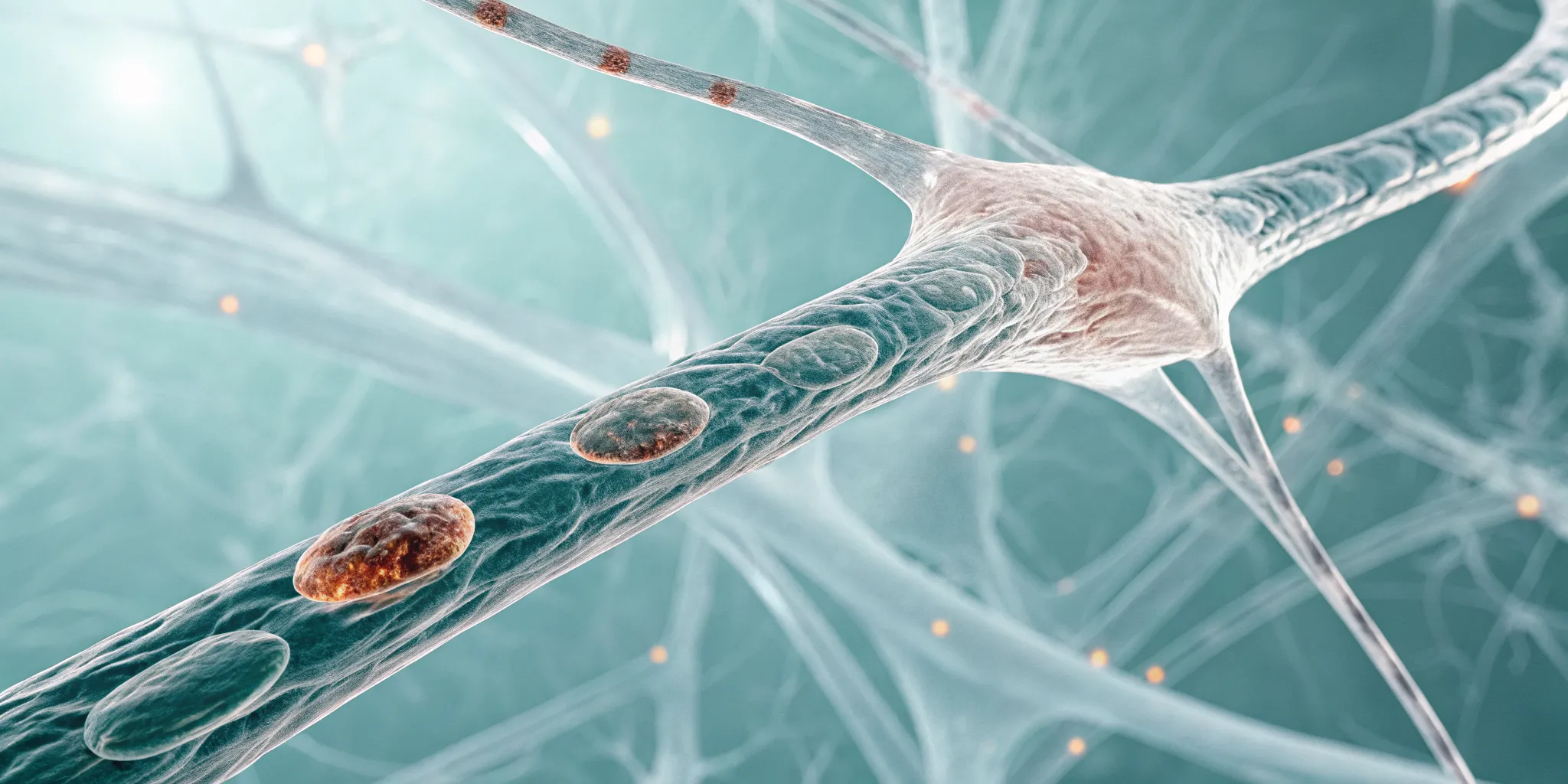
When you hear about stem cell treatments, you probably picture a direct injection into a painful joint like a knee or shoulder. This is a great approach for localized injuries. But what about conditions that affect your entire body, such as autoimmune disorders or chronic, widespread inflammation? For these issues, a different strategy is needed. This is where IV stem cell therapy comes into play. By introducing mesenchymal stem cells into the bloodstream, this method allows them to circulate throughout the body, helping to calm overactive immune responses and reduce systemic inflammation. We’ll explore how this whole-body approach works and for whom it might be a suitable option.
Stem cell therapy has become one of the most talked-about areas in modern regenerative medicine. One approach, IV stem cell therapy—where stem cells are delivered through an intravenous drip—has gained attention for its potential to support healing and regulate inflammation in the body. But what conditions can realistically be treated with IV stem cells? Let’s look at the science, potential benefits, and important safety considerations.
🔬 How IV Stem Cell Therapy Works
IV stem cell therapy typically uses mesenchymal stem cells (MSCs), often sourced from umbilical cord tissue, bone marrow, or adipose (fat). When introduced into the bloodstream through an IV infusion, these cells don’t necessarily replace damaged tissue directly. Instead, they:
- Release signaling molecules (growth factors, cytokines, exosomes) that encourage repair.
- Help reduce systemic inflammation.
- Influence the immune system by calming overactive responses.
Because IV infusion allows the cells to circulate throughout the body, it is generally explored for whole-body or immune-related conditions, rather than isolated injuries.
Understanding Stem Cell Sources
When considering IV stem cell therapy, it’s important to know that the source of the stem cells plays a significant role in the treatment’s potential. The cells used in regenerative medicine generally fall into two main categories, each with its own set of characteristics and applications. Understanding the difference is the first step in making an informed decision about your health and wellness journey.
Autologous vs. Allogeneic Stem Cells
Autologous stem cells are sourced directly from your own body, typically from bone marrow or adipose (fat) tissue. Because these cells are your own, the primary advantage is that there is virtually no risk of your immune system rejecting them. This method has been used for years and is a well-established approach in regenerative medicine. However, the potency of these cells can decline with age, which may influence their effectiveness for certain conditions.
Allogeneic stem cells come from a screened donor. At Miami Stem Cell, we exclusively use umbilical cord-derived mesenchymal stem cells (MSCs). These cells are collected from the umbilical cord tissue of healthy, full-term births, a process that is safe and non-invasive for both mother and baby. These MSCs are incredibly young, potent, and are considered “immune privileged,” meaning they have a very low chance of being rejected by the recipient’s body. This makes them a powerful and versatile option for systemic, whole-body applications.
The Importance of Quality Control in Treatments
The source of the stem cells is just one piece of the puzzle. The safety and effectiveness of any IV stem cell therapy depend heavily on rigorous quality control. From the moment the cells are collected to the time they are administered, every step must adhere to the highest standards. Reputable clinics ensure their products are processed in labs that follow strict regulatory guidelines. This meticulous preparation is essential for ensuring the purity, viability, and potency of the final stem cell product.
Advanced laboratory techniques are used to verify the quality of the cells before they are ever used in a treatment. For example, a method called flow cytometry helps identify and count the specific types of cells in a sample, confirming that you are receiving a consistent and high-quality product. This level of testing is a critical safety measure that distinguishes high-quality, USA-based treatments from riskier alternatives. Ultimately, this commitment to science-backed protocols ensures that the therapy is not only effective but, most importantly, safe for every patient.
🌟 Conditions Being Studied for IV Stem Cell Therapy
It’s important to note that most uses of IV stem cell therapy are still experimental. Regulatory bodies such as the FDA and EMA have not widely approved it for general use, except for specific blood-related conditions. That said, ongoing studies and clinical trials are exploring its potential in the following areas:
1. Autoimmune Disorders
- Multiple sclerosis (MS)
- Lupus (systemic lupus erythematosus)
- Rheumatoid arthritis
IV stem cell therapy may help regulate the immune system and reduce flare-ups by calming overactive immune responses.
2. Inflammatory Conditions
- Crohn’s disease
- Ulcerative colitis
- Chronic systemic inflammation
Because IV infusion spreads cells systemically, it is being studied for conditions where inflammation affects multiple organs.
3. Neurological Disorders
- Stroke recovery
- Traumatic brain injury
- Parkinson’s disease
- Alzheimer’s disease (early-stage research)
Stem cells may release factors that support neural repair and reduce inflammation in the brain and nervous system.
4. Lung and Respiratory Conditions
- Chronic obstructive pulmonary disease (COPD)
- Pulmonary fibrosis
- Asthma (investigational use)
Stem cells infused through IV first pass through the lungs, which is why researchers are studying their role in lung disease.
5. General Wellness & Regeneration (Experimental)
Some clinics promote IV stem cell therapy for anti-aging, fatigue, or overall wellness. While anecdotal reports exist, these claims are not strongly supported by clinical trials. Patients should approach such services with caution and verify that treatments are medically supervised.
6. Musculoskeletal and Joint Issues
While localized injections are often the go-to for specific joint problems, IV stem cell therapy is being explored for its systemic effects on musculoskeletal health. The idea is that by introducing mesenchymal stem cells into the bloodstream, they can travel throughout the body and help reduce widespread inflammation, a key driver of pain in conditions like arthritis and other degenerative joint diseases. This approach may support the body’s natural repair mechanisms in bones and muscles, potentially easing chronic pain and improving mobility from a whole-body perspective rather than targeting a single joint. It’s a promising area for those dealing with generalized aches and pains that aren’t confined to one location.
7. Heart and Organ Conditions
Research into IV stem cell therapy for heart and organ conditions is still in the early stages but shows some potential. The primary focus is on the cells’ ability to reduce inflammation, which is a major factor in many cardiovascular diseases like heart failure and peripheral artery disease. By helping to calm systemic inflammation, stem cells may create a better environment for tissue repair and support overall organ function. It’s important to understand that this is not a cure but an investigational approach aimed at supporting the body’s own healing processes and strengthening the immune system’s response to chronic conditions affecting vital organs.
8. Sexual Wellness and Cosmetic Applications
IV stem cell therapy is also being explored for its potential benefits in aesthetics and sexual wellness. Systemic treatments may improve overall vitality, circulation, and tissue health, which can indirectly address issues like erectile dysfunction. For cosmetic purposes, such as skin rejuvenation and hair restoration, the anti-inflammatory and regenerative signals sent by the stem cells can encourage cellular repair and growth. While IV therapy provides a systemic effect, it’s often combined with more targeted treatments, like localized injections, to achieve the best results for specific cosmetic or sexual health concerns by promoting healing in a natural, regenerative way.
9. Immune System Support
One of the most significant areas of study for IV stem cell therapy is its effect on the immune system. Mesenchymal stem cells are known for their immunomodulatory properties, meaning they can help regulate immune responses. This doesn’t just mean strengthening the immune system; it means helping it find balance. For individuals with autoimmune disorders, the cells can help calm an overactive immune response. For others, they may help fortify the body’s ability to manage inflammation from illnesses. This regulatory function is key to rebuilding and supporting a resilient immune system that can effectively protect the body.
Practical Aspects of Treatment
If you’re considering IV stem cell therapy, it’s natural to have questions about what the process actually involves, from the procedure itself to the financial investment. Understanding these practical details is a key part of making an informed decision about your health. Let’s walk through what you can expect when pursuing this innovative treatment.
What to Expect During the Procedure
The idea of an IV might seem a bit clinical, but the process for receiving stem cells is surprisingly simple and comfortable. The procedure is very similar to getting a standard IV infusion for hydration or vitamins. A qualified nurse will place a small catheter into a vein in your arm, and the stem cell solution is then administered through a slow drip. The entire infusion typically takes about 30 to 45 minutes, during which you can relax, read, or listen to music. It’s a minimally invasive, outpatient procedure, meaning you can generally return to your daily activities shortly after. At a professional clinic, the medical team ensures your comfort and safety are the top priorities throughout the entire process.
Understanding the Costs of IV Stem Cell Therapy
One of the most common questions about regenerative medicine is about the cost. IV stem cell therapy is a significant investment, and prices can range widely, often from $5,000 to over $50,000. This variation depends on several factors, including the specific condition being addressed, the type and quantity of stem cells used, and the complexity of your personalized treatment protocol. Because most stem cell therapies are still considered investigational, they are generally not covered by insurance. It’s essential to have a detailed consultation to receive a clear breakdown of costs and understand what is included in your treatment plan. This ensures there are no surprises and you can move forward with confidence.
Navigating Treatment Options: USA vs. Overseas
When researching stem cell therapy, you’ll likely come across options both in the United States and abroad. It’s crucial to understand the differences. In the U.S., clinics operate under strict FDA guidelines to ensure patient safety and product quality. This regulatory oversight means that reputable clinics use umbilical cord-derived mesenchymal stem cells that are sourced from FDA-registered labs and adhere to rigorous standards. Some overseas clinics may operate under different regulations, which can affect the quality and safety of the cells used. Choosing a U.S.-based provider gives you the assurance of working with a team that follows established safety protocols and provides transparent, science-backed care right here at home.
⚠️ Safety Considerations & Risks
While mesenchymal stem cells are generally considered safe in clinical research, there are important factors to keep in mind:
- Possible side effects: Temporary fever, headache, chills, or fatigue may occur after infusion.
- Unknowns: Long-term effects are not fully understood, and results vary widely.
- Clinic safety: Risks increase when treatments are offered by unregulated or unlicensed providers. Always check for medical oversight and regulatory compliance.
🧾 What the Science Says
- Studies are ongoing worldwide, with promising results in reducing inflammation and supporting recovery in some patients.
- The therapy is not yet a standard approved treatment for most conditions, so patients should view it as investigational.
- Participation in clinical trials may be the safest and most evidence-based way to access IV stem cell therapy.
✅ Key Takeaways
- IV stem cell therapy is being researched for autoimmune disorders, inflammatory diseases, neurological conditions, and lung diseases.
- Evidence shows potential, but most uses remain experimental and unapproved outside of clinical studies.
- Safety depends on receiving treatment in a reputable medical facility under physician supervision.
- Anyone considering IV stem cell therapy should discuss it thoroughly with a qualified healthcare provider.
📌 Conclusion
IV stem cell therapy holds great promise, especially for conditions involving the immune system and chronic inflammation. However, it is still largely considered experimental, and more research is needed before it becomes a mainstream medical option. If you are interested in this therapy, the best approach is to consult with a knowledgeable physician and explore whether participation in a regulated clinical trial is an option. This ensures you make an informed decision while keeping your safety a top priority.
Treatment Efficacy and Limitations
The “Pulmonary First-Pass Effect” Challenge
One of the most significant challenges in IV stem cell therapy is a phenomenon known as the “pulmonary first-pass effect.” When mesenchymal stem cells (MSCs) are introduced intravenously, they travel through the bloodstream, but their first stop is the lungs. Research has shown that the lungs can act like a filter, trapping a majority of the cells. One study on traumatic brain injury (TBI) noted that “most of the MSCs given intravenously got stuck in the lungs,” with very few actually reaching the brain. This means that for conditions affecting other parts of the body, IV delivery might not be the most efficient method to get a high concentration of cells to the target area. This is a critical factor to consider when evaluating treatment options and highlights why direct injections are often preferred for localized issues like joint degeneration.
IV Therapy as a Complementary Treatment
Supporting Your Body’s Natural Healing Process
Despite the first-pass effect, IV therapy can still play a valuable role, particularly for systemic conditions. The goal of this approach is often less about direct cell replacement and more about supporting the body’s own healing mechanisms. The stem cells that circulate can release powerful signaling molecules that help reduce widespread inflammation and modulate the immune system. As one source explains, “Stem cells can help your body fight sickness, heal injuries, reduce pain and swelling, and repair damaged cells.” This systemic approach aims to address the root cause of a problem rather than just masking symptoms. For many people seeking alternatives to more invasive procedures, this form of regenerative medicine is becoming a popular option to promote overall wellness and support recovery from chronic conditions.
Frequently Asked Questions
Why would I choose IV therapy instead of a direct injection? Think of it this way: a direct injection is perfect for targeting a single problem area, like an arthritic knee or a sore shoulder. It delivers a concentrated dose of stem cells right where you need them. IV therapy, on the other hand, is designed for conditions that affect your entire system. If you’re dealing with widespread inflammation, an autoimmune disorder, or other systemic issues, the IV allows the cells to circulate throughout your body to help regulate your immune response and support healing on a broader scale.
Where do the stem cells used in IV therapy come from? At our clinic, we exclusively use mesenchymal stem cells (MSCs) sourced from donated umbilical cord tissue after healthy, full-term births. This process is completely safe and non-invasive for both the mother and baby. We choose these cells because they are incredibly young, potent, and considered “immune privileged,” which means they have a very low risk of being rejected by your body. They also undergo rigorous screening in an FDA-registered lab to ensure they are safe and of the highest quality.
I read that many stem cells get trapped in the lungs after an IV. Does the therapy still work? This is a great question that gets right to the science of how this works. It’s true that the lungs act as a natural filter, and many cells are initially caught there. However, the primary benefit of IV stem cell therapy comes from the powerful signaling molecules, growth factors, and exosomes that the cells release into your bloodstream. These signals circulate throughout your entire body, helping to calm inflammation and encourage your own cells to begin the repair process. So, even if the cells themselves don’t all reach a specific target, their healing messages do.
What does the IV stem cell procedure actually feel like? The process is surprisingly simple and comfortable, much like getting a standard vitamin infusion. A qualified nurse will place a small IV in your arm, and the stem cell solution is administered through a slow drip over about 30 to 45 minutes. During this time, you can simply relax, read a book, or listen to music. It is a minimally invasive outpatient procedure, so you can typically get back to your day right afterward with no downtime.
Is IV stem cell therapy a one-time fix for my condition? Regenerative medicine is focused on supporting your body’s own ability to heal, so it’s best to view it as a process rather than a one-time cure. The effects and the number of treatments needed can vary significantly from person to person, depending on the specific condition, its severity, and your overall health. Your physician will work with you to create a personalized treatment plan designed to achieve the best possible outcome for your unique situation.
Related Articles
- A Guide to Stem Cell IV Therapy for Anti-Aging
- Stem Cell Therapy FAQs
- Stem Cell Therapy Pain for Children with Autism: Safety & Comfort
- Is There a Downside to Stem Cell Therapy?