What is peripheral neuropathy? It is a broad term for damage or dysfunction in nerves outside the brain and spinal cord. Depending on which nerves are affected, it may cause numbness, tingling, burning pain, weakness, balance problems, or changes in automatic functions such as digestion and sweating. The pattern and cause matter: evaluation starts by identifying what is affected and looking for a treatable reason.
What Is Peripheral Neuropathy?
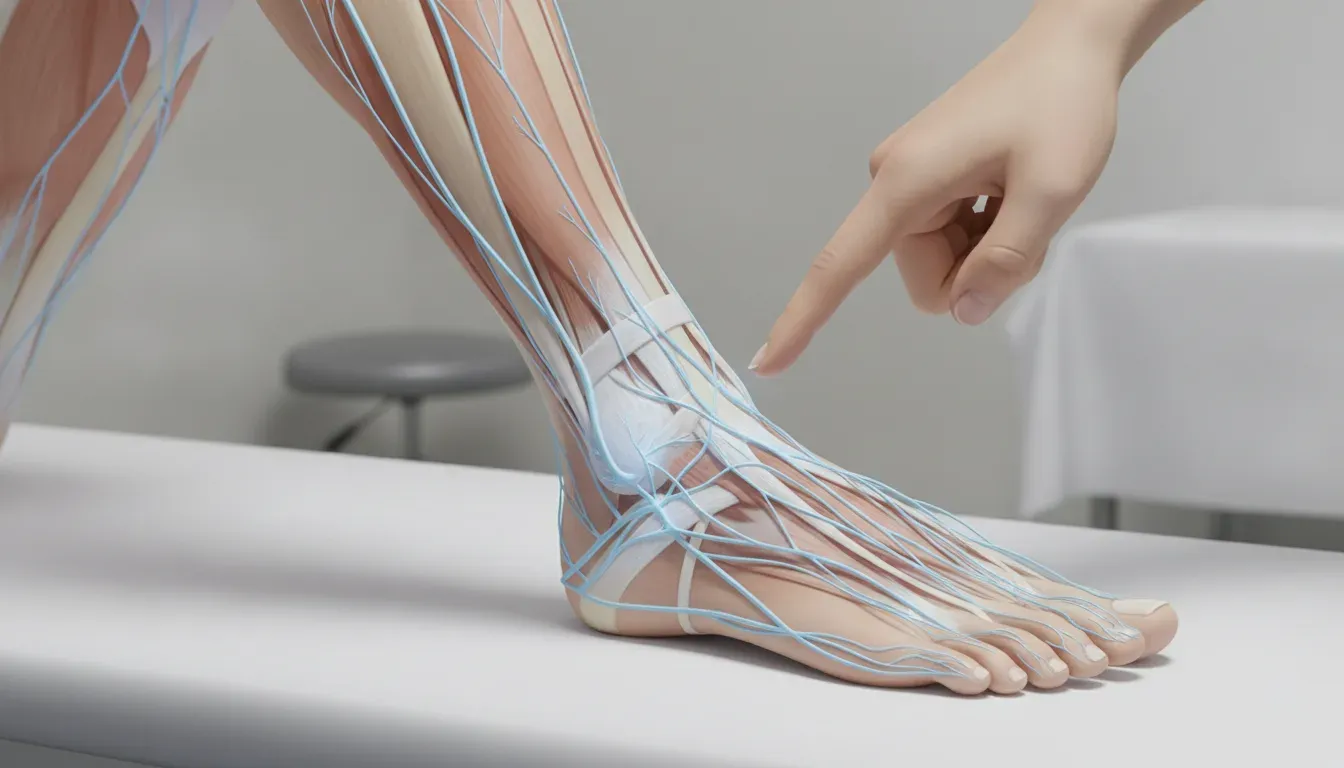
The peripheral nervous system is the network of nerves that carries signals between the brain and spinal cord and the rest of the body. These nerves help you feel touch, temperature, and pain; move muscles; and regulate some automatic processes. Peripheral neuropathy describes a problem with one or more of these nerves. It is not one single disease, and it does not point to one cause or treatment.
Some neuropathies affect one nerve, while others involve several nerves. A condition that affects many nerves is often called polyneuropathy. The symptoms can be temporary or long-lasting, mild or disruptive, and may change over time. The National Institute of Neurological Disorders and Stroke describes peripheral neuropathy as a group of conditions involving damage to the peripheral nervous system, rather than a single uniform disorder (NINDS overview of peripheral neuropathy).
Knowing the label alone does not explain why symptoms started. Clinicians look at the location, timing, and type of nerve symptoms, along with health history and examination findings. A clear pattern can help guide decisions about testing and care.
What symptoms can peripheral neuropathy cause?
Symptoms depend on the nerves involved. Sensory nerve changes may alter what you feel. Motor nerve changes may affect muscle strength and coordination. Autonomic nerve changes can interfere with functions that usually happen without conscious effort.
- Sensory symptoms: tingling, pins and needles, burning or electric-like pain, reduced sensation, unusual sensitivity to touch, or difficulty noticing heat and cold.
- Motor symptoms: weakness, cramps, muscle twitching, reduced coordination, or difficulty lifting the front of the foot.
- Balance and position changes: feeling unsteady, especially in the dark, or having trouble sensing where the feet are without looking.
- Possible autonomic symptoms: lightheadedness when standing, changes in sweating, or digestive, bladder, or sexual-function changes. These symptoms can have many causes and need medical assessment.
Many people notice symptoms first in the feet and later in the hands, especially when several nerves are affected in a length-dependent pattern. Other nerve problems can be limited to a single area or appear asymmetrically. Symptoms such as pain, altered sensation, weakness, and automatic-function changes can occur in different combinations; the BMJ overview of peripheral neuropathy also notes that clinical features vary widely.
Symptoms by themselves cannot confirm neuropathy. A tingling hand, for example, can have causes other than peripheral nerve damage. Tell a clinician when symptoms began, how they have changed, and whether they affect one side or both.
A short symptom record can make that description easier. Note the first area affected, whether symptoms spread, what they feel like, how often they occur, and what seems to bring them on or ease them. Include practical changes, such as needing a handrail, dropping objects, or not noticing a hot surface. These details do not diagnose the cause, but they give a clinician a clearer starting point than a general report of “numbness.”
What can cause peripheral neuropathy?
There are many possible causes, and sometimes the cause is not identified even after evaluation. Common possibilities include:
- Diabetes and blood-sugar disorders: prolonged high blood sugar can contribute to nerve damage. Nerve symptoms can also occur alongside other metabolic problems.
- Vitamin or nutritional issues: too little or, in some cases, too much of certain vitamins can affect nerves. A clinician should interpret testing and supplements in context rather than assuming a deficiency.
- Medication or toxin exposure: some medicines and chemicals can injure nerves. Do not stop a prescribed medicine without discussing it with the prescriber.
- Alcohol use: heavy, long-term use may contribute directly to nerve injury and may also be associated with nutritional problems.
- Infections, immune conditions, or inherited disorders: these can affect nerves through different mechanisms and may require a focused assessment.
- Pressure, injury, or nerve-root problems: a nerve can be compressed or injured in a specific location. This differs from some generalized neuropathies and can lead to a different care plan.
- Other medical conditions: kidney, liver, blood, or other systemic conditions may be relevant, depending on a person’s history and findings.
Finding a possible cause matters because management may include treating that condition, reducing an exposure, addressing a deficiency, or protecting function. It is not safe to assume that a particular supplement, injection, or procedure addresses the cause without an assessment. For a general introduction to nerve-related care, see Miami Stem Cell’s nerve pain resources.
When discussing possible causes, context is important. A medicine taken recently, a long-standing metabolic condition, a family history of similar symptoms, or a recent injury can each change which explanations deserve attention. Do not assume that the most obvious factor is necessarily responsible: more than one issue may contribute, and a symptom can also come from a condition that is not neuropathy. A clinician can weigh the timeline and examination rather than relying on a single clue.
How do clinicians evaluate possible neuropathy?
An evaluation usually begins with a careful history and physical examination. A clinician may ask when symptoms started, whether they are constant or intermittent, where they occur, and whether they are progressing. They may also ask about diabetes, other health conditions, family history, alcohol use, nutrition, work or chemical exposures, injuries, and current medicines or supplements.
The examination may include testing sensation, reflexes, muscle strength, coordination, and walking. Findings help determine whether the pattern is consistent with a peripheral nerve problem and whether it seems to affect one nerve, several nerves, or another part of the nervous system.
Testing is tailored to the situation. Blood tests may be used to check for potential underlying causes. Nerve conduction studies and electromyography can help assess how nerves and muscles are functioning in selected cases. Imaging or other tests may be considered when the history or examination suggests a structural or alternative cause. Not everyone needs every test. A review of diagnostic evaluation in the NIH’s PubMed Central collection discusses the role of clinical assessment and neurophysiology in neuropathy care (review of peripheral neuropathy biomarkers).
The purpose of testing is to answer a specific clinical question, not to run every available test. For instance, the clinician may be trying to establish whether a nerve problem is present, locate which nerves are involved, look for an underlying condition, or rule out another explanation. Ask what each proposed test is intended to clarify and how the result could change the next step. Results are interpreted alongside symptoms and examination findings; a test alone may not explain every sensation.
Bring a current medicine and supplement list, a brief timeline of symptoms, and any relevant prior test results to an appointment. Note practical effects too: trips or falls, trouble fastening buttons, sleep disruption, or difficulty sensing foot injuries. These details help make the discussion specific. Miami Stem Cell’s patient FAQs can help you prepare general questions about consultations and care.
What treatment and management options may be considered?
There is no single treatment that fits every type of peripheral neuropathy. Care depends on the cause, symptoms, nerve findings, overall health, and goals. A clinician may recommend addressing an underlying condition, reviewing medicines, managing pain, or supporting safety and daily function. Some nerve injury may not be reversible, so goals can include preventing further harm and improving comfort or independence.
| Care approach | What it may involve | Key point to discuss |
|---|---|---|
| Address a contributing cause | Managing a related health condition, correcting a confirmed nutritional issue, or reviewing a potential medication or exposure concern. | What evidence suggests this cause is relevant, and how will progress be monitored? | Symptom management | A clinician may discuss appropriate medicines or other measures for pain, sleep disruption, or related symptoms. |
| Potential benefits, side effects, interactions, and realistic goals vary by person. | ||
| Function and safety support | Depending on findings, care may include physical or occupational therapy, balance support, protective footwear, or home-safety changes. | Which daily activities are affected, and what steps can reduce falls or unnoticed injuries? | Further evaluation or referral | Additional testing or assessment by a relevant specialist may be considered when symptoms, examination, or suspected cause call for it. |
| What question is the next test or referral intended to answer? | Regenerative medicine discussion | An individualized clinician assessment would be needed to decide whether a regenerative approach is appropriate to discuss at all. |
| Ask about the evidence for your specific diagnosis, uncertainties, risks, alternatives, and out-of-pocket cost. |
Practical steps can support safety while the cause is being evaluated. Check feet for unnoticed blisters or injuries if sensation is reduced. Use suitable footwear, keep walkways clear, and seek guidance before starting a new exercise plan if balance or weakness is an issue. Do not begin high-dose vitamins or stop medication on your own; either choice can carry risks.
It can help to separate care goals into two categories: understanding and addressing a possible cause, and reducing the impact of symptoms in daily life. These goals can overlap but are not identical. For example, a plan may include follow-up for a contributing health condition while also considering steps for pain, sleep, balance, or foot protection. Track how a symptom affects activities, not just its intensity, so you and your clinician can tell whether the plan is meeting the goal you set.
For some people, clinicians may discuss rehabilitation or pain-management options. Miami Stem Cell describes its scope as non-surgical pain management, but a service description is not proof that a treatment is suitable or effective for every neuropathy. Any decision should follow an individualized medical evaluation. The clinic’s stem cell therapy information is another starting point for questions, not a substitute for diagnosis or a promise of benefit.
When should nerve symptoms be urgent?
Seek emergency care for sudden weakness or numbness, especially on one side of the body, or symptoms that occur with facial droop, trouble speaking, confusion, severe dizziness, or a sudden severe headache. These may signal an emergency other than peripheral neuropathy. Do not wait for a routine appointment.
Prompt medical attention is also important for rapidly worsening weakness, new difficulty walking, loss of bladder or bowel control, or numbness in the groin or saddle area. A new wound, burn, or infection on an area with reduced sensation also needs timely attention. If you are unsure how urgent a symptom is, contact a medical professional or emergency service for direction.
Do not use a previous neuropathy diagnosis to explain away a new or dramatically different symptom. Sudden changes can have causes that require immediate assessment, and only a medical professional can determine what is happening. If someone cannot safely travel or has severe sudden symptoms, use emergency services rather than waiting to arrange a standard appointment.
What should you ask at a consultation?
A focused conversation can clarify what is known and what remains uncertain. Consider asking:
- Do my symptoms and examination suggest peripheral neuropathy, or could another condition explain them?
- Which possible causes are most relevant in my case, and what tests are appropriate?
- What should I do now to protect sensation, strength, balance, and daily function?
- What are the expected benefits, risks, limitations, and alternatives for each option you recommend?
- If a regenerative treatment is proposed, what evidence applies to my specific diagnosis, and what outcomes should not be expected?
It is also reasonable to ask how a proposed plan will be reviewed over time. Agree on what change would count as meaningful for you, such as safer walking, fewer interruptions to sleep, or better ability to complete a daily task. Ask who to contact if symptoms change, when follow-up is appropriate, and whether any treatment could interact with medicines or other care. Clear answers can help you compare options without treating a marketing description as a personal recommendation.
Miami Stem Cell offers a FREE Consultation for people who want to discuss whether its services fit their situation. The clinic describes its approach as “Non‑Surgical Regenerative Treatments that target the root cause of pain and mobility limitations.” Its stated social proof points are 8500+, 17+ years, and 4.8 stars Google review. These are clinic-reported points, not a prediction of an individual’s medical outcome. Treatments are out-of-pocket and not covered by insurance; ask about all costs before making a decision.
Frequently Asked Questions
Is peripheral neuropathy one specific disease?
No. It is an umbrella term for problems affecting nerves outside the brain and spinal cord. Different causes and nerve patterns can produce different symptoms and care needs.
Can peripheral neuropathy go away?
That depends on its cause and severity. Some symptoms may improve when a contributing cause is addressed, while other nerve injuries may persist or progress. A clinician can discuss the likely course based on the evaluation; no general answer can guarantee an outcome.
Does tingling always mean neuropathy?
No. Tingling can have many explanations, including temporary pressure on a nerve or other medical conditions. Persistent, worsening, or unexplained tingling deserves assessment, particularly when it occurs with weakness, pain, balance changes, or loss of sensation.
Can stem cell or exosome treatment cure peripheral neuropathy?
No treatment should be presented as a guaranteed cure. Whether regenerative medicine is appropriate to discuss depends on an individual’s diagnosis, medical history, and clinician assessment. Ask about evidence for the specific condition, uncertainty, potential risks, alternatives, and cost before considering any intervention.
Peripheral neuropathy has many possible causes, so the most useful next step is to understand the symptom pattern and seek an evaluation that fits your health history and needs.