Skip to content
How to Treat Shoulder Arthritis Without Surgery

How to Treat Shoulder Arthritis Without Surgery

For so long, the only serious talk about shoulder arthritis ended with surgery. You might even believe that once the cartilage is gone, a replacement is your only option. I’m here to tell you that’s simply not true anymore. We now have powerful ways to work with your body. Let’s explore how to treat shoulder arthritis without surgery by building a modern plan that goes beyond temporary fixes. We’ll cover everything from trusted therapies to regenerative options, all focused on creating a healthier joint for real, lasting relief.

Book Appointment CTA

Book Free Appointment

Key Takeaways

  • Build a Comprehensive Plan: The most successful approach to managing shoulder arthritis involves more than one therapy. Combine physical therapy to build strength, lifestyle changes like an anti-inflammatory diet, and targeted medical treatments for the most effective and lasting relief.
  • Focus on Healing, Not Just Masking Pain: While medications can provide short-term comfort, they don’t address the root cause of joint damage. Prioritize treatments like regenerative medicine that support your body’s natural repair processes to promote genuine, long-term joint health.
  • Address Symptoms Early to Preserve Your Options: Don’t wait until the pain is debilitating to seek a professional evaluation. Early intervention can slow the progression of arthritis, protect your range of motion, and ensure a wider variety of effective, non-surgical treatments remain available to you.

What Is Shoulder Arthritis?

Shoulder pain can do more than just slow you down; it can make simple daily tasks, like reaching for a cup on a high shelf or even getting dressed, feel like a major challenge. If you’re dealing with persistent pain, stiffness, and a limited range of motion, you might be experiencing shoulder arthritis. At its core, arthritis is inflammation of a joint, and in the shoulder, it happens when the smooth cartilage that cushions the bones wears down. Without this protective layer, the bones can start to rub against each other, causing pain, swelling, and that frustrating stiffness.

Your shoulder is made up of two main joints that can be affected by arthritis: the glenohumeral (GH) joint, which is the main ball-and-socket joint, and the acromioclavicular (AC) joint, where your collarbone meets your shoulder blade. Understanding what’s happening inside the joint is the first step toward finding a treatment plan that helps you get back to your life without discomfort. While the diagnosis can feel discouraging, there are many effective non-surgical paths to manage the symptoms and improve your joint function.

How Is Shoulder Arthritis Diagnosed?

Figuring out if arthritis is the source of your shoulder pain is a clear and methodical process. It all starts with a conversation with your doctor about your symptoms, medical history, and how the pain is affecting your daily life. This initial discussion is key, as it gives your physician important clues. From there, the diagnostic process typically involves a physical evaluation and imaging tests to get a complete picture of what’s happening inside your joint. This comprehensive approach helps confirm the diagnosis and determine the severity of the condition, which is essential for creating an effective, non-surgical treatment plan tailored specifically to you.

Physical Exam and X-Rays

During a physical examination, a physician will carefully assess your shoulder’s range of motion, test its strength, and check for any tenderness, swelling, or sounds of grinding. This hands-on step is crucial for understanding your functional limitations. Following the exam, X-rays are the most common next step. This simple imaging technique allows your doctor to visualize the joint and see the classic signs of arthritis, such as a narrowing of the space between the bones, changes in bone shape, or the formation of bone spurs. In some situations, an MRI might be recommended to get a more detailed look at the soft tissues, like the cartilage, tendons, and ligaments surrounding the joint.

How Common Is Shoulder Arthritis?

If you’re dealing with shoulder arthritis, you are far from alone. It’s a surprisingly common condition, especially as people get older. In fact, studies indicate that symptomatic shoulder arthritis affects a significant portion of the population, with some estimates suggesting it impacts roughly one in three older adults. This condition can make everyday activities, from carrying groceries to simply combing your hair, a painful challenge. Recognizing how widespread shoulder arthritis is can help you feel less isolated in your experience and more empowered to seek a diagnosis and explore treatment options early on, which is key to managing symptoms and maintaining your quality of life.

What Kind of Shoulder Arthritis Do You Have?

While there are several types of arthritis, the most common one you’ll find in the shoulder is osteoarthritis (OA). Think of OA as the “wear-and-tear” type. It’s a long-lasting condition where the protective cartilage in your joints gradually wears away over time. This breakdown of cartilage is what causes bones to rub together, leading to pain and stiffness. Shoulder osteoarthritis often develops in the AC joint, which is the small joint where your collarbone connects to the tip of your shoulder blade. Another type is rheumatoid arthritis (RA), which is an autoimmune disease where your body’s own immune system mistakenly attacks the lining of your joints, causing painful inflammation.

Posttraumatic Arthritis

Then there’s posttraumatic arthritis, a form of osteoarthritis that develops after a significant shoulder injury—think a fracture, dislocation, or other serious trauma. The initial injury might heal, but the underlying damage can cause the cartilage to wear down faster, eventually leading to the pain and stiffness of arthritis. This condition is a direct result of serious trauma to the joint. For many people dealing with this, common treatments like rest and cortisone shots may no longer provide adequate relief, and surgery isn’t always the right answer. This is where focusing on non-surgical approaches for joint regeneration becomes so important for long-term health and a better quality of life.

Key Shoulder Arthritis Symptoms Not to Ignore

The symptoms of shoulder arthritis tend to start subtly and worsen over time. You might first notice a deep, aching pain in your shoulder, which can be especially bad in the morning or after a period of inactivity. Other key signs include stiffness, swelling, and a grinding or clicking sound when you move your arm. As the condition progresses, these symptoms can significantly limit your range of motion and interfere with everyday activities. If you’re experiencing persistent pain or find it increasingly difficult to move your shoulder, it’s important to consult a healthcare professional to get a proper evaluation and start exploring your treatment options.

What Causes Shoulder Arthritis to Develop?

Shoulder arthritis rarely appears out of nowhere. Instead, it’s usually the result of several factors that contribute to the breakdown of cartilage in the shoulder joint over many years. Understanding what puts you at risk is the first step toward managing the condition and protecting your joint health for the long term. By recognizing the causes, you can make informed decisions about your lifestyle and treatment options.

Are You at Risk for Shoulder Arthritis?

The most common cause of shoulder arthritis is the natural wear and tear on your joints that comes with age, also known as osteoarthritis. Over time, the protective cartilage that cushions your bones can thin out, leading to pain and stiffness. A significant past injury, like a shoulder fracture or dislocation, can also make you more susceptible to developing arthritis down the road. Your family history plays a role, too; if close relatives have osteoarthritis, your own risk may be higher. Finally, lifestyle factors like repetitive overhead motions from sports or work, and even poor posture, can place extra stress on the shoulder, accelerating cartilage damage.

What to Expect as Shoulder Arthritis Progresses

Shoulder arthritis typically develops slowly. It might start as a mild ache or a bit of stiffness you only notice after certain activities. Over months or even years, this discomfort can evolve into more persistent and significant pain, making everyday tasks like reaching for something on a high shelf or even getting dressed a challenge. Certain lifestyle habits, such as continuing repetitive overhead movements without proper form or support, can speed up this process. As the cartilage continues to wear away, you may experience a noticeable decrease in your shoulder’s range of motion, which can impact your quality of life. This gradual progression is why paying attention to early symptoms is so important.

Why Choose Non-Surgical Treatments?

When you’re dealing with chronic shoulder pain, it’s easy to feel like surgery is the only real solution. For years, that was the standard narrative for advanced joint damage. But medical science has evolved, and so has our understanding of how to effectively manage arthritis. The modern approach isn’t just about replacing a worn-out joint; it’s about creating a healthier environment within the joint to reduce inflammation, manage pain, and improve function. This strategy focuses on long-term wellness and empowers you to take an active role in your health, moving beyond temporary fixes toward lasting relief and better mobility.

The most effective way to manage shoulder arthritis without surgery is by building a personalized, multi-faceted plan. This isn’t about relying on a single treatment, but rather combining several powerful therapies that work together. A great plan often includes physical therapy to strengthen the muscles that support your shoulder, lifestyle adjustments like an anti-inflammatory diet to reduce systemic inflammation, and targeted medical treatments. Innovative options like regenerative medicine are at the forefront of this approach, as they aim to address the root cause of the damage rather than just masking the symptoms. By creating a comprehensive strategy, you can achieve significant pain management and preserve your joint health for years to come.

When Surgery Isn’t the Right Option

Many people facing shoulder arthritis believe surgery is their only choice, but this is a common misconception. In fact, as experts at Rothman Orthopaedics note, most cases of shoulder arthritis can be treated effectively without it. Choosing a non-surgical path means you can avoid the risks, lengthy recovery time, and potential complications that come with an invasive procedure. Instead of just treating symptoms with medication, non-surgical methods focus on improving the underlying health of the joint. By prioritizing treatments that support your body’s natural repair processes, you can find genuine, long-term relief and maintain a better quality of life without going under the knife.

Can Physical Therapy and Exercise Help?

When your shoulder hurts, your first instinct might be to stop moving it altogether. While rest is certainly part of the healing process, gentle, strategic movement is essential for managing arthritis pain and preventing further stiffness. The right exercises can improve your shoulder’s function, reduce discomfort, and support the joint for the long term. The key is finding a balanced approach that strengthens the area without causing more irritation.

Why a Guided PT Program Makes a Difference

Working with a physical therapist is one of the best steps you can take for shoulder arthritis. A therapist does more than just hand you a list of exercises; they create a program tailored specifically to your body, your pain levels, and your goals. They ensure you’re performing each movement with the correct form to avoid injury and get the most benefit. A guided physical therapy program helps you safely maintain your shoulder’s mobility and builds up the surrounding muscles for better support. Therapists may also use other methods, like ultrasound or gentle electrical stimulation, to help ease pain during your sessions.

Techniques a Physical Therapist May Use

A physical therapist has a variety of techniques to help manage your shoulder pain and improve function. They’ll likely start with manual therapy, using hands-on methods to gently stretch the joint capsule and surrounding tissues to restore flexibility. You’ll also work on specific strengthening exercises designed to build up the muscles around your shoulder, particularly the rotator cuff and scapular muscles, which provide crucial support. This targeted approach is key for long-term joint regeneration and stability. To manage discomfort during sessions, your therapist might use modalities like heat or ice packs, ultrasound, or transcutaneous electrical nerve stimulation (TENS) to reduce pain and inflammation. A huge part of their job is also education—teaching you how to continue these exercises at home and modify daily activities to protect your shoulder from further strain.

Gentle Exercises to Ease Shoulder Arthritis Pain

A good physical therapy plan for shoulder arthritis typically focuses on two main types of exercises: stretching and strengthening. Gentle stretching is designed to improve your range of motion, which helps combat the stiffness that makes everyday activities so difficult. These movements keep the joint flexible and can provide significant relief. Strengthening exercises, on the other hand, focus on building up the muscles around the shoulder joint. When these muscles are strong, they take some of the load off the joint itself, which can reduce pain and improve stability. This combination is a core part of any effective pain management strategy.

Stretching and Aerobic Exercise Guidelines

Your goal with stretching is to gently guide your shoulder through its full range of motion, which helps keep the joint from becoming too stiff. Simple exercises like pendulum swings, where you lean over and let your arm hang down while it swings gently, can be very effective. Alongside targeted stretches, it’s important to add low-impact aerobic exercise to your routine. Activities like brisk walking, cycling on a stationary bike, or swimming are excellent choices because they get your heart rate up without putting stress on your shoulder. These exercises not only enhance overall joint function but also improve blood flow, which helps reduce inflammation. Always listen to your body and follow the plan from your physical therapist to make sure you’re helping, not hurting, your joint.

Exercises to Build Strength and Improve Mobility

Consistency is what makes exercise effective. Your physical therapist will show you specific routines to follow, emphasizing slow and controlled movements. For range of motion, you might be instructed to hold gentle stretches for up to two minutes to allow the muscles and connective tissues to relax and lengthen. For strengthening, you’ll likely use light weights or resistance bands to gradually build muscle without straining the joint. It’s crucial to listen to your body and communicate with your therapist about what feels good and what causes pain. Combining a dedicated physical therapy routine with other non-surgical approaches can create a powerful plan for managing your arthritis and improving your quality of life.

The “Rule of 20” for Safe Strengthening

When you’re trying to build strength, it can be tough to know where the line is between a healthy challenge and too much strain. A simple and effective guideline to follow is the “Rule of 20.” This principle suggests that if you can perform an exercise comfortably for 20 repetitions without pain, it’s likely a safe and helpful movement for your shoulder. This isn’t about pushing through discomfort; it’s about finding a sustainable level of effort that builds strength without causing a flare-up. Following this simple rule helps you listen to your body and ensures your strengthening routine is actually supporting your joint health, not setting you back.

Exercises to Avoid with Shoulder Arthritis

Just as important as knowing which exercises to do is knowing which ones to skip. While staying active is key to managing arthritis, certain movements can place excessive strain on the shoulder joint, potentially worsening your pain and accelerating cartilage damage. The goal is to move in a way that supports and stabilizes the joint, not in a way that compresses or irritates it. Think of it as working with your body, not against it, to protect your shoulder for the long haul. This careful approach is a cornerstone of any effective plan for long-term pain management.

So, what should you steer clear of? Generally, you’ll want to avoid movements that put too much stress on your shoulder joint. This includes heavy weightlifting, especially any presses that take weights above your head. Exercises like push-ups and bench presses can also be problematic because they load the joint in a way that can cause irritation. Repetitive overhead activities, such as throwing a ball or certain swimming strokes, should also be approached with caution or avoided, as they can lead to inflammation and further wear and tear on the already sensitive joint.

Avoiding these high-stress activities creates a better environment for healing. When you reduce the daily strain on your shoulder, you give your body a chance to manage inflammation and respond more effectively to other treatments. This is especially important if you’re exploring therapies designed to promote natural repair, like joint regeneration. By combining a smart exercise plan with advanced, non-surgical options, you create a comprehensive strategy that not only manages symptoms but also supports the underlying health of your joint.

Managing Shoulder Arthritis Pain with Medication

When shoulder pain flares up, reaching for medication is often the first instinct. It’s a practical way to get through the day, reduce inflammation, and find some temporary comfort. Medications can play a role in a comprehensive pain management plan, but it’s important to see them for what they are: a tool for managing symptoms, not a solution for the underlying joint damage.

Most pain medications, whether you buy them over the counter or get them from your doctor, are designed to either block pain signals or reduce inflammation. While they can be effective for short-term relief, they don’t help your cartilage heal or address the root cause of the arthritis. Many also come with side effects, especially with long-term use. Understanding how each type works can help you and your doctor make an informed decision about what’s right for your situation while you consider treatments that focus on true healing and regeneration.

Starting with Over-the-Counter Pain Relievers

Your local pharmacy aisle offers several options for immediate relief. The most common are acetaminophen (Tylenol) and nonsteroidal anti-inflammatory drugs (NSAIDs) like ibuprofen (Advil, Motrin) and naproxen (Aleve). Acetaminophen works by changing the way your body senses pain, while NSAIDs target inflammation directly.

While these are accessible and can certainly take the edge off, they aren’t meant for long-term, daily use without a doctor’s guidance. Consistent use of NSAIDs can lead to stomach issues, kidney problems, and high blood pressure. Think of them as a temporary fix to help you get through a particularly bad day, not a cornerstone of your arthritis treatment plan.

Understanding the Risks of OTC Medications

It’s easy to get into a routine of taking an ibuprofen or naproxen whenever your shoulder starts to ache, but it’s important to recognize the potential downsides of relying on them daily. Consistent, long-term use of NSAIDs can introduce other health concerns, including stomach ulcers, kidney strain, and even an increase in blood pressure. The biggest limitation, however, is that these pills only mask the symptoms. They are designed to block pain signals or reduce inflammation temporarily, but they do nothing to address the actual cartilage damage causing the discomfort. Understanding this helps you shift your focus from just getting through the day to finding a more sustainable approach to long-term pain management that supports true joint health.

When to Consider Prescription Medications

If over-the-counter options aren’t cutting it, your doctor might suggest something stronger. This could include prescription-strength NSAIDs or oral corticosteroids. Corticosteroids are powerful anti-inflammatory drugs that can provide significant relief from severe pain and swelling. However, they come with a list of potential serious health risks when used long-term, including bone thinning, weight gain, and an increased risk of infection.

For this reason, they are typically prescribed for short periods to control a severe flare-up. Opioids may be considered for intense, short-term pain, but they are rarely a good solution for chronic arthritis pain due to their high risk of dependency. These medications can be a bridge, but they don’t rebuild the joint.

Targeted Relief with Topical Creams and Gels

For pain that’s concentrated in your shoulder, topical treatments can be a great alternative to oral medications. These are creams, gels, or patches that you apply directly to the skin over the painful joint. They work by delivering medication right to the source, which means less of the drug circulates throughout your body, reducing the risk of systemic side effects.

Some topicals contain NSAIDs like diclofenac, which seeps through the skin to reduce local inflammation. Others use ingredients like menthol or capsaicin to create a warming or cooling sensation that distracts your brain from the pain. There are also numbing agents like lidocaine available in patches or creams. These can provide targeted relief and are a safer option for many people.

Exploring CBD Creams and Gels

You’ve probably seen CBD creams and gels popping up as a popular option for topical pain relief. CBD, or cannabidiol, is a compound from the cannabis plant that won’t cause a “high” but has gained attention for its potential therapeutic effects. When applied directly to your shoulder, the CBD is absorbed through the skin to interact with your body’s local endocannabinoid system, which helps regulate pain and inflammation. This targeted approach allows for localized relief without the systemic side effects of oral medications. While it’s a great tool for managing symptoms, it’s important to remember that it doesn’t address the underlying joint damage. Still, some research is promising, and it can be a helpful part of your comfort strategy. Always talk with your doctor before adding a new product to your routine.

Can Injections Treat Shoulder Arthritis Without Surgery?

When physical therapy and lifestyle adjustments aren’t providing enough relief for your shoulder arthritis, injection therapies can be a powerful next step. These treatments deliver medication or therapeutic substances directly into the joint, targeting pain and inflammation at the source. But not all injections are created equal. The options range from conventional treatments that offer fast, temporary relief to advanced regenerative therapies designed to support your body’s own healing mechanisms.

Choosing the right injection therapy is a crucial decision that depends on several factors, including the severity of your arthritis, your overall health, and your long-term goals. Are you looking for immediate relief to get through a particularly painful flare-up, or are you seeking a solution that addresses the underlying joint damage for more sustainable results? Some treatments, like corticosteroids, are excellent for short-term symptom management. Others, like PRP and regenerative medicine, focus on creating a healthier joint environment to promote lasting improvement. Understanding this spectrum is the first step. A comprehensive evaluation of your joint is essential to determine which therapy holds the most promise for you. It’s important to have a thorough discussion with a specialist who can help you weigh the pros and cons of each approach and create a personalized treatment plan that aligns with your needs.

The Role of Corticosteroid Injections

You’ve likely heard of cortisone shots, as they are a very common, conventional treatment for joint pain. A corticosteroid injection delivers a powerful anti-inflammatory medication directly into the shoulder joint, often providing fast, temporary relief from pain and swelling. While effective for short-term flare-ups, they are not a long-term solution. Corticosteroids are typically used to manage symptoms for a few weeks or months, often in conjunction with other treatments. Repeated use can have diminishing returns and potential side effects, so they are best viewed as a bridge to more sustainable therapies rather than a permanent fix for the underlying cause of arthritis.

Potential Downsides of Steroid Injections

While the fast pain relief from a steroid shot can feel like a lifesaver, that relief is often short-lived. These injections work by powerfully suppressing inflammation, but they don’t do anything to repair the damaged cartilage that’s causing the problem. It’s like silencing a fire alarm without putting out the fire. Over time, the effectiveness of each shot can decrease, and frequent injections come with their own set of concerns. Research shows that repeated corticosteroid use can potentially weaken cartilage and surrounding tissues over the long term. Because they don’t address the root cause of the joint damage, they are best seen as a temporary tool for managing a severe flare-up, not a sustainable strategy for promoting genuine, long-term joint health.

Lubricating the Joint with Hyaluronic Acid

Think of hyaluronic acid as a lubricant for your joints. This substance occurs naturally in the synovial fluid that cushions your joints, but its levels can decrease with arthritis. Injections of hyaluronic acid aim to supplement this fluid, helping to reduce friction, absorb shock, and improve smooth movement in the shoulder. While the FDA has officially approved this treatment for knee osteoarthritis, it is frequently used “off-label” for shoulder arthritis. For many, it provides meaningful pain relief and can be a great option for delaying more invasive procedures, though the benefits are temporary.

A Critical Look at Hyaluronic Acid Efficacy

While the idea of re-lubricating your shoulder joint sounds great, it’s important to have realistic expectations for hyaluronic acid injections. The results can be inconsistent, and the relief is almost always temporary, typically lasting only a few months. Because its use in the shoulder is “off-label,” the evidence isn’t as strong as it is for the knee, and not everyone experiences significant pain reduction. If your goal is to find a lasting solution that addresses the underlying joint damage, HA injections might fall short. They act more like a temporary cushion than a treatment that encourages your body’s own healing processes. This makes them a better fit for short-term management rather than a core part of a long-term joint regeneration strategy.

Harnessing Your Body’s Healing with PRP Therapy

A more modern approach, Platelet-Rich Plasma (PRP) therapy uses your body’s own healing abilities to address joint pain. The process is straightforward: a small sample of your blood is drawn and spun in a centrifuge to concentrate the platelets, which are rich in growth factors. This platelet-rich plasma is then injected back into your shoulder. The goal is to reduce inflammation and pain by stimulating your body’s natural repair mechanisms at the site of the injury. While research is ongoing, many people find it to be an effective way to manage symptoms and support tissue health without introducing foreign substances.

Does Stem Cell Therapy Work for Shoulder Arthritis?

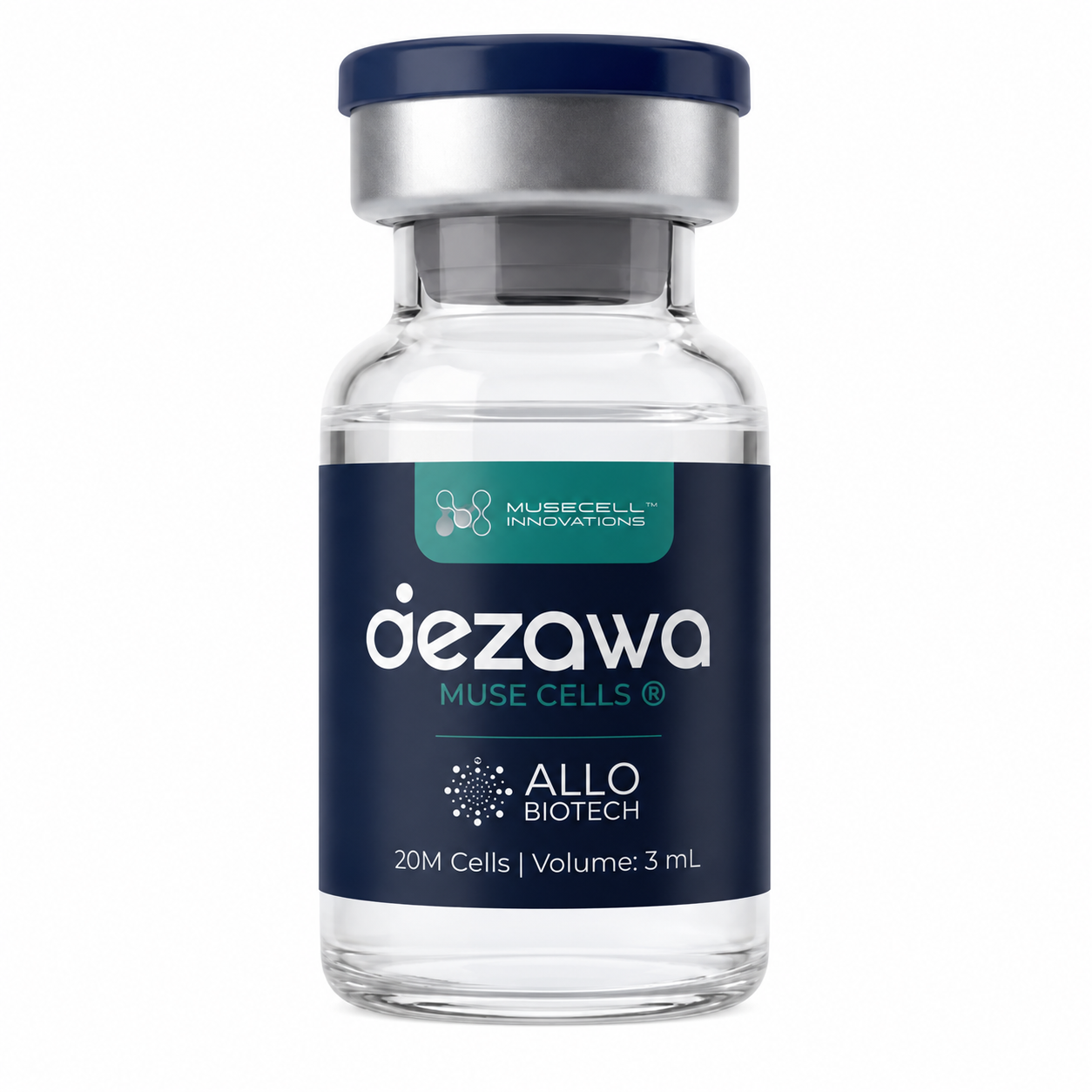
Regenerative medicine represents a significant shift from managing symptoms to addressing the root cause of joint degeneration. Treatments using mesenchymal stem cells and exosomes work to signal your body’s own repair systems, reduce inflammation, and promote a healthier joint environment. Unlike temporary fixes, the goal of these therapies is to support long-term joint regeneration and improve function. Because this is an advanced and personalized field of medicine, these treatments are not typically covered by insurance. However, for those seeking a proactive approach to their health that focuses on natural healing, regenerative therapies offer a promising path forward.

Addressing Common Concerns and Misconceptions

It’s easy to feel overwhelmed by the different injection options, and a common misconception is that they all work the same way. Many conventional treatments, like corticosteroid shots, are designed for rapid symptom control. They deliver a strong anti-inflammatory to quiet a painful flare-up, but this relief is temporary and doesn’t fix the underlying cartilage damage. Similarly, hyaluronic acid injections act as a lubricant for the joint, which can ease pain for a while but doesn’t rebuild tissue. These approaches are essentially sophisticated band-aids; they manage the symptoms of arthritis but don’t address the root cause of the joint’s decline.

The Miami Stem Cell Approach to Regenerative Medicine

At Miami Stem Cell, our philosophy is different. We focus on shifting the goal from simply managing symptoms to addressing the root cause of joint degeneration. Instead of just masking pain, our regenerative therapies are designed to work with your body’s innate healing intelligence. We use treatments like Platelet-Rich Plasma (PRP) and advanced protocols with mesenchymal stem cells and exosomes to send powerful signals to your body’s own repair systems. The objective is to reduce chronic inflammation and foster a healthier joint environment that can support long-term tissue regeneration and improved function. This personalized approach is about investing in your body’s potential for genuine, lasting healing, not just temporary relief.

How Can Lifestyle Changes Make a Difference?

While advanced treatments are powerful tools for managing shoulder arthritis, the choices you make every day have a profound impact on your symptoms and overall joint health. Think of lifestyle adjustments as the foundation that supports any therapeutic intervention. Making healthy choices can greatly improve how you feel and live with shoulder arthritis, reducing pain and slowing the condition’s progression. It’s about creating an internal environment that fosters healing rather than inflammation.

By focusing on a few key areas, you can take an active role in your own wellness journey. Simple changes to your diet, daily activities, and weight can reduce the strain on your shoulder joint and calm the systemic inflammation that drives arthritis pain. These modifications work hand-in-hand with medical treatments, helping you achieve better, more lasting results. Below, we’ll cover three practical lifestyle strategies that can make a real difference in managing your shoulder discomfort and improving your quality of life.

The Link Between Your Weight and Shoulder Pain

While we often associate excess weight with stress on joints like the knees and hips, maintaining a healthy weight is crucial for managing arthritis throughout the body, including the shoulders. Carrying extra pounds contributes to systemic, low-grade inflammation, which can aggravate arthritic joints and intensify pain. By managing your weight, you help lower this overall inflammatory load, creating a better environment for your joints to function.

The goal is to keep your Body Mass Index (BMI) in a healthy range, ideally under 25. This isn’t just about aesthetics; it’s a fundamental part of a comprehensive pain management strategy. A healthy weight reduces the burden on your entire system, which can lead to less pain, improved mobility, and better overall health.

Fighting Inflammation with Your Diet

The food you eat can either contribute to inflammation or help fight it. An anti-inflammatory diet focuses on whole, nutrient-dense foods that support your body’s natural healing processes. Incorporating foods rich in omega-3 fatty acids, such as salmon and walnuts, along with plenty of colorful fruits and vegetables like berries and leafy greens, can help reduce inflammatory markers in the body. Healthy fats from sources like avocados and olive oil also play a key role.

On the other hand, processed foods, refined sugars, and excessive red meat can trigger an inflammatory response, potentially making your shoulder pain worse. Shifting your diet is a powerful, proactive step you can take to manage your symptoms from the inside out and support your long-term anti-aging goals.

Simple Activity Changes to Protect Your Shoulder

Managing shoulder arthritis often means learning to move smarter, not necessarily less. The key is to avoid activities that put excessive strain on the joint, as this can make pain and swelling worse. Pay attention to movements that trigger discomfort, such as heavy overhead lifting, repetitive throwing motions, or carrying heavy items on one side. It’s important to give your shoulders a rest when they feel sore or overworked.

This might mean breaking up demanding chores into shorter sessions, using tools to extend your reach, or asking for help with heavy tasks. When you do exercise, focus on proper form to avoid stressing the joint. Protecting your shoulder from unnecessary strain helps prevent flare-ups and allows it to respond more effectively to regenerative treatments like PRP therapy.

The Importance of Overall Wellness

Quitting Smoking and Limiting Alcohol

Certain lifestyle habits can actively work against your body’s ability to heal. Smoking and excessive alcohol consumption are two major culprits that can worsen shoulder arthritis symptoms. Smoking constricts your blood vessels, which reduces the flow of oxygen and vital nutrients to your joints, hindering the repair process. Alcohol, particularly in excess, can increase systemic inflammation, making your pain more intense. If you are investing in your health with advanced therapies, it’s essential to create an internal environment that supports healing. Cutting back on these habits is a critical step that helps reduce inflammation and allows your body to respond more effectively to treatment, rather than having to fight against factors that accelerate the aging process.

The Mental and Social Aspects of Pain Management

Living with chronic pain isn’t just a physical battle; it can take a significant toll on your mental and emotional well-being. It’s easy to feel isolated when you can’t participate in activities you once loved. That’s why a holistic approach to pain management must include strategies for your mental health. Making an effort to stay social, whether it’s meeting friends for coffee or joining a club, can provide crucial emotional support and a welcome distraction from discomfort. Spending time outdoors and engaging in gentle, regular exercise like walking or swimming also releases endorphins, your body’s natural mood elevators. Tending to your mental and social health is just as important as any physical treatment for improving your overall quality of life.

Alternative Therapies for Managing Shoulder Pain

Beyond medical treatments, a well-rounded approach often includes complementary therapies. These methods can work alongside your primary treatment plan to provide extra relief and support your overall well-being. They focus on managing symptoms, reducing stress, and improving your daily comfort. Think of them as powerful tools in your pain management toolkit, helping you feel more in control. Exploring these options can make a significant difference in how you feel day-to-day.

When to Use Heat vs. Cold on Your Shoulder

This is a classic for a reason. Alternating between heat and cold is a simple yet effective way to manage shoulder pain. When your shoulder feels swollen, especially after activity, applying ice for about 20 minutes can help reduce inflammation. On the other hand, when your joint feels stiff and achy, a moist heat pad can ease pain and improve flexibility before you start your day or do your exercises. It’s a straightforward strategy you can use at home for targeted relief.

Can Acupuncture and Massage Provide Relief?

If you’re looking for therapies that go beyond surface-level relief, acupuncture and massage are worth considering. Acupuncture, a practice involving thin needles placed at specific points on the body, may help alleviate discomfort and improve your shoulder’s function. Many people find it helps calm the nervous system and reduce pain signals. Similarly, a targeted massage from a qualified therapist can release muscle tension around the shoulder joint, which often tightens up to protect the arthritic area. This can improve circulation and provide welcome relief.

The Surprising Link Between Stress and Shoulder Pain

How you manage stress plays a huge role in how you experience pain. Chronic stress can make your body more sensitive to pain and increase inflammation—the last thing you need with arthritis. Incorporating stress management techniques into your routine can significantly improve how you feel. Simple practices like deep breathing, meditation, or gentle yoga can help calm your nervous system. Taking a holistic approach that includes your mental well-being can make all your other treatments, from physical therapy to regenerative medicine, even more effective.

Radiofrequency Ablation (RFA) for Pain Signals

For some, the pain from shoulder arthritis becomes so persistent that it feels like the nerves themselves are screaming. Radiofrequency ablation, or RFA, is a procedure designed to quiet those specific nerves. A specialist uses radio waves to generate heat, which is then precisely applied to the nerve endings responsible for sending pain signals from your shoulder to your brain. Before the actual procedure, a diagnostic test is done where the nerve is numbed to see if it provides relief. If it does, the RFA can proceed. It’s important to understand that RFA doesn’t heal the joint; it simply interrupts the pain message. The relief can last for several months, and the procedure can be repeated if the pain returns as the nerve regrows.

Arthroscopic Debridement: A “Clean Out” Procedure

Arthroscopic debridement is a minimally invasive surgery, but it’s not a joint replacement. Think of it as a “clean out” for your shoulder joint. A surgeon makes small incisions and uses a tiny camera to see inside the joint, removing loose pieces of cartilage, bone spurs, and inflamed tissue. While this can sometimes reduce pain and improve movement, the results are often unpredictable and temporary. The underlying arthritis is still there, and the joint will continue to degenerate. For this reason, debridement is often seen as a way to delay a full shoulder replacement rather than prevent it. It doesn’t address the root cause of the joint damage, which is why many people now explore regenerative options that aim to create a healthier joint environment instead.

How Effective Are Non-Surgical Treatments?

When you’re dealing with the daily grind of shoulder pain, the idea of avoiding surgery is incredibly appealing. The good news is that non-surgical treatments are often highly effective and are the primary approach for managing shoulder arthritis. The main goals of these therapies are to reduce your pain, improve your shoulder’s function, and slow down the progression of joint damage. For many people, a well-designed, non-surgical plan is all they need to get back to their lives with significantly less pain and better mobility.

Of course, the effectiveness of any treatment really depends on your specific situation—like the severity of your arthritis, your overall health, and your daily activities. What works wonders for one person might be less effective for another, which is why a personalized approach is so important. Instead of looking for a single magic bullet, the most successful strategies often involve a combination of different therapies that work together to support your joint health. This comprehensive approach to pain management addresses the condition from multiple angles, from reducing inflammation to strengthening the surrounding muscles. By tackling the problem from all sides, you create a stronger foundation for long-term wellness and give yourself the best chance for lasting relief without going under the knife.

What Results Can You Realistically Expect?

It’s natural to wonder if non-surgical treatments can truly make a difference. For a majority of individuals, the answer is a resounding yes. Many people find that a combination of lifestyle changes, physical therapy, and targeted injections can manage their symptoms so well that they can delay or even avoid the need for shoulder replacement surgery. It’s helpful to remember that arthritis is a long-term condition, and there’s usually no rush to head into the operating room.

The key is to set realistic expectations. The goal of non-surgical treatment is to manage your symptoms and improve your quality of life. While these methods may not reverse the damage, they can provide substantial relief and restore function. For those who don’t respond to common treatments like rest or cortisone shots, advanced options in regenerative medicine are showing great promise in helping the body heal itself.

Combining Treatments for Maximum Relief

Think of managing shoulder arthritis like building a team—each player has a specific role, and they’re strongest when they work together. A single treatment might offer some relief, but a combined approach almost always yields better, more sustainable results. For example, physical therapy is fantastic for building strength and flexibility around the joint. When you pair those exercises with an anti-inflammatory diet, you’re tackling both the mechanical and biological aspects of the condition.

A physical therapist can design a program to strengthen the muscles supporting your shoulder, which helps stabilize the joint and prevent further injury. This can be complemented by injection therapies that reduce inflammation and pain, making it easier for you to perform your exercises effectively. Creating a comprehensive plan that includes medical treatments, lifestyle adjustments, and therapeutic exercise gives you a powerful strategy for managing your shoulder arthritis and maintaining an active life.

When Is It Time to Seek Treatment?

It can be tricky to know when shoulder pain is just a temporary ache versus a sign of something more serious like arthritis. Many people try to push through the discomfort, hoping it will resolve on its own. But with a progressive condition like shoulder arthritis, waiting too long can limit your options and impact your quality of life. The key isn’t to wait until the pain is unbearable, but to listen to your body and recognize when it’s time to get a clear diagnosis and a personalized treatment plan.

Understanding the signs and acting on them early gives you the best chance to manage symptoms effectively and keep your shoulder joint as healthy as possible for as long as possible. Think of it as being proactive about your health rather than reactive to pain. An expert evaluation can help you understand the root cause of your discomfort and explore effective, non-surgical therapies that can provide lasting relief and help you get back to the activities you love without resigning yourself to constant pain or invasive procedures.

The Importance of Treating Shoulder Pain Early

When you’re dealing with a chronic condition, it’s easy to think you should put off treatment until you absolutely need it. But with shoulder arthritis, early intervention is your best strategy. The goal is to manage the condition so you can maintain your lifestyle and avoid more aggressive treatments down the road. As experts from UW Medicine note, “Surgery isn’t always needed right away. Arthritis is a long-term condition, and there’s usually no rush to have surgery.” By seeking help early, you open the door to a wider range of effective non-surgical options, from physical therapy to advanced joint regeneration therapies. Acting sooner rather than later helps slow the progression of joint damage, preserves your range of motion, and gives you more control over your condition.

Signs It’s Time to See a Specialist

So, how do you know it’s time to make the call? It’s less about a single dramatic event and more about a pattern of symptoms that start interfering with your life. If your shoulder pain consistently wakes you up at night, makes it difficult to lift your arm to wash your hair, or prevents you from enjoying your favorite hobbies, it’s a clear sign to seek help. Another red flag is when over-the-counter pain relievers no longer provide relief. If you find yourself relying on medications like corticosteroids, it’s crucial to have a long-term strategy, as these can have significant side effects. Managing your symptoms is always simpler with proper care, so if you’re experiencing persistent pain, stiffness, or weakness, it’s time to get in touch with a specialist who can provide a proper diagnosis and a comprehensive treatment plan.

Related Articles

Book Appointment CTA

Book Free Appointment

Frequently Asked Questions

How do I know if my shoulder pain is arthritis or just a minor injury? A minor injury, like a muscle strain, typically improves with a few days of rest. Arthritis, on the other hand, tends to be more persistent. You might notice a deep, aching pain that doesn’t fully go away, stiffness that’s most pronounced in the morning, and a grinding or clicking sound with certain movements. While these are common signs, the only way to know for sure what’s causing your pain is to get a professional evaluation.

Can I really avoid surgery with these treatments? For many people, the answer is yes. The goal of a comprehensive non-surgical plan is to manage pain and improve function so effectively that surgery becomes unnecessary. By combining strategies like physical therapy, lifestyle adjustments, and targeted injection therapies, you can often slow the progression of arthritis and maintain an active life. It’s about finding the right combination of treatments that works for your body.

What’s the real difference between a cortisone shot and regenerative treatments like PRP or stem cells? Think of a cortisone shot as a powerful, short-term tool that quickly reduces inflammation and pain, which can be great for getting through a severe flare-up. Regenerative therapies, however, have a different goal. They use substances from your own body or donated tissues to signal your natural repair mechanisms, reduce inflammation, and create a healthier environment within the joint. The aim is to support long-term healing rather than just masking symptoms.

Will I have to give up my active lifestyle if I have shoulder arthritis? Not at all. In fact, the right kind of movement is essential for managing arthritis. The focus isn’t on stopping your activities but on modifying them to protect your joint. This might mean working with a physical therapist to strengthen the muscles that support your shoulder, improving your form, and learning to listen to your body’s signals. The goal is to help you continue doing what you love, just in a smarter, safer way.

How long does it take to see results from non-surgical treatments? The timeline really depends on the treatment and your individual condition. You might feel relief from an injection therapy within a few days or weeks. Other approaches, like physical therapy and dietary changes, produce more gradual improvements as your body gets stronger and inflammation subsides over several weeks or months. Consistency is the most important factor for achieving lasting results.

author avatar
Greice Murphy
Healthcare executive & founder of Miami Stem Cell®, transforming regenerative medicine and autism care with innovative stem cell treatments.

Recent Blog

Take the First Step Toward a Pain-Free Life

Don’t let pain hold you back. Contact us today to schedule your free consultation and start your journey to recovery!