Skip to content
Can Stem Cells Cure Sciatica? A Patient’s Guide

Can Stem Cells Cure Sciatica? A Patient’s Guide

If you’re reading this, chances are you’ve already been on a long journey with your sciatic pain. You may have tried physical therapy, chiropractic adjustments, anti-inflammatory medications, and even steroid injections, all with limited success. It’s exhausting to invest time and hope into treatments that only provide temporary relief, leaving you right back where you started. This frustrating cycle is what leads many to look for a fundamentally different solution. They start asking if there’s a way to actually fix the problem, not just quiet the symptoms. The question, can stem cells cure sciatica?, comes from this search for a real, lasting answer. It represents a shift toward regenerative care that aims to repair the underlying damage for a more sustainable outcome.

Key Takeaways

  • Focus on healing, not just masking pain: Stem cell therapy is a non-surgical treatment that addresses the source of your sciatica, like inflammation and tissue damage, to encourage lasting relief from the inside out.
  • Prioritize safety and provider quality: Choosing a clinic that uses high-quality, umbilical cord-derived stem cells under strict FDA guidelines is essential for a safe procedure and helps you avoid the risks of unregulated treatments.
  • Understand that results take time: This therapy is a process, not an overnight fix, and a successful outcome starts with a personal consultation to see if you’re a good candidate and allows for your body’s natural healing timeline over several months.

What Is Sciatica?

Sciatica is one of those terms you’ve probably heard before, often associated with debilitating back pain. But it’s more than just a simple backache. It’s a specific type of nerve pain that can disrupt your daily life, making it hard to sit, stand, or even walk comfortably. Understanding what’s really happening in your body is the first step toward finding effective relief. Let’s break down what sciatica is, where it comes from, and what it feels like.

Meet Your Sciatic Nerve

At its core, sciatica is pain that radiates along the path of the sciatic nerve. Think of this nerve as a major highway for signals running from your lower back, through your hips and buttocks, and down each leg. It’s the longest and thickest nerve in your body. Sciatica isn’t a diagnosis in itself; rather, it’s a symptom of an underlying medical condition. When something irritates or compresses this nerve, you feel that distinct, traveling pain. The discomfort originates in your lower spine but makes its presence known far beyond that, creating a frustrating and often painful experience that can significantly impact your quality of life.

What Causes Sciatic Pain?

The signature pain of sciatica happens when the sciatic nerve gets pinched or inflamed. The most common culprit is a herniated or slipped disc in your lumbar spine, which can press directly on the nerve root. Another frequent cause is a bone spur, which is an overgrowth of bone that can narrow the space where the nerve exits the spine. Other conditions like spinal stenosis (a narrowing of the spinal canal), poor posture, weak core muscles, or even pregnancy can put pressure on the nerve. These issues create a cycle of inflammation and irritation, leading to the chronic pain management challenges many people face.

Telltale Signs of Sciatica

The most classic sign of sciatica is pain that starts in your lower back or buttock and travels down the back of one leg, sometimes reaching your foot. This pain can vary widely from person to person. For some, it’s a mild, dull ache. For others, it’s a sharp, burning sensation or even an electric shock-like jolt. You might also experience numbness, tingling, or muscle weakness in the affected leg or foot. Typically, these symptoms appear on only one side of your body. The discomfort can be constant or intermittent, often getting worse when you sit for long periods, cough, or sneeze. These symptoms are your body’s way of signaling that the sciatic nerve is in distress.

How Can Stem Cells Help Sciatica?

When you’re dealing with sciatica, the goal is to find a solution that does more than just cover up the pain. You want to address what’s causing it in the first place. That’s where regenerative medicine comes in. Stem cell therapy uses the body’s own powerful healing mechanisms to target the source of sciatic pain, helping to repair damaged tissues and calm inflammation for potentially lasting relief.

The Science of Cellular Repair

Think of stem cells as the body’s master builders. They are unique because they haven’t yet been assigned a specific job. This means they have the incredible ability to transform into the exact type of specialized cells your body needs for repair, whether that’s cartilage for a worn-out disc, bone, or even nerve tissue. When introduced to an area of injury, like the source of your sciatic nerve compression, these cells can get to work, replacing damaged cells and helping to rebuild the structures that support your spine. It’s a process that encourages your body to heal itself from the inside out.

Reducing Inflammation and Repairing Nerve Damage

Sciatic pain is often driven by intense inflammation around the compressed nerve root. Stem cells are powerful anti-inflammatory agents. When they arrive at the site of injury, they release natural substances that calm this inflammation, which can significantly reduce pain and swelling. But they don’t stop there. Instead of just masking symptoms, stem cell therapy works to repair the underlying mechanical issue, like a herniated disc or spinal stenosis. By addressing the root cause, this approach aims to provide more sustainable relief than treatments that only manage symptoms.

Which Stem Cells Are Used for Treatment?

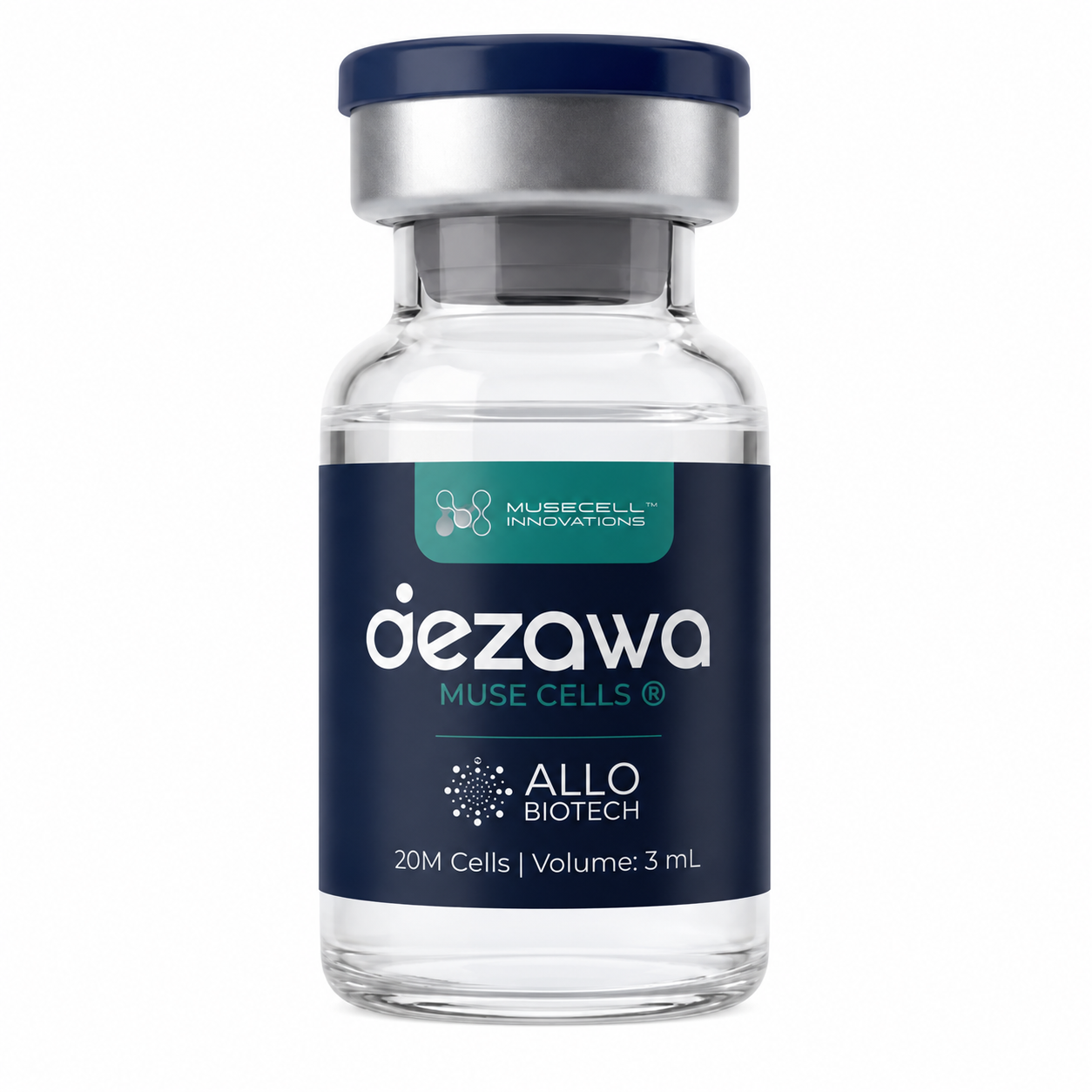
Stem cells can be sourced from various places, including a patient’s own bone marrow or fat tissue. At Miami Stem Cell, we use a specific and potent type called Mesenchymal Stem Cells (MSCs) derived from the umbilical cord. These cells are collected from carefully screened, full-term births, so the process is ethically sound and non-invasive for both mother and baby. Umbilical cord-derived MSCs are incredibly robust and versatile. They have strong anti-inflammatory properties and a remarkable ability to support tissue regeneration, making them an excellent choice for treating conditions like sciatica.

Can Stem Cells Offer a Long-Term Solution for Sciatica?

When you’re dealing with the persistent, shooting pain of sciatica, you’re probably looking for more than just a temporary fix. You want a solution that lasts. That’s where the conversation around stem cell therapy gets interesting. Unlike treatments that only mask symptoms with medication or offer temporary relief, regenerative medicine aims to address the underlying cause of the pain, whether it’s a herniated disc, inflammation, or nerve compression.

The goal is to help your body repair the damaged tissue that’s putting pressure on your sciatic nerve. By targeting the source of the problem, stem cell therapy offers the potential for genuine, long-term relief. It’s a shift from managing pain to actively promoting healing within your body. This approach uses the body’s own powerful repair mechanisms to rebuild and restore function, which can lead to a more sustainable outcome. Let’s look at what the science and patient outcomes say about this approach.

What Does the Current Research Show?

The evidence supporting stem cell therapy for sciatica is growing, and the results are encouraging. Early clinical studies and trials are showing that stem cell injections can significantly reduce pain and improve mobility for people with sciatic nerve pain. Research has pointed to the ability of stem cells to not only calm inflammation but also to help hydrate and repair degenerating spinal discs, which are a common cause of sciatica. This focus on repair is what sets it apart. Instead of just blocking pain signals, the therapy supports the body’s own healing mechanisms to fix the structural problem, offering a more foundational approach to pain management.

A Look at Success Rates and Patient Results

So, what does this look like for actual patients? Many people who undergo stem cell therapy report a noticeable difference in their daily lives. Studies have documented significant improvements in pain and mobility within six months of treatment. For many, this means being able to walk, sit, and sleep without the sharp, radiating pain they had before. The most compelling evidence often comes from patient testimonials, where individuals share their stories of returning to activities they thought they’d given up for good. While every person’s experience is unique, the trend points toward a high rate of satisfaction and a meaningful improvement in quality of life.

Setting Realistic Expectations

It’s important to have a clear picture of what stem cell therapy can and can’t do. The primary goal is to address the root cause of your sciatica, which can lead to lasting relief. This isn’t an overnight cure, but rather a process of healing that happens over weeks and months. While the field is still evolving, experts see a future where stem cell treatment is a standard approach for nerve-related injuries. It’s a powerful option, especially for those hoping to avoid surgery, but results can vary based on your overall health and the severity of your condition. A successful outcome depends on a personalized treatment plan and a commitment to your body’s recovery process.

The Pros and Cons of Stem Cell Therapy for Sciatica

Deciding on a treatment plan for sciatica is a big step, and it’s smart to weigh all your options. Stem cell therapy is a promising field, but like any medical procedure, it has both advantages and potential drawbacks. Understanding the full picture helps you make an informed choice about your health and find a path toward lasting relief. Let’s walk through the key points to consider.

The Major Benefit: A Non-Surgical Approach

One of the most significant advantages of stem cell therapy is that it’s a non-surgical procedure. For many people living with sciatica, the thought of back surgery can be daunting. It often involves significant recovery time, potential complications, and no guarantee of success. Stem cell therapy offers an alternative that avoids incisions, general anesthesia, and a lengthy hospital stay. The treatment is administered through a precise injection directly into the affected area of your lower back. This minimally invasive approach means you can typically return home the same day and get back to your routine much faster than with surgery. It’s a way to address the source of your sciatic pain without the risks and downtime associated with a major operation, making it a compelling option for pain management.

Can This Provide Lasting Relief?

While steroid injections can offer temporary relief by masking pain, stem cell therapy is designed to work differently. It aims to address the underlying cause of your sciatica, such as inflammation and nerve damage, to promote genuine healing. The goal isn’t just to manage symptoms but to repair the tissue that’s causing them in the first place. Many patients experience significant, long-term improvements in pain and mobility. Clinical research and patient results show that by reducing inflammation and supporting cellular repair, stem cell injections can provide relief that lasts. Because the therapy encourages your body’s own healing mechanisms, the results can be both meaningful and sustainable, helping you regain function and improve your quality of life.

Understanding the Safety and Potential Side Effects

Since stem cell therapy is a non-surgical injection, the risks are quite low. The most common side effects are minor and temporary, such as soreness, swelling, or bruising at the injection site, similar to what you might experience with any shot. Infection is a rare risk, but it’s minimized when the procedure is performed by experienced professionals in a sterile clinical setting. It’s also important to choose a provider that adheres to the highest safety standards. At Miami Stem Cell, we use umbilical cord-derived mesenchymal stem cells that are rigorously screened and processed in an FDA-registered lab. This commitment to quality and USA-based treatment protocols ensures you receive a safe and reliable therapy designed to give you the best possible outcome.

What to Know About Cost and Insurance

It’s important to be upfront about the financial side of stem cell therapy. Currently, most insurance plans do not cover regenerative medicine treatments for sciatica. Because it’s still a relatively new and advanced field, it hasn’t been incorporated into standard insurance coverage yet. This means the procedure is typically an out-of-pocket expense for patients. Think of this as an investment in your long-term health and well-being. For many, the cost is weighed against the potential for avoiding surgery, reducing reliance on pain medication, and regaining an active lifestyle. We believe in full transparency, so we discuss all costs and payment options with you during your initial consultation. You can contact our team to learn more about what to expect.

How Does Stem Cell Therapy Compare to Other Treatments?

When you’re dealing with the persistent, shooting pain of sciatica, you want a solution that works. Traditional treatments often focus on managing the symptoms, offering temporary relief without fixing the underlying problem. Physical therapy can strengthen supporting muscles, and steroid injections can reduce inflammation for a while, but neither repairs the damage to your disc or nerve. Surgery is another path, but it comes with significant risks and a long recovery period that isn’t always guaranteed to resolve the pain.

Regenerative medicine offers a different approach. Instead of just masking the pain or surgically removing the problem, stem cell therapy aims to address the root cause of your sciatica. By using the body’s own healing mechanisms, this treatment focuses on repairing the damaged tissues, reducing inflammation at the source, and promoting long-term recovery. It’s a shift from managing a chronic condition to actively healing it. This fundamental difference is why so many people are exploring regenerative therapies as a powerful alternative to conventional methods. It’s about giving your body the tools it needs to fix the mechanical issue, whether it’s a herniated disc or spinal degeneration, so you can find lasting relief.

Stem Cells vs. Physical Therapy

Physical therapy is an excellent tool for managing sciatica pain. It helps by strengthening the muscles in your back and core, improving your posture, and increasing flexibility to take pressure off the sciatic nerve. However, its main role is supportive. It helps you manage the symptoms but doesn’t repair the source of the problem, like a bulging disc.

Stem cell therapy, on the other hand, gets straight to the root cause. The goal isn’t just to manage pain but to repair the damaged tissue that’s causing it in the first place. By introducing powerful regenerative cells to the area, the therapy works to reduce inflammation and rebuild damaged structures. Think of it this way: physical therapy teaches your body to work around an injury, while stem cell therapy helps your body heal the injury itself.

Stem Cells vs. Surgery

For many, surgery is the last resort for sciatica, a major step taken only when the pain becomes unbearable. While it can be effective, it also comes with serious considerations, including the risks of anesthesia, infection, and a lengthy, often painful recovery. There’s also no guarantee that surgery will be a permanent fix.

Stem cell therapy presents a compelling, non-surgical alternative. It’s a minimally invasive procedure that avoids the risks and downtime associated with an operation. Many people prefer this approach because it allows them to sidestep the potential complications of surgery and the long-term side effects of repeated steroid injections. Instead of cutting away tissue, this treatment focuses on joint regeneration and repair, offering a path to relief without going under the knife.

Comparing Recovery Time and Results

One of the most significant differences between treatments is the recovery process. After back surgery, you could be looking at weeks or even months of rehabilitation before you feel like yourself again. With stem cell therapy, the procedure is done in-office, and most people can return to their normal activities within a day or two.

The results also tell a different story. While surgery may remove a disc fragment, it doesn’t heal the surrounding tissue. Early studies and patient testimonials show that stem cell injections can lead to significant improvements in pain and mobility. The therapy not only helps reduce pain but may also improve disc hydration and slow down further degeneration, supporting your long-term spinal health.

Why Umbilical Cord-Derived Stem Cells?

When we talk about stem cell therapy, the source of the cells is incredibly important. At Miami Stem Cell, we use mesenchymal stem cells (MSCs) derived from umbilical cords. This specific choice is deliberate, as these cells offer distinct advantages for healing conditions like sciatica safely and effectively.

The Unique Advantages of MSCs

Think of MSCs as your body’s own expert repair crew. These powerful cells are unique because they can develop into different types of specialized cells, like cartilage, muscle, or bone. When treating sciatica, this means they can help rebuild the damaged tissues contributing to your pain, such as a worn-out disc. We source our stem cells from donated umbilical cords after healthy, full-term births. This provides a rich supply of young, vibrant, and ethically sourced cells that are primed to kickstart the healing process without the complications associated with using a patient’s own older cells.

A Natural Way to Fight Inflammation

One of the biggest drivers of sciatic pain is inflammation pressing on the nerve. While other treatments might temporarily mask this, MSCs get to the root of the problem. They have powerful anti-inflammatory properties that calm the irritation around the sciatic nerve. This isn’t just about pain relief; it’s about creating the right environment for true healing. By reducing inflammation, these cells can begin their work of repairing damaged tissue and encouraging nerve regeneration. This approach supports your body’s natural ability to heal for more complete and lasting pain management.

Our Commitment to FDA Compliance

The world of regenerative medicine can feel a bit like the Wild West, but your safety is our top priority. We are committed to providing therapies that adhere to strict FDA guidelines. This means our protocols are science-backed, and the cells we use are processed in a certified lab to ensure they are safe and effective. Choosing a compliant provider is critical, as it protects you from unproven and potentially unsafe procedures. Understanding the difference between regulated care in the US and risky overseas vs. USA stem cell treatments is the first step in making an informed decision about your health.

Are You a Good Candidate for Stem Cell Therapy?

Deciding if stem cell therapy is the right choice for your sciatica is a personal process. It’s not a one-size-fits-all solution, and the best way to know for sure is through a detailed, one-on-one discussion with a specialist. This therapy is a significant step toward healing, so it’s important to understand who it helps most and what factors contribute to a successful outcome. Your health history, the specifics of your condition, and your treatment goals all play a part in determining if you are a good candidate. Let’s walk through what we look for.

Who Is an Ideal Candidate?

The ideal candidate for stem cell therapy is often someone who has been dealing with persistent sciatic pain and hasn’t found lasting relief from conservative treatments. If you’ve tried physical therapy, medications, or injections without success and want to find an alternative to surgery, this could be a path for you. We find that patients who are proactive about their health and looking for a solution that addresses the underlying cause of their pain management challenges are often great candidates. They are motivated to heal and are seeking a treatment that supports the body’s natural repair mechanisms to achieve long-term results.

How Your Health History Plays a Role

Your overall health is a key factor in the success of any regenerative treatment. While the therapy targets a specific area, your body’s ability to respond and heal is crucial. For this reason, you should be in generally good health for the treatment to work best. It’s also important to address sciatica symptoms as early as possible to prevent the possibility of permanent nerve damage. During your consultation, we will conduct a thorough review of your medical history to ensure the treatment is both safe and appropriate for your specific circumstances. Our team is committed to a personalized approach for every patient we see.

Key Questions to Ask Before Treatment

A personal consultation is the most important step in this process. It’s where we can review your health history, discuss your symptoms in detail, and look at any imaging you have, like an MRI, to fully understand your condition. This is also your opportunity to ask us anything. We encourage you to come prepared with questions about the procedure, what to expect during recovery, and the kind of results you can realistically anticipate. To find out if stem cell therapy is the right fit for you, the first step is to schedule a consultation with our team.

What to Expect From the Treatment Process

Deciding on a new treatment can feel like a big step, but understanding the process can make it feel much more manageable. From your first conversation with our team to your recovery plan, we make sure you feel informed and supported. Here’s a clear breakdown of what your treatment journey with us looks like.

Your First Step: The Consultation

Everything begins with a conversation. If you’re dealing with the pain and discomfort of sciatica, getting a clear diagnosis is the most important first step. During your initial consultation, we’ll sit down to discuss your symptoms, review your medical history, and answer all of your questions. This meeting is all about determining if stem cell therapy is the right fit for your specific needs and creating a personalized plan. Our goal is to give you the clarity you need to make an informed decision about your health. You can schedule a consultation to get started.

What Happens on Treatment Day?

On the day of your procedure, you can expect a straightforward and relatively quick outpatient visit. We prioritize your comfort, so the treatment area is numbed with a local anesthetic before we begin. The therapy itself involves a simple injection of concentrated stem cells directly into the targeted area around your spine or sciatic nerve. To ensure precision, we often use advanced imaging to guide the injection to the exact source of your pain. The entire process is designed to be minimally invasive, allowing you to head home the very same day.

Your Recovery and Follow-Up Plan

After your treatment, the recovery process is typically quite gentle. Most people are able to return to their normal daily activities within just a few days. While you might start to feel some relief in the first few weeks, it’s important to remember that regenerative medicine works with your body’s natural healing timeline. The full benefits often become more apparent over several months as the stem cells support tissue repair and reduce inflammation. We’ll create a follow-up plan to monitor your progress, because seeing our patients achieve lasting relief is our ultimate goal. You can read about the experiences of other patients on our testimonials page.

Important Considerations Before You Decide

Making a decision about your health is a big deal, and it’s smart to do your homework. Regenerative medicine is a significant investment in your long-term well-being, so feeling confident in your choice is essential. While stem cell therapy holds incredible promise for sciatica relief, it’s important to approach it with a clear understanding of what to expect. Thinking through a few key points can help you feel prepared as you consider your options and choose the right provider for your care. This isn’t just about finding a treatment; it’s about finding a partner in your health journey who prioritizes your safety and is transparent about the process. Let’s walk through some of the most important factors to keep in mind.

Why Do Results Vary?

Just as every person’s experience with sciatica is unique, so is their response to treatment. Your outcome will depend on several factors, including your age, overall health, the underlying cause of your sciatica, and how long you’ve been dealing with the pain. While there’s no one-size-fits-all answer, the results are very encouraging. Clinical trials and patient testimonials consistently show significant improvements in pain levels and mobility for many people. The key is working with a team that develops a personalized treatment plan tailored to your specific condition. By addressing the root cause of your nerve pain, we can create the best possible environment for your body to heal and repair itself.

Understanding the Regulatory Landscape

The field of regenerative medicine is exciting and evolving quickly, but that also means the rules are still developing. It’s important to know that not all stem cell therapies are FDA-approved or widely available. At Miami Stem Cell, we are committed to the highest standards of patient safety and operate in full compliance with FDA regulations. We exclusively use umbilical cord-derived mesenchymal stem cells (MSCs), which are sourced from FDA-regulated cord blood banks. This ensures the cells are processed according to strict government guidelines for safety and quality. Understanding the difference between regulated and unregulated stem cell treatments in the USA is crucial for protecting your health.

The Dangers of “Stem Cell Tourism”

You may have heard about clinics in other countries offering stem cell treatments at a much lower cost. This practice, often called “stem cell tourism,” can be incredibly risky. Experts warn about its dangers, with studies reporting that patients have suffered from serious short- and long-term side effects after receiving unregulated treatments abroad. These international clinics often operate without the strict safety and quality controls we have in the United States. There’s no guarantee of what you’re being injected with, the sterility of the environment, or the qualifications of the provider. Your health is your most valuable asset, and choosing a reputable, compliant clinic ensures you are protected by rigorous safety protocols and a high standard of medical care.

Related Articles

Frequently Asked Questions

How long will it take to feel relief after the treatment? While some people notice a decrease in inflammation and pain within the first few weeks, it’s important to view this as a gradual healing process. Regenerative therapy works with your body’s natural repair cycle. The most significant and lasting results often develop over two to six months as the stem cells support the repair of damaged tissues at the source of your sciatic pain.

Is the stem cell injection painful? We take every step to make sure you are comfortable during the procedure. The treatment area is numbed with a local anesthetic, so most patients report feeling only minor pressure during the injection itself. Afterward, it’s common to have some temporary soreness or swelling at the injection site, similar to what you might feel after any other shot, but this usually resolves within a couple of days.

How is this different from a cortisone or steroid injection? A steroid injection is primarily designed to reduce inflammation, which can provide powerful but often temporary pain relief. Stem cell therapy also has strong anti-inflammatory effects, but its main goal is to go a step further. It aims to repair the underlying tissue damage, like a herniated disc, that is causing the inflammation and nerve compression in the first place, offering a more foundational and potentially lasting solution.

Why isn’t stem cell therapy for sciatica covered by insurance? Because regenerative medicine is a relatively new and advanced field, most insurance providers have not yet incorporated it into their standard coverage plans. For this reason, the treatment is typically an out-of-pocket expense. Many patients consider it an investment in their long-term health, especially when weighed against the potential for avoiding surgery and regaining an active lifestyle.

What makes the stem cells you use safe and effective? Your safety is our first priority. We exclusively use mesenchymal stem cells sourced from donated umbilical cords after healthy, full-term births. These cells are processed in an FDA-registered lab and rigorously screened for quality and viability. This commitment to strict safety protocols and FDA compliance ensures you receive a high-quality therapy designed to give you the best possible outcome.

author avatar
Greice Murphy
Healthcare executive & founder of Miami Stem Cell®, transforming regenerative medicine and autism care with innovative stem cell treatments.

Recent Blog

Take the First Step Toward a Pain-Free Life

Don’t let pain hold you back. Contact us today to schedule your free consultation and start your journey to recovery!