When you’re dealing with chronic back pain, you start to think about solutions in two categories: temporary fixes and long-term investments. Pain medication and cortisone shots can feel like renting relief, offering a short-term patch that requires repeated payments. Stem cell therapy for a herniated disc is different. It’s an investment in your body’s own ability to heal from the inside out. This forward-thinking approach naturally leads to practical questions about the initial investment. Understanding the stem cell therapy for herniated disc cost is the first step in weighing the upfront expense against the invaluable return of a pain-free, active life.
Key Takeaways
- Heal the injury, not just the symptoms: Stem cell therapy is a non-surgical approach that targets the source of herniated disc pain by reducing inflammation and helping to repair the damaged tissue itself.
- Prepare for a personal health investment: The cost, typically $5,000 to $15,000, is an out-of-pocket expense because insurance doesn’t cover it; a good clinic will be transparent about the full price and offer financing options.
- Prioritize safety and expertise when choosing a clinic: Your outcome depends on the provider’s quality, so look for a clinic that operates under strict FDA guidelines, uses high-quality cells, and has an expert medical team.
How Can Stem Cells Heal a Herniated Disc?
When you have a herniated disc, the soft, gel-like center pushes out through a tear in the tougher exterior. This can press on nearby nerves, causing significant pain, numbness, or weakness. Traditionally, treatment has ranged from physical therapy to pain medication and, eventually, surgery. Regenerative medicine offers a different path, one that aims to heal the disc from within.
Stem cell therapy for a herniated disc involves a non-surgical injection of powerful stem cells directly into the damaged area. Think of these cells as your body’s master repair crew. They have the unique ability to reduce inflammation, which is a major source of pain, and to signal your body’s own healing mechanisms to get to work. The goal isn’t just to mask the pain but to repair the damaged tissue that’s causing it. This approach can help you find lasting relief and potentially avoid the risks and long recovery times associated with spinal surgery. Our approach to pain management focuses on addressing the root cause of your discomfort to help restore function and improve your quality of life.
The Scope of Back Pain and Disc Degeneration
Common Causes of Disc Degeneration
Back pain is incredibly common, and one of the frequent culprits is what’s known as degenerative disc disease. While the name sounds serious, it’s a natural part of aging for many people. As we get older, the cushiony discs between our vertebrae start to lose water and become less flexible, which can lead to pain and stiffness. This process is a form of joint degeneration that affects over 5% of adults with significant back pain. While age is the primary driver, it’s not the whole story. Your genetics, daily habits, and even the type of work you do can accelerate this wear and tear. Understanding these factors is the first step toward finding a solution that addresses the root cause, rather than just managing symptoms.
How Stem Cells Repair Damaged Discs
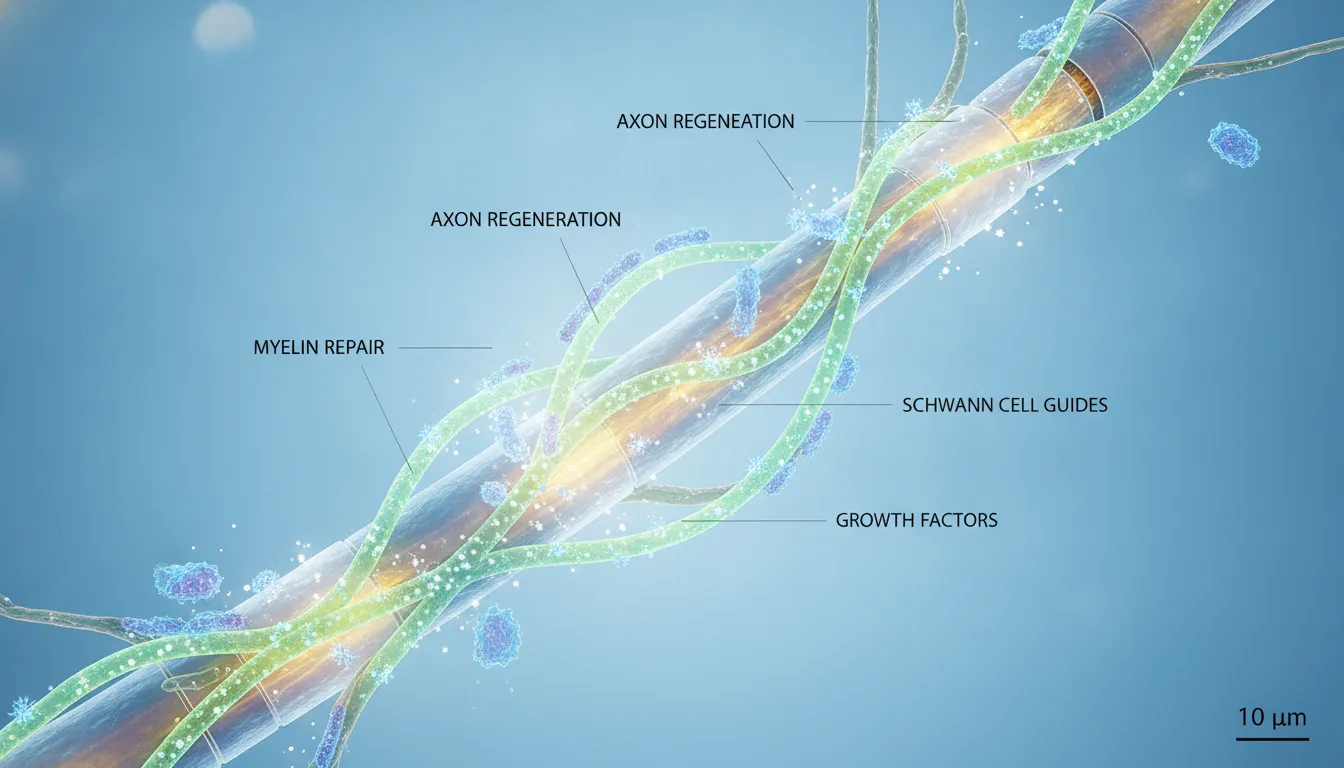
So, what actually happens when stem cells are injected into a damaged disc? These remarkable cells get to work in a few key ways. First, they release powerful anti-inflammatory agents that calm the irritation and swelling around the affected nerve, providing initial pain relief. Next, they send out signals that recruit your body’s own repair cells to the area. Most importantly, they have the potential to develop into new disc cells, helping to repair the tear and restore the disc’s structure and function over time. While research is always evolving, studies show that stem cell therapy can offer sustained pain relief and functional improvement for people with degenerative disc conditions.
Methods of Administration: Injections and IVs
Getting these powerful healing cells to the right spot is a critical part of the process. For a localized injury like a herniated disc, the most effective method is a direct injection. Think of it as deploying a specialized repair team precisely where the damage has occurred. This targeted approach allows the stem cells to get to work immediately, releasing anti-inflammatory compounds to calm the irritated nerves and signaling your body’s natural healing mechanisms to kick in. By delivering the therapy right to the source, we can ensure the highest concentration of cells is available to begin repairing the tear in the disc. This precise technique is a cornerstone of effective joint regeneration, focusing on healing the injury itself, not just masking symptoms.
You might have also heard about stem cells being administered through an IV. Intravenous (IV) therapy introduces the cells into your bloodstream, allowing them to circulate throughout your entire body. This systemic approach can be beneficial for addressing widespread inflammation or for general anti-aging and wellness goals. However, for a specific problem like a herniated disc, an IV infusion is less direct. The cells are diluted as they travel through your system, and fewer of them will reach the actual site of injury. That’s why we prioritize direct injections for orthopedic conditions—it’s all about getting the maximum therapeutic benefit exactly where your body needs it most.
Which Stem Cells Are Used for Back Pain?
The quality and source of the stem cells are critical for a safe and effective treatment. At Miami Stem Cell, we exclusively use umbilical cord-derived mesenchymal stem cells (MSCs). These cells are sourced from the umbilical cords of healthy, full-term babies, which are donated by consenting mothers after birth. This process is ethically sound and completely safe for both the mother and child. We choose these specific cells because they are young, vibrant, and incredibly potent, without having been exposed to the environmental stressors or aging processes that your own cells have. This ensures you receive the highest quality regenerative therapy, all while adhering to strict FDA-compliant safety standards.
The Rise of Regenerative Medicine in Sports
Professional athletes push their bodies to the absolute limit, so it’s no surprise they’re often the first to adopt cutting-edge recovery methods. When an injury threatens a career, standard treatments aren’t always enough. This is where regenerative medicine has become a true game-changer. Instead of just managing symptoms with medication or undergoing invasive surgeries with long recovery periods, athletes are turning to therapies that help their bodies heal on a cellular level. They understand that a true recovery means repairing the underlying damage, not just patching up the problem. This forward-thinking approach allows them to get back in the game faster and often stronger than before, extending their careers and improving their long-term health.
Peyton Manning’s Stem Cell Journey
Legendary quarterback Peyton Manning’s story is a powerful example of this. Facing a severe neck injury and a herniated disc that led to multiple failed surgeries, his career was on the line. Unwilling to give up, he sought stem cell treatment as a strategic investment in his ability to play again. He went on to win another Super Bowl, a testament to his recovery. While he had to go overseas for his procedure, you no longer have to. Today, advanced and FDA-compliant regenerative therapies are available right here in the U.S. Manning’s journey highlights a crucial shift in mindset: viewing treatment not as a cost, but as an investment in returning to the life—and performance level—you want.
What Is the Cost of Stem Cell Therapy for a Herniated Disc?
Let’s address the practical question on everyone’s mind: what is the investment for stem cell therapy? It’s important to understand that pricing isn’t a simple, one-size-fits-all number. The cost reflects a highly personalized and advanced medical procedure tailored to your specific condition and health goals. Unlike conventional treatments that often just manage symptoms, regenerative medicine aims to address the root cause of your back pain, which is a very different value proposition. The final price tag depends on several key factors, including the complexity of your condition, the type and quantity of stem cells used, and the specifics of your treatment protocol.
Think of it not just as paying for a procedure, but as an investment in a sophisticated therapy designed to promote your body’s own healing mechanisms. The cost covers the procurement and processing of high-quality stem cells, the expertise of our medical team, and the use of advanced guidance technology to ensure precise delivery to the target area. When you schedule a consultation, we can provide a transparent breakdown of the costs associated with your unique treatment plan, ensuring you have a clear picture of the financial commitment from the start. We want you to feel confident and informed every step of the way.
What’s the Average Price for Treatment?
When budgeting for stem cell therapy for back pain, it helps to have a general idea of the cost. For conditions like a herniated disc, patients can typically expect to invest between $5,000 and $15,000 per treatment. More complex cases or advanced protocols can sometimes range higher, depending entirely on your body’s needs.
This variability exists because every treatment plan is different. The cost is influenced by the source and concentration of the stem cells, the technology used for the procedure, and the expertise of the medical team administering the care. We believe in full transparency, so we encourage you to ask us any questions you have about what goes into the cost of your personalized therapy.
Standard vs. Complex Procedure Costs
The typical $5,000 to $15,000 range generally applies to a standard procedure, which might involve a single, targeted injection into one herniated disc. However, not all back pain is created equal. A more complex case could involve multiple damaged discs, severe degeneration that requires a higher concentration of stem cells, or a protocol that calls for several injections over a period of time. As you might expect, these more involved treatment plans come with a higher price tag. This is why a one-on-one consultation is so crucial; it allows our medical team to accurately assess the extent of your condition and map out a strategy tailored specifically for your body’s needs and your goals for joint regeneration.
Intravenous Treatment Pricing
In some cases, localized back pain is a symptom of a larger, body-wide issue like systemic inflammation or an autoimmune disorder. For these situations, a direct injection might not be enough. Instead, an intravenous (IV) treatment may be recommended. This approach delivers a high volume of stem cells throughout your entire bloodstream to promote healing on a systemic level. Because this method requires a significantly larger quantity of cells to be effective, the cost is higher, often starting at $15,000 and potentially reaching $50,000 or more. This comprehensive IV infusion is designed to address the underlying conditions that contribute to chronic pain, offering a more holistic path to wellness.
How Does the Cost Compare to Surgery?
When you compare the cost of stem cell therapy to traditional back surgery, it’s crucial to look at the whole picture, not just the initial price. While surgery might be covered by insurance, it often comes with other costs, including hospital stays, anesthesia, extensive rehabilitation, and significant time away from work. More importantly, surgery is an invasive procedure with inherent risks.
Stem cell therapy, on the other hand, offers a much more favorable safety profile. For example, the overall complication rate for stem cell injections is remarkably low. This minimally invasive approach to pain management means a quicker recovery and a lower risk of complications, making it a compelling alternative for those seeking lasting relief without the downsides of a major operation.
Comparing Costs with International Treatments
You might come across clinics in other countries, like Mexico, advertising stem cell treatments for what seems like a lower price, sometimes starting around $7,000. While the initial number can be tempting, it’s essential to consider the significant risks involved. Clinics outside the U.S. often don’t operate under the same strict regulatory oversight, which can lead to major differences in cell quality, safety protocols, and physician expertise. Choosing a domestic provider means you are investing in a treatment that adheres to strict FDA-compliant standards, from how the cells are sourced and processed to how they are administered. That level of quality control is fundamental to a safe procedure and a successful outcome, offering peace of mind that you can’t put a price on.
Alternative Non-Surgical Procedure Costs
It’s also helpful to see how stem cell therapy stacks up against other non-surgical alternatives. For example, a procedure known as the Discseel Procedure, which uses a biologic adhesive to seal tears in the disc, often costs between $15,000 and $20,000. While both are minimally invasive options, their approaches are fundamentally different. Stem cell therapy is designed to work with your body, harnessing its natural healing abilities to reduce inflammation and repair damaged tissue from the inside out. This focus on regenerative healing is what sets it apart. When you’re evaluating your options, it’s important to think about the long-term goal: are you looking for a patch, or are you investing in your body’s potential to truly heal?
What Factors Influence Your Final Cost?
When you start looking into stem cell therapy, you’ll quickly notice that there isn’t a single, fixed price. That’s because your treatment is exactly that: yours. The final cost is tailored to your specific health needs and goals, not based on a one-size-fits-all menu. Several key factors come together to determine the investment for your personalized care plan.
Understanding these variables can help you see the full picture and appreciate what goes into a high-quality, effective treatment. From the clinic’s location and the expertise of its medical team to the type and quantity of stem cells used, every detail is considered. The severity of your condition and whether your plan includes other supportive therapies also play a significant role. Let’s break down exactly what influences the final price of your treatment.
The Clinic’s Location and Doctor’s Experience
Where a clinic operates has a direct impact on its pricing. Facilities in major US cities generally have higher operating costs than those in smaller towns or other countries, which is reflected in the treatment price. While you might see lower prices advertised at clinics abroad, it’s important to consider the standards of care. Choosing a US-based clinic ensures you are protected by stringent safety and quality regulations. You can learn more about the differences by reading about overseas vs. USA stem cell treatments.
Beyond location, the experience of the medical team is a crucial factor. A clinic staffed by highly qualified specialists with a proven track record in regenerative medicine provides a level of care and expertise that is essential for a successful outcome. This expertise is a key part of the value you receive.
Practitioner Qualifications and Lab Processing
The quality of the medical team is paramount, but the quality of the stem cells they use is equally critical. A significant portion of the treatment cost is tied to the meticulous lab processing required to ensure the cells are safe and effective. Think of it this way: you wouldn’t want a top chef using subpar ingredients. The same principle applies here. High-quality labs follow strict protocols for screening, processing, and storing cells to guarantee their purity and potency. This is why we are so selective about our stem cell sources, exclusively using umbilical cord-derived MSCs that are young, vibrant, and ethically obtained. This rigorous quality control is fundamental to a successful treatment and is a key component of the overall cost.
The Type of Stem Cells in Your Injection
The type of stem cells used in your procedure is another major factor in the overall cost. Some treatments use autologous cells, which are harvested from your own body (like from fat or bone marrow). This process involves an extra procedure to extract the cells, which can increase the price.
At Miami Stem Cell, we use allogeneic mesenchymal stem cells (MSCs) derived from donated umbilical cord tissue. These cells are young, vibrant, and ethically sourced from screened donors after healthy, full-term births. Because they are ready for use and don’t require a harvesting procedure on you, the patient, it streamlines the process. You can find more details about our stem cell sources and why we believe they offer the best therapeutic potential.
Autologous (Your Own Cells) vs. Allogeneic (Donor Cells)
Let’s get into the specifics of autologous versus allogeneic cells, as this choice significantly impacts both the procedure and the price. Autologous therapy uses your own stem cells, which are typically harvested from your fat tissue or bone marrow. This means your treatment involves two steps: the harvesting procedure and then the injection. Because of this extra surgical step, autologous treatments are often more expensive, generally falling in the $8,000 to $15,000 range. In contrast, allogeneic therapy uses cells from a screened donor, like the umbilical cord-derived cells we use. These cells are pre-sourced, rigorously tested for safety and quality, and ready for treatment without requiring any harvesting from you. This not only streamlines the process but can also make it more cost-effective, with prices often ranging from $5,000 to $10,000. We believe using these young, potent mesenchymal stem cells provides a powerful and efficient path to healing.
The Severity of Your Disc Herniation
Your personal health situation is the most important element in shaping your treatment plan and its cost. A person with a minor, recently herniated disc will likely require a different approach than someone with severe, long-term degenerative disc disease. The complexity of your condition determines the number of stem cells needed and how many treatment sessions you’ll require to achieve the best results.
During your consultation, our team will conduct a thorough evaluation to understand the extent of your injury. Based on that assessment, we create a personalized pain management plan that specifies the precise dosage and treatment schedule designed to promote healing and give you lasting relief. This customized approach ensures you only pay for the treatment you actually need.
Additional Treatments and Follow-Up Care
To achieve the best possible outcome, your treatment plan may include complementary therapies that work alongside stem cell injections. These supportive treatments are designed to enhance your body’s natural healing response and can make a significant difference in your recovery. For example, your doctor might recommend combining stem cell therapy with Platelet-Rich Plasma (PRP) or specific peptide therapies.
PRP therapy uses concentrated platelets from your own blood to release growth factors that can reduce inflammation and support tissue repair. These additional services are part of a comprehensive, holistic approach to your healing journey. Any recommended therapies, along with necessary follow-up appointments, will be clearly outlined in your treatment plan so you have a complete understanding of the investment from the start.
Costs of Add-On Therapies like PRP
When we build your personalized treatment plan, we might suggest including supportive therapies to maximize your results. These aren’t just extras; they are chosen to work in synergy with the stem cells to enhance your body’s healing response. Adding a treatment like PRP therapy, which uses growth factors from your own blood to amplify tissue repair, will influence the final investment. Generally, these complementary therapies can add between $500 and $3,000 per session to the total cost. We’ll discuss the specific benefits and costs of any recommended add-ons during your consultation, ensuring you understand how each component contributes to your overall recovery.
Will Insurance Cover Stem Cell Injections?
One of the most common questions we hear is about insurance coverage for stem cell therapy. It’s a practical and important concern when you’re planning your path to recovery. The short answer is that most insurance plans do not cover stem cell injections for herniated discs or other orthopedic conditions. This might sound discouraging at first, but it’s helpful to understand why this is the case and what your options are for managing the cost.
The lack of coverage isn’t a reflection of the treatment’s potential, but rather how the insurance industry categorizes newer medical procedures. Because the cost is typically handled directly by the patient, it’s crucial to work with a clinic that is transparent about pricing and offers clear payment solutions. Let’s walk through what this means for you and how you can make this investment in your health manageable.
Why Is It Often Labeled “Experimental”?
Most insurance companies, including Medicare, currently classify stem cell therapy as “experimental” or “investigational.” This label is a key reason why they generally deny coverage. It doesn’t mean the treatment is unsafe or doesn’t work; it simply means it hasn’t been adopted as a standard procedure within the traditional insurance framework yet. As a result, patients should expect to cover the cost of treatment out-of-pocket. This is standard practice for many advanced regenerative therapies in the United States. It’s also why choosing a clinic that adheres to strict safety and quality protocols is so important, as you are making a direct investment in your health.
How to Pay for Treatment Without Insurance
Just because insurance doesn’t cover the procedure doesn’t mean it’s out of reach. Reputable clinics understand that this is a significant financial decision and often provide ways to make it more accessible. Many facilities offer flexible payment plans or partner with third-party financing companies that allow you to pay for your treatment over time with manageable monthly installments. When you have your consultation, don’t hesitate to ask for a detailed breakdown of the costs and inquire about the payment options available. A transparent clinic will be happy to walk you through everything so you can plan accordingly. We encourage you to contact our team to discuss your specific situation and learn more about how we can help.
Planning Your Budget for Stem Cell Therapy
Planning for the financial side of your treatment is a practical and important step. Thinking about the cost isn’t just about the price of a single injection; it’s about understanding the entire scope of your care. A clear financial picture helps you move forward with confidence, knowing you’re prepared for the complete journey toward healing and pain relief. Let’s walk through what to consider so you can create a realistic budget.
Factoring in All Sessions and Follow-Ups
When you’re budgeting for stem cell therapy, it’s helpful to think in terms of a full treatment plan, not just a single procedure. The cost for a session can range from $5,000 to $15,000, and your specific needs will determine how many treatments are recommended. The complexity of your herniated disc and your body’s response to the therapy will shape your unique path to recovery.
A reputable clinic will provide a clear, personalized treatment plan during your consultation. This plan should outline the expected number of sessions and all follow-up visits required to monitor your progress. This transparency allows you to see the total estimated cost upfront, so you can plan accordingly without any surprises.
Are There Any Hidden Costs to Expect?
It’s smart to ask about what’s included in the price. Some clinics might have separate charges for initial consultations, follow-up appointments, or any imaging tests needed along the way. These can add up, turning an affordable price tag into a much larger expense. At Miami Stem Cell, we believe in transparent pricing, so the plan we create for you includes all aspects of your care.
Beyond money, it’s also important to consider the “cost” of choosing a provider that doesn’t follow the highest safety standards. The peace of mind that comes from knowing your treatment is managed by experts who adhere to strict USA safety protocols is invaluable.
Is This a Worthwhile Investment in Your Health?
Stem cell therapy is more than just a medical expense; it’s an investment in your long-term health and quality of life. Instead of just masking symptoms, this treatment is designed to address the underlying cause of your disc-related pain, promoting natural healing within your body. For many, this approach leads to lasting, sustained relief that allows them to return to the activities they love.
When you compare this to the ongoing costs of pain medication, repeated temporary fixes, or invasive surgery with its long recovery time, the value becomes clear. You’re investing in your future mobility, your comfort, and your ability to live a full, active life without being held back by chronic pain.
Is Stem Cell Therapy Safe and Effective?
When you’re dealing with chronic back pain from a herniated disc, two questions are probably at the top of your mind: Is this treatment safe, and will it actually work for me? These are the most important questions you can ask, and the answers are critical when you’re considering an investment in your health. The world of regenerative medicine can seem complex, but understanding the fundamentals of safety and effectiveness is straightforward when you know what to look for.
The effectiveness of stem cell therapy isn’t just anecdotal; it’s grounded in the science of how our bodies heal. The goal isn’t to mask pain but to address the underlying damage in the spinal disc, helping your body repair itself from within. Similarly, the safety of the procedure comes down to the quality of the cells, the expertise of the medical team, and strict adherence to established guidelines. Not all treatments are the same, and the standards a clinic follows can make all the difference in your outcome. Let’s walk through what makes a stem cell treatment both a safe and effective choice for back pain.
Why FDA Compliance Is So Important
When it comes to your health, there’s no room for compromise. That’s why choosing a clinic that strictly follows FDA regulations is essential. The reality is, not all stem cell treatments are created equal. The same procedure name can represent vastly different safety profiles depending on who performs it and how the cells are processed. Following FDA guidelines ensures that the stem cells used are sourced responsibly and handled in a sterile environment to minimize any risk of contamination or adverse reactions. This commitment to compliance is your best assurance of receiving a high-quality, safe treatment. It’s a clear sign that a clinic prioritizes patient well-being over cutting corners, which is a major differentiator between USA and overseas stem cell treatments.
How Safety Regulations Influence Treatment Costs
When you see a price for stem cell therapy, you’re not just paying for the injection; you’re investing in the entire system of safety that surrounds it. Clinics that are serious about patient outcomes follow strict FDA guidelines, which involves significant operational costs. This includes maintaining a sterile lab environment, using advanced equipment for processing, and conducting rigorous testing to ensure the cells are free from contamination. These protocols are non-negotiable for ensuring your safety. While some clinics might offer lower prices, they often don’t operate under the same stringent standards, which is a critical distinction when comparing overseas vs. USA stem cell treatments.
The quality of the stem cells is another crucial factor that influences the cost. At Miami Stem Cell, we made a deliberate choice to use umbilical cord-derived mesenchymal stem cells (MSCs). These cells are sourced from healthy, full-term births and are incredibly young, potent, and vibrant. The process of ethically sourcing, screening, and processing these high-quality stem cells to preserve their therapeutic potential is complex and costly. We believe this is a necessary investment because the quality of the cells directly impacts the potential for a successful outcome. You are getting a premium therapeutic product designed for optimal healing.
Ultimately, a higher price often reflects a higher standard of care. Choosing a clinic that invests in top-tier safety protocols and the highest quality materials is a direct investment in your own health. It provides peace of mind, knowing that every precaution has been taken to ensure your procedure is not only effective but also safe. When you’re seeking a solution for chronic pain, the goal is to achieve lasting relief and improve your quality of life. The safety and quality standards reflected in the cost are what make that goal a realistic possibility, turning your treatment into a valuable investment in your long-term well-being.
What Kind of Results Can You Expect?
So, does it work? For many people suffering from herniated discs, the answer is a resounding yes. Research backs the effectiveness of stem cells for regenerative treatments, especially for spinal conditions. Unlike conventional treatments that often just manage symptoms, stem cell therapy aims to repair the damaged tissue at the source. The mesenchymal stem cells (MSCs) used in the procedure have natural anti-inflammatory properties and can signal your body’s own healing mechanisms to get to work. This process can reduce the inflammation pressing on your nerves and help restore the integrity of the disc, leading to lasting pain relief and improved function without the need for invasive surgery.
The Medical Community’s View on Stem Cell Therapy for Discs
The medical community is increasingly embracing regenerative medicine as a powerful tool for treating spinal conditions. For years, the standard approach focused on managing symptoms with medication or physical therapy, with surgery as the final option. However, research continues to highlight the effectiveness of stem cell therapy in addressing the root cause of the problem. Instead of just masking pain, this approach aims to repair the damaged disc tissue itself. By harnessing the body’s own healing potential, regenerative treatments offer a path toward lasting pain relief and functional improvement, marking a significant shift in how we think about treating chronic back pain.
Why There’s No Standard Success Rate
It’s natural to want a clear-cut success rate, but the reality of personalized medicine is that results are as unique as you are. There isn’t a single number because your outcome depends entirely on your individual circumstances. The severity of your disc herniation, how long you’ve been in pain, and your overall health all play a role in how your body responds to treatment. A minor, recent injury will likely require a different protocol than a case of severe, long-term degenerative disc disease. This is why a thorough evaluation is so important—it allows us to create a plan tailored to give you the best possible results, which you can see in our patient testimonials.
Understanding Success Rates, Risks, and Side Effects
Stem cell therapy offers a promising option for musculoskeletal conditions with a very favorable safety profile, especially when compared to traditional surgery. For instance, the overall complication rate for these procedures is around 2.0%, while a major surgery like knee replacement carries a risk of 8-16%. Studies have also shown that the positive effects of stem cell therapy for degenerative disc disease can be long-lasting. While every medical procedure has potential risks, side effects from stem cell injections are typically minimal and temporary, such as localized pain or swelling at the injection site. Your doctor will discuss all potential outcomes with you during your consultation to ensure you can make a fully informed decision.
Potential Risks: Bone Spur Growth
While stem cell therapy is known for its high safety profile, it’s important to have a transparent conversation about all potential outcomes. In some instances, the powerful regenerative signals sent by stem cells can lead to unintended bone formation, sometimes called bone spurs, near the treatment area. This is an uncommon risk, but it highlights why the expertise of your medical team is so crucial. An experienced practitioner uses precise, image-guided techniques to deliver the cells exactly where they are needed, which helps guide the healing process correctly and significantly reduces the likelihood of such complications. Choosing a clinic with a proven track record ensures you are in the hands of specialists who prioritize both safety and optimal results.
A Key Limitation: Sealing Disc Tears
To set clear expectations, it’s important to understand exactly what stem cells do and what they don’t. Stem cell therapy is incredibly effective at reducing inflammation and signaling your body to repair damaged tissue, which is the foundation of lasting pain relief. However, the cells don’t act like a biological glue. A key limitation is that stem cell therapy cannot mechanically seal the tear in the outer wall of a damaged disc. Instead, it creates the ideal biological environment for your body to heal that tissue over time. This is why a comprehensive pain management strategy is so important—it supports the entire healing process, helping you protect the area while your body does the restorative work.
How to Choose the Right Stem Cell Clinic
Finding the right clinic is just as important as the treatment itself. The level of medical expertise, the quality of the stem cells used, and the commitment to safety can vary dramatically from one practice to another. Your health is on the line, so doing your homework is non-negotiable. A great clinic will be transparent, prioritize patient safety, and have a team of qualified professionals who can confidently answer all of your questions. Think of this process as building a partnership for your health; you want to choose a team you can trust completely.
Key Credentials and Methods to Look For
First, look at the people behind the practice. The clinic should be run by qualified, licensed physicians with specialized training in regenerative medicine. Don’t be shy about asking to see their credentials; a reputable clinic will be proud to share the expertise of its medical team. Next, ask about the cells themselves. You need to know their source and how they are processed. At Miami Stem Cell, we use umbilical cord-derived mesenchymal stem cells (MSCs) because they are potent, ethically sourced, and rigorously tested for safety and viability. Finally, confirm the clinic adheres to strict FDA regulations. This is a critical measure of safety and quality that separates legitimate providers from risky operations.
Smart Questions to Ask During Your Consultation
Your consultation is your chance to interview the clinic and ensure it’s the right fit for you. Go prepared with a list of questions to get the clarity you need to make an informed decision.
Here are a few to get you started:
- What is your experience treating herniated discs with stem cells?
- Can you walk me through the entire treatment process, from preparation to follow-up?
- How do you ensure the safety and quality of your stem cells?
- What kind of results have you seen in patients with conditions like mine?
- What is the full cost of the treatment plan, and are there any financing options available?
A trustworthy provider will welcome your questions and provide clear, straightforward answers.
Red Flags to Watch Out For
Just as there are signs of a great clinic, there are red flags that should make you pause. Be wary of any practice that seems vague about its doctors’ qualifications or the source of its stem cells. If they can’t give you a clear answer, that’s a problem. High-pressure sales tactics or promises of a guaranteed “miracle cure” are also major warning signs, as regenerative medicine is a sophisticated medical procedure, not a magic bullet. Finally, any clinic that isn’t transparent about its protocols or its adherence to FDA guidelines should be avoided. Your safety should always be the top priority, and a clinic that cuts corners is not one you can trust with your health.
How We Handle Pricing and Patient Care
We know that deciding on a medical treatment is a big deal, and the financial aspect is a huge part of that conversation. At Miami Stem Cell, we believe that clarity and honesty are just as important as the care we provide. Our goal is to give you all the information you need to feel confident and comfortable with your decision. We’re here to partner with you on your health journey, and that partnership starts with open communication about what to expect, what’s included in your care, and our unwavering commitment to your safety.
Our Transparent Pricing Model
Let’s talk about the numbers. The cost of stem cell therapy can vary quite a bit, generally ranging from $5,000 to $15,000 per treatment. This is a significant investment, and you deserve to know exactly where your money is going. We practice a transparent pricing model, which means the price we discuss during your consultation is the price you’ll see on your invoice. There are no hidden fees or surprise charges. We’ll walk you through a detailed breakdown of the costs associated with your personalized plan, ensuring you have a clear picture before moving forward. Your first step is to schedule a consultation where we can discuss your specific needs.
What Your Personalized Treatment Plan Includes
When you invest in a treatment plan with us, you’re investing in comprehensive care, not just a single procedure. Your cost covers everything from your initial in-depth evaluation with our medical team to the high-quality, ethically sourced stem cells used in your therapy. It also includes the procedure itself, performed by our specialists, and all the necessary follow-up appointments to monitor your progress and support your healing. Unlike some clinics that may charge extra for consultations or post-treatment care, our pricing is all-inclusive. We believe that ongoing support is a critical part of your success, and it’s a core component of our patient care philosophy.
How We Prioritize Your Safety and Results
Your safety is our absolute top priority. We operate with the highest standards of medical care and strictly adhere to FDA guidelines for regenerative medicine. This commitment to safety and compliance is non-negotiable. We use umbilical cord-derived mesenchymal stem cells (MSCs), which are rigorously screened and processed in a certified lab to ensure they are pure, potent, and safe. This approach minimizes risks and allows your body to heal naturally. We want you to feel secure in your choice, knowing that you are receiving a treatment that is not only effective but also meets the most stringent safety protocols in the industry.
Is Stem Cell Therapy the Right Choice for You?
Deciding on a medical treatment is a big step, and when it comes to stem cell therapy, it’s natural to weigh the financial commitment against the potential health benefits. This isn’t just about paying for a procedure; it’s about investing in your future mobility, comfort, and overall well-being. When chronic pain from a herniated disc affects your daily life, finding a lasting solution becomes a top priority. The key is to look at the complete picture, from the upfront costs to the long-term value of regaining your quality of life.
Thinking through this decision requires a clear understanding of what you’re paying for and what you hope to achieve. It’s about moving beyond the price tag to see the potential return: less pain, better function, and the ability to get back to the activities you love without the risks and recovery time associated with major surgery. By arming yourself with the right information and asking the right questions, you can determine if this innovative treatment is the right path for you.
Who Is Not a Good Candidate for Stem Cell Therapy?
While stem cell therapy offers incredible potential, it’s not a universal solution for everyone. A key part of our commitment to patient care is ensuring that you are a suitable candidate for the treatment. For example, individuals with extremely advanced degenerative disc disease, where the spinal structure is severely compromised, may not see the significant benefits they hope for. Similarly, certain active infections, specific types of cancer, or other serious systemic health issues can make stem cell therapy inappropriate. It’s also important that patients have realistic expectations; this is a regenerative process that works with your body over time, not an overnight fix.
The only way to know for sure if this treatment is right for you is through a thorough and honest evaluation. During a consultation, our medical team will review your health history, imaging results, and discuss your goals to determine if you are a strong candidate. This personalized approach ensures we only recommend a treatment plan if we genuinely believe it can help you achieve lasting relief. We encourage you to ask questions and be open about your condition so we can find the best path forward together.
Weighing the Cost Against a Pain-Free Life
Let’s be direct: stem cell therapy is a significant financial investment. Because most insurance plans consider it an elective procedure, you’ll likely be paying out of pocket. Treatment costs can range anywhere from $5,000 to over $15,000, depending on your specific condition and the complexity of the treatment plan. While that number can seem daunting, it’s important to frame it within the context of your long-term health.
Consider the ongoing costs of managing chronic back pain: prescription medications, physical therapy appointments, and potential lost wages from days you’re unable to work. More importantly, think about the non-financial cost of living with pain. When you can’t play with your kids, enjoy a round of golf, or even sit comfortably, your quality of life suffers. Stem cell therapy offers a chance to address the root cause of the pain, potentially saving you from years of expenses and limitations.
Making the Right Decision for Your Health
Making a confident choice starts with doing your homework. Reputable clinics will encourage you to ask questions and will be transparent about their methods and results. Research shows that stem cells offer a promising and safe option for certain conditions, especially when compared to invasive surgical procedures. The goal is to find a provider who prioritizes safety, follows strict protocols, and personalizes treatment to your unique needs.
Before committing, schedule a consultation and come prepared with questions. Ask about the source and type of stem cells used, the specifics of the procedure, and what the recovery process looks like. A trustworthy clinic will be happy to walk you through every step. You can also ask to see patient testimonials to hear directly from others who have undergone similar treatments. This diligence ensures you are not just choosing a procedure, but a trusted partner in your health journey.
Related Articles
- Stem Cell Therapy for Herniated Disc Success Rate: A Guide
- Stem Cell Therapy for Degenerative Disc Disease
Frequently Asked Questions
How long does it take to feel better after the injection? Healing is a process, not an instant event. Many people notice an initial reduction in pain within the first few weeks as the powerful anti-inflammatory effects of the stem cells take hold. The deeper, regenerative healing happens more gradually over the following months as the cells work to repair the damaged disc tissue. Your body’s response is unique, so your timeline will be too, but the goal is steady, progressive improvement.
Is this a one-time fix, or will I need multiple treatments? This really depends on your specific situation, including the severity of your disc herniation and how your body responds to the therapy. Some individuals achieve significant, lasting relief after a single treatment. Others with more complex or chronic conditions may benefit from a series of injections to get the best possible outcome. We create a personalized plan for you after a thorough evaluation, so you’ll know what to expect from the start.
Why do you use stem cells from umbilical cords instead of my own? We choose to use umbilical cord-derived mesenchymal stem cells (MSCs) for a few key reasons. These cells are incredibly young, vibrant, and potent, meaning they have a powerful capacity for healing. They haven’t been exposed to the aging process or environmental factors that your own cells have. This approach also streamlines the process for you, as it eliminates the need for a separate, sometimes uncomfortable, procedure to harvest cells from your own body.
How is this different from a standard cortisone shot for back pain? A cortisone shot is primarily a powerful steroid that works by suppressing inflammation to provide temporary pain relief. It’s like turning down the volume on your body’s alarm signals, but it doesn’t fix the underlying problem. Stem cell therapy works differently. While it also has strong anti-inflammatory properties, its main purpose is to promote actual healing and repair of the damaged tissue in your disc, offering the potential for a long-term solution.
What is the recovery process like after the injection? Because this is a non-surgical, minimally invasive procedure, the recovery is typically straightforward. Most people can return to their normal daily activities within a day or two. You might experience some mild soreness or tenderness at the injection site, which is normal and usually subsides quickly. We’ll provide you with specific aftercare instructions, but you can expect a much quicker and easier recovery compared to traditional spinal surgery.