Our bodies have an incredible, built-in capacity for healing, but sometimes chronic conditions like arthritis or a significant injury can overwhelm this natural repair system. This is where regenerative medicine provides powerful support. It works by concentrating your body’s own healing mechanisms directly where they are needed most. At the forefront of this field is stem cell therapy for hand joints, a sophisticated procedure that uses potent, ethically sourced cells to kickstart tissue repair. These cells act as your body’s internal construction crew, helping to reduce inflammation and regenerate the damaged cartilage and connective tissues causing your pain. This article will explore the science behind this treatment, explaining how it helps you heal on a cellular level for long-term results.
Key Takeaways
- Repair, Don’t Just Mask, Hand Pain: Stem cell therapy offers a path to long-term relief by helping your body regenerate the specific tissues, like cartilage or ligaments, that are causing your pain, rather than just covering up symptoms.
- Avoid Surgery with a Simpler Solution: The procedure is a minimally invasive injection performed in a single office visit, using potent umbilical cord-derived stem cells to help you heal without the long recovery associated with surgery.
- Prioritize Safety and Expertise: When choosing a provider, confirm they use FDA-compliant protocols and high-quality cells, and be sure to ask about their specific experience treating hand and wrist conditions.
What Is Stem Cell Therapy for Hands?
If you’re dealing with persistent hand or wrist pain, you know how much it can affect your daily life, from typing on a keyboard to simply opening a jar. Stem cell therapy for hands is a forward-thinking, non-surgical procedure designed to address the root cause of this pain. Instead of just masking symptoms, this treatment uses the body’s own healing mechanisms to repair damaged tissues in your hand and wrist joints. It’s a minimally invasive approach for conditions like arthritis, tendonitis, and ligament injuries, helping you get back to your activities with less pain and improved function.
This form of regenerative medicine focuses on healing from within. The goal is to reduce inflammation, repair tissue, and provide lasting relief without the need for surgery or a long recovery period. By targeting the specific area of injury or degeneration, the therapy supports the reconstruction of healthy tissue, offering a path toward genuine, long-term healing for your hands. It’s a sophisticated way to help your body do what it does best: repair itself.
How It Helps Regenerate Joints
So, how does this process actually work? Think of stem cells as your body’s internal repair system. They are unique because they can develop into many different types of specialized cells. When introduced to an injured area like an arthritic hand joint, they get to work. These cells can help form new, healthy tissue, such as cartilage, ligaments, or tendons, that has been worn down by injury or age.
Unlike steroid injections that offer temporary pain relief by reducing inflammation, stem cell therapy aims for a more permanent fix. It helps your body rebuild the damaged joint structure. This process not only reduces pain but also improves the joint’s function and stability. By addressing the underlying tissue damage, this therapy can help you find lasting relief and restore strength to your hands.
What Kind of Stem Cells Are Used?
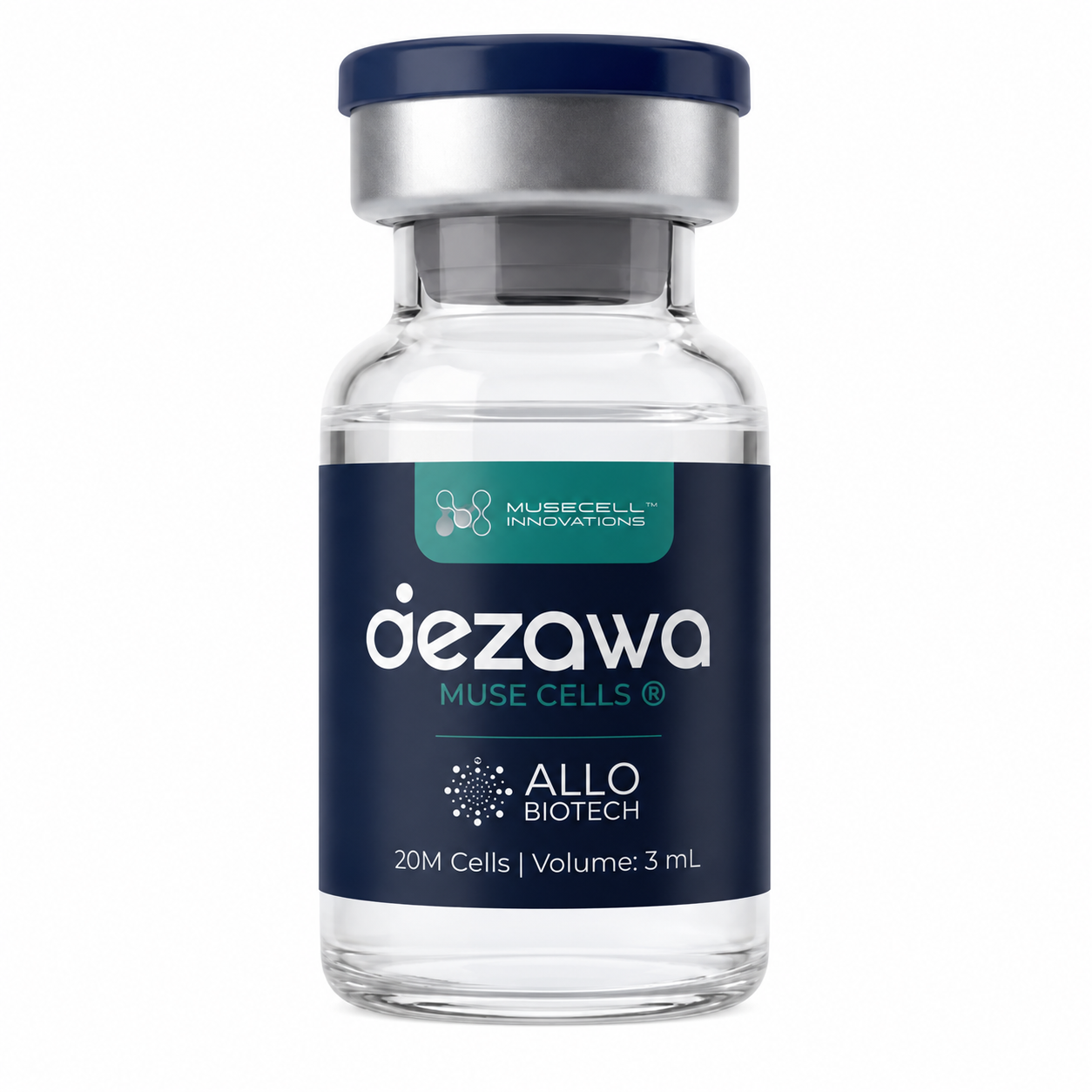
The quality and source of stem cells are critical for a successful outcome. While some clinics use cells from a patient’s own fat or bone marrow, this requires an additional, often uncomfortable, harvesting procedure. At Miami Stem Cell, we use a more advanced and potent source: umbilical cord-derived mesenchymal stem cells (MSCs). These cells are collected from the umbilical cords of healthy, full-term births, a process that is completely safe and ethical for both mother and baby.
These young, vibrant stem cells are rich in growth factors and have powerful anti-inflammatory and regenerative properties. Because they are so new, they haven’t been exposed to the aging process or environmental toxins, making them incredibly effective at signaling your body to heal. Using these specific cells allows us to provide a high-quality, consistent treatment without needing to perform an invasive procedure on you.
Can Stem Cell Therapy Help Your Hand or Wrist Condition?
Our hands are involved in almost everything we do, from typing an email to holding a loved one’s hand. So when chronic pain or a nagging injury takes hold, it can disrupt your entire life. If you’re dealing with a hand or wrist condition that just won’t quit, it’s easy to feel like invasive surgery is your only real option. But regenerative medicine offers a different path forward, one that works with your body instead of against it. Stem cell therapy is a non-surgical treatment that harnesses your body’s natural healing power to repair damage right at the source. Instead of just masking symptoms with cortisone shots or relying on anti-inflammatory drugs, this approach aims to rebuild and restore the damaged tissue itself.
This is what makes it such a powerful tool for a wide range of issues, from the persistent ache of arthritis to the sharp pain of a tendon tear. The process involves introducing a concentration of powerful healing cells directly into the problem area. These cells act as your body’s internal repair crew, helping to regenerate damaged bones, tendons, cartilage, and ligaments. This modern approach to pain management is focused on creating lasting results, not just temporary relief. The goal is to help you heal completely so you can get back to your daily activities without being held back by pain and instability. It’s a solution for conditions like hand arthritis, Carpal Tunnel Syndrome, thumb joint arthritis, TFCC tears, trigger finger, and other tendon or ligament injuries.
Arthritis and Joint Pain
Hand and thumb arthritis can make simple tasks feel monumental. The persistent pain, stiffness, and swelling are signs that the protective cartilage in your joints is wearing down over time. Stem cell therapy offers a promising solution by addressing the condition at its core. The stem cells we use have powerful anti-inflammatory properties that can quickly calm the painful inflammation in the joint, providing relief. More importantly, they signal your body to begin repairing the damage, potentially even helping to regenerate new cartilage tissue. Studies have shown significant pain reduction in patients treated for hand arthritis, helping them regain function and improve their quality of life without needing an invasive joint replacement surgery.
Tendon and Ligament Injuries
From a sudden fall onto an outstretched hand to a repetitive strain injury from work or sports, damage to the tendons and ligaments in the wrist is incredibly common. Conditions like TFCC (triangular fibrocartilage complex) tears can cause chronic wrist pain and instability that make it hard to grip or twist your hand. Stem cell therapy provides the raw materials your body needs for a more robust healing process. When injected into the injured area, these cells can develop into the specific type of tissue needed for repair, whether it’s a tendon or a ligament. This process supports a more complete and stable recovery, helping you achieve true joint regeneration and reduce the risk of future injury or weakness.
Carpal Tunnel and Trigger Finger
Conditions like Carpal Tunnel Syndrome and Trigger Finger can be incredibly frustrating, causing numbness, tingling, and a loss of dexterity that interferes with your work and hobbies. While traditional treatments like splints or steroid injections might offer temporary relief, they often don’t fix the underlying inflammation and tissue compression causing the problem. Stem cell therapy is an excellent option for these conditions, especially if other treatments haven’t worked for you. By reducing inflammation and promoting the healing of the affected tendons and nerves, stem cell injections can provide lasting relief from the source. For many, this treatment is the key to avoiding surgery and returning to their favorite activities with renewed comfort and function.
Stem Cell Therapy vs. Traditional Treatments
When you’re dealing with persistent hand or wrist pain, the conventional path can feel limited and frustrating. Doctors often suggest a cycle of treatments starting with pain relievers, moving to steroid injections, and then physical therapy. If those don’t provide lasting relief, surgery is frequently presented as the final, and often intimidating, option. While these methods can be helpful for some, they don’t always address the source of the problem. Painkillers and injections can mask symptoms temporarily, but the pain often returns once they wear off. Surgery, while sometimes necessary, involves significant risks like infection and nerve damage, not to mention a lengthy and often painful recovery period that can keep you from your daily life for weeks or months.
This is where regenerative medicine offers a completely different path. Instead of just managing symptoms or surgically altering your joints, stem cell therapy works with your body’s own powerful healing mechanisms. It aims to repair damaged tissue from the inside out, offering a fundamentally different approach to restoring function, reducing inflammation, and finding lasting relief. The goal isn’t just to quiet the pain; it’s to rebuild the damaged cartilage, tendons, or ligaments that are causing it. This focus on true healing is what sets regenerative treatments apart and makes them a compelling option for anyone looking for a long-term solution without the drawbacks of invasive procedures.
A Non-Surgical Alternative to Surgery
For many people, the thought of hand surgery, with its incisions, anesthesia, and long rehabilitation, is a major concern. Stem cell therapy provides a powerful non-surgical treatment for conditions ranging from hand arthritis and Carpal Tunnel Syndrome to tendon and ligament injuries. Instead of cutting into tissue, the procedure involves a precise injection of stem cells directly into the damaged area. This approach helps you avoid the risks associated with surgery, such as infection and scarring, while promoting healing in a much less invasive way. It’s a way to support your body’s repair process without the significant downtime associated with traditional pain management surgeries.
Healing the Cause vs. Masking Symptoms
Traditional treatments like cortisone shots or anti-inflammatory medications can be great for temporary relief, but they often act like a bandage, masking the pain without fixing the underlying issue. Stem cell therapy is designed to be a curative treatment. It helps your body generate new, healthy joint tissue to replace what’s been damaged by injury or wear and tear. By introducing a high concentration of potent stem cells to the area, the therapy encourages the repair of cartilage, tendons, and ligaments. This focus on joint regeneration means you’re not just covering up symptoms; you’re addressing the root cause of the pain for more sustainable, long-term results.
Faster Recovery with Fewer Risks
One of the most significant advantages of stem cell therapy is the minimal downtime. The entire procedure is typically completed in a single office visit, and you can usually go home the same day. Because we use umbilical cord-derived mesenchymal stem cells that are carefully screened, the risk of rejection or adverse reaction is extremely low. Recovery is also much quicker compared to surgery. While you might experience some initial soreness at the injection site, most people can return to their normal activities within a few days. This means less time away from work, family, and the things you love, making it a practical and efficient path to healing.
What to Expect from Your Treatment
Knowing what happens during treatment can help you feel more confident and prepared. At Miami Stem Cell, we make sure the entire process is clear and comfortable, from your first conversation with us to your post-procedure care. Our goal is to create a supportive environment where you can focus on healing. We handle the details so you can look forward to getting back to the activities you love, with less pain and better function in your hands.
Your Consultation and Personalized Plan
Your journey begins with a thorough one-on-one consultation. This is our chance to listen to your concerns, understand your goals, and determine if you’re a good candidate for stem cell therapy. We’ll perform a comprehensive exam, review your medical history, and look at any imaging you have, like X-rays or MRIs. Based on this complete picture of your health, our medical team will design a personalized treatment plan tailored specifically to your hand or wrist condition. We believe that a customized approach is key to achieving the best possible results, and we’ll walk you through every recommendation so you feel fully informed.
The Treatment Process Explained
The treatment itself is a straightforward, minimally invasive procedure performed right in our clinic. We use umbilical cord-derived mesenchymal stem cells, which are sourced from FDA-regulated cord blood banks. On the day of your appointment, the process is simple. We use a local anesthetic to numb the area, ensuring you remain comfortable. Then, using advanced imaging guidance like ultrasound, we precisely inject the stem cells directly into the affected joint or tissue in your hand. The entire injection process is typically completed in under an hour, and you can return home the very same day.
Recovery and Aftercare
After the procedure, the focus shifts to healing. You might be asked to wear a splint for a short period to support the joint as the stem cells begin their work. Unlike surgery, the downtime is minimal. Most people start to notice a reduction in pain and inflammation within a few weeks, with improvements continuing over the following months as the tissues regenerate. We provide detailed aftercare instructions and are always here to answer questions as you recover. Many of our patients report not only significant pain relief but also a lasting improvement in hand strength and mobility, which you can read about in their testimonials.
Is Stem Cell Therapy for Hands Right for You?
Deciding on a medical treatment is a big step, and it’s natural to wonder if a particular therapy is the right fit for your situation. If you’re dealing with persistent hand or wrist pain, you’ve likely already tried a few things. Maybe you’ve used braces, gone to physical therapy, or relied on anti-inflammatory medications just to get through the day. Perhaps you’ve had cortisone shots that provided temporary relief, only for the pain to return. For many, the next suggested step is often surgery, which can mean a long, difficult recovery and no guarantee of a perfect outcome.
Regenerative medicine offers a different path forward, one that focuses on helping your body heal from within. Instead of just masking symptoms or surgically altering your joints, stem cell therapy aims to address the root cause of the damage. This approach is designed for individuals who are looking for a sophisticated, non-surgical solution for their chronic pain management. It’s for people who want to avoid the downtime of surgery and the side effects of long-term medication use. If you’re ready to explore a treatment that supports your body’s own ability to repair and regenerate tissue, let’s walk through what makes someone a good candidate and what you can realistically expect.
Who Makes a Good Candidate?
You might be a great candidate for stem cell therapy if you’re experiencing chronic pain or limited mobility from conditions like hand or thumb arthritis, Carpal Tunnel Syndrome, or trigger finger. It’s also an effective option for addressing specific injuries, such as tears in your tendons or ligaments. Many of our patients come to us after trying conventional treatments like physical therapy, steroid injections, or pain medications without finding lasting relief. If you’re looking for a non-surgical treatment that supports your body’s natural healing abilities, this could be an excellent choice. The goal is to help you regain function and reduce pain, getting you back to the activities you love.
Understanding Potential Outcomes
It’s important to have a clear picture of what treatment can achieve. While results vary for each person, many patients experience a significant reduction in pain and an improvement in hand function. Studies and patient testimonials show that stem cell procedures can effectively lessen discomfort from conditions like hand arthritis. Following treatment, many people find they can rely less on pain medication and can often postpone or even avoid more invasive surgeries. The therapy works by introducing powerful healing cells to the injured area, which promotes tissue repair over time. This is a healing process, not a quick fix, with improvements often continuing for months after your procedure.
Safety and Side Effects
Your safety is the top priority. At Miami Stem Cell, we use umbilical cord-derived mesenchymal stem cells (MSCs) that are sourced from FDA-compliant, accredited labs. Because these cells are so new, they don’t have developed immune markers, which means there is a very low risk of rejection by your body. The procedure itself is minimally invasive, involving a simple injection into the targeted area. The most common side effects are minor and temporary, such as localized swelling, stiffness, or discomfort at the injection site for a day or two. We are committed to the highest standards of care, ensuring our USA-based treatments are both safe and effective.
How to Choose the Right Stem Cell Clinic
Finding the right clinic is just as important as the treatment itself. You’re not just looking for a procedure; you’re looking for a trusted partner in your health journey. The best clinics prioritize your safety, operate with transparency, and are committed to providing care that is both ethical and effective. Making an informed decision starts with knowing what to look for, what questions to ask, and which warning signs to avoid.
Your goal is to find a facility that adheres to the highest medical standards and is open about its processes, from where its cells come from to what you can realistically expect from treatment. A reputable clinic will welcome your questions and provide clear, honest answers. This ensures you feel confident and secure in your choice. The field of regenerative medicine is exciting, but it also requires careful consideration. A clinic’s commitment to patient education, personalized care, and regulatory compliance speaks volumes about its integrity. When you find a team that invests time in understanding your unique condition and health objectives, you know you’re in the right place. They should be able to walk you through every step, from the initial consultation to post-treatment care, making sure you are comfortable and informed along the way.
Credentials and FDA Compliance to Look For
When researching clinics, your top priority should be safety and legitimacy. It’s essential to choose a clinic that strictly follows FDA guidelines. This compliance is crucial because it governs the sourcing, processing, and administration of stem cells, ensuring both safety and quality. A reputable clinic will be transparent about its procedures and the source of its stem cells, confirming they are derived from ethical and approved methods. Look for providers who are clear about their USA-based treatment protocols, as standards can vary significantly in other countries. A clinic that is upfront about its adherence to regulatory standards demonstrates a commitment to patient well-being and responsible medical practice.
Important Questions to Ask Your Doctor
Your initial consultation is the perfect opportunity to gather information and gauge if a clinic is the right fit. Don’t hesitate to ask direct questions about the physician’s background and the treatment itself. A great starting point is to ask about their experience with stem cell therapy, including how many procedures they have performed for conditions similar to yours. You should also inquire about the specific type of stem cells that will be used and how they will be administered. The clinic’s medical team should be able to explain the science behind their approach in a way you can understand. Clear, confident answers to these questions are a strong indicator that you are in capable hands.
Red Flags to Watch Out For
Just as there are signs of a great clinic, there are also red flags that should give you pause. Be cautious of any provider that makes exaggerated claims or promises a “cure” for all conditions. Regenerative medicine is a powerful tool, but it is not a magic bullet. A trustworthy doctor will give you a realistic understanding of the potential outcomes based on your specific health situation. Avoid clinics that are vague about the risks and benefits or that pressure you into making an immediate decision. High-pressure sales tactics have no place in medicine. A professional clinic will provide you with all the information you need, including answers to frequently asked questions, and give you the space to decide what’s best for you.
Related Articles
- Stem Cell Therapy for Hand Arthritis | Miami Stem Cell
- Stem Cell Therapy for Arthritis in Hands: What to Know – Stem Cell Therapy | Miami Stem Cell
- Stem Cell Therapy for Hand & Finger Arthritis Relief | Miami Stem Cell
- Arthritis – Stem Cell Therapy | Miami Stem Cell
Frequently Asked Questions
How soon will I notice a difference in my hands after the treatment? While some people feel a reduction in inflammation and pain within a few weeks, it’s important to remember that this is a regenerative process. The stem cells are working to repair and rebuild damaged tissue, which takes time. The most significant improvements in function and pain relief typically develop over the course of two to six months as your body heals from the inside out.
Is the stem cell injection procedure painful? We prioritize your comfort throughout the entire process. The treatment area is numbed with a local anesthetic before the injection, so most patients report feeling only a bit of pressure rather than sharp pain. You might experience some mild soreness or stiffness at the injection site for a day or two afterward, similar to what you might feel after a regular joint injection, but this resolves quickly.
Why do you use stem cells from an umbilical cord instead of my own? We use umbilical cord-derived mesenchymal stem cells because they are incredibly young, powerful, and full of healing potential. These cells have not been exposed to the aging process or environmental factors, making them more robust than cells that would be harvested from your own body. This approach also allows us to provide a high-quality, consistent treatment without requiring you to undergo a separate, often uncomfortable, harvesting procedure.
How long do the results of stem cell therapy for hands typically last? The goal of this therapy is to provide a long-term solution by healing the underlying cause of your pain, not just temporarily masking it. By helping your body regenerate damaged cartilage, tendons, or ligaments, the treatment can offer lasting relief for years. Your individual outcome will depend on the severity of your condition and your lifestyle, but many patients successfully avoid or postpone surgery and enjoy a sustained improvement in their quality of life.
What does the recovery period actually involve? One of the biggest advantages of this treatment is the minimal downtime. The procedure is done in our office, and you can go home the same day. We may ask you to rest your hand and avoid strenuous activities for a short period to give the cells the best environment to begin working. Most people are back to their normal daily routines within a few days, making it a much faster and easier recovery compared to surgery.