A torn labrum creates a deep ache in the joint that often worsens during overhead movements or heavy lifting. This damage to the shoulder’s cartilage ring can lead to chronic instability and lasting discomfort. Schedule a consultation for shoulder labral tear treatment in Miami today and explore non-surgical options that may help you avoid surgery.
Effective shoulder labral tear treatment focuses on reducing inflammation and supporting the body’s natural healing process without the need for major surgery. While some patients choose physical therapy and rest, advanced regenerative medicine offers a way to fix the root cause of the pain. According to the Mayo Clinic, the labrum is a ring of cartilage that surrounds the socket of your shoulder joint and provides stability. Modern nonsurgical options like stem cell therapy and PRP injections may help repair this tissue by recruiting natural healing cells to the injured site. These treatments are designed to support tissue health and may help patients avoid the long recovery times linked to surgical repairs. Most patients can return to their normal daily activities on the same day as their procedure. This approach provides a science-backed path for those seeking to regain mobility and reduce joint discomfort.
Before you can choose the right path for your recovery, you must understand the nature of your injury. Learning about the anatomy of your joint and how the damage occurs is the first step toward finding relief.
Shoulder Labral Tear Treatment: What Is a Shoulder Labral Tear and Why Does It Happen?
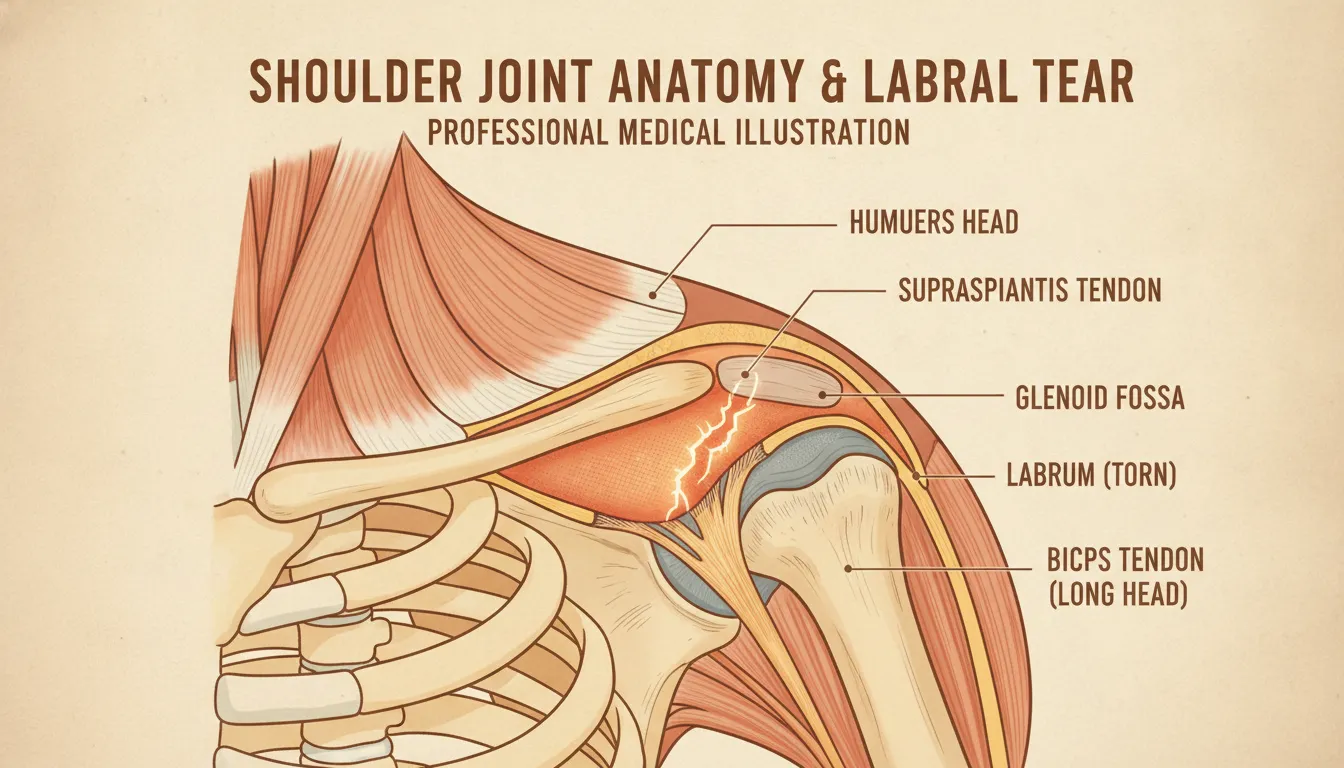
The shoulder is a complex ball and socket joint that offers more movement than any other joint in the body. A shoulder labral tear occurs when the ring of cartilage that lines the shoulder socket is ripped or worn down. This ring, known as the labrum, is key to keeping the ball of the upper arm bone steady within the joint. While many think only pro athletes get these injuries, they can happen to anyone after a heavy fall or from years of daily use.
A shoulder labral tear treatment begins with identifying the type and location of the tear. The labrum acts like a gasket that cushions the joint and reduces friction during movement. Since cartilage does not get much blood flow, a tear can be hard for the body to fix on its own. That is why many patients turn to non-surgical shoulder injury treatment to help trigger a healing response.
Anatomy of the shoulder labrum
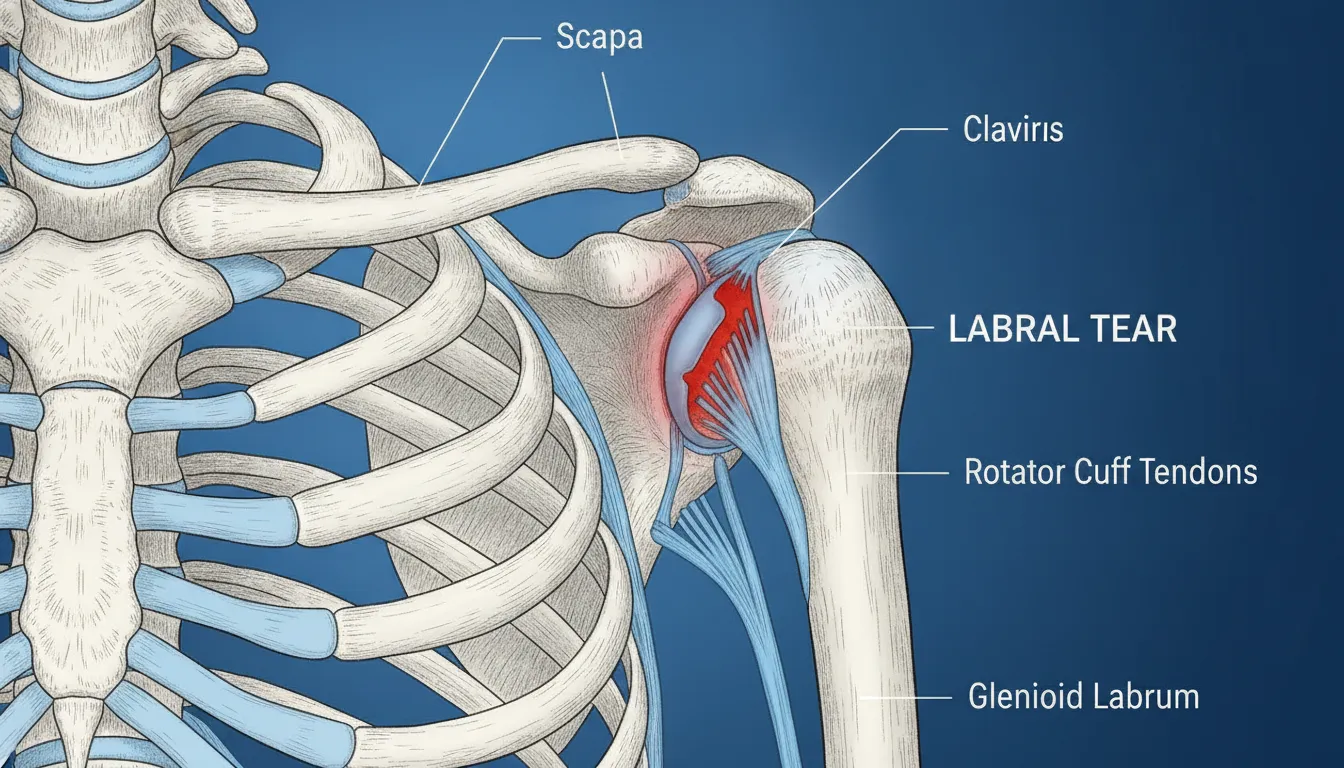
The labrum is a dense piece of fibrous tissue that surrounds the glenoid, which is the socket of the shoulder joint. As noted by the Mayo Clinic, this cartilage ring helps to deepen the socket. It also helps to create a more stable fit for the arm bone. It works much like a gasket, giving a cushion that reduces friction during movement. The labrum also acts as a bridge for tendons and ligaments that support the joint.
SLAP tears and Bankart tears
Medical experts group these injuries into a few main types based on where the tear is found. A SLAP tear stands for Superior Labrum Anterior to Posterior. This injury occurs at the top of the labrum where the biceps tendon meets the socket. Athletes who use overhead motions, such as tennis players or pitchers, are at high risk for this type. A Bankart tear is another common injury that typically follows a shoulder dislocation. In this case, the labrum is pulled away from the front of the socket, which can make the joint feel loose.
The role of inflammation in joint pain
When the labrum is torn, it does more than just hurt. The injury often sets off a chain of events that can harm the entire joint. Scientific studies found that labral tears are a major source of joint pain and ongoing discomfort. Research published in PubMed explains that these injuries are often tied to inflammatory responses. This swelling can lead to the slow breakdown of the labral tissue if it is not managed. Over time, a small tear may get larger and lead to other issues like arthritis. Choosing the right shoulder labral tear treatment is vital for cooling this swelling and protecting the joint from more wear and tear.
What Are the Early Signs of a Shoulder Labral Tear?
A shoulder labral tear can be hard to spot at first. The pain often sits deep within the joint. Many people describe it as a dull ache that turns sharp when they reach for something. This injury often leads to joint pain and inflammation that can last for weeks. You might feel like your shoulder is not as strong as it used to be.
The most common sign of a labrum tear shoulder injury is a catching or locking feeling in the joint. You might hear a pop or a click when you move your arm in a circle. The torn piece of cartilage gets stuck in the joint, causing a sensation of instability. Knowing these early signs helps you seek the right shoulder labral tear treatment before the damage gets worse.
Signs of a labrum tear shoulder
- A grinding or popping feel during arm movement
- Deep, aching pain that is hard to pin down
- Pain when you reach overhead or across your body
- A sense of looseness in the shoulder
- Loss of the full range of motion in the joint
- Weakness in the arm when lifting or pulling
How doctors check your injury
A doctor will start by asking about your past health. They want to know when the pain started and what moves make it worse. Next, they will perform a physical exam. The doctor will move your arm into different spots to see what causes pain. They check your range of motion and look for signs of weakness in specific muscles. This helps them rule out other issues like a pinched nerve or a simple strain.
MRI scans and affordable testing
A recent MRI is the best way to see a labrum tear. Regular X-rays only show bones and will not catch a tear in the cartilage. An MRI uses magnets to create a clear image of the soft tissues. This scan allows the team to see the exact size and spot of the tear. To help our patients, we offer a special program. You can get a recent MRI for $200 through our local partners. This ensures you get the right tests without a large bill.
What Conservative Treatments Work for Shoulder Labral Tears?
Most doctors start with simple steps to manage a torn labrum. This first phase of care focuses on easing pain and helping the joint move better. These methods are often the first shoulder labral tear treatment path before a patient looks at more advanced options. The main goal of nonsurgical management is to reduce inflammation and build strength through rehab.
Conservative care for a shoulder labral tear includes rest, ice, physical therapy, and sometimes corticosteroid injections. These steps help manage symptoms but do not repair the torn cartilage. For many people, these steps are enough to get back to daily life without pain. However, when these standard treatments are not enough, regenerative medicine offers a next step that treats the root cause of the injury.
Rest, ice, and pain relief
The first step in healing is to give the shoulder time to rest. This does not mean you stop all movement. Instead, you should avoid overhead reaching or heavy lifting that makes the pain worse. You may need to stop sports for several weeks or even a few months. This rest gives the tissue a chance to calm down. Using ice on the area is also very helpful. A common plan is to apply ice for 15 minutes, three times each day. Over-the-counter pain pills like ibuprofen or naproxen can also lower the chemical signals that cause pain.
Physical therapy and strengthening
Physical therapy is a key part of non-surgical shoulder injury treatment. You might spend up to six weeks in therapy to get the best results. A therapist will teach you moves to strengthen the muscles in your arm, back, and shoulder. These muscles act as a natural brace for the joint. When these muscles are strong, they help the joint stay stable even if the labrum is not perfect.
Corticosteroid injections
If rest and therapy do not help enough, a doctor might suggest a steroid shot. This injection goes right into the shoulder joint to calm down the inflammatory response. While these shots can give fast relief, they are usually a short-term fix. They do not fix the tear itself. Instead, they provide a window of time where you can do therapy with less pain. It is key to remember that too many steroid shots can weaken the tendons over time.
How Does Regenerative Medicine Treat Labral Tears Without Surgery?
For many people with a shoulder labral tear, the word treatment often brings to mind a long road to surgery. But new tools in regenerative medicine offer a different path. These treatments do more than just mask pain with pills or shots. Instead, they focus on helping the body fix the root cause of the injury.
Regenerative medicine for labral tears uses biologics like mesenchymal stem cells (MSCs), exosomes, and platelet-rich plasma (PRP) to support tissue repair. These substances send healing signals directly to the site of the tear. By using natural cells and growth factors, these options may help you avoid the risks and long recovery times of a surgical repair. Research suggests that these advanced therapies may even help some patients delay or eliminate the need for surgery entirely, as noted in clinical guidelines from the Mayo Clinic.
Moving beyond standard care
Most common treatments for a labrum tear focus on rest and physical therapy. While these are helpful, they do not always fix the torn tissue. Regenerative treatments for shoulder pain work by sending healing signals directly to the site of the tear. This approach aims to reduce the joint pain that often comes from a shoulder injury.
Advanced biological tools
Modern clinics use a variety of biological tools to support joint health. These include Wharton Jelly MSCs, exosomes, and platelet-rich plasma (PRP). Each tool plays a unique role in calming inflammation and supporting tissue repair. These non-surgical shoulder injury treatments are personalized to fit the unique needs of each patient based on their MRI results and injury history.
A focus on tissue healing
The goal of regenerative medicine is to create the best environment for your shoulder to heal. Studies found on PubMed show that specific growth factors can improve labral healing by bringing in repair cells. This process helps to strengthen the cartilage ring around the shoulder socket.
How Do Stem Cells and Biologics Support Labral Healing?
Regenerative medicine focuses on the natural ability of the body to repair itself. When a shoulder labral tear occurs, the tissue often lacks the blood flow needed for a full recovery. Advanced joint regeneration therapy uses biologics to send healing signals directly to the site of the injury.
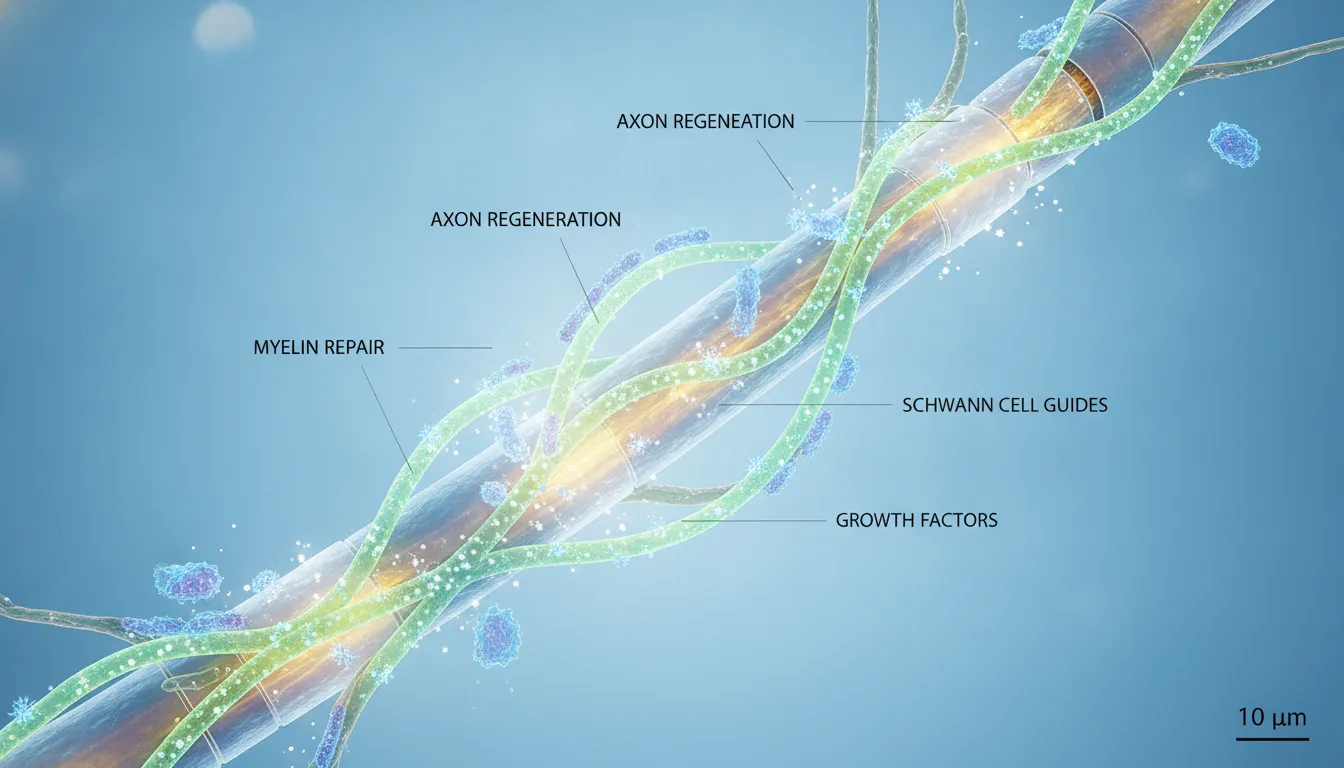
Mesenchymal stem cells (MSCs) and exosomes are the key tools in modern shoulder labral tear treatment. MSCs from Wharton Jelly work through paracrine signaling to reduce joint inflammation. Exosomes carry over 300 growth factors that give cells the exact instructions needed to start the repair process. Platelet-rich plasma (PRP) provides concentrated platelets that release platelet-derived growth factor (PDGF), which helps recruit progenitor cells for tissue healing.
Biological repair with MSCs
Mesenchymal stem cells (MSCs) from Wharton Jelly are a key tool in shoulder labral tear treatment. These cells work through paracrine signaling to reduce joint inflammation. By changing the chemical environment in the shoulder, they help stop further tissue damage and promote a better healing response. These cells do more than just lower pain. They release growth factors that support the repair of the cartilage ring. Since these treatments are non-surgical, patients at Miami Stem Cell can often resume their normal daily activities the same day as their procedure.
The role of growth factors and exosomes
Exosome therapy is another powerful option for labral repair. Exosomes are tiny vesicles that carry over 300 growth factors to damaged cells. They act like a bridge, giving the exact instructions needed to start the repair process in the labrum. Platelet-rich plasma (PRP) works in a similar way by using your own blood. PRP gives concentrated platelets that release platelet-derived growth factor (PDGF). Research shows that PDGF helps recruit progenitor cells that are already present in the human labrum to help tissue heal.
Improving joint function
Using these biologics together can lead to better results for those with chronic shoulder pain. Stem cell injections for shoulder injuries are designed to support the structural health of the joint. This approach treats the root cause of the pain rather than just the symptoms. By using MSCs, exosomes, and PRP, doctors can create a custom plan for each patient.
Surgery vs. Regenerative Medicine: Which Is Right for Your Labral Tear?
Deciding between surgery and other ways to heal your shoulder can feel hard. Surgical repair is a common path, but it is not the only way to get back to your life. For many, regenerative treatments for shoulder pain offer a path that does not involve the operating room.
When choosing a shoulder labral tear treatment, the key differences between surgery and regenerative medicine come down to invasiveness, downtime, recovery time, and long-term goals. Surgery requires incisions and anesthesia, while regenerative treatments are injection-only procedures. Most regenerative patients return to daily activities the same day, while surgical patients face weeks in a sling and months of rehab. The table below compares these two approaches side by side.
Comparison of treatment paths
| Criteria | Surgical Repair | Regenerative Medicine |
|---|---|---|
| Invasiveness | High (Incisions, Anesthesia) | Low (Injection only) |
| Downtime | 4-6 weeks in a sling | Same-day return to activity |
| Recovery Time | 6-12 months for full return | Gradual healing over weeks |
| Main Risks | Infection, nerve damage, stiffness | Mild soreness at injection site |
| Process Length | Hours of surgery plus hospital stay | Single outpatient visit |
| Long-term Goal | Physical repair of cartilage | Tissue support and regrowth |
Thinking about surgery
Surgery for a labral tear often involves an arthroscopic repair. This process uses small tools to fix the torn cartilage. While this can work, it requires general anesthesia and a long period of rest. Most people need weeks in a sling and months of physical therapy to heal.
The regenerative option
Regenerative medicine takes a different path. Instead of cutting or sewing, doctors use biologics like Wharton Jelly MSCs or PRP to support healing. These substances are designed to support your bodys natural fix-it crew. A major plus is that these are same-day procedures. You do not need to go under general anesthesia, and you can often resume daily tasks right away.
Picking your best path
Every shoulder is different, and the right choice depends on your specific goals. While some cases need surgery, many people find relief through rehab and non-surgical care. Most doctors will ask for an MRI to see the damage clearly. You can schedule a consultation to talk about which path fits your life and health needs best.
Frequently Asked Questions
Can a torn shoulder labrum heal on its own?
A torn shoulder labrum rarely heals on its own because this tissue has a poor blood supply. While small tears may feel better with rest, the cartilage itself often needs help to mend. According to the Mayo Clinic, the labrum is a ring of cartilage that keeps the joint stable. Without proper care, a tear can lead to ongoing pain and joint issues that may get worse over time.
What is the best nonsurgical treatment for a shoulder labral tear?
Many patients find relief through a mix of physical therapy and rest. The goal is to strengthen the muscles around the shoulder to take pressure off the joint. For those who want to avoid surgery, options like platelet-rich plasma or stem cell therapy are popular. These treatments help the body repair tissue at the source of the injury.
Does regenerative medicine work for shoulder labral tears?
Yes, regenerative options can be very helpful for many patients. According to research, certain growth factors can help the body improve labrum healing. Miami Stem Cell offers advanced therapies like exosomes and Wharton Jelly MSCs. These nonsurgical tools are designed to support the body’s own repair process. This approach can often delay or even avoid the need for a major surgery while reducing joint pain and swelling.
How long is the recovery for nonsurgical shoulder treatments?
One major plus of nonsurgical care is the short recovery time. Most patients at Miami Stem Cell can resume their normal daily activities on the same day as their treatment. While the body’s natural healing process takes a few weeks to fully develop, there is very little downtime compared to surgery.
How serious is a labral tear in your shoulder?
A labral tear can be serious if it leads to chronic shoulder instability or deep pain. While it is not life-threatening, it can stop you from playing sports or doing daily tasks. Tears often come with inflammation and may cause the joint to feel loose or catch during movement. Seeing a specialist early can help you find a non-surgical path to repair the tissue and keep the injury from getting worse.
Ready to book your shoulder labral tear consultation in Miami?
Waiting to treat a shoulder labral tear often leads to more joint wear and daily pain that makes it very hard to do your tasks. Starting your care now with non-surgical tools helps your body begin to repair itself so you can find shoulder pain relief with regenerative medicine.
Ready to schedule a consultation for shoulder labral tear treatment? Call (305) 598-7777 to talk to a specialist at our clinic today. Our team in South Miami is here to help you find the right path forward.