

Damaged nerves in your limbs cause chronic pain. Standard medical care often fails to stop this discomfort. Many patients find that pills only hide the symptoms without fixing the root cause. You need a better way to heal and get back to the life you love.
Ready to find lasting relief? Contact Miami Stem Cell today to schedule a free consultation or call us at (305) 598-7777.
Full peripheral neuropathy treatment focuses on managing the main causes of nerve damage while relieving chronic pain to improve your daily quality of life and your physical mobility. While standard medical care often uses heavy pills to hide pain, new research shows that stem cells may help repair damaged nerves and restore your healthy physical function. According to the Mayo Clinic, finding the root cause is the most vital step in any plan to stop the physical damage from getting much worse. By combining healthy lifestyle changes with advanced cell therapies, you can work toward healing the nervous system and finally reclaiming the active life that you enjoy every day.
To find the right relief, you must first learn why your nerves are struggling and how to spot the early warning signs of this condition. Our guide to Understanding Peripheral Neuropathy: Causes and Symptoms explains the factors that lead to nerve damage and helps you find the best path forward. The path begins with
Understanding Peripheral Neuropathy: Causes and Symptoms
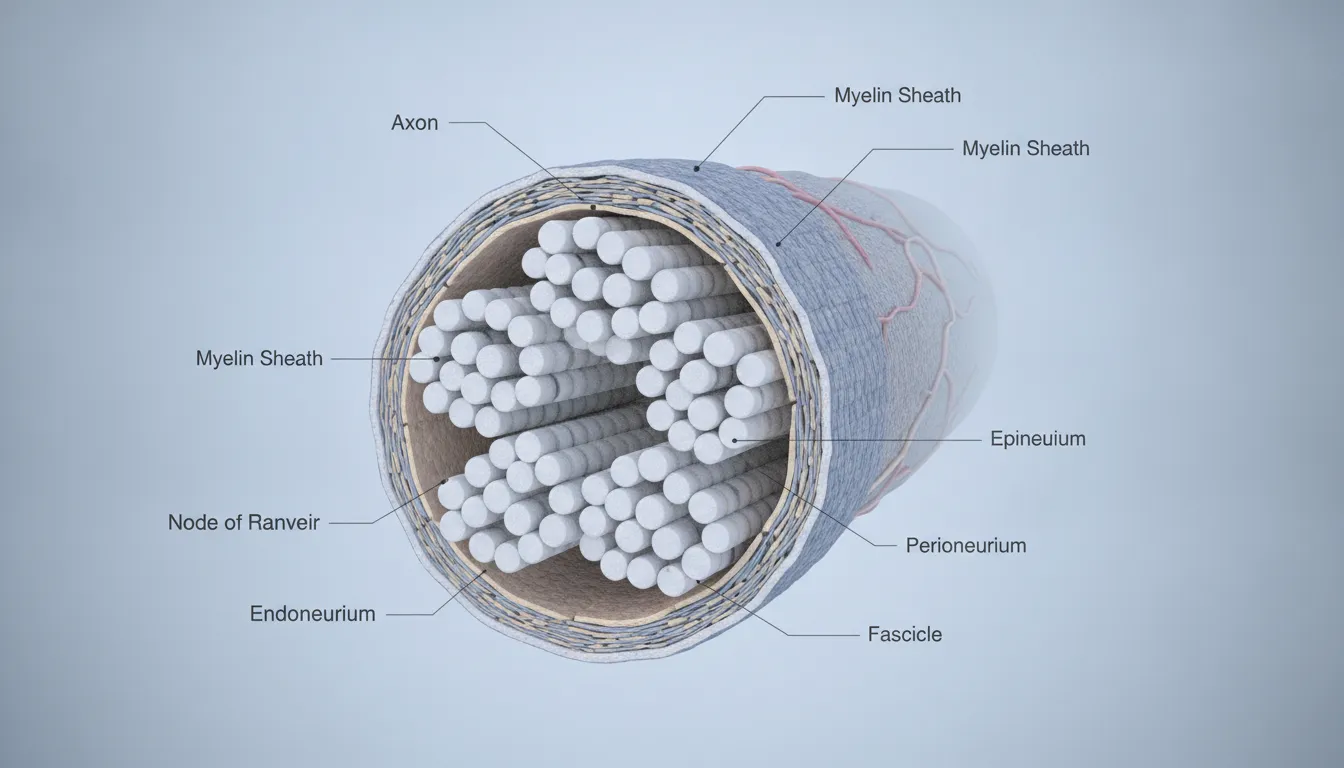
Peripheral neuropathy is a term for damage to the nerves outside your brain and spinal cord. These nerves carry facts from your brain to your limbs. They also tell your brain what your feet and hands feel. When these nerves get hurt, the signals do not flow well. This can cause pain, weakness, or a loss of feeling in your body. Learning about your path for peripheral neuropathy treatment starts with knowing the cause of your pain.
How Nerve Damage Starts
Many things can cause this damage. Diabetes is the top cause for most people today. High blood sugar can hurt the tiny vessels that give blood to your nerves. If you have this issue, you may need a diabetic neuropathy treatment to help. Other causes include a sudden injury or long-term pressure on a nerve. Some people get it from a lack of vitamins or from certain infections. The Mayo Clinic notes that metabolic issues and toxins can also play a role. For example, some drugs or heavy metals can hurt nerve health over time.
Common Symptoms to Watch For
- Tingling or numbness: A pins-and-needles feeling that starts in your feet or hands.
- Sharp or burning pain: Jabbing, freezing, or throbbing sensations.
- Extreme sensitivity: Feeling pain from light touches that should not hurt.
- Loss of balance: Tripping or feeling unsteady while walking.
The signs of nerve damage often start in your feet or hands. You may feel a light tingling that spreads up your legs or arms. This can turn into a sharp, jabbing, or burning pain. Some people feel a deep ache that does not go away. Others say it feels like they are wearing socks or gloves all the time. This numbness can make it hard to feel where you are walking. You might even find it hard to feel the floor beneath you.
Muscle weakness is another common sign. It can make you lose your balance or trip more often. You might find it hard to hold a pen or use a fork. Your muscles might even twitch or cramp at times. These signs show that your nerves are not working with your muscles. Current research on mesenchymal stem cells looks at how to help these nerves heal. Finding help early is the best way to stop the pain from getting worse.
How the Damage Changes Your Life
When your nerves do not work, your daily life can change in many ways. You might not feel a stone in your shoe or a burn on your skin. This is dangerous because you might get hurt without knowing it. You may also feel pain from a light touch that should not hurt. This happens because the brain gets the wrong signals from your skin. It can make wearing clothes or sleeping under a sheet hard for you.
Catching these signs early can help you find the right path for care. You might look into regenerative medicine for nerve damage as an option. Doctors can help you find what is causing the nerve loss. They can then build a plan to help your symptoms. For some, this means changing what they eat or how they move. Taking fast action can help keep your nerves healthy for years to come. It is the first step toward getting back to the things you love.
The Standard Medical Diagnostic Workup for Nerve Pain
Finding the root cause of nerve pain is the first step in planning a peripheral neuropathy treatment. Doctors use a series of tests to map out nerve damage and check for health issues like diabetes or infections. This full checkup helps your medical team see how well your nerves send signals to your brain and body, which is essential for effective pain management.
Initial clinical exams
Your doctor will start with a full medical history and a physical exam. They look for signs of muscle weakness, changes in your reflexes, and areas where you feel numb or tingle. Since peripheral neuropathy has many possible causes, they will also ask about your diet, work habits, and family history to find risk factors.
Common diagnostic steps
Most patients go through a set of core tests to help find the source of their pain. These steps give doctors a clear view of both your blood chemistry and your nerve health. Knowing these details is vital before starting any diabetic neuropathy treatment or other care plan.
- Blood tests: These labs check for vitamin levels, sugar levels, and signs of immune system issues.
- Neurologic exam: A specialist checks your balance, coordination, and how you feel touch or heat.
- Nerve conduction study: This test uses small shocks to see how fast and strong your nerves carry signals.
- Electromyography (EMG): Doctors place thin needles in muscles to record electrical activity and find nerve damage.
- Imaging tests: MRI or CT scans can show if a herniated disk or tumor is pressing on a nerve.
- Nerve or skin biopsy: In some cases, a small sample of tissue is taken to look at the nerve endings under a lens.
Specialized nerve testing
If standard tests do not give a clear answer, your doctor may suggest more detailed tools. An EMG is often paired with a nerve conduction velocity test to pinpoint where a nerve is pinched or blocked. These precise results help your team decide if you need regenerative medicine for nerve damage or other types of clinical care.
How Is Neuropathy in the Legs and Feet Treated?
Standard care for peripheral neuropathy treatment focuses on two main goals. Doctors work to find the source of the problem and reduce nerve pain. This often means testing for issues like high blood sugar or a lack of vitamins. Finding these triggers is the first step in most care plans. It helps stop the damage from getting worse over time.
Standard medical care
Most doctors start with physical therapy or braces to help you move. Physical therapy builds strength and helps with balance. This is key for people who feel weak in their legs. Some may give drugs to dull the burning or tingling feelings. These pills can help you feel better, but they do not always fix the nerves. As stated by the Mayo Clinic, doctors often treat the main cause to stop new damage.
Braces and support shoes are also common. These tools protect the feet from sores and injuries. Since neuropathy can make your feet numb, you might not feel a cut or blister. Wearing the right gear prevents infections. It also makes it easier to stay active without fear of a fall.
Lifestyle and diet changes
You can also take steps at home to support your nerves. Eating a clean diet is one of the best ways to help your body. A good diet reduces swelling and gives your cells the tools they need to heal. Experts suggest eating foods rich in B vitamins and healthy fats. These nutrients act like fuel for your nervous system.
You should eat 5 to 10 servings of fruits and vegetables each day. This gives your nerves the fuel they need to stay healthy. You should also try to walk or swim for thirty minutes most days. Low-impact exercise keeps blood flowing to your feet. Better blood flow means more oxygen reaches your nerves.
A focus on root causes
Some clinics look deeper than just masking the pain. This path uses regenerative medicine for nerve damage to help the body mend itself. For example, research on mesenchymal stem cells shows they may help regrow nerve tissue. Instead of just taking pills, patients look at their body’s health and cellular repair. This shift moves the focus from quick fixes to lasting health.
This approach often starts with a deep look at your lifestyle. It may include changes to how you eat, sleep, and move. By fixing the state inside your body, you give your nerves a chance to recover. Many patients find that this leads to better results than drugs alone. It helps you take charge of your own healing process.
| Treatment Goal. | Standard Care. | Root-Cause Care. |
|---|---|---|
| Primary Focus. | Manage symptoms. | Find and fix the source. |
| Main Tools. | Meds and therapy. | Diet and cell repair. |
| Expected Result. | Less pain now. | Better nerve health. |
| Patient Role. | Take prescribed pills. | Change diet and habits. |
| Time to Work. | Very fast. | Slower and steady. |
What Medications Are Used for Peripheral Neuropathy Treatment?
Standard peripheral neuropathy treatment often starts with drugs to control pain. These drugs do not fix the nerve damage itself. Instead, they try to block pain signals from reaching your brain. This can make life easier, but the inner nerve issues usually stay. Doctors often look for the root cause of the damage while you use these drugs to manage daily symptoms.
Common oral drugs
Anti-seizure drugs are a top choice for nerve pain. Drugs like gabapentin and pregabalin are very common. They work by calming nerves that fire too much. While they help many people, they can cause side effects like sleepiness or dizzy spells. You might need to try a few types to find one that works for you without too much brain fog.
Some types of drugs for low mood also help with nerve pain. These are called SNRIs, such as duloxetine. They change how your brain feels pain. Doctors often use them even if you do not have low mood. They can help with sleep and reduce the burning feel that comes with nerve damage. Like other pills, they mainly hide the pain rather than fixing the damaged nerve tissue.
Topical pain relief tools
If you have pain in a small spot, a skin cream or patch might help. Lidocaine patches can numb the skin to reduce sharp stings. Another choice is capsaicin, which comes from chili peppers. It can help dull pain signals over time. These tools are often safer than pills because they do not affect your whole body. But they are still a short fix for nerve pain.
How drugs fit into care
Pills and creams are just one part of a full care plan. They help you stay active and sleep better. Most standard care plans use these drugs to keep symptoms low while you work on other goals. This might include physical therapy or changing what you eat to help nerve health.
It is vital to know that these drugs are not a cure. If the cause of your nerve pain stays, the damage might get worse over time. This is why many people look for diabetic neuropathy treatment that goes beyond just pain pills. Finding ways to help the body heal is often the next step after starting pain drugs.
Regenerative Medicine: Evolving Evidence for Nerve Regeneration
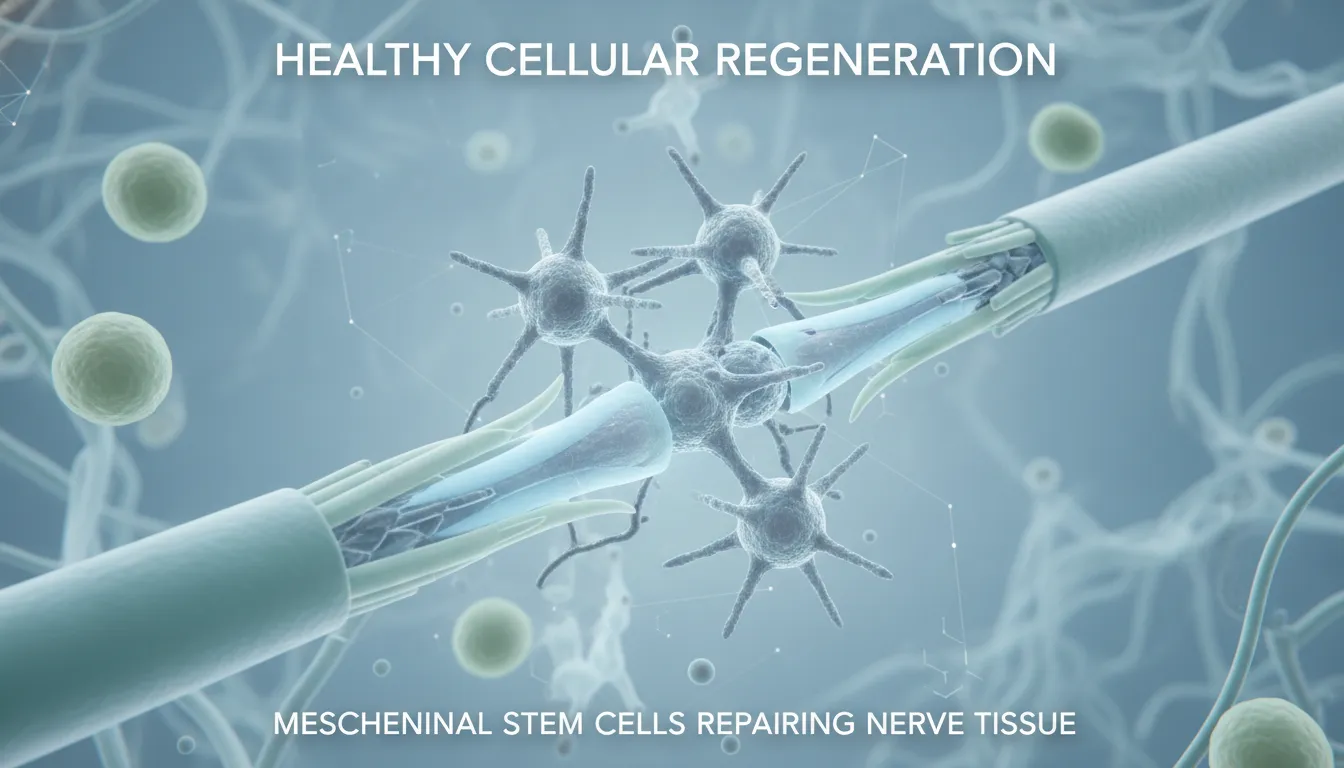
Doctors are looking at new ways to treat nerve pain. Many people want a diabetic neuropathy treatment that does more than just hide the pain. One area of study is regenerative medicine. This field uses cells from the body to fix damaged parts. Research shows that mesenchymal stem cells (MSCs) may help nerves heal. These cells can change into different types of tissue to help the body repair itself.
How stem cells help nerves
MSCs work by lowering swelling and helping new cells grow. This is helpful for people looking for a peripheral neuropathy treatment. These cells move to the site of the injury. Using advanced stem cell therapy can help your nerves start the repair process. Once there, they release signals that tell the body to start the repair process. This is how they send messages to other cells. It helps create a healthy space for nerves to mend. Doctors are also looking at how these cells can turn into nerve-like cells to fix lost ones.
Some studies use dental pulp stem cells because they are very good at making new nerve parts. These cells come from teeth and have a high chance of success in building new nerve tissue. Because they are born from the same tissue as nerves, they fit in well. They also have a low risk of being rejected by the body. This makes them a top choice for future nerve care.
The role of exosomes and Wharton’s Jelly
Wharton’s Jelly is a rich source of MSCs found in the umbilical cord. It contains many growth factors that help nerves stay healthy. Many doctors use these cells to help with nerve damage. The jelly acts as a support. It gives the cells a place to sit while they work. It is full of proteins and sugars that feed the growing nerves. This tissue is very young and strong, which helps it work well in the body.
Exosomes are another part of this process. They are small sacs that carry messages between cells. They tell damaged nerves to stop dying and start growing again. This may help lower the burning and tingling that comes with nerve damage. Exosomes are not cells, but they carry the tools that cells use to heal. They can pass through small spaces in the body to reach the tiny nerves in the feet and hands. This helps the treatment reach exactly where it is needed most.
Current research on nerve repair
Clinical tests are still checking these new tools. But early results are very hopeful. Teams have seen that stem cells can help animal nerves grow back stronger. In one study, they used Schwann cells to help fix nerve gaps. These cells showed a clear ability to repair nerve injury. By using these cells, teams saw better movement and feeling in the test animals. This gives hope for the same results in humans.
Most treatments today only stop the pain for a short time. They do not fix the root of the problem. These new methods aim to fix the nerve itself. Using MSCs and exosomes gives a new path for people who have not found relief with old drugs. As we learn more, these tools may become the standard way to handle nerve issues. For now, they are the front line of medical science for those in chronic pain.
Frequently Asked Questions
What is the most effective treatment for peripheral neuropathy?
The best treatment for peripheral neuropathy depends on the cause of your nerve damage. Doctors usually focus on fixing the root issue, such as checking blood sugar for people with diabetes. They also use drugs to help manage the pain. According to the NHS, care often combines medicine with physical therapy and a healthy diet. New research also shows that using mesenchymal stem cells can help your nerves start the repair process.
Can peripheral neuropathy be cured?
In many cases, peripheral neuropathy cannot be fully cured, but the symptoms can be managed well. If a doctor finds the cause early, they may be able to stop the damage. Some nerve loss from a lack of vitamins can improve if you treat the source. The Mayo Clinic states that care focuses on easing pain and fixing the root cause. New regenerative tools like stem cells aim to help nerves grow back and heal.
Is peripheral neuropathy dangerous or life-threatening?
Peripheral neuropathy itself is usually not life-threatening, but it can lead to serious health problems. For instance, numbness in the feet can make it hard to feel an injury or a sore. This can lead to infections that are hard to treat. Weak muscles can also make you fall, which may cause broken bones. While it is rare for it to be fatal, the Mayo Clinic notes that it needs careful care to avoid these safety risks.
What are the new treatments for neuropathy in the feet?
New treatments for neuropathy in the feet aim to help the body repair itself. Regenerative medicine uses stem cells to fix damaged nerve tissue. These cells can lower swelling and boost growth in your limbs. Some doctors also use exosomes to send signals that tell nerves to heal. A study in PubMed shows that dental pulp stem cells have great promise in building new nerve parts. These tools offer hope for those who want to fix the cause of their pain.
Ready to schedule a free consultation for nerve pain?
Nerve damage can get worse quickly if you do not treat the cause of your pain. Waiting to get help often leads to more symptoms that are harder to fix later. If you start your care now, you can stop the damage and start to feel better much sooner. Many patients find that standard pills only mask the pain instead of fixing the issue. Our team uses tools like regenerative medicine for nerve damage to help your body repair itself. You can find relief from the tingling and numbness that keeps you from your favorite tasks. Do not let another day pass while your nerves continue to suffer. We are here to help you find a path back to an active life without surgery.
Ready to find relief? Call (305) 598-7777 to schedule a free consultation.